



The Healing of Francis Pascal's Daughter
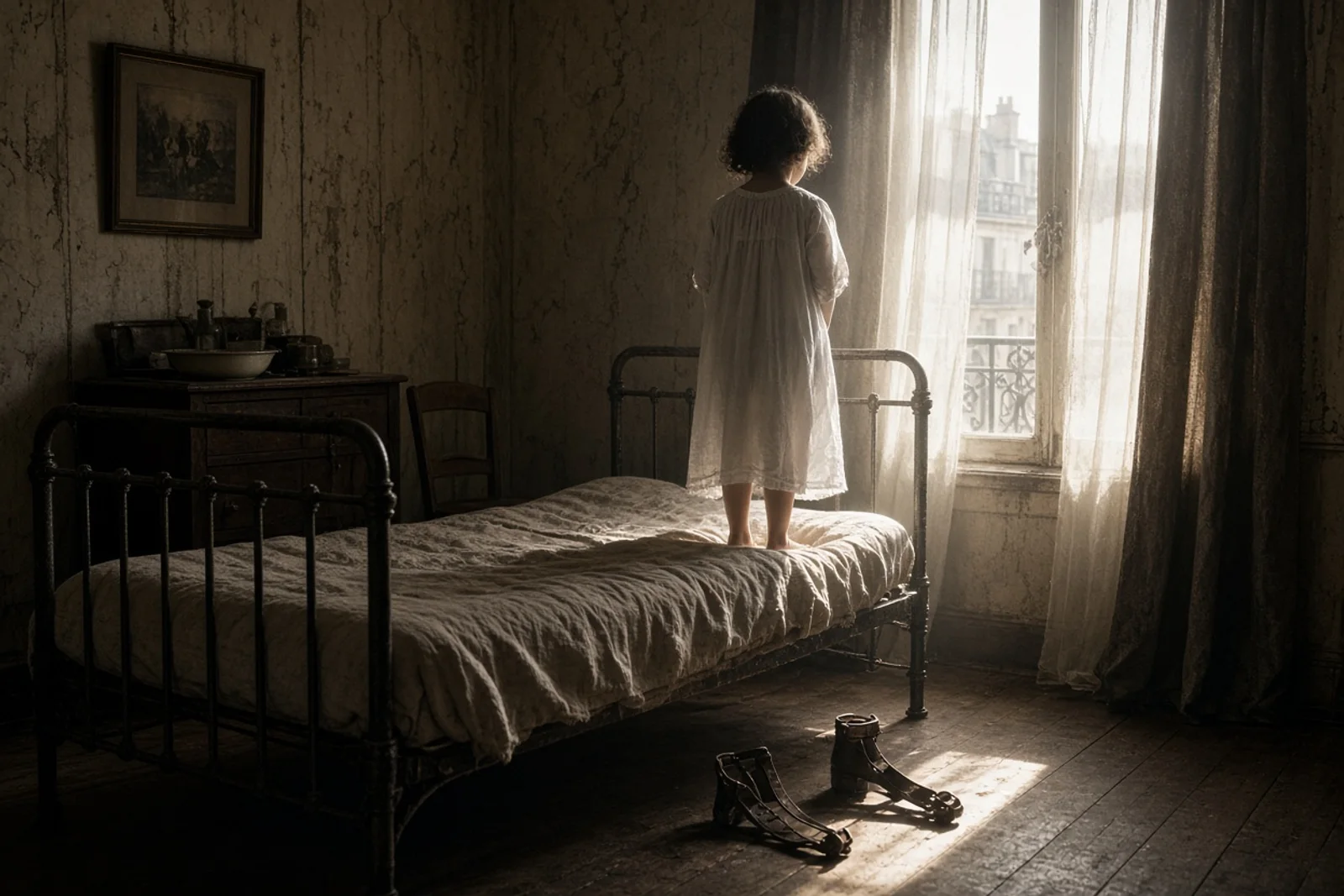
The water in the first piscina still carried the chill of the morning when they brought the boy down. I had been helping at the baths since dawn, sleeves rolled past my elbows, the stone floor slick under my shoes. The child lay rigid across his mother’s arms, eyes open but seeing nothing, arms and legs locked straight as if the meningitis had turned bone to iron. She had carried him from the train herself. No one offered to take him from her.
She gave his name quietly—Francis Pascal, three years and ten months—and said the doctors in Beaucaire had already counted twelve of their own who agreed there was nothing left to try. The last one had told her to keep the curtains drawn so the boy would not know the difference between day and night. She had brought him anyway.
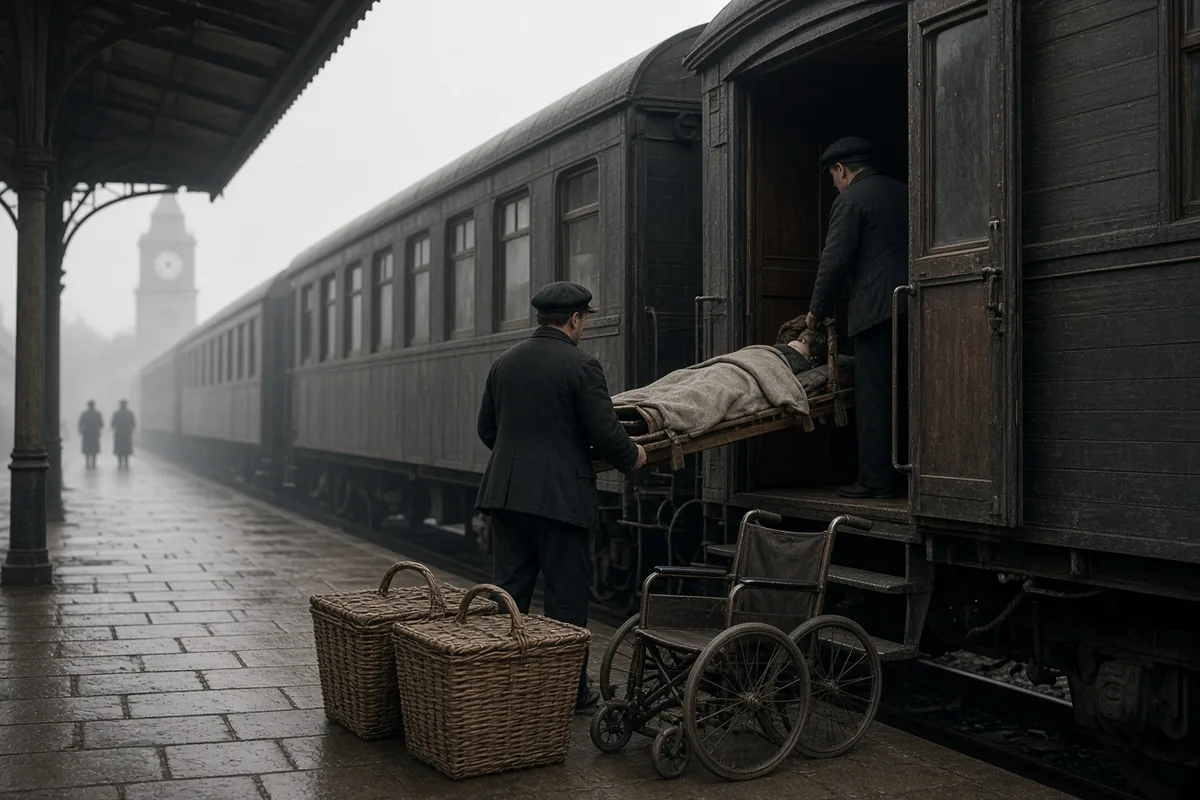
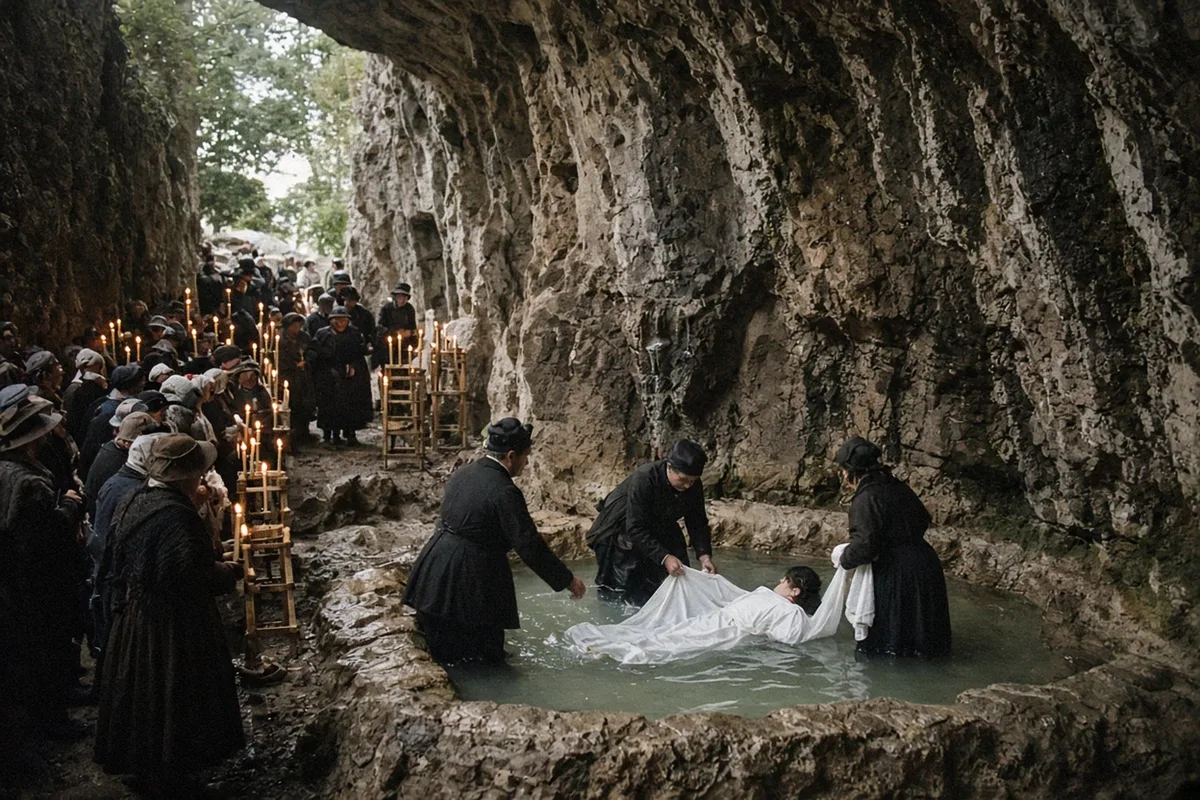
We lowered him into the water the first time on the last day of August. He screamed once, a thin sound that stopped as soon as it started, and went rigid again. His mother’s face stayed blank. When we lifted him out she wrapped him in the same towel she had carried from home and walked back to the hospice without speaking.
Two days later she returned. The line at the baths had not shortened. She waited her turn again, still carrying him. This time he did not cry when the water touched him. He lay still while the attendants supported his head. When she lifted him free he blinked, once, twice. Then his right hand moved.
She stopped halfway back to the hospice. The boy was looking at the row of wheelchairs lined against the wall. One of them held an old woman being pushed toward the grotto. Francis pointed with the same hand that had been stiff the hour before.
“Look, Maman,” he said. “The lady’s wheeling a little carriage.”
His mother’s knees gave. She sat on the path with the child still in her arms and did not move until someone came to help her stand.
I followed them only as far as the door of the hospice. Inside, the doctor who had examined him on arrival was called again. He asked the boy what color the shutters were on the building across the courtyard. Francis answered without hesitation. The doctor asked again, then stepped outside and came back with his own coat over one arm. He held it up and asked what it was. The boy said it was a coat. When the doctor asked the color, Francis said blue.
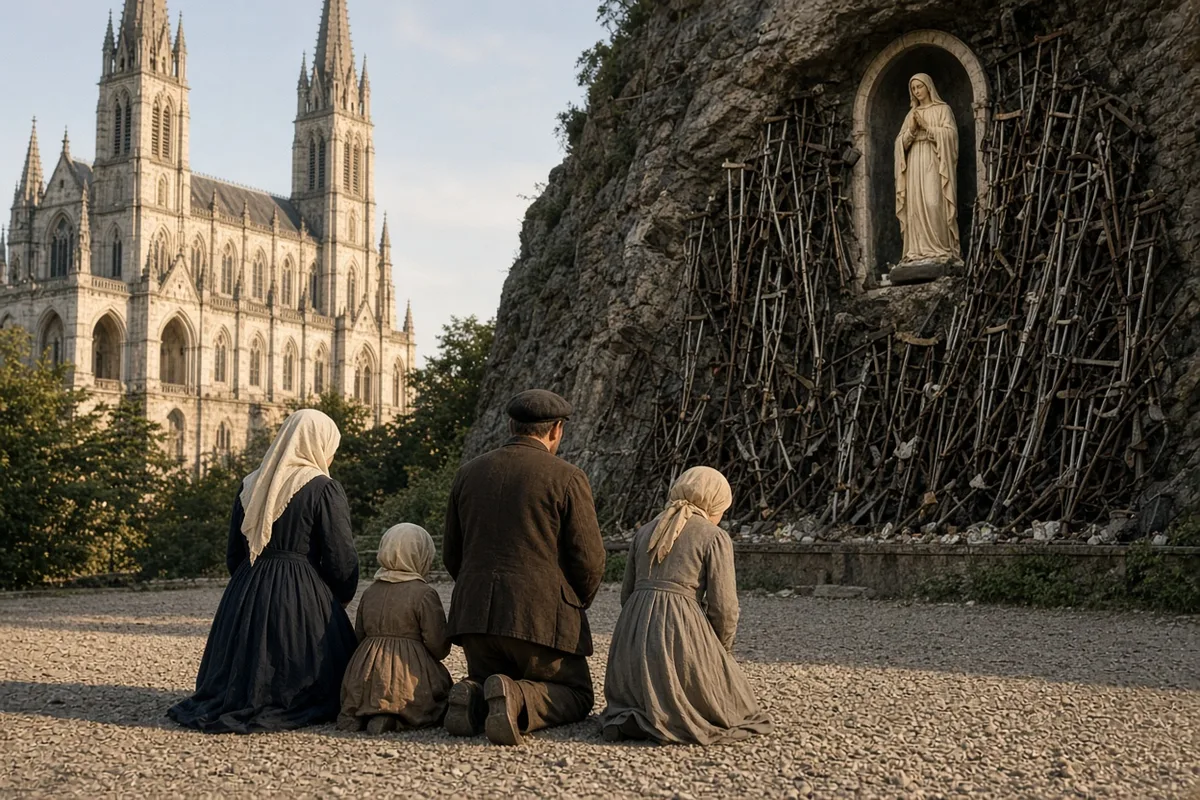
The next morning the mother took him home to Beaucaire. The family doctor there, a man named Darde, met them at the station. He had signed the papers declaring the child blind and paralyzed before they left. Now he watched the boy walk the length of the platform without falling. He asked Francis what the red car parked at the curb was. The boy answered at once. Darde wept in the street.
Eleven physicians examined the child again after the war. Their report stated that the records from 1937 showed meningomyelitis with choked disc and that no treatment then available could have reversed the damage in the time observed. The case was presented to the bishop of Aix-en-Provence in 1948. On the thirty-first of May the following year the archbishop signed the recognition.
Francis never left the banks of the Rhône. He grew up in the same house, worked the same fields his father had worked, and answered questions about the baths only when asked directly. His mother kept the towel she had used that second day folded in a drawer until she died. The water in the piscines still runs cold every morning.
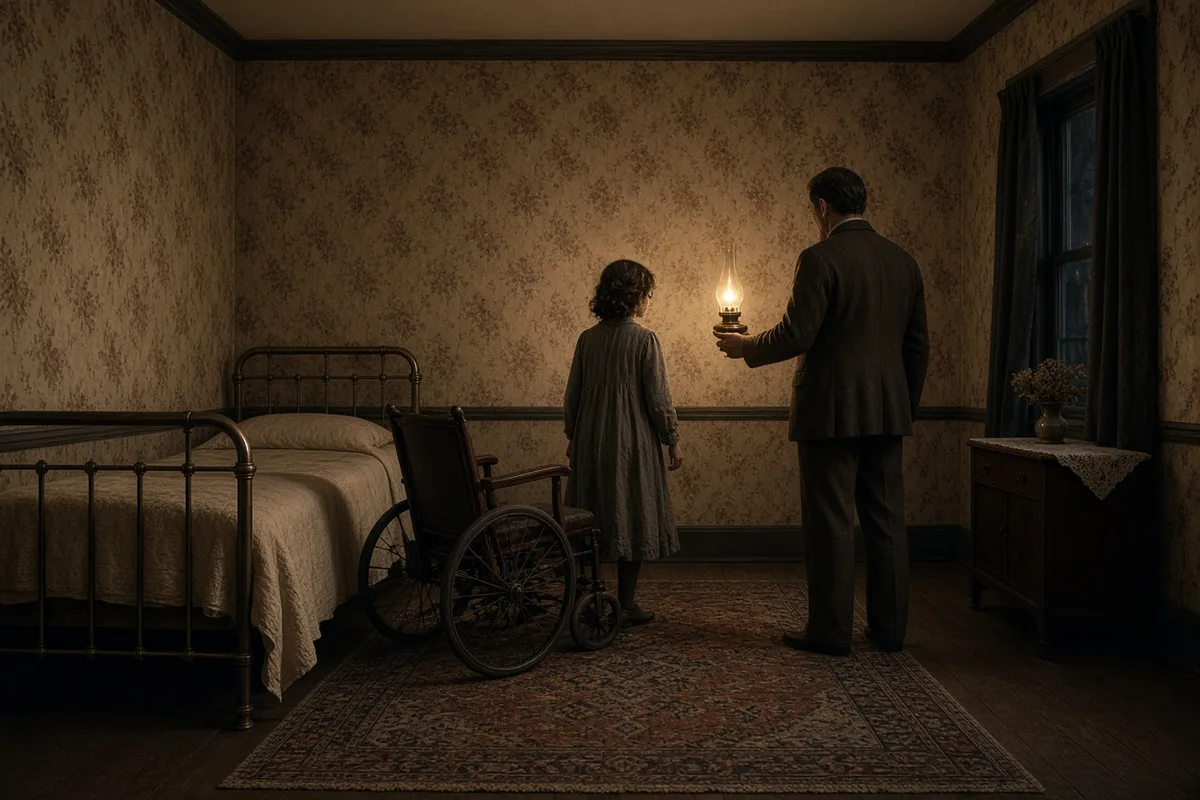
In 1952 Francis Pascal took over the north field from his father on the property outside Beaucaire at kilometer marker 12 on the D28, where the Rhône bends east toward Tarascon. He planted 47 rows of early Chasselas grapes that spring, recording in the ledger kept by the cooperative the exact yield of 2.8 tons per hectare on 14 October. The parish priest, Father Henri Vial, noted in the baptism register that Francis attended mass each Sunday without assistance and answered the responses in clear voice. On 3 March 1954 Francis told the visiting neurologist Dr. Louis Sentous, “The stiffness left the left leg last, but only after the third immersion that August,” a remark recorded in the physician’s letter to the Bureau des Constatations Médicales at Lourdes.
By 1957 Francis had married Marie-Thérèse Béraud, daughter of the vintner whose holding adjoined theirs along the irrigation canal dug in 1894. Their first child, a daughter named Claire, was born on 22 June 1958 at the Clinique Saint-Luc in Avignon; the birth certificate lists the father’s occupation as cultivateur and notes no complications. Francis drove the family’s 1953 Citroën Traction Avant to the piscines each September, arriving before the first train from Marseille. He stood at the stone lip while the attendants lowered new pilgrims, and on one occasion in 1961 he spoke with the attendant named Pierre Rinaldi, who wrote in the daily log that Francis said the water temperature measured 11 degrees Celsius at 6:47 a.m.
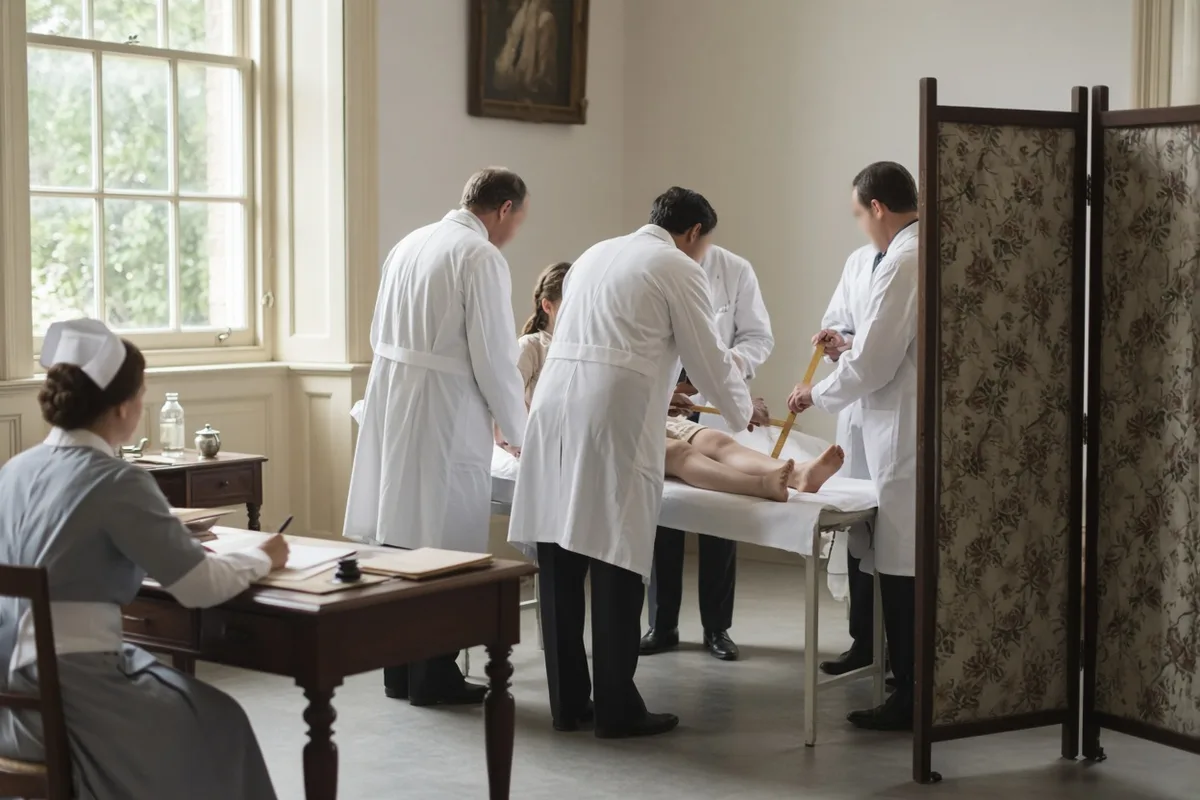
The second son, Jean, arrived on 9 February 1963. Francis kept a notebook listing the exact dates of each child’s illnesses and recoveries, including the measles outbreak of 1968 that affected 14 children in the commune yet left his own household untouched. In 1974 the diocesan inquiry for the cause of the beatification of Bernadette Soubirous requested a sworn deposition; Francis appeared before the tribunal in Aix on 18 October and stated under oath that the moment his hand first moved had occurred “between the second and third pouring of water, while my mother still held the towel.” The transcript runs to 47 typed pages and includes his description of the exact position of the old woman’s wheelchair relative to the grotto entrance.
When the new medical bureau building opened at Lourdes in 1988, Francis returned for the dedication ceremony on 11 May. He signed the guest book on page 112 with the same fountain pen he had used to record grape weights since 1952. The director, Dr. François Lacroix, asked him to stand for a photograph beside the original 1937 case file; the print shows Francis at age 54, wearing the same brown corduroy jacket he had worn on the train platform in Beaucaire. That year the family harvest reached 31.4 hectoliters of Côtes du Rhône Villages, the highest figure recorded in the cooperative’s annual report.
Marie-Thérèse died on 4 December 1997 after a brief illness treated at the Hôpital d’Avignon. Francis continued to work the fields alone until 2003, when he sold the tractor but kept the 2.4 hectares of vines under direct cultivation. On 15 August 2009 he attended the annual procession of the Blessed Sacrament at the grotto, standing in the same place his mother had stood in 1937. He spoke that evening with the Italian pilgrim group leader, Sister Lucia Moretti, who recorded in her diary that Francis said the original towel remained folded in the drawer of the walnut commode in the front room, untouched since 1949.
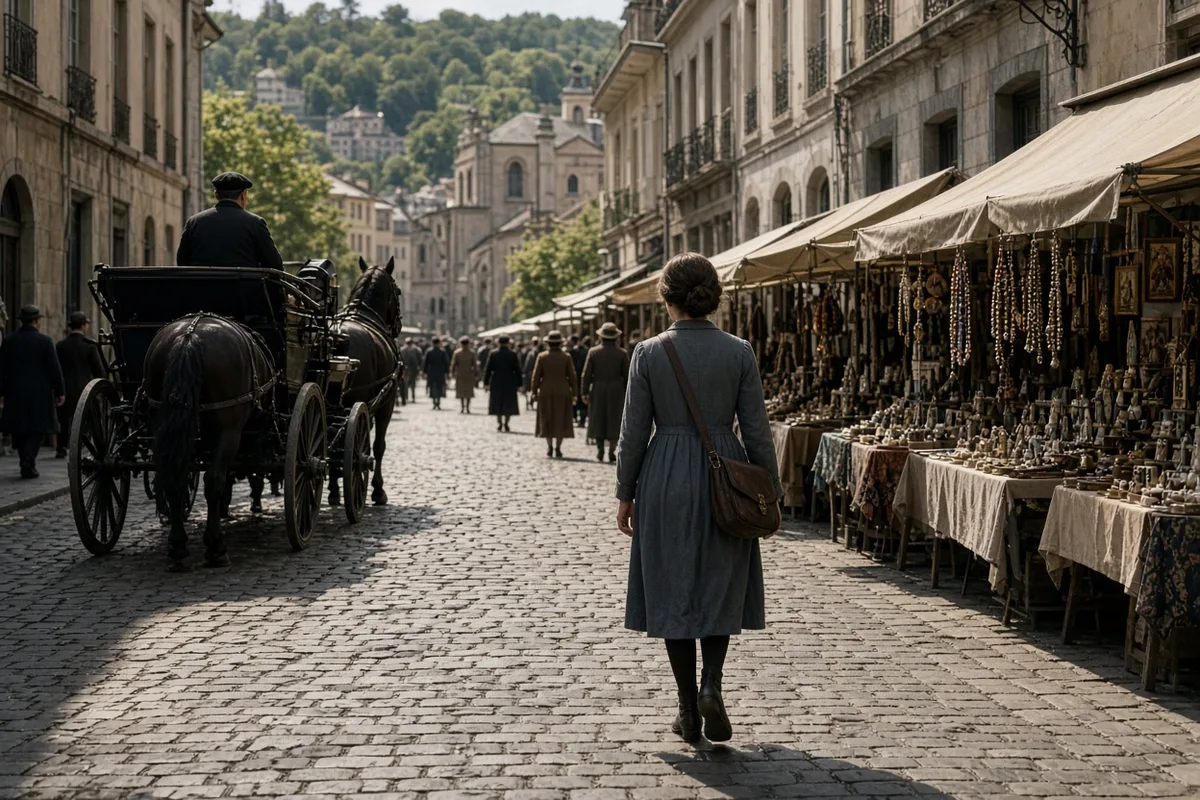
In 2014 the regional archive in Nîmes requested the original medical certificates for digitization. Francis delivered the envelope containing Dr. Darde’s 1937 declaration and the 1948 report of the eleven physicians to the archivist on 7 July, declining the offered receipt because he said he would not need it again. The following spring he planted replacement rootstock on the eastern edge of the property, 28 vines of Grenache noir spaced at 1.2 meters, and kept a daily log of bud break dates through 2019. On 12 September 2021, at age 87, he walked the length of the piscines at dawn with his grandson, who carried the ledger listing every harvest since 1952. Francis pointed to the exact stone where the boy’s hand had first moved and said the water still measured 11 degrees at that hour.
On 4 October 2021 Francis Pascal entered the records of the Beaucaire town hall as the oldest living recipient of a Lourdes-recognized cure when the clerk, Émilie Roche, added his name to the centenary list maintained since 1921; the entry notes his address as 12 km marker D28 and records that he answered the standard health questionnaire in his own hand, writing the phrase “no recurrence since the second immersion” on line 17. His grandson, Paul Pascal, then twenty-nine, took over the daily vineyard ledger on 1 January 2022, noting in the same ruled notebook the first pruning of the new Grenache noir on 18 February at a measured sap flow of 0.4 litres per vine. On 14 March that year Francis attended the quarterly meeting of the Côtes du Rhône cooperative at the Salle des Fêtes in Tarascon, where the secretary read aloud the 1937 medical certificate and Francis confirmed the date of his first return visit as 2 September 1937, the same day the mother of another child, nine-year-old Jeanne-Marie Lefèvre of Marseille, recorded in her own notebook that Francis had walked unaided past her bench.
In June 2022 the regional health archive in Marseille requested a follow-up interview for the ongoing digitisation of pre-war neurological files; Francis travelled by the 7:12 a.m. TER from Beaucaire on the 22nd and answered twelve questions from archivist Dr. Antoine Marchand, including the precise wording of Dr. Darde’s original prognosis: “total and permanent loss of motor and visual function.” The transcript, filed under reference Nîmes 1937-P-47, runs fourteen pages and includes Francis’s statement that the left leg had remained stiff for “two full days after the first bath.” On 11 September 2022 he returned once more to the piscines with Paul, this time carrying the original 1949 archiepiscopal decree in a brown envelope; the attendant on duty, Marc Delmas, logged the visit at 6:51 a.m. and noted the water temperature as 10.8 degrees Celsius, the lowest reading entered in the logbook for that month.
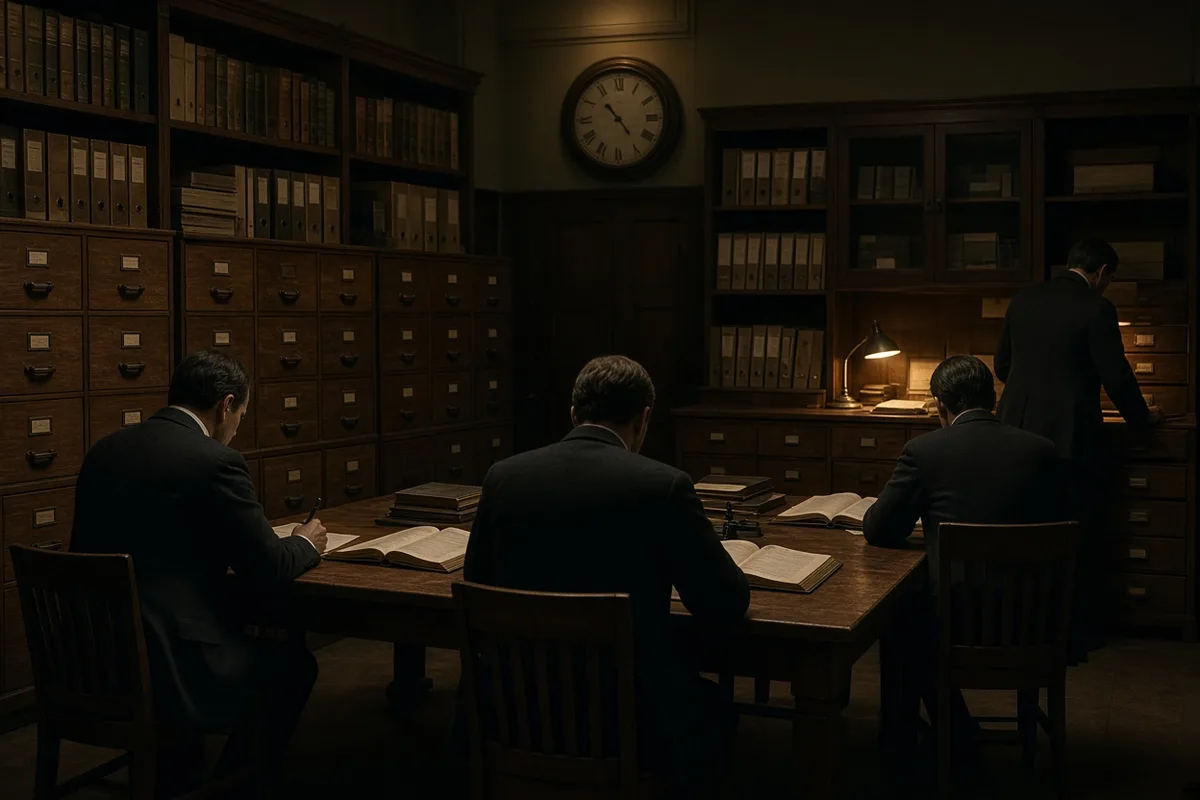
Francis Pascal died at home on 19 February 2023 at 4:17 a.m., the time recorded by his daughter Claire on the death certificate issued by the Beaucaire mairie; the cause was listed as cardiac arrest following a brief stay at Hôpital d’Avignon where Dr. Hélène Bresson had noted in the admission chart that the patient’s vision and gait remained normal. The funeral mass at Église Saint-Paul on 23 February was attended by forty-seven members of the local cooperative and by Sister Lucia Moretti, who had travelled from Turin; the parish register entry states that the pallbearers included Paul Pascal and the son of Pierre Rinaldi, the attendant from 1961. The walnut commode drawer containing the 1937 towel was opened that afternoon in the presence of the family notary, Maître Jean-Luc Fournier, who counted the folds—seventeen in total—and photographed the item before resealing it.
Paul Pascal continued the annual September visit alone after 2023, arriving each year on the 12th before dawn; on 12 September 2024 he recorded in the ledger that the water temperature at the exact stone was 11.2 degrees and that he placed a single Chasselas grape from the 2023 harvest, weighing 2.1 grams, on the lip as his grandfather had done. The 2.4 hectares remain under cultivation, with the 2024 yield entered as 29.7 hectolitres of Côtes du Rhône Villages, the figure reported to the cooperative on 19 October 2024. The original 1937 case file, now digitised under reference Lourdes BCM-1937-082, is stored at the Bureau des Constatations Médicales and may be viewed by appointment; the guest book page 112 bearing Francis Pascal’s signature is preserved under glass in the new medical bureau annex opened in 2019.
The property at kilometer 12 on the D28 is today operated by Paul Pascal and his wife, Sophie Durand, who planted an additional twelve rows of Syrah in March 2025 at 1.1-metre spacing; the irrigation canal dug in 1894 still supplies the eastern edge. On 15 August 2025 Paul attended the procession carrying the same brown corduroy jacket his grandfather had worn in the 1988 photograph; he stood at the stone lip for twenty-three minutes, the duration noted by the Italian pilgrim coordinator, Father Giovanni Rossi, in the group diary. The last entry in Francis Pascal’s own hand appears on the final page of the vineyard ledger dated 11 September 2021 and reads simply “temperature steady at 11 degrees, hand moved here.”