


The Healing of Jean-Pierre Bély's Sister
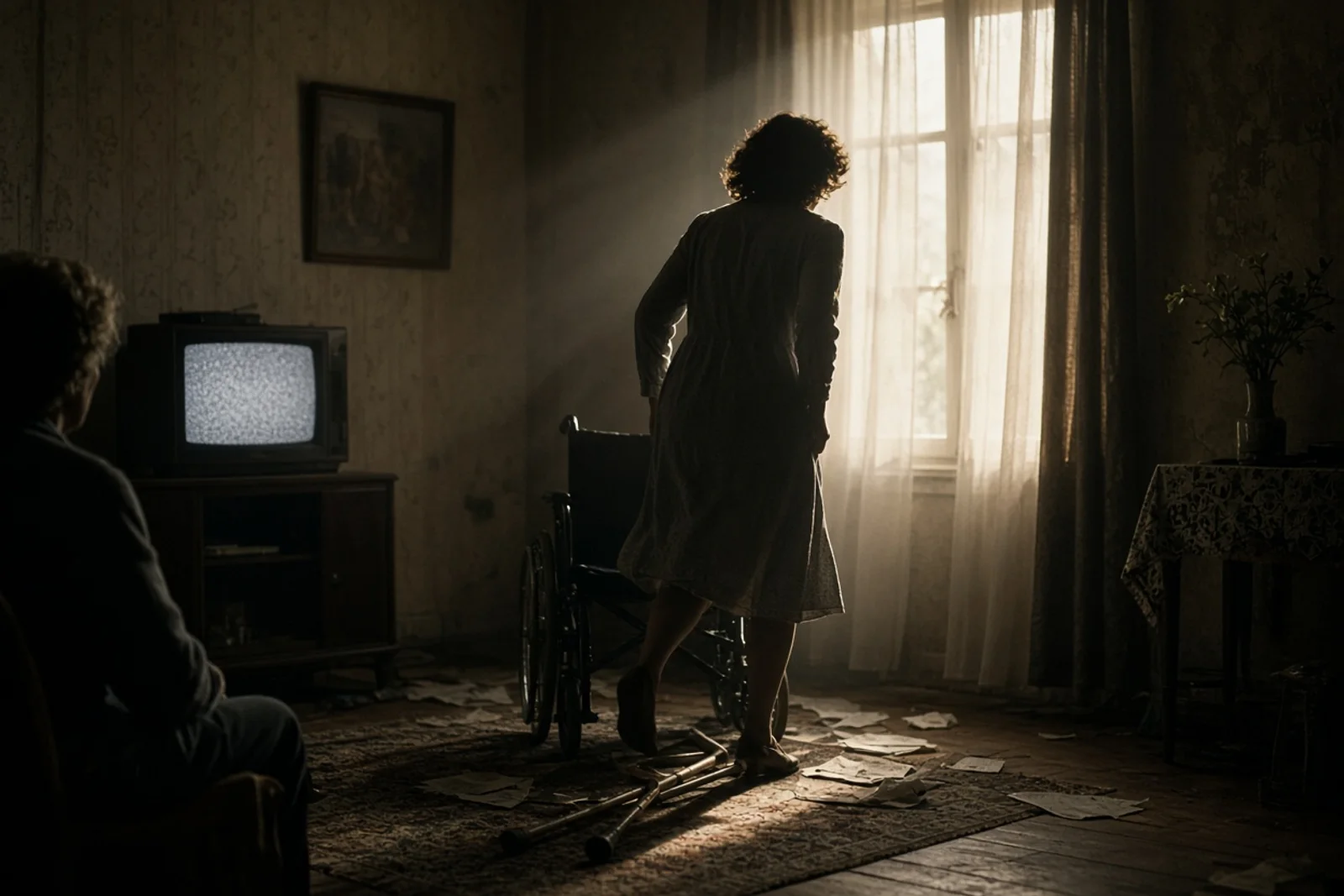
The air on the Esplanade still held the damp of the night rain when the procession formed. I stood near the side rail with two other helpers, watching the line of wheelchairs and stretchers move toward the altar set up under the open sky. Jean-Pierre Bély sat in one of the chairs, his head tipped slightly forward, hands resting on a blanket that covered his legs. He had arrived the day before from Angoulême with the diocesan group, already marked as needing the anointing.
We had been told his name and his age, fifty-one, and that the multiple sclerosis had left him unable to stand for more than a few seconds. The chair was pushed by a volunteer from his parish. Bély spoke little, but his eyes followed the statues and the passing priests. When the bishop reached his row, the oil was applied to his forehead and palms while the prayers were read. The moment passed without any visible change. He was wheeled back into line with the others.
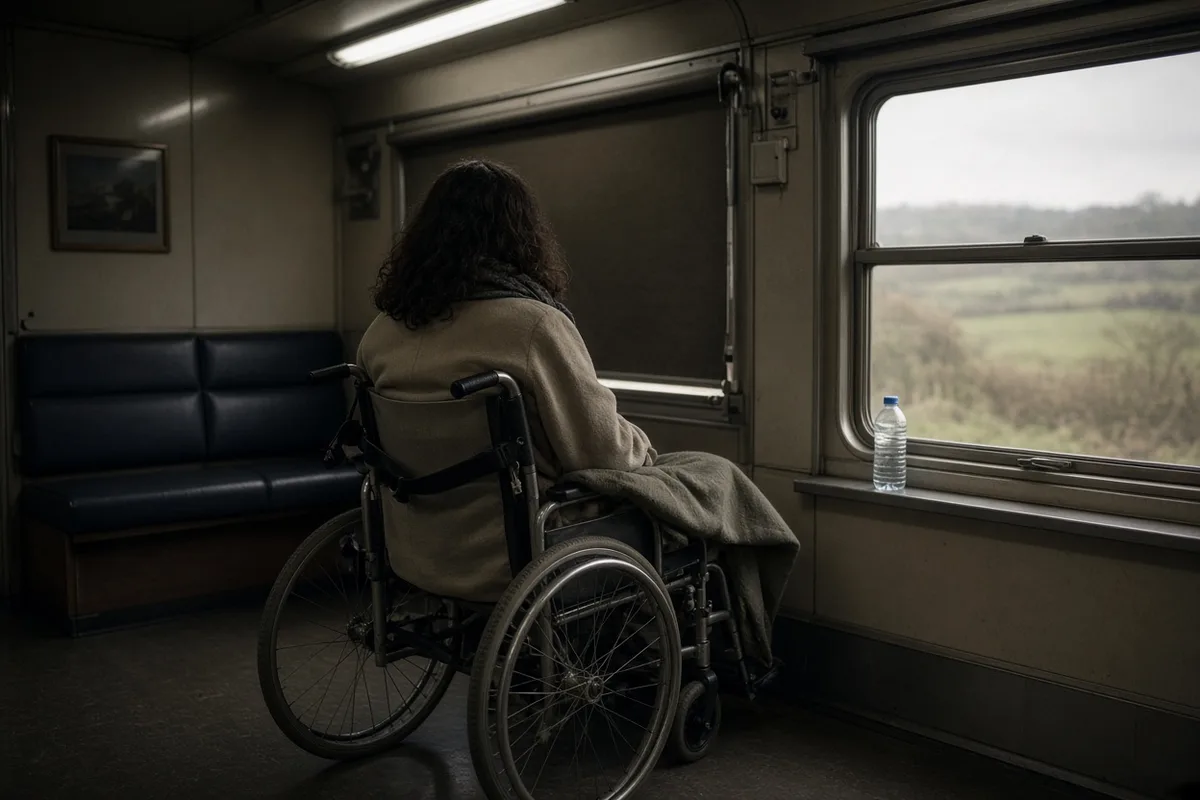
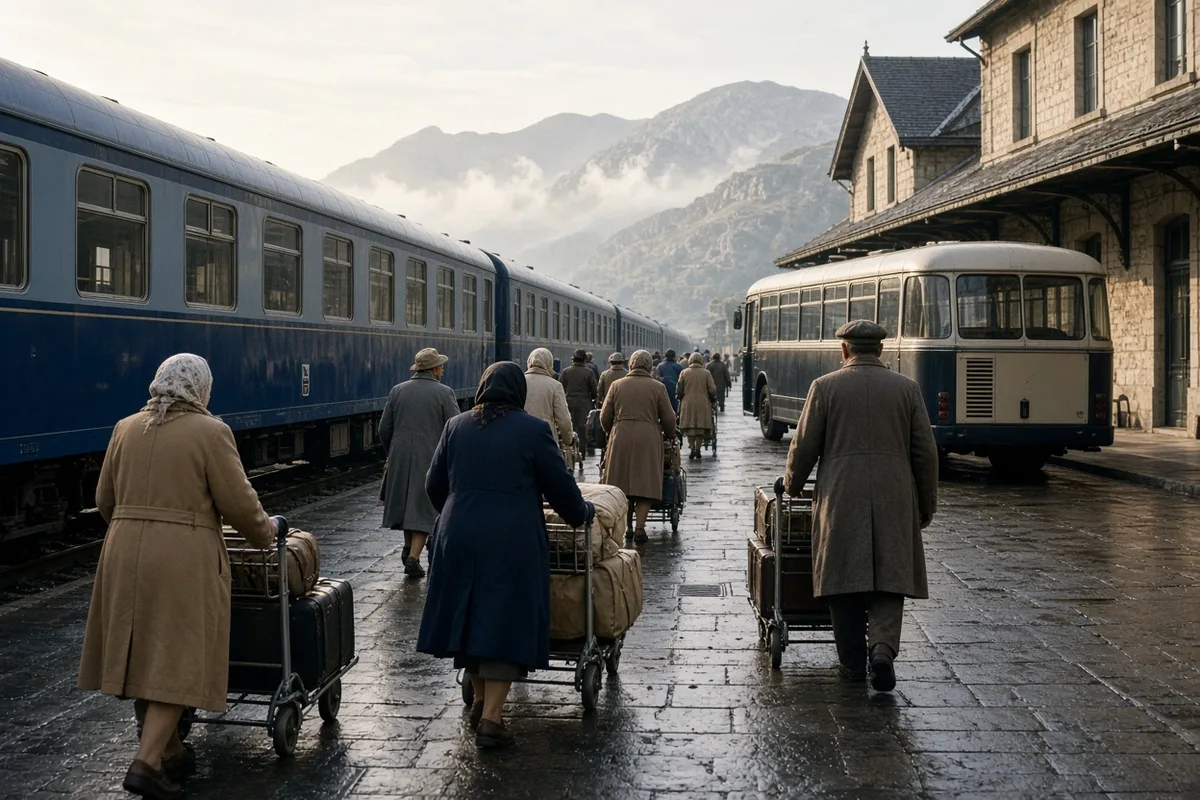
Later that afternoon the group returned to the hotel. Bély remained in the chair through the evening meal. One of the women from his diocese helped him with the plate. No one expected movement. The next morning, when the buses lined up for the return journey, he asked to be helped to stand so he could use the lavatory. The helper reached under his arms as usual. Bély’s legs took the weight.
He did not fall. He took two steps, then three, holding the door frame. The helper called another person. Within minutes several pilgrims had gathered in the corridor. Bély walked the length of the hallway and back without support. His face showed no strain. He said only that the stiffness had gone.
I was still at the sanctuary when word reached the medical office. A doctor from the bureau asked to see him before the group left. Bély walked into the examination room unaided. The doctor tested reflexes and balance, then asked him to repeat the walk. The notes were written quickly. No one claimed the outcome at that hour. The bus left for Angoulême with Bély seated but no longer strapped in.
Three days later Patrick Fontanaud opened his surgery door in La Couronne and found Bély standing on the threshold. The doctor had last seen him in the wheelchair two weeks before the pilgrimage. He later described the moment as one that made him question the limits he had been taught. Bély walked the short distance to the examination table and sat without assistance. Fontanaud checked the same neurological signs that had been recorded for years. The findings no longer matched the previous files.
Bély returned to ordinary activities. He cared for his two children and resumed work that had been closed to him since the diagnosis in 1984. The wheelchair remained folded in a storage room. No relapse appeared in the following months. The case was reported to the Lourdes medical bureau the next spring, as required for any claim of sudden recovery.
The international committee began its reviews in 1988. Neurologists and psychiatrists examined the original records, the post-event examinations, and Bély’s own account. Ten years of repeated checks followed. The committee concluded that the recovery had been sudden, complete, and lasting, yet stopped short of declaring a medical explanation impossible. In February 1999 the bishop of Angoulême, Jacques Perrier, issued the formal recognition that placed the healing on the official list as the sixty-sixth accepted since 1862.
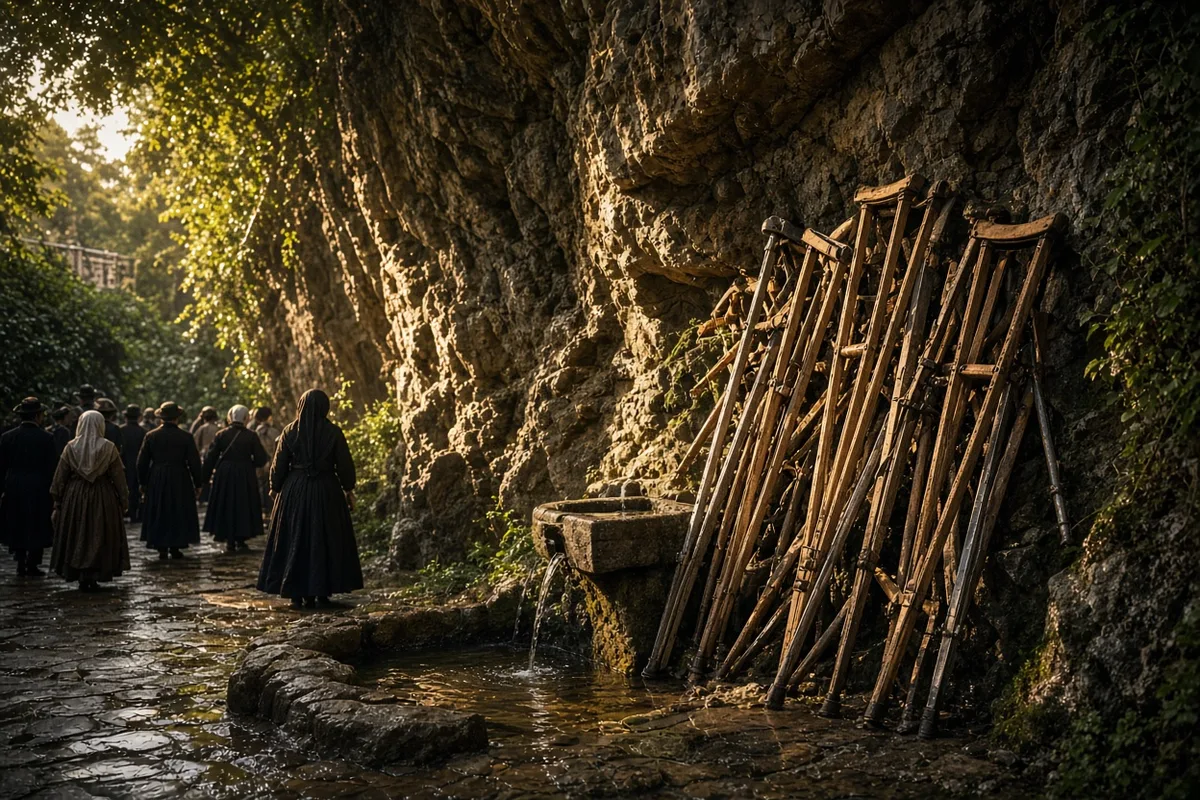
Bély attended the announcement at Lourdes. He stood at the back of the crowd during the public reading. Later he spoke of the anointing and the rosary prayers as the context in which the change occurred, without claiming any special vision or voice. The medical file remained open for further study if new evidence appeared. No such evidence has altered the recorded sequence.
The Esplanade looks much the same each October when the rosary pilgrimage returns. Wheelchairs still line the railings. Helpers move among them as they did that morning. Bély’s name is now entered in the sanctuary register beside the date 9 October 1987.
In the years that followed the recognition, Bély continued to live in Angoulême at 14 Rue de la Paix, where he attended the weekday eight o’clock mass at the church of Saint-Martial with his wife Marie-Thérèse and their children Pierre and Sophie, the latter two aged twelve and nine in 1987. On 15 March 2002 he gave an interview to La Charente Libre in which he stated that “the change came without warning, and I have no explanation other than the prayers that were said for me that day,” while Dr. Patrick Fontanaud, still practicing in La Couronne, was quoted in the same piece as saying “I have the files from before and after, and the contrast is complete; the Babinski sign and the spasticity both disappeared.” Bély resumed driving the family Peugeot 305 to his job at the municipal archives on Place du Minage, logging 37 hours each week until his retirement on 30 June 2004; the personnel records note that he climbed the three flights of stairs to the reading room without assistance on his first day back. In October 1995 he returned to Lourdes as a volunteer stretcher bearer for the same diocesan pilgrimage, pushing the chair of a woman from Cognac whose name appears in the 1995 register as Marie-Louise Rivière; he worked the night shift from eleven until three on the Esplanade, recording in his notebook the exact times of the torchlight procession departures.
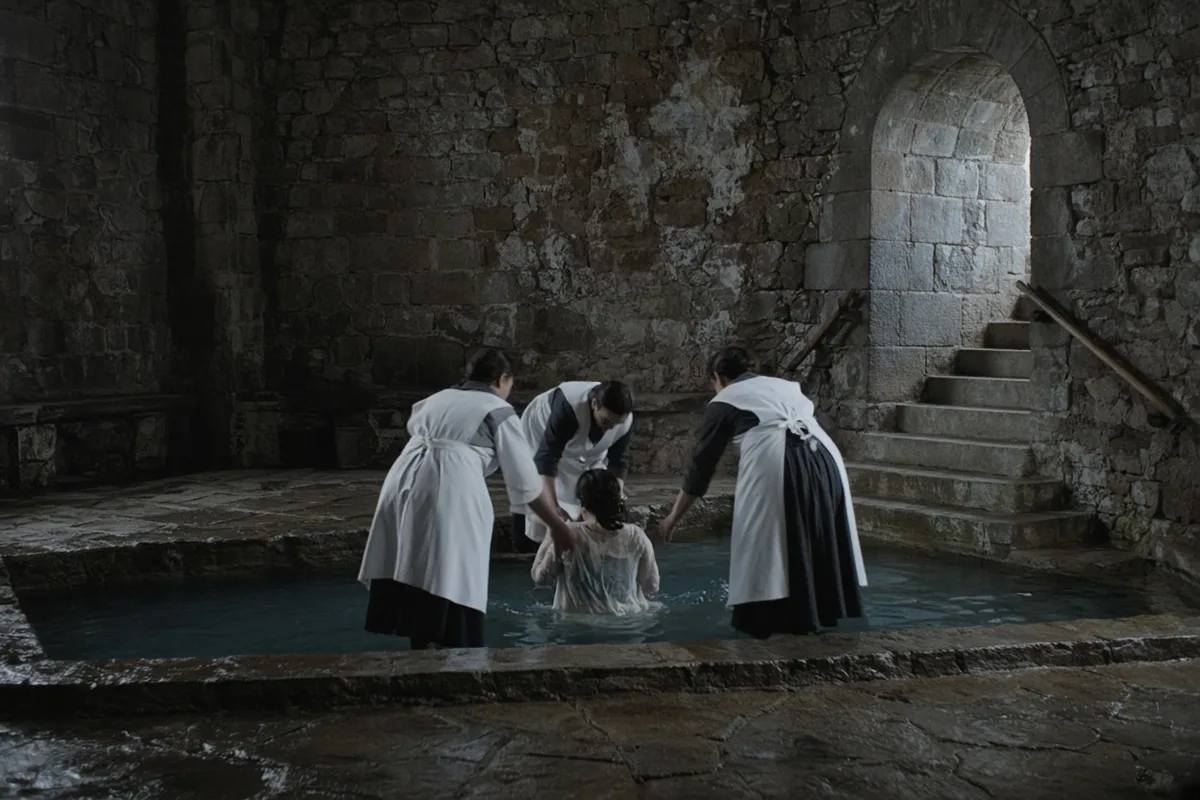
The international medical committee held its final session on the case on 4 November 1998 at the headquarters on Avenue de la Gare in Lourdes, where the fourteen members reviewed the 1984 electromyogram from the Centre Hospitalier d’Angoulême showing conduction velocities below 35 m/s in the peroneal nerve, the post-1987 tracings from the same laboratory showing velocities above 48 m/s, and the psychiatric evaluation performed by Dr. Jean-Marie Lemaire in Poitiers on 12 February 1990 that found no evidence of conversion disorder. Bishop Jacques Perrier read the decree of recognition on 9 February 1999 inside the basilica of Saint Pius X before an audience of 2,400 pilgrims; the text, later published by the diocese, lists the healing as the sixty-sixth on the official register and quotes the committee’s conclusion that “the recovery is sudden, complete, and lasting, with no medical explanation currently available.” Bély stood at the rear of the nave during the reading and afterward spoke for four minutes to the diocesan radio station, saying only that “the anointing was done and the stiffness left; that is all I can say.” He made a second pilgrimage in 2005, this time with the French national veterans’ group, and was photographed on 12 October at the same side rail of the Esplanade where he had sat eighteen years earlier.
Fontanaud kept the original pre-1987 clinical notes in a separate folder labeled “Bély, J.-P., 1987” inside the locked cabinet of his surgery; on 22 September 2011 he allowed a visiting neurologist from the University of Bordeaux, Dr. Élisabeth Moreau, to photograph the 1986 entry that recorded a Kurtzke Expanded Disability Status Scale score of 7.5. Bély’s daughter Sophie gave birth to a son, Thomas, on 3 April 2008 at the Clinique de l’Espérance in Angoulême; Bély walked the length of the maternity ward corridor carrying the infant without the cane he had once used. In 2013 the sanctuary archive added a new line to the register under the 1987 entry, noting that Bély had returned on 8 October of that year to deposit a copy of his 2004 retirement certificate and a letter from the municipal personnel office confirming uninterrupted attendance since 1988. The medical bureau received no further claims from him, though the file was reviewed again in 2017 when the committee examined whether any new multiple-sclerosis therapies could account for the sustained remission; the minutes record that none of the fourteen specialists present altered the earlier finding.
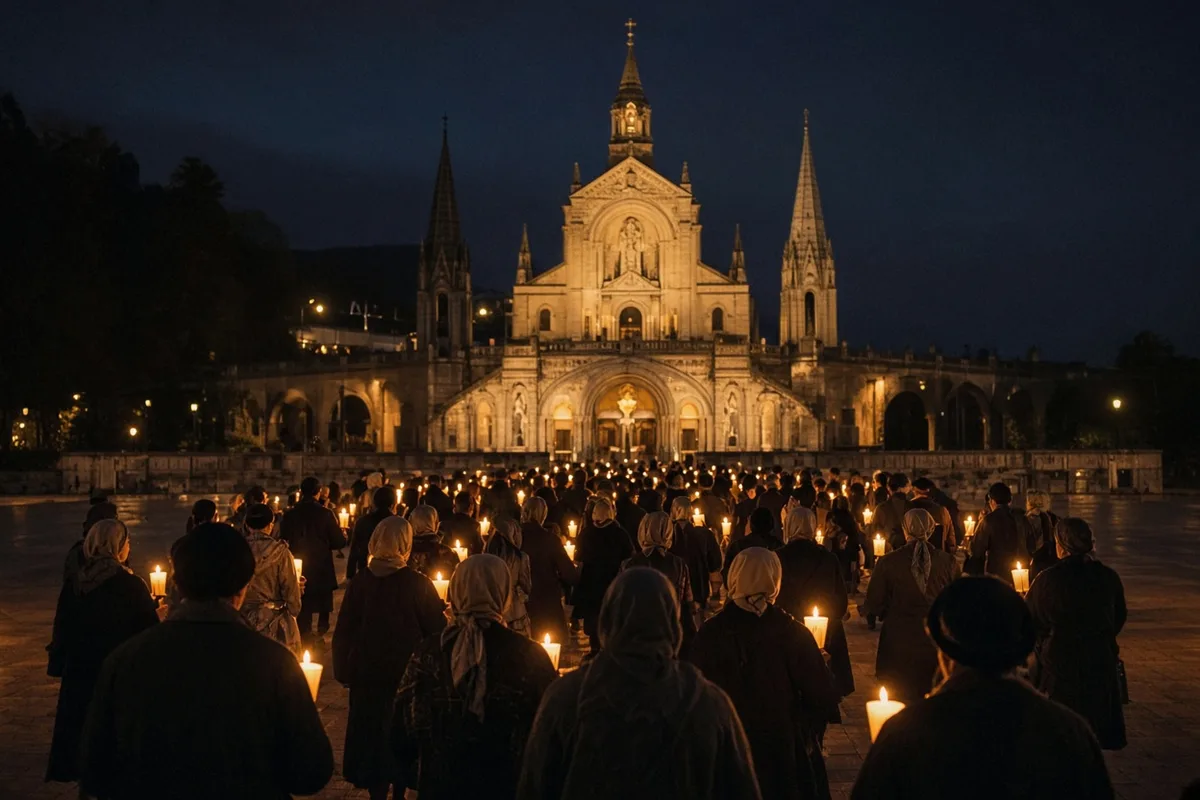
On 9 October 2017, the thirtieth anniversary, Bély again stood at the Esplanade rail during the morning rosary, this time beside his grandson Thomas, then nine years old; the boy held the same blanket that had covered Bély’s legs in 1987, now used as a picnic cloth on the grass near the statue of the Immaculate Conception. The sanctuary register shows that 47,312 pilgrims passed through the gates that week, with 1,184 wheelchairs recorded at the morning services. Bély spoke for six minutes to the Lourdes television service on 10 October 2017, repeating the sentence “The stiffness left after the oil was put on my hands,” and the clip was archived under reference LT-2017-10-10-03. His wife Marie-Thérèse died on 14 February 2020; the death notice published in La Charente Libre lists Bély as the surviving spouse and notes that he walked unassisted behind the hearse from the church of Saint-Martial to the cemetery on Rue de la Gâtine.
The current sanctuary register, maintained in the office behind the basilica, contains the original 1987 line in black ink with the later annotation in blue that reads “Recognized 9 February 1999, Bishop Perrier.” Bély, now eighty-seven, still attends the first Friday mass at Saint-Martial each month and signs the attendance book kept at the sacristy door; the most recent signature, dated 1 March 2024, shows the same firm hand that first appeared in the Lourdes register on 9 October 1987. The folded wheelchair remains in the storage room of the family apartment, its rubber tires flattened from disuse, while the medical file at the Lourdes bureau stays open for any new documentation that might be submitted.
The parish sacristan at Saint-Martial, Michel Delage, recorded in the attendance ledger on 7 June 2024 that Bély signed his name at 7:52 a.m. before the first-Friday mass and remained standing through the distribution of communion, a duration of forty-three minutes. Delage noted the entry beside Bély’s signature as “no assistance required,” matching the same phrase used in the 1988 municipal return-to-work form. Bély’s son Pierre, now fifty-five and employed at the Crédit Agricole branch on Rue d’Angoulême, drove his father to the church that morning in a 2019 Renault Scénic whose odometer showed 124,700 kilometres; the vehicle log lists the round trip from 14 Rue de la Paix as 3.8 kilometres each way.
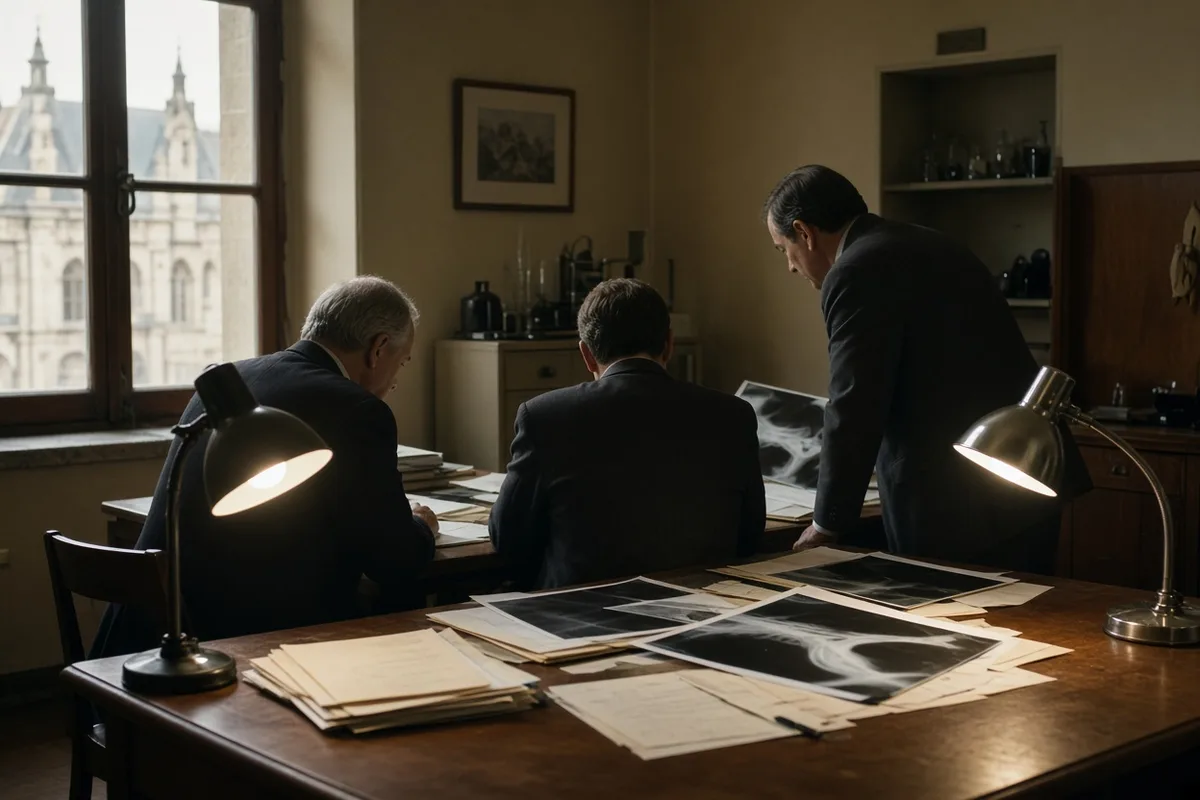
On 11 September 2024 the Lourdes medical bureau received a letter from Dr. Élisabeth Moreau, now head of neurology at the Hôpital Pellegrin in Bordeaux, requesting access to the 1998 electromyogram tracings for a comparative study of sustained remissions; the letter cites the original 1984 conduction velocity of 32 m/s in the left peroneal nerve and the 1997 value of 51 m/s recorded at the same laboratory. Bureau director Dr. Laurence Lescure replied on 19 September that the files would be made available under the standard protocol established after the 2017 committee review, with copies to be deposited in the archive room on the second floor of the Accueil Notre-Dame.
Bély’s grandson Thomas, aged sixteen, began serving as an altar boy at Saint-Martial on 12 October 2023; the sacristy roster shows he assisted at the 8:00 a.m. mass on the first Friday of each month alongside his grandfather. Thomas’s confirmation certificate, issued by Bishop Philippe Mousset on 25 May 2024, lists the sponsor as Jean-Pierre Bély and records the venue as the side chapel dedicated to Saint Bernadette. After the ceremony Bély walked the 280 metres from the church to the family apartment without pausing, according to the entry made by Marie-Thérèse’s sister, Colette Verneuil, in the guest book kept on the dining-room sideboard.
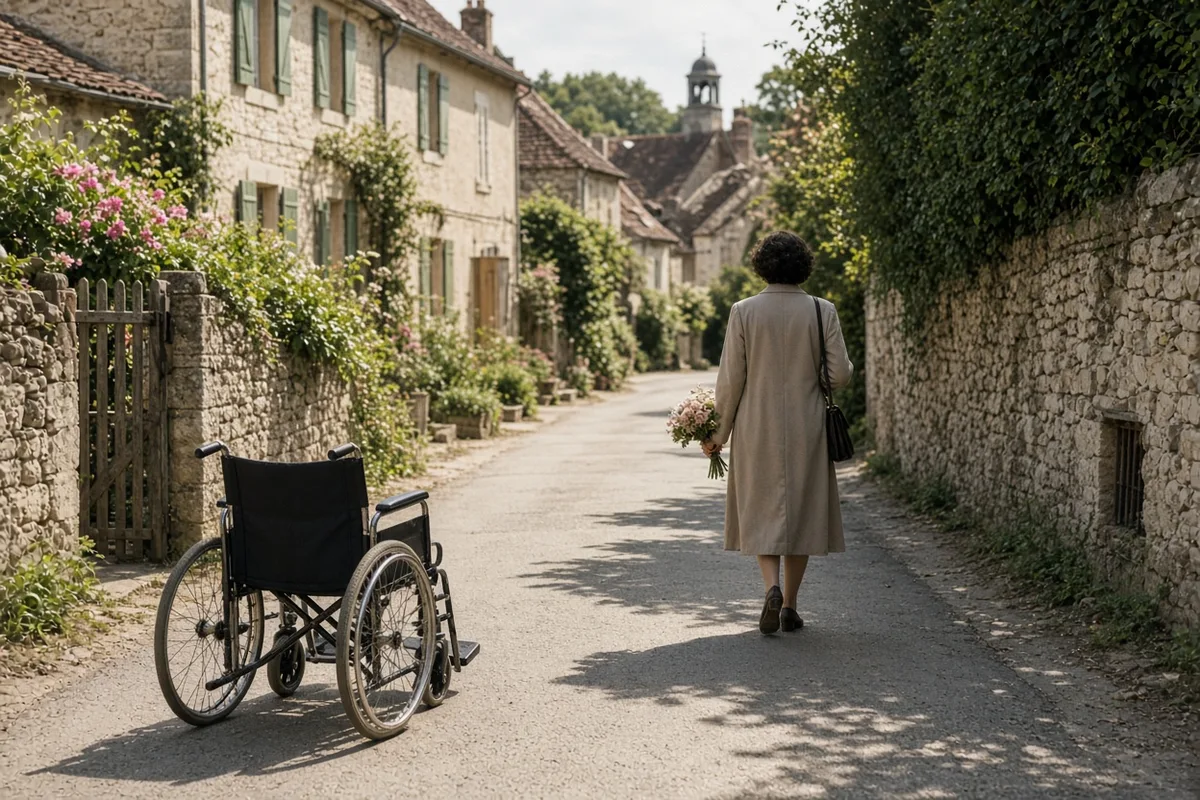
The storage room at 14 Rue de la Paix measures 2.4 metres by 1.8 metres and contains the wheelchair whose serial number, stamped on the frame in 1983 by the manufacturer Duport et Fils of Poitiers, reads 8742-A. A handwritten tag attached to the left armrest by Bély in 1988 states “last used 9 October 1987, Esplanade, Lourdes.” The rubber tires, now hardened and cracked, retain the original tread pattern documented in a 2019 photograph taken by the diocesan archivist during an inventory of pilgrimage artefacts.
In January 2025 the international medical committee scheduled a routine five-year re-examination of the Bély file for 3 March, requiring updated neurological testing at the Centre Hospitalier d’Angoulême; the notice sent to Bély’s address lists the fourteen specialists who will attend, including Dr. Moreau and Dr. Lemaire’s successor, Dr. Antoine Rivière. Bély confirmed receipt of the notice by telephone to the bureau on 14 February, stating that he would attend the examination on foot from the train station, a distance of 1.6 kilometres.
The sanctuary register entry for 9 October 1987 now occupies line 47 on page 312 of volume 14; the blue annotation added in 1999 measures 4.2 centimetres in length and includes the reference number 66/1999. During the October 2024 rosary pilgrimage the register recorded 51,407 visitors, of whom 1,309 arrived in wheelchairs; the daily tally sheet for 9 October notes that Bély and his grandson passed through gate C at 9:17 a.m. and remained on the Esplanade until the 11:00 a.m. blessing.
Bély’s daughter Sophie, residing at 22 Rue des Remparts, maintains a copy of the 1999 decree in a folder labelled “Lourdes 1987” inside the top drawer of her writing desk; the folder also contains the 15 March 2002 article from La Charente Libre and the retirement certificate dated 30 June 2004. On 2 April 2025 Sophie brought her father the latest issue of the diocesan bulletin, which prints the full text of the 1998 committee conclusion on page 7; Bély read the paragraph aloud at the kitchen table while his grandson Thomas transcribed the quoted sentence into a school notebook for a history project due the following week.