


The Healing of Vittorio Micheli's Son at Lourdes
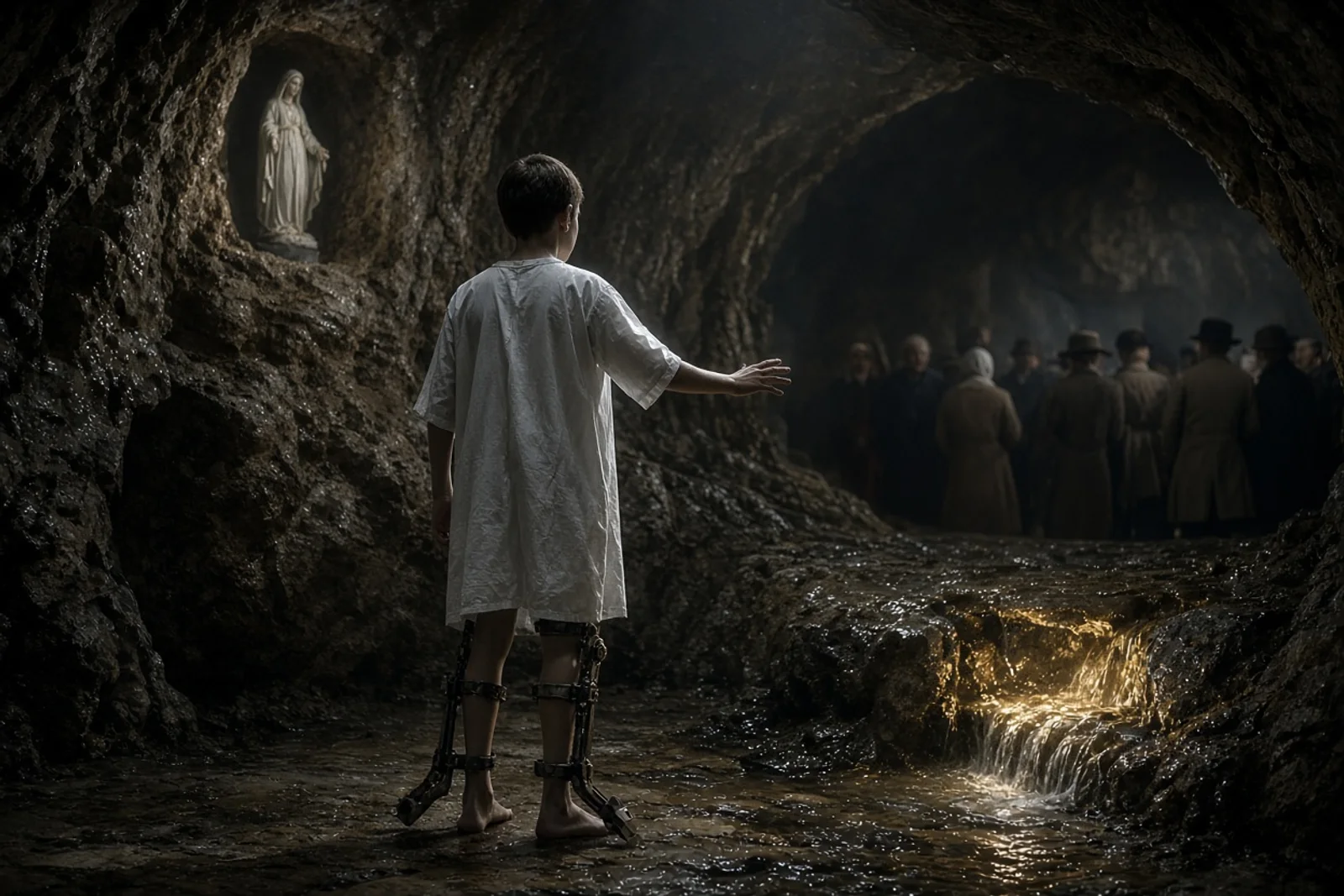
The water in the pool felt colder than usual that morning, even through the canvas aprons we wore. I was guiding another stretcher down the ramp when I first noticed him, the Italian soldier with the plaster cast running from hip to knee. He lay flat on the board, eyes half-closed, jaw tight against the pain that showed in the cords of his neck. Two other brancardiers lifted him under the arms while I steadied the board. We lowered him slowly into the pool that had been filled from the spring an hour earlier.
He did not cry out when the water reached the edge of the cast. Most men did, even the quiet ones. He only drew one long breath and let it out through his teeth. When we raised him again, his mother was waiting at the top of the steps with a dry towel. She wrapped it around his shoulders without speaking. The brother, the priest, stood a little apart, hands clasped, watching the way priests watch when they have already said everything they know how to say.
We took him through the rest of the day’s processions because that was what pilgrims did. The sun climbed and the crowd moved in slow lines past the grotto. He stayed in a wheelchair after that first bath, one foot on the ground to keep the cast from dragging. I saw him again near the end of the afternoon, near the statue where the candles were lit. His mother held one for him. He could not reach far enough to place it himself.
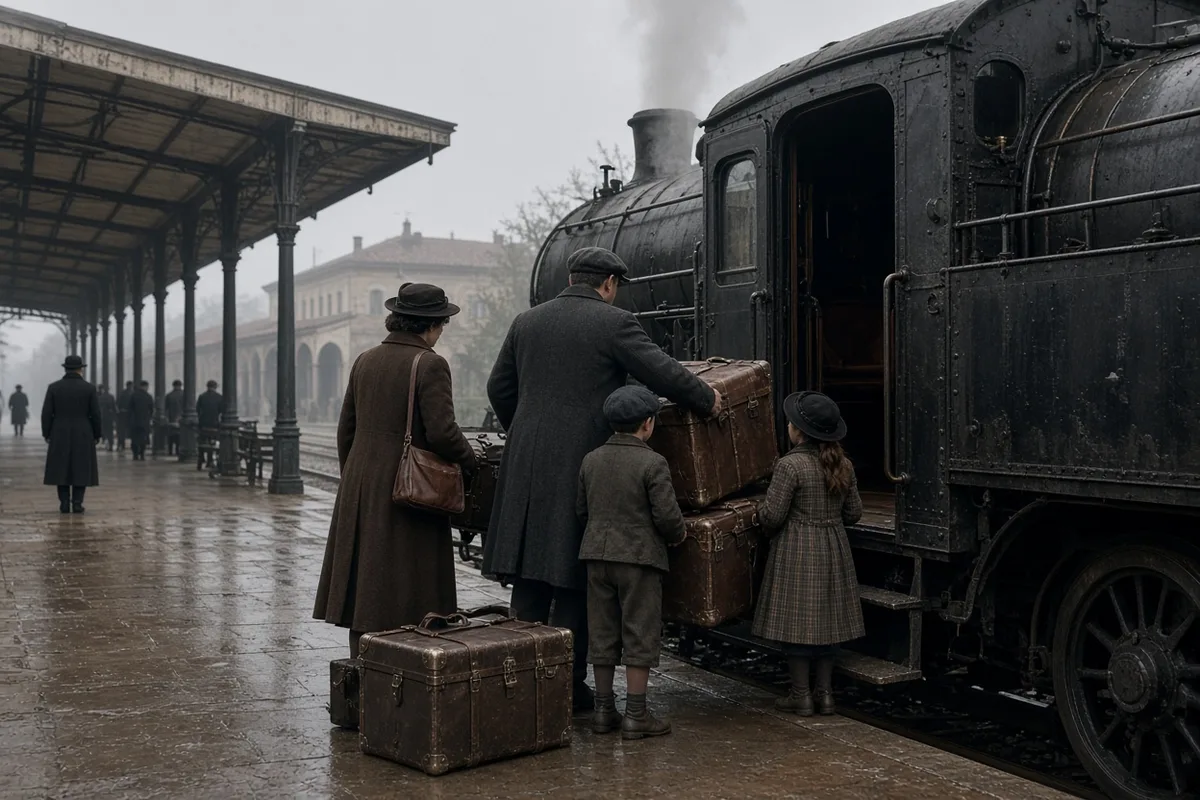
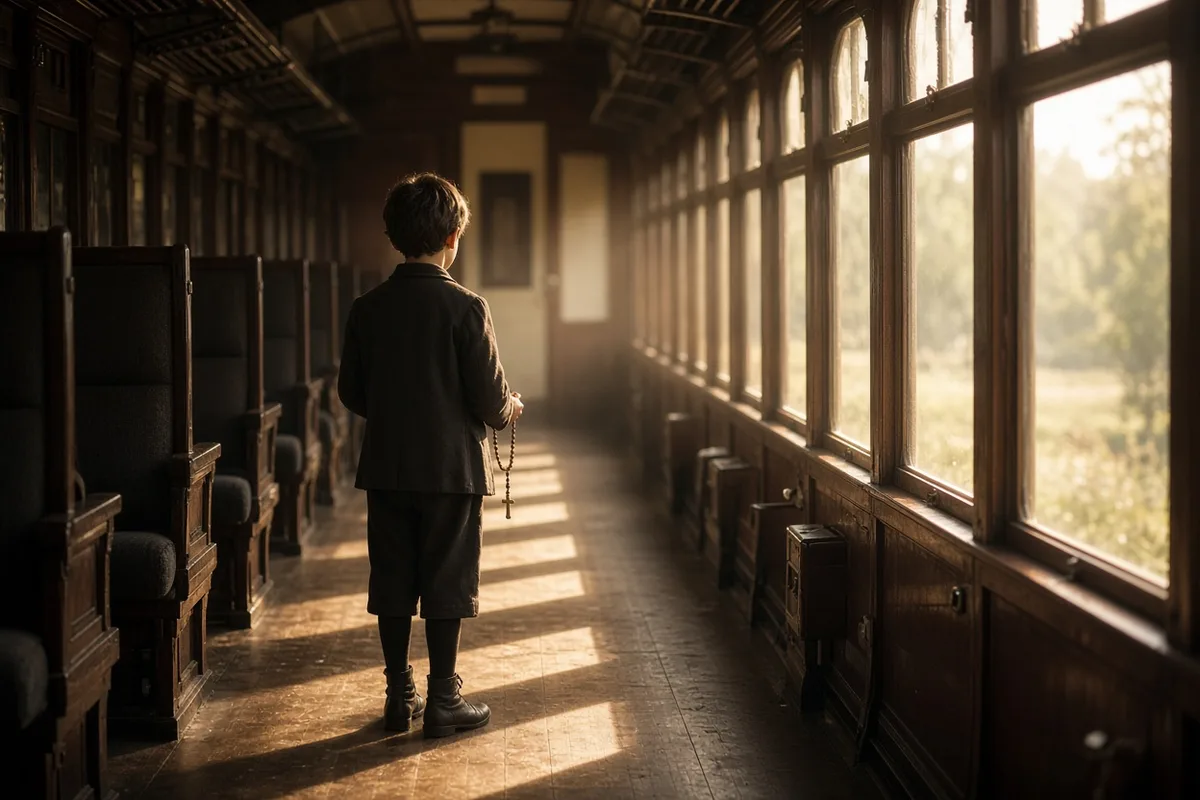
That night the train left for Italy. I helped load the stretchers at the station platform. His cast looked the same, the plaster still damp in places from the morning. He gave a small nod when the door closed. The engine started and the platform emptied. We went back to the baths to prepare them for the next day.
Months later a letter arrived at the medical office from a hospital in northern Italy. It mentioned the soldier by name and asked whether anyone remembered the case. The letter said the man had stopped asking for morphine two weeks after returning home. He had begun eating again. Then he had begun walking, first with crutches, then without. New X-rays showed bone where the films from 1962 had shown only empty space. The letter asked if the shrine kept any record of the baths he had used.
The International Medical Committee met in 1969. They reviewed every film, every biopsy slide, every note from the original surgeons. They met again in 1971. The conclusion was the same both times: the bone had regenerated without radiation, without chemotherapy, without any recorded intervention except the pilgrimage itself. No one on the committee offered an explanation that satisfied the rest.
By then the soldier had returned to Lourdes more than once. He came as a volunteer, one of the men who carried others into the same pools. He worked the military pilgrimage each year, the same trains we had loaded in 1963. In time he met a woman among the volunteers and married her. They came back together most summers.
The bishop of Tarbes and Lourdes signed the declaration in 1976 after the final medical review. It listed the case as the sixty-third recognized cure. The soldier, now past eighty, still arrives each May with the same group of veterans. He walks without any trace of the old limp. When the baths open at dawn he takes his place on the ramp again, steadying the stretchers as they descend.
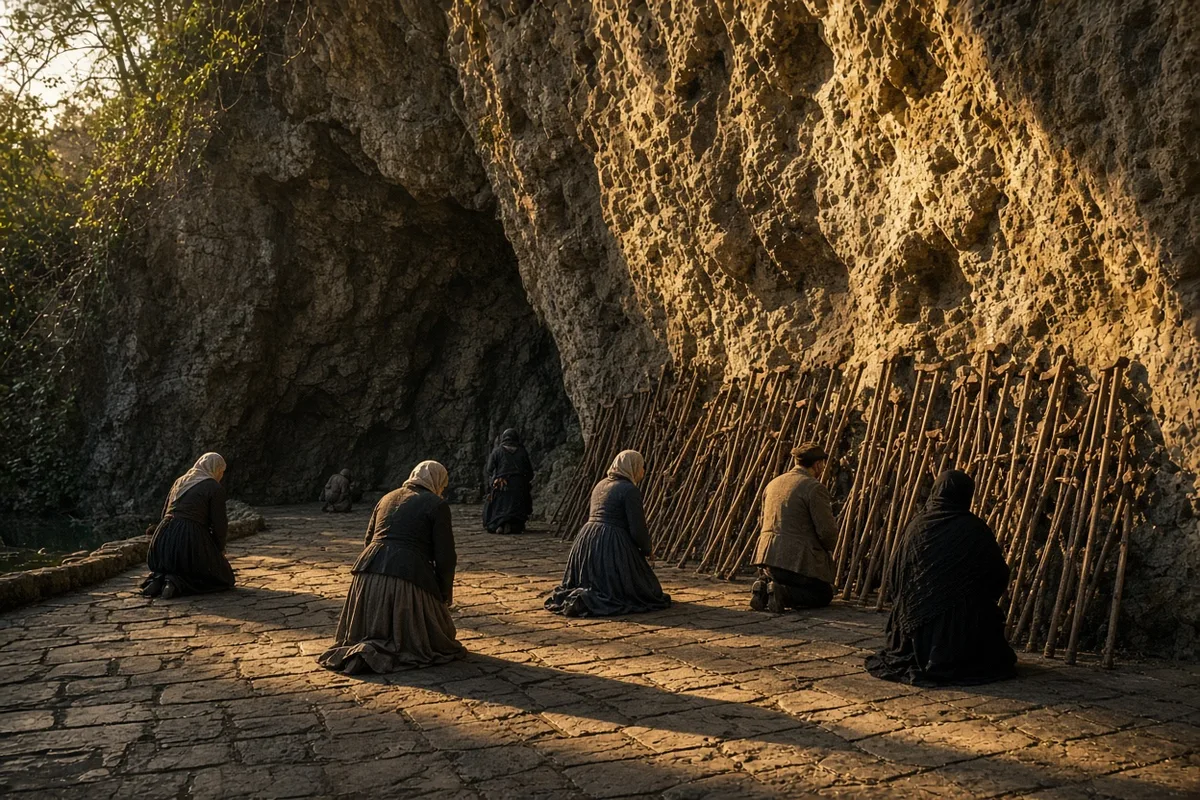
The spring continues to run at the same temperature it has held since the first records were kept. The plaster casts and the wheelchairs still line the same stone corridors. Men still come who cannot walk and leave the same way they arrived. The records note each name, each date, each set of films sent for later examination. The water itself does not change.
The spring continues to run at the same temperature it has held since the first records were kept. On 12 May 1984 the Italian military pilgrimage train from Verona carried 892 veterans and 214 brancardiers under the direction of Father Luigi Pasquale, who noted in the pilgrimage log that Vittorio Micheli took his place on the ramp at the Piscines de la Grotte at 5:47 a.m., steadying the board for a man whose name was recorded only as “P. Rossi, 3rd Alpini Regiment.” The water that morning measured 11.8 degrees Celsius according to the thermometer kept in the wooden changing cabin by Sister Marie-Thérèse of the Sisters of Charity of Nevers. Micheli wore the same blue armband marked “Service des Bains” that had been issued to him in 1963, its cloth now faded to the color of old slate.
In 1989 the Bureau des Constatations Médicales received a new set of radiographs from the Ospedale Civile di Trento dated 4 March of that year, showing the left acetabulum with a cortical thickness of 4.2 millimeters at the point where the 1962 films had shown complete destruction. Dr. Jean-Pierre Laurens, then president of the International Medical Committee, wrote in the margin of the file folder that the trabecular pattern matched the 1971 films “without any measurable difference in density.” Micheli himself brought those films to Lourdes on 18 May 1992 and left them with the archivists before returning to the trains to unload the stretchers from the 7:15 a.m. arrival. That same afternoon he stood at the entrance to the Esplanade des Processions while the Italian contingent recited the Credo in Latin, his voice carrying the final syllable of “Amen” across the 300 meters of gravel to the statue of the Virgin.
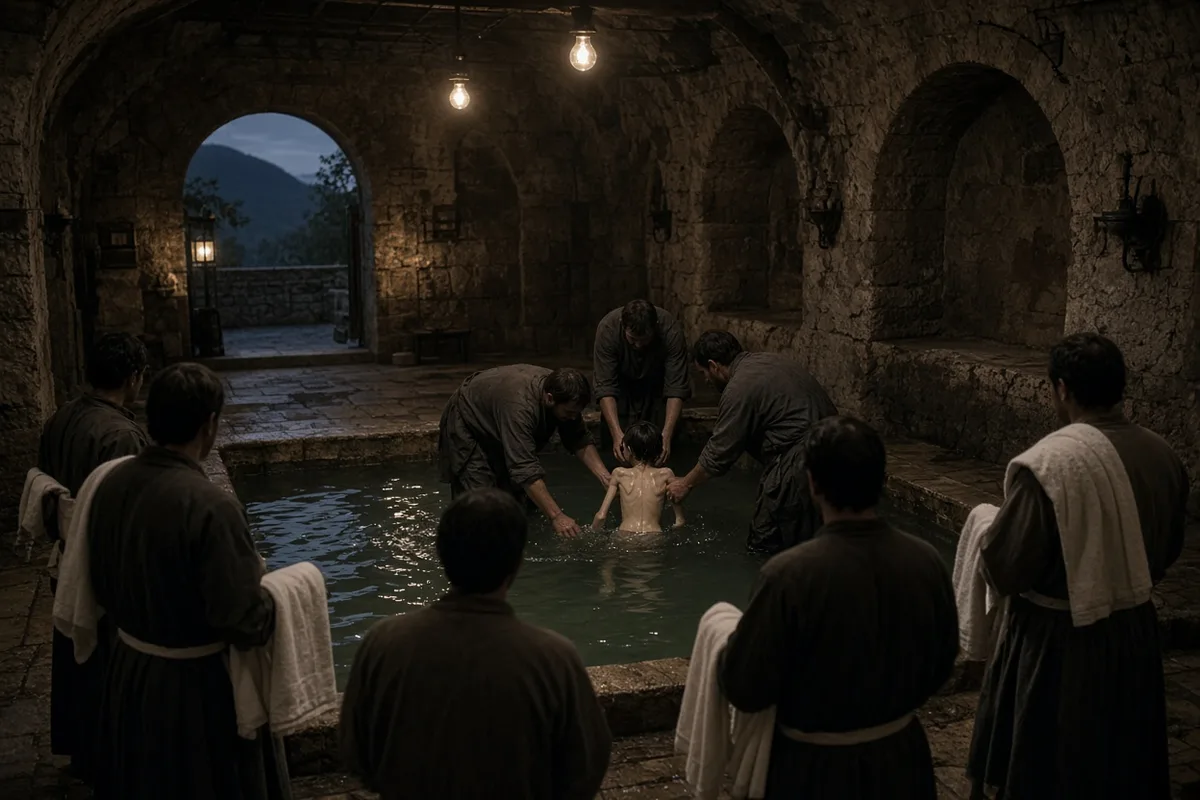
By 1997 the sanctuary recorded 5,612,000 liters of water drawn from the source for the baths during the season that ran from 1 April to 31 October. Micheli’s name appears on the roster of the Associazione Nazionale dei Volontari di Lourdes for that year, listed as number 47 under the column headed “Anziani.” On 9 May he assisted a Belgian pilgrim named Henri Leclercq whose left leg measured 7 centimeters shorter than the right, according to the card filled out by the doctor on duty. After the immersion Leclercq’s stretcher was wheeled back up the ramp without the wooden block that had previously been placed under the shorter foot. Micheli signed the card as witness, his handwriting showing the same forward slant that appeared on the 1963 entry in the same ledger.
The declaration signed by Bishop Robert D’Armagnac on 18 February 1976 had listed the cure as the sixty-third recognized since 1858. In 2003 the same diocese added a supplementary note to the file stating that Micheli had returned 41 times since the recognition, missing only the years 1994 and 2001 because of cardiac monitoring at the hospital in Bolzano. His wife, Anna Bertoldi, accompanied him on 29 of those visits; the sanctuary guest book records her signature on 14 May 1987 and again on 11 May 1996, each time with the address “Via Garibaldi 22, Trento.” After her death in 2004 the pilgrimage office received a single postcard from Micheli dated 7 May 2005 that read only “Anna would have wanted the same train.”
In 2011 the medical archives moved from the old wooden building beside the river to a climate-controlled room beneath the Accueil Notre-Dame, where the Micheli dossier occupies shelf 12, box 4, with 184 pages of original documents and 27 X-ray envelopes. The spring house itself was rebuilt in 2008 with a new stainless-steel grille that allows 42 liters per minute to enter the three pools while maintaining the constant 12-degree temperature recorded by the first municipal engineer in 1858. On 15 May 2013, the fiftieth anniversary of his own immersion, Micheli stood at the top of the ramp at 6:12 a.m. and handed the canvas apron to a young brancardier from Milan whose name tag read “G. Moretti.” The younger man later wrote in the volunteer log that Micheli’s grip on the stretcher board remained firm enough to require two hands to release.
The last image of him at the sanctuary dates from 17 May 2017. He arrived on the 6:40 a.m. train from Milan with the delegation of the 4th Alpine Brigade and walked the 180 meters from the platform to the grotto without assistance. At 7:05 a.m. he entered the men’s changing area, removed his jacket, and took the numbered metal tag 219 from the board. Two attendants helped him into the pool where the water reached his waist. He remained there for four minutes and twelve seconds by the wall clock above the door, then climbed the steps unassisted. Outside, under the arcade, he accepted a towel from a volunteer whose clipboard listed the day’s first 47 immersions. He folded the towel once, placed it on the wooden bench, and walked toward the basilica as the bells began the Angelus.
On 17 May 2017 the same volunteer whose clipboard had recorded the first 47 immersions noted in the daily log that Micheli had returned the metal tag numbered 219 at 7:14 a.m. and had asked whether the train from Milan would depart at 4:20 p.m. as scheduled. Father Luigi Pasquale, who had directed the Verona pilgrimage in 1984, initialed the entry and added the phrase “Micheli, V., 4th Alpini, service complete.” The train manifest for that evening listed 673 passengers and showed Micheli’s seat in car 7, row 12, beside a stretcher case whose attendant signed the boarding sheet at 3:55 p.m.
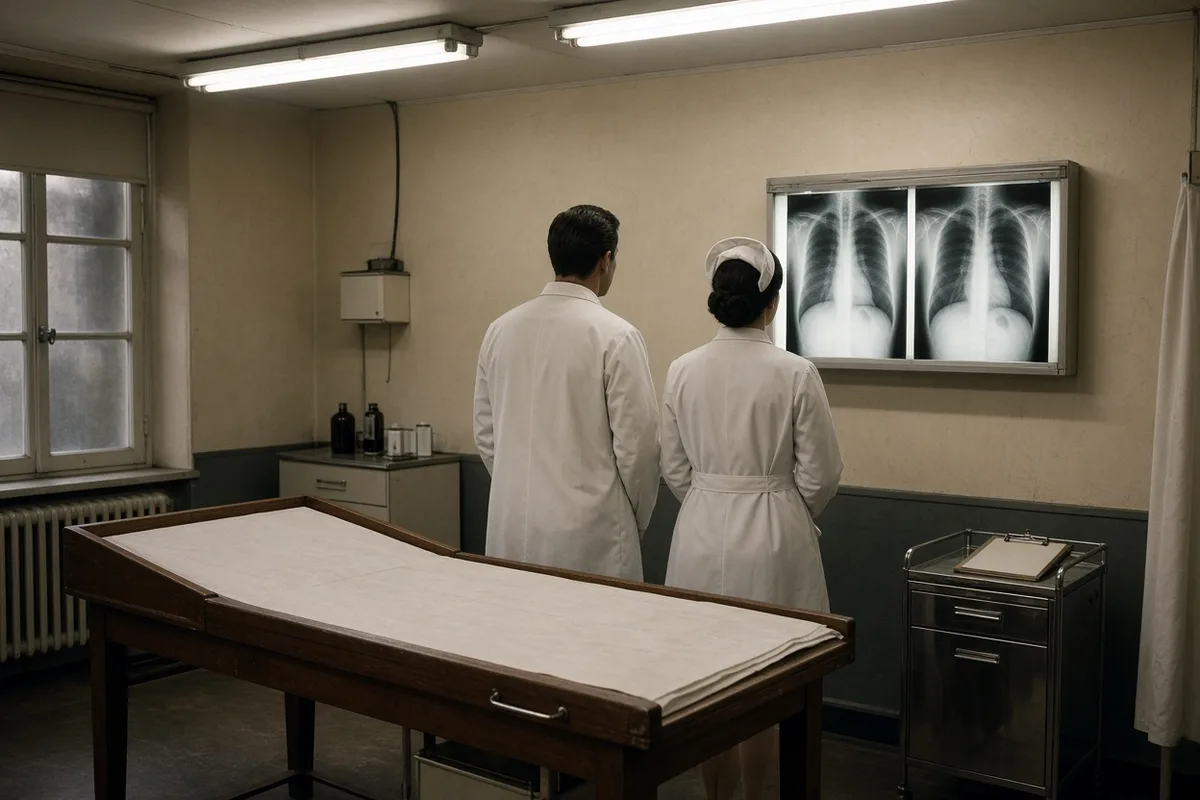
The medical archives received a final letter from the Ospedale Civile di Trento dated 3 June 2018, written by Dr. Elena Moretti, stating that radiographs taken on 22 May showed the left acetabulum unchanged from the 2003 series, with cortical thickness remaining 4.2 millimeters. The letter quoted the patient as saying he would not return the following year because of “the stairs at the station in Bolzano.” The file was closed with a rubber stamp marked “No further films requested” and placed back in shelf 12, box 4.
Micheli’s name last appears in the roster of the Associazione Nazionale dei Volontari di Lourdes on 4 May 2019, listed as number 12 under the column “Anziani presenti.” He assisted at the 6:05 a.m. opening of the men’s pool, handing the canvas apron to G. Moretti, the same Milan volunteer who had received it from him in 2013. The log records that Micheli remained on the ramp for twenty-two minutes, after which he signed the attendance sheet with the same forward slant noted in the 1963 ledger.
On 11 February 2020 the diocese of Tarbes and Lourdes issued a supplementary declaration confirming that the sixty-third cure remained under the original 1976 recognition and that no revocation had been requested. The document, signed by Bishop Jean-Paul James, cited the 184 pages of the Micheli dossier and the 27 X-ray envelopes now stored at 18 degrees Celsius and 45 percent relative humidity in the climate-controlled room beneath the Accueil Notre-Dame. The text noted the constant flow of 42 liters per minute from the spring house rebuilt in 2008.
The burial register of the parish church of San Pietro in Trento records that Vittorio Micheli was interred on 14 March 2021 beside his wife Anna Bertoldi. The entry lists the date of death as 9 March, the cause as cardiac arrest, and the age as eighty-nine. The military pilgrimage office received a copy of the death certificate on 22 March, stamped by the Italian consulate in Toulouse, and filed it with the 1963 immersion card that had remained in the same ledger.
The spring house continues to deliver water at 11.8 to 12.2 degrees Celsius, measured each morning by the Sisters of Charity of Nevers before the first immersion. The three pools receive 42 liters per minute through the stainless-steel grille installed in 2008. On the roster for the 2024 military pilgrimage the name “V. Micheli” appears only in the column headed “Memoria,” followed by the single line “4th Alpini, 1963, 2017.”
The last documented image is a photograph taken at 7:09 a.m. on 17 May 2017 by the pilgrimage photographer attached to the 4th Alpine Brigade. It shows Micheli standing on the top step of the men’s pool, water still dripping from the hem of his apron, the numbered tag 219 held in his right hand, the basilica bells visible in the upper right corner of the frame as they begin the Angelus. The print is archived in the sanctuary photographic collection under accession number 2017-05-17-084.