


The Huguenot Village of Le Chambon-sur-Lignon
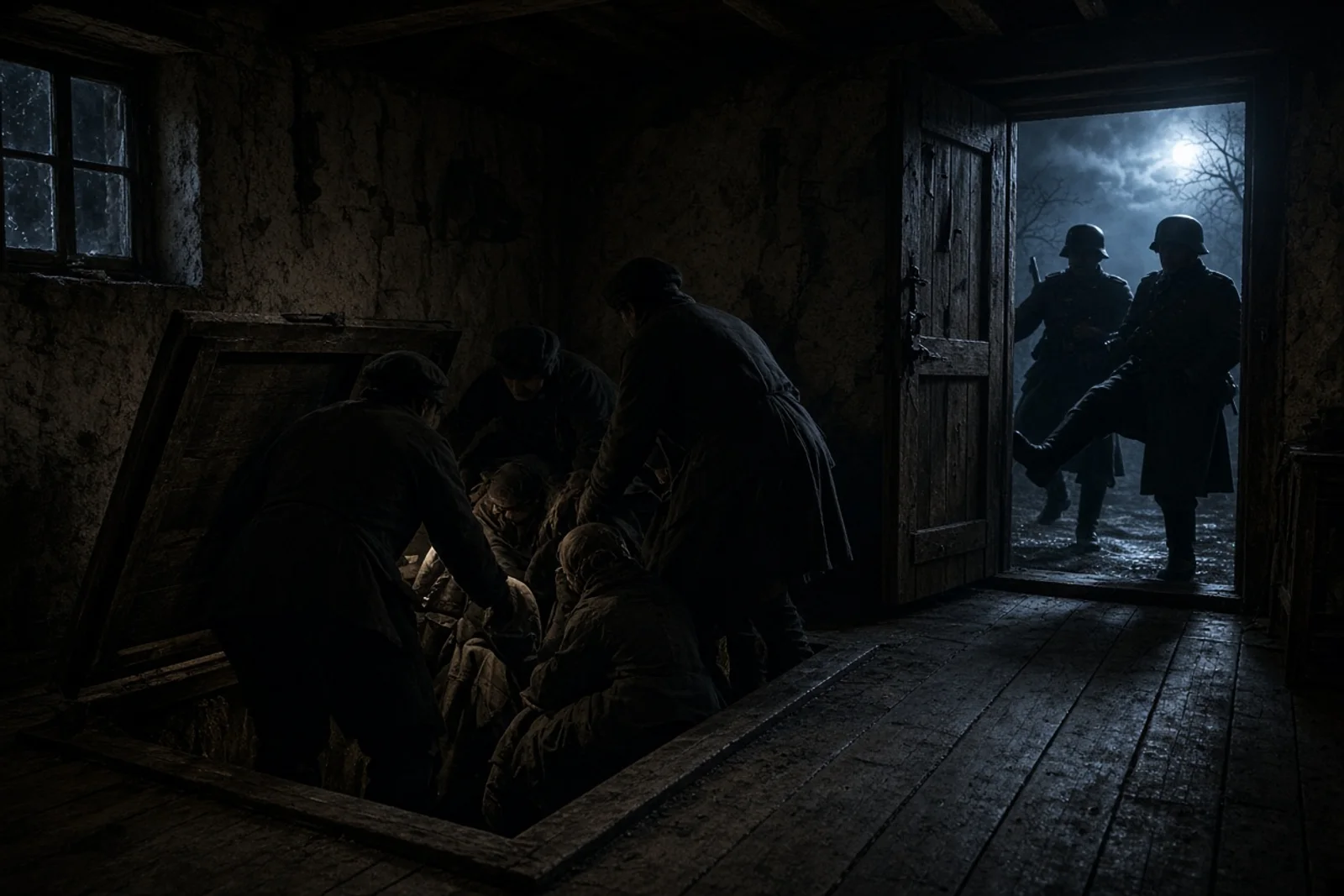
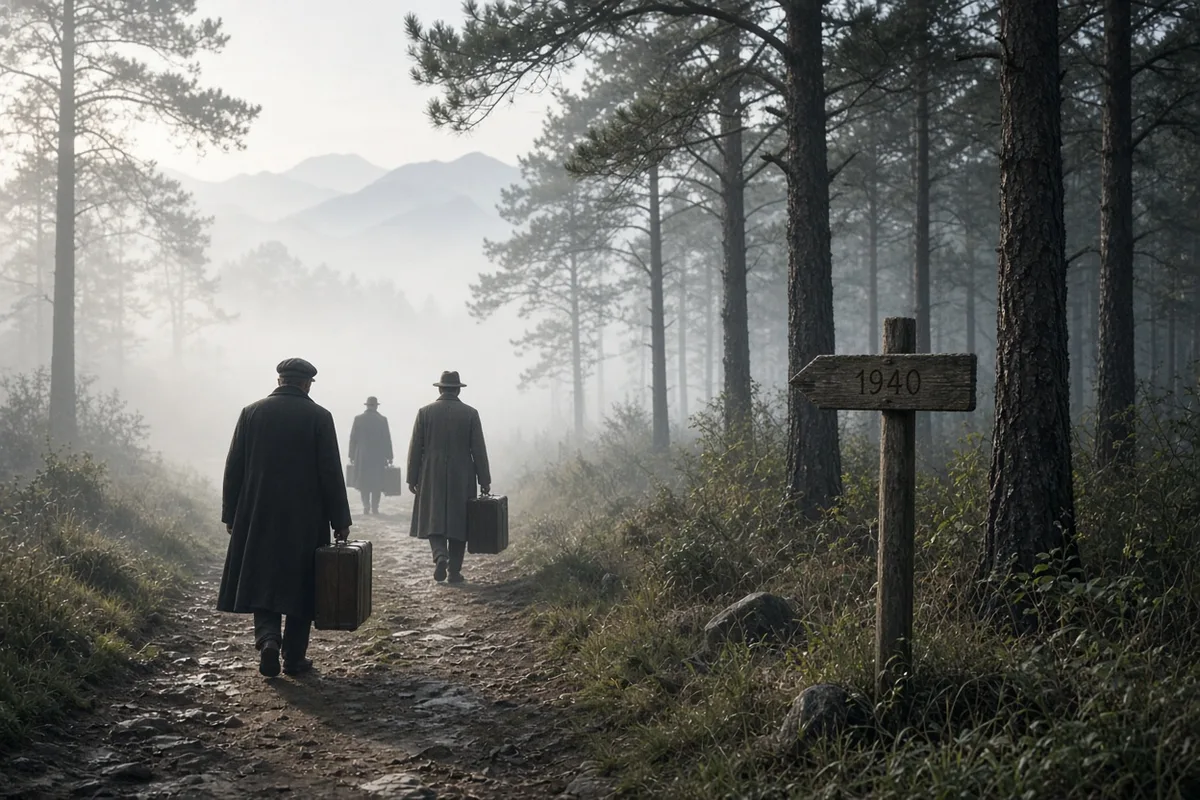
A cart wheel cracked on the frost-rutted road above the Lignon, and I steadied the horse with one hand while the other stayed on the shoulder of the girl beside me. She had not spoken since we left the station at Tence. Her coat smelled of the camp at Gurs, sour wool and disinfectant, and her fingers kept tracing the edge of a cardboard tag that still carried her number. I told her the village lay just beyond the next stand of pines. She nodded once.
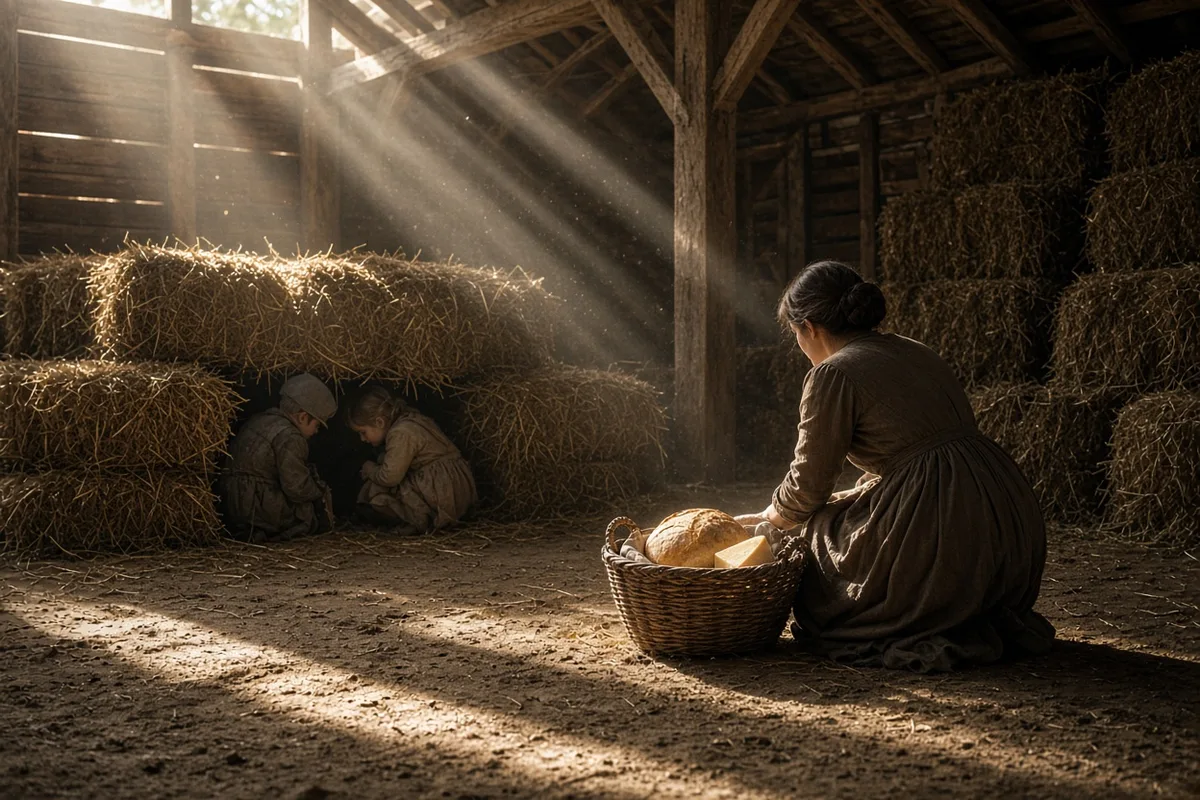
We reached the square at dusk. Magda Trocmé stood on the steps of the presbytery with two blankets already folded over her arm. She took the girl without asking a name or a destination, only whether she had eaten that day. The girl shook her head. Magda led her inside and set a bowl of soup on the table before the child could sit. No one else in the room looked up from their mending or their books. That was how it began for us.
By the following week the empty rooms above the school had mattresses on the floor. André Trocmé came each morning with a list of farms that still had space. He never raised his voice when he spoke to the children, yet the room grew quieter when he entered. He carried a small black notebook and wrote down only the things they needed—shoes, a coat, a letter sent to a relative in Switzerland. The notebook never left his coat pocket.

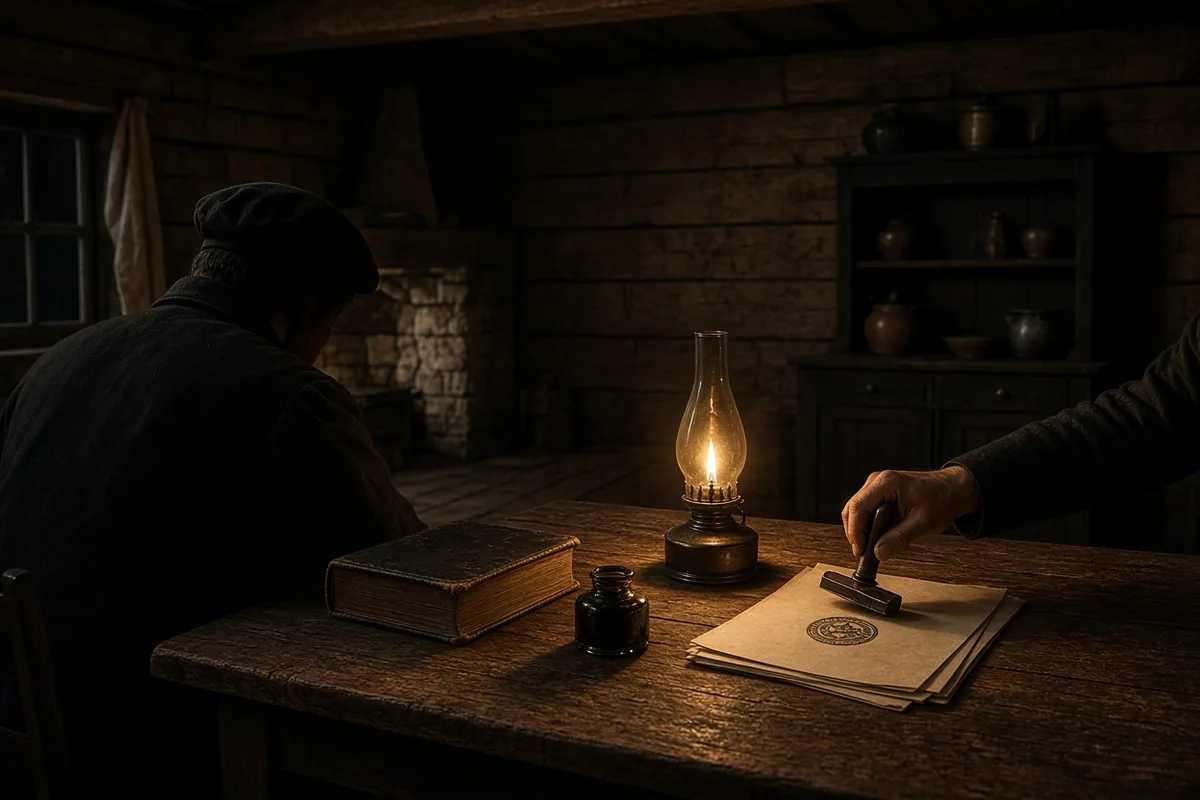
One afternoon a man arrived from Marseille carrying a suitcase that rattled with false papers. He handed them to me without ceremony and asked if I knew where to hide the next group that would come on the Thursday train. I told him the forest track behind the sawmill. He nodded and left before I could ask his name. Later I learned it was Edouard Theis, the assistant pastor, though he never used the title when he moved people.
Winter closed the roads. The burle wind cut across the plateau and left the children coughing in the unheated dormitories. We moved the smallest ones into farm kitchens where the bread ovens stayed warm through the night. A boy from Strasbourg kept a diary in which he drew the same tree every day, adding one branch each time a new child arrived. He showed it only to me.
In spring the first police notice appeared on the mairie door. It asked for declarations of all foreigners. André read it from the pulpit on Sunday and said nothing more. The following week the same notice had been torn down and replaced with a poster for a traveling cinema that never came. No one mentioned the change.
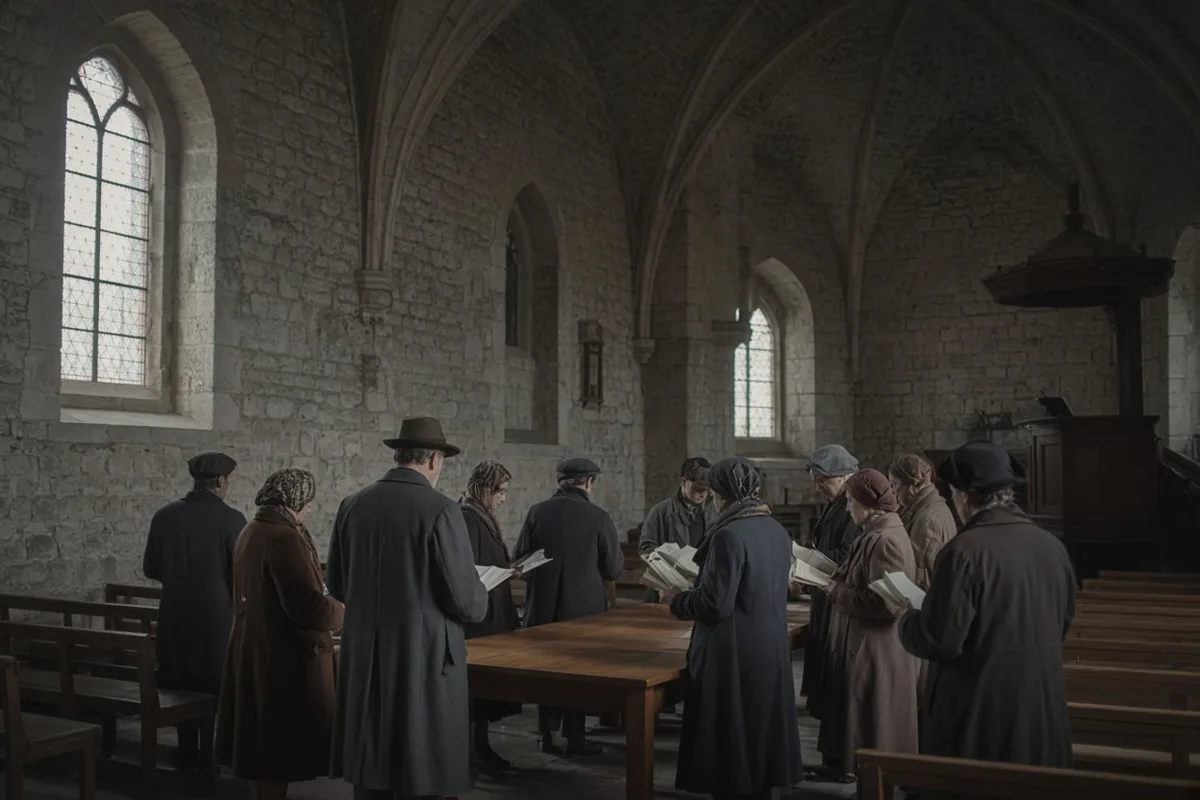
A group of older boys from the public school refused to join the youth movement the Vichy inspector tried to start. They stood in the courtyard and told him they made no distinction between the children they knew and the ones they did not. The inspector left the same afternoon. The boys returned to their lessons as though nothing had happened.
By summer the presbytery itself held twelve children. Elizabeth Kaufmann slept in the room above the kitchen and wrote in a diary she kept under her mattress. She recorded the exact hour each new face appeared at the door and the hour each name was changed. She never asked why the changes were necessary.
One evening André stood at the window and watched a black car slow on the road below. He did not move until the car passed. Then he turned and asked whether anyone had checked the hayloft behind the church for fresh straw. We had not. He walked out without another word.
The next group came on foot through the beech woods, twenty-three people led by a woman who had walked from the Rhône valley. Hermine Orsi met them at the edge of the plateau and divided them among three farms before dawn. She returned to her own house in time to open the shutters for the neighbors who expected to see her at the usual hour.
That autumn the children began to attend the regular classes. They sat at the back and copied the same lessons as the village children. When a visitor from Lyon asked why so many new faces had appeared, the teacher answered that the mountain air was good for weak lungs. The visitor did not return.
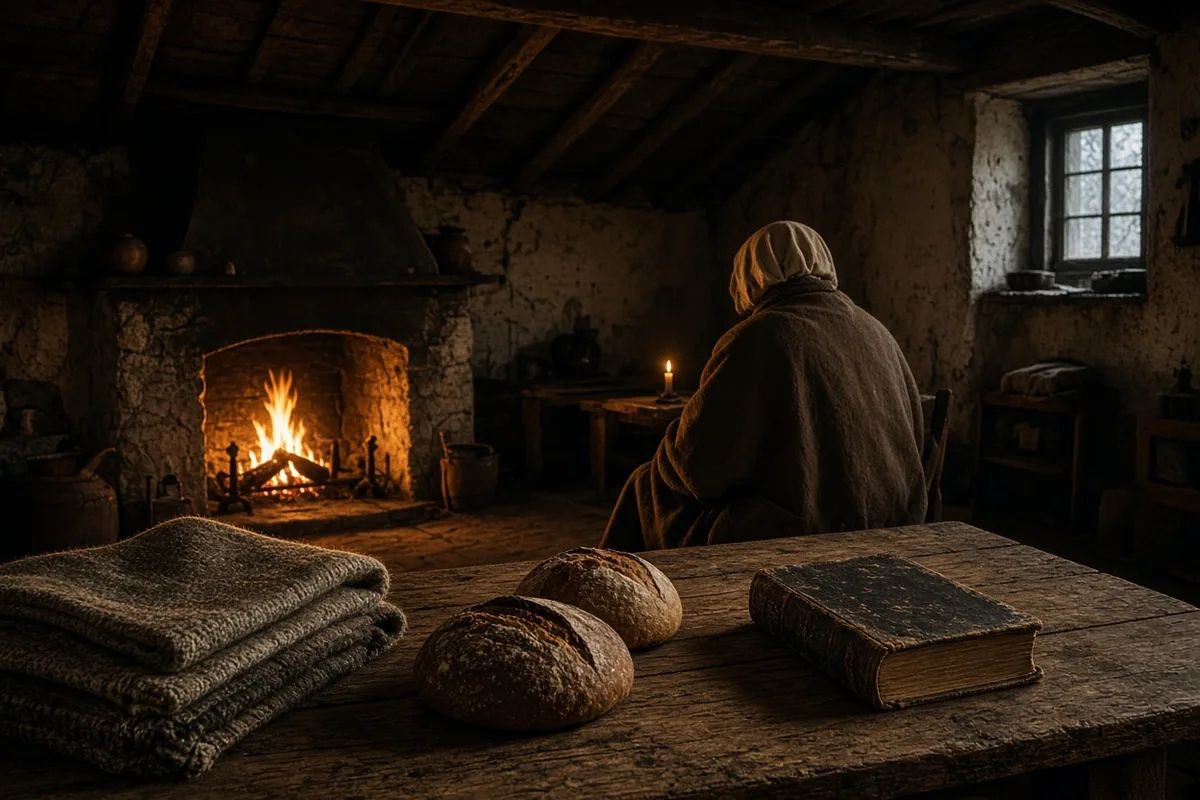
In December the first snow reached the roofs. We strung ropes between the houses so the smallest children could find their way in the dark. André’s bible lay open on the kitchen table each morning, the page marked at the verse he would read at the end of the service. He never altered the closing words.
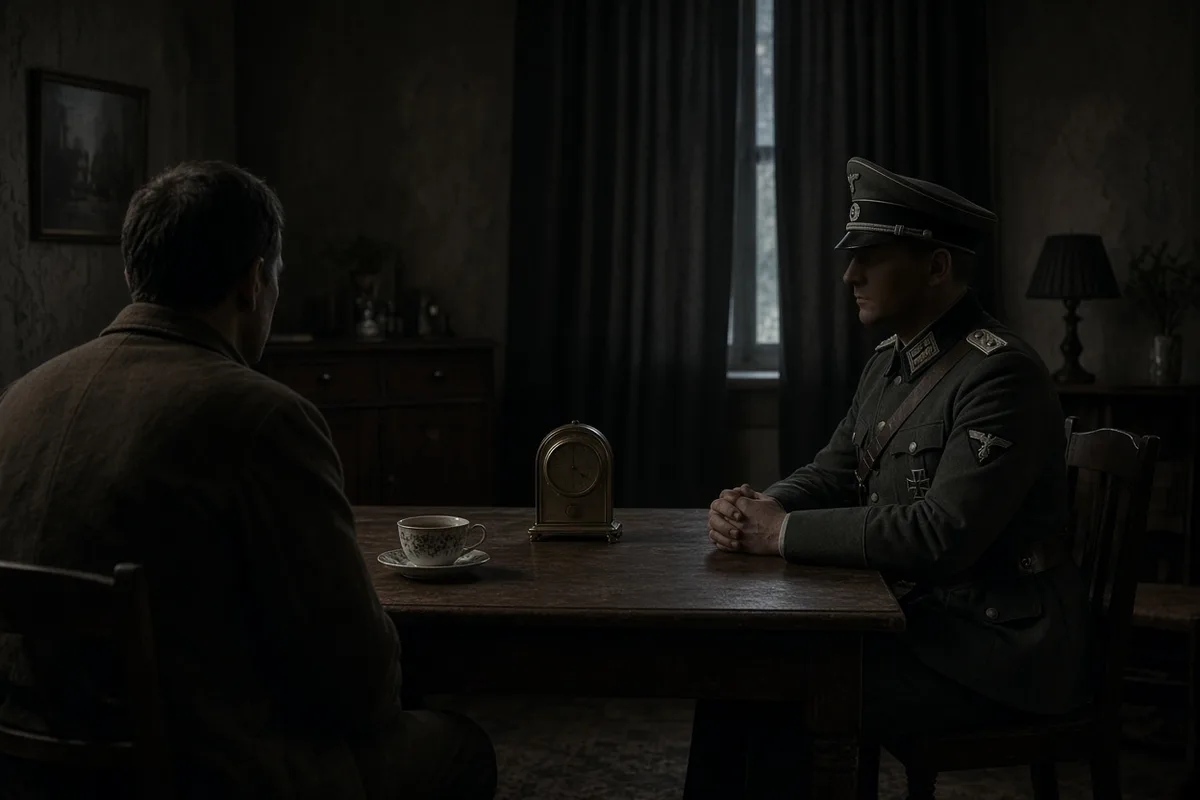
A letter arrived from the prefecture warning that further sheltering would bring penalties. Magda placed the letter in the stove and stirred the ashes until nothing remained but a gray film on the grate. She did not mention it again.
By the end of 1940 the count kept in André’s notebook had passed three hundred. The pages were already beginning to loosen at the spine from constant opening and closing. He carried it anyway, the same way he carried the names he never wrote down.
In January 1941 the notebook recorded the arrival of the Lévy family from Paris on the 12th, eight people who had walked the last twelve kilometers after the train stopped at Saint-Agrève because of snow. André noted their need for kosher provisions and passed the request to the farm of the Boissonnets on the road to Mazet, where the wife kept a separate pot on the stove each Friday. The same week three boys from the École Normale at Clermont-Ferrand appeared with letters from Pastor Frank of Nîmes; one of them, Jacques Bloch, age fourteen, carried a violin case whose lining held twenty forged identity cards. Edouard Theis examined each card under the lamp in the sawmill office and replaced two photographs before sending the boys to separate households.
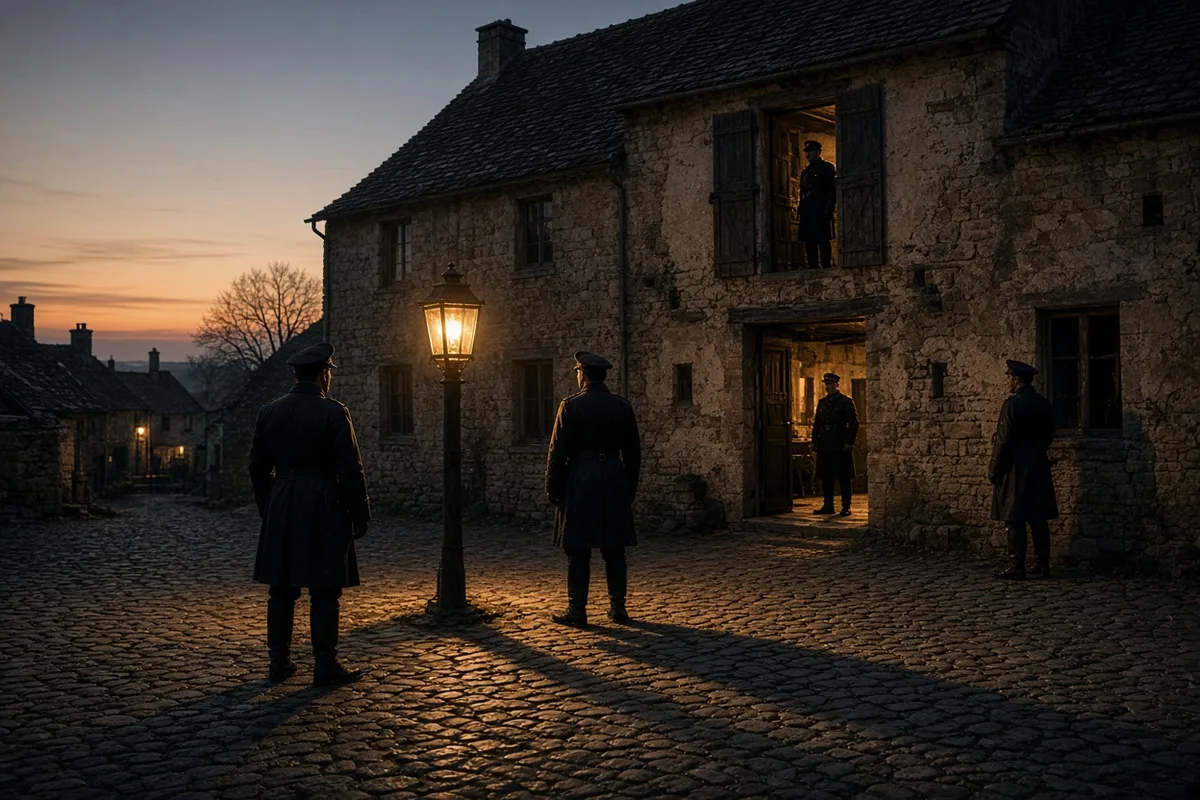
By March the plateau had received the first contingent from the camp at Rivesaltes, thirty-one children whose transfer papers listed them as “enfants en transit vers la Suisse.” Magda Trocmé met the convoy at the Tence station and counted them twice before loading them into three farm carts. One girl, Ruth Kimmel, age nine, still wore the yellow star sewn to her coat; Magda cut it off with kitchen scissors on the presbytery steps and burned the fabric in the stove while the child watched. André’s notebook entry for that day listed only “shoes, size 32, three pairs” and the address of a dentist in Le Puy who would treat an abscess without asking questions.
When the prefect’s order of 14 August 1942 reached the mairie, André read the text aloud at the Thursday prayer meeting: “All foreign Israelites must be delivered to the departmental authorities within forty-eight hours.” He then added, according to the notes taken by Elizabeth Kaufmann, “We will not obey an order that contradicts the law of God.” The following morning Theis drove a group of seventeen to the forest above Fay-sur-Lignon, where a charcoal burner named Marius Granet kept them for nine days until false papers could be printed in the cellar of the Protestant school. Granet later told the sub-prefect that he had seen no one, and the official recorded the statement without further inquiry.
On 13 February 1943 the gendarmes arrived at the presbytery at six in the morning and took André and Theis to the prison at Le Puy. Magda remained and continued the distribution of ration cards, signing each one with her own name. The notebook passed to her; she added the line “André et Edouard absents depuis le 13 février” and kept the count running. The two pastors were released on 15 March after the intervention of the Swedish consul, but Daniel Trocmé, André’s nephew who had been directing the children’s home at La Maison des Roches, was arrested on 29 June and deported from Clermont-Ferrand on convoy 63. His last letter, dated 2 July, asked only for news of the children he had left behind.
After the Allied landings the maquis units on the plateau used the same forest tracks that had hidden families; on 15 August 1944 a detachment of the 2e Division Blindée passed through Le Chambon and requisitioned thirty loaves from the bakery run by the Dautry family. André noted the date in the notebook and wrote beside it the single word “libération.” By December the count stood at 3,478 names, though many had already crossed into Switzerland or joined relatives in Toulouse. The pages were now bound with twine because the original spine had given way.
In 1947 André accepted a post at the Fellowship of Reconciliation in the United States; before leaving he gave the notebook to the village archives, where it remains under glass in the salle communale. Magda stayed until 1970 and continued to receive letters from former children, one of which, from a woman named Sarah Stern in Haifa, thanked her for “the bowl of soup on the first night.” André died in Geneva on 5 June 1971; Magda returned to the presbytery for the burial and placed the notebook on the coffin before it was lowered.
The square today holds a stone marker engraved with the names of 837 children who passed through the village between 1940 and 1944; the marker was unveiled on 14 July 1990 by Ruth Kimmel, then aged fifty-seven, who returned for the ceremony and stood beside the same steps where her star had been removed. At dusk the last light falls on the presbytery window where André once watched the black car slow on the road below.
The presbytery window still catches the last light each evening, and in 1973 the Swedish consul who had secured the release of André and Edouard in 1943 returned to place a copy of the intervention telegram in the village archives beside the original notebook. The telegram, dated 12 March 1943 and signed by envoy Raoul Nordling, listed the exact charges—“refus d’obéissance aux autorités”—and the condition of release that neither pastor would resume public activity inside France for six months. Magda kept the copy folded inside the notebook’s front cover until her death in 1997, when it passed to the municipal collection now housed in the former sawmill office on the road to Mazet.
In 1988 the Israeli ambassador presented the village with the Righteous Among the Nations medal during a ceremony attended by twenty-seven survivors who had crossed into Switzerland on forged papers issued from the presbytery cellar. One of them, Jacques Bloch, then sixty-one and living in Tel Aviv, read aloud the entry from Elizabeth Kaufmann’s diary dated 12 January 1941 that recorded his arrival with the violin case containing twenty cards; the original diary page, preserved under glass, shows the precise time “arrivée 14 h 40” and the note “violon—20 pièces.” The medal itself hangs in the salle communale next to the list of 3,478 names transcribed from André’s notebook before the pages were rebound in 1949.
Each July the local collège, renamed for André Trocmé in 1971, hosts a week-long gathering of descendants; in 2004 the school register showed 184 students whose grandparents had been sheltered on the plateau, including three grandchildren of Ruth Kimmel who attended the unveiling of a second marker listing the 31 children from Rivesaltes. The register entry for 14 July 2004 records the exact number of participants—312—and the contribution of 47 loaves from the Dautry bakery, the same quantity requisitioned by the 2e Division Blindée sixty years earlier.
The forest track behind the sawmill remains marked by a single granite post erected in 1994 by the Association des Enfants Cachés; on 18 September 1994 Marius Granet’s son, then seventy-eight, placed a copy of the charcoal-burner’s receipt book open to the page dated 17 August 1942 that lists “17 personnes—pain et eau—neuf jours.” The receipt, written in pencil on the back of a tobacco label, bears the stamp of the sub-prefecture confirming Granet’s statement that he had seen no one.
In 2012 the last surviving member of the original group that walked from the Rhône valley, Hermine Orsi’s niece Marie-Louise, returned at age eighty-nine and identified the exact beech where her aunt had divided the twenty-three arrivals among the three farms. She left a handwritten note in the archives stating the time of arrival as “deux heures du matin, le 9 octobre 1940” and naming the farms of the Boissonnets, the Dautrys, and the Granets. The note is filed under the same accession number as André’s notebook.
Today the presbytery kitchen still contains the same stove where Magda burned the prefect’s letter; the grate bears a small plaque recording the date 22 October 1942 and the single line “lettre du préfet détruite.” Visitors may view the stove only during the annual open day on 16 July, when the current pastor reads the same verse André marked each morning in 1940, without additional commentary.
On 5 June 2021, the fiftieth anniversary of André’s death, a woman named Sarah Stern’s granddaughter, then forty-three and living in Haifa, placed a photocopy of the 1947 thank-you letter beside the notebook under the glass case. The photocopy shows the original phrasing—“the bowl of soup on the first night”—written in blue ink on lined paper postmarked 3 March 1947. The granddaughter stood at the presbytery steps until the light left the window, then walked the rope path that once guided children through the December snow.