


The Miracle of the Andes: 72 Days, 16 Survivors
I felt the plane drop before anyone screamed. One second we were laughing about the turbulence, some of the boys hollering like it was a ride at a fair, and the next the cabin fell out from under us like a trapdoor. Panchito Abal, sitting near Nando Parrado, asked him if it was normal to fly this close to a mountain face. I heard Parrado say he didn't think so. Then the world went white, and then it went black, and I did not know anything at all for a long time after that.
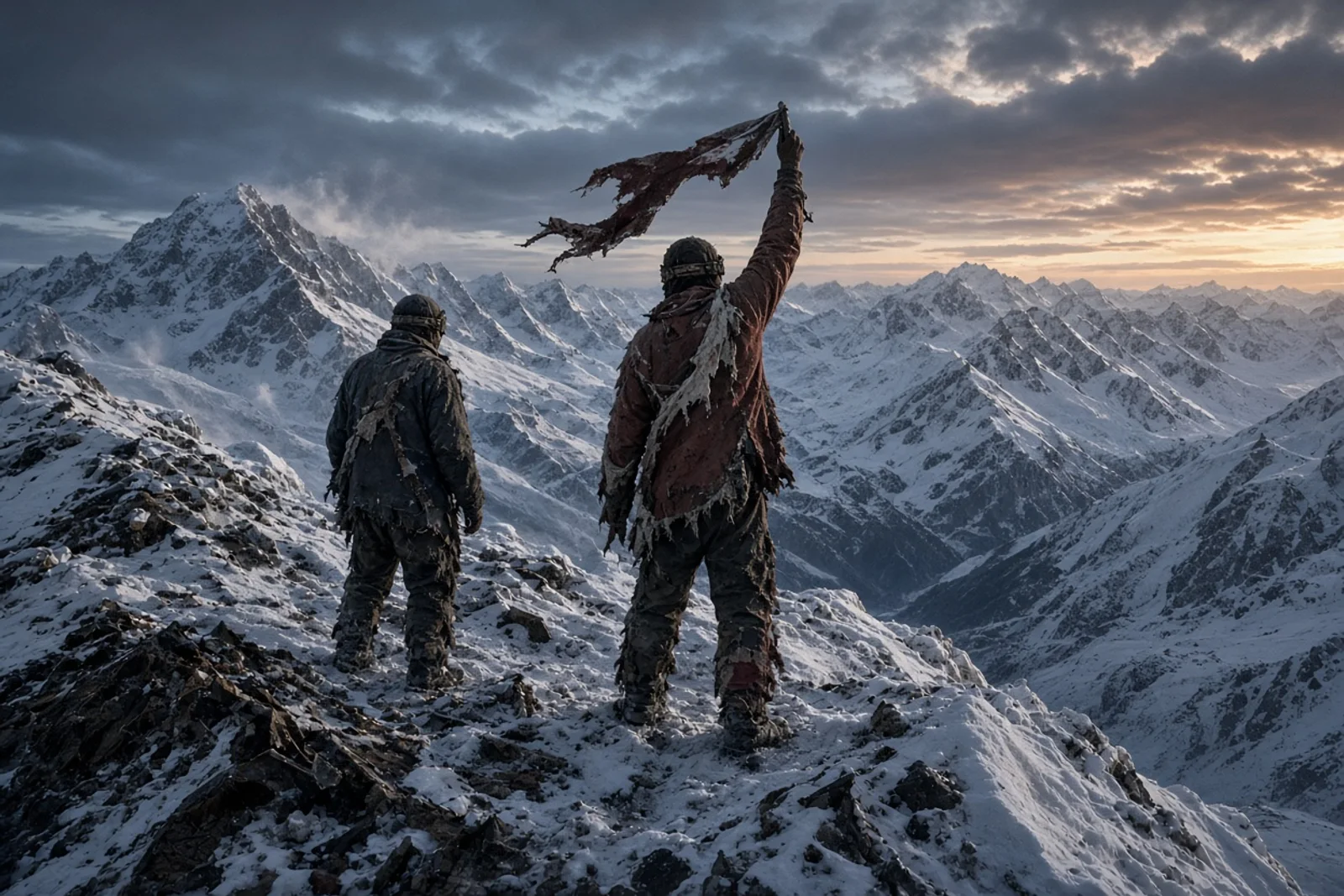
We had left Montevideo two days earlier, a chartered Fairchild carrying our rugby club to a match in Chile, forty-five of us including the crew, friends and fathers and a few mothers tagging along for the trip. Nobody expected the mountains to reach up and take the plane. The pilot believed he was already past the worst of the range, dropping toward Santiago. He was wrong by a hundred and fifty kilometers. The right wing caught the rock first, then sheared away and took the tail with it, and what was left of us skidded down a glacier on the belly of a fuselage that no longer had wings.
When I came back to myself, the cabin was full of snow and blood and boys crying for their mothers. Seven had gone out through the tear in the fuselage before we even hit the ground, thrown into the white and gone. Four more, including the pilot and Parrado's mother, died on impact. Parrado himself did not wake for almost two days. He told us later that in the blackness he kept thinking he was dead, and that the thought which finally convinced him otherwise was thirst — a dead man does not crave water. When his eyes opened, the first thing he saw was our faces leaning over him, asking if he was all right.

By the time we had counted ourselves, twenty-nine of us were left breathing inside a broken shell at almost twelve thousand feet, with no radio that worked, no wings to catch the sun and no way to tell anyone in the world below that we existed at all. The white paint that was supposed to make the plane easy to spot from the air made it disappear completely into the snow. We did not know yet how much that single detail would cost us.
We built what shelter we could out of the wreckage, stacking seats into a wall against the opening where the tail had been, and we learned fast how to melt snow into water using scraps of aluminum warmed in the sun, because thirst kills faster than hunger at that altitude. Hunger, though, came for us anyway. There had been almost nothing on board to eat — some chocolate, a few crackers, a little wine — and it was gone within days. Parrado once told how a single chocolate-covered peanut had to last him three days, how he sucked the coating off it slowly on the first day and only allowed himself small nibbles after that, rationing a peanut the way a man rations his own heartbeat.
We waited for rescue because that was what you did. We watched the sky. On the eighth day, search planes that had been combing the range gave up and turned back toward their bases, deciding the wreck must be buried too deep in snow to ever be seen, and that the search would resume, if at all, when summer thinned the drifts. We did not know this yet. We kept believing, the way you believe in something because the alternative is unbearable, that any hour now we would hear engines.
The cold at night was a thing with weight to it. It pressed down and it took people. It took them slowly, from wounds that would not close, from the thinness of blood that had nothing left to feed on, and in a place with no soil to dig and no wood to burn, we had nowhere to put our dead except the snow outside, where the mountain kept them as cleanly as a vault.
There came a day when what was left of us understood, without anyone wanting to be the one to say it plainly, that our own bodies were beginning to consume themselves, and that soon there would be nothing left to consume. We had one another, alive, and we had our friends outside in the snow, already gone. Someone found a piece of broken glass in the wreckage. I will not pretend it was easy to decide, or that it was decided all at once, or that every hand reached out the same day. But it was decided. It was the unthinkable, and it was also, at that altitude, arithmetic.
Weeks passed that I still cannot make myself measure in days. The mountain did not stop taking us even after that decision. More died from injury, from exposure, from the simple wearing away of a body that has been asked to survive somewhere it was never built to survive. Of the twenty-nine who had lived past the crash, more than a dozen would not live to see rescue at all.
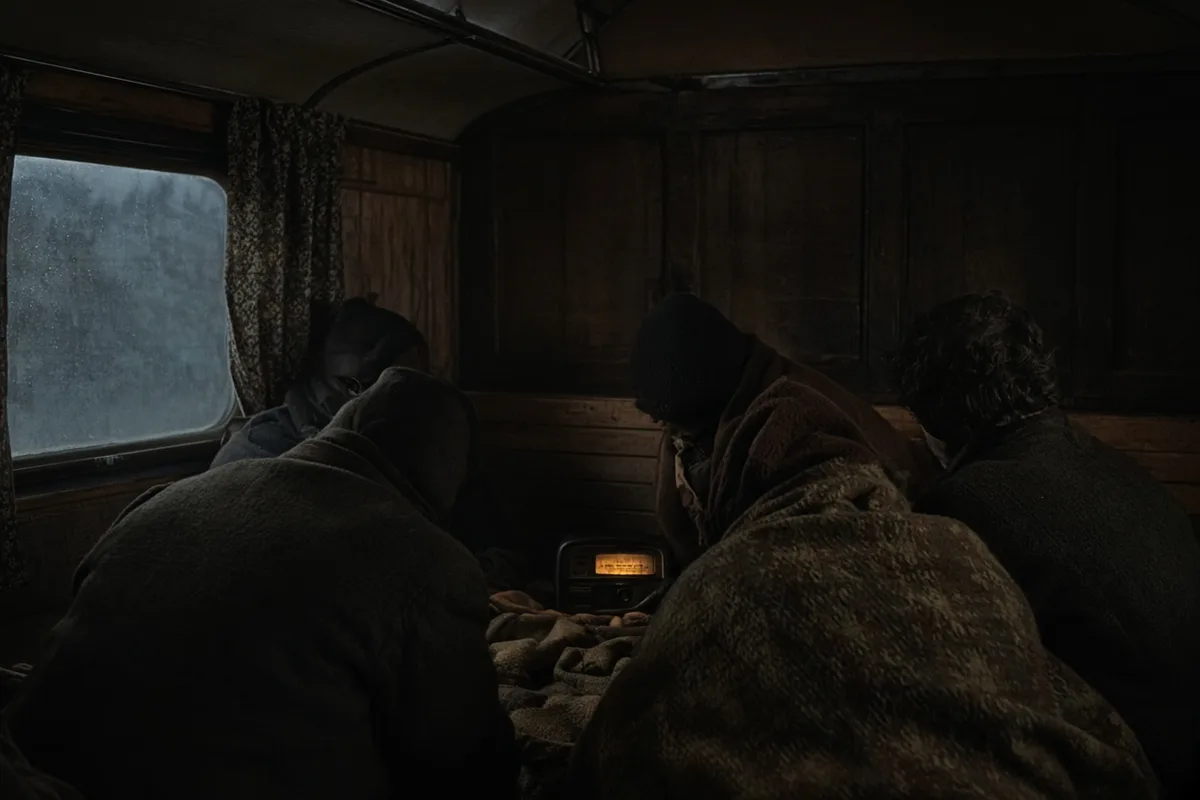
Somewhere in those weeks we managed to coax a little life into a transistor radio salvaged from the wreckage, and through the static we heard a news report confirming what some part of us had already guessed and refused to say out loud: the search for the missing Uruguayan plane had been called off for good. Roberto Canessa said afterward that hearing the world declare you dead, hearing it move on without you, strips away the argument for simply waiting. There is no longer a question of patience. There is only a question of whether you try.
It was around then that Arturo Nogueira, whose legs had been shattered and who would not survive to see the end of it, told Canessa how lucky he was to have legs that still worked, legs that could carry him out to try to save the rest of us. I remember that being said, and I remember what it did to the room, because it turned an escape attempt into something closer to an obligation.
So Canessa and Nando Parrado went. They stripped a sleeping bag apart and sewed it into a crude cocoon against the cold, packed what scraps of meat they could carry, and started walking toward whatever direction seemed most likely to hold a living world. They had no map worth trusting and no experience of mountains like these. They only had the fact that someone had to go, and that between the two of them there were still two working sets of legs.
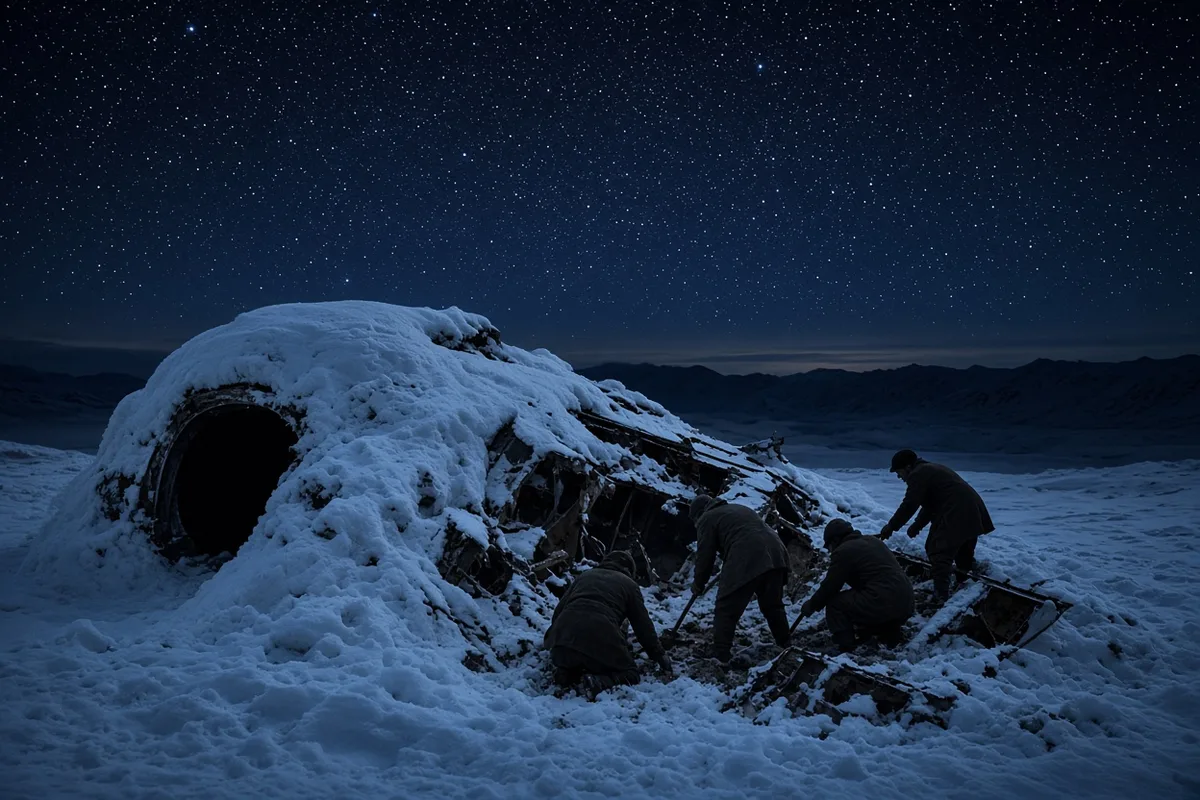
We watched them become small against the white and then disappear over a ridge, and after that there was nothing to do but wait again, this time not knowing if we were waiting for rescue or for two more graves in the snow.
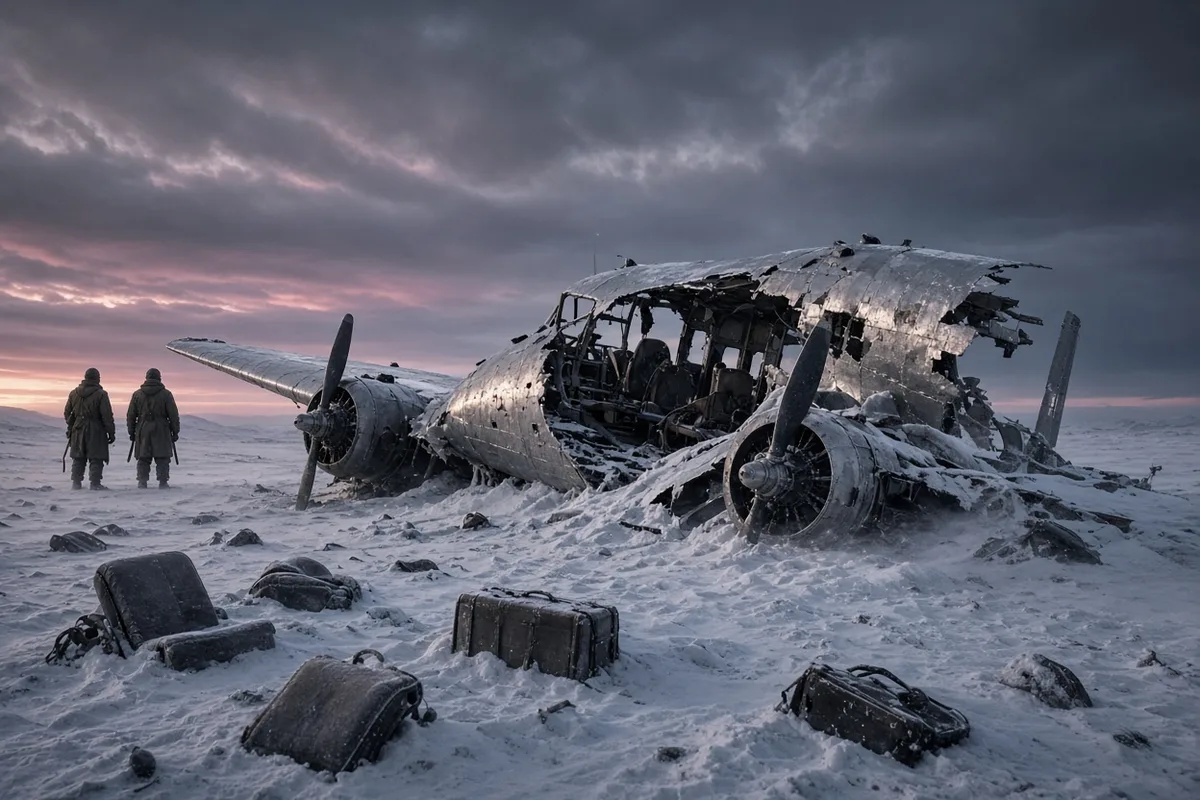
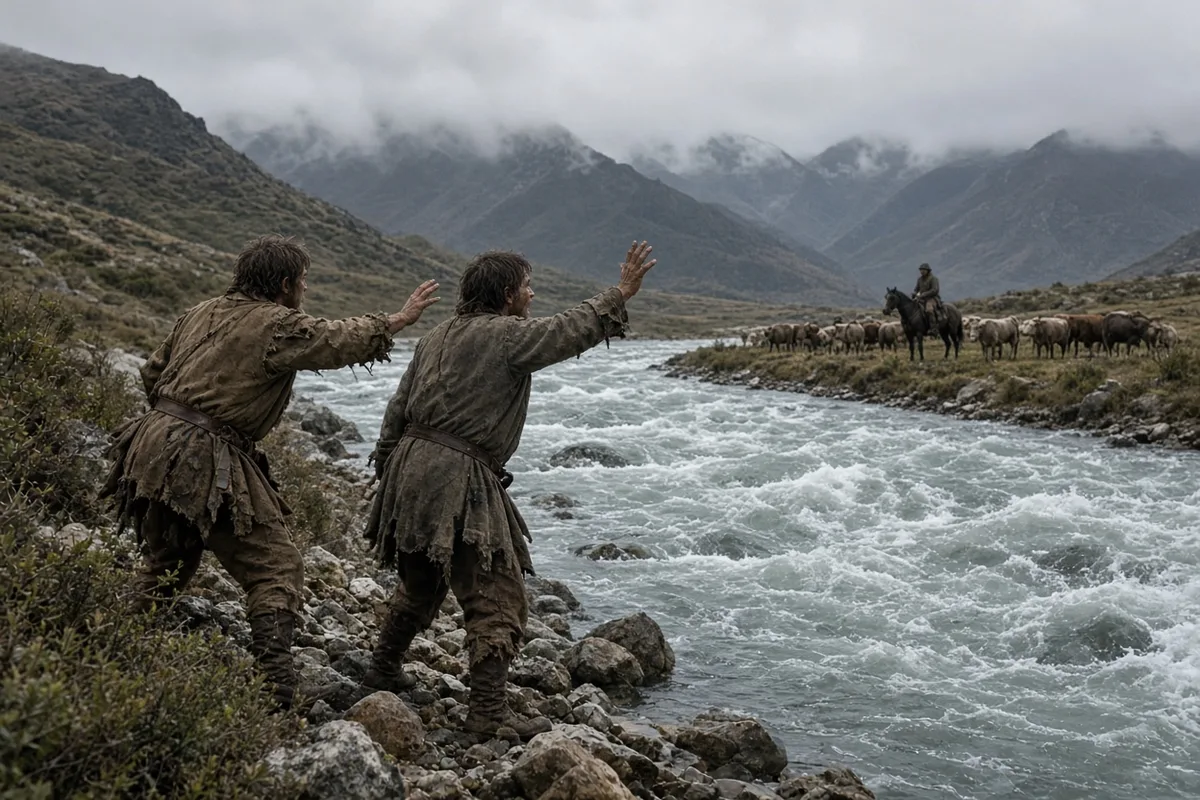
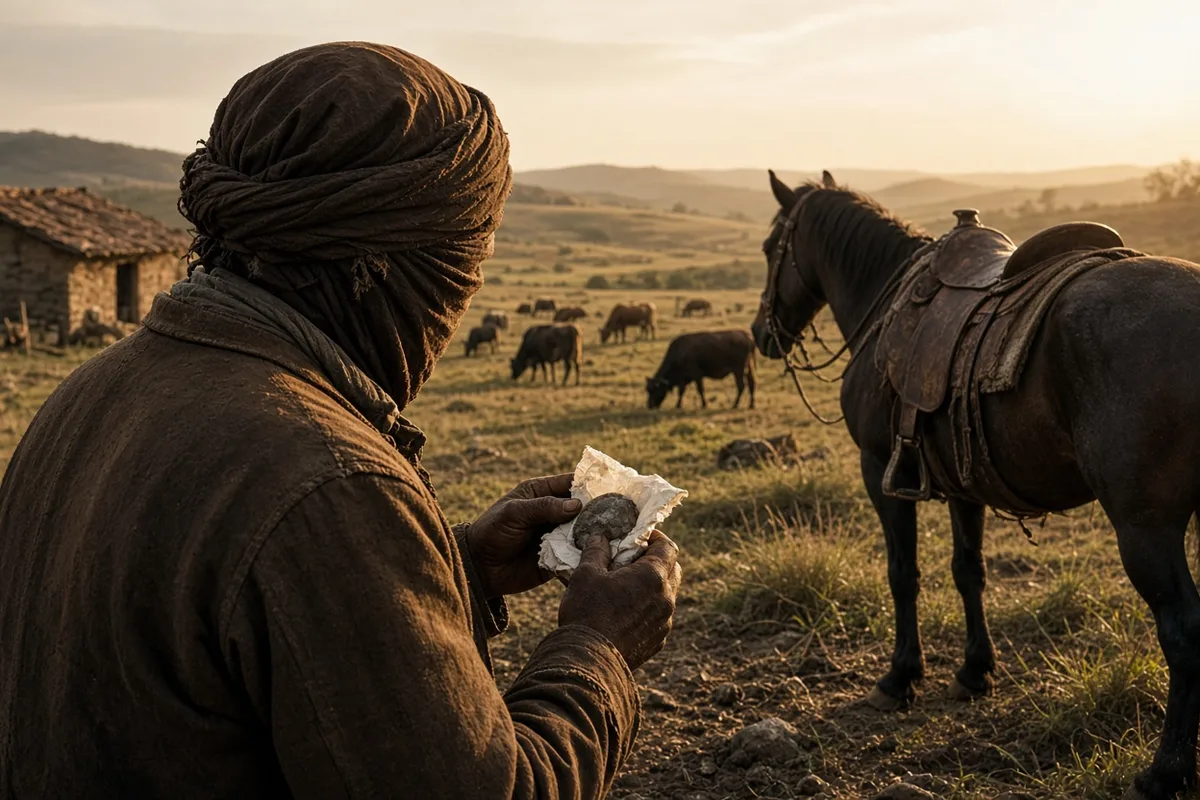
They walked for ten days. Ten days across glacier and rock and altitude that had already killed grown men who'd had proper gear and proper training, with nothing to eat but what they'd carried out of a plane wreck and nothing to navigate by but instinct and the shape of the land falling, at last, downward. When the peaks finally gave way to green, to a river, to the sight of cattle and a man on the far bank on a horse, it must have looked less like a landscape than like a hallucination they'd earned the right to believe in.
They shouted across the water. The man on the horse could not hear them over the current, but he saw them, two ragged figures where no figures should be, and he understood enough to ride for help rather than ride away.
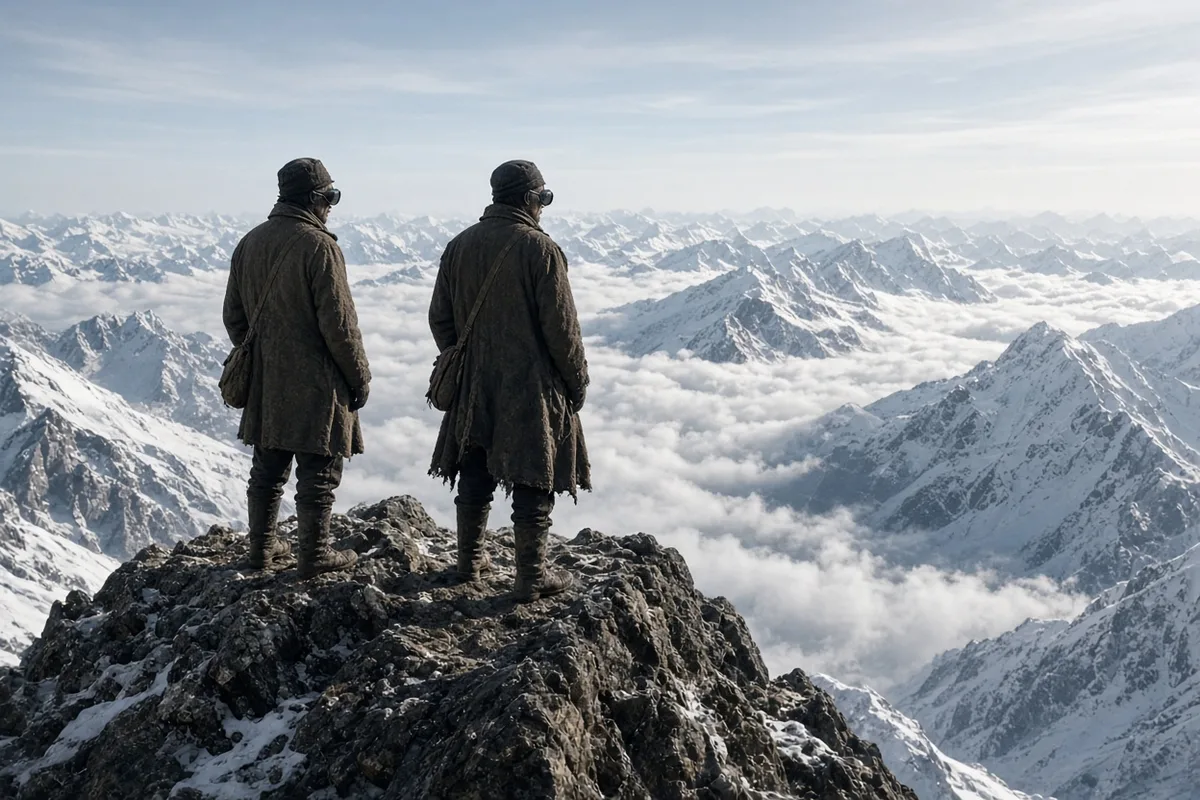
Word reached authorities that survivors of the vanished Uruguayan plane were alive on the Chilean side of the mountains, and for the families back in Montevideo who had already begun to grieve, who had already been told by search commanders that hope was no longer a reasonable thing to hold, the news arrived like a second crash, this time in the other direction.
Helicopters went in. Getting to the wreck site was its own battle against wind and altitude, and the pilots had to work the thin air carefully to avoid stalling out at nearly twelve thousand feet, but on December twenty-second they reached the fuselage where the rest of us had been living inside the shell of the plane for seventy-one days, and some of us were lifted out that same evening.
I remember the last night at the wreck differently from every other night we'd spent there, because for the first time the cold did not feel endless. We knew, finally, exactly how many more hours we had to survive it.
The remaining survivors came out the following day, December twenty-third, and among them was Roy Harley, whose mother was there to meet him, and the two of them held onto each other in a way that needed no explanation to anyone watching. Carlos Páez came down too, and his father was there on the ground, and the photograph of that reunion, the two of them wrapped around each other, ran everywhere the story ran, because it said in one frame everything the seventy-two days had cost.
Sixteen of us walked or were carried out of those mountains. Forty-five had boarded the plane in Montevideo believing they were flying to a rugby match.
When the full story came out — what we had eaten to stay alive, and why — the first wave of reaction from the outside world was disgust, the kind of recoiling silence that makes headlines out of a single word. That did not last. It gave way, fairly quickly, to something more like reckoning, an understanding that what had happened up there was not appetite but the last available arithmetic of survival, chosen by people who had run out of other choices and who had chosen, every one of them, to keep living rather than to simply stop. The story earned itself a name that has stuck for fifty years: the Miracle of the Andes.
Canessa went on to become a doctor, the kind of physician who has actually stood at the edge of what a human body can endure and lived past it. Carlos Páez grew into an agricultural technician, a father, a man who has said plainly that at eighteen, up there in the snow, he was not fighting for a place in history or a seat in a movie theater fifty years later — he was fighting to get home to his mother and father, nothing grander than that. He has said he'd never been cold before that mountain, never been hungry, never done a single useful thing with his hands, and that the mountain gave him, in the cruelest possible classroom, the only truly extraordinary experience of his life.
The story has since filled twenty-six books, nine documentaries, four feature films. In the best-known of them an actor plays Páez as an old man, describing the moment two helicopters finally set down beside the wreck, and he says there isn't much more to tell beyond the simple fact of it: Parrado and Canessa crossed the mountains, and they saved the rest of us.
I think sometimes of Parrado in that first black hour, certain he was dead, until thirst told him otherwise — a small, stubborn craving that turned out to be proof of life. I think of the peanut he made last three days. I think of the two figures growing small against the ridge, and the man on the horse who could not hear them shouting but rode anyway. Seventy-two days. Sixteen of forty-five. The mountains never gave up the ones who stayed behind in the snow, and they never will, but they let the rest of us go, and that, in the end, is the only miracle the record can actually prove.