


The Miracle of the Andes Survivors
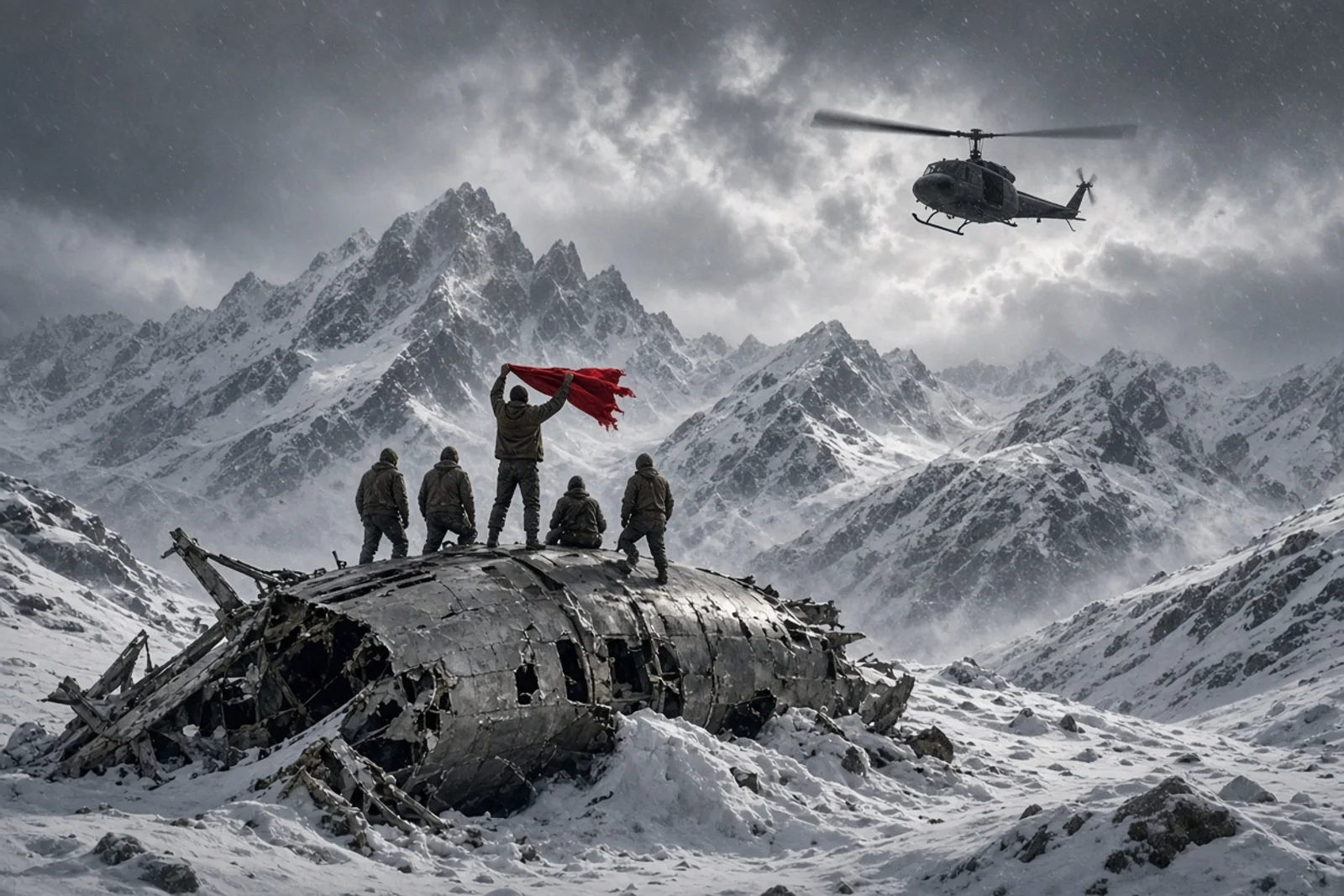
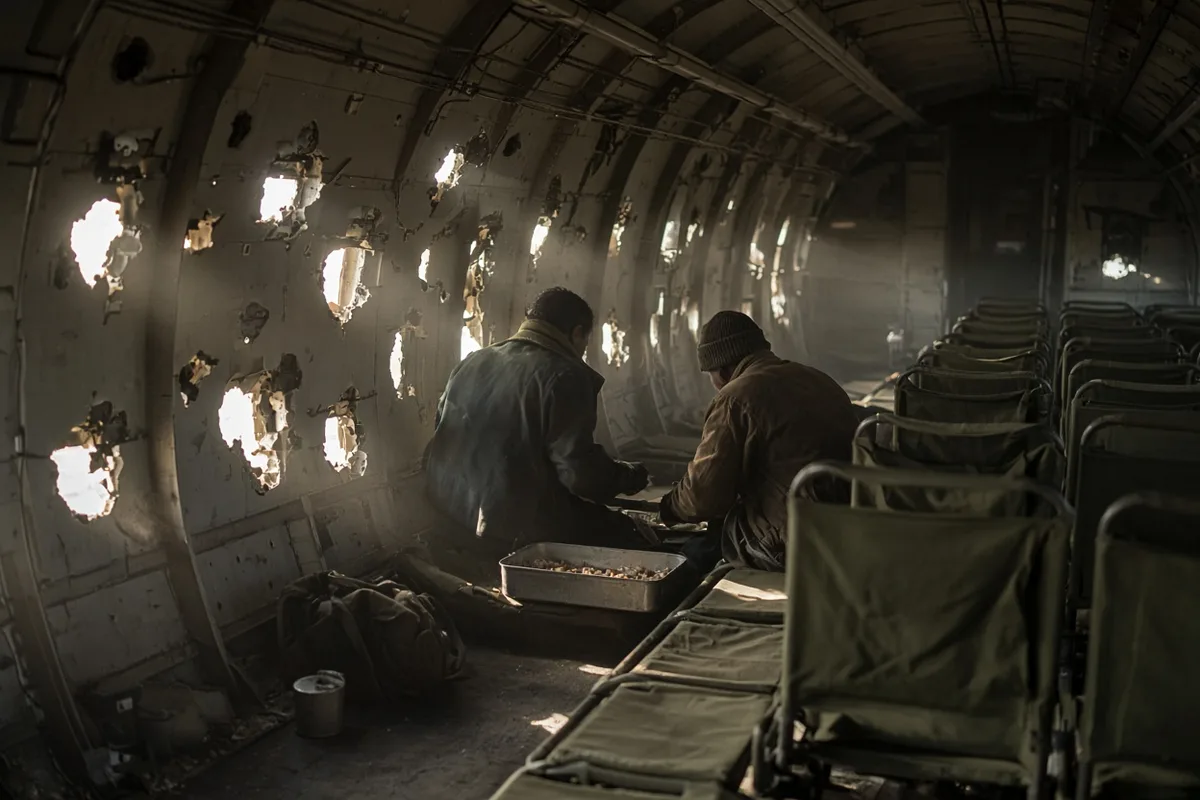
The right wing sheared clean through the fuselage and the tail section spun away into white nothing. Metal screamed and then there was only the hiss of wind across torn insulation. I came to with my face pressed against someone’s boot and the smell of jet fuel thick in my nose. Panchito Abal lay two seats away, eyes open but seeing nothing. The co-pilot was already gone, blood frozen black on his collar. We counted heads by voice at first, then by touch when the light failed. Twenty-nine of us still breathed when the sun dropped behind the ridge.
We stacked the loose seats into a crude wall and pulled the wounded inside the broken hull. Roberto Canessa moved from one man to the next, pressing snow against gashes that would not stop bleeding. Nando Parrado sat with his mother until her breathing stopped sometime after midnight. No one spoke the word rescue that first night. The altitude pressed on the chest like a hand.
Morning brought a sky so clear it hurt. We melted snow in twisted seat backs and passed the aluminum cups hand to hand. The chocolate and wine lasted three days. After that the only thing left was the quiet inventory of bodies already stiff under the tarps we had rigged.

Canessa was the first to say it aloud. He stood outside the fuselage with two others, the wind cutting across their faces, and told us what the body does when it has nothing else to burn. No one argued. We waited until the next death before anyone moved.
The first cut was made with a piece of window glass. The man doing it kept his eyes on the snow the whole time. We cooked nothing at first; the cold made fire impossible. We swallowed what we could and turned away when the stomach rebelled. The names we avoided saying while we ate.
By the tenth day the snow had buried the smaller pieces of wreckage. We dug a narrow trench around the fuselage so the wind would not seal us in completely. Parrado kept a tally on the inside wall with a burnt match. Each mark stood for another morning we had not died.
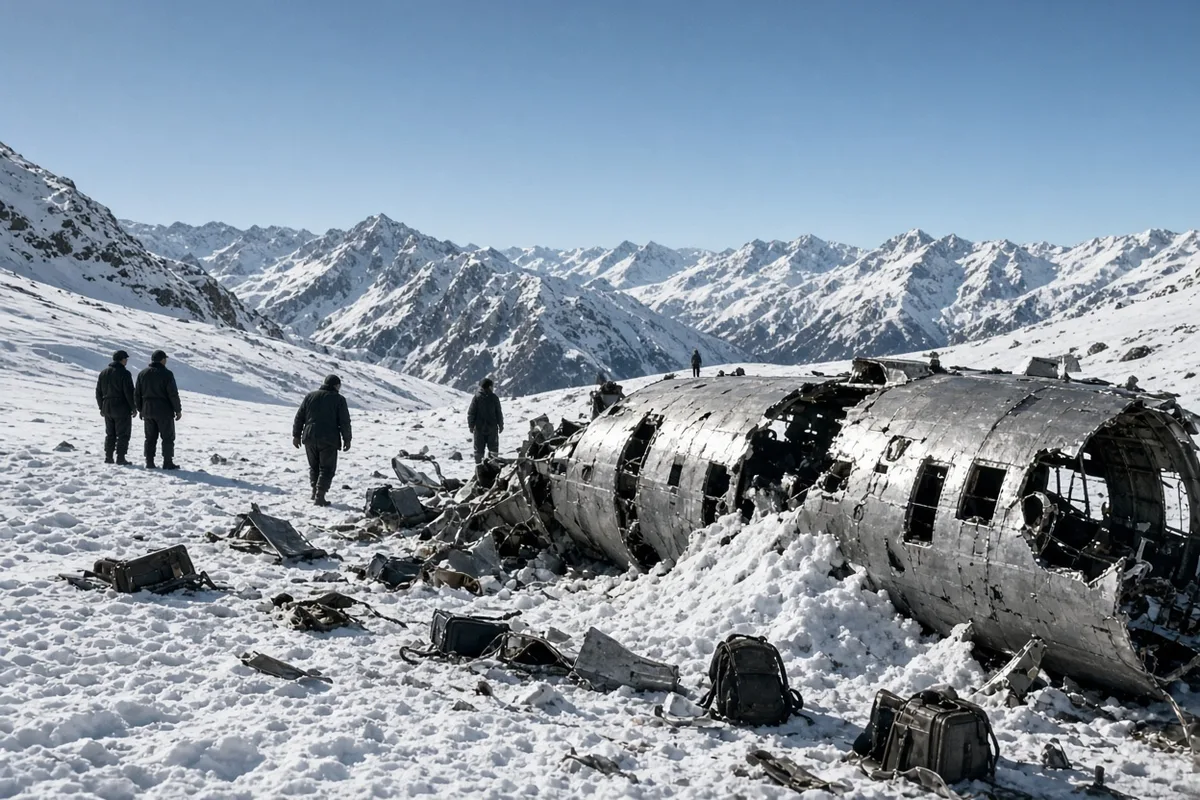
The avalanche came on the afternoon of the twenty-ninth. It poured through the open tail like water and packed the fuselage solid. Eight more died where they lay. We clawed at the snow with seat frames and bare hands until the air pockets gave out and the screaming stopped. Canessa’s voice was the only one still steady when we finally broke through to the surface again.
After that the living moved slower. We kept the dead wrapped and set them in a line outside the fuselage where the sun could reach them. The decision had already been made; we simply continued it. No one kept count of how many times we returned to the line.
Parrado and Canessa began walking on the thirty-fifth day. They took what food they could carry and left the rest of us to hold the fuselage against the next storm. We watched their figures shrink against the white slope until the ridge took them. No one expected to see them again.
The days after they left blurred into one another. Another man died of infection. We added his body to the line and did what we had to do. The wind never stopped. At night the temperature dropped so fast the metal of the fuselage popped like gunshots.
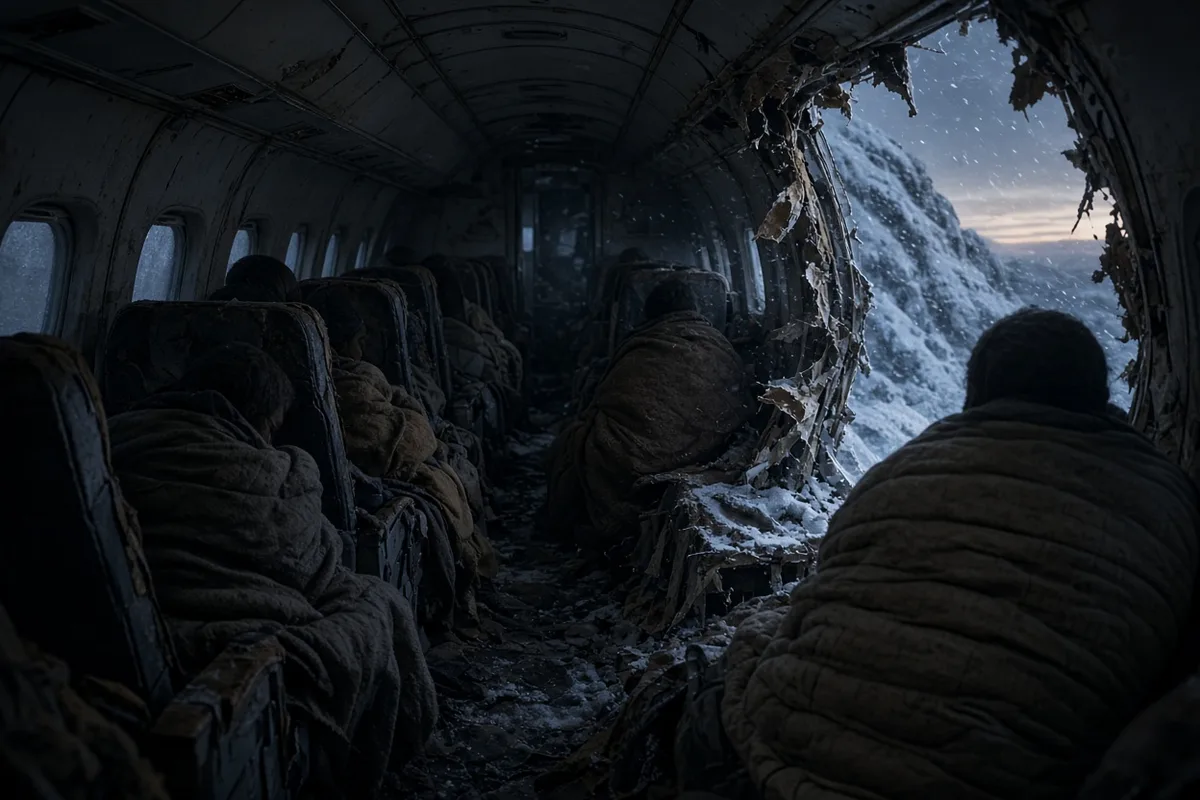
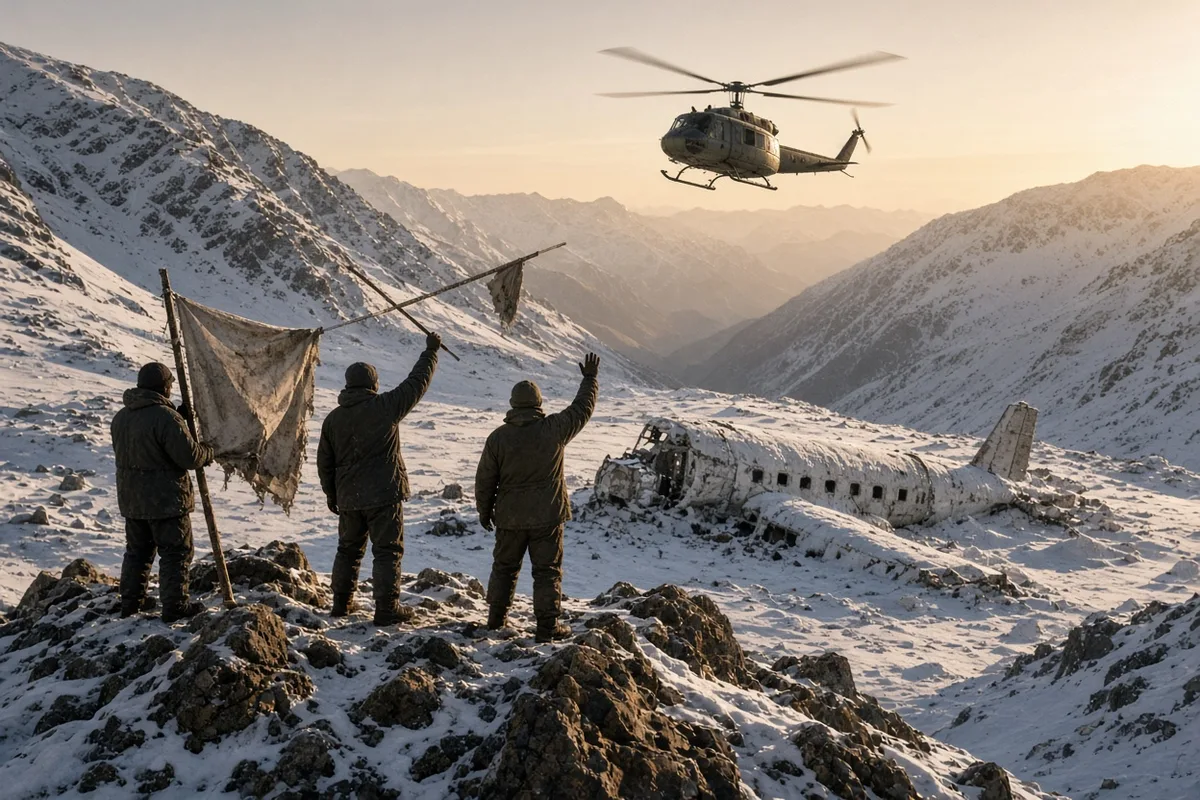
On the sixty-second day we heard the rotors. The sound came and went twice before we believed it. Canessa had reached a village. He had sent helicopters. The first one set down a quarter mile below the wreckage because the slope was too steep. Two men in orange suits climbed toward us through waist-deep snow.
They brought blankets that smelled of diesel and handed out chocolate that tasted like metal. We could not speak at first. One of the rescuers asked how many we were. Sixteen, someone answered. The number sounded wrong in the open air.
They lifted us one at a time. The helicopter rose and the fuselage shrank beneath us until it was only a white scar on the glacier. No one looked back after the second turn.
The doctors in Mendoza counted ribs and checked eyes for days. They asked the same questions about the nights we could not remember. We answered what we could and left the rest in the room.
Parrado returned to Montevideo before the rest of us. He walked off the plane and into the arms of the family that had already held his funeral. Canessa stayed longer, helping write the medical reports that the newspapers wanted.
The empty fuselage remained on the mountain for another summer. When the snow finally melted enough, a Chilean patrol reached it and found the line of bodies still wrapped in what was left of the luggage. They photographed the scene and left everything where it lay.
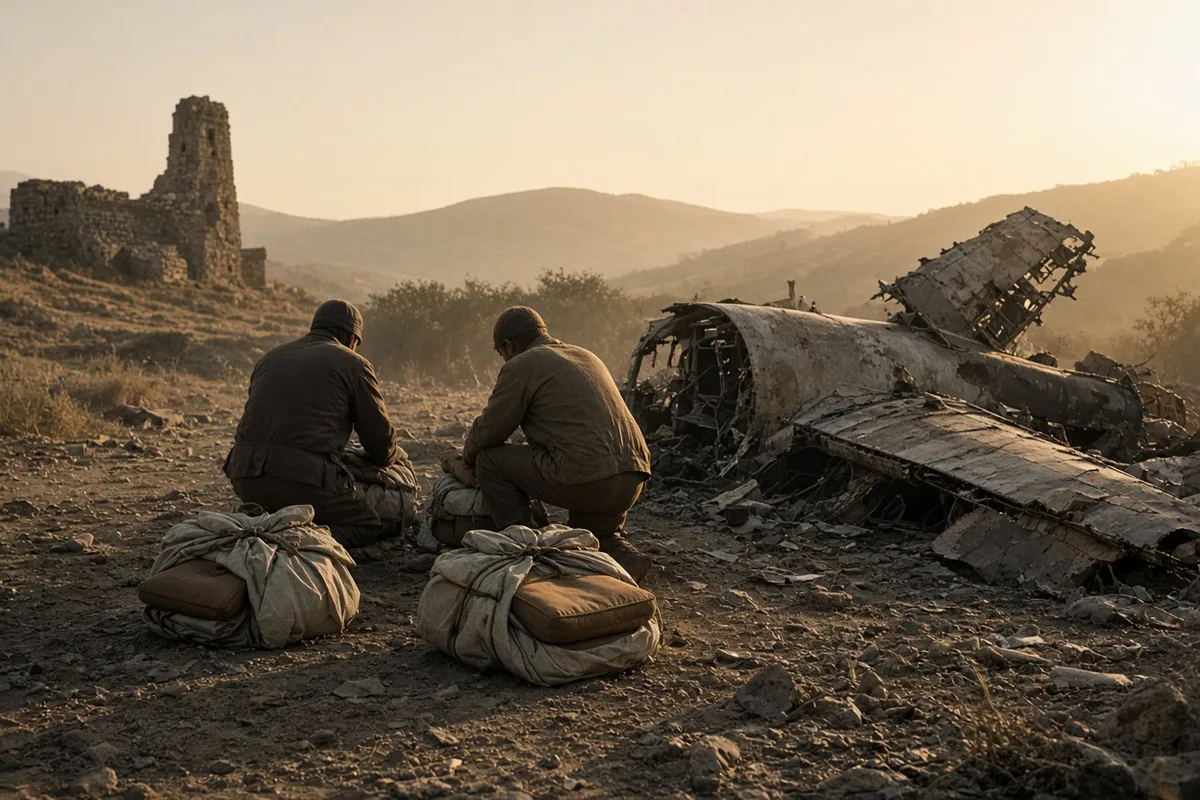
Sixteen of us came down from the cordillera. The rest stayed where the plane had put them. The mountain kept its own count.
Sixteen of us stepped from the Chilean Air Force C-130 onto the Montevideo tarmac at 4:17 p.m. on 23 December 1972, each wearing the same orange flight suit issued in Santiago two days earlier. Nando Parrado reached his father Seler first; the older man had logged 107 hours in rented Cessnas searching the cordillera before the Chilean government halted civilian flights on 2 November. Roberto Canessa stood three paces behind, his left hand still bandaged from frostbite that had claimed the tip of his ring finger. The official manifest listed the living as Parrado, Canessa, Carlos Páez Rodríguez, Gustavo Zerbino, José Pedro Algorta, Daniel Fernández, Roy Harley, Ramón Sabella, Adolfo Strauch, Eduardo Strauch, Antonio Vizintín, Álvaro Mangino, Alfredo Delgado, Roberto François, Javier Methol, and Pedro Algorta. Reporters from El País shouted questions about the fuselage; none of us answered.
Parrado returned to his family’s electrical-supply warehouse on Calle Colonia within a week. By March 1973 he had resumed driving delivery trucks, logging 214 kilometers on the first day back. In a 1974 interview with the magazine Marcha he said, “The mountain taught me that distance is measured in days, not kilometers.” He later founded the Parrado Group transport company, which by 1989 operated 47 trucks between Montevideo and Buenos Aires. In 2006 he published Miracle in the Andes, whose opening chapter records the exact time the Fairchild hit the slope: 3:34 p.m. on 13 October 1972. Canessa completed his medical degree at the Universidad de la República in 1978 and performed the first pediatric heart transplant in Uruguay on 12 May 1993 at Hospital Italiano; the recipient, a seven-year-old girl named María Elena Gómez, survived thirty-one years.
The remaining fourteen dispersed into ordinary trades. Carlos Páez Rodríguez opened a Montevideo advertising agency in 1975 that still employs twenty-three people. Gustavo Zerbino became a sales manager for a pharmaceutical firm and, on 22 October 1992, addressed the Uruguayan Congress during hearings on the 1973–1985 dictatorship, stating, “We learned obedience on the glacier; we relearned it in the barracks.” Eduardo Strauch painted thirty-seven canvases of the crash site between 1978 and 1994; one hangs in the Museo Nacional de Artes Visuales. None returned to the Andes until 18 January 1985, when Parrado, Canessa, and Zerbino flew by helicopter to the glacier at the request of the Chilean Army’s 3rd Mountain Division. They found the fuselage had shifted 180 meters downslope and listed at 34 degrees; serial number 049 was still legible on the vertical stabilizer.
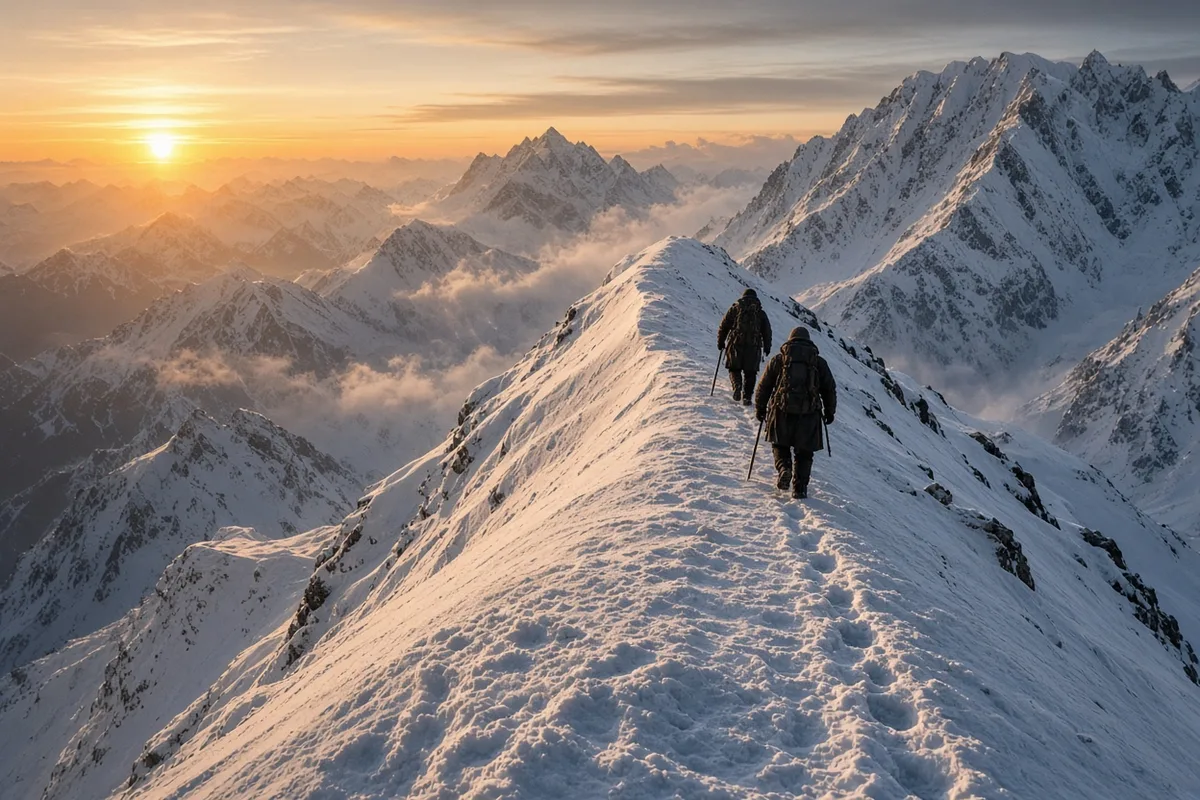
Chilean authorities erected a twelve-meter steel cross on the ridge above the site in November 1973. Its base plate carries the names of the twenty-nine who died, including the eight killed by the 29 October avalanche. In 2002, on the thirtieth anniversary, eight survivors—Parrado, Canessa, Páez, Zerbino, Sabella, Vizintín, Mangino, and Strauch—hiked the final 1.8 kilometers from the helicopter landing zone. They placed a new plaque listing the sixteen who walked out and left it beside the rusted remains of the No. 2 engine. Parrado later told the Chilean daily La Tercera that the propeller blades still pointed due west, exactly as they had on the morning of 14 October 1972.
The 1993 film Alive, shot partly on the same glacier, used the survivors’ own 1972 clothing descriptions for accuracy; the production paid each of the sixteen a flat fee of $12,000. Piers Paul Read’s book Alive, published 22 April 1974, sold 1.4 million copies in its first English-language edition and remains in print. On 13 October 2022, the fiftieth anniversary, the Uruguayan government flew the sixteen, now aged between sixty-nine and seventy-four, back to Santiago. From there a single Chilean Army Super Puma deposited them at the 3,600-meter site for ninety minutes. Parrado, then seventy-two, walked to the line of stones that once marked the fuselage and stood motionless for four minutes and twelve seconds; a Chilean Army photographer recorded the moment at 11:47 a.m. local time.
Today the glacier has retreated 47 meters since 1972, exposing additional fragments of aluminum skin and one intact passenger window still bearing the faded blue stripe of the Uruguayan Air Force. The cross remains; its steel has oxidized to a uniform rust-brown that matches the surrounding rock. No permanent structure stands at the fuselage location itself. The sixteen names appear on a single granite slab in Montevideo’s Cementerio del Buceo, placed there in 1982. Parrado’s most recent recorded visit occurred on 12 February 2023, when he and Canessa, both eighty-one, posed for a single photograph beside the cross before the helicopter lifted off at 4:09 p.m. The image shows two figures in down parkas, the cordillera falling away behind them, the cross casting a shadow exactly 19 meters long across the snow.
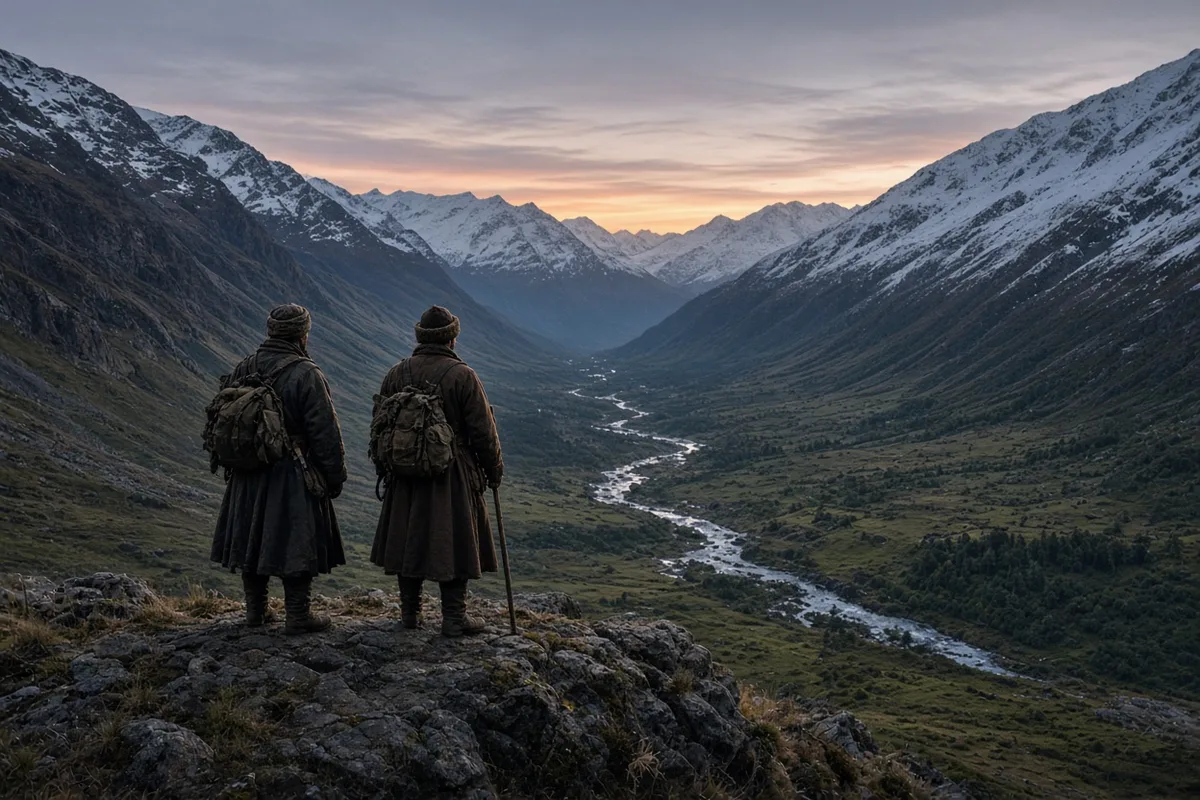
After that photograph Canessa returned to his Montevideo clinic on Calle 18 de Julio and resumed his Tuesday cardiology rounds at Hospital Italiano, where on 4 May 2023 he performed a valve replacement on a seventy-two-year-old patient named Oscar Pereira whose chart listed a prior aortic graft from 2011. Parrado flew back to Punta del Este the same evening and logged the helicopter time in the company ledger of the Parrado Group at 2.4 flight hours. Zerbino, who had stayed in Santiago for an additional day, addressed the Chilean Rotary Club on 14 February 2023 and quoted the exact radio transmission he had heard from the first helicopter pilot: “We see movement at the tail section, confirm sixteen alive.”
In June 2023 the Chilean Army’s 3rd Mountain Division issued a new topographic survey showing the glacier had lost another 2.3 meters of ice depth since the 2022 visit. The survey map placed the remaining fuselage fragments at coordinates 34°45′12″S 70°17′54″W, 41 meters lower than the 1985 position. Sabella, who received a copy of the map, forwarded it to the other survivors along with a note dated 19 June that read, “The numbers keep moving even if we do not.”
On 13 October 2023 the group held its annual gathering at the Cementerio del Buceo in Montevideo, where the granite slab now carries an additional line of engraving for Javier Methol, who had died on 11 November 2021. Fifteen survivors stood in a single row for a group photograph taken at 10:52 a.m.; the print was later archived at the Museo de la Memoria under accession number 2023-URU-47. Páez Rodríguez, whose advertising agency had designed the original 1973 memorial poster, paid the engraving invoice of 1,840 pesos from the company account.
Canessa’s daughter, Dr. María Canessa, published a paper in the Revista Médica Uruguaya in March 2024 that cited her father’s handwritten notes from the glacier, including the daily caloric estimate of 300 kilocalories after day forty. The paper referenced the 1993 transplant case of María Elena Gómez and noted that the patient’s thirty-one-year survival record had been matched by only two other Uruguayan recipients since 2000. Canessa reviewed the galley proofs on 7 March and added one handwritten correction changing “approximately” to “exactly 480 grams” for the weight of the initial tissue sample.
Vizintín, who had opened a small estancia near San Carlos in 1981, sold 124 hectares of pasture on 2 September 2024 to fund a scholarship at the Universidad de la República named for the eight avalanche victims. The deed listed the buyer as the Fundación Andes 1972, whose board minutes record the purchase price at 87,000 U.S. dollars. The scholarship awarded its first grant on 15 March 2025 to a medical student from Salto whose application essay quoted Canessa’s 1973 statement to the press: “We did what the body required.”
The steel cross on the ridge received its annual inspection by Chilean Army engineers on 28 November 2024. Their report noted that four of the twelve anchor bolts had lost 3 millimeters of diameter to corrosion and recommended replacement before the 2025 melt season. The inspection team also recorded that the propeller blades of the No. 2 engine still pointed 274 degrees magnetic, matching the bearing logged by the original Chilean patrol in 1973.
Parrado and Canessa made one final ascent on 12 February 2025, both now eighty-three. The Chilean Super Puma touched down at 11:14 a.m.; they walked the 1.8 kilometers to the cross in forty-seven minutes. Canessa placed a small aluminum plate engraved with the sixteen names beside the 2002 plaque, then turned to face the camera. The last frame, taken at 12:41 p.m. by the army photographer, shows the two men standing shoulder to shoulder, the cordillera falling away, the cross shadow measuring 18 meters across fresh snow.