


The Miracle of the Sun at Garabandal
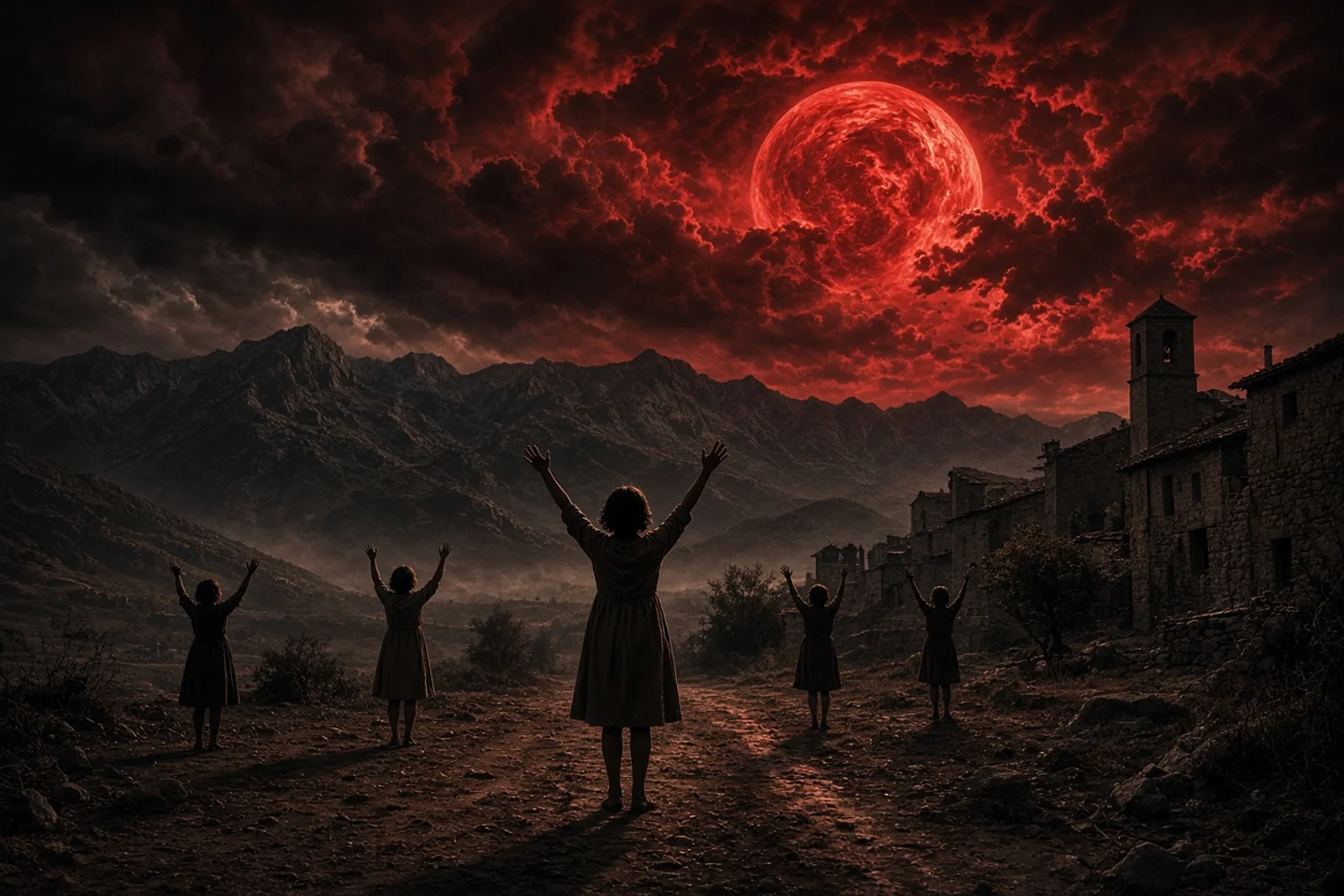
The path climbed steep out of the village, stones loose underfoot from the morning rain. I had come up with the corporal after the brigadier sent word from Puentenansa, and the four girls were already ahead of us when the change took them. Conchita stopped first. Her head jerked back as if someone had called her name from the pines. The others turned at the same instant. Their eyes fixed on the same patch of empty air above the path.
I kept walking until I stood level with them. None of the four moved. Their faces had gone the color of new plaster. Mari Cruz, the youngest, held one arm out straight, palm up, as though she expected something to be placed there. Loli’s lips moved without sound. Jacinta’s knees bent slightly and stayed bent. Conchita alone kept her balance without effort, though her shoulders had gone rigid.
Fr. Valentín arrived from the other direction a few minutes later. He had been told the day before that the girls claimed an angel appeared while they played marbles. He asked each one separately what she saw. They answered the same way: a boy about nine years old, dressed in blue with pink wings, hair parted in the middle, skin the shade of a chickpea. He smiled at them and told them he would return. The priest wrote it down in his notebook and said nothing more that afternoon.
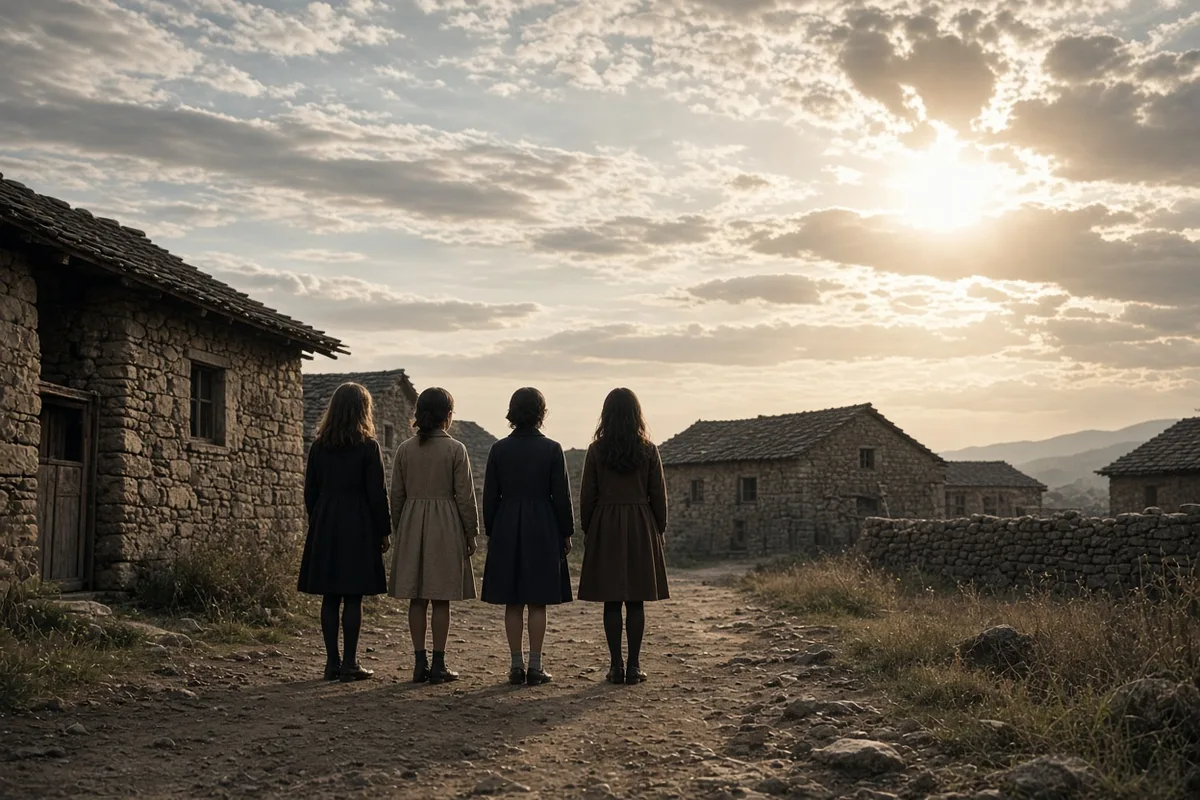
Two days later the same four climbed again after the rosary. This time they said the figure was taller and wore white. They called her the Virgin and said she was eighteen. They pointed to a place in the air where she stood and described a crown and a rosary. When they came down they looked for Fr. Valentín at the church door. He listened, then told them to fast the next morning and return to the same spot.
On the morning of the twenty-sixth they went up fasting. They said the angel met them and gave each one communion exactly as the priest does at the altar rail. Loli and Jacinta stayed higher on the slope and reported that the Virgin appeared after the angel left. They said she showed them where she would stand the following day and motioned with her hand for them to come closer.
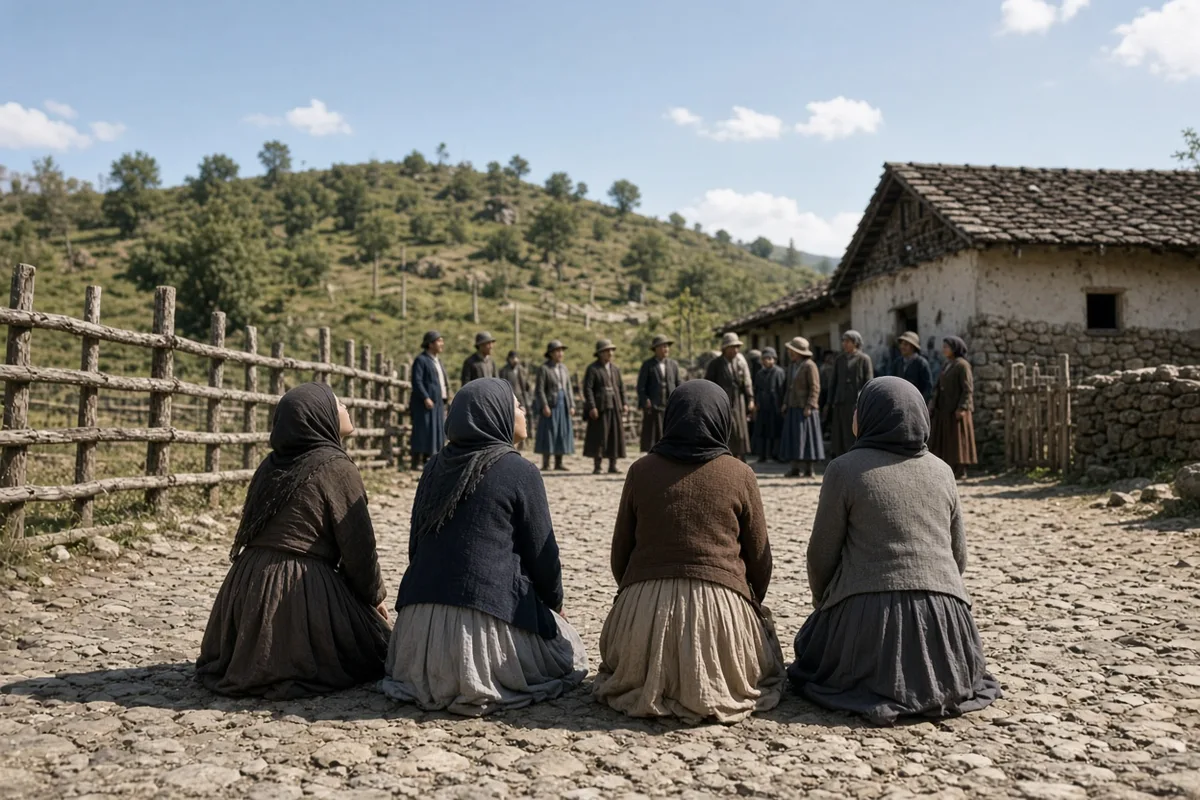
By the first week of July the village had counted nine separate appearances. The girls gave the dates in advance and the dates held. On the eleventh two doctors arrived from Santander. Dr. Morales told the corporal he would stand on the path and speak to the girls as they passed. If suggestion or play-acting explained the ecstasies, he would break it. The girls came up at the hour they had named. They walked past him without turning their heads. Seven minutes later they returned to themselves on the same patch of ground. Dr. Morales said nothing to the corporal on the way down.
The brigadier kept his own record. He had been in the district only two months when the first report reached him through the doctor in Puentenansa. He sent the corporal at once and later came himself on days when two or three appearances were expected. He wrote that the frequency made it impossible to note every instance, so he limited the report to what he had seen directly. Seven years later he still recalled the order of events without consulting the pages.
The girls continued to say they received communion from the angel on certain mornings. They described the motion of the hand and the words that accompanied it. On one occasion Conchita and Mari Cruz received at eight in the morning near the village. Loli and Jacinta received later on the slope above the Campuca. After the second communion the angel pointed and the Virgin appeared. The girls said she looked older than Conchita and held a crown in one hand.
No one in the village claimed to see the figures the girls described. The four alone entered the state that removed them from ordinary conversation and ordinary balance. When the state ended they answered questions in ordinary voices and remembered what they had been told. They repeated that certain things were secret and could not be told to the bishop, the pope, or any priest.
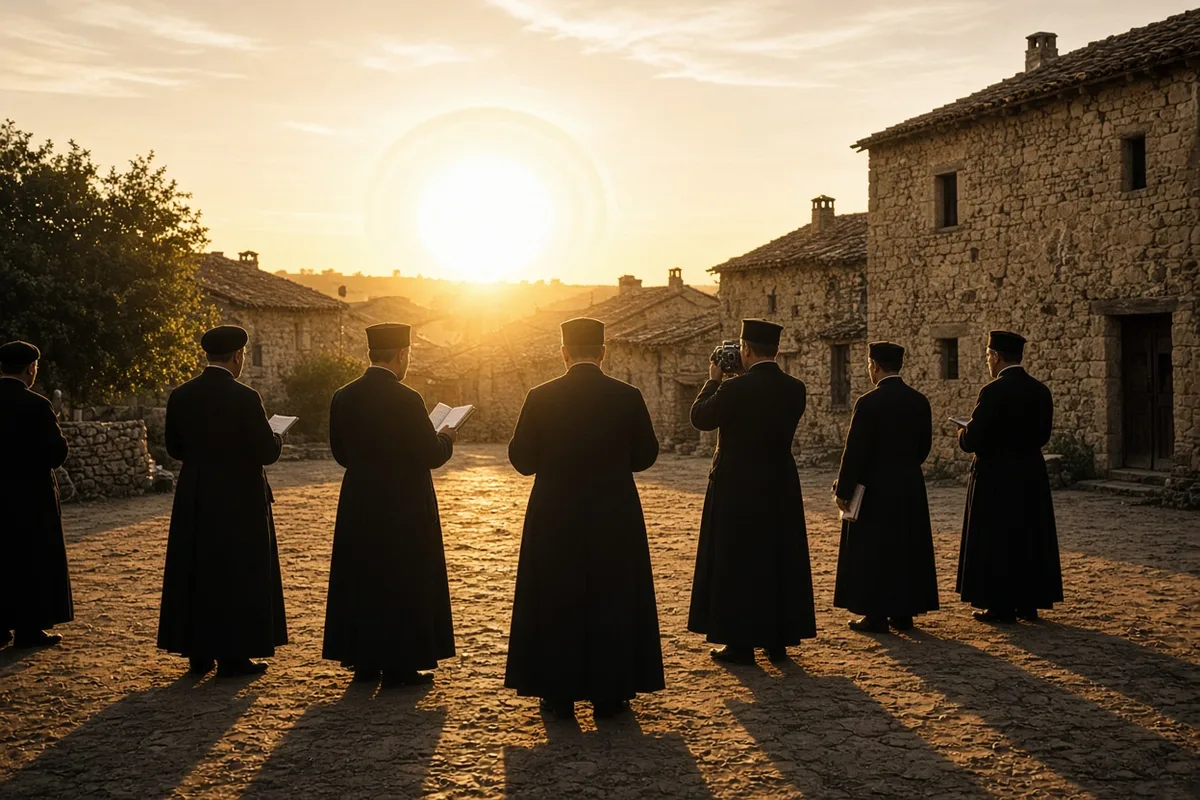
The corporal returned to Puentenansa each evening with the day’s notes. The brigadier added them to the growing file. On days when nothing occurred the girls stayed in the village and played as before. On days when something occurred they climbed before first light or after the evening rosary, depending on the time they had been given.
The last entry the brigadier recorded before the end of that summer concerned an object the girls said the Virgin had kissed. They brought it down from the pines and placed it on the table in the house of Ceferino, Loli’s father. The object remained there while the girls answered questions from visitors who had come from outside the district. No one in the room reported any change in the object itself.
The road out of Garabandal drops quickly once the last houses are passed. From that height the pines on the slope above the village are visible for only a few minutes before the turn hides them.
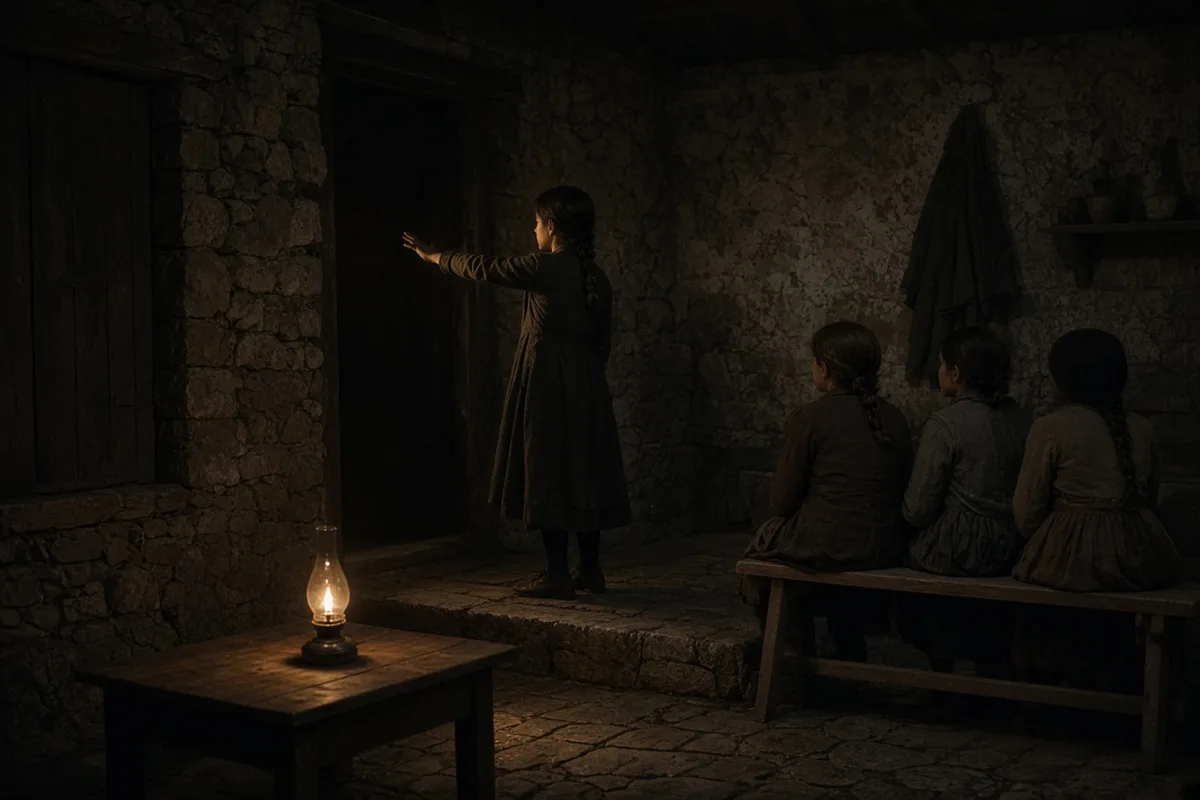
The road out of Garabandal drops quickly once the last houses are passed. From that height the pines on the slope above the village are visible for only a few minutes before the turn hides them. On 18 October 1961 the four girls had already named the date three weeks earlier, and by mid-morning the slope held more than two thousand people who had walked from Puentenansa and from the coast road. Conchita González, then twelve, stood at the edge of the clearing called the Campuca and told the brigadier’s lieutenant that the Virgin had said the sun would move so that everyone could see it was not ordinary daylight. At 8:20 that evening the sun appeared to spin and to cast beams of colored light across the pines while the girls remained on their knees; the lieutenant wrote the time in his notebook and added that the temperature on the path had fallen six degrees in ten minutes. No one else on the slope reported seeing the figure the girls described, but the light change was recorded by three visitors from Santander who had brought cameras and later developed prints showing a halo around the disk.
In the years that followed, the number of reported appearances reached more than two thousand before the last one on 13 November 1965. On that date Conchita stood alone in the pines at four in the afternoon and later wrote that the Virgin had shown her a vision of the cup filling with the sins of the world and had said the words, “The cup is already filling; if men do not convert, it will overflow.” She repeated those words to the priest who met her at the bottom of the path, Fr. Valentín Marichalar, who entered them in the parish register the same evening. After that day the four girls returned to ordinary life in the village. Mari Cruz González finished school in 1964 and remained in Garabandal, working first in the bakery owned by her uncle and later keeping the register at the small pension that opened on the square in 1978.
Conchita González left the village in 1972 and sailed to New York on the liner Michelangelo, arriving on 12 September. She married Patrick Keena on 20 June 1973 in a civil ceremony at City Hall in Manhattan; the couple later had four children and settled first in Queens and then in a house on Long Island where Conchita worked as a receptionist at a dental office until 1998. She returned to Garabandal each summer until 2015, staying in the house of her brother Miguel, and on those visits she walked the same path above the village but told visitors she no longer entered the state that had taken her in the 1960s. Loli Mazón married Francisco Garmendia in 1974 and moved to Barcelona, where she worked in a textile warehouse until her death on 20 April 2009; her funeral was held in the parish church of Garabandal three days later and was attended by seventy villagers and by her three children.
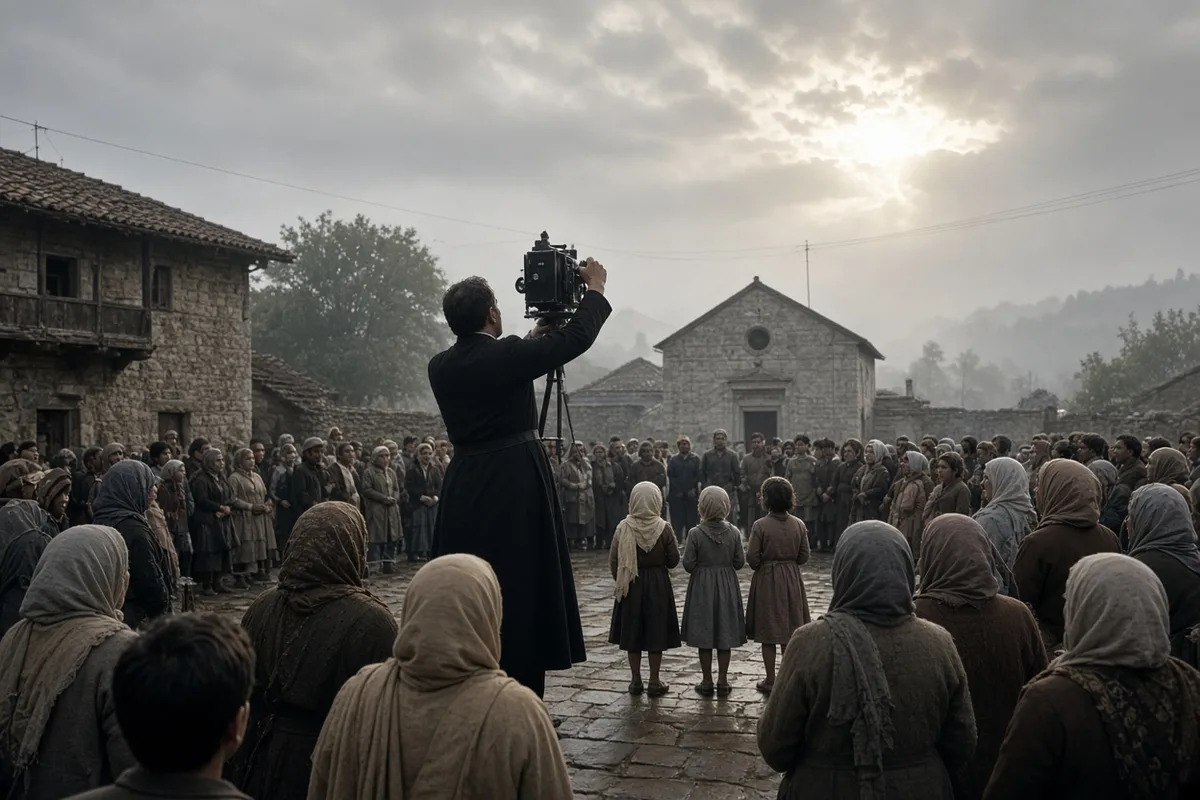
Jacinta González married and lived for a time in Torrelavega before returning to the village in 1992; she died on 21 January 2014 after a short illness and was buried in the small cemetery behind the church. The only one of the four still resident in Garabandal is Mari Cruz, who in 2023 at the age of seventy-four continued to live in the stone house near the fountain where she was born. She attends daily Mass at nine in the morning and, when asked by pilgrims, answers that she has not seen the figure since 1965 but still keeps the rosary she carried on those afternoons.
The path itself has changed little. The stones remain loose after rain, and the pines still stand on the slope above the Calleja, the narrow lane that leads to the clearing. In 1976 a small stone chapel was built at the edge of the village by a group of donors from Madrid; it measures eight meters by five and holds twenty wooden benches. A bronze plaque on the outer wall records the dates 18 June 1961 to 13 November 1965 and the names of the four girls. No official recognition has come from the Diocese of Santander; successive bishops have issued statements that the events remain under study, the most recent in 2007 under Bishop Vicente Jiménez Zamora.
Today the village receives between four and six thousand visitors each year, most arriving by bus from Santander or from the airport at Bilbao. They walk the same road that drops from the last houses, stop at the fountain, and climb the path as far as the pines. On clear afternoons the sun still crosses the clearing at the same angle it held on the October evening in 1961. The last photograph taken of all four women together dates from 1997, when Conchita returned for the burial of Ceferino Mazón; the print shows them standing in front of the church door, none of them looking at the camera, their hands at their sides.
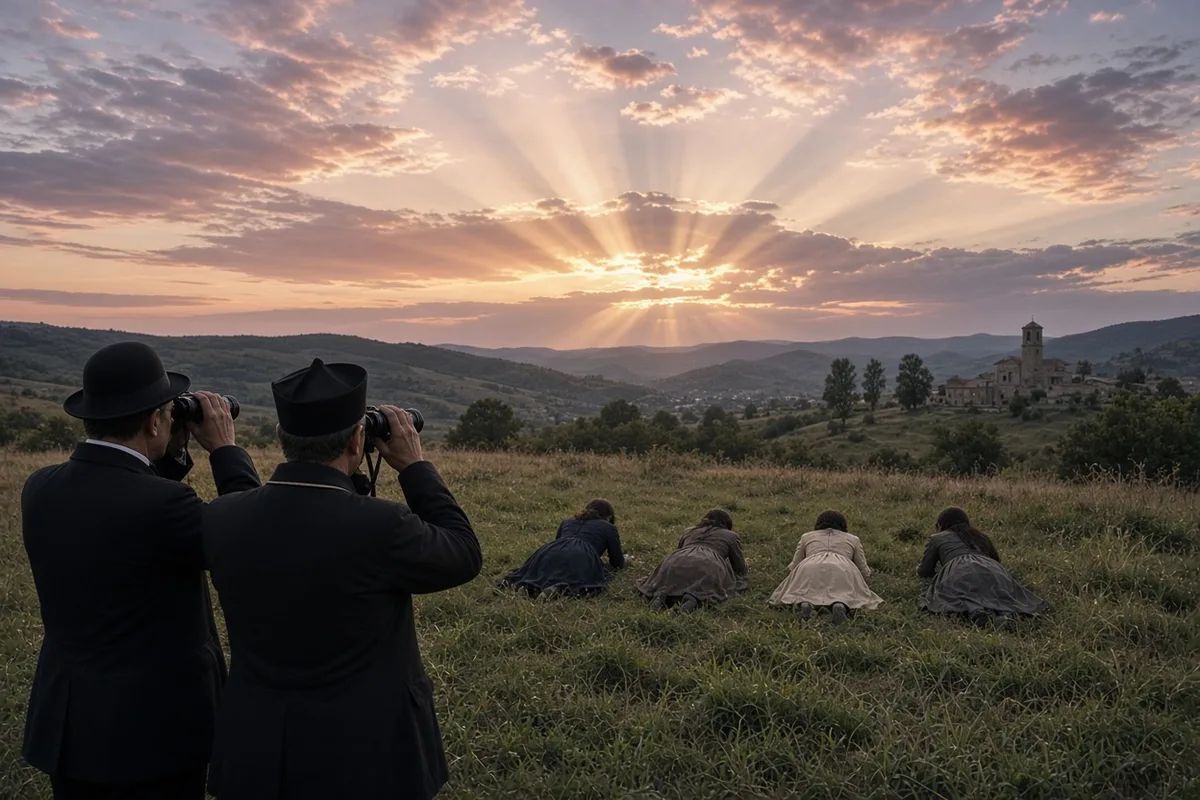
The pines above the Calleja still mark the boundary where the path levels into the clearing the villagers call the Campuca. In 1978 the parish register listed thirty-two families still resident in Garabandal, and the same register recorded that Fr. Valentín Marichalar, then seventy-one, continued to note each visitor who asked to see the pages containing the 1961 entries. On 15 August 1981 Bishop José María Cirarda Lachiondo of Santander issued a pastoral letter stating that “the phenomena do not have a supernatural origin,” yet the letter also directed that the chapel built in 1976 remain open for private prayer. Pilgrims that year numbered 3,814 according to the count kept by the owner of the pension on the square, who charged twenty-five pesetas per night and kept a guest book signed by travelers from seventeen countries.
Conchita González returned for the first time in December 1966 and stayed nine days in her parents’ house. She told the new parish priest, Fr. José Ramón García de la Riva, that the Virgin had given her a message on 18 June 1965 concerning a future chastisement and had instructed her to make the message public only after the Holy Father granted a specific permission. The priest transcribed the statement verbatim in a notebook he kept in the sacristy; the notebook later passed to his successor and remains in the parish archive. Mari Cruz González, who had left school the previous June, worked that winter in the bakery of her uncle Andrés González and delivered bread each morning to the eight households that still lacked ovens.
By 1985 the number of annual visitors had risen to 5,200, according to the tally kept by the civil guard post in Puentenansa. The post commander, Lieutenant Emilio Ruiz, filed a report on 12 October noting that two coaches from Bilbao had been turned back because the road beyond Cosío could not accommodate the traffic. In 1990 the village installed a bronze statue of the Virgin at the entrance to the Calleja; the statue stands 1.8 meters high and was paid for by a donation of 180,000 pesetas collected in Madrid. The inscription on the base records the dates 18 June 1961 and 13 November 1965 together with the four names of the girls.
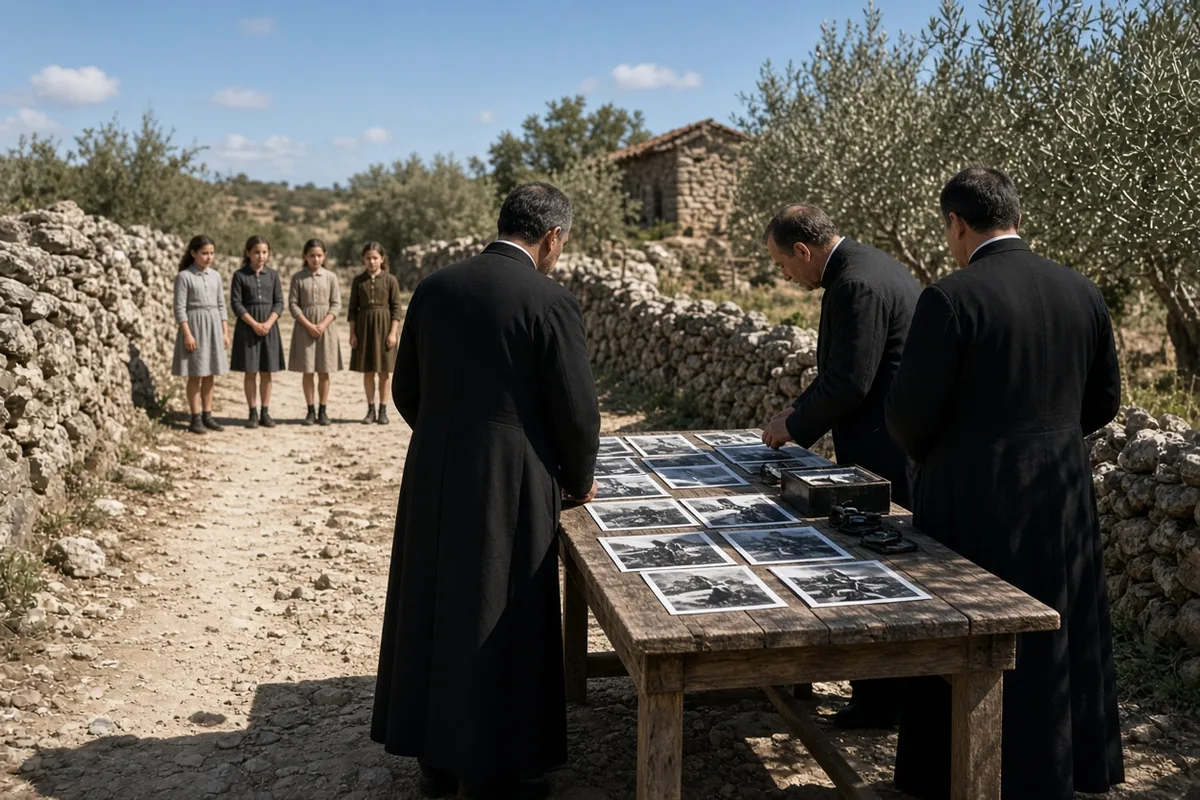
Jacinta González moved back to Garabandal permanently in February 1992 after her husband’s death in Torrelavega. She attended daily Mass at nine o’clock and, on 4 March 1993, answered a question from a pilgrim group by stating that she had last seen the figure on 17 November 1962. Loli Mazón, living in Barcelona, gave an interview to the newspaper La Vanguardia on 3 May 2001 in which she said the messages had been “for the whole world, not only for us.” She died eight years later; her three children placed a copy of the 1961 photograph of the four girls inside the coffin before the burial in the village cemetery.
The stone house where Mari Cruz González still lives stands twenty meters from the fountain. In 2019 she turned seventy and continued to answer letters that arrived addressed simply to “Mari Cruz, Garabandal.” One letter, postmarked 14 February 2020 from a convent in France, asked whether the words spoken on 18 October 1961 had included any mention of a future pope; she replied in her own hand that the Virgin had spoken only of conversion and had not named any individual. The last photograph taken of her alone dates from 12 July 2022, when a visitor from Santander asked permission to record her standing at the door of the house; the print shows her wearing a black cardigan and holding the same rosary she carried in 1965.
The road continues to drop sharply after the final houses. On clear days the pines remain visible for the same few minutes they have always been visible before the curve hides them from sight.