


The Most Reluctant Convert in All England
The coal bucket was heavier than usual that night, or maybe I only felt it that way because of the hour. Half past eleven, and the lamp in his window on the New Building staircase was still burning, the only lit pane on that side of Magdalen looking out over Deer Park. I climbed the stone stairs slow, the way I always did after dark, and knocked soft enough that a man asleep wouldn't wake, and loud enough that a man awake would hear. He was awake. He was always awake, that spring.
I'd tended that staircase for years by then, brought up the coal and the post and the boot-black, and a scout learns the temperature of a room before he's set one foot past the threshold. Mr. Lewis's rooms had a different weather in them that season, something close and electric, like the air before a storm breaks over the water meadow. He'd be sitting at his desk with papers spread and his pen capped, not writing, just sitting, and when I came in with the scuttle he'd look up at me the way a man looks up when he's been caught at something, though I never once caught him at anything but sitting still.

I knew a little of him already, the way servants know things, in pieces, secondhand, over years. Belfast born, they said, and his mother gone to cancer when he was a boy of ten, and after that shipped off with his brother to English schools that hadn't much kindness in them. He'd worn the King's uniform in France in the last war, same as half the dons on that staircase, and come back the way they all came back, changed in ways nobody asked after. He'd lost whatever churchgoing his mother left him somewhere in those years, lost it and didn't seem to miss it, or said he didn't. But he read. God, how that man read. Norse sagas and George MacDonald and a fat volume of Chesterton that sat dog-eared on the shelf nearest his chair, and I used to think, setting down his tea, that a man who reads that hungrily is looking for something he hasn't named yet even to himself.
He had a new friend by then, a philologist from Pembroke, Mr. Tolkien, who came round often enough that I knew his coat on the peg before I knew his face well. The two of them and a handful of others had taken to meeting at a pub on St. Giles, the Eagle and Child, reading pages to each other and arguing them to pieces, and Mr. Lewis would come back from those evenings with his color up and his voice louder than usual, the way a man sounds after he's been properly contradicted by someone he respects.
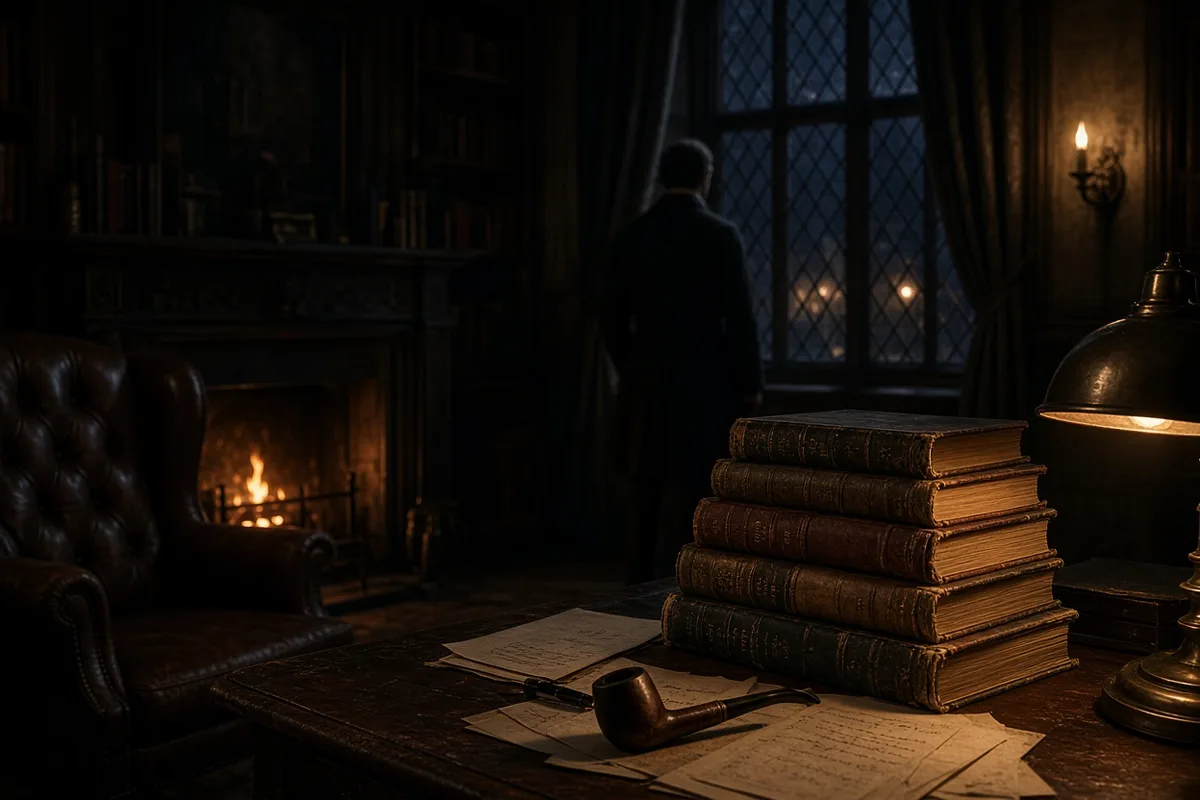
But it was the private hours that told the story, the ones nobody but a scout with a coal bucket ever sees. Through that spring of 1929 I watched him grow more restless, not less, as if the reading and the arguing were closing in on him from every side at once. I'd bring the fire up and find him standing at the window instead of at the desk, looking out toward the deer park in the dark where there was nothing to see, and once he said to me, not quite meaning to say it aloud, something about feeling followed. I didn't understand him then. I understood him better later.
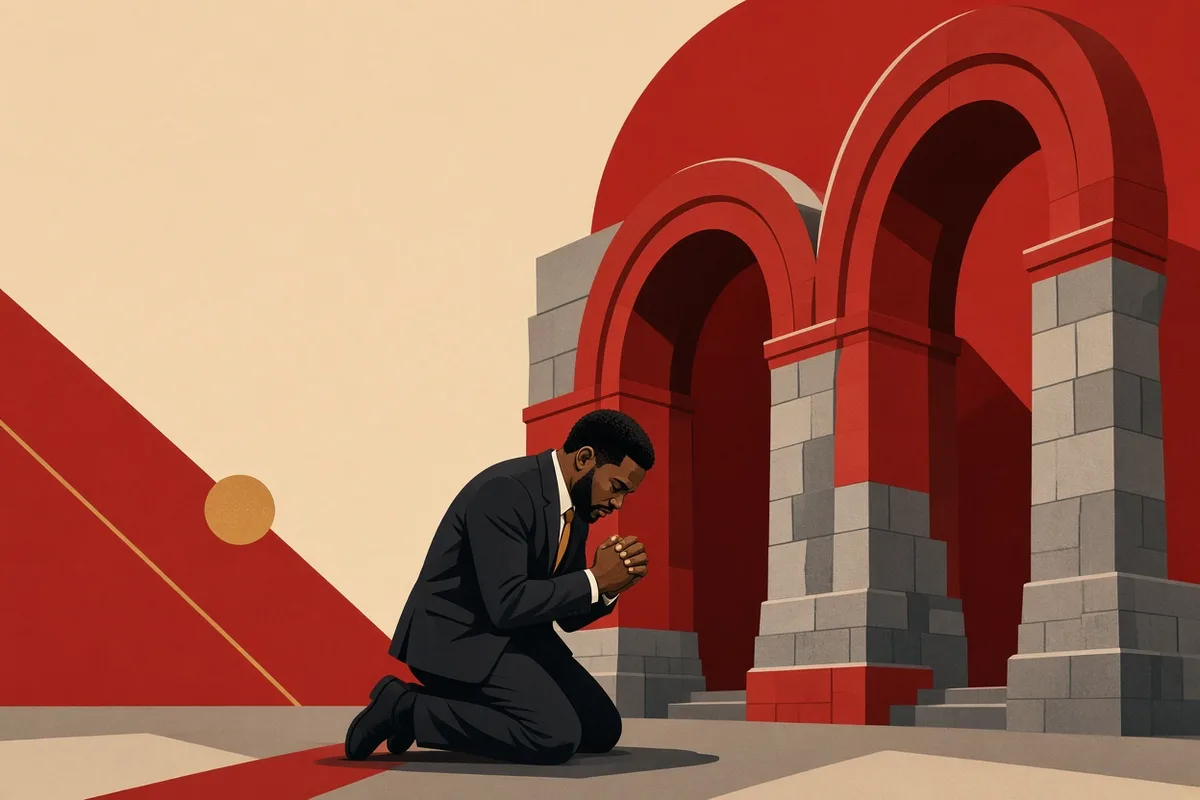
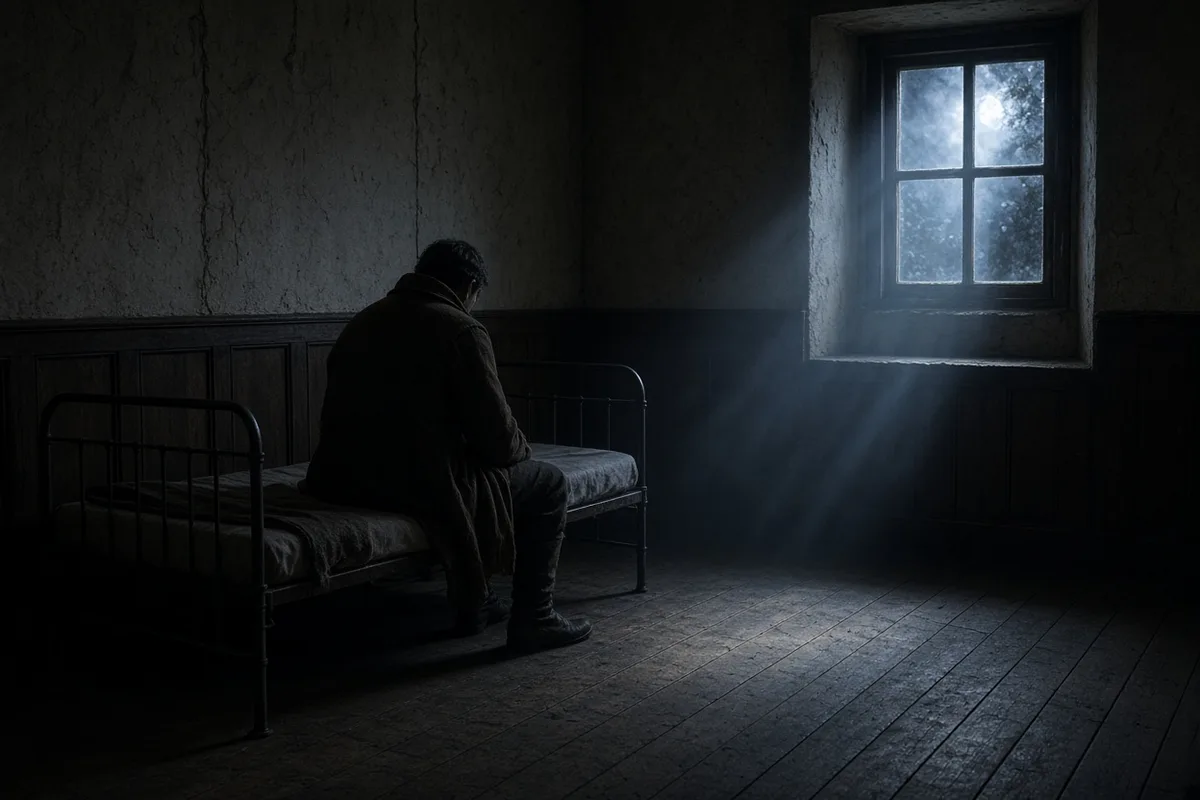
It came to a head, so far as I ever learned of it, on an ordinary night that Trinity term, no different in the ledger from any other night I logged coal against his name. I brought the scuttle up as always and there was no answer at first, and when I let myself in soft I found him not at the desk and not at the window but on his knees on the floorboards, which was not a thing I had ever seen a fellow of Magdalen do in that room before or after. I set the coal down without a sound and went back down the stair, and whatever passed in him that night he wrote of afterward in words sharper than anything I could have set down myself, about the steady approach of the One he had so wished to avoid, about giving in at last, about being, that night, perhaps the most dejected and reluctant soul to come to God in the whole of England.
I did not think that was the end of it, and it wasn't. There is a difference, though I did not know it then, between admitting there is a God and admitting who that God is, and it took Mr. Lewis two years more to close that second, harder distance. He went on teaching, went on walking the water meadow with his brother Warren of an evening, went on arguing at the Eagle and Child, but there was a waiting in him now instead of a running, and a scout notices the difference between a man being chased and a man standing still to see what will catch him.
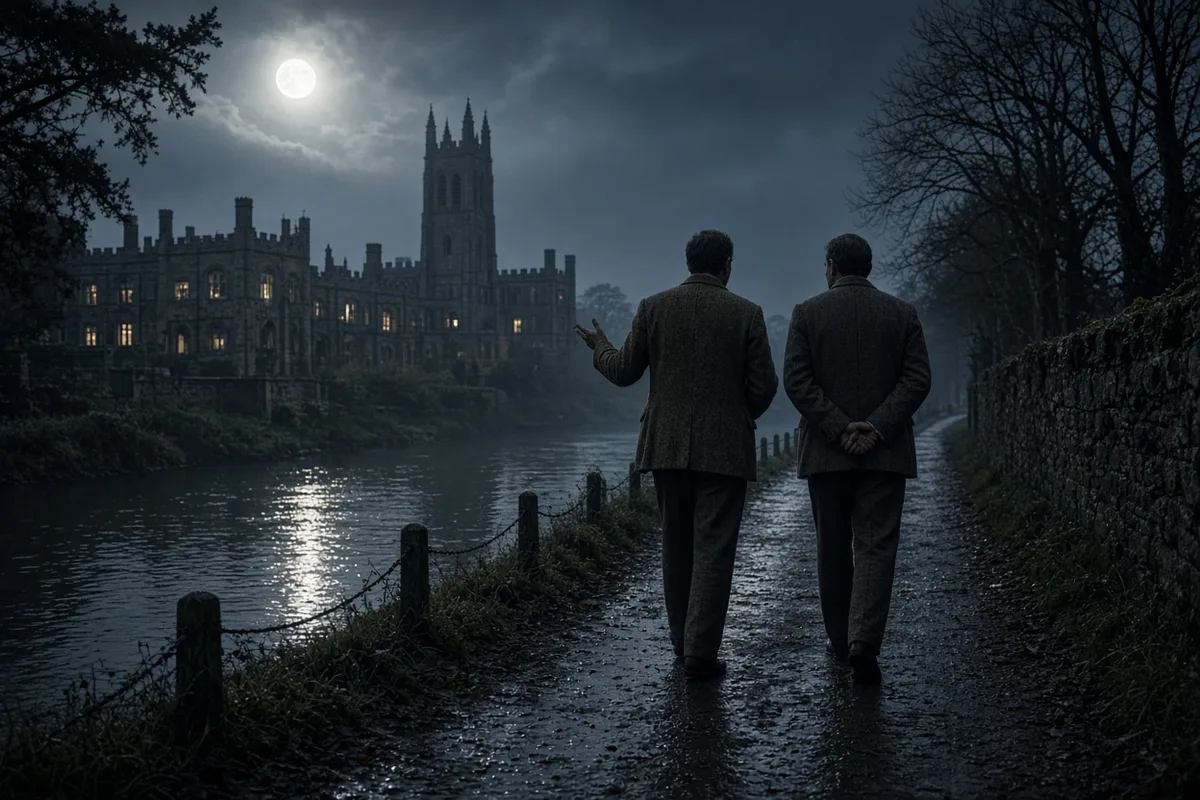
It was September of 1931 when the second thing happened, and I have the fact of the date only because the whole college talked of it after, the way college talks of anything unusual on a quiet night. Mr. Lewis had Mr. Tolkien to dine, and a colleague of Tolkien's, a man named Dyson down from Reading, and after the meal the three of them went out walking the path along the river that they called Addison's Walk, under the trees behind the New Building, and they did not come back in for hours.
I was on the staircase late that night on other business, and I heard them return well past what any sensible household calls an hour, talking still, none of the three willing to let the thread drop even at the door. I did not hear the particulars, only the shape of the voices, Tolkien's low and patient, Dyson's quicker, Lewis's rising now and again the way it did when something had struck him hard enough to need saying twice. They talked, from what filtered down to the rest of us after, of old stories, of dying gods in myths that men had told themselves for centuries without believing a word of them literally, and of whether one particular story of a dying god might be different, might be the myth that had gone and actually happened, in a field, under a real sky, with real nails. I do not know if those were the words used between them. I only know that whatever was said on that walk under the trees near the deer park settled something in him that two years of solitary kneeling had not managed to settle.
Whatever it settled, it was not yet finished settling, because a few days later he was still turning it over, and it was on an ordinary Sunday that the last of it came clear, in a place with no theology in it at all, a zoo.
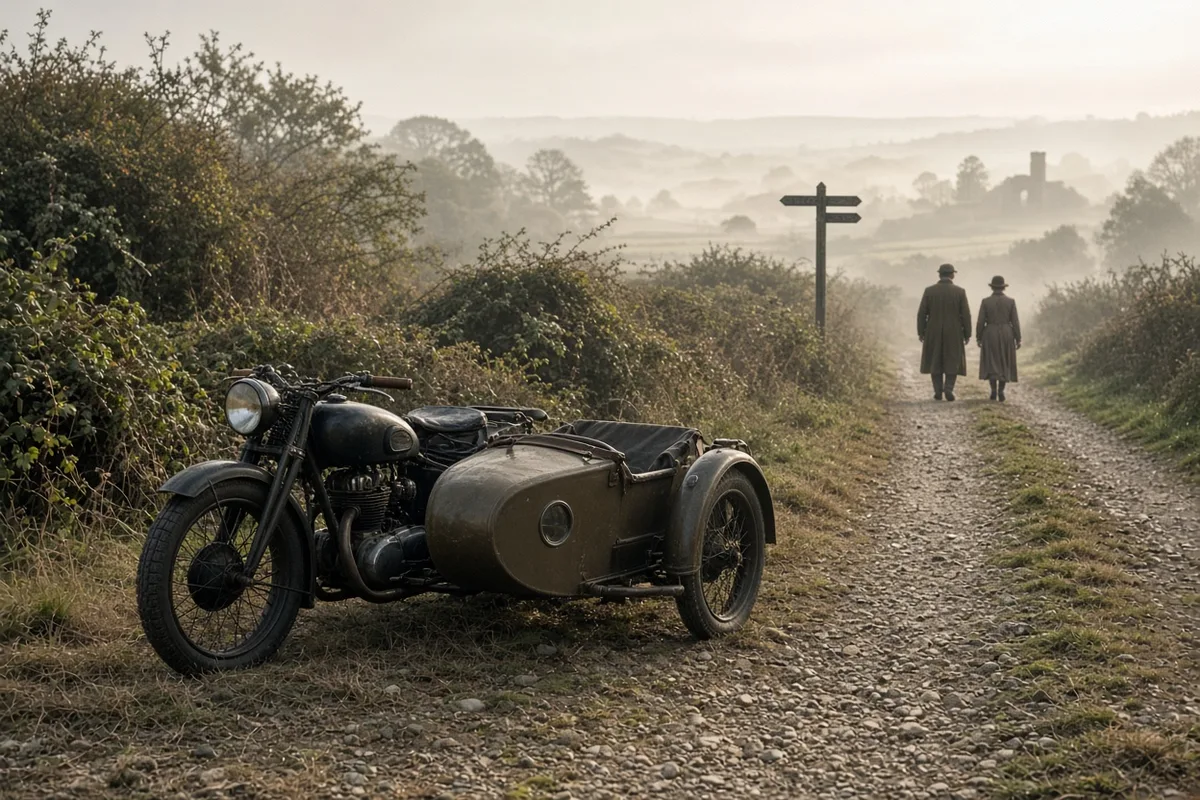
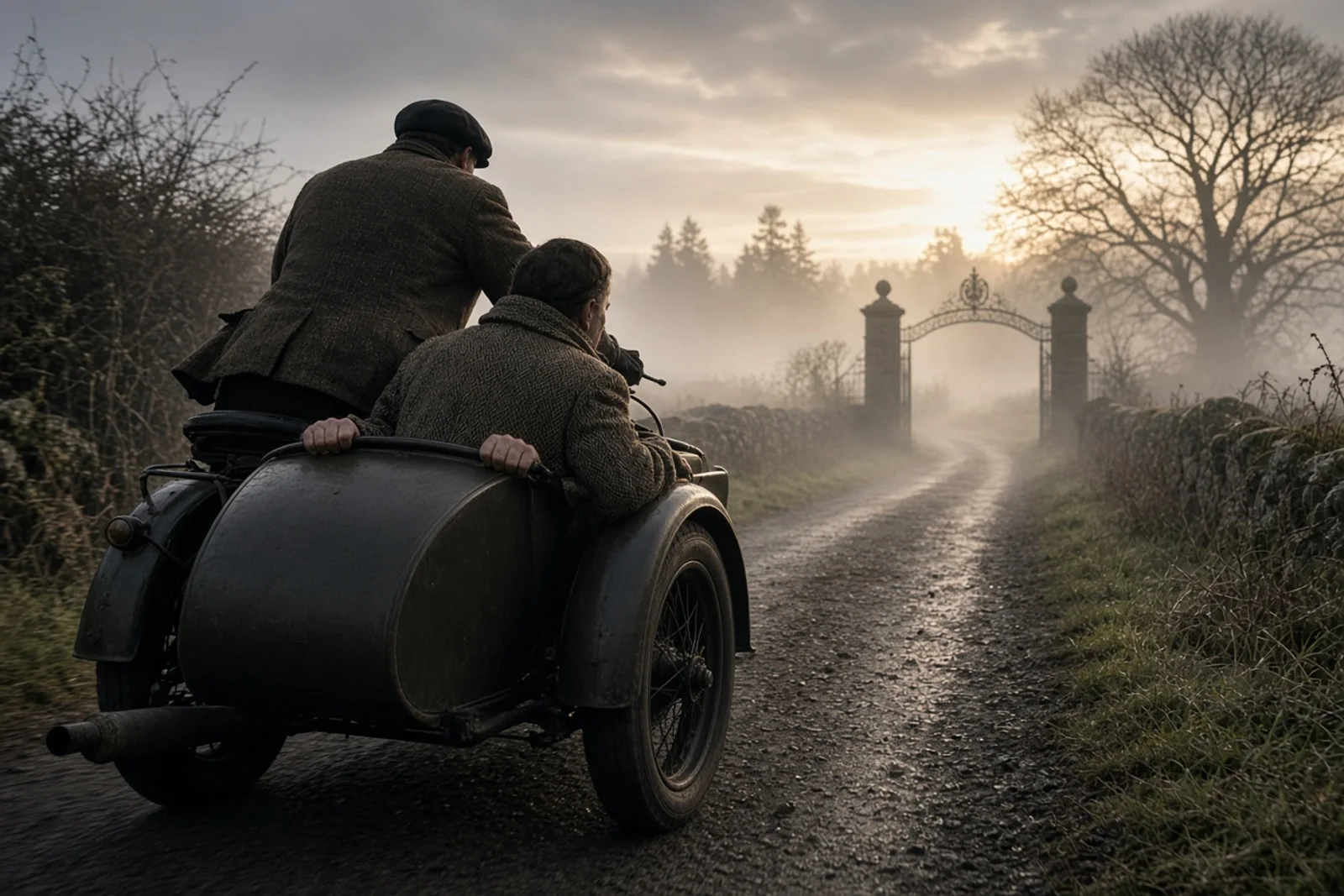
I heard the particulars of that morning the way I heard most things by then, through the common talk that runs a college and its households together, and later, I'll admit, from the man himself, who was not shy in speaking of it once it had happened to him. It began at the Kilns, the house he shared with his brother and the Moore family out past Headington, with a full breakfast at eight and a great deal of tea, and talk of driving out to Whipsnade to see the animals, until the fog rolling in off the fields put the whole plan in doubt. The ladies meant to go by motorcar, later, once the weather cleared enough to trust it. Mr. Lewis and his brother Warren decided they would not wait on the weather. They went by motorcycle instead, Warren driving, Jack tucked into the sidecar, out along the road toward the zoo while the fog still hung low over the hedgerows.
Somewhere on that road the fog began to thin, and the sun came through, the way it does in England when you have given up expecting it, and by his own account there was no thunderclap in him, no vision, nothing a man could point to and call a miracle. He said afterward that he had not spent the ride in deep thought or in any great swell of feeling, that it was nothing so dramatic as that, more like a man lying still in his bed who becomes aware, without deciding to become aware, that he is no longer asleep. He did not believe, setting out from the Kilns that morning, that Jesus Christ was the Son of God. By the time the sidecar came to rest in the gravel outside Whipsnade Park, among the smell of the animal pens and whatever noise the elephants or the wolves were making that morning, he did.

He wrote of it almost at once, in a letter to an old friend back in Belfast, a man named Arthur Greeves he'd corresponded with since boyhood, and I have it on report that he closed that letter saying he had passed, at last, from merely believing in God to believing outright in Christ, in Christianity entire, and that his long night talk with Dyson and Tolkien under the trees by Addison's Walk had a good deal to do with bringing him to it. Two years of kneeling in a cold room, and then a foggy road, and a sidecar, and a morning at the zoo. That is how it came to him, in the end. Not thunder. Fog lifting.
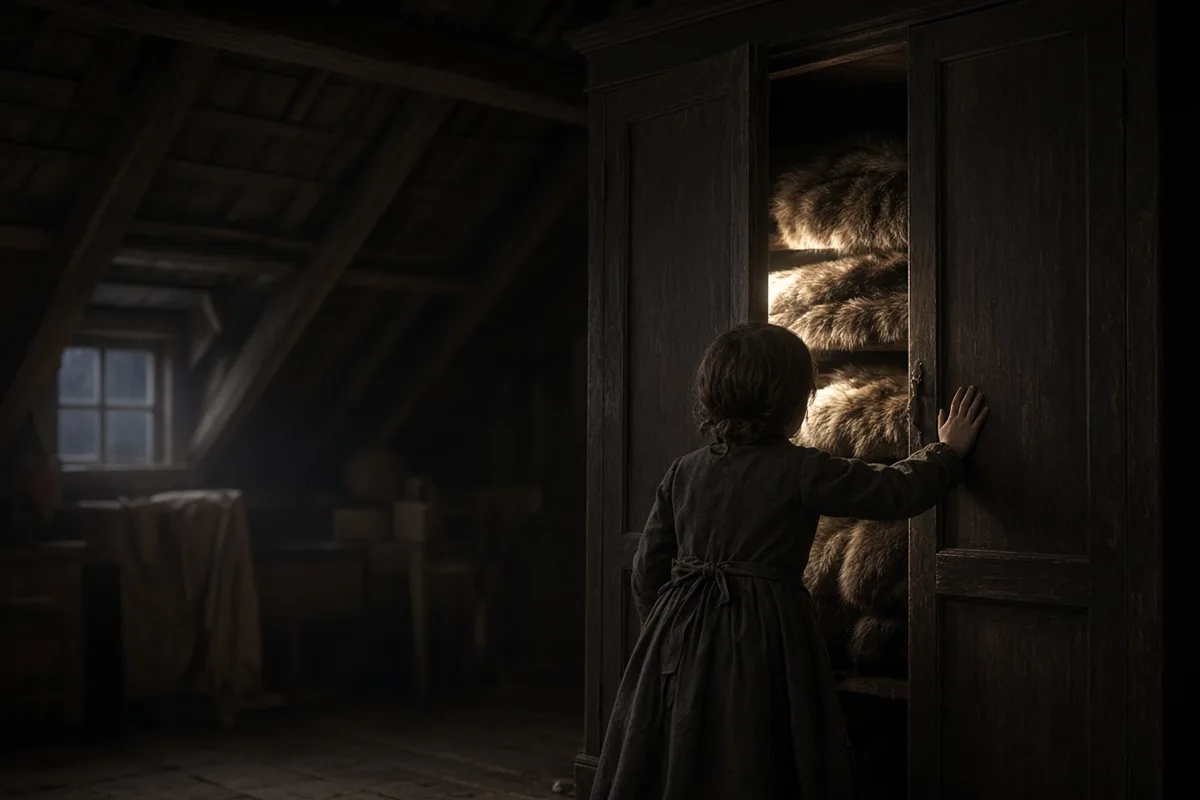
I went on serving that staircase a good while after, bringing the coal up of a winter evening same as always, and the room did not feel the same to me anymore, though I'd be hard pressed to tell you exactly what had changed in the stones and the woodwork, since none of it had. Only the man in it seemed to have stopped listening for a footstep behind him. He wrote at that desk for the rest of his years at Magdalen, long past when I'd handed my bucket and my duties on to a younger man, and I heard, the way one hears things after leaving a place, that whole shelves of books came out of those same rooms in the years that followed, the sort of books a fellow of Magdalen was not expected to write, arguments for the very faith he'd spent his youth arguing against, and stories for children besides, about a wardrobe and a lion and a country on the far side of the snow.
I heard too, much later, that the friendship begun over pints at the Eagle and Child never slackened, that Mr. Lewis spent years after pressing his friend Tolkien, who was by every account the sort of man who could polish a sentence for a decade and never call it finished, to get his great sprawling tale of rings and hobbits down on paper and out into the world, and that without that pressing the book might never have seen print at all. Tolkien himself said as much, in later years, that he doubted he'd have carried the thing through without Lewis standing at his shoulder telling him to finish it.
I think of that lit window sometimes still, the one pane burning on an otherwise dark staircase, a man sitting motionless at his desk with the whole of Deer Park black and silent behind the glass, feeling, though I did not know to call it that at the time, something drawing steadily nearer that he did not want to meet. He met it anyway, on his knees, on an ordinary night nobody else in the college would have marked as anything but Tuesday, in a room I dusted a thousand times and never once understood until long after I'd swept the last of the ash from its grate.