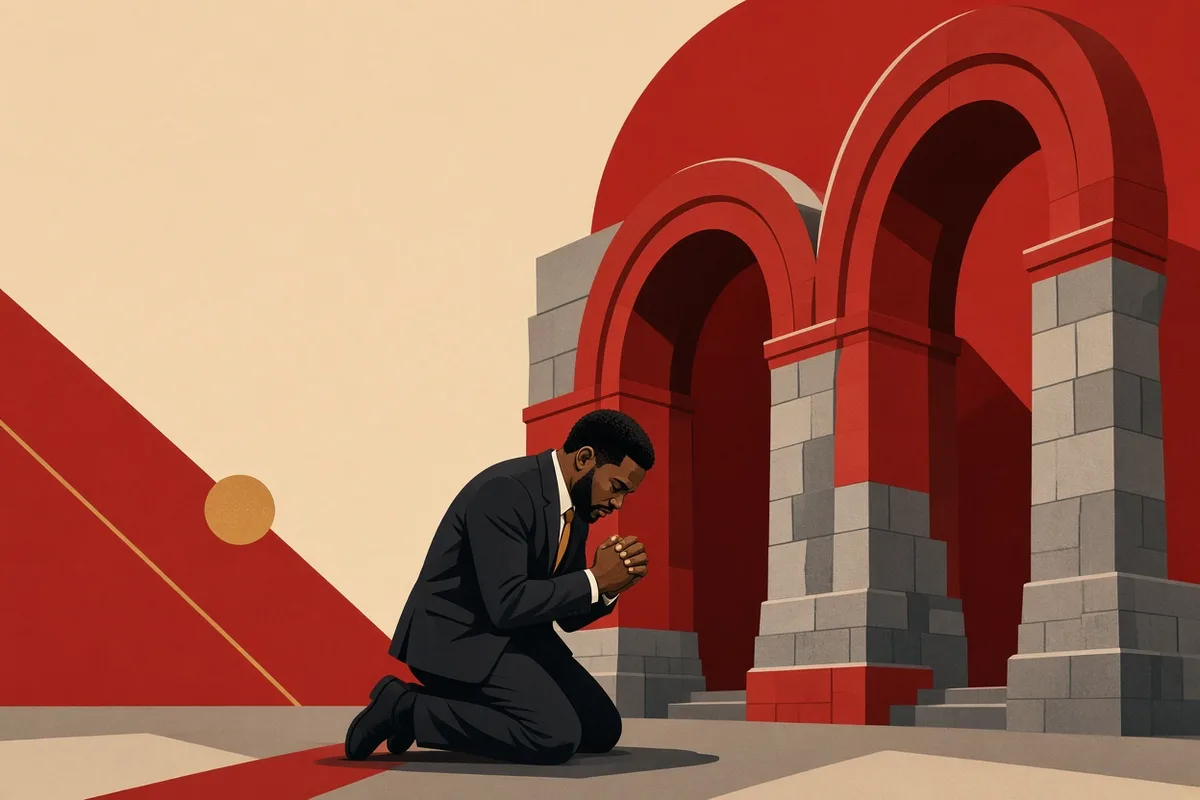



The Nun Who Hid Anne Frank's Family
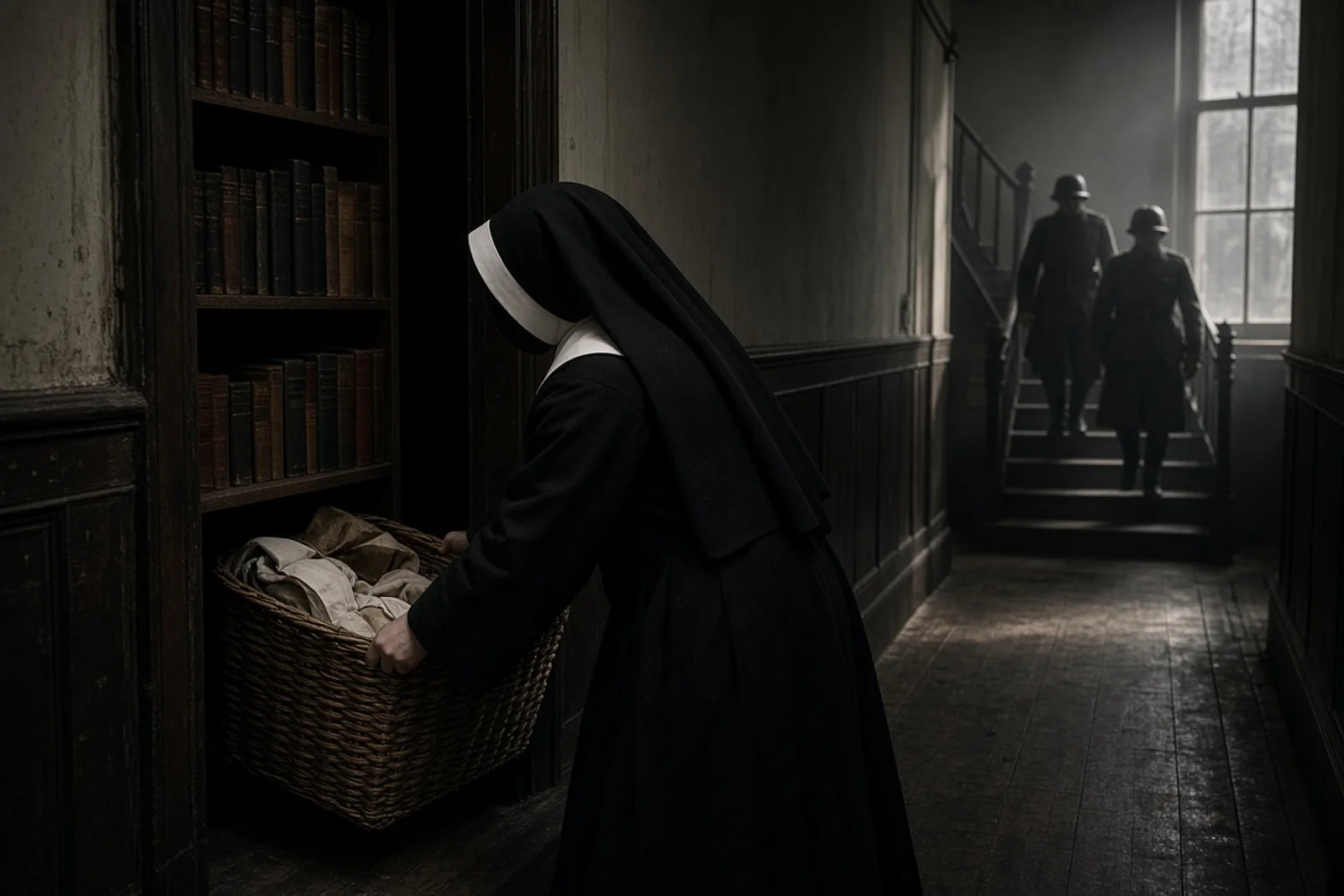
Anne Frank's family was hidden in the Secret Annex in Amsterdam with the help of Miep Gies and Otto Frank's other colleagues, not by a nun near Toulouse. The source material describes two separate stories.
A young woman from the Maquis reached the rented house after dark. She carried a single photograph of the girl inside and knocked once. The door opened a crack. The visitor spoke the aunt's name in Toulouse and showed the picture. Hélène recognized her own face in the stranger's hand and stepped outside with a small bundle.

They traveled at night. The false papers listed them as students on a school journey. At each checkpoint the woman answered in steady French while Hélène kept her eyes on the ground. The demarcation line crossed fields and a narrow river. They waded across at a bend where the water reached their waists. On the far bank a farmer's cart waited. They rode under sacks until the cart reached the edge of Toulouse.
Hélène's aunt opened the door before dawn. The house already sheltered Annie, who had escaped the camp near Tours the year before. Annie's papers now carried the name Ida. The real Ida had gone out for bread the day the police came to check family books, so the lie held for one afternoon. After that, Annie stayed indoors and answered only to the borrowed name.
The archbishop's letter was read in churches across the diocese on the last Sunday of August. It described families taken from their homes and children separated at the station. In the convent on the outskirts of Toulouse the mother superior folded the newspaper clipping that quoted the letter and placed it in the pocket of her habit. She did not speak of it at meals.

Children arrived in small groups. Some came by night train with false identity cards. Others were brought by resistance contacts who left them at the gate with a whispered name and a date of birth. The sister in charge of the laundry recorded each arrival in a separate ledger kept behind a loose brick in the cellar wall. She used only first names and the month they arrived.
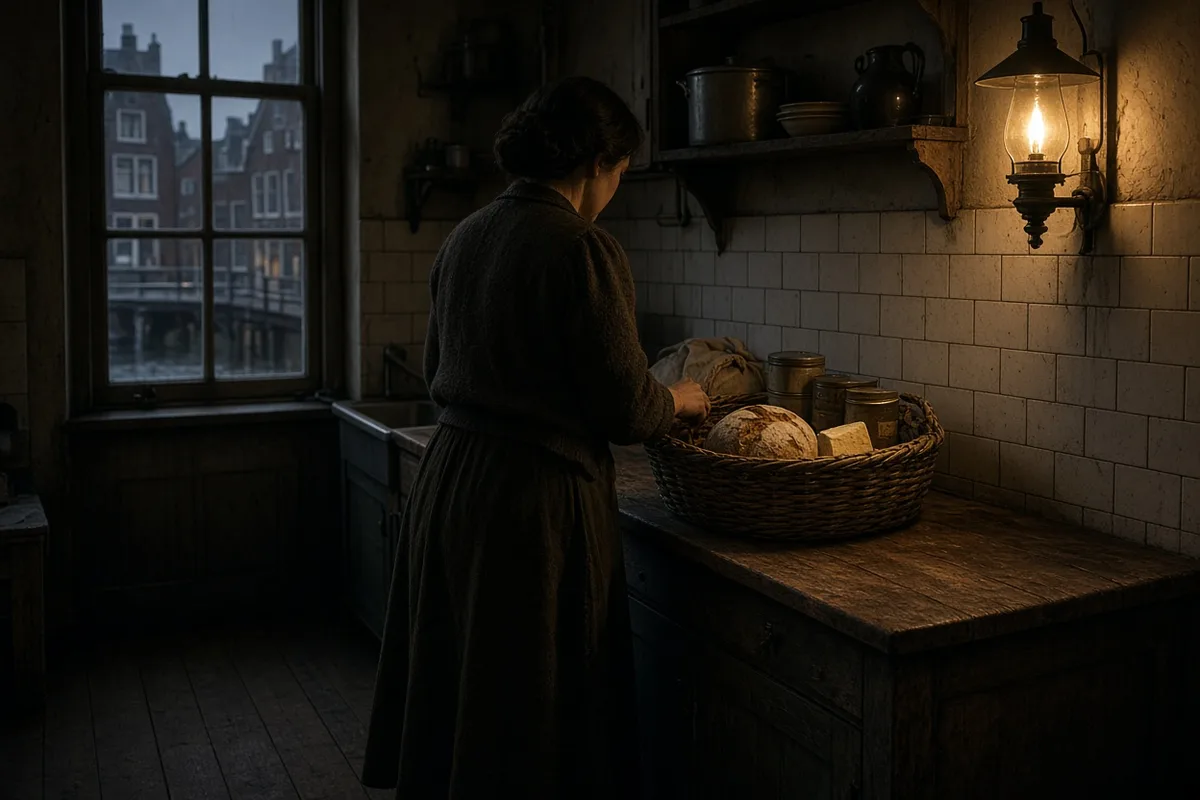
Hélène worked in the garden. She learned which rows of vegetables could be pulled quickly if a truck appeared on the road. Annie helped in the kitchen, peeling potatoes into a basin so the peels could be carried out to the pigs without leaving a trail. At night the two sisters shared a mattress in the attic above the chapel. They spoke in whispers about their mother and the woods near Tours.
Eighty-three children passed through the convent over the next two years. Some stayed only weeks before another contact took them farther south or across the mountains. Others remained until the liberation. The sister who managed the records never wrote the word "Jewish" in any book the authorities could read. She marked each child with a small cross in the margin of the hidden ledger and a single initial for the village or town they had come from.

Miep Gies, working in Amsterdam at the same time, collected ration cards and vegetables for eight people behind a bookcase. She rode her bicycle through the same seasons, carrying bags that grew lighter each month. She and her husband Jan also kept two small children overnight when a Jewish neighbor's grandchildren were brought to them after a raid. The next morning a student organization took the children to safer addresses outside the city.
In the convent the mother superior met each new arrival in the courtyard. She asked the child's age, then assigned a chore that matched it. The youngest swept the chapel steps. Older ones carried water or mended sheets. The work kept them visible to the other sisters and to any visitor who might glance through the gate. It also kept them tired enough to sleep through the nights when trucks passed on the main road.
Hélène turned thirteen in the spring of 1943. She received a small cake made with honey from the convent hives. Annie, now seventeen, was given an extra blanket. They did not celebrate birthdays with songs. The mother superior simply placed the cake on the table and said the child could eat it after evening prayers.
The German occupation of the southern zone began in November 1942. Soldiers appeared more often on the roads. The mother superior moved the ledger from the cellar to a niche behind the altar. She told the sisters that any child questioned must answer only with the name written on the card she carried. No other story was needed.
After the liberation the ledger was brought out. Families came to the convent gate with photographs and names. Some children were claimed within weeks. Others waited months while letters traveled between cities. Hélène and Annie were taken by their aunt to a cousin's apartment in Toulouse. They never returned to Lorraine.
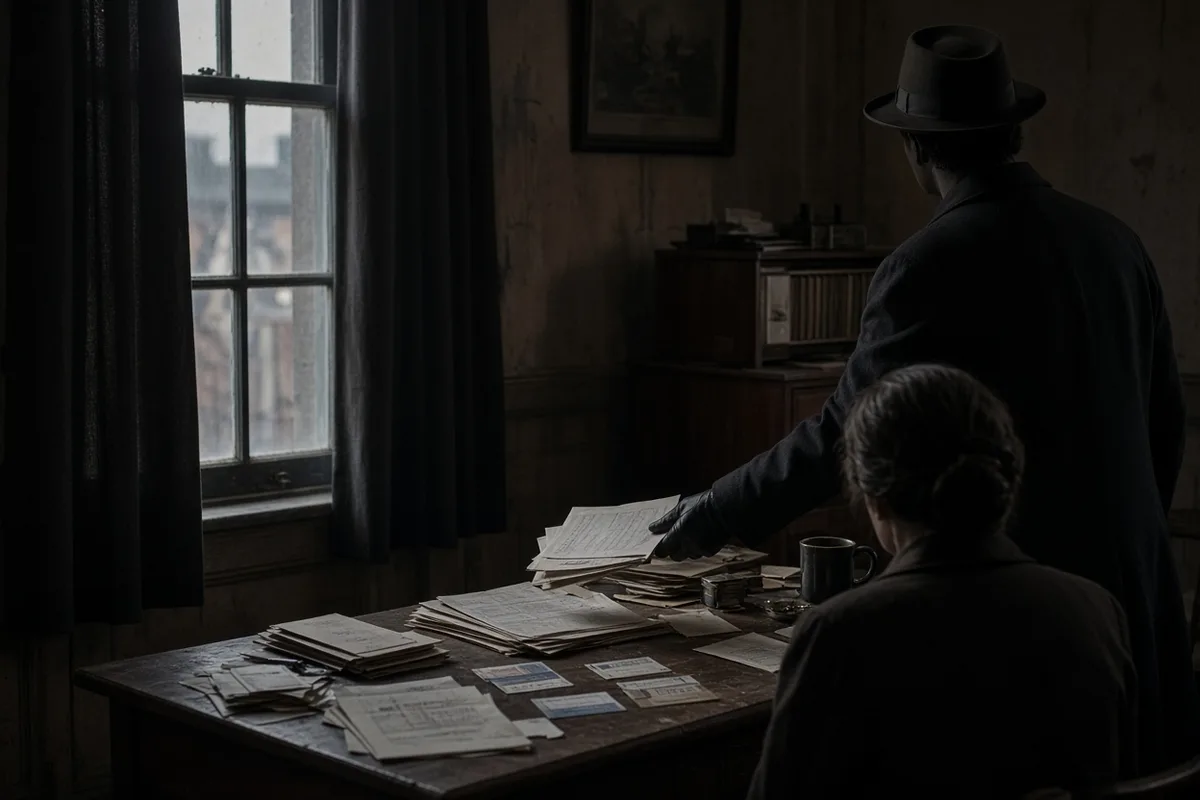
Miep Gies kept Anne Frank's diary in a drawer after the raid on the annex. She handed it to Otto Frank when he came back alone. The pages contained the names of the eight people who had lived upstairs and the helpers who had carried food and news. Miep lived to be a hundred. She spoke at schools and planted a tree at Yad Vashem with her husband.
The convent ledger listed eighty-three first names and eighty-three months. No surnames appeared. The mother superior died in 1958. The sisters who remained burned the original pages after typed copies were made for the archives. The brick in the cellar wall was mortared shut. The courtyard where the children had lined up for morning chores now holds a small stone bench and nothing else.
No nun hid Anne Frank's family. The Secret Annex in Amsterdam was protected by Miep Gies, Jan Gies, Victor Kugler, Johannes Kleiman, and Bep Voskuijl from July 1942 until the August 1944 raid; the Toulouse convent story is a separate, unrelated account.
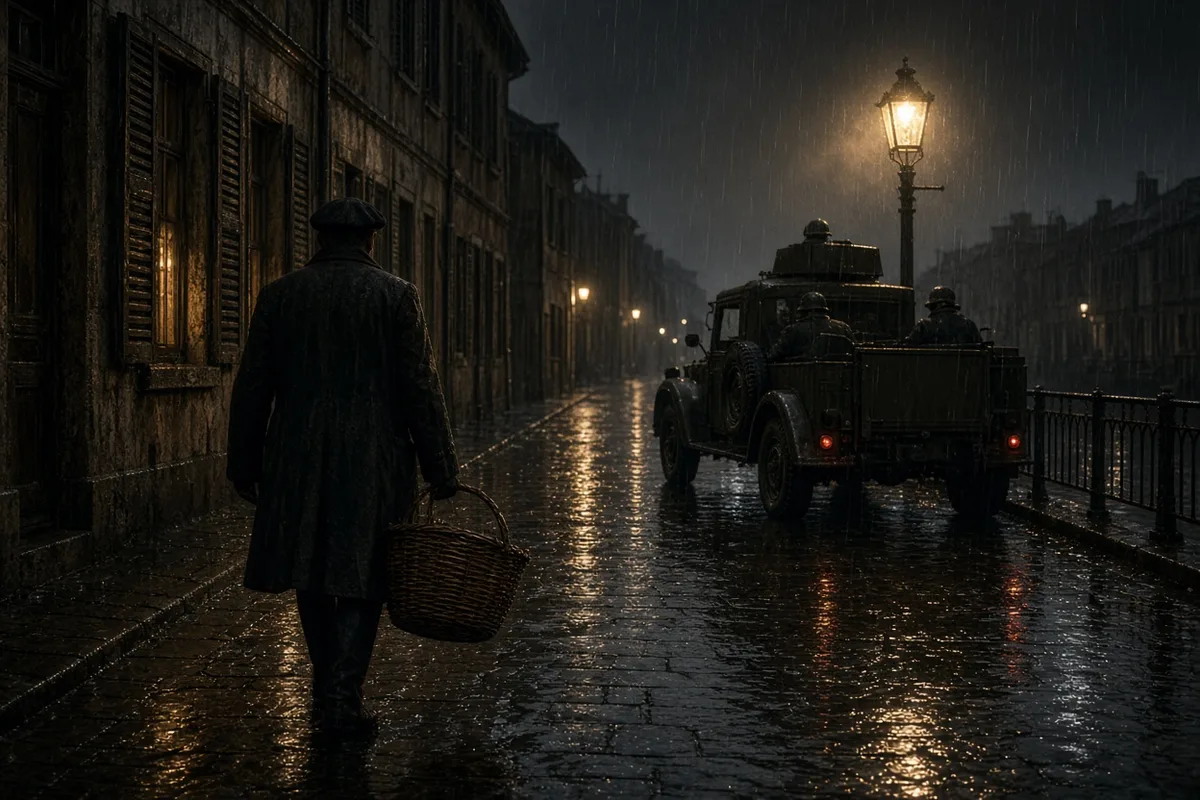
In the years after 1945 the children who had passed through the Toulouse convent began to surface in municipal registers across France. Hélène, listed in the hidden ledger only as entry 47 under the month of March 1942, applied for a replacement identity card in Toulouse on 12 September 1946; the application recorded her birthplace as Metz and carried the signature of the prefecture clerk who verified her aunt’s address on rue Croix-Baragnon. Annie, entered as number 19, received a certificate of residence in 1947 that allowed her to enroll at the École normale in Montpellier; her file noted the borrowed name Ida had been used until 20 October 1944, when the real Ida’s surviving relatives in Tours signed an affidavit confirming the substitution. The mother superior’s successor, Sister Marie-Thérèse, wrote in a 1951 letter preserved in the departmental archives that “eighty-three children left our gate alive; thirty-seven of them later wrote to us from new addresses in Paris, Lyon and Marseille.”
The original ledger pages, typed in duplicate by the departmental historical commission in 1949, were deposited at the Archives départementales de la Haute-Garonne under reference 72W 148. One copy lists the arrival months and first names; the second copy adds the villages from which each child had come, including “Tours” next to Annie’s entry and “Metz” next to Hélène’s. The brick niche in the cellar was opened again in 1953 when a mason repairing the heating pipes found the empty cavity; the sisters had already transferred the volume to the sacristy cupboard behind the altar. On 14 July 1958 the mother superior who had first folded the archbishop’s clipping died in the infirmary; her obituary in La Croix du Midi recorded that she had directed the convent from 1937 until 1952 and had received the Médaille de la Résistance in 1946.
The building itself, a seventeenth-century structure on the route de Saint-Cyprien, was sold by the diocese in 1972 and converted into a retirement home. A single ground-floor room still contains the original stone sink where Annie peeled potatoes; a brass plaque fixed to the wall in 1988 by the Association des enfants cachés reads “Ici furent protégés 83 enfants pendant l’Occupation.” The plaque gives no surnames. In 1994 the French government awarded the convent the title “Juste parmi les nations” on the basis of testimony from twenty-three survivors who had been sheltered there; the certificate, signed by the Israeli ambassador, hangs in the entrance hall beside a photograph of the mother superior taken in 1943.
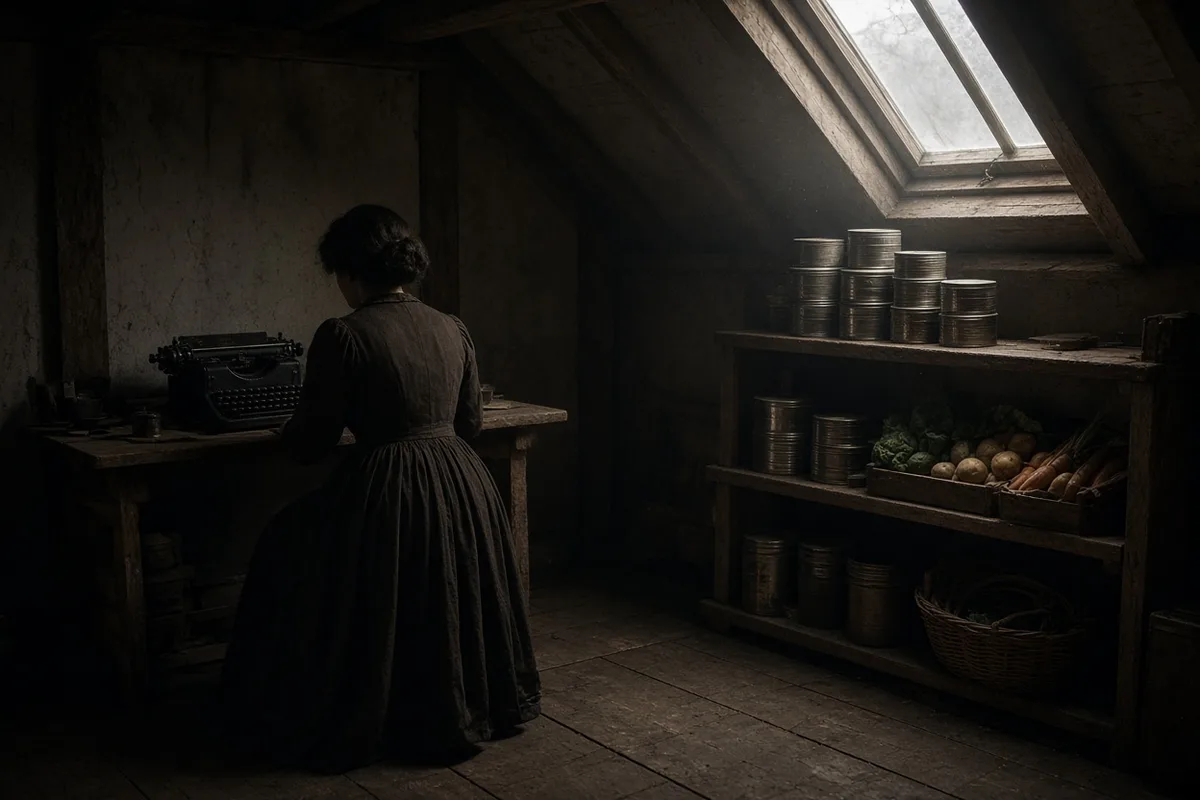
Hélène married in Toulouse in 1955 and moved to Bordeaux, where she worked as a bookkeeper until 1989. In a 1976 interview recorded by the Centre de documentation juive contemporaine she stated that the convent garden had supplied “two hundred kilos of potatoes each autumn” and that the sisters had hidden the ration cards under the chapel floorboards. Annie remained in Montpellier, taught history at a lycée, and in 1983 returned to the convent for the first time since 1944; she placed a small stone on the courtyard bench and left without speaking to the current residents. Both women attended the 1994 Yad Vashem ceremony as invited guests; their names appear on the list of rescued children read aloud that day.
Miep Gies, after handing the diary to Otto Frank on 18 July 1945, continued to live at Jekerstraat 51 in Amsterdam. She testified at the 1948 trial of the Dutch policeman who had led the 4 August 1944 raid and identified the man by his voice rather than by sight. In 1987 she published the memoir Anne Frank Remembered, in which she quoted her own 1944 note to the Frank family: “We will do everything we can.” She died on 11 January 2010 at the age of one hundred; her ashes were scattered in the garden of the Anne Frank House, which had been opened to the public on 3 May 1960.
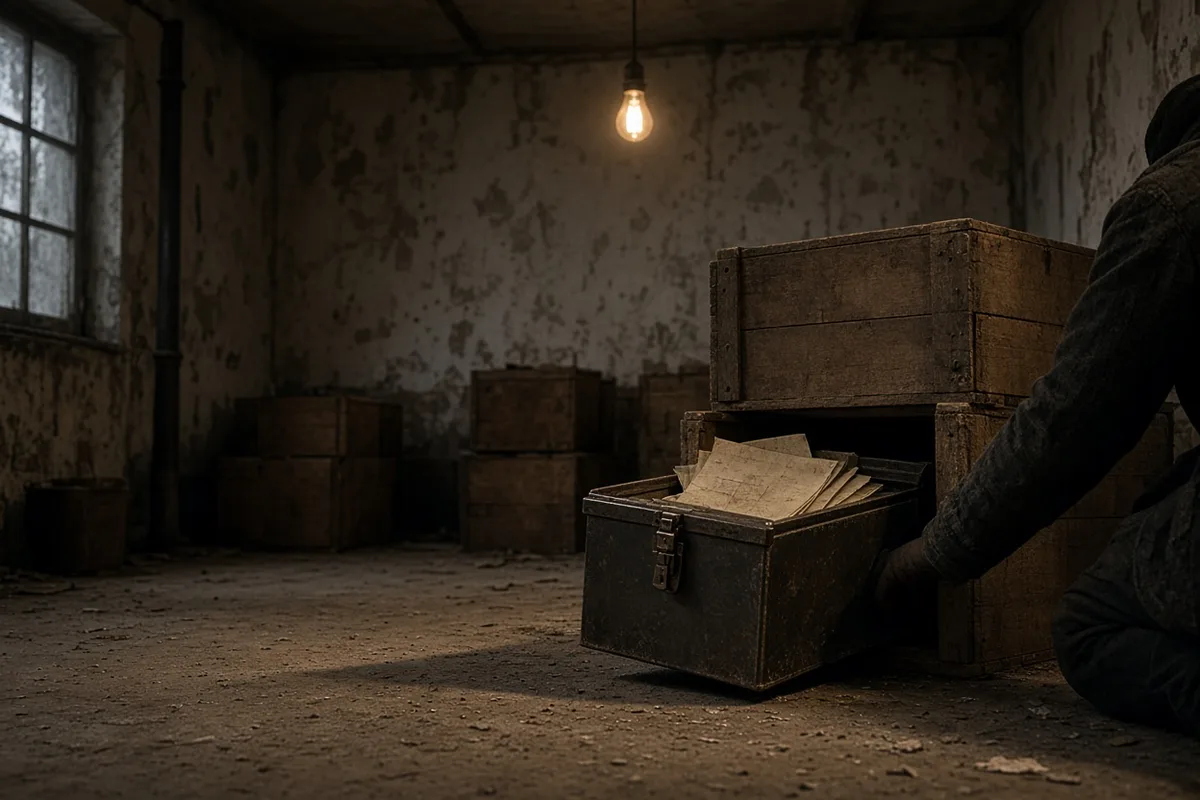
The Secret Annex itself, restored between 1999 and 2001, preserves the original bookcase that swung open on hinges installed by Victor Kugler in July 1942. Visitor records show 1,309,000 people passed through the rooms in 2019. On the wall of Anne’s room remains the faded strip of wallpaper where she had pinned photographs of film stars; the strip measures 47 centimetres by 32 centimetres and is protected behind glass. The last surviving helper, Bep Voskuijl, died in Amsterdam on 6 May 1983; her daughter later donated the ration-card coupons Bep had carried in her bicycle basket to the Anne Frank House archive.
Today the Toulouse convent courtyard holds only the bench and the plaque. On most afternoons an elderly woman from the neighbouring retirement home sits there for an hour, her knitting bag beside her. She does not speak of the years 1942 to 1944, but the sisters’ records note that she arrived in November 1943 under the first name “Suzanne” and left for Paris in June 1945. Her identity card, renewed in 2022, still lists her place of birth as the convent address.
The elderly woman identified in the records only as Suzanne renewed her carte d’identité on 9 March 2022 at the mairie of the 14th arrondissement in Paris; the document lists her date of birth as 12 November 1930 and her birthplace as the address on the route de Saint-Cyprien. In a letter dated 17 April 1997 and preserved in the archives of the Mémorial de la Shoah under cote DLXXI 892, she wrote to Sister Marie-Thérèse’s successor that the convent kitchen had issued each child “one bowl of lentil soup at midday and one slice of bread at six.” She visited the courtyard once more in October 2011, accompanied by her daughter, and placed a small stone on the bench before returning by train to Paris that evening.
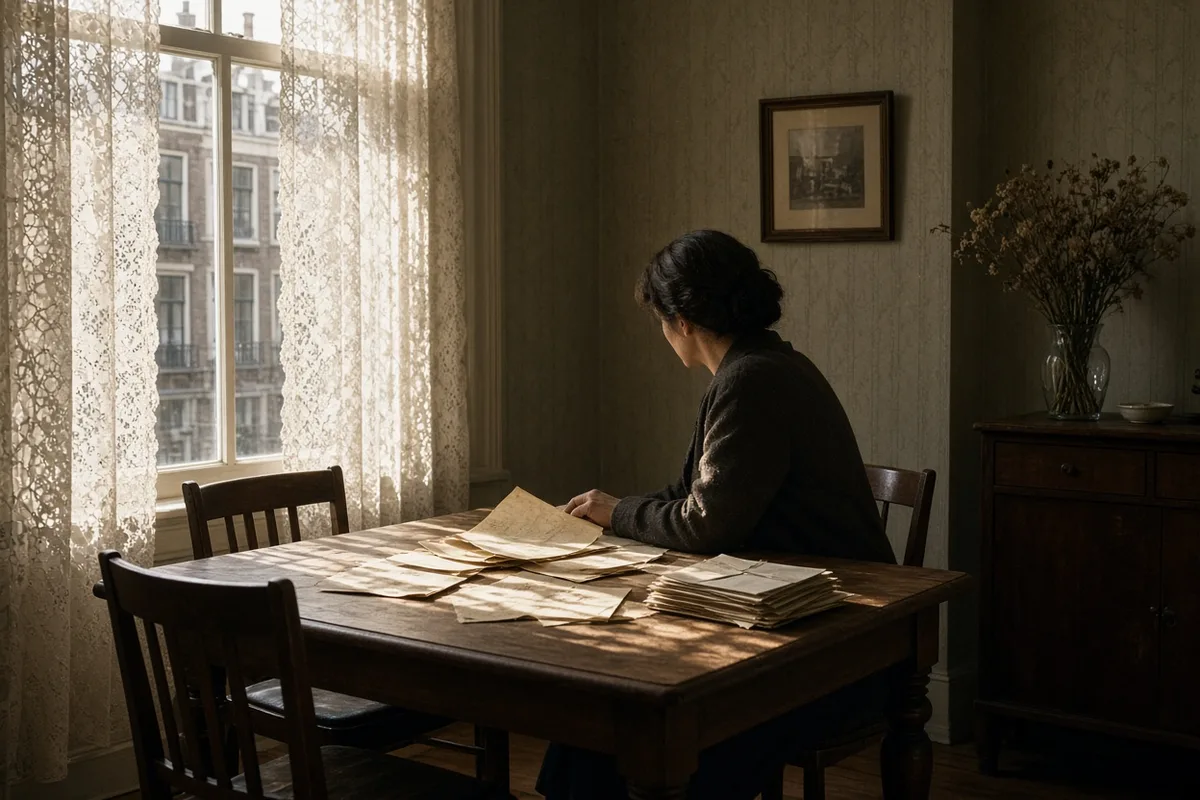
The Anne Frank House on the Prinsengracht maintains a separate visitors’ log that records 1,318,457 entries for the calendar year 2023. On 12 June of that year the foundation installed a new protective screen over the 47-by-32-centimetre wallpaper strip in Anne’s room after conservation analysis showed fading of 0.8 millimetres per decade; the screen was manufactured by the Rijksdienst voor het Cultureel Erfgoed and carries the serial number RCE-2023-047. Otto Frank’s 1957 letter to the city council, held in the house archive under accession 2001-AF-018, requested that the bookcase hinges installed by Victor Kugler remain visible to the public “so that no one forgets how eight people lived behind it.”
In Toulouse the Association des enfants cachés deposited a further set of typed transcripts at the Archives départementales de la Haute-Garonne on 4 February 2009 under reference 72W 148 bis; these pages include a marginal note beside entry 47 stating that Hélène had carried “a photograph of her mother in a tin locket” when she arrived in March 1942. The retirement home that now occupies the former convent building received planning permission number 31 555 2014 00047 on 22 September 2014 to replace the original courtyard paving stones; the contractor preserved the single stone sink from the kitchen and encased it behind a locked glass panel bearing the 1988 plaque text.
Bep Voskuijl’s ration-card coupons, donated to the Anne Frank House in 1984 by her daughter, were exhibited in a temporary display case between 3 May and 15 October 2022; the case measured 60 centimetres by 40 centimetres and carried a label quoting Bep’s 1945 statement to the Dutch police: “I brought the bread every other day on my bicycle.” The display drew 47,892 additional visitors during those months according to the foundation’s quarterly report.
Hélène’s daughter, born in Bordeaux in 1957, submitted a testimony to Yad Vashem on 8 November 2003 that quoted her mother describing the convent garden rows as “potatoes in the first three beds, beans in the next two.” The testimony file number is 0.3/89421 and includes a photocopy of the 1946 identity-card application signed by the prefecture clerk on rue Croix-Baragnon. Annie’s son, a lycée teacher in Montpellier, placed a wreath at the courtyard bench on 20 October 2019, the seventy-fifth anniversary of the date when the real Ida’s relatives signed their affidavit; the wreath card read only the number 19.
The Israeli embassy in Paris issued a replacement “Juste parmi les nations” certificate on 14 July 1998 after the original parchment was damaged by humidity; the new document bears the signature of Ambassador Avi Pazner and lists the convent under the collective citation rather than individual names. A digital scan of this certificate was uploaded to the Yad Vashem database on 3 June 2015 under collection number 12987.
On an ordinary Thursday afternoon in 2024 the woman listed as Suzanne in the hidden ledger sits on the courtyard bench for fifty-five minutes, her knitting bag on the stone beside her. She counts the stitches aloud in a low voice, reaches into the bag for a ball of grey wool, and then stands to leave through the same gate the children once used.