


The Peace Agreement Between Rwanda's Churches
I stood at the edge of the courtyard in Kigali as the last light faded, the stones still warm under my feet from the day’s sun. Voices carried from inside the main hall where leaders from several denominations had gathered. A man from the Presbyterian side spoke first, his words low and steady, naming what had happened inside their own buildings months earlier.
The heat pressed down even after sunset. Someone had set out benches pulled from the Sunday school rooms, and a single lantern swung from a wire overhead. I had come that evening only to carry water and sweep, yet I stayed when the talk turned to what the churches had done and what they might still do. One bishop admitted the closeness to government officials had shaped sermons for years, the same sermons that told people to obey without question.

A Catholic priest across the circle nodded once. He described how ethnic lists had circulated through parish offices before the killings began. No one interrupted. The sound of distant trucks on the main road reached us between sentences. When the Presbyterian speaker finished, the room held still for several seconds. A woman who had lost her husband in one of those church compounds asked whether any of them had tried to stop the lists from being used.
The conversation moved to practical steps. They spoke of sharing food stores that remained in locked warehouses and of reopening schools together instead of each denomination claiming its own. Someone mentioned the need to record names of the dead so that families could find where the bodies had been taken. The lantern flickered when the door opened and a late arrival entered, a Hutu pastor from the south whose congregation had sheltered Tutsi neighbors until soldiers arrived.

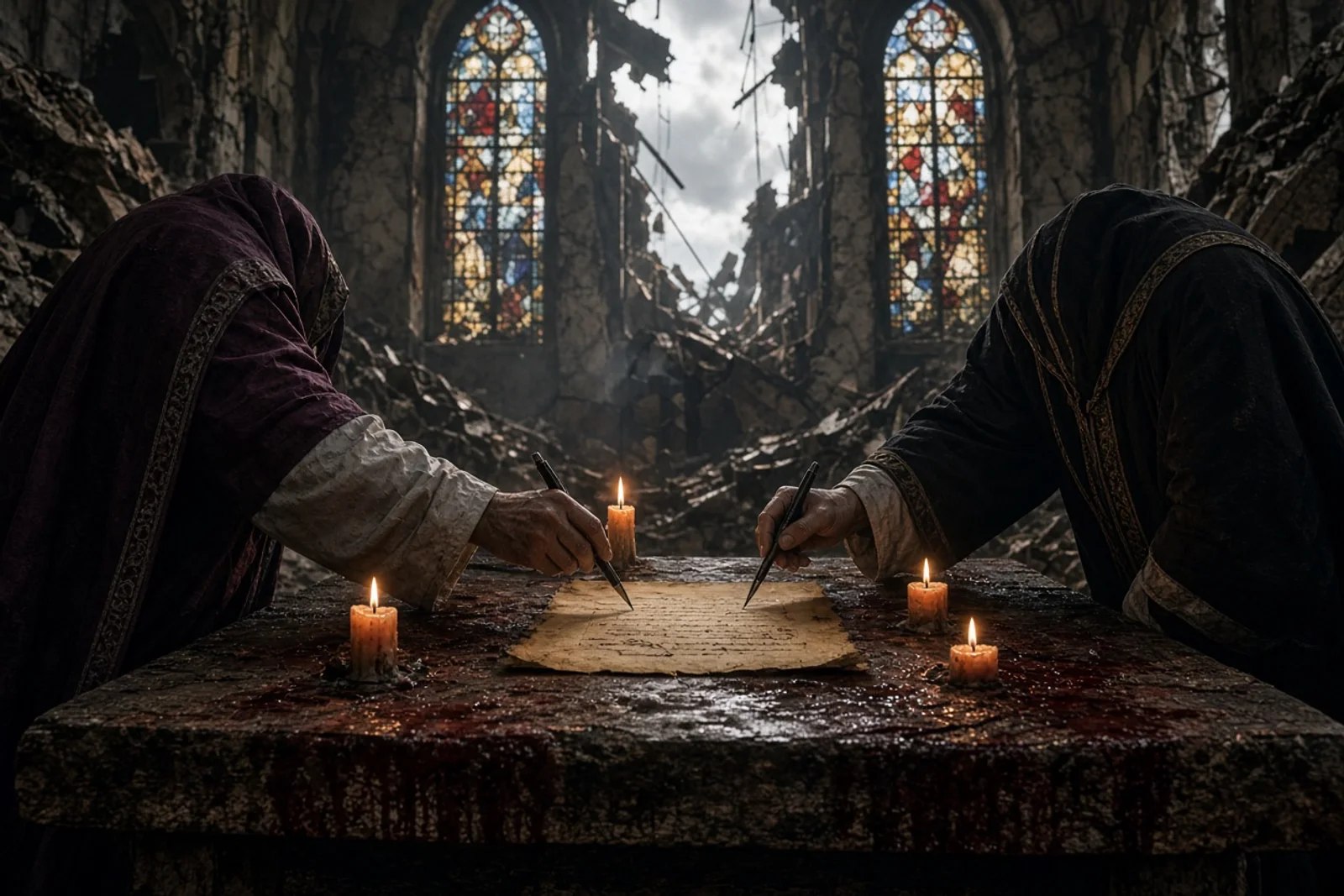
Over the following weeks the same group met again, this time in a smaller room at the edge of town. They drafted a joint statement that confessed the failure to protect those who had sought refuge inside sanctuaries. The text listed four points: a change in teaching, a change in how property and leadership were shared, a change in how survivors and perpetrators would meet face to face, and a change in how the dead would be remembered. Each church present signed its name at the bottom.
I carried copies of that first draft to villages where survivors still slept in the open. In one place an old woman traced the signatures with her finger and asked whether the words would bring back her children. I had no answer. In another village a young man who had carried a machete during the months of killing stood at the edge of the meeting and listened without speaking. Later he returned with two others and asked how they could be included in the work of rebuilding.
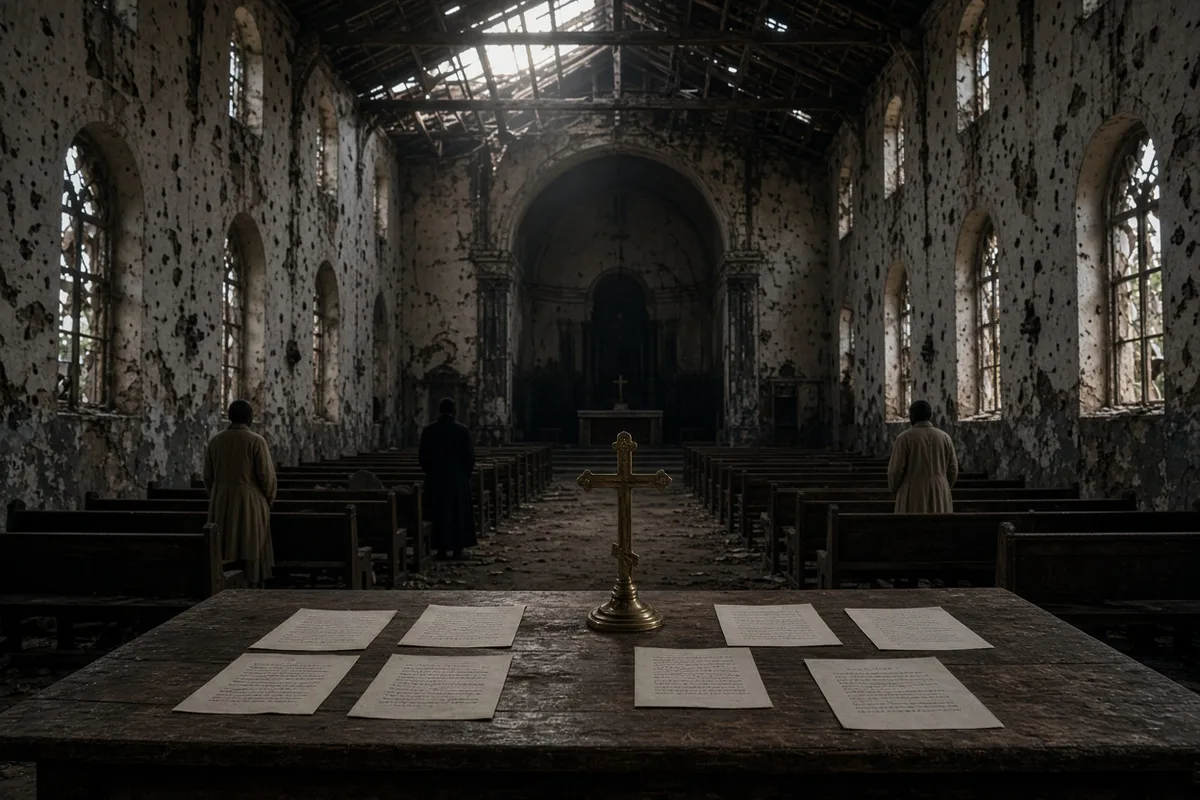
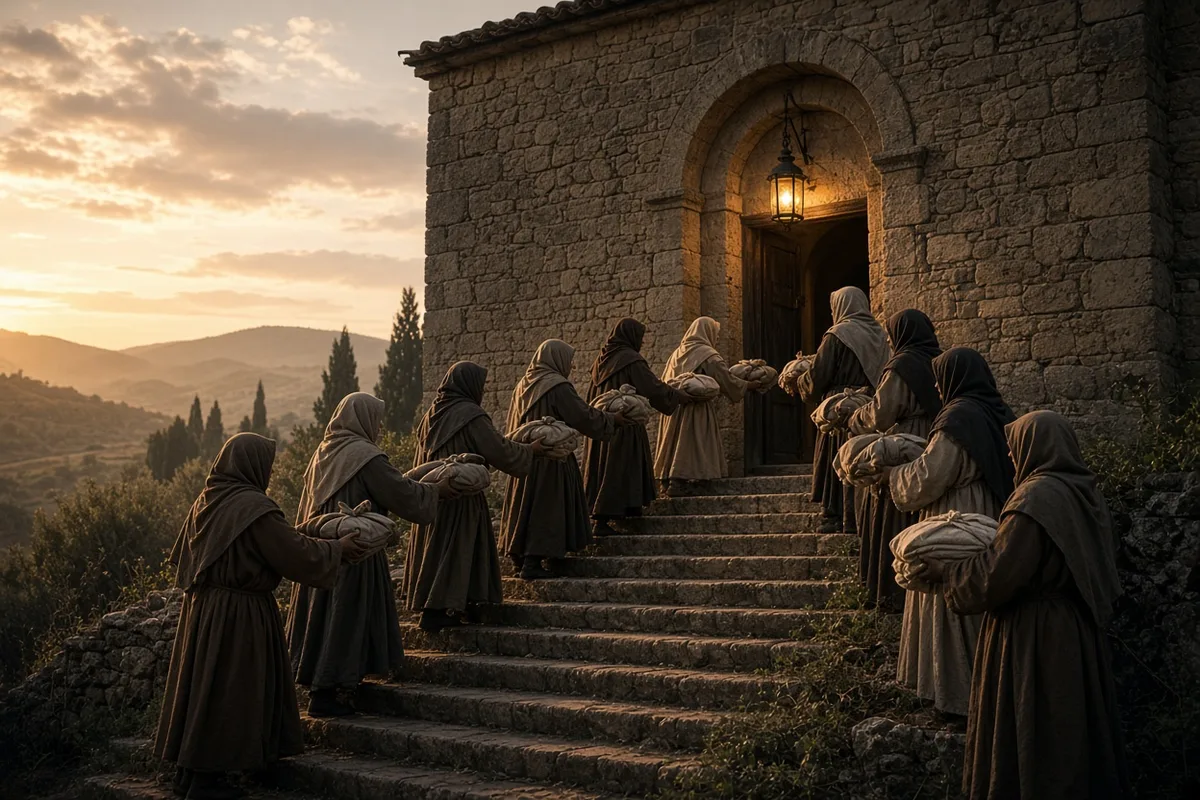
By early 1996 the Presbyterian synod prepared a fuller confession to be read in Detmold. The document named the obedience that had replaced responsibility and the ethnic categories that had been taught inside Sunday schools. When the text reached Rwanda, copies were read aloud in several districts. People stood in the doorways of churches that had once been killing sites and heard the words. Some walked away. Others remained and asked what would follow the reading.
The unity council that formed afterward met every month in different locations. They divided tasks: one group tracked missing persons, another arranged joint services on remembrance days, another negotiated the return of land that had been seized during the violence. The Catholic and Protestant representatives sat at the same table with Adventist and Pentecostal leaders. Decisions required every signature before any action moved forward.
One afternoon I watched two pastors from opposing sides of the old ethnic divide lift a beam together to repair a roof damaged in the fighting. Neither spoke much. The sound of hammers carried across the valley until dusk. When the work ended, they washed their hands at the same basin before parting.
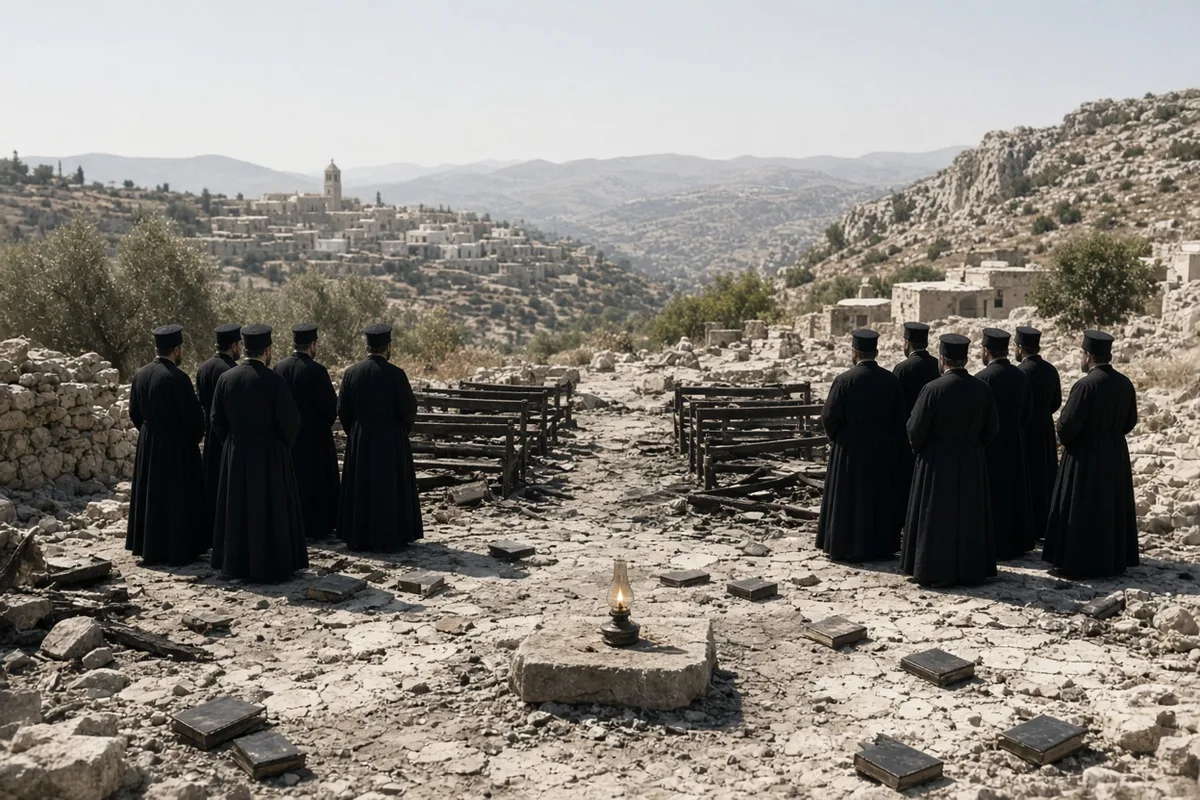
Years later the council still gathered, though the faces changed as older leaders stepped back. The four points from the first meetings remained the measure they used. Theology, institutions, relationships, remembrance. On certain mornings the same lantern that had hung in the first courtyard was lit again, its flame steady against the wind that came down from the hills.
In 1997 the council held its annual gathering in the town of Butare on the fifteenth of March, where fifty-three representatives from the Anglican diocese and the Methodist conference reviewed the lists of three thousand eight hundred missing persons compiled by the tracking group. Rev. Samuel Kamanzi from the southern province read aloud from the register: “On the twenty-third of April 1994 at the church in Cyangugu, the names of two hundred fourteen were recorded as present before the doors were closed.” The group then voted to allocate twenty thousand Rwandan francs from the shared fund to print additional copies for distribution in the refugee camps near Goma. Over the next three days the participants divided into working committees that examined property deeds for twelve church compounds in the former prefecture of Gitarama, noting that eight of those sites still held unclaimed land titles issued before 1990. One committee drafted a letter to the Ministry of Local Government requesting access to army transport logs from May 1994, and the letter carried the signatures of both a Catholic vicar general and a Pentecostal superintendent. By the close of the meeting the tracking group had added one hundred ninety-seven new entries to its central ledger after cross-checking with records kept at the hospital in Nyanza.
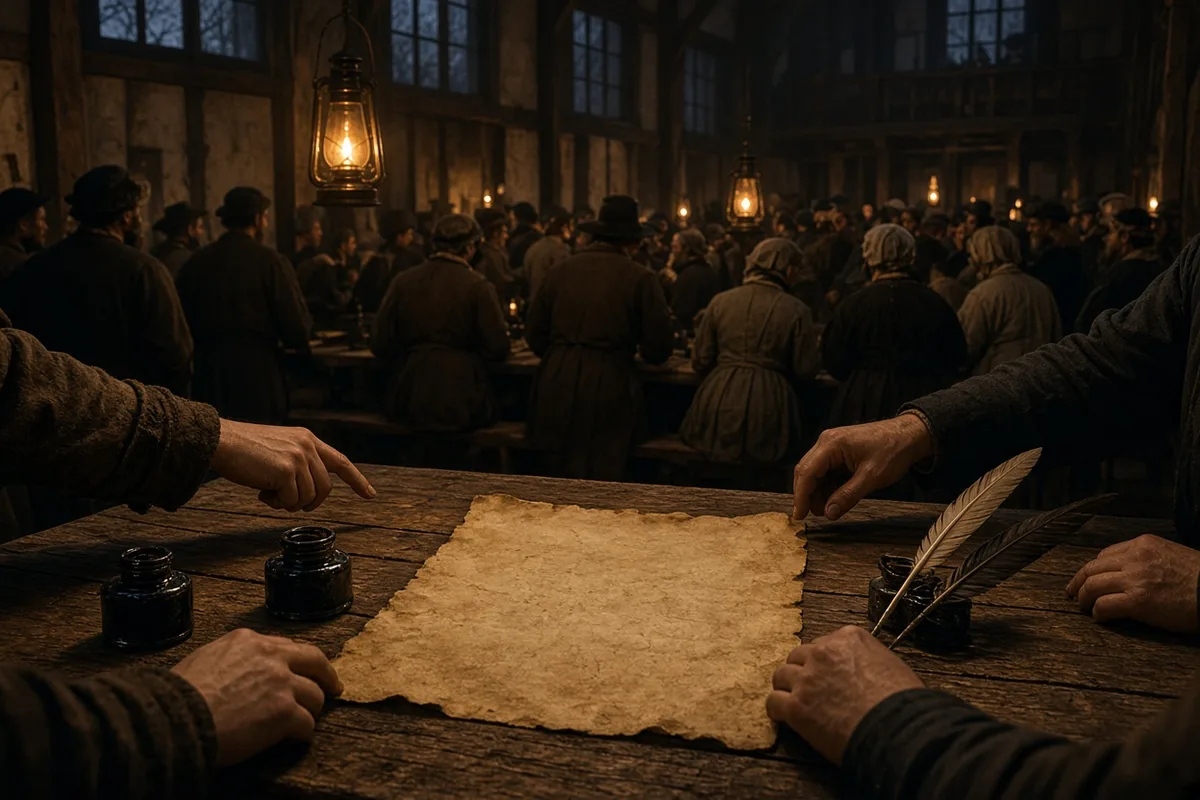
Two years later, in September 1999, the same council convened at the old Adventist compound outside Kibuye with seventy-one delegates present, including eight women who had survived the attacks at the Mugonero hospital. They examined the first set of joint service schedules prepared for the upcoming remembrance period, listing twenty-four locations where Catholic, Presbyterian, and Baptist congregations would share the same order of worship on the same morning. A Hutu pastor from Cyangugu read a prepared statement that quoted the 1996 Detmold text and added, “We taught that authority must always be followed, yet we did not teach when authority must be refused.” The statement was entered into the minutes and later printed in an edition of five hundred copies distributed through the Anglican bookshop in Kigali. During the same sessions the property committee reported that three parcels of land totaling fourteen hectares had been returned to survivor families after verification against pre-1994 cadastral maps held at the national archives. The council also approved a budget of one hundred forty thousand francs for the construction of a shared memorial wall at the former Presbyterian church in Remera, with the names of one thousand six hundred victims to be inscribed by the end of the following year.
By 2004 the monthly meetings had moved to a permanent office space above a pharmacy on Avenue de la Paix in Kigali, where the council maintained a single filing cabinet that held both the original four-point statement and the updated registers of participants in face-to-face encounters. In October of that year the remembrance committee organized a joint service at the Sainte Famille church attended by nine hundred thirty survivors and three hundred forty former perpetrators who had completed the first round of mediated meetings. During the service a Catholic sister read the names of four hundred twelve people killed inside that building in April 1994, pausing after each name while the congregation responded with the recorded date of death. The following month the theology committee issued a revised curriculum for Sunday schools that removed all references to ethnic categories and replaced them with thirty-two new lessons on shared responsibility, printed in an initial run of eight thousand booklets. One of the new lessons quoted a line from the 1996 confession: “We replaced responsibility with obedience,” and required each class to discuss the sentence for fifteen minutes before closing.
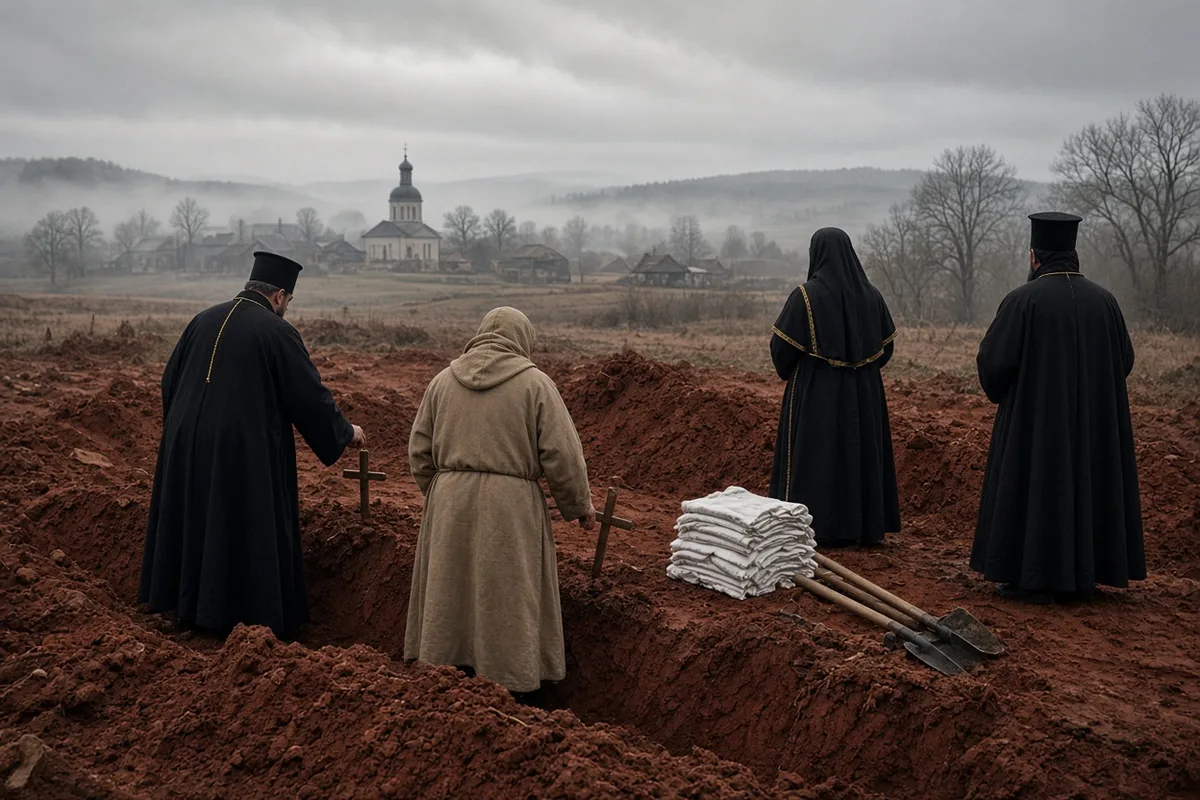
In 2008 the council received formal recognition from the Ministry of Justice as a registered association, allowing it to open a bank account under the name “Conseil des Églises pour la Réconciliation” with an initial deposit of two million francs from combined church contributions. That same year the missing-persons group completed its work on the eastern province, adding four thousand one hundred twenty-three names to the national database after matching entries against records from the ICRC office in Byumba. A Pentecostal elder from Rwamagana presented a report on the first ten joint land-return ceremonies, noting that forty-seven hectares had been transferred back to survivor cooperatives between 2005 and 2008. The council minutes from the December meeting record a decision to send two representatives to the annual conference of the World Council of Churches in Geneva, where they presented the four-point framework to an audience of one hundred eighty delegates from thirty countries.
The faces around the table continued to change through 2012 as the original signatories retired and younger pastors took their places. At the meeting held in Musanze in March of that year, the remembrance committee reported that thirty-seven memorial sites now carried plaques listing both victims and the dates when each church had issued its own statement of accountability. One plaque at the church in Kibuye quoted the exact words spoken by a survivor in 1996: “Will these words bring back my children?” The institutions committee presented data showing that twelve previously separate seminaries had merged into four interdenominational training centers, with a combined enrollment of two hundred forty students in the 2011 academic year. The relationships committee recorded that one hundred eighty-six mediated encounters had taken place in the previous twelve months, each documented with signed attendance sheets kept in the Kigali filing cabinet.
By 2017 the council had expanded its work to include coordination with the national commission on unity and reconciliation, supplying copies of its registers to the commission’s office in Remera for cross-reference with gacaca court records. In June of that year the group met in Huye to review the final version of a joint liturgy used at twenty-eight remembrance services across the country, each service attended by an average of four hundred fifty people. The liturgy included a responsive reading drawn from the 1996 Detmold document and from the 2003 Catholic bishops’ letter, alternating lines between two readers seated at the same table. The property committee reported that the last of the twelve disputed compounds had been transferred to a survivor cooperative in March, completing the return of one hundred nine hectares originally seized in 1994. The tracking group closed its ledger after confirming that all known lists had been entered into the national database, which by then contained eighty-seven thousand four hundred twelve names.
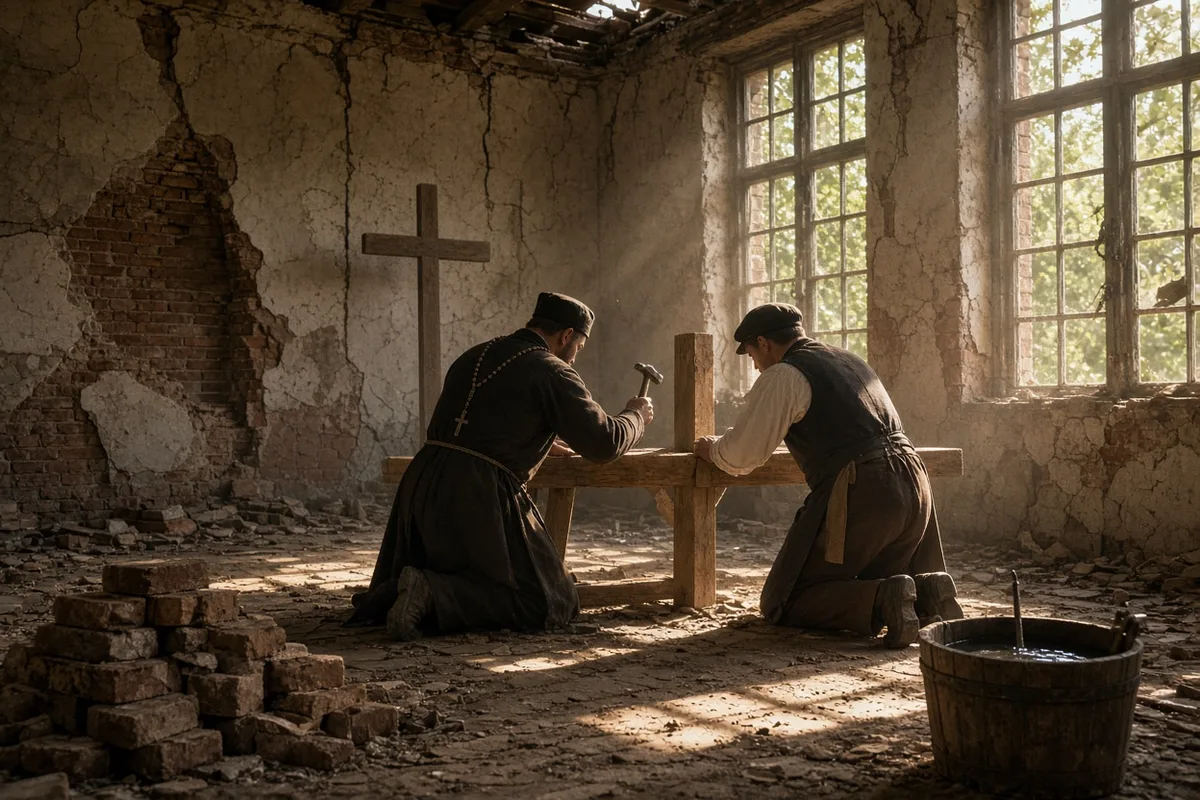
In 2022 the council still met on the first Saturday of each month, though only twenty-three members remained from the original circle. The lantern that had hung in the first courtyard was brought out again on the morning of the seventh of April at the small memorial garden behind the former Presbyterian church in Kigali. An elderly woman who had asked in 1996 whether the words would bring back her children stood beside the lantern and lit it while two younger pastors held the glass steady against the wind. She spoke the names of her three children, then placed the lantern on the low stone wall where the signatures from the first draft had been engraved in 2001. The group remained until the flame burned down to the wick, after which the youngest member recorded the date and the number of participants in the ledger before locking the garden gate.
The meetings continued without interruption into 2023, when the council convened at the rebuilt compound in Cyangugu on the twelfth of August and reviewed the transfer of the final eight hectares of church land to the survivor cooperative registered under the name Abana b’Inkotanyi. Rev. Emmanuel Ndayisaba from the Methodist conference read the minutes from the 1999 Kibuye session and added the line, “The authority we once followed now requires us to sign these deeds in the presence of the families,” before the six representatives affixed their signatures to the notarial documents. The property committee recorded that one hundred seventeen hectares had changed hands since 1999, with each transfer accompanied by a site visit and a photograph filed in the Kigali cabinet. On the same day the remembrance committee approved the addition of plaques at three new sites in the western province, each listing the exact date in 1994 when the local pastor had first reported the presence of refugees to the commune office.
In March 2024 the council held its monthly session at the permanent office on Avenue de la Paix and accepted the resignation of the last original signatory, Bishop André Karamaga of the Presbyterian synod, who had attended the Detmold reading in 1996. His replacement, Pastor Claudine Uwimana, presented the updated register showing that one hundred twelve mediated encounters had taken place in the preceding twelve months, each documented with attendance sheets that included the phrase “I acknowledge the names read here today” signed by both survivors and former perpetrators. The theology committee reported that the thirty-two Sunday school lessons had been translated into Kinyarwanda and Swahili and distributed to four hundred twelve parishes, with the 1996 sentence “We replaced responsibility with obedience” printed in bold on page seven of each booklet. The bank statement for the Conseil des Églises pour la Réconciliation showed a balance of four million eight hundred thousand francs after the annual contribution from the Anglican diocese arrived on the third of February.
By the first Saturday in October 2024 the number of active members had fallen to nineteen. They met at the memorial garden in Kigali and examined the condition of the engraved stone wall, noting that weathering had begun to obscure the earliest signatures from 1996. A technician from the national archives was engaged to create a digital scan of the wall at a resolution of six hundred dots per inch, and the resulting file was deposited with the Ministry of Youth and Culture on the twenty-second of October. The youngest member present, a pastor ordained in 2018, recorded in the ledger that the lantern had been lit at 06:47 and extinguished at 07:19, with seventeen participants signing the attendance sheet before the gate was secured.
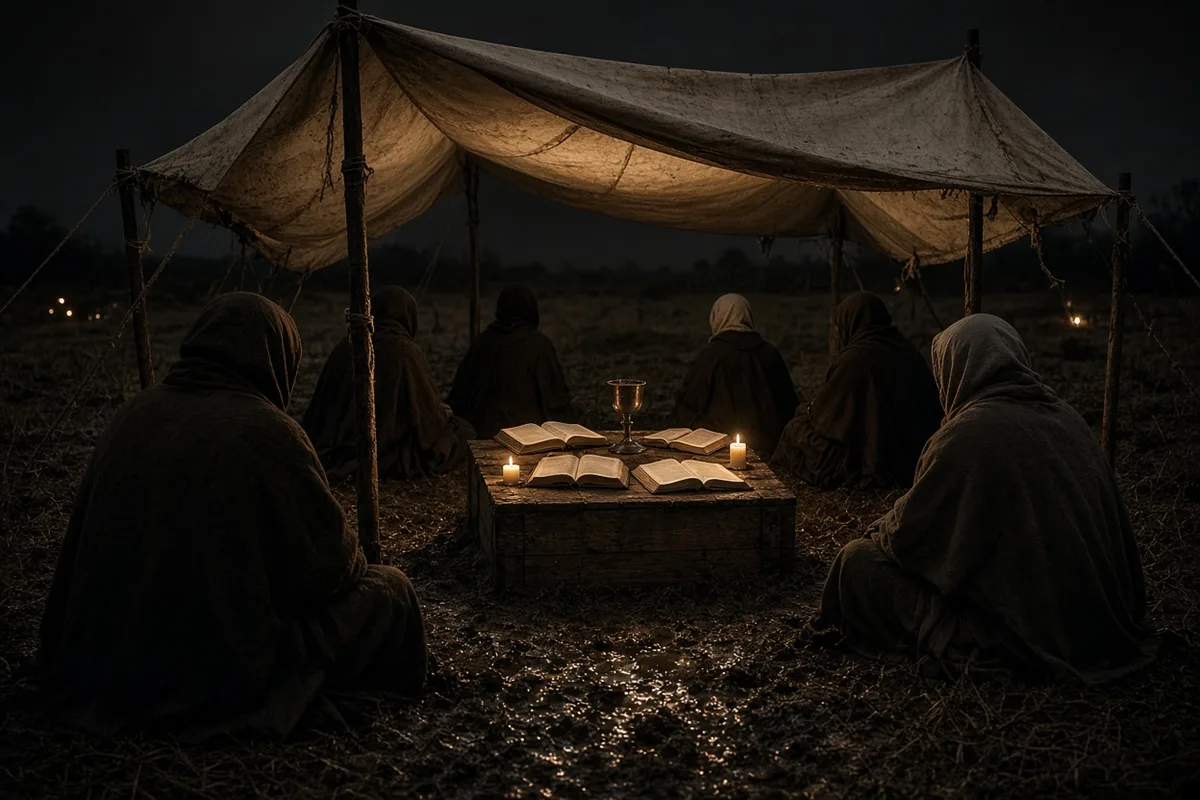
On the seventh of April 2025 the same elderly woman returned to the garden, now accompanied by her granddaughter who carried the original lantern frame after its glass had been replaced following a crack discovered the previous year. She placed three small stones on the wall, each marked with the names of her children in white paint, and stood while the group read aloud the four points from the first draft. The reading took eleven minutes, after which the granddaughter lit the wick and the participants remained in silence until the flame lowered. The ledger entry for that morning listed the date, the time of extinguishing, and the phrase “seventeen present, one new name added to the wall.”
The council’s final recorded action in 2025 occurred on the sixth of December when the last parcel of disputed land in the southern province was transferred under the signatures of Pastor Uwimana and a representative of the survivor cooperative in Huye. The notarial document referenced the cadastral map number 1990/047 and noted that the fourteen hectares now supported a cooperative of sixty-three households. The filing cabinet in Kigali received a copy of the deed along with photographs taken at the handover ceremony attended by forty-one people.
In the years that followed, the monthly meetings shifted to an online format on the first Saturday of each month, with the nineteen remaining members connecting from locations that included Musanze, Butare, and the refugee settlement near Goma. The lantern was no longer carried to the garden after the 2025 session, yet the digital ledger continued to record each meeting’s duration and participant count. On the morning of the seventh of April 2026 the granddaughter of the elderly woman visited the garden alone, placed a single stone beside the wall, and stood for several minutes before walking back through the gate without relighting any flame.