


The Rescue of Baby Jessica
The radio crackled in the cab of my truck just after ten that morning, October 14th, and the dispatcher's voice had a pitch I'd never heard him use before — a child, a well, a backyard on the west side of Midland. I dropped the rig I was working and drove straight there, tires kicking up the reddish caliche dust that gets into everything in this part of Texas, and by the time I pulled up there were already a dozen men standing at the mouth of an eight-inch pipe like they were staring down a gun barrel.
Her name was Jessica McClure. Eighteen months old. She'd been playing in her aunt's yard with some other children when she slipped through the narrow casing of an abandoned well, a pipe barely wider than a coffee can, and dropped twenty-two feet into the black. We could hear her down there, faint, crying for her mother, and every man standing over that hole went quiet at the sound of it, because there is nothing on this earth that stops working men faster than a baby's voice coming up out of solid rock.
The first plan sounded simple enough on paper. Sink a second shaft next to the well, parallel, straight down, then punch a horizontal tunnel sideways to break through to her. Firemen and police worked it out fast, and they called in men like me, oil-field men who knew how to move earth, because Midland runs on drilling and everybody within fifty miles owns a rig or knows somebody who does. We figured hours, not days.
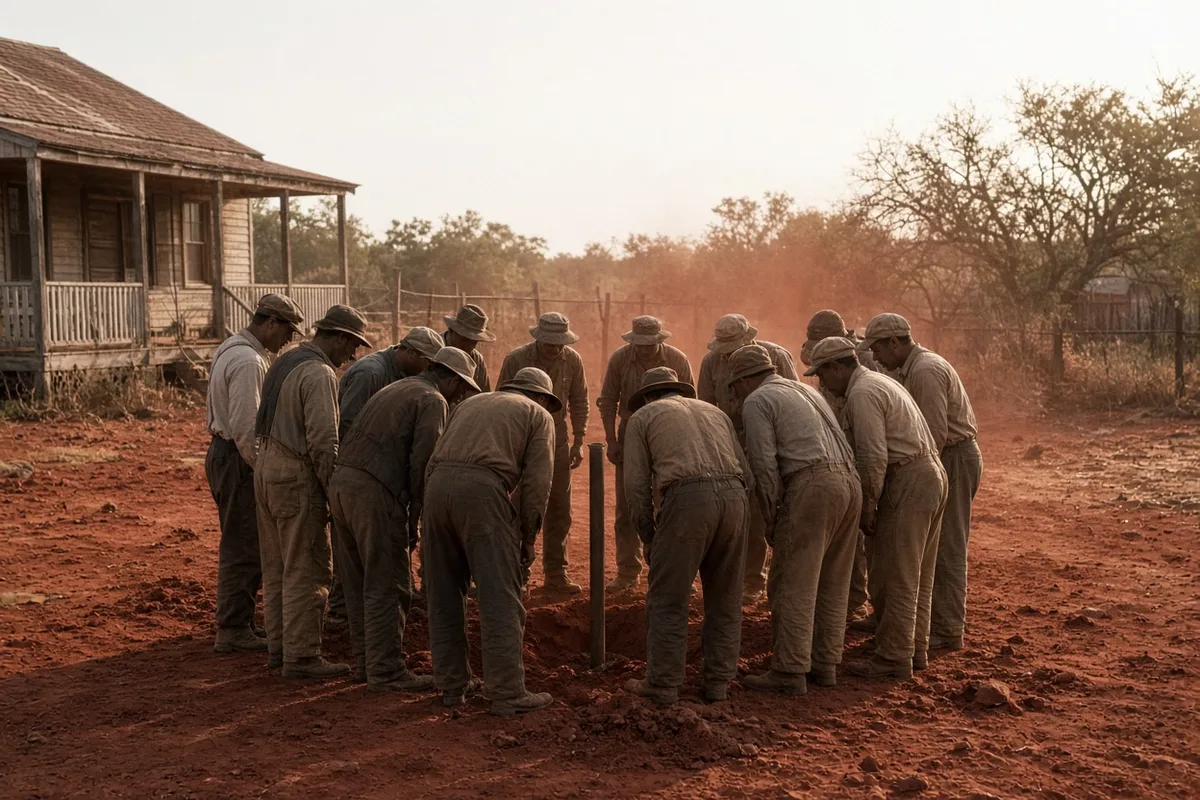
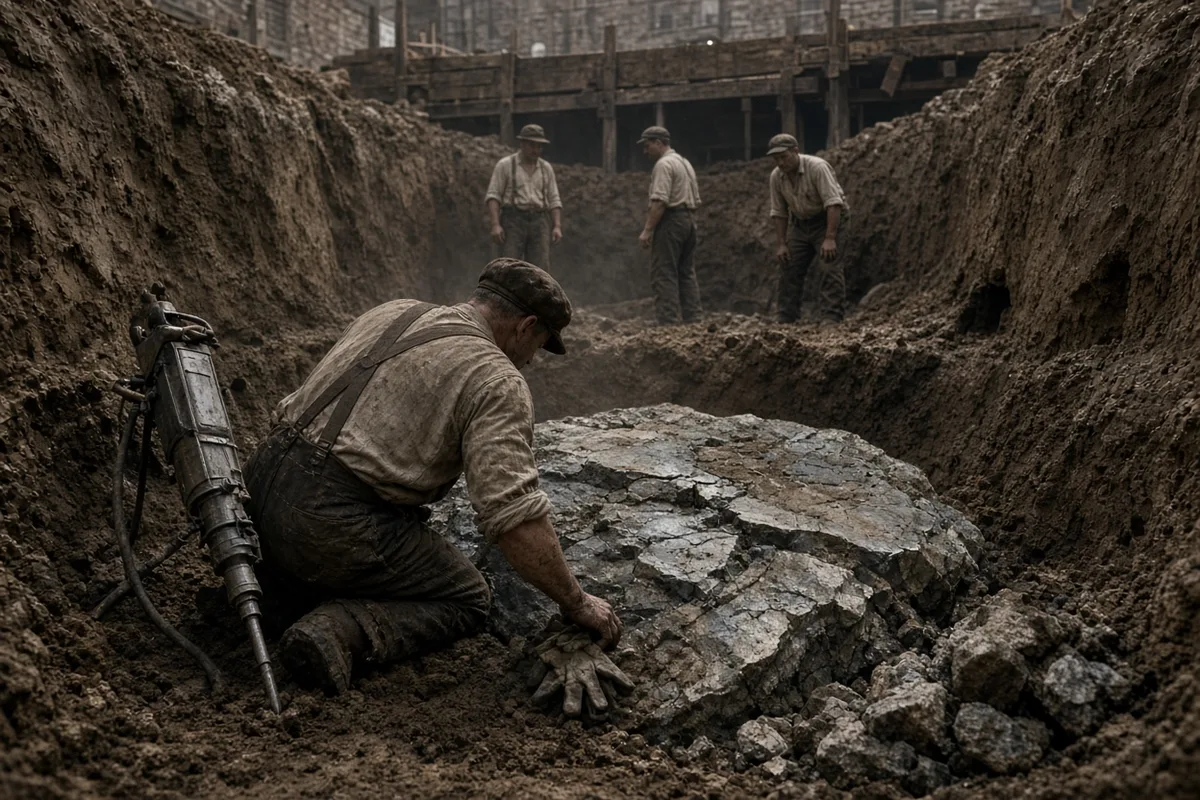
The ground had other ideas. A few feet down, the augers hit rock, hard gray stone that didn't want to give up an inch, and it turned out that pipe was sunk into a shelf of the stuff that ran the whole depth we needed. Our jackhammers, the ones we broke out first, were built to punch downward into a driveway or a foundation, not to bore sideways through bedrock at an angle, and I remember a foreman throwing his gloves down and just standing there, breathing hard, looking at that rock like it had insulted him personally.
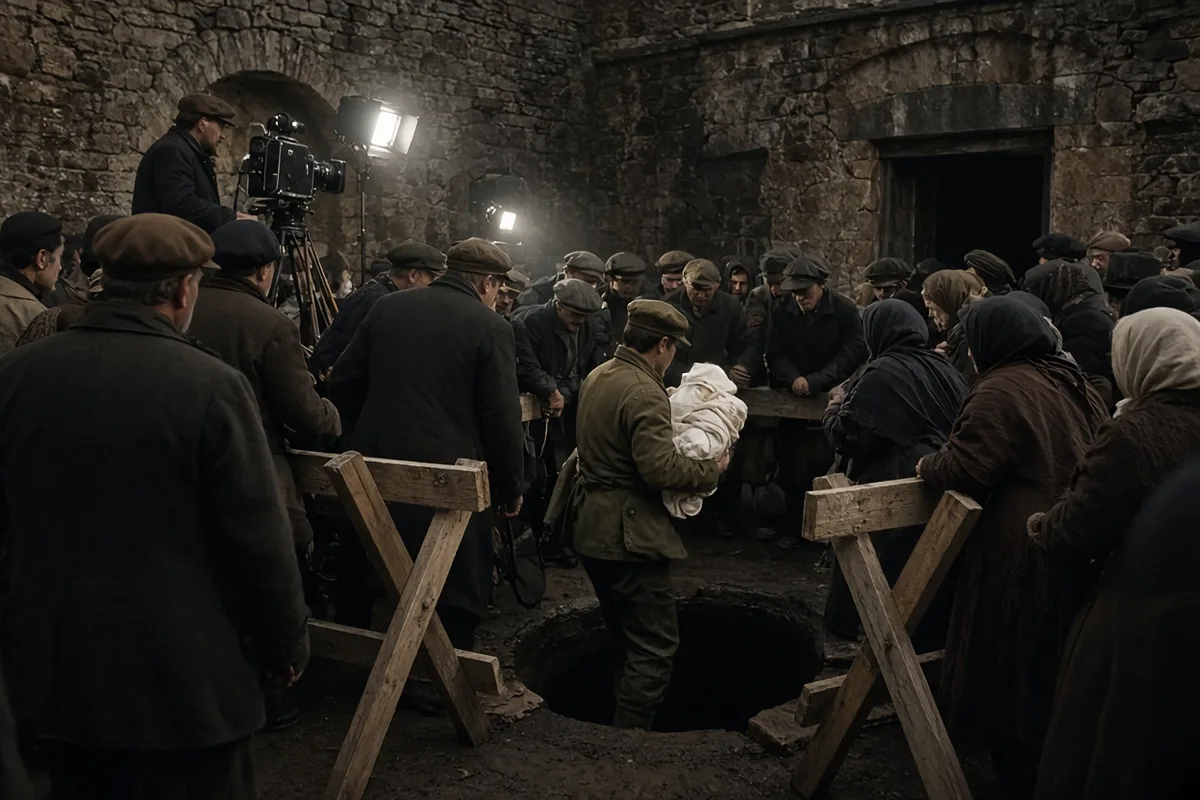
By that afternoon the crowd behind the sawhorses had grown from a dozen to what felt like half the county, and more kept coming. Local television trucks parked their dishes on the shoulder of the road. We worked in shifts, drilling, hauling debris in buckets, and every hour that clock ticked, some of the older hands started doing the math out loud on how long a body that small could go without water, and then somebody would tell them to shut up and drill.
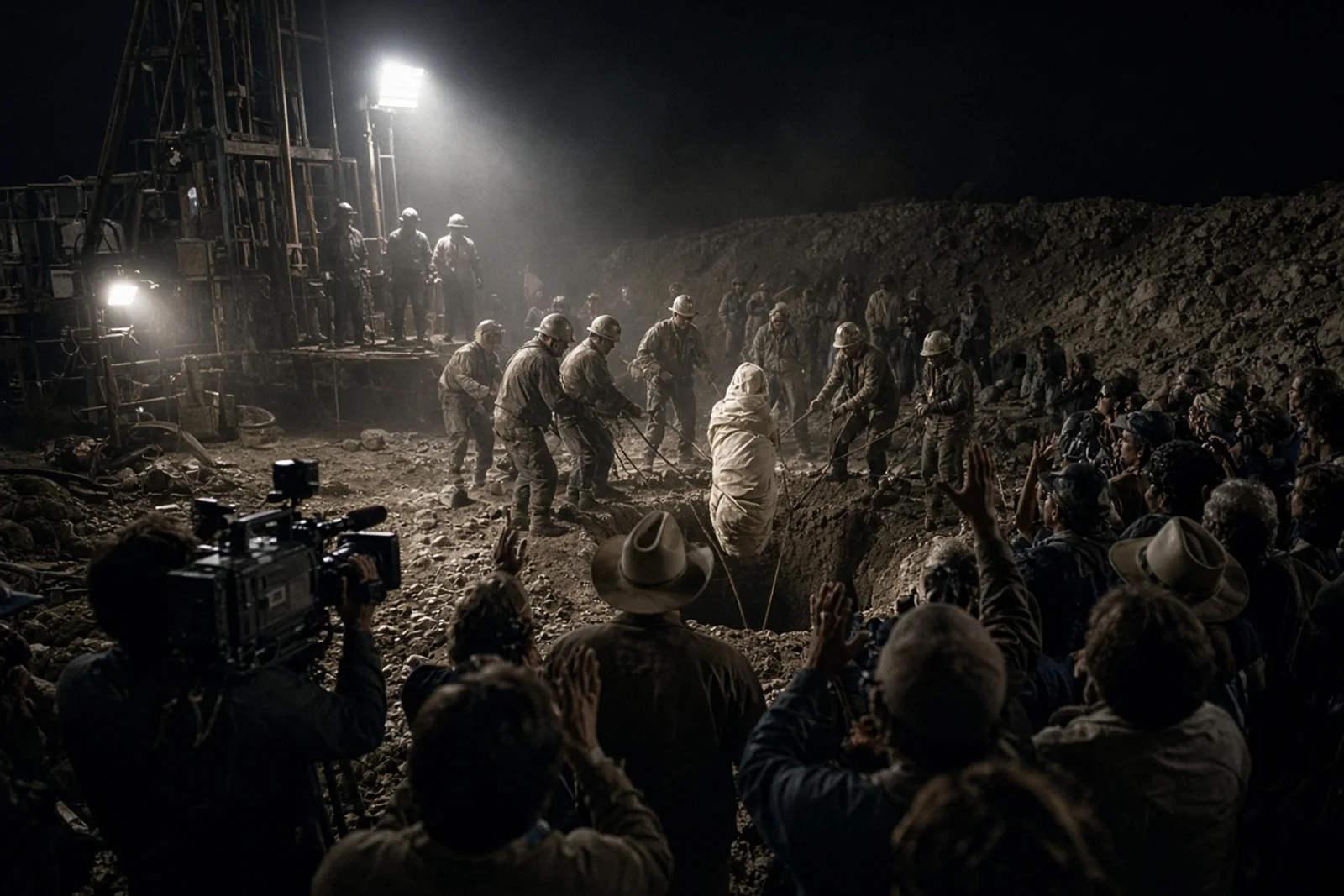
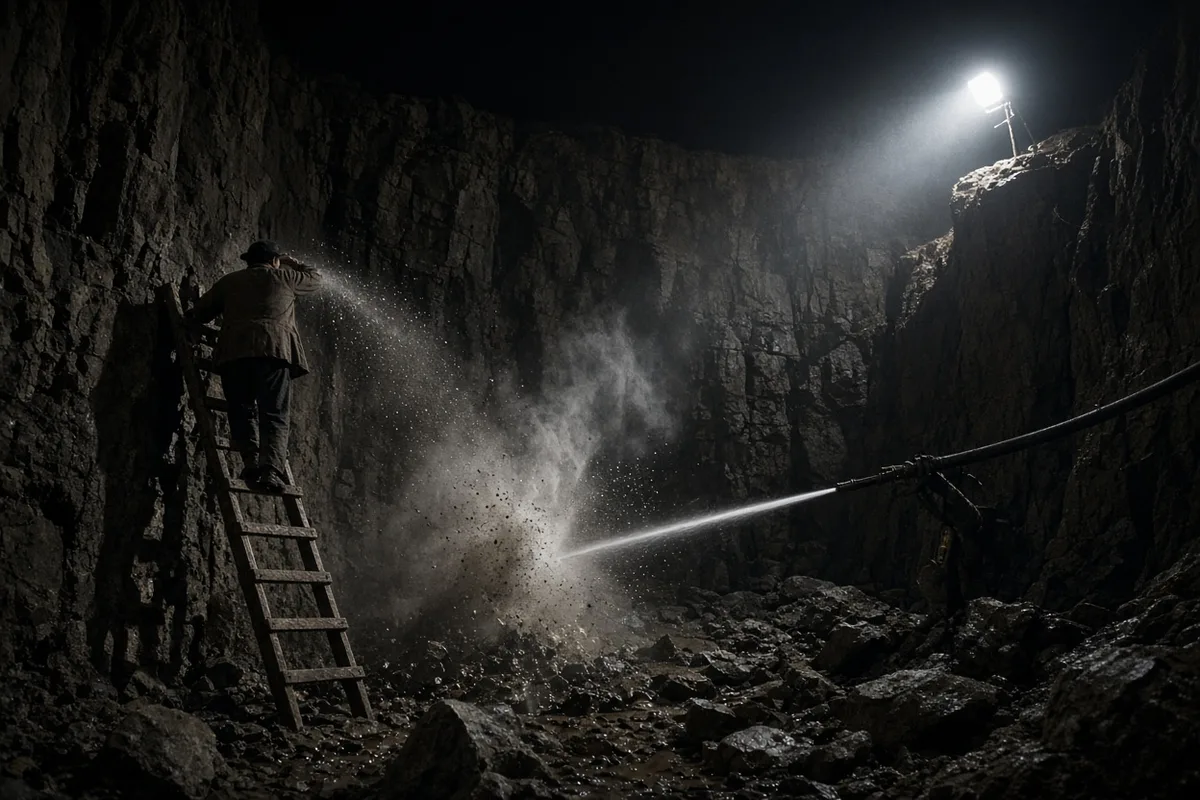
It was sometime in the first night that a mining engineer showed up, and things changed under his direction. He knew angles and rock formations the way we knew pipe threads, and he brought word of a newer method, cutting through stone not with a bit but with a jet of water forced through a nozzle at a pressure that could slice like a blade. Waterjet cutting, they called it. I'd heard of it used in factories. Nobody I knew had used it to save a baby's life.
The water hoses screamed all through that second day, a high thin sound that didn't stop, and men rotated in and out of the shaft on ladders, choking a little on rock dust that hung in the pit like fog even with the water running. My shoulders ached in a way I hadn't felt since roughnecking in my twenties, and I wasn't even the one closest to the hole. Somewhere below us, in a space you couldn't have fit a grown man's chest into without turning him sideways, that little girl was still breathing, still crying sometimes, and once — I heard this from a man who'd just come up, and it about broke him telling it — she was singing. Some song about a bear. Winnie the Pooh. Down there in the dark with her leg bent up over her head, she was singing to herself.
A roofer named Ron Short came forward sometime in that stretch and said he'd go down if they'd let him. He'd been born without collarbones, could fold his own shoulders in on themselves to slip through openings the rest of us couldn't dream of fitting through, and for a while the rescue commanders turned the idea over seriously, weighing what a man built like that might manage in a passage barely wider than a stovepipe. In the end it was a paramedic, Robert O'Donnell, slim enough and steady enough, who they decided would go.
Forty-five hours in, we broke through. The cross-tunnel met the well casing, and for the first time since Wednesday morning there was a straight line, however narrow, however jagged with rock, between the surface and that child. I was standing at the top of the shaft when the word came up, and grown men who'd been running equipment for two straight days sat down right there in the dirt like their strings had been cut.
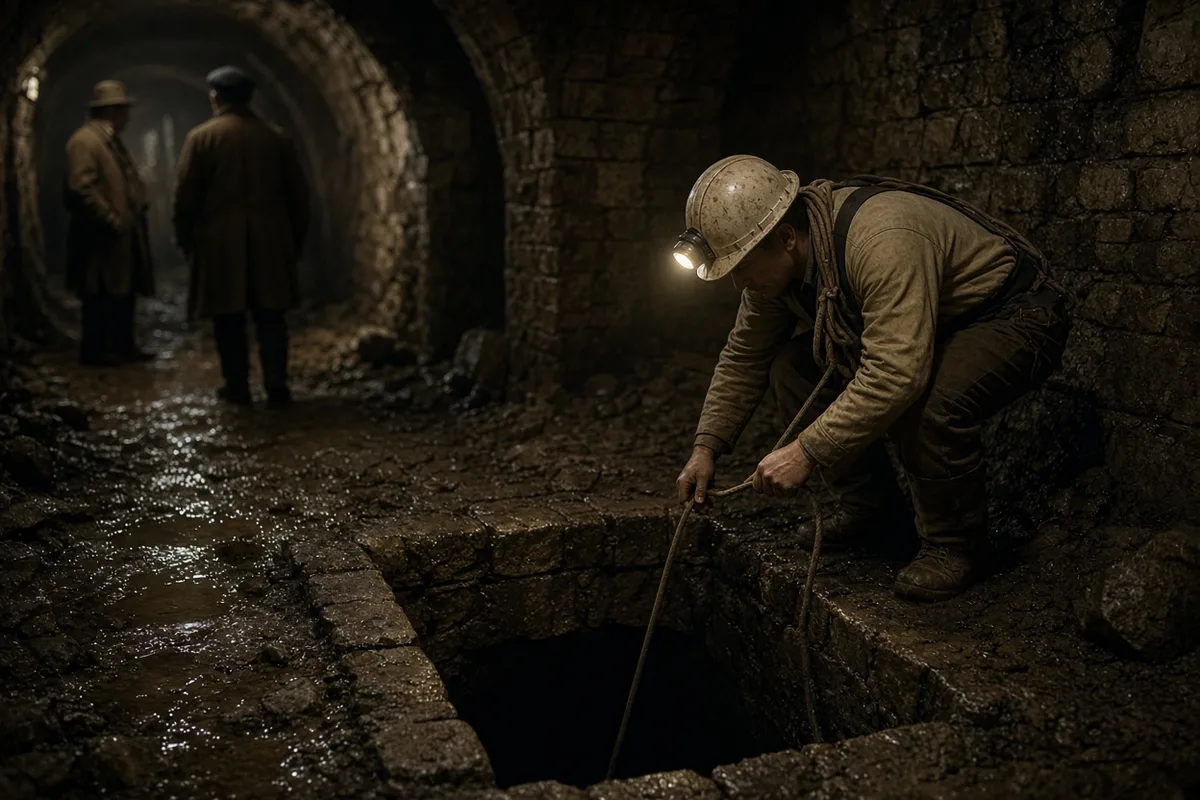
But breaking through wasn't the same as getting her out. The passage was tight, packed with rubble, and Jessica had wedged herself in a position no one could fully picture from above — her right leg drawn up alongside her head, her arms tucked close, jammed into rock that had been closing around her for two days like a fist that never opened. O'Donnell went down into that shaft and started working his way sideways through the last stretch of tunnel, inch by inch, in a space so small he had no real room to use his arms.
Up top we didn't talk much. We just watched the mouth of that shaft, and listened to the men relaying word down the line in low voices — a little further, almost there, hold on — and somewhere a generator kept running that high thin hum underneath everything, the only steady sound in a night that otherwise felt like it was holding its breath.
O'Donnell found her folded into the last few feet of rock, coated in the dust and grit of two and a half days underground, and got his hands around her. Later he'd say her hands were up by the sides of her head and her right foot lay against it, twisted around by the narrowness of the space she'd fallen into. He called her by a nickname somebody had picked up along the way, Juicy, and every time he said it she responded, some small sound or movement that told him she was still in there, still fighting. They worked petroleum jelly over her skin to ease her through the tunnel, used forceps the way a doctor might for a difficult birth, and started her back out the way he'd come.
At the surface, everything changed pitch. Word passed backward through the crowd like current through a wire — they've got her, she's moving, she's coming up — and I found myself gripping the shoulder of a man I didn't even know, both of us leaning toward that hole like leaning could pull her up faster. At 7:55 that evening, Friday, October 16th, fifty-eight and a half hours after she'd fallen, another paramedic, Steve Forbes, came up out of the parallel shaft with Jessica in his arms.
Her face was bloodied under bandages, her head wrapped in gauze from where the casing had scraped her raw, and for one terrible half-second nobody around me made a sound at all, like we were all afraid to believe it. Then it broke, all of it, all at once — men who hadn't slept in two days shouting, crying, slapping each other's backs, a police sergeant named Andy Glasscock standing there with tears running clean down through the dust on his face and not caring who saw it. A man near the cable line said watching her lift her own small hand to wipe at her eye was worth every hour of it, every blistered palm.
They rushed her into a waiting ambulance, her parents, Reba Gayle and Chip McClure, both barely older than kids themselves, close behind her, and somewhere in that chaos a photographer from the Odessa American, Scott Shaw, caught the frame that would end up on the front of newspapers across the country — a picture that would win a Pulitzer the following year, though nobody standing in that dirt lot was thinking about prizes.
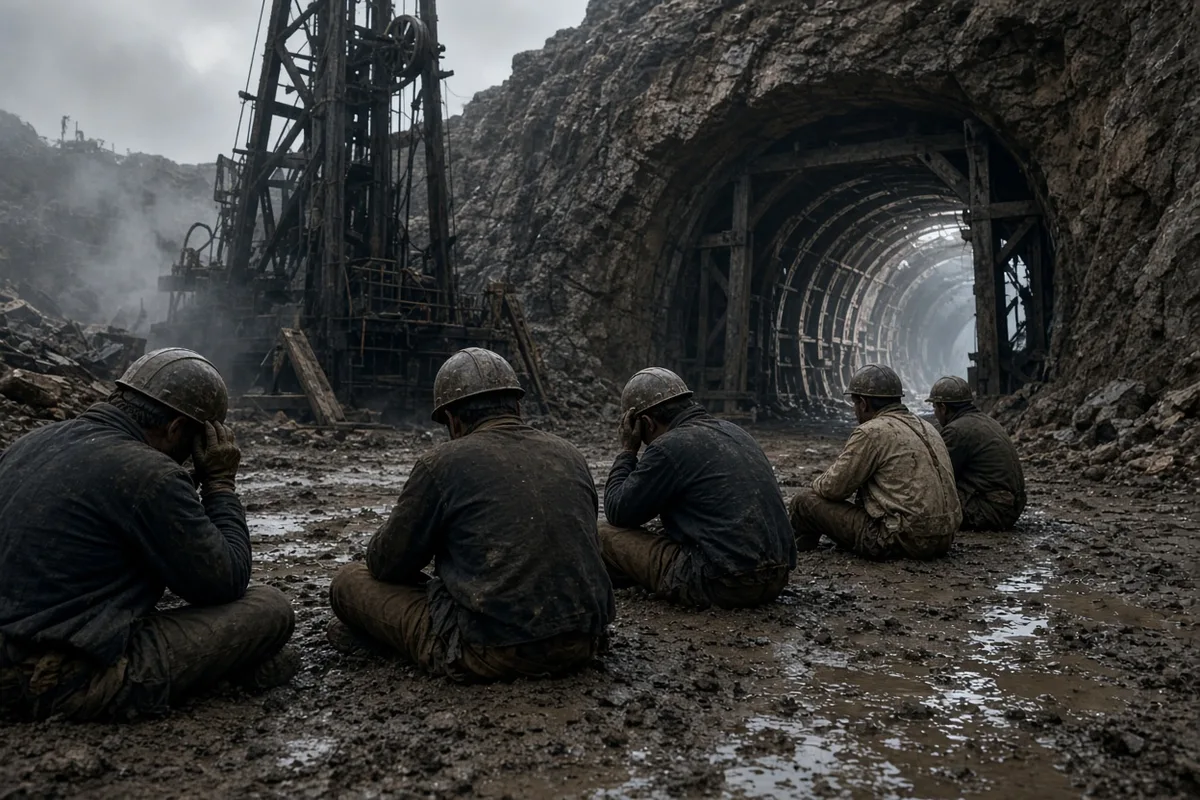
The drillers who'd fought that rock for two straight days propped up a hand-painted sign on their rig afterward. Thank You, America, it read, and then they circled up together, dirty and hollow-eyed, and let themselves finally fall apart a little, cheering and weeping in the same breath.
What had been a local emergency had become, sometime in that second day, something the whole country was watching. All three networks broke into their evening lineups when word came that the tunnel had connected — ABC cutting away from a sitcom with Ted Koppel taking over the coverage, CBS's Dan Rather stopping an hour of prime-time drama midstream, NBC handing the desk to Connie Chung. Up in Minneapolis, inside a domed stadium, a football crowd watching Minnesota play Indiana saw the news flash across the big screen overhead and started cheering for a girl none of them had ever met, in a state most of them had never been to, while their own team went on to lose by a single point and nobody there seemed to mind half as much as they should have.
President Reagan, watching from Washington like everyone else, said afterward that the whole country had become godmothers and godfathers to that child during those fifty-eight hours, and driving home past the empty rescue site the next morning, past the flattened grass and the tire ruts and the abandoned coffee cups, I understood exactly what he meant, because for two and a half days none of us had been strangers to each other. We'd all just been people waiting on the same hole in the ground.
At Midland General the doctors weren't celebrating yet. Jessica had gone fifty-eight hours with her right leg bent up above her head, cutting off circulation, and there was real fear they'd have to take the foot. They put her into a hyperbaric chamber, pumping oxygen into her blood at pressure, trying to save what the well had nearly taken, and that first night back in the world she ate an orange, and then a popsicle — the only food to pass her lips since Wednesday morning. In the end the surgeons managed to save the foot. They lost one toe to gangrene, and left her with a scar across her forehead where the casing had pressed against her skull for two and a half days, a thin white line she would carry the rest of her life, along with fifteen more surgeries down the years to follow.
Robert O'Donnell didn't come out of that shaft the same as he went in. He'd been the one to hold her, to talk her name to her in the dark, to carry the worst of it in his own body afterward in ways nobody could stitch closed. Fame came for him fast and then went just as fast, and what it left behind was a man who couldn't find his footing again. In 1995, eight years after he pulled that child into the light, he ended his own life. Everybody who'd stood at that well that October remembers him for the same forty minutes of his life, and none of us can tell you much about the years after, which is its own kind of tragedy.
Jessica herself grew up an ordinary Midland kid in the extraordinary shadow of her own infancy, graduating from Greenwood High School in 2004, marrying a man named Daniel Morales two years later in a small church out in Notrees, not far from the well that made her briefly the most watched baby in America. She has no memory of any of it — not the fall, not the dark, not the singing, not the hands that finally found her. When she turned twenty-five, a trust fund built from strangers' donations, more than a million dollars once, diminished some by a financial crash she also had no memory of living through, came to her, and she used what remained toward a home of her own, less than two miles from the yard where the ground once opened up beneath her.
I think sometimes about that stretch of pipe, filled in long since, grass grown back over the second shaft, nothing left to mark where half the country once stood shoulder to shoulder in the dark listening for a child's voice. There's no monument out there. Just Texas dirt, doing what Texas dirt does, holding its silence over everything that ever happened on top of it.