


The Rescue of Danish Jews by Fishing Boats
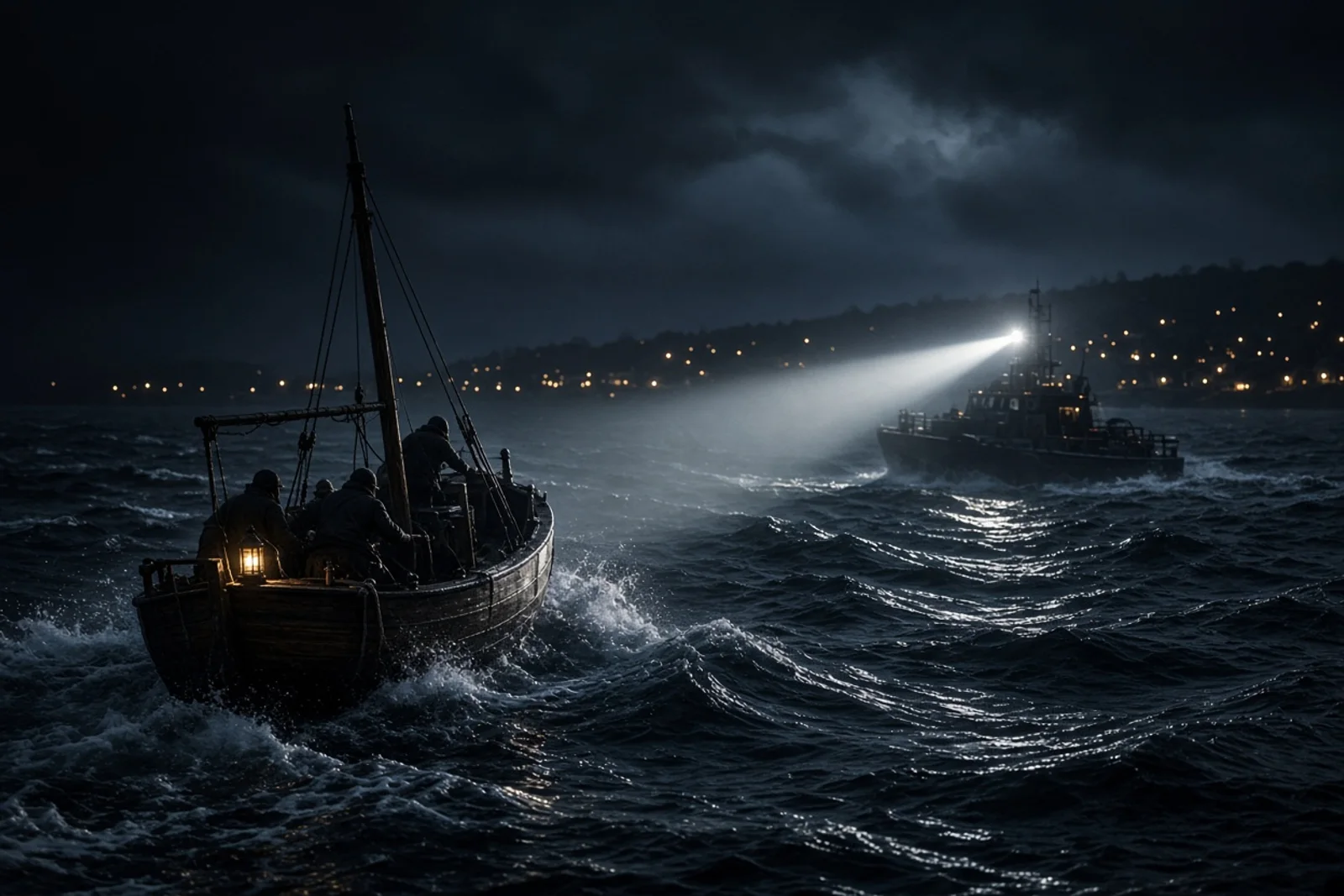
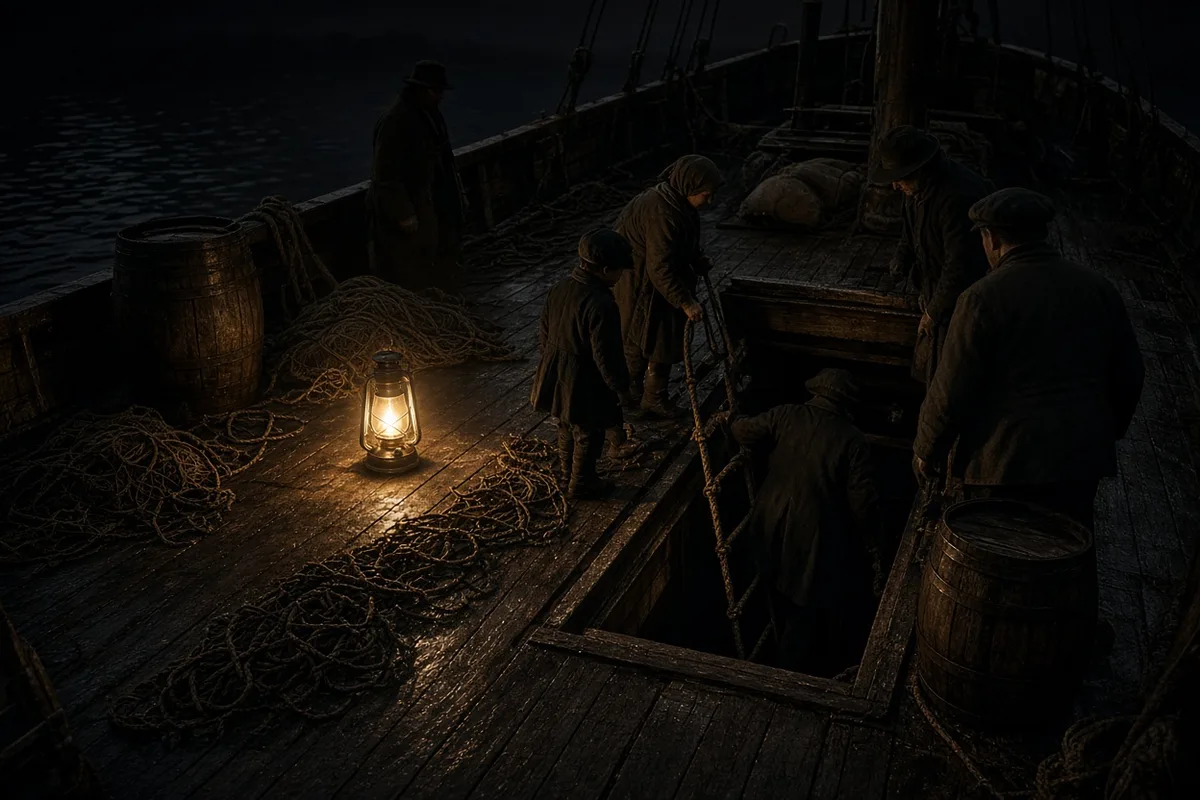
The engine coughed once and died. I killed the running lights and let the hull drift against the pilings while the others listened for patrol boats. Salt air stung my eyes. Someone below deck shifted, cloth against wood, then went still again.
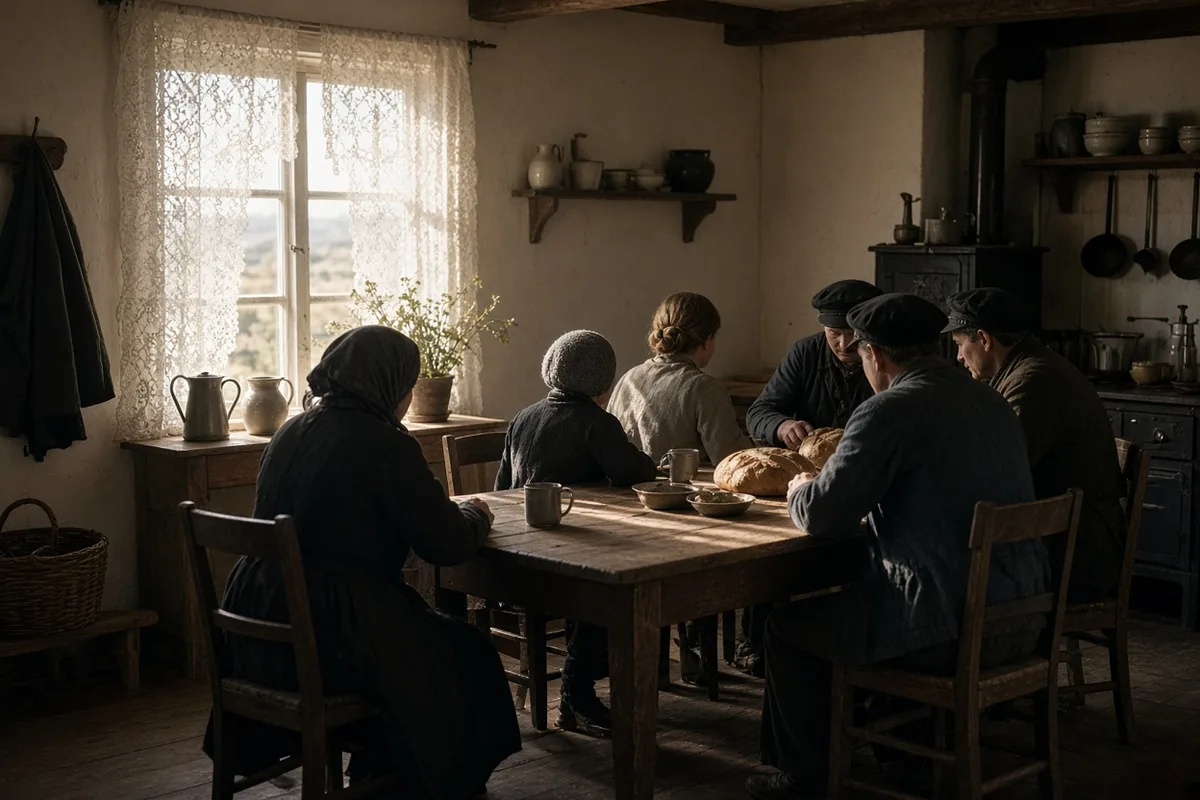
We had taken eleven that night. Two women held a baby wrapped in an oilskin. A boy of six sat on a coil of rope, knees pulled to his chest, watching the water through the hatch. His father kept one hand on the boy’s shoulder and the other on a small suitcase that held their papers and a single photograph. The mother stayed quiet, eyes on the far shore we could not yet see.
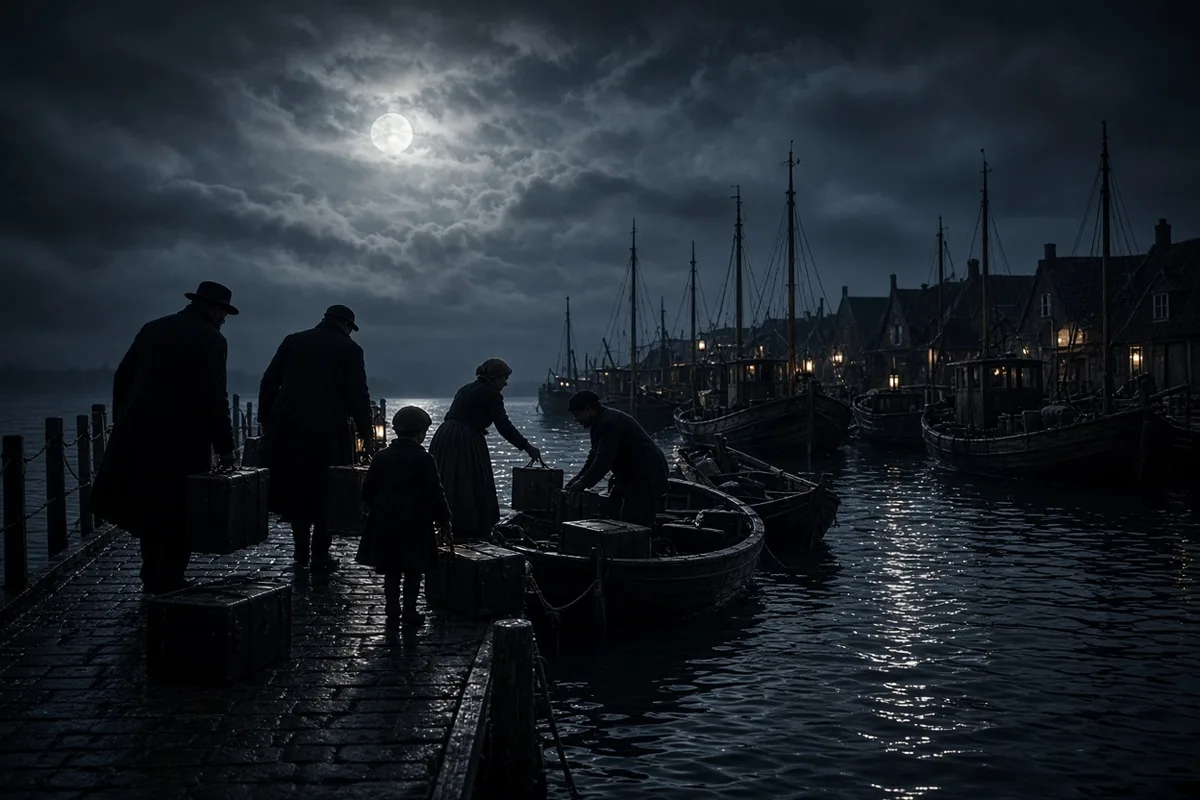
Preben came down the path with two more. He moved without hurry, the way he had learned to move when Germans were quartered in the village. He spoke low to the newcomers, pointed them toward the ladder, and counted heads. When the count reached thirteen he nodded once and stepped aboard himself. The boat settled deeper.

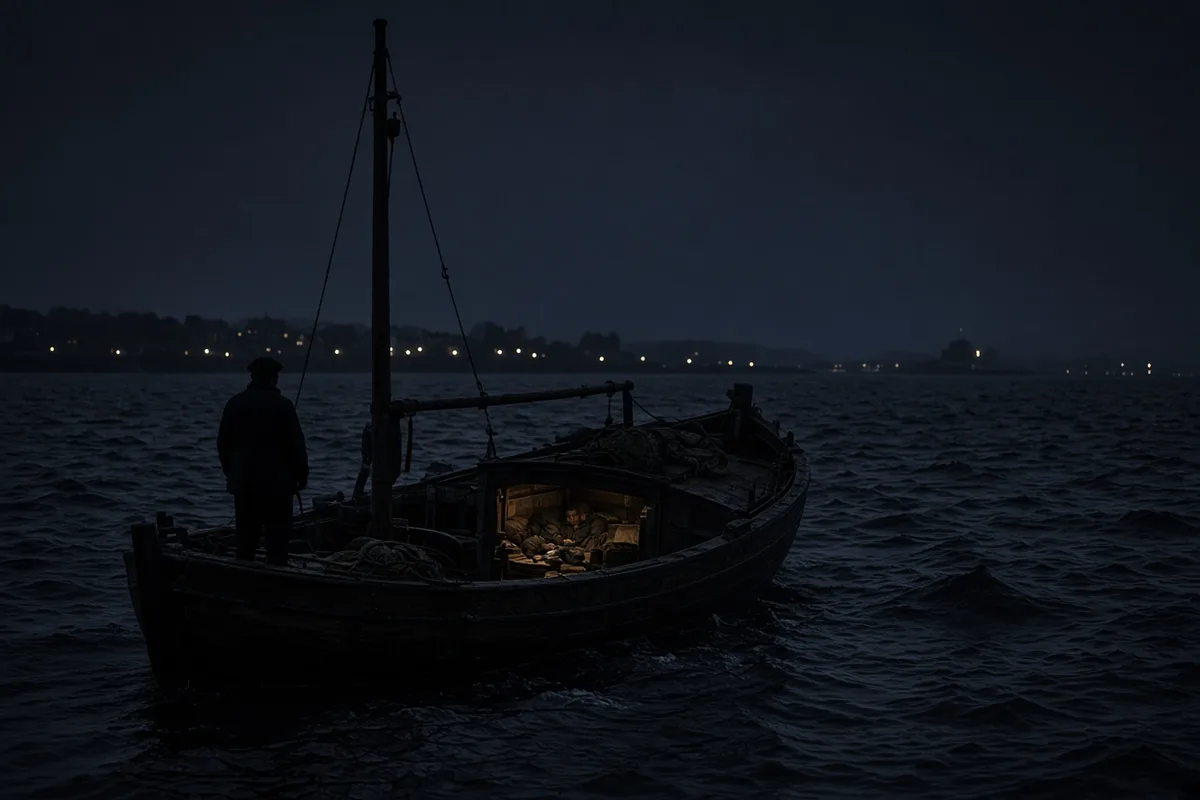
We pushed off before the next patrol cycle. The straits lay flat under a thin moon. Four miles to Sweden. Fifty minutes if the engine held. The boy’s father asked nothing. He only watched the dark line of the Danish coast fall away.
Earlier that week the warning had reached us through the usual chain. A German naval attaché had spoken to a Danish politician, who had passed the word to the Jewish community in Copenhagen. Rabbi Melchior had stood in the synagogue during the New Year service and told the congregation to leave at once. Families packed what they could carry and caught trains south and north, some to Falster, some straight to the fishing villages along the Sound. In Snekkersten the houses near the water filled with strangers who spoke in whispers and waited for dark.
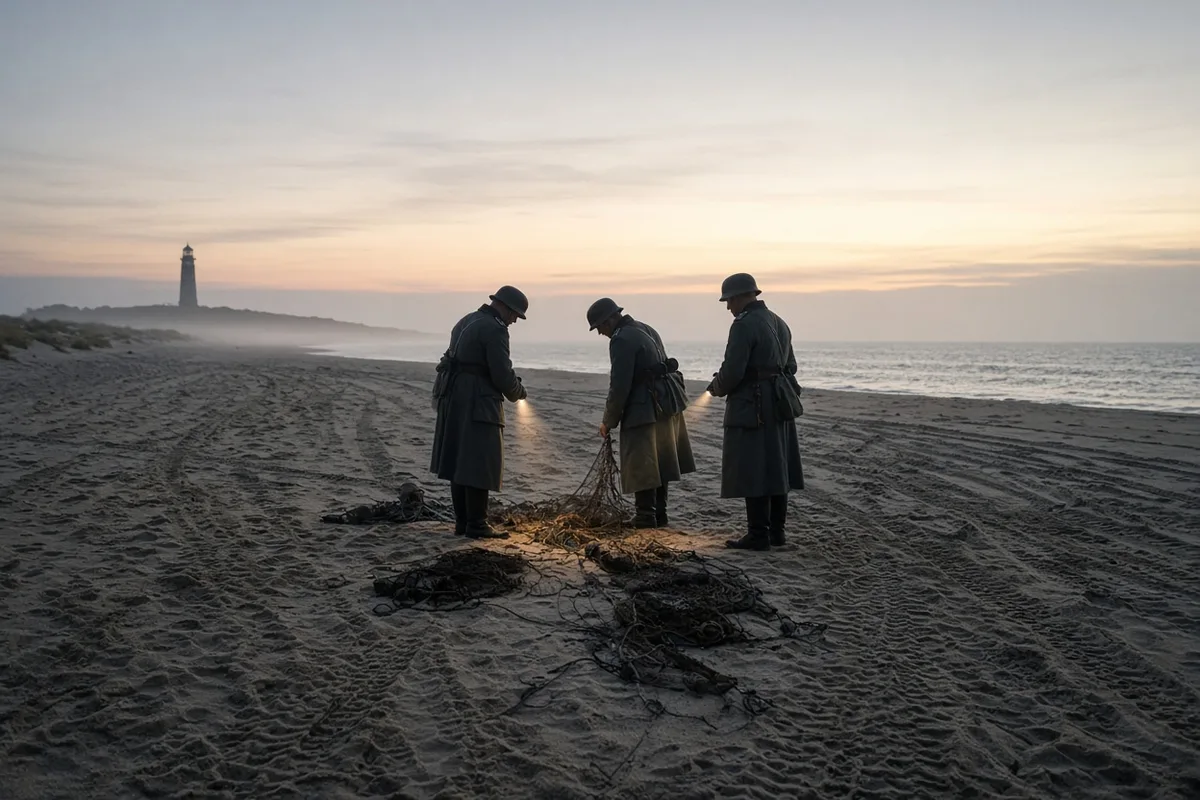
We ran the boats at night because the Gestapo searched by day. We took no more than twelve at a time so the freeboard stayed low enough to look like an ordinary herring boat. Preben kept the list in his head. He never wrote names. When the Germans seized the government in late August he knew the roundups would follow, and they did, on the first night of October.
The boy on the rope coil began to shiver. His mother wrapped a sweater around him without speaking. The engine turned over on the third try and settled into its steady knock. Spray lifted over the bow and ran down the deck. No one complained.
A larger boat passed us going the other way, lights doused, low in the water. We did not signal. Each crew worked its own stretch of coast. Some used rowing boats when the engine fuel ran out. A few swimmers reached the Swedish side on their own, though most did not try. The water stayed cold even in early autumn.
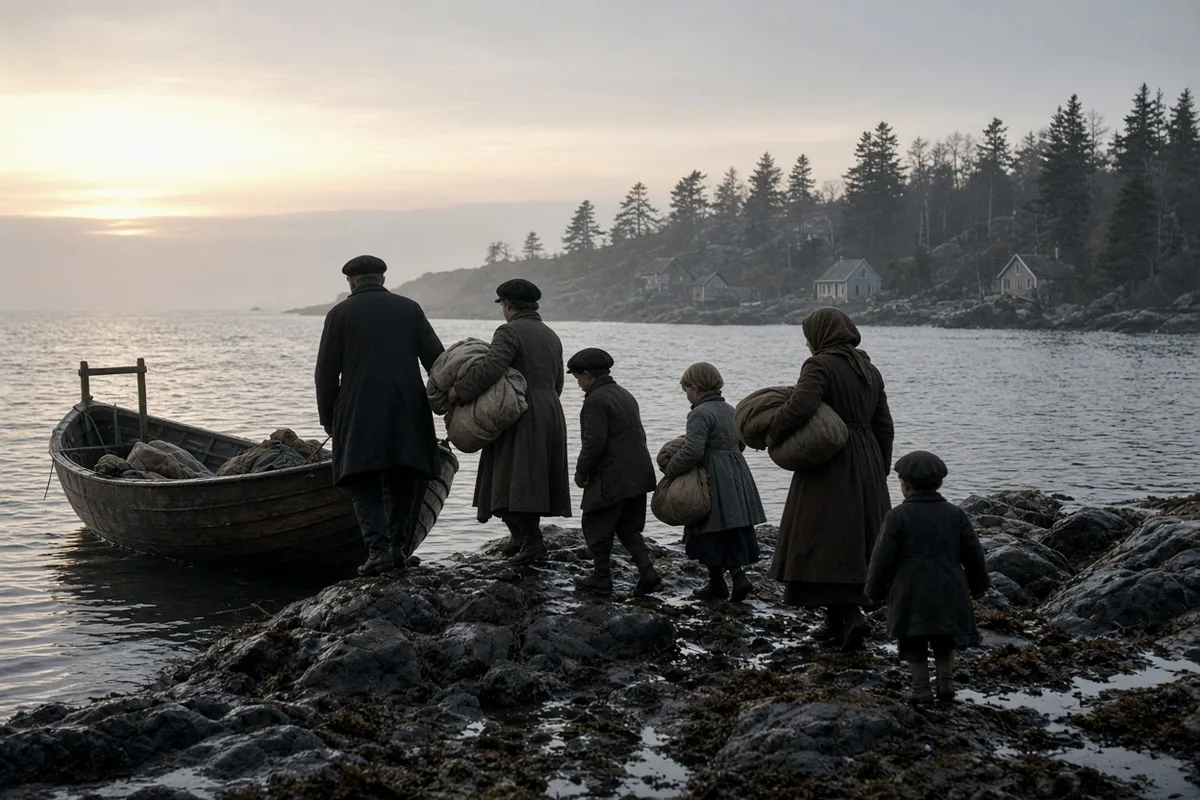
We made landfall at a narrow inlet north of Helsingborg. Swedish police waited on the beach with blankets and coffee. They counted us again, wrote the names in a ledger, and directed the adults toward a train that would carry them farther inland. The boy’s father lifted the suitcase and set it on the platform. The boy looked back once at the boat, then turned and followed his parents.
We crossed again before dawn. Fourteen this time. An old man who could not climb the ladder had to be lowered in a sling. Preben stayed on the Danish side to guide the next group. He told me he would come across himself if the Germans closed in. He did, two weeks later, after they caught one of the other couriers.
By the end of the month more than seven thousand had crossed. The fishing fleet worked every night the weather allowed. Some boats made the run four times in a single darkness. The Germans searched houses and harbors but found the shore empty when they arrived. The Danish police looked the other way or helped load the boats.
I returned to Snekkersten in the spring of 1945. The village looked smaller than I remembered. Preben stood on the same pier, thinner, his hands still steady. We did not speak of the crossings. We spoke of nets and engines and the price of herring. The boy who had sat on the rope coil was in school again in Copenhagen. His parents ran a small tailoring shop. Bent Melchior, the rabbi’s son, had reached Sweden on a different boat and later returned to Denmark. Tove and her family came back the same spring I did.
The boats still left at dusk when the season allowed. They carried fish now, not people. The water between the two shores looked the same as it had in October 1943, flat under the thin moon, four miles across.
The water between the two shores looked the same as it had in October 1943, flat under the thin moon, four miles across. On 3 June 1946 Preben and I took the same hull out for herring again, this time with a crew of four from Snekkersten and a new Volvo Penta engine that turned over without the old cough. He kept the list in his head still, though now it held only the names of buyers in Helsingør and the dates when the price per ton had risen from 180 kroner to 210. That morning he pointed to a spot two cables off the Swedish buoy and said the old man in the sling had been lowered right there, naming him as Isaac Levin from the Gothersgade tailor shop, who later wrote from Lund on 9 October 1943 that the Swedish Red Cross had given him a coat and a train ticket to Stockholm. Preben never wrote anything down even then.
By the spring of 1948 the same inlet north of Helsingborg had a new concrete ramp built by the Swedish port authority, and the police ledger from the first landings was stored in a wooden cabinet in the town hall records room. I crossed on the ferry that year with Preben to visit the family of the boy who had sat on the rope coil. The father, whose name was Samuel Cohen, showed me the suitcase still holding the photograph, now framed on the wall of their flat on Regementsgatan. Cohen said the tailoring shop on Studiestræde had reopened on 15 May 1945 with two sewing machines bought on credit from a wholesaler in Malmö, and that the boy, now eleven, attended the Jewish school on Ny Kongensgade where classes had resumed with thirty-seven pupils. Preben asked only about the price of wool thread and whether the engine parts he needed could be ordered through the same Malmö supplier.
In October 1953 the Danish parliament passed the restitution law that returned frozen bank accounts to the families who had crossed, listing 5,812 individuals by name in the official register printed by the Ministry of Justice. Preben received a letter from Bent Melchior, then studying theology in Jerusalem, dated 12 November 1953, in which the rabbi’s son described how his own crossing on the fishing boat *Dagmar* had taken three hours because of engine trouble off Hornbæk on the night of 1 October 1943. Melchior wrote that his father, Marcus, had kept the congregation list in a notebook that was later buried in the garden of the synagogue on Krystalgade and dug up again on 5 May 1945. Preben read the letter aloud on the pier while we mended nets, then folded it into the pocket of his oilskin without further comment.
The village of Snekkersten recorded 142 crossings between 1 October and 20 October 1943 in the log kept by the local resistance cell, though Preben said the real number was higher because some boats from Gilleleje had used the same stretch of coast when their own fuel ran out. One of those boats, the *Else Marie*, carried fourteen passengers including Tove Adler and her two daughters on the night of 8 October; Tove later returned to Copenhagen and opened a bookshop on Fiolstræde that stocked the Swedish newspapers she had read in exile. On 22 April 1957 Preben and I met her at the shop when we delivered a crate of smoked herring. She showed us a photograph taken on the beach at Helsingborg of the Swedish police officer who had written her name in the ledger, a man named Lars Holmgren, who had retired in 1952 and sent her a postcard from his cottage in Värmland.
By 1963 the fishing quotas set by the new Common Market rules limited each boat to eight tons of herring per week, and Preben’s hull was refitted with a larger hold that could no longer hide twelve people below deck. He sold the boat in 1968 to a younger crew from Helsingør and bought a smaller motor launch used only for day trips. On 4 September 1973 he stood on the same pilings at dusk and watched the lights of a Swedish ferry pass, then told me that the Gestapo patrol that had caught the other courier in 1943 had come from the barracks on Strandvej and had searched every house on the harbor road before leaving empty-handed on the morning of 2 October. Preben died on 17 February 1979 in the same cottage where he had hidden the first group from Copenhagen, and the death notice in the local paper listed the date of his own crossing as 18 October 1943.
The Jewish Community Center on Ny Kongensgade marked the fortieth anniversary in 1983 with a display of the original warning telegram sent by Duckwitz on 28 September 1943, the text reproduced from the copy held in the Danish State Archives. Bent Melchior, by then chief rabbi, spoke at the event and read the names of the fourteen people lowered in the sling, including Levin, whose tailoring shop on Studiestræde had closed in 1971 after his death at age eighty-four. The center’s archive holds the train tickets issued in Helsingborg for the inland journey, each stamped with the date 2 October 1943 and the destination city of Uppsala or Göteborg.
In the winter of 1992 the last surviving member of the Snekkersten crew, a man named Knud Hansen who had steered on the night we took the eleven including the woman with the baby, returned to the pier with his grandson. Hansen, then eighty-one, pointed to the place where the hull had drifted against the pilings and said the baby had been named Ruth Cohen, born in Lund on 19 November 1943. He left a single photograph on the bench, showing the boy from the rope coil at age nineteen, standing beside the reopened synagogue doors on 9 May 1945. The water between the two shores remained four miles across under the thin moon, and the fishing boats still left at dusk when the season allowed.
In March 2003 the Snekkersten harbor authority installed a bronze plaque on the original pilings, inscribed with the names of the fourteen crew members who had worked the Sound that October, including Preben’s entry dated 18 October 1943 and Knud Hansen’s note that the engine on the *Else Marie* had been replaced on 6 October with a spare from Helsingør. The plaque also recorded the exact distance logged on each run, 4.1 nautical miles to the Swedish buoy, and quoted a line from Isaac Levin’s 1943 letter held in the Lund archives: “The coat they gave me at the Red Cross station still hangs in my cupboard.” I stood beside the plaque with Hansen’s grandson, now thirty-four, who carried the same photograph his grandfather had left on the bench eleven years earlier.
On 1 October 2008 the Jewish Museum in Copenhagen opened an exhibit of the original ledger pages from Helsingborg, showing Ruth Cohen’s entry as an infant on 9 October 1943 and the train ticket issued the following day to her mother for the journey to Lund. The museum label noted that Samuel Cohen’s tailoring shop on Studiestræde had closed its books on 31 December 1970 after recording a final sale of 47 kroner for a length of black wool. Bent Melchior attended the opening and spoke for twelve minutes about the notebook his father had buried behind the Krystalgade synagogue, adding that the pages listed 1,872 families warned on 29 September 1943.
The boy who once sat on the rope coil, now known as David Cohen, returned to Denmark in September 2012 for the first time since 1945. He visited the pier at dusk and pointed to the spot where the hull had settled against the pilings, telling the harbor master that his father had kept the suitcase under the seat of the sewing machine in the shop until the day he died on 14 April 1984. David Cohen left a copy of the 1945 synagogue photograph with the current crew, who placed it in a glass case beside the new Volvo engine.
In the records room of Helsingborg town hall the 1943 police ledger was digitized in 2015, revealing 3,214 individual names entered between 1 and 20 October, among them Tove Adler’s entry on 9 October with the note “two daughters, ages four and seven.” The digital file also preserved Lars Holmgren’s signature on each page and the date he retired, 30 June 1952. Preben’s nephew, who took over the smaller launch in 1979, requested a copy of the entry for Isaac Levin and received it on 22 November 2015.
Ruth Cohen, the infant lowered in the sling, visited Snekkersten on 7 October 2018 with her own daughter. She stood on the concrete ramp and read aloud the line her father had written in a letter from Lund dated 11 October 1943: “The water here is warmer than the Sound but the light on the water is the same.” She placed a single herring scale from the 1943 catch, preserved in an envelope by her mother, on the bench where Knud Hansen had left the photograph.
The last member of the original Snekkersten crew, a man named Erik Larsen who had rowed the final trip on 19 October 1943 when fuel ran out, died on 12 August 2021 at age ninety-seven in the cottage on Strandvej. His obituary in the local paper listed the names of the twelve passengers he had brought across that night and quoted his own words from a 1997 interview: “We counted heads at the Swedish buoy and turned back before the patrol boat rounded the point at Hornbæk.” His grandson now keeps the boat’s logbook in a drawer at the harbor office.
On an evening in late September 2023 the current crew of the refitted launch left the pier at the same hour as the 1943 boats. The grandson of Knud Hansen, now forty-nine, stood at the wheel and checked the freeboard the way Preben had done, counting the twelve plastic crates of herring stacked below deck. He carried the 1945 photograph in the pocket of his oilskin and glanced once at the thin moon before the engine settled into its steady knock.