



The right to play: displaced by conflict
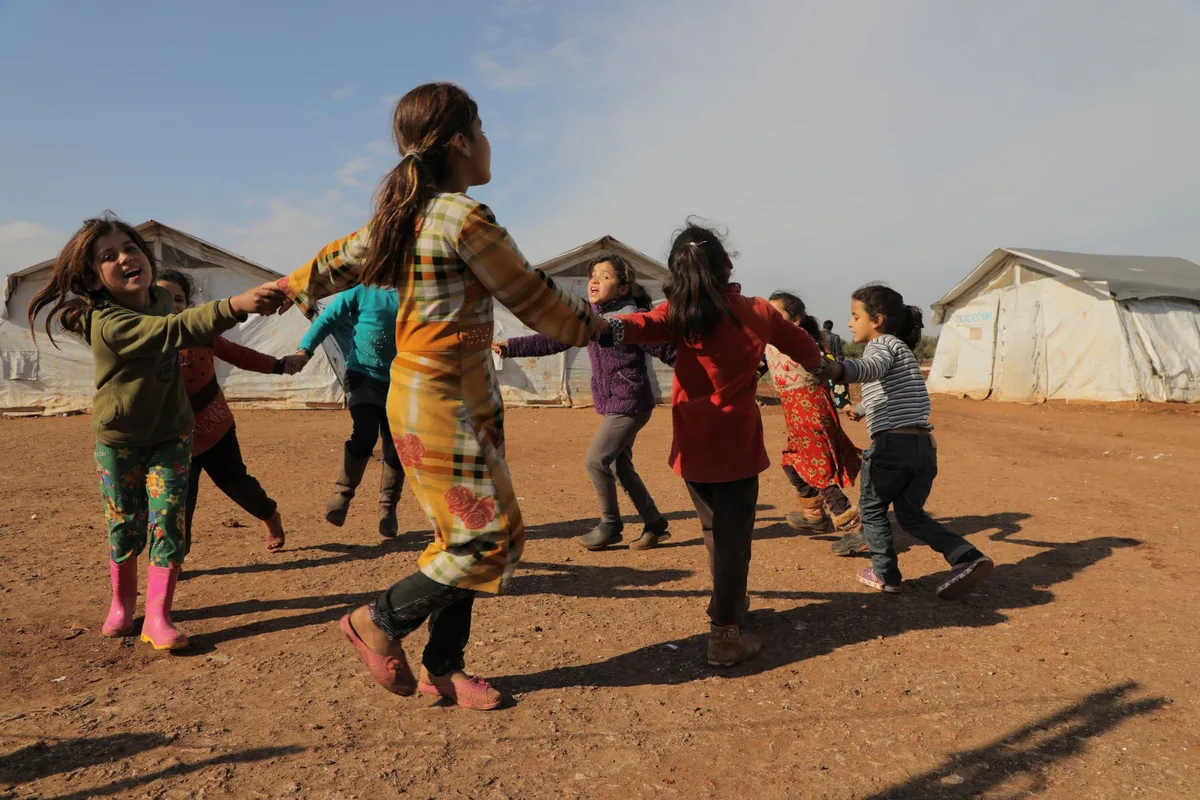
Hamza, a ten-year-old boy living in the Nahr el-Bared refugee camp in northern Lebanon, rarely spoke and stayed away from other children when he first entered school at age six. He had never held a pencil or opened a book before that point. Through the Enhancing Quality and Inclusive Education programme run by Right To Play, he received speech therapy and joined group activities that let him draw, tell stories and act out feelings. One game asked children to show an emotion while others guessed it. Over the next year Hamza learned to write his name and recognise letters, and he formed friendships. Four years later he took part in class on his own and told his teacher he wanted to become a dentist. Nearly fifty million children had been forced from their homes by conflict and violence by the end of 2024, according to Unicef, almost three times the number recorded in 2010. Many live in crowded camps where schools close and open space is scarce, leaving little room for ordinary childhood routines. Racha Nasreddine, country director for Lebanon at Right To Play, notes that play in these settings is structured to let children become active in their own learning and to restore a sense of control after war disrupts daily life. Catalytic Action works with children to design playgrounds in places such as the Bersive refugee camp in the Kurdistan region of Iraq. Local drawings and workshops shape features like benches that double as jumping platforms, wall holes for hide-and-seek, swings, monkey bars and sensory elements including speaking pipes and a xylophone. Playrise builds modular structures that can be moved and changed with attachments such as hammocks, drums and hopscotch markings. The first prototype is headed to a camp in Aysaita, Ethiopia, after children in Ethiopia and Egypt helped shape the designs. Ariana Mouyiaris Meininger of Playrise points out that in conflict zones children often take on adult responsibilities early, and these projects aim to keep play central for them.
Where do you stand?