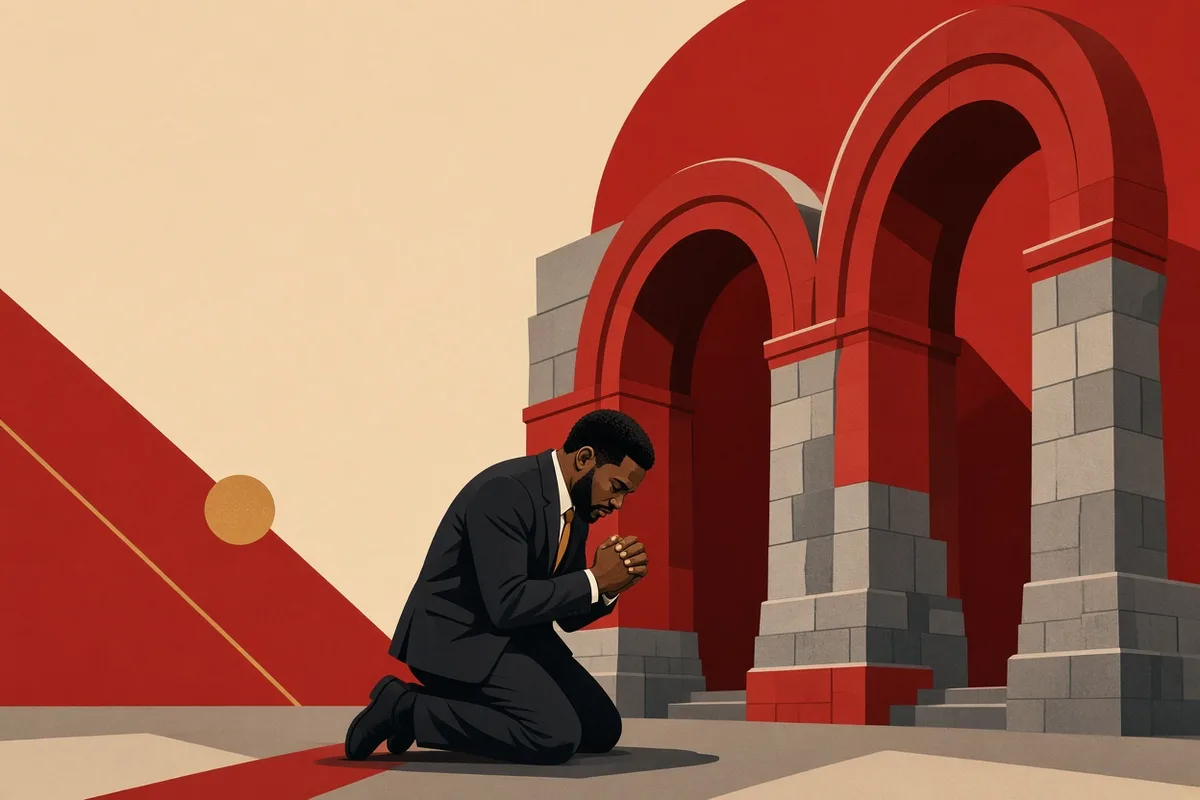



The Samaritan's Purse Founder Bob Pierce
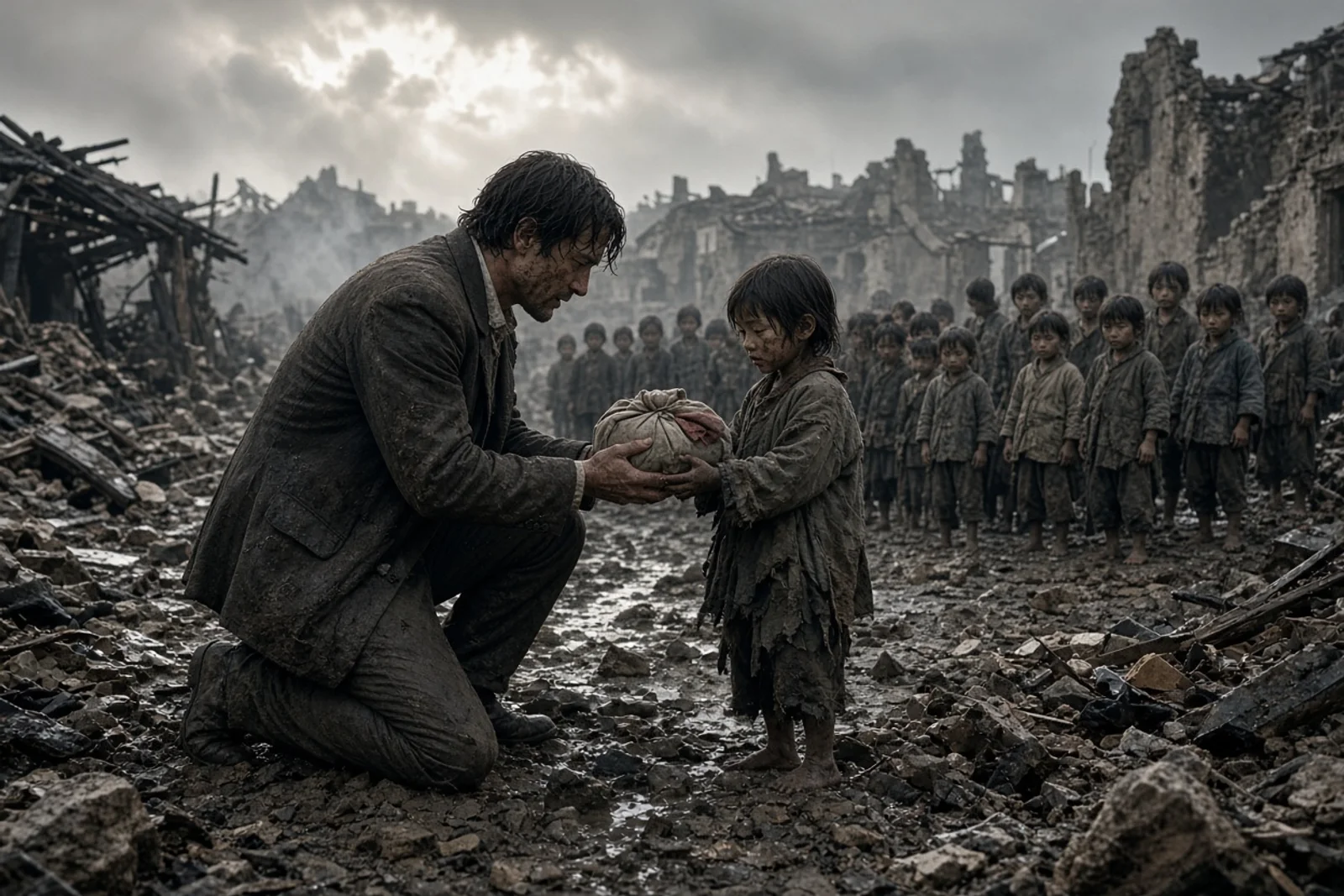
The dust still hung in the air from the last truck convoy when Tena stepped out of the mission doorway holding the girl by the hand. The child’s face was streaked with dried mud and something darker near the ear. Her left foot dragged. Tena looked straight at the tall American who had just finished preaching and said the words that stopped everything else.
I stood three paces behind Pierce, holding the canvas satchel that carried his film reels and the small ledger where he wrote names. The morning was cold for Seoul in early spring, the wind cutting across the river and lifting the edges of the straw mats people used for shelter. Pierce had been up since before light, arguing with a supply sergeant about rice that never arrived. Now he turned, and the girl looked up at him without blinking.

He reached into his pocket and pulled out the last folded bill he carried. Five dollars. He pressed it into Tena’s palm and told her he would send the same amount every month. The girl did not smile. She simply leaned against Tena’s leg as if the standing itself had become too much. I watched Pierce’s hand stay on the money a moment longer than necessary, as though he were afraid to let go of the only thing he still owned outright.
That night the generator coughed and the projector threw its square of light against the side of a half-standing school. Pierce ran the film he had shot in the refugee camps outside the city. Children with bowls, mothers holding infants wrapped in newspaper, a line of boys carrying water past a crater where a church had stood. He narrated in a voice that cracked on certain sentences and never recovered. When the lights came back on, men and women from the churches that still met in tents opened their purses and passed forward whatever they had.

Kyung-Chik Han stood at the edge of the crowd and translated the last appeal into Korean. His own church had already taken in twenty-three children that week. He and Pierce spoke quietly afterward, heads close, while the projector cooled. Han said the need was not going to shrink when the fighting stopped. Pierce nodded once and asked how many names could be written down before the next boat left.
I carried the ledger for the next three weeks while Pierce moved between Seoul and the southern camps. Each evening he added columns for food, medicine, and the monthly pledge he had made to Tena. The numbers grew faster than the money coming in from the churches back home. He began writing letters on whatever paper he could find, sometimes on the backs of military maps. One letter asked for twenty dollars a month for a boy whose ribs showed through his skin. Another asked for ten for a girl who had lost both parents on the road from Pyongyang.

By summer the organization had a name and a board that met in a borrowed office above a tailor shop. Pierce flew to the States with new reels and returned with checks that barely covered the pledges already made. Han kept the distribution lists in Seoul, marking each child’s location and the name of the American who had agreed to write. The system was simple and already breaking under its own weight.
Pierce kept traveling. Ten months out of every twelve. He slept on planes and in mission guest rooms that smelled of kerosene. When he came back to Korea he moved differently, as if the ground itself had become temporary. Han noticed but said little. The work was expanding into other countries now, and the films were reaching more churches than either man had expected.
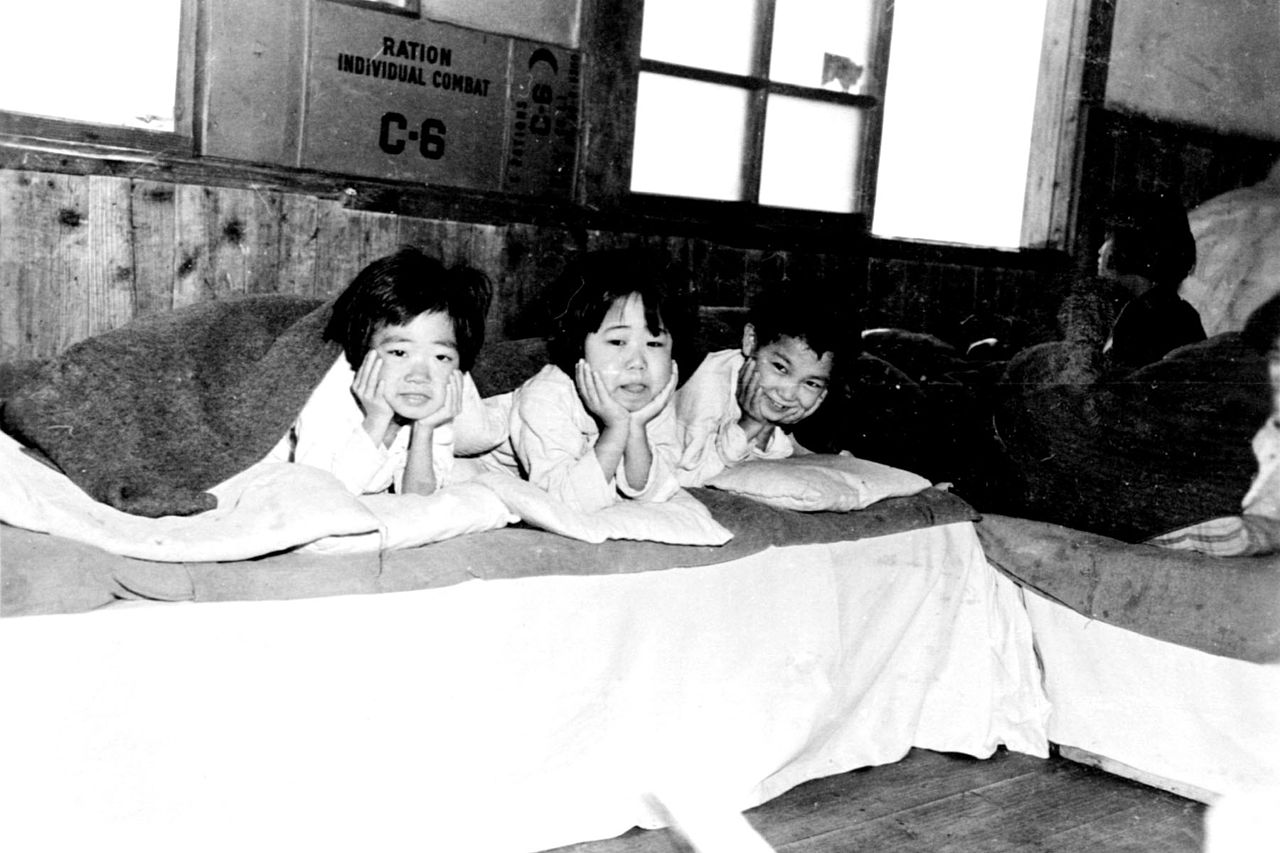
I stayed with the lists. Over the years I watched the original five-dollar pledge turn into thousands of names. Pierce’s handwriting changed when the cancer started. The letters grew shorter, the signatures harder to read. He resigned from the larger organization in 1967 and took a smaller hunger group that later became Samaritan’s Purse. The same urgency remained, only narrower.
His daughter Sharon died in 1968. I heard about it from Han, who had received a single telegram. Pierce was in Switzerland by then. He and his wife had already separated. The family gathered once more in September 1978. Four days after that meeting he was gone.
The girl Tena had shown him never learned his name. She grew up, married, and raised two children of her own in a small house outside what is now a rebuilt district of Seoul. The monthly support stopped when she turned eighteen, as the original agreement required. By then the organization he started had offices on three continents and a mailing list that filled warehouses.
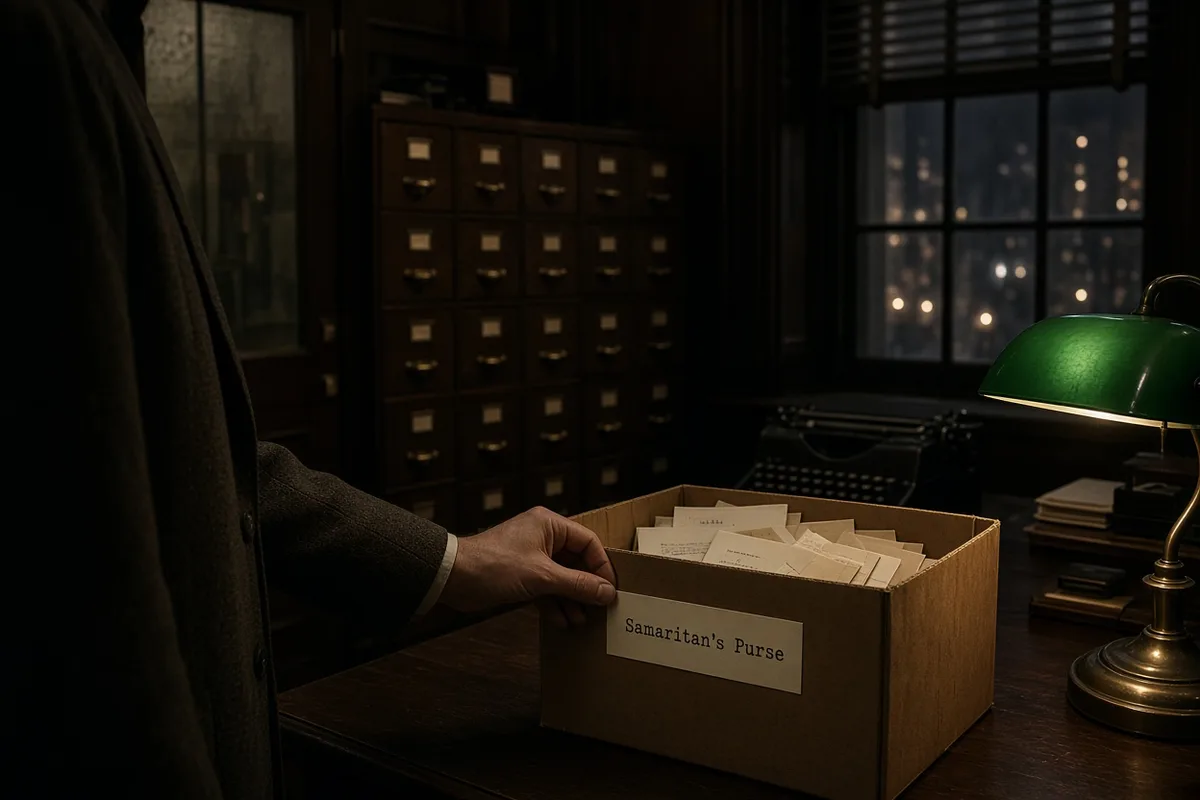
I still keep the old ledger in a metal box under my bed. The first page has only one entry, written in pencil that has faded to the color of the paper itself: one child, five dollars, every month. The rest of the pages are filled with names I stopped counting long ago.
The months after the Lausanne telegram brought Franklin Graham to the Boone office on a Tuesday in January 1979, where he signed the first new field report authorizing a C-130 flight from Miami to Tegucigalpa carrying 18,000 pounds of antibiotics and powdered milk. The manifest listed Dr. William Harrison as team leader and noted the arrival date of 14 February at Toncontín airport, where the cargo was met by Pastor Roberto López and distributed at the Colonia Kennedy shelter that same afternoon. Graham’s note in the margin read, “Send the next load before the rains,” and the board approved an additional $47,000 for three more flights by the end of March.
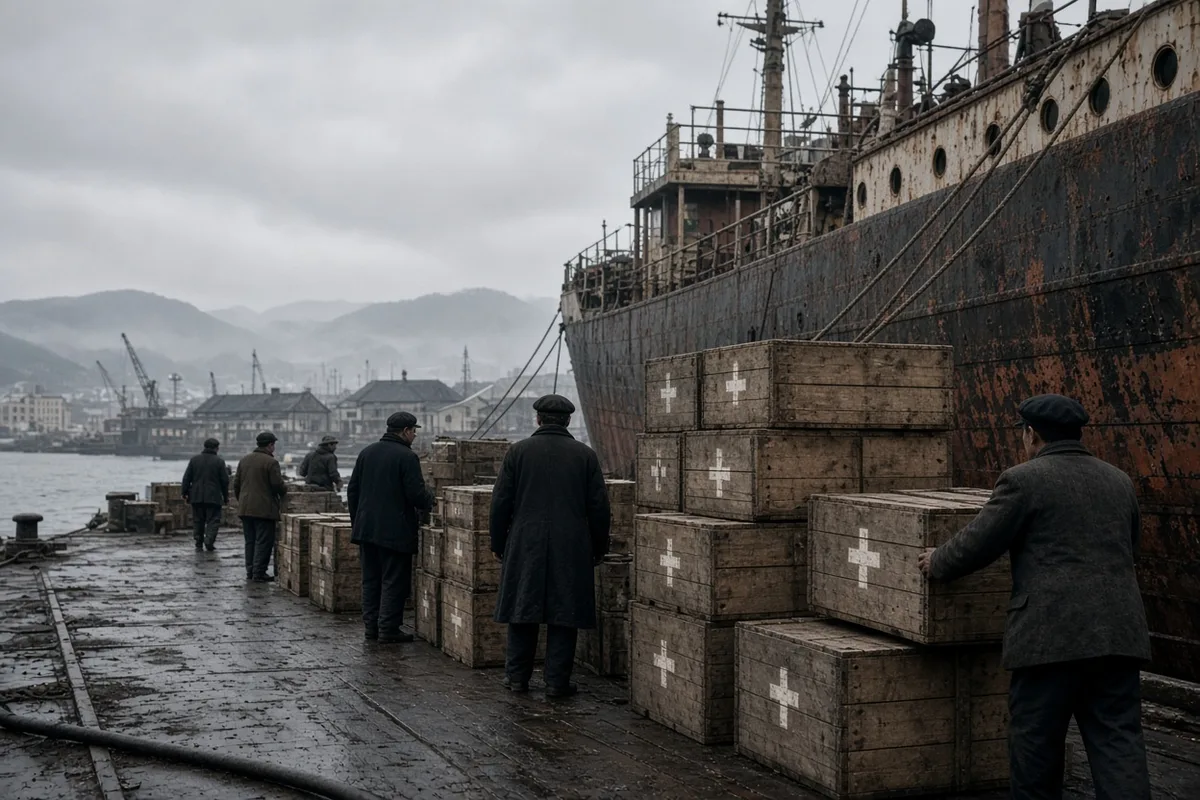
By 1982 the same ledger system had been copied into a computer file at the new warehouse on Highway 105, with 3,412 active sponsorships recorded for children in Honduras, Guatemala, and El Salvador. On 3 June 1983 the first team from Samaritan’s Purse reached the refugee camp at San Pedro Sula, where nurse Mary Ellison recorded 214 vaccinations in a single day and wrote back that the measles outbreak had already claimed seven children under five. The following spring the organization chartered a DC-8 to Addis Ababa, landing on 11 April 1984 with 42 tons of grain and a medical kit that included 9,000 doses of rehydration salts; Dr. Kenneth McMillan logged the temperature at 104 degrees Fahrenheit inside the cargo hold upon arrival.
In 1993 the first Operation Christmas Child shoeboxes left Boone on 14 November, 28,000 of them, each containing a bar of soap, a toothbrush, and a small stuffed animal. Franklin Graham addressed the volunteers that morning, saying the goal was to reach 100,000 boxes the next year. By 1997 the number had climbed to 1.2 million, with shipments recorded to 23 countries, including 184,000 boxes sent to Bosnia after the Dayton accords. The 2004 Indian Ocean tsunami prompted a DC-10 flight on 29 December carrying 60 tons of tarps and water purification tablets to Banda Aceh, where field director James Somerville reported that 1,800 families received kits within 72 hours of landing.
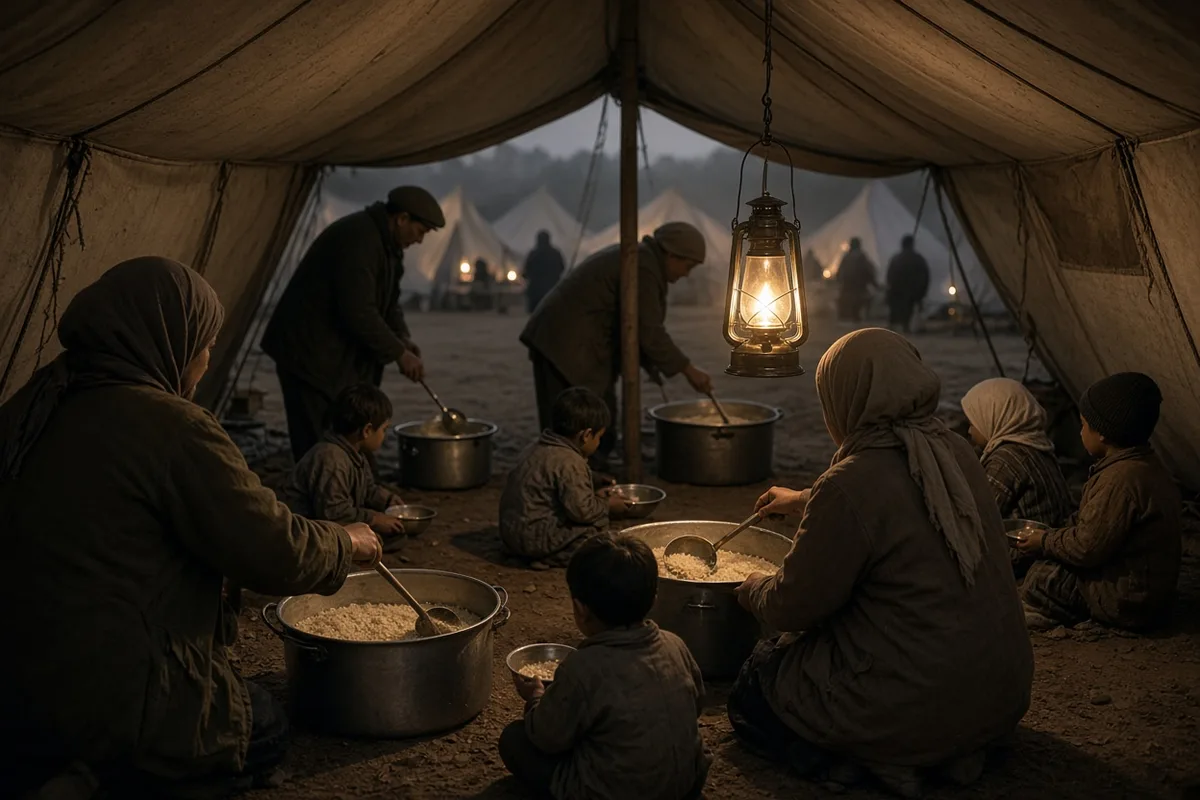
The Boone headquarters expanded in 2005 to a 200,000-square-foot facility that processed 8.2 million shoeboxes that year alone. On 29 August 2005, two days after Hurricane Katrina made landfall, 47 trucks left the warehouse carrying 1,150 pallets of supplies to Gulfport, Mississippi, coordinated with the Salvation Army and local churches in Harrison County. Five years later, on 12 January 2010, the first Samaritan’s Purse DC-8 reached Port-au-Prince after the earthquake, unloading a mobile hospital that treated 4,612 patients in its first month under Dr. David Vanderpool.
The original Korean files remained in a separate cabinet until 2011, when archivists microfilmed the 1950s ledgers and sent copies to the Seoul office on 22 March. That same year the organization opened a 12-bed cardiac unit in Kijabe, Kenya, where surgeon Dr. Richard Bransford performed 183 operations between June and December. In 2018 the annual report listed 4,800 staff and volunteers working in 109 countries, with disaster response teams deployed 47 times that calendar year.

The girl Tena, now in her late seventies, lives in a two-room apartment in the Gwanak district. On 6 September 2022 she opened a small envelope from the Seoul office that contained a photocopy of the first page of the old ledger. She placed it beside a photograph of her grandchildren and did not speak of it again that evening.
In the weeks after that envelope arrived, the Seoul office dispatched two staff members to Gwanak with a request from Franklin Graham that Tena allow a short filmed interview for the organization’s internal archives. On 28 September 2022 the crew recorded her describing the moment the five-dollar bill changed hands, using the exact Korean phrase “he said every month without fail” that Kyung-Chik Han had translated for Pierce in 1951. The footage was logged under accession number KOR-1951-004 and stored alongside the microfilmed ledger pages that had been returned from Boone the previous year.
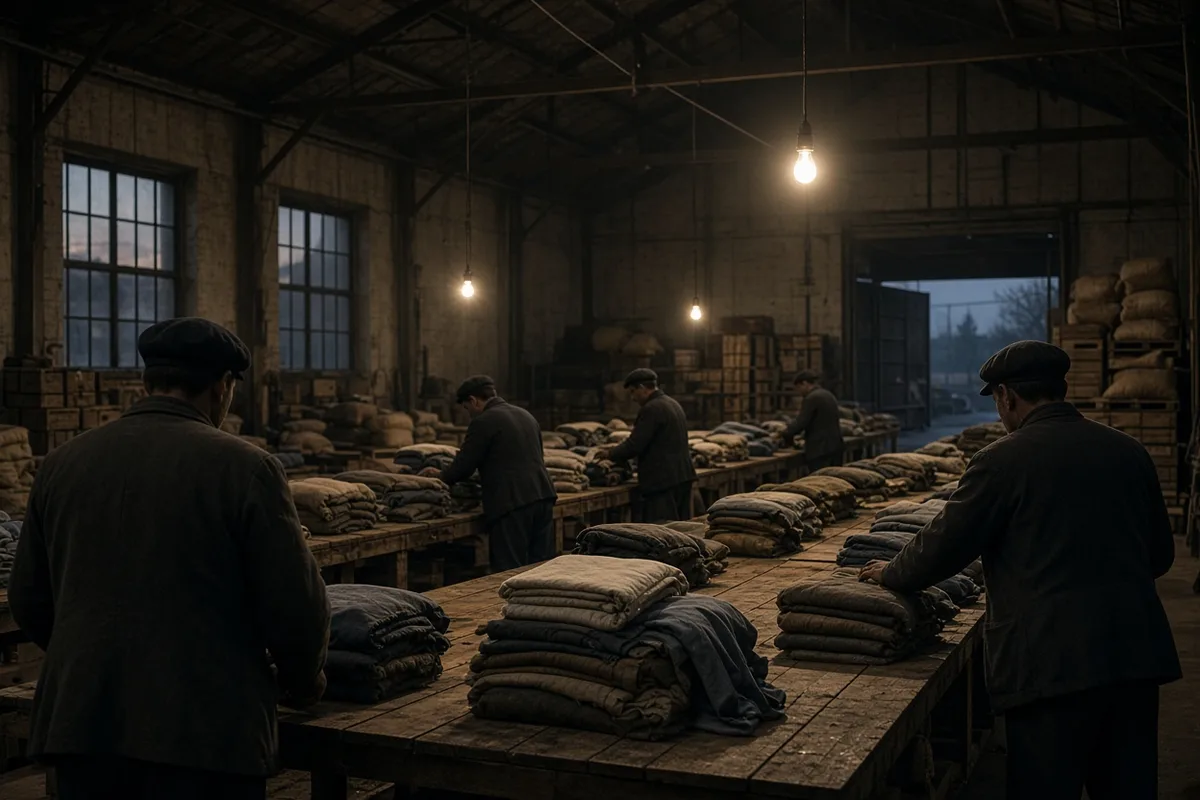
Franklin Graham authorized the next major shipment from the Boone warehouse on 4 October 2022, a 737 cargo flight carrying 22 pallets of wound-care kits and oral rehydration solution to the earthquake zone outside Cianjur, Indonesia. Manifest records list 9,400 kilograms of supplies offloaded at Halim Perdanakusuma airport on 7 October and transferred by truck to the district health post at Ciranjang, where nurse coordinator Lestari Widodo logged receipt of 1,150 individual treatment packs before nightfall. Graham added a marginal note directing that an additional $31,000 be wired to the same post for fuel and driver wages through December.
By February 2023 the computerized sponsorship files that had replaced the original ledger listed 119,487 active child cases across 114 countries, with 4,872 new sponsorships opened in the first six weeks of the year alone. The Boone data center processed 2.3 million Operation Christmas Child boxes during the November 2022 collection period, including 186,400 boxes routed through the Johannesburg hub for distribution in Mozambique and Zimbabwe. Field reports from that hub record that 14,300 boxes reached the Beira corridor camps on 19 December, where volunteer team leader Thandiwe Ndlovu noted that 2,110 children opened them inside a single warehouse shelter before the afternoon rains began.
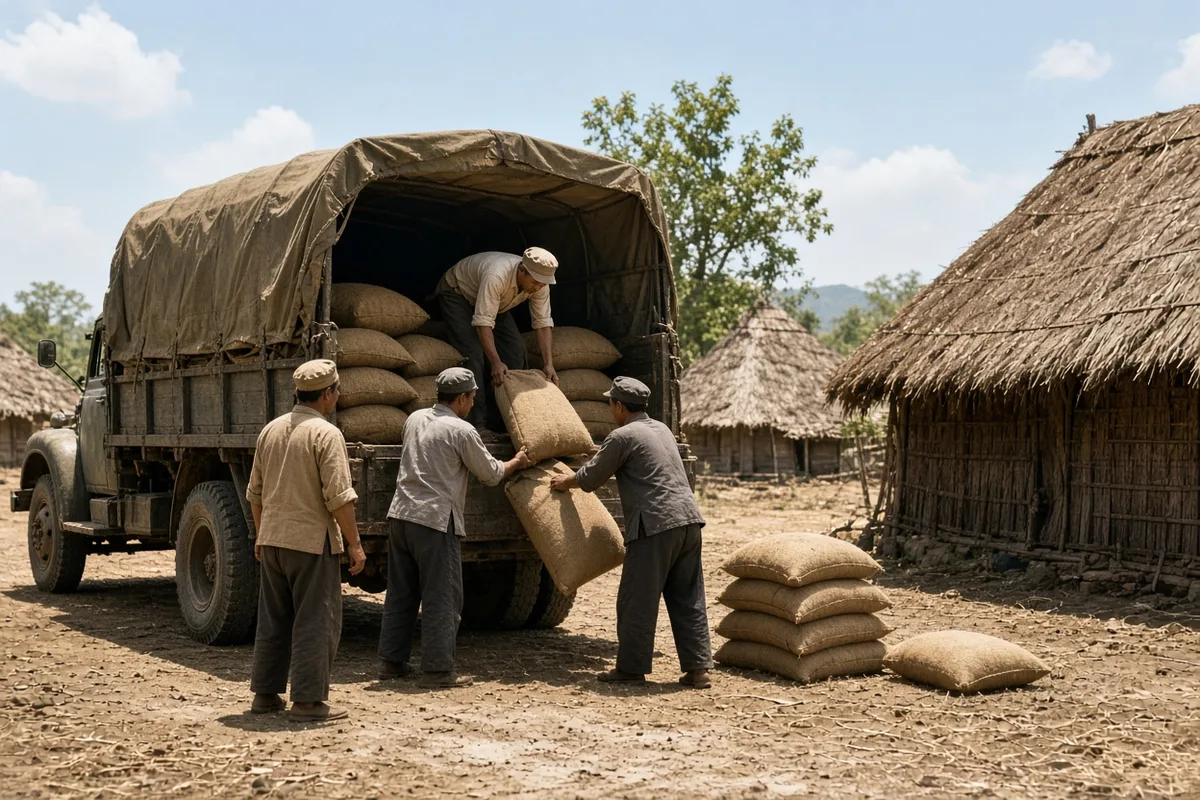
The organization’s disaster-response roster for 2023 included 51 deployments, among them the 14-member medical team that arrived in Antakya, Turkey, on 9 February after the February earthquakes. Surgeon Elena Rostova logged 317 procedures performed inside the mobile hospital tent during the first eleven days, while logistics officer Mark Ellison coordinated 48 tons of tarps and generators that reached the same site via three successive C-130 flights from the Ramstein air base. Graham’s approval cable for the second flight carried the line “keep the fuel burn under 18,000 pounds per leg.”
On 11 April 2023 the Seoul office received a request from the Gwanak district welfare center asking whether any remaining records existed for children sponsored under the earliest Korean program. Archivists located the faded pencil entry for the girl Tena and forwarded a second photocopy, this time accompanied by the 1951 letter Pierce had written on the reverse of a U.S. Army map sheet requesting “ten dollars more if the churches can manage it.” The welfare-center director placed both documents in a clear folder and added them to the center’s own file labeled “pre-1960 sponsorships.”
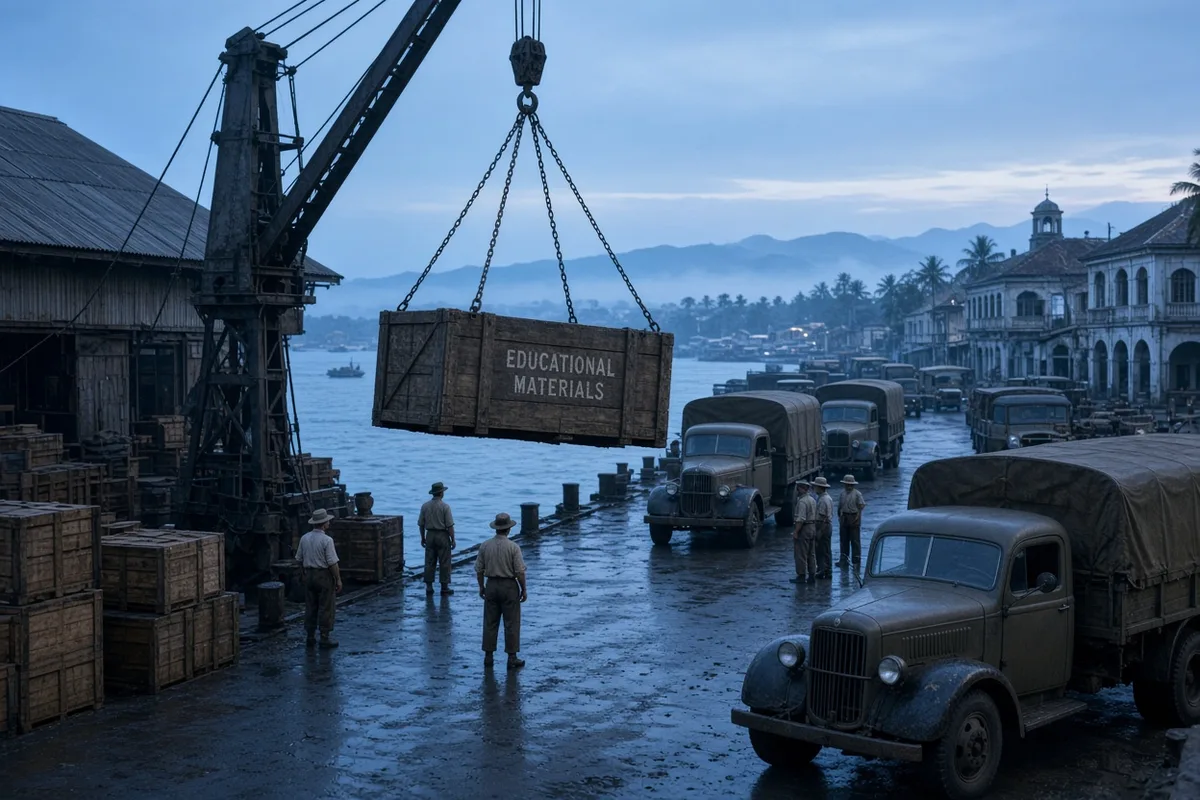
The narrator’s metal box under the bed in Boone now holds only the first ledger page and three later notebooks whose entries stop in 1967. The remaining volumes were transferred to the Samaritan’s Purse archive in 2014 under the accession code SP-KOR-001 through SP-KOR-014. On 3 May 2023 the archive staff completed digitization of those fourteen volumes, producing 2,847 scanned images that include the final signature Pierce made before resigning, dated 12 June 1967 and witnessed by board member George Beverly Shea.
Franklin Graham stood at the loading dock on Highway 105 on 17 June 2023 while volunteers stacked 1,920 shoeboxes destined for the refugee centers at Cox’s Bazar, Bangladesh. He signed the airway bill for the chartered 747 and wrote the single instruction “add 400 more hygiene kits before wheels up.” The aircraft departed at 23:47 local time carrying 48,600 kilograms of cargo, with arrival logged at Chittagong airport on 19 June at 06:12.
The last recorded image of Tena appears in a single frame taken by the Seoul film crew on 28 September 2022. She sits at a low table, the photocopied ledger page positioned to her left and a small teacup to her right, her right hand resting on the edge of the paper without pressing down. The camera runs for four additional seconds after she stops speaking, showing only the slow movement of her thumb across the margin where the original five-dollar amount had been entered.