


The Story of the First Heart Transplant Patient
I was folding gauze in the theater supply room when the call came through from the ward. Washkansky had worsened again. His legs were swollen to the point that his skin looked ready to split, and the oxygen mask barely kept his color from turning the color of old paper. I had seen him twice that week already, once when he tried to joke about the sea air in Sea Point not reaching his lungs anymore. The second time he said nothing at all, just watched the ceiling with eyes that had stopped tracking visitors.
Word of the accident reached us before the ambulance. A green Anglia, a family heading for tea in Milnerton, a car that did not brake in time on the Main Road in Observatory. The mother was gone at the scene. The daughter, Denise Darvall, twenty-five, arrived with a crushed skull and no response to light. By late evening the neurologists had finished their tests. Edward Darvall, the father, sat alone in a side room. He agreed to the donation before anyone finished explaining the paperwork.

Barnard had already spoken with Washkansky earlier that day. The patient lay propped at forty-five degrees because anything flatter made him fight for air. He listened, asked two questions about pain after the operation, then nodded. Professor Schrire had already confirmed there was no other route left. The cardiology notes described a heart that had been destroyed by repeated infarcts. Washkansky understood he was choosing the only remaining chance.
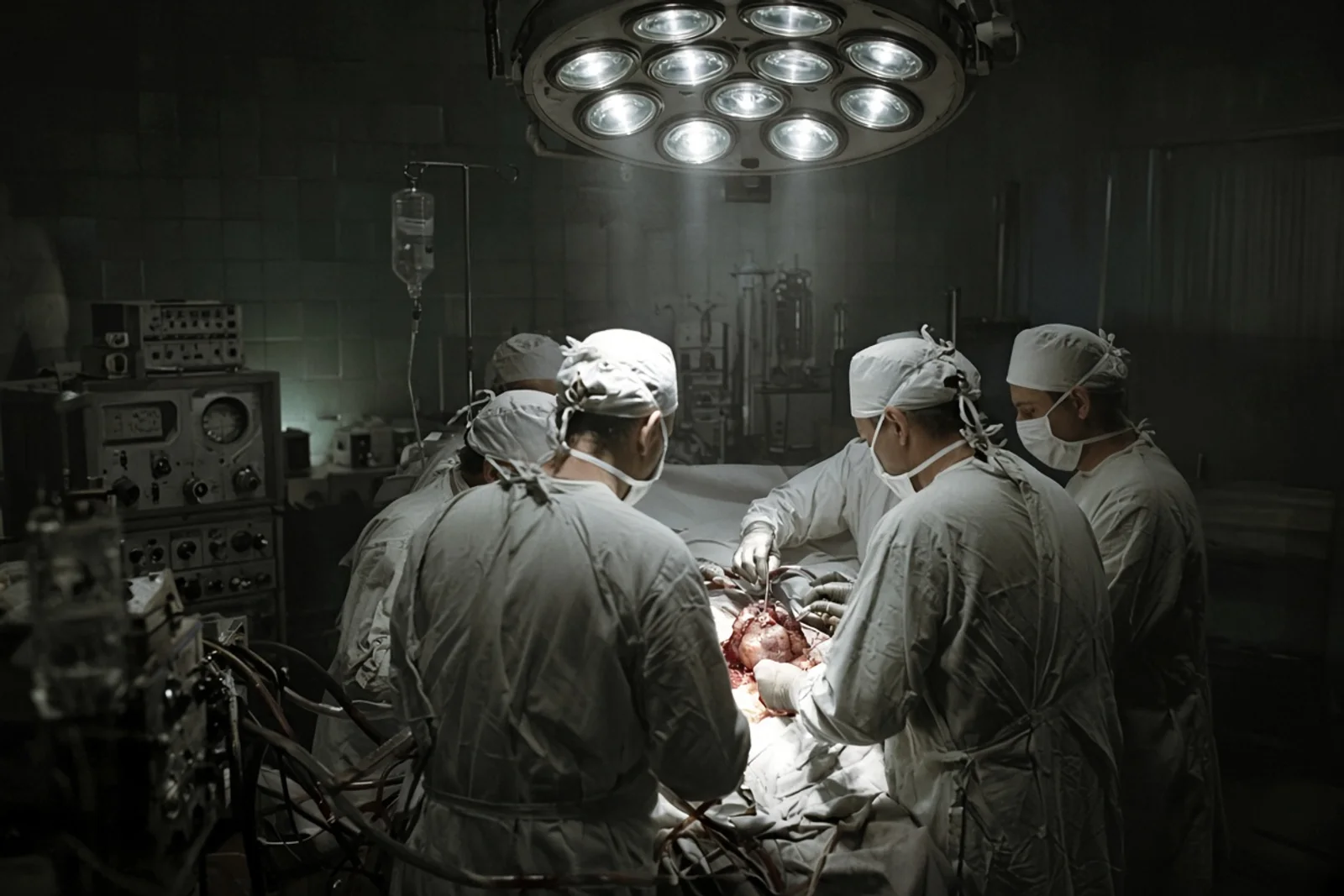
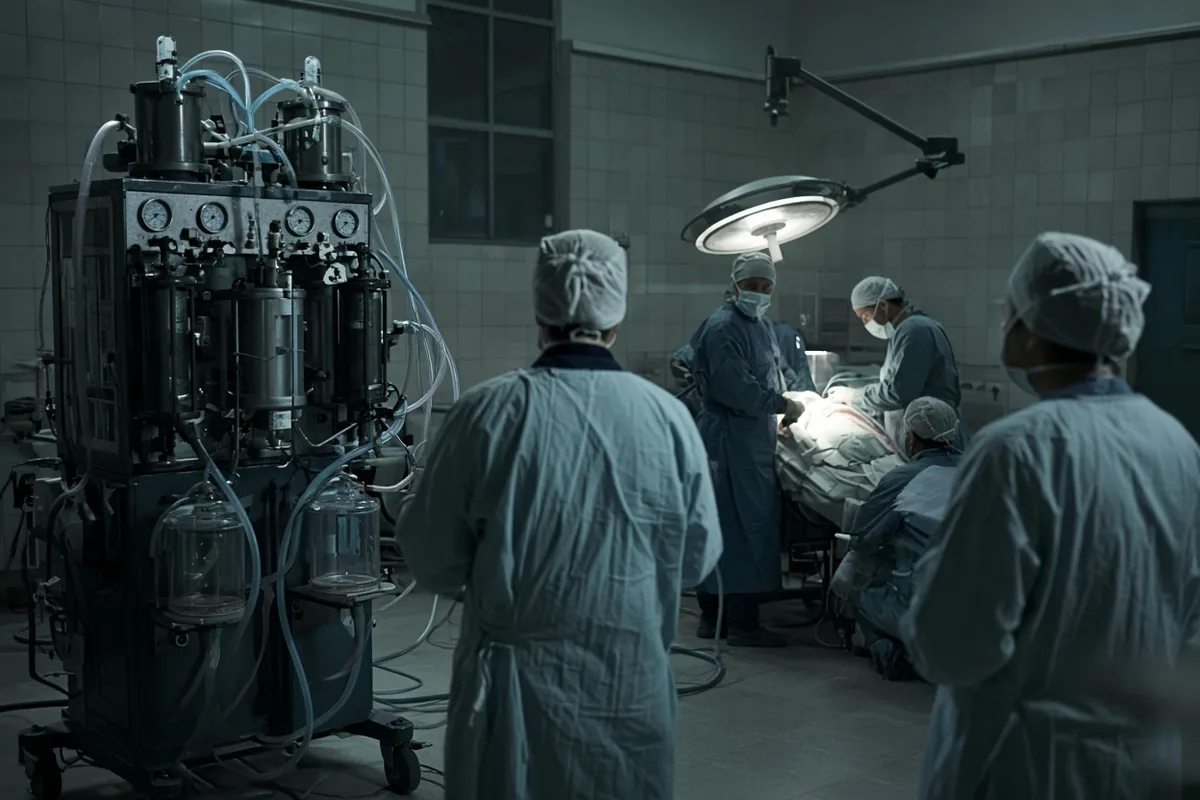
We began moving equipment at eleven that night. The heart-lung machine stood ready, its coils primed with fresh blood from the transfusion service. The immunologists had run the matching panels twice. No one spoke much. The corridors smelled of floor polish and the faint metallic edge that always came off the sterilizers.
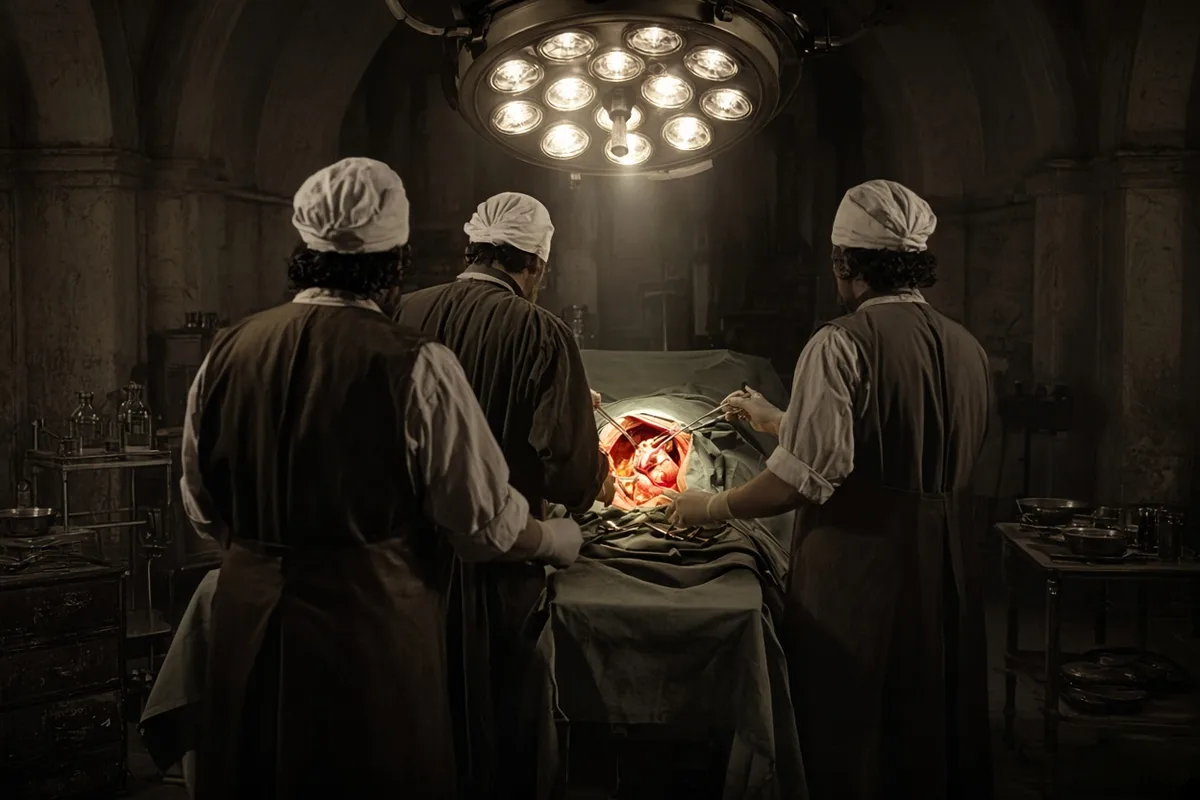
Denise Darvall was brought down first. Her heart was still beating when they wheeled her into the adjacent theater. The respirator kept the lungs moving, but the brain had already stopped. I stood at the door between the two rooms and watched the line on the monitor stay flat across the top. At one in the morning they cross-clamped the aorta and the heart stopped. Within minutes it was on the table in front of Barnard, pink and still warm.
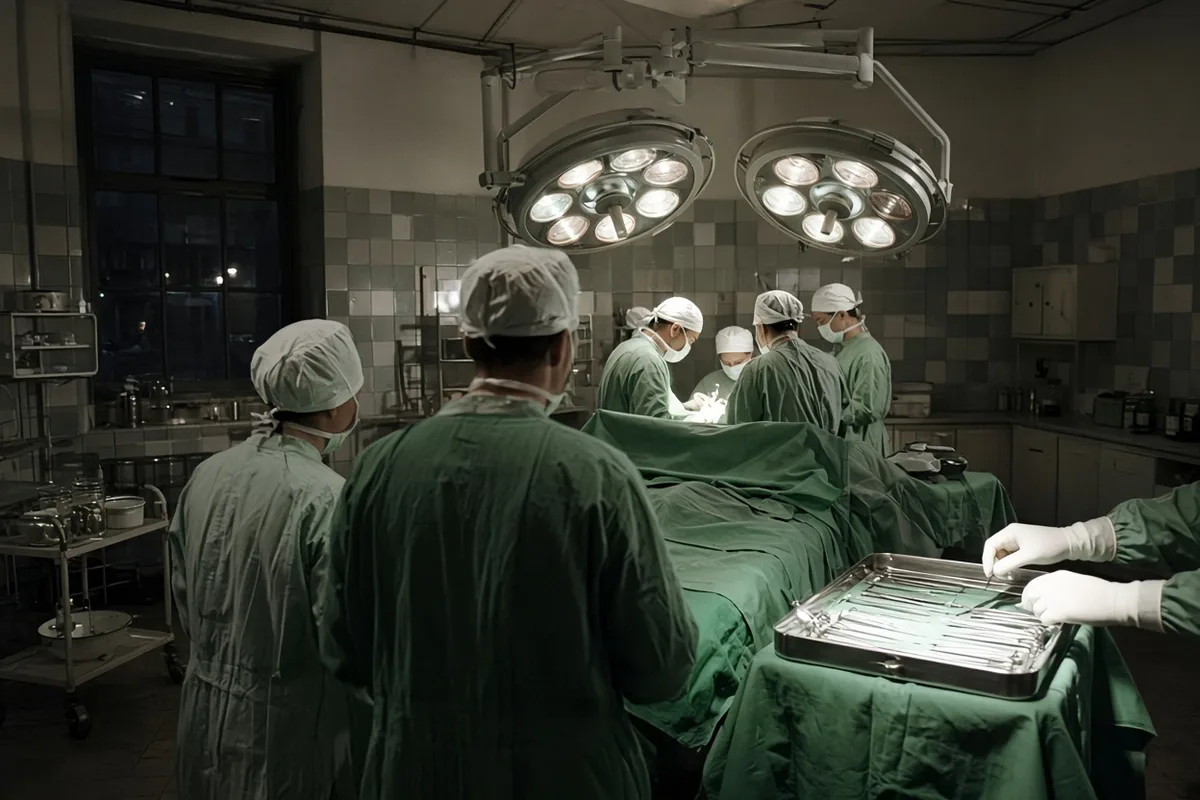
Washkansky was already open. His own heart looked gray and slack, barely moving. The team worked under the big lights without raising their voices. Every few minutes the anesthesiologist called out pressures and temperatures. I passed instruments when asked and kept the suction clear. The new heart went in at three forty. They released the clamps and waited. The first beat came irregular, then steadied into a rhythm that filled the monitors.
By five fifty the chest was closed. Washkansky was still on the ventilator, but color had returned to his face and hands. Someone opened the theater doors and let cooler air in. We wheeled him to the recovery area just before six.
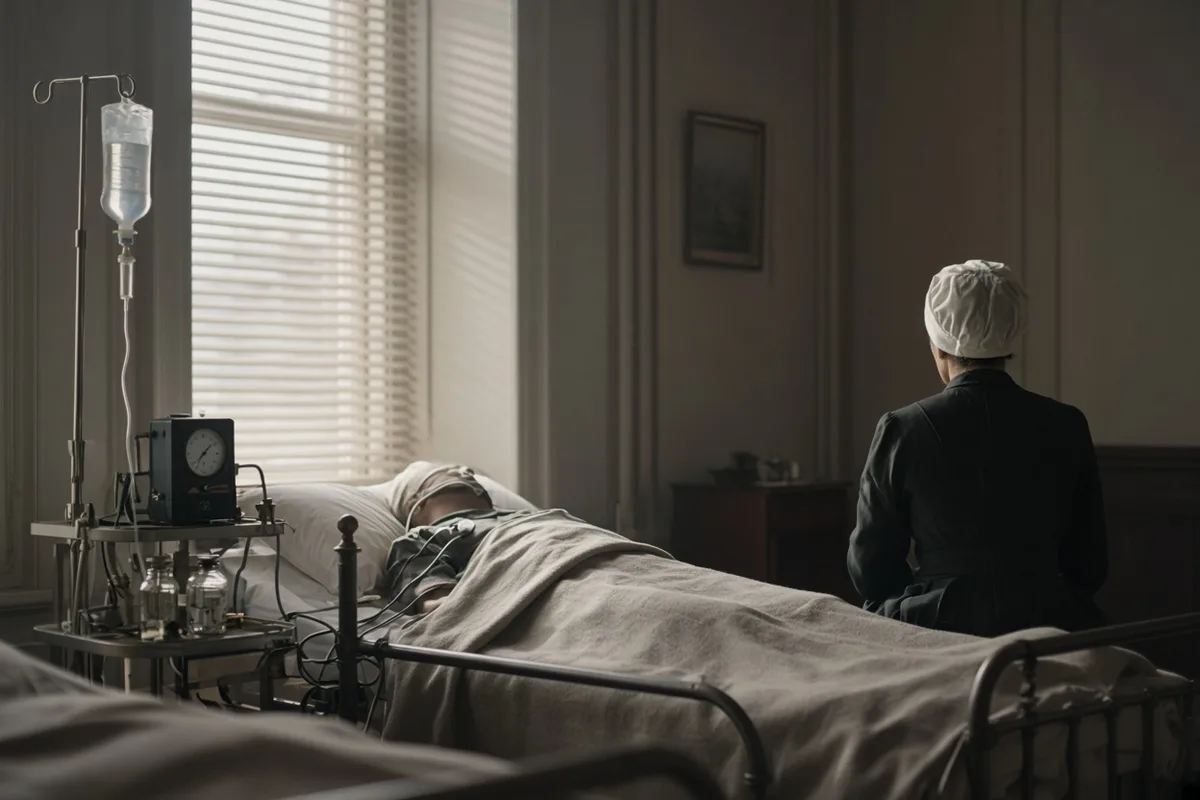
For the first three days he asked about the donor family. He wanted to know whether flowers had been sent. On the fourth day he sat up for ten minutes and drank weak tea. The nurses kept the room at eighteen degrees and changed the dressings every four hours. Rejection drugs were given on schedule; blood levels were checked twice daily.
On day nine he walked the length of the corridor with two orderlies beside him. He stopped at the window and looked toward the mountain. His voice was still hoarse from the tube, but he said the air felt different inside his chest. By day twelve the newspapers had begun arriving in stacks. Photographers waited outside the main gate. Barnard came in each morning and listened to the new heart with a stethoscope that had belonged to his father.
On day eighteen the fever started. It rose through the afternoon and did not respond to the antibiotics we had on hand. The chest X-ray showed patchy shadows in both lungs. Washkansky remained awake long enough to ask whether the heart was still working. He died that evening while the night shift was changing.
Barnard came back to the theater the next morning and stood for a while without speaking. The heart-lung machine had already been cleaned and covered. Outside, the sun was already high over the parking lot where the Anglia had been towed days earlier.
Barnard turned from the covered machine and asked the orderly to fetch the logbook from the side cabinet so the times could be entered exactly as they had occurred. Marius Barnard arrived at seven thirty with the typed summary from the night before and read aloud the clamp release at three forty and the first regular rhythm at three forty seven. The two brothers stood at the sink while water ran and counted the units of blood that had gone through the pump, thirty seven in total, before the final count was signed by the perfusionist on duty. Outside the window the Anglia remained where the police had left it after photographs, its front axle bent and one headlamp shattered on the tarmac. Edward Darvall had already signed the additional consent forms for tissue samples at ten the previous evening and the forms noted that the heart weighed three hundred and twelve grams when removed. The theater nurse recorded the temperature at closure as thirty six point eight degrees Celsius and the blood pressure reading at five forty nine as one hundred over seventy.
The following week the post mortem report listed bilateral bronchopneumonia with cultures positive for Klebsiella and the cause of death entered as pulmonary infection rather than cardiac failure. Washkansky’s wife, Ann, visited the records office on the twenty third to collect the death certificate and asked whether the donor’s family had received the letter she had written on the tenth. The letter itself had been typed on hospital stationery and contained the line “your daughter’s heart beat inside my husband until yesterday.” Edward Darvall replied through the hospital solicitor on the twenty sixth that flowers were not necessary and that the family preferred no further contact. On the ward the empty bed was stripped and the mattress sent for steam sterilization at the central supply on the lower ground floor. The stethoscope Barnard had used remained on the desk in his office until the second of January when he carried it into the theater again for the next case.
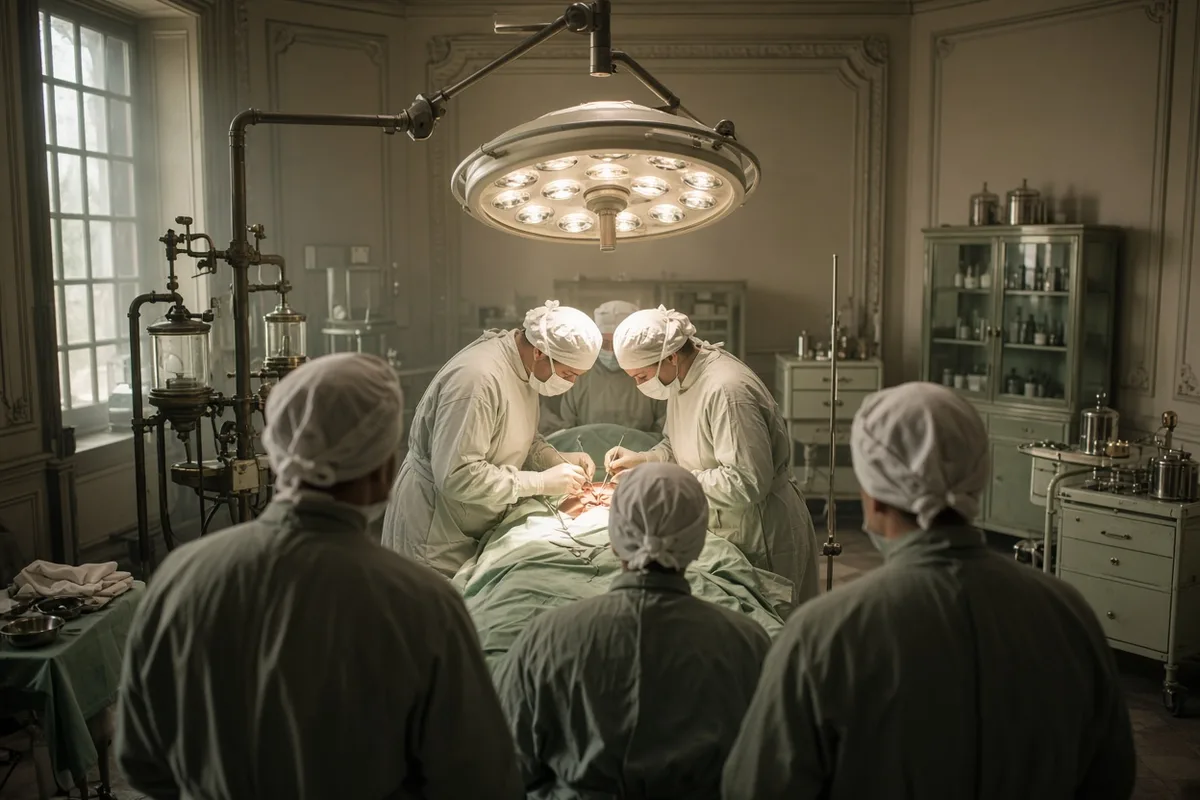
Philip Blaiberg, a fifty eight year old dentist from Sea Point, was admitted on the thirtieth of December after his third admission for intractable failure. His preoperative notes listed an ejection fraction below twenty percent and a weight of sixty eight kilograms after diuresis. The second donor, Clive Haupt, a twenty four year old man who had collapsed on a beach in Strandfontein on New Year’s Day, was declared brain dead at two in the morning on the second. Marius Barnard performed the harvest while Christiaan Barnard opened Blaiberg’s chest in the main theater. The anastomosis times were recorded as forty nine minutes for the left atrium and thirty one minutes for the aorta. Blaiberg’s first spontaneous beat occurred at four twelve and the team noted a sinus rhythm of ninety eight. He left the hospital on the fourteenth of March 1968 after one hundred and two days and returned to his practice part time, seeing patients three mornings a week until the following summer.
Blaiberg’s daily medication log showed azathioprine at one hundred and fifty milligrams and prednisone at sixty milligrams tapered over weeks. He attended the outpatient clinic every Tuesday at ten and the nurses recorded his weight each visit, which rose from sixty eight to seventy four kilograms by June. In August 1968 he traveled to Johannesburg for a lecture Barnard gave at the University of the Witwatersrand where the audience of four hundred and twenty asked questions for ninety minutes. Barnard answered one query by stating “the patient is walking two kilometers each morning and his electrocardiogram shows no sign of rejection at present.” Blaiberg died on the seventeenth of August 1969 at Groote Schuur after a cerebral embolus and the autopsy found the donor heart free of significant coronary disease but with evidence of mild chronic rejection in the form of intimal thickening.
Barnard flew to Houston on the fifth of November 1969 to speak at the American College of Surgeons meeting and the transcript records him saying the Groote Schuur series had reached seven transplants with three survivors at six months. By 1972 the unit had performed twenty four orthotopic transplants and the survival curve presented at the International Transplantation Society listed a one year survival of twenty nine percent. Dorothy Fisher, the fourth recipient, lived two hundred and eleven days before succumbing to infection, while the fifteenth patient, a thirty six year old man named Dirk van Zyl, returned to farming and was photographed driving a tractor in 1976. Van Zyl’s follow up letters to the clinic mentioned he had resumed ploughing on the family farm near Paarl and that his resting heart rate stayed between eighty and ninety beats per minute.
In 1981 the hospital opened a dedicated transplant ward on the fourth floor with twelve beds and the first patient admitted there was a forty nine year old mechanic named Johan van Heerden whose operation occurred on the twelfth of March. By 1990 the cumulative number of heart transplants at Groote Schuur reached three hundred and the database recorded an average ischemic time of one hundred and eighty four minutes. Barnard retired from active surgery after a stroke in 1983 but continued to visit the outpatient clinic on Thursday mornings until 2000. On one of those visits he examined a patient whose donor heart had been implanted in 1994 and noted on the chart “valves clear, no murmur, patient reports climbing stairs without dyspnea.” The original heart lung machine used in 1967 was placed in the hospital museum in 1984 beside a glass case containing the surgical instruments from the Washkansky case.
Edward Darvall died in 1984 at the age of seventy two and his obituary in the Cape Times mentioned only that he had worked as a railway clerk in Observatory. Denise Darvall’s brother, who had been seven at the time of the accident, visited the hospital in 2017 and stood outside the theater doors for several minutes before leaving. The theater itself was renovated in 2005 with new lighting and laminar flow but the original clock above the door was left in place. On the morning of the fiftieth anniversary a nurse on the current transplant team walked through the corridor carrying a set of fresh grafts and passed the window that overlooked the parking area where the Anglia had once stood. The mountain remained visible beyond the rooftops and the air that came through the open service door carried the same scent of floor polish mixed with sterilizer vapor that had been present on the night of the third of December 1967.
The nurse reached the scrub sink at the end of the corridor and set the grafts on the stainless counter while the wall clock above the door showed eight minutes past seven. She initialed the log for the 2017 series at Groote Schuur, noting that the ischemic time for the most recent case had been one hundred and sixty nine minutes and that the recipient, a thirty nine year old teacher from Rondebosch named Thandiwe Mokoena, had left the intensive care unit on the fourth postoperative day. The original theater log from 1967 remained in the hospital archive on the lower ground floor, its final entry signed by perfusionist Raymond van Heerden at six twelve in the morning on the third of December.
In 2001 Christiaan Barnard died of an asthma attack while on holiday in Cyprus, and the Cape Times obituary recorded that he had performed more than seventy heart transplants after the first case. His brother Marius continued to review follow up charts at the outpatient clinic until his own retirement in 2006, when the cumulative database listed eight hundred and twelve orthotopic procedures at the hospital with a median survival of eleven point four years for patients transplanted after 1995. The clinic files for recipient number 312, a forty four year old electrician named Peter Williams operated on in 1989, noted that he returned to work at the Table Bay power station and that his resting heart rate remained between seventy eight and eighty four beats per minute until his death from lymphoma in 2004.
The fiftieth anniversary commemoration took place on the third of December 2017 in the hospital auditorium, where Edward Darvall’s grandson read aloud the consent statement signed by his grandfather on the second of December 1967. The statement included the phrase “I understand that the heart will be used to attempt to save another life” and was witnessed by two registrars whose signatures appear on page four of the bound consent volume still held in the records office. Denise Darvall’s brother, then fifty seven, stood beside the lectern but did not speak.
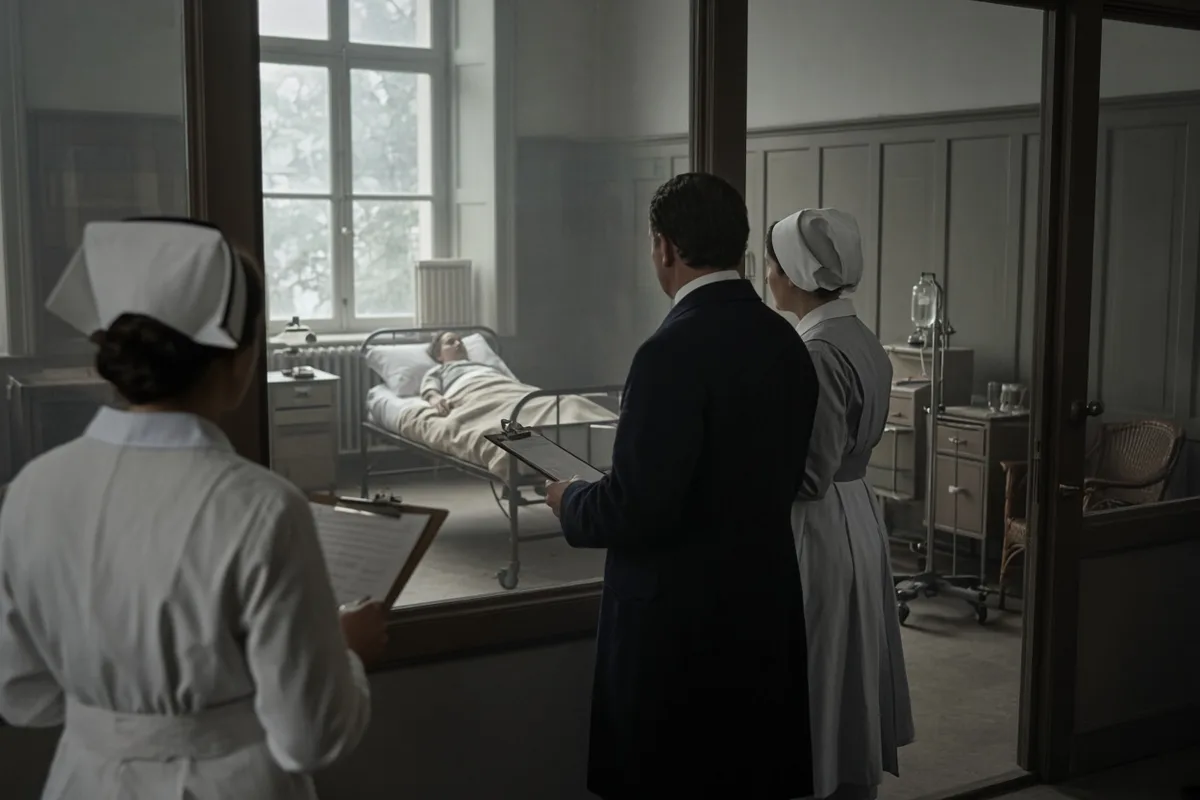
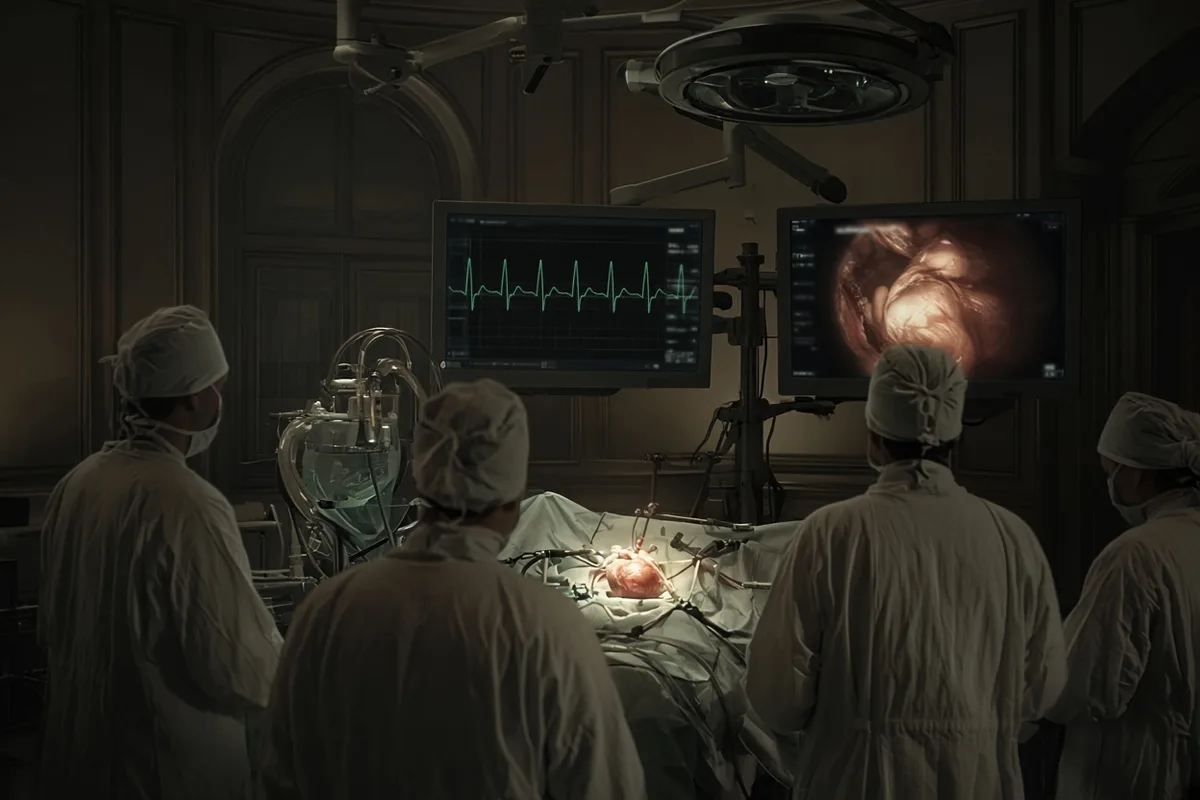
By 2022 the transplant unit had moved to a new building on the eastern side of the campus with twenty four beds and laminar flow theaters equipped with electronic perfusion monitors. The first case performed there on the fourteenth of February 2022 involved a fifty one year old bus driver from Mitchells Plain whose donor heart came from a thirty two year old woman declared brain dead at Tygerberg Hospital after a subarachnoid hemorrhage. The anastomosis times were recorded as thirty eight minutes for the right atrium and twenty two minutes for the pulmonary artery, and the patient was discharged on the twenty first postoperative day with a cyclosporine level of two hundred and eighty four nanograms per milliliter.
The original Anglia remained in the police impound yard until it was scrapped in 1971, but its registration number and the police photographs taken on the night of the accident were copied into the hospital’s historical file in 1987 at the request of the medical school archivist. The parking area where the car had stood was resurfaced in 1998 and later became the site of a staff bicycle rack installed in 2014.
On the morning of the third of December 2023 a current theater nurse, whose name tag read S. Naidoo, passed the same window carrying a tray of valve sizers and paused when the mountain appeared through a gap in the low cloud. She noted on her handover sheet that the patient in recovery bay two had a donor heart rate of ninety two at rest and that the family had been informed the operation had begun at eleven forty seven the previous evening. The service door stood open as it had on every December morning since 1967, admitting air that still carried the same floor polish and sterilizer scent into the corridor.