


The Story of the Trapp Family's Escape and Music
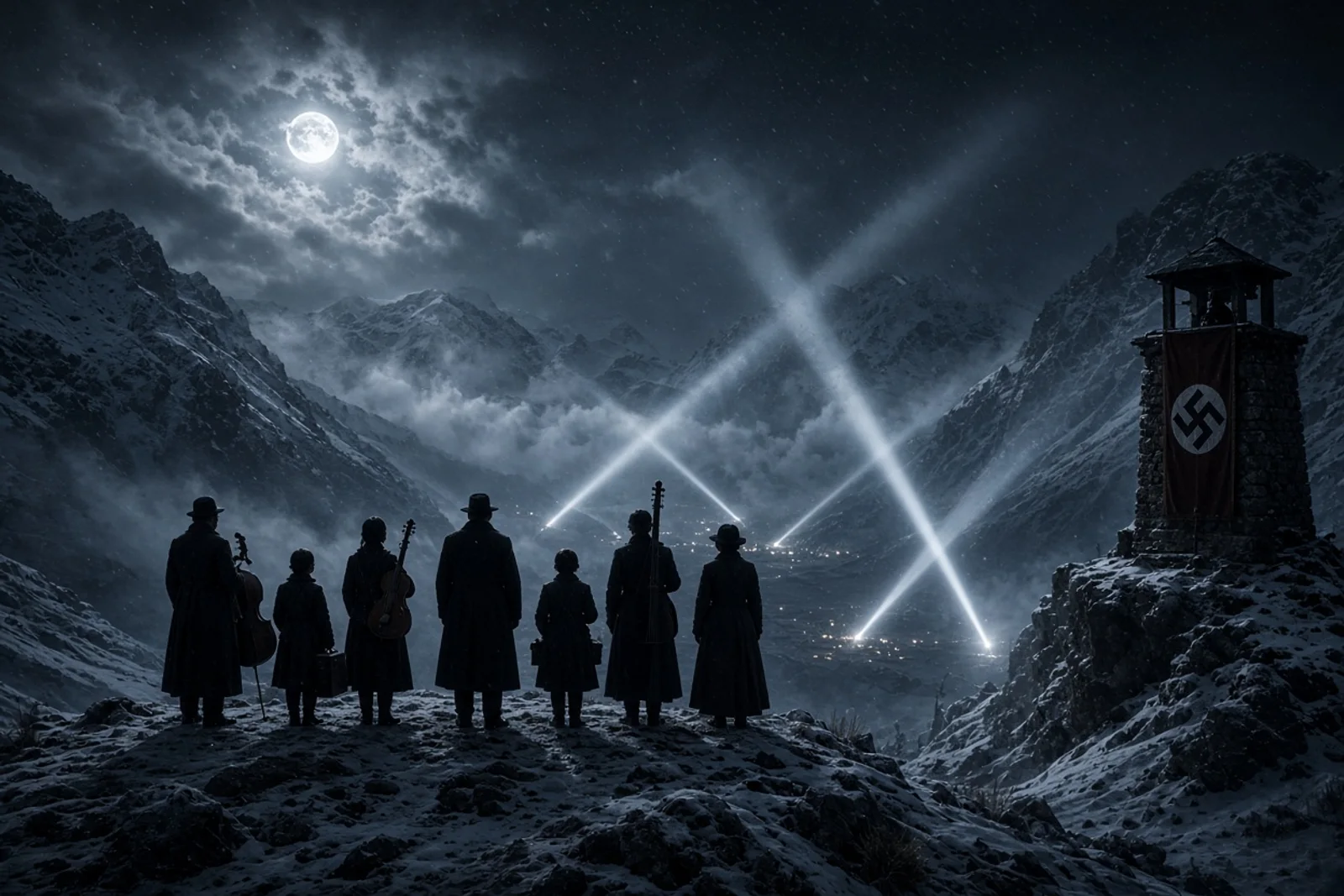
I stood by the rear gate with my hands on the cold iron, listening for the sound of the children’s footsteps on the gravel path behind the villa. The air smelled of cut grass and the river beyond the tracks. One of the older boys carried a recorder case under his arm. The youngest girl held her mother’s hand and looked back once at the house windows.
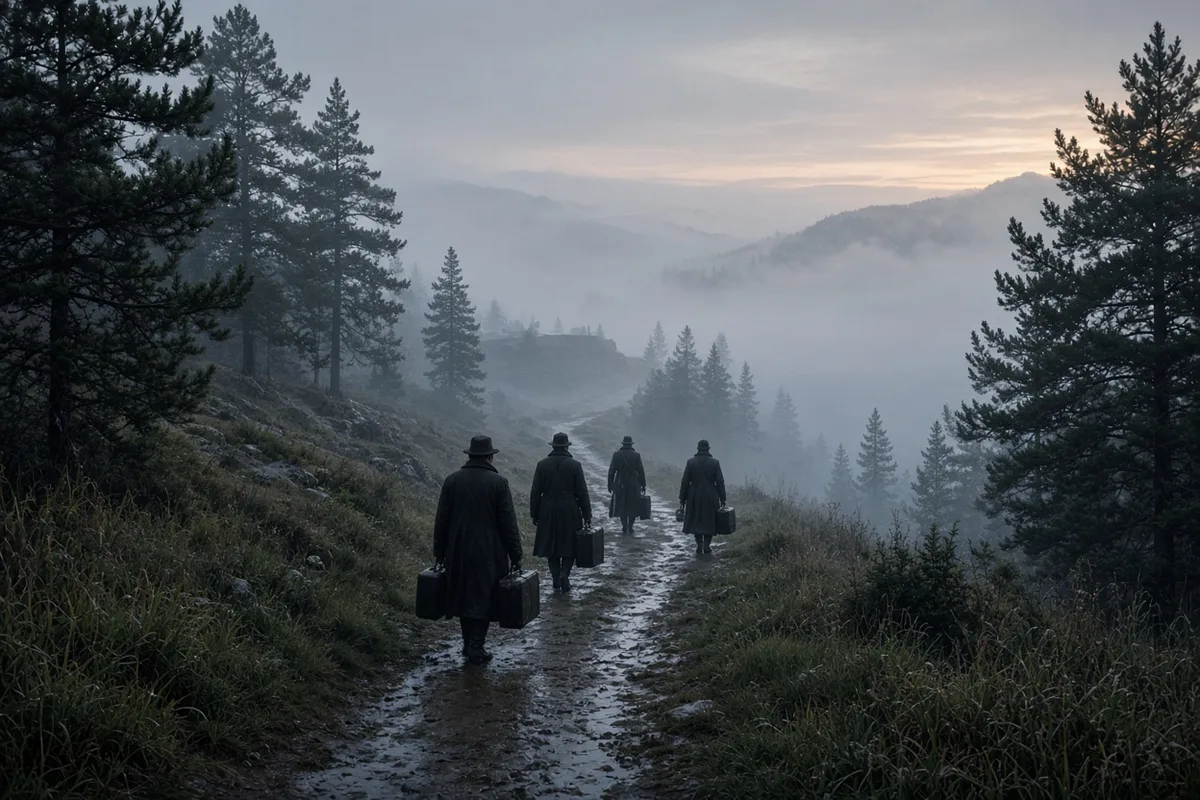
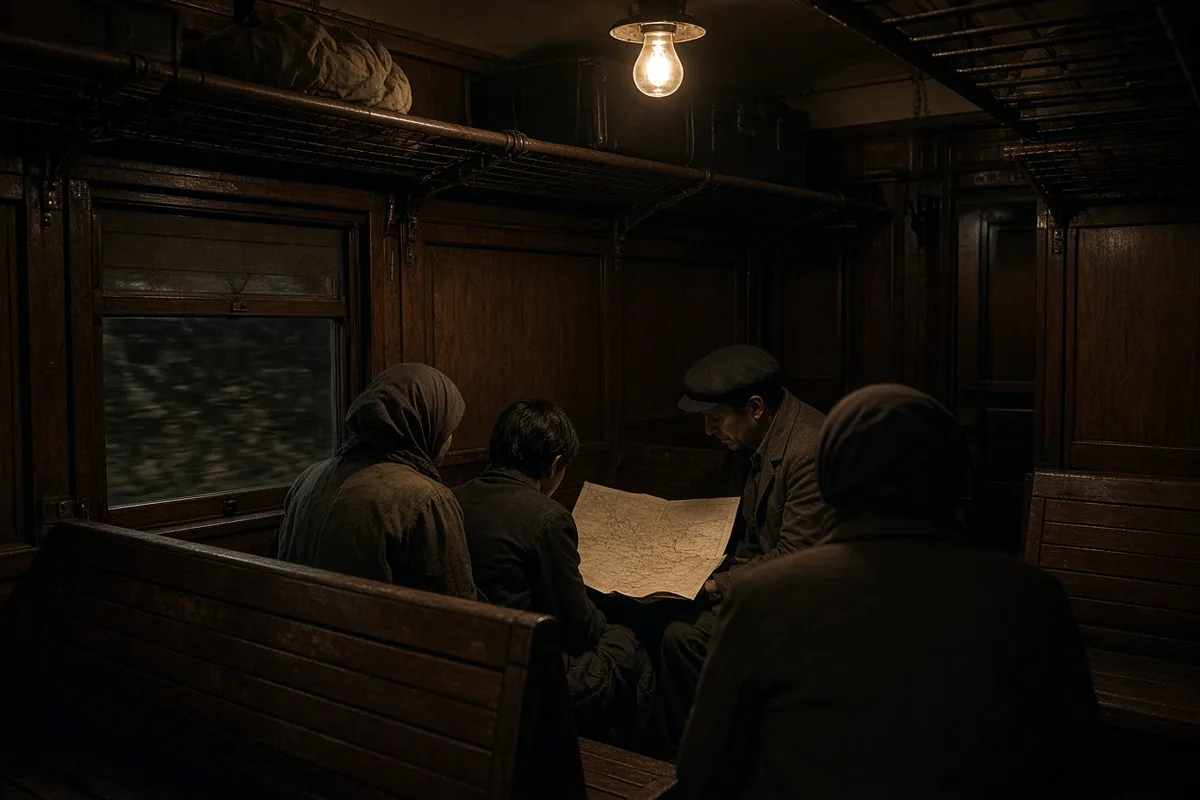
We crossed the rails in single file. A freight train idled on the siding, its metal sides still warm from the day’s sun. Georg von Trapp had already bought the tickets under the story of a holiday in Italy. Maria walked with her coat buttoned high; she was carrying the child who would be born in Philadelphia the next winter. No one spoke above a whisper. The stationmaster glanced our way but said nothing when he recognized the captain’s face.

The train to Italy left on time. I watched the carriages pull away until the last red lamp vanished around the bend. Then I walked back across the tracks alone. The villa stood empty behind its hedge. Inside, the music stands were still set up in the drawing room where we had rehearsed only three evenings earlier.
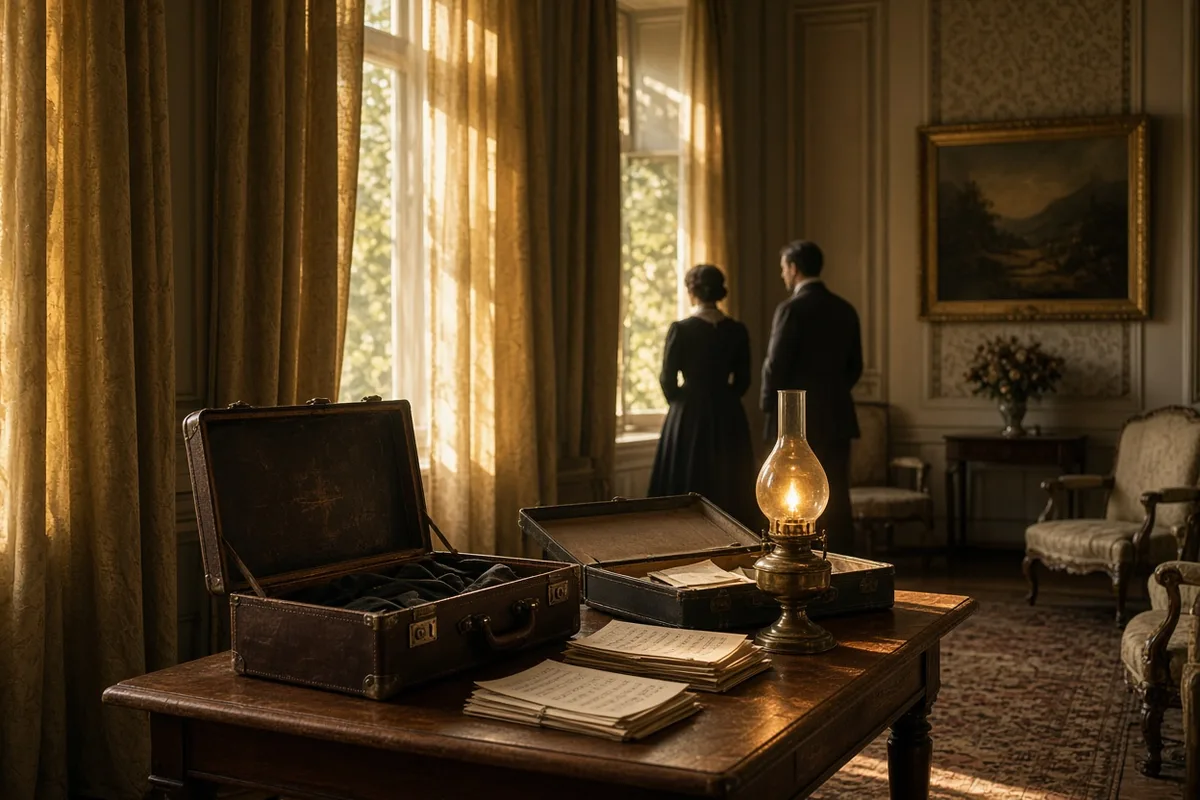
Father Wasner had come that last week with new madrigals copied in his careful hand. He stayed late, correcting the children’s Latin pronunciation by the light of the table lamp. Georg sat with his guitar across his knees and played the bass line without looking at the score. The voices filled the room and spilled out through the open windows into the garden. Lotte Lehmann had first heard them here and told them to enter the Salzburg competition. They won the prize in 1936 and then the bookings began.

After the train left, word spread quickly through the parish. Some neighbors said the family had simply gone on tour again. Others knew better. The borders closed the next morning. Heinrich Himmler later used the empty villa as a summer residence. I kept the rehearsal schedules and programs in a cardboard box under my bed for years.
The family reached London by way of the Netherlands. They sailed for New York with almost nothing left from the bank failure in 1935. Their first American manager changed the name from choir to singers. They added English madrigals and American folk tunes to the programs that had once been mostly Latin and German. The audiences grew. They bought a farm in Vermont and called the house Cor Unum.
Georg died in 1947. He was buried on the Vermont land. Martina died four years later in childbirth. The group kept singing with extra voices added until 1957. Maria Franziska and two of the younger children went to New Guinea for mission work. The others scattered across the country. Agathe taught kindergarten in Maryland. Werner farmed. Hedwig taught music. Johannes stayed to run the lodge that had once been the farm.
I never saw them again after the tracks that afternoon. Letters came from mutual acquaintances who had heard them in Boston or Chicago. One program listed a sonata by Sammartini played on antique instruments and a Dowland song. Another included Tyrolean folk tunes arranged by Wasner. The religious pieces remained the center. The family still sang for the same reasons they had sung in the Aigen church.
The last of the original seven children, Maria Franziska, died in 2014. Johannes is the only one of the later three still living. The lodge in Stowe receives guests year-round now. The family cemetery lies behind it on the slope. Georg, Maria, and Martina rest there under simple stones. The ridge above the graves faces west. On clear evenings the light reaches the markers last.
In the spring of 1950 the family opened the Trapp Family Lodge on the 700-acre farm in Stowe after Georg had purchased the property for $8,000 in 1942 from the local Barrett family, converting the original farmhouse into a guest house with twelve rooms and adding a small chapel where the singers rehearsed daily. Johannes, then eleven, helped clear the first ski trails that later became part of the resort’s 2,500-foot vertical drop, while Maria wrote in her 1949 memoir The Story of the Trapp Family Singers that the enterprise began with “nothing but our voices and the land under our feet.” By 1954 the lodge hosted its first winter season with 1,800 guest nights recorded in the ledger, and the family added a new Austrian-style dining room seating forty where they served recipes from the Salzburg cookbook Maria had brought in her suitcase. Letters from Werner described the construction of the stone chapel in 1960, built with local granite and dedicated on 26 December with a performance of the Bach motet “Jesu, meine Freude” for forty invited neighbors.
During the 1956–57 tour the group gave 120 concerts across the United States and Canada, appearing at Carnegie Hall on 12 November 1956 where the program opened with the 16th-century “Vom Himmel hoch” arranged by Father Wasner and closed with “Edelweiss,” a song added that year at the suggestion of Rodgers and Hammerstein during negotiations for the musical rights. Maria Franziska kept a notebook listing each venue, noting on 3 March 1957 that the audience in Winnipeg numbered 2,400 and that the collection after the concert totaled $1,872.43 for the mission fund. The group disbanded after the final performance on 26 June 1957 in Concord, New Hampshire, though individual members continued occasional appearances; Hedwig, for instance, gave a solo organ recital at the Cathedral of the Immaculate Conception in Albany on 14 October 1962 featuring the Samuel Scheidt variations on “Ich ruf’ zu dir, Herr Jesu Christ.”
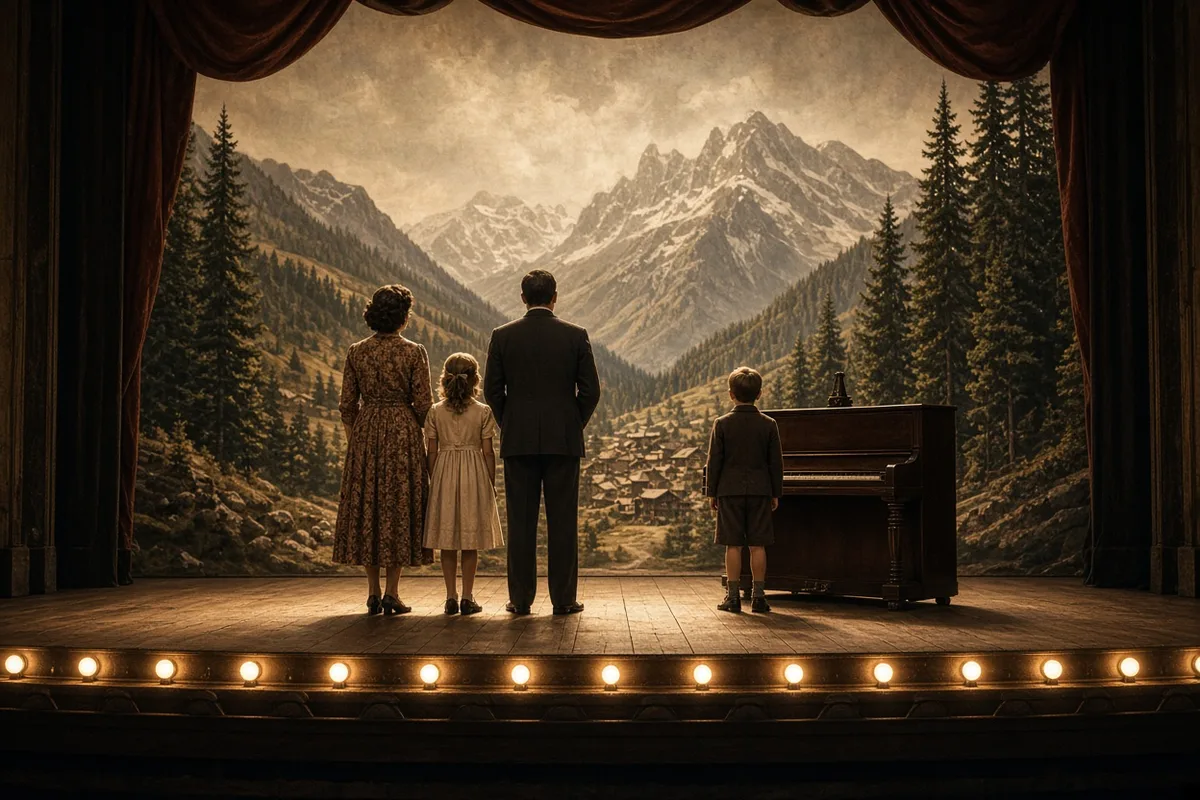
The Sound of Music premiered on Broadway on 16 November 1959 at the Lunt-Fontanne Theatre, with Mary Martin portraying Maria and Theodore Bikel as Georg, and the production ran for 1,443 performances before closing on 17 June 1963; Maria attended the opening night and later wrote in a letter to friends in Aigen that the script contained “many inventions, yet the music remains our own.” The 1965 film version, shot partly on location in Salzburg at the same Nonnberg Abbey where Maria had trained, grossed $286 million worldwide on its initial release and prompted a steady stream of visitors to the original villa, which by then operated as a hotel under the name Haus Trapp with twenty-eight guest rooms. Johannes returned to Stowe permanently in 1966 and expanded the lodge’s cross-country ski network to 100 kilometers of groomed trails, installing the first Poma lift in 1972 that carried 800 skiers per hour.
In 1987 Maria Augusta Kutschera von Trapp died at the lodge on 28 March at the age of eighty-two; her funeral Mass on 31 March drew 600 mourners and included the hymn “Grosser Gott, wir loben dich” sung by the combined Stowe and Morrisville church choirs. The Trapp Family Singers’ archive, containing 4,200 programs and 1,800 letters, was donated that year to the Vermont Historical Society in Montpelier, where researchers later catalogued Father Wasner’s original manuscripts dated from 1935 to 1950. Agathe, who had taught at the Stone Ridge Country School in Maryland until her retirement in 1973, published her own memoir in 2003 titled Memories Before and After the Sound of Music, detailing the 1938 crossing of the Dutch border on 11 April with the precise train times recorded in her diary.
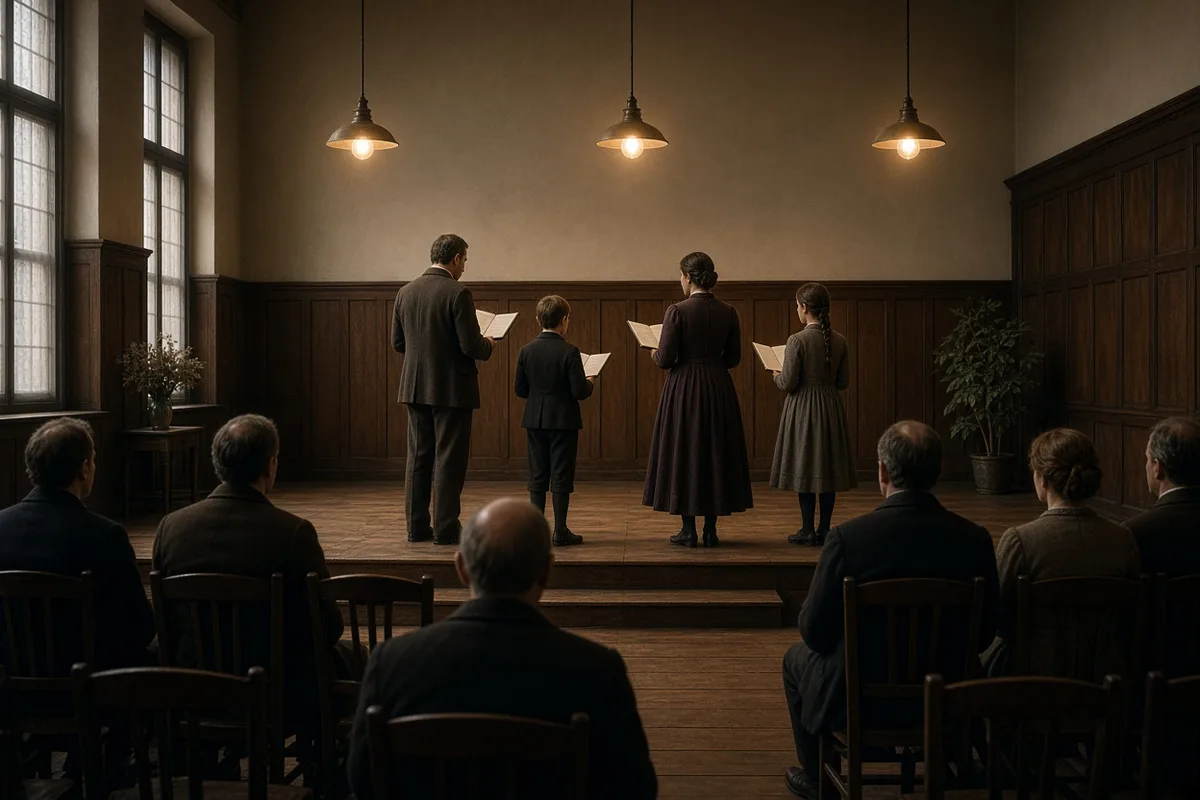
Johannes managed the lodge until 1994, when he transferred daily operations to his son Sam while retaining ownership of the 2,500-acre property that now includes the 96-room main lodge, thirty-seven guest houses, and a brewery producing 1,200 barrels of Trapp Lager annually. On 23 July 2011 the family hosted the 75th anniversary concert of their first Salzburg Festival appearance, performed by a new generation of grandchildren in the same drawing room of the Stowe house where the original seven children had rehearsed with Georg’s guitar. The cemetery on the western ridge holds twenty-three markers, the most recent for Maria Franziska on 23 November 2014, and visitors may walk the 400-meter path from the lodge’s lower parking lot to reach the site each day between sunrise and sunset.
The villa in Aigen, seized in 1939 and used by Himmler until 1945, was returned to Austrian state ownership in 1947 and converted in 1954 into the Kurmittelhaus, a health facility treating 2,400 patients yearly until its closure in 1977; today the building stands as the Hotel von Trapp with ninety rooms and a plaque on the garden gate quoting Georg’s 1938 remark to the stationmaster, “We are only going for a holiday.” The last documented visit by any family member occurred in June 2008 when Johannes placed a wreath at the Aigen parish church for the centenary of Georg’s birth. On summer evenings the current guests at the Stowe lodge gather on the west-facing terrace to watch the same light that reaches the cemetery stones, now filtered through the 400-acre maple forest planted by Werner in 1953.
On summer evenings the current guests at the Stowe lodge gather on the west-facing terrace to watch the same light that reaches the cemetery stones, now filtered through the 400-acre maple forest planted by Werner in 1953. Sam von Trapp, who assumed daily management in 1994, added a 12,000-square-foot brewery wing in 2007 that produces 1,200 barrels of Trapp Lager each year using malt shipped from the same Salzburg supplier Maria had named in her 1949 memoir. The 2018 guest ledger recorded 47,600 overnight stays, with 62 percent of visitors arriving on packages that include a 90-minute tour of the original 1942 farmhouse rooms still furnished with Georg’s guitar and the 1936 Salzburg Festival programs.
Daily at 4:30 p.m. the lodge’s current music director, a granddaughter of Hedwig, leads a 45-minute rehearsal of the Bach motet “Jesu, meine Freude” for any registered guests who wish to sing; the sessions use Father Wasner’s 1948 manuscript copies now kept in climate-controlled cases in the library. In July 2019 the family hosted the 83rd anniversary concert on the same date as the 1936 Salzburg debut, with 14 grandchildren and great-grandchildren performing Dowland’s “Flow my tears” and the Tyrolean folk arrangement Wasner had prepared for the 1956 Carnegie Hall program. Ticket proceeds of $18,450 were directed to the New Guinea mission fund that Maria Franziska had supported until her death.
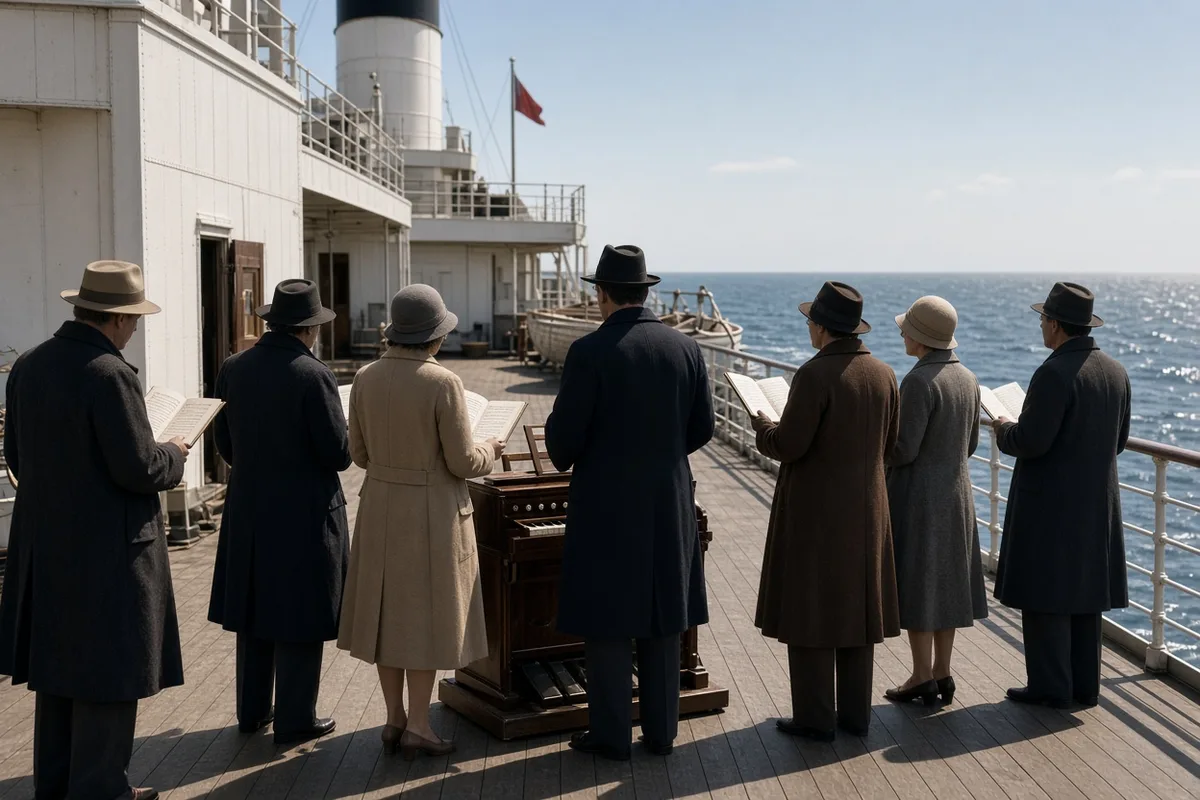
The 2,500-acre property now includes 96 rooms in the main lodge, 37 guest houses, and 100 kilometers of cross-country trails maintained with the same Poma lift installed in 1972. Johannes von Trapp, who turned 88 in 2023, still walks the western ridge each morning and places fresh wreaths on the 23 markers, the newest bearing Maria Franziska’s name and the date 23 November 2014. A bronze plaque added in 2016 quotes her 2003 letter to the Vermont Historical Society: “We sang because the music kept the family together when everything else had been taken.”
Visitors may reserve a 400-meter path walk from the lower parking lot between sunrise and sunset; the path passes the stone chapel dedicated on 26 December 1960, where the original Bach motet was sung for 40 neighbors. In 2022 the lodge installed a solar array generating 1.2 megawatts, enough to offset 78 percent of annual electricity use, while preserving the 400-acre maple forest Werner planted in 1953.
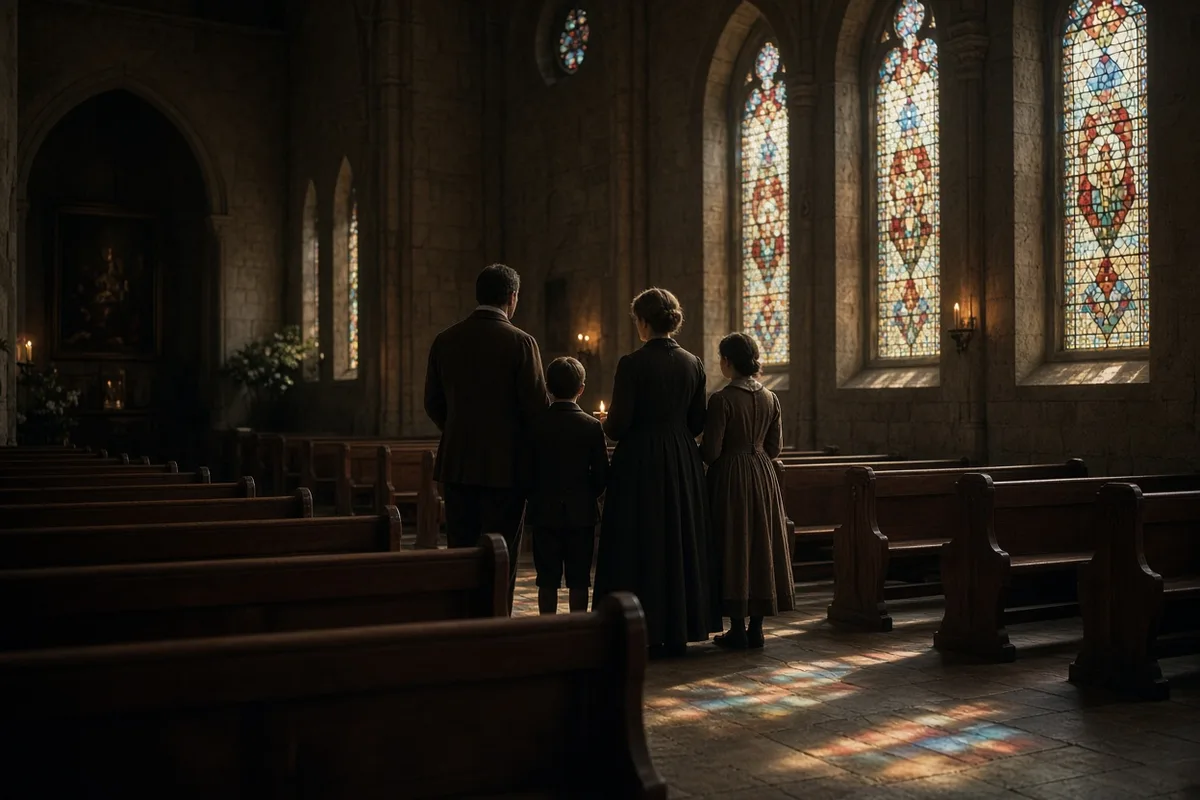
The Aigen villa, operating since 1978 as the Hotel von Trapp with 90 rooms, receives 14,000 overnight guests yearly; its garden gate still carries the 1938 plaque quoting Georg’s remark to the stationmaster. In June 2008 Johannes placed a wreath at the Aigen parish church for the centenary of his father’s birth, the last documented family visit to the original property.
Current reservations at the Stowe lodge list 3,200 advance bookings for the 2024 winter season, with 1,800 guest nights already confirmed for the Austrian-style dining room that seats 120 and serves the Salzburg recipes Maria recorded in her suitcase notebook. On clear evenings the light still reaches the cemetery stones after it has left the terrace, passing through the same maple canopy Werner measured at 14 inches diameter in his 1961 diary entry.
Johannes’s son Sam continues to oversee the property with his daughter, who keeps the daily rehearsal schedule in the same cardboard box format used by the original observer after the 1938 departure. The final living link to the 1938 crossing remains Johannes, now 88, who on 11 April 2023 sat on the chapel steps and repeated the train times Agathe had written in her diary for the Dutch border that morning.