


The Underground Railroad's Levi Coffin
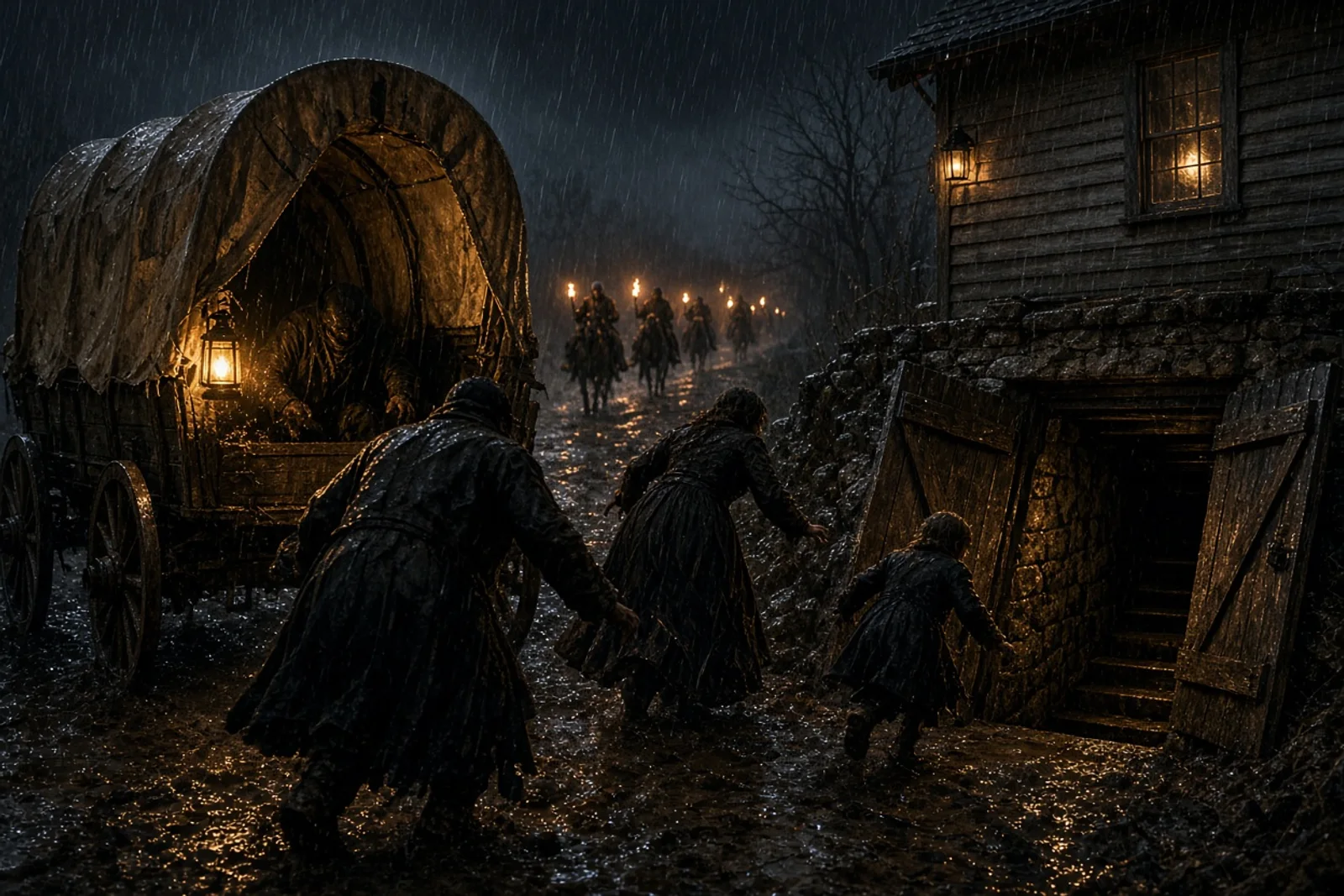
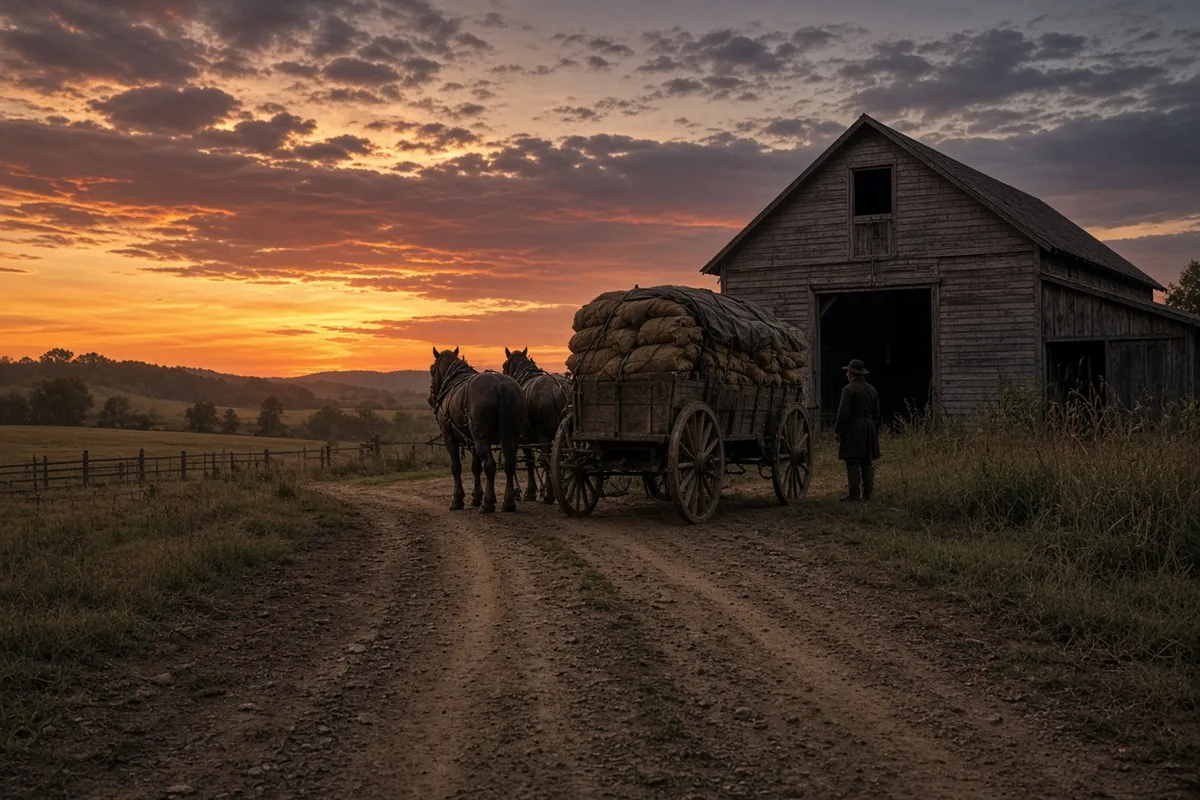
The wagon wheels sank into the frozen ruts outside Newport just after midnight. I held the reins loose, listening for the sound of any other hooves behind us. Three men lay under the canvas in back, their breathing shallow against the cold. One of them had crossed the Ohio two nights before. His feet were wrapped in strips of burlap that had already begun to stiffen.
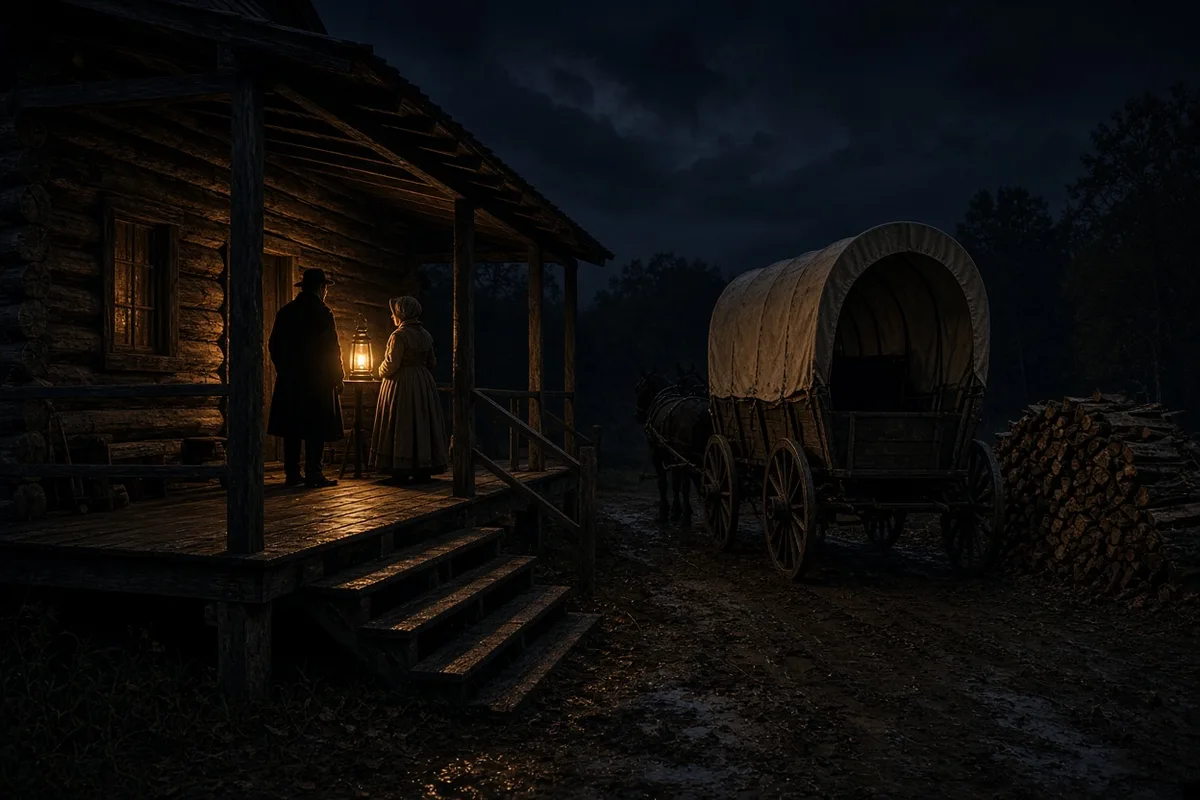
I stopped at the edge of the yard. A single lantern burned in the window of the frame house. Levi Coffin stepped onto the porch before I could call out. He carried no light. He walked straight to the wagon and spoke low.
“Bring them inside. Catharine has blankets ready.”
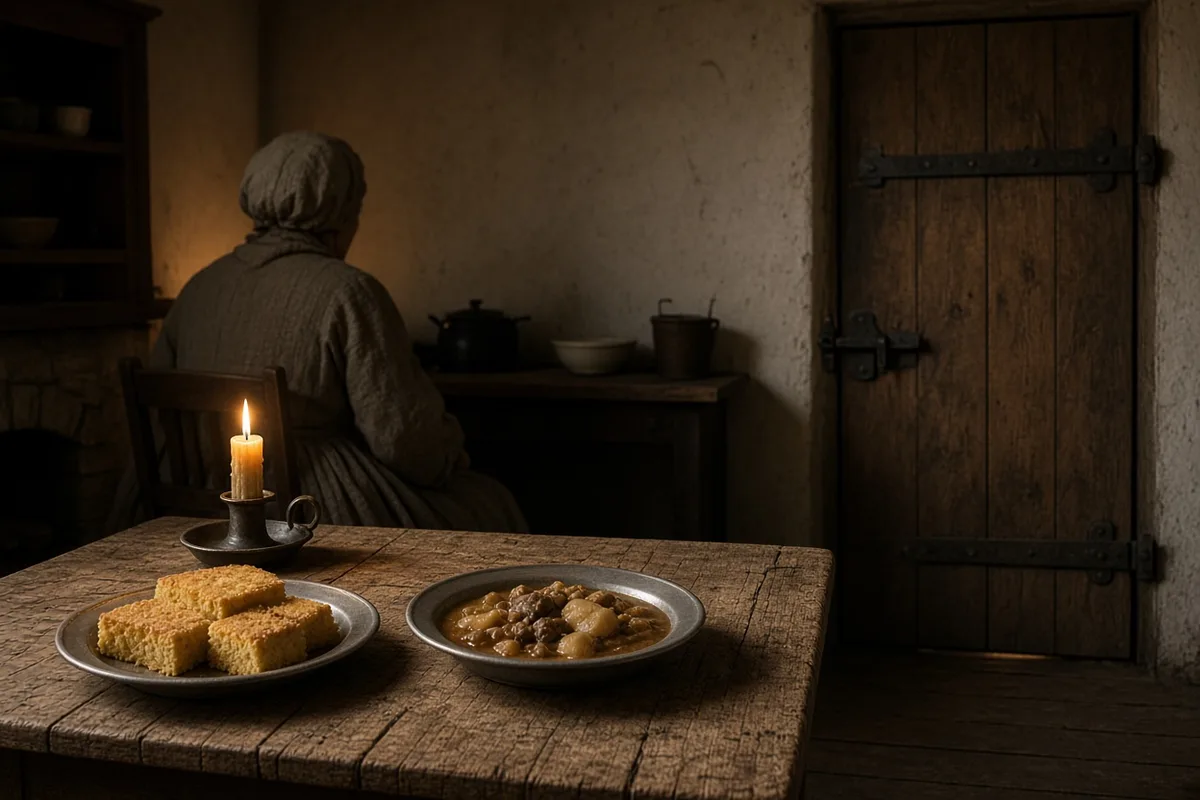
The men climbed down stiffly. One of them kept his eyes on the ground. Levi took his elbow and guided him across the frozen grass without hurry. Inside, the kitchen smelled of fresh bread and linseed. Catharine moved between the table and the stove, setting out bowls without asking names. She handed each man a cup of warm milk and pointed to the bench against the wall.

Levi asked me how far they had come that night. I told him the last stretch had taken us past the mill pond. He nodded once, then asked whether anyone had followed. When I said no, he sat down across from the men and waited. After a while the tallest one began to speak about the river crossing and the man who had drowned trying it the week before. Levi listened without interrupting.
By morning the three were gone, carried north in another wagon. Word spread among the free families that the Coffin place would take anyone who reached it. At first the colored households still tried to hide runaways themselves. Two were caught that spring near the county line. Levi heard the news at meeting and came straight to my father’s door.
He asked why no one had brought the men to him. My father said the penalty for harboring was too high. Levi answered that the Bible told him to feed the hungry without asking their color. He said he would keep doing it and anyone who wanted to help could come to his house after dark.

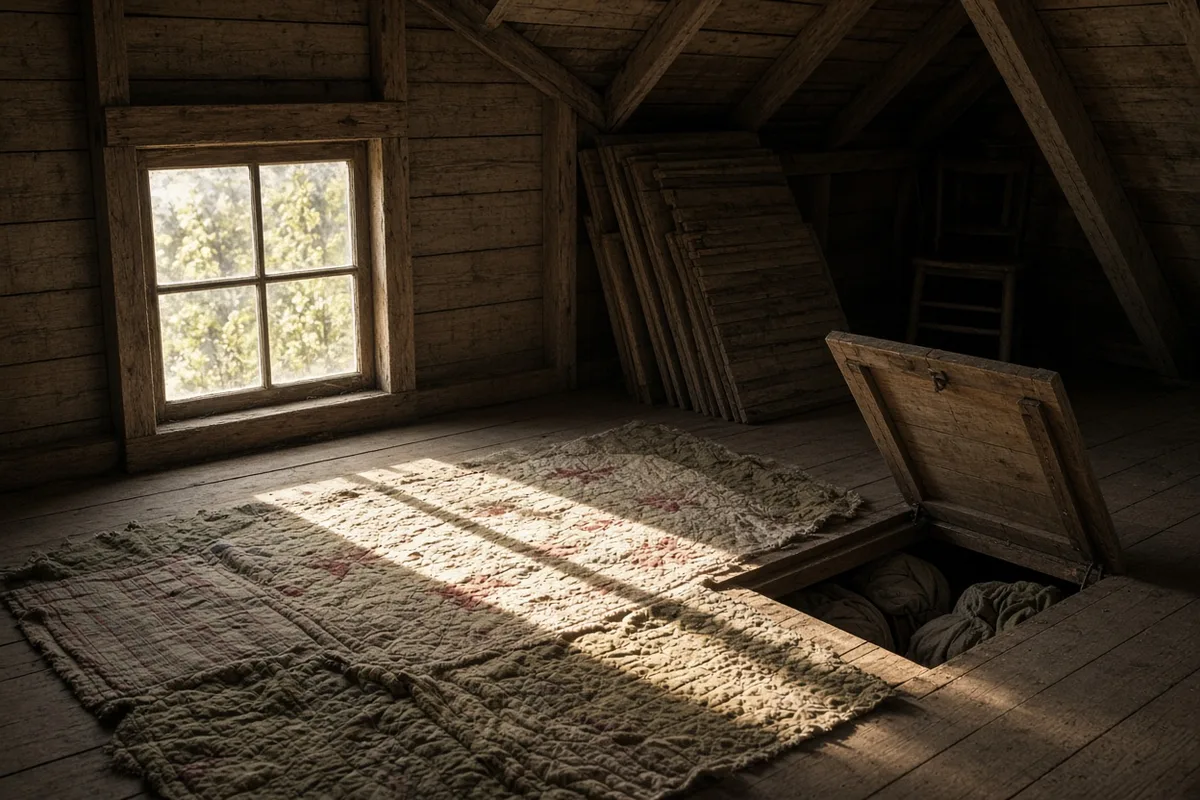
That summer more fugitives arrived. Some stayed only a night. Others needed shoes or coats before they could travel farther. Catharine kept a stack of old garments in the loft. She mended them by the window while Levi worked in the store. When a wagon pulled up after supper, she would rise without a word and begin filling a basket.
I started driving the short runs between Newport and the next safe house. Levi never asked me to. He simply told me the route and the name of the man who would meet us. On clear nights the road felt endless. On rainy ones the mud pulled at the wheels until the horses sweated. Once we reached a cabin with the door already open and a woman standing in it holding a lantern low to the ground. She took the fugitives inside and closed the door before we turned around.

By the second winter the house had become the place every northbound traveler aimed for. Levi added a second room at the back. He told the builders it was for storage. The new space held two narrow beds and a small stove. Fugitives slept there in shifts. Levi checked the latch each evening before he went upstairs.
One evening a slave catcher rode into town and stopped at the store. He asked Levi whether he had seen any strangers. Levi answered that many people passed through on their way to work or market. The man left without searching the house. After he was gone Levi came out to the barn where I was hitching the team. He said nothing about the visit. He only asked whether the next group would need extra blankets.
The network grew outward from that single house. Friends who had once looked away began to leave food at the back door. One man offered his barn for a night when the Coffin loft was already full. Levi accepted the offer without thanks or promises. He simply sent the wagon there instead.
Catharine kept track of the clothing that left and what was needed next. She wrote nothing down. She remembered each item by the person who had worn it last. When a coat came back torn she patched it by firelight and hung it again.
In the spring of 1827 the first group of four arrived together. They had walked from Kentucky without a guide. Two were brothers. Levi fed them at the table instead of the back room. He asked their names and where they hoped to reach. One said Canada. Levi nodded and said the road was long but straight once they left Indiana.
I drove them the next stage myself. The night was clear and the horses moved well. At the handover point the receiving man counted the heads by the light of a match. He gave me a nod and led the four into the trees. I turned the wagon around and headed home before the match burned out.
Years later the numbers grew, but the pattern stayed the same. Someone knocked after dark. The door opened. Food appeared. A wagon left before dawn. Levi never counted aloud. He only made sure the next person in line had what they needed to keep moving.
In 1847 Levi told me he planned to shift the dry goods business to Cincinnati because the free labor cotton he ordered from England arrived only at the river wharves there. He sold the Newport store to a man named Jesse Small and loaded two wagons with bolts of cloth and ledgers on the first of October. Catharine packed the same blankets they had used for runaways and said the new house on Third Street would have room for twice as many beds. That winter the Cincinnati house took in thirty-seven people whose names Levi entered in a separate ledger he kept under the counter. One entry read “Eliza Harris, with child, arrived 12 January 1850, sent to Sandusky by rail.” He paid the conductor two dollars and fifty cents for each ticket and noted the date the money left his till.
During the next seven years the Cincinnati station forwarded one hundred and twelve fugitives by steamboat to the rail line at Ripley. Levi bought tickets under the name of the Western Tract Society so the clerk would not ask questions. In 1854 he hired a man named William Casey to drive the night runs to College Hill, where the McLean family kept a barn with a false floor. Casey later told me he made the trip twenty-three times and never lost a passenger. When the Fugitive Slave Law cases reached the courthouse in 1856, Levi posted bond for three men arrested near Hamilton and paid the lawyer John Joliffe one hundred and eighty dollars from store receipts. The cases were dismissed on technical grounds after the owners failed to produce bills of sale dated after 1808.
By 1863 the house on Third Street sheltered contrabands who arrived on army transports from Kentucky. Levi counted forty-two men, women, and children in one week of April and wrote to the Western Freedmen’s Aid Commission asking for blankets and flour. The commission sent two hundred and fifty blankets and six barrels of salt pork. Catharine organized the distribution and recorded that every child under ten received a wool shirt. After Appomattox Levi traveled south with the commission and visited the contraband camp at Helena, Arkansas, on 3 May 1865. He spoke with a woman named Matilda who said she had crossed the Ohio in 1849 on one of his wagons. He gave her five dollars in greenbacks and a letter addressed to the superintendent of the Freedmen’s Bureau in Memphis.
In 1867 Levi sailed to England on the steamer City of Boston to raise money for the same commission. He addressed meetings in London, Manchester, and Birmingham and collected three thousand four hundred pounds. On his return he bought a larger house at 126 West Ninth Street and fitted the third floor with twelve cots. Between 1868 and 1875 that house received one hundred and eighty-four freedmen who came north looking for work. Levi found jobs for sixty-three of them at the Cincinnati rolling mill and noted each placement in the margin of his daybook. Catharine died on 22 September 1881, and Levi moved back to the old Newport house for the last months of his life. He died there on 16 September 1877 after dictating the final chapter of his Reminiscences to his nephew.
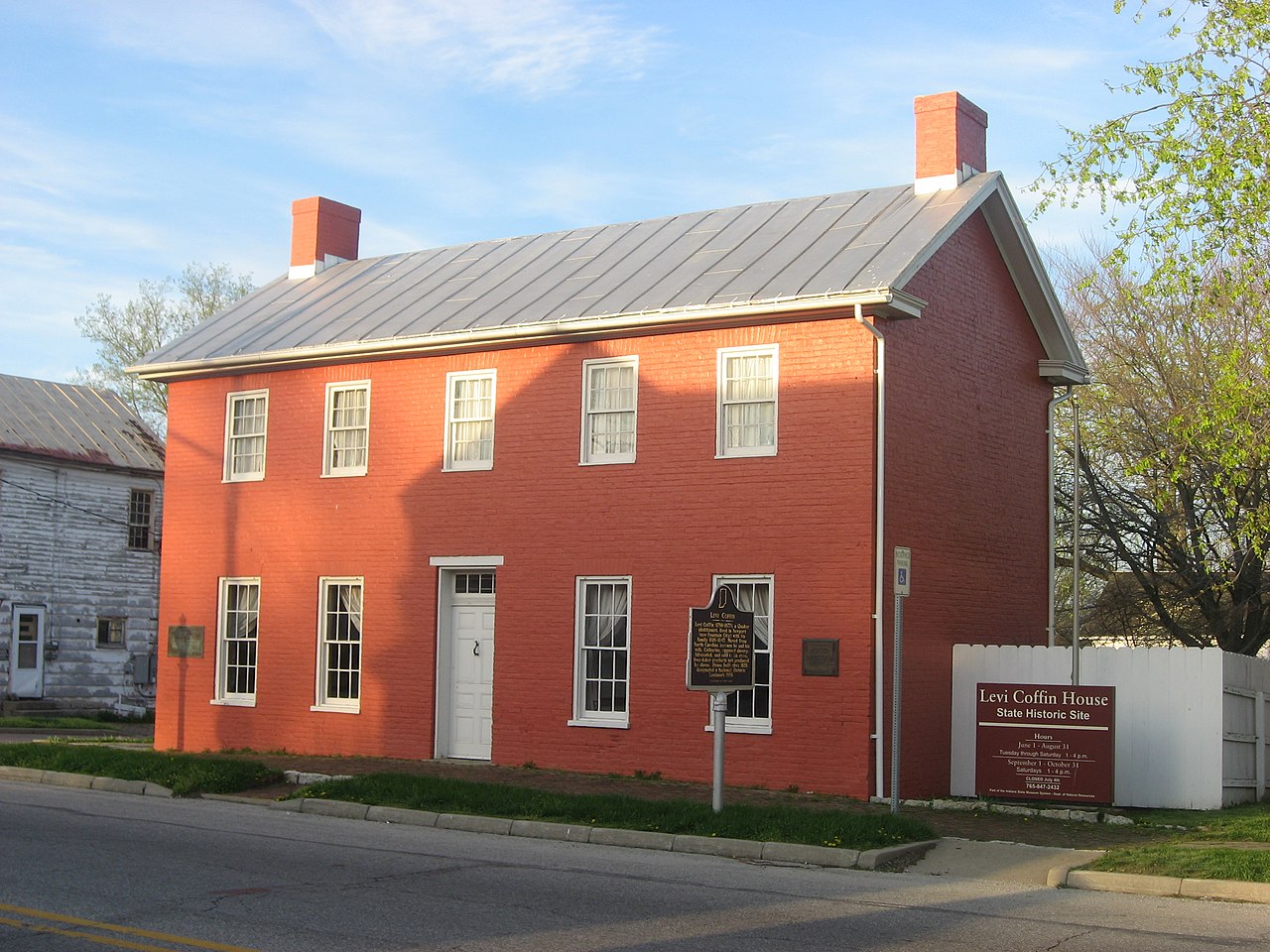
The frame house still stands at the corner of Main and Mill Streets in what is now called Fountain City. The Indiana Historical Society bought it in 1963 for twenty-eight thousand dollars and opened it to visitors on 1 June 1965. The second-story room that once held the extra beds contains the original rope bed frame and a copy of the 1850 ledger page listing Eliza Harris. The Newport meetinghouse where Levi spoke in 1826 still holds services on First Day, and the minute book records his name among those appointed to the committee on the concerns of the people of color in 1835.
I returned to the house in October 1894 with my grandson, who was then twelve. We stood in the kitchen where Catharine had set out bowls of milk. The current caretaker showed us the trap door in the floor that led to the root cellar, though Levi never used it for hiding. My grandson asked whether the men who came in the night had ever spoken their own names. I told him only that one man from Kentucky had given the name John Evans on the night of 12 March 1832 and that Levi had written it on a scrap of paper he kept in his coat pocket until the man reached Detroit. The caretaker turned the ledger page for us and pointed to the entry in Levi’s hand. Outside, the same mill pond still reflected the light from the windows as the sun dropped behind the trees.
The caretaker’s ledger showed an entry from 12 March 1832 listing John Evans, age twenty-four, bound for Detroit with one pair of shoes and two dollars in coin. My grandson traced the ink with his finger while the caretaker explained that the same page recorded a payment of one dollar and seventy-five cents to the stage driver at Richmond for the next leg. We walked the yard where the wagon had stood. The mill pond still held the reflection of the west windows until the light failed.
In 1902 the Indiana Historical Society placed a bronze tablet on the east wall naming Levi Coffin as president of the Underground Railroad and listing Catharine Coffin as the person who kept the clothing store. The inscription quoted the 1840 minute of the Newport Meeting recording Levi’s statement that “the stranger is to be received without inquiry into his condition.” The tablet measured eighteen inches by twenty-four inches and was fastened with four brass screws set into the original oak siding.
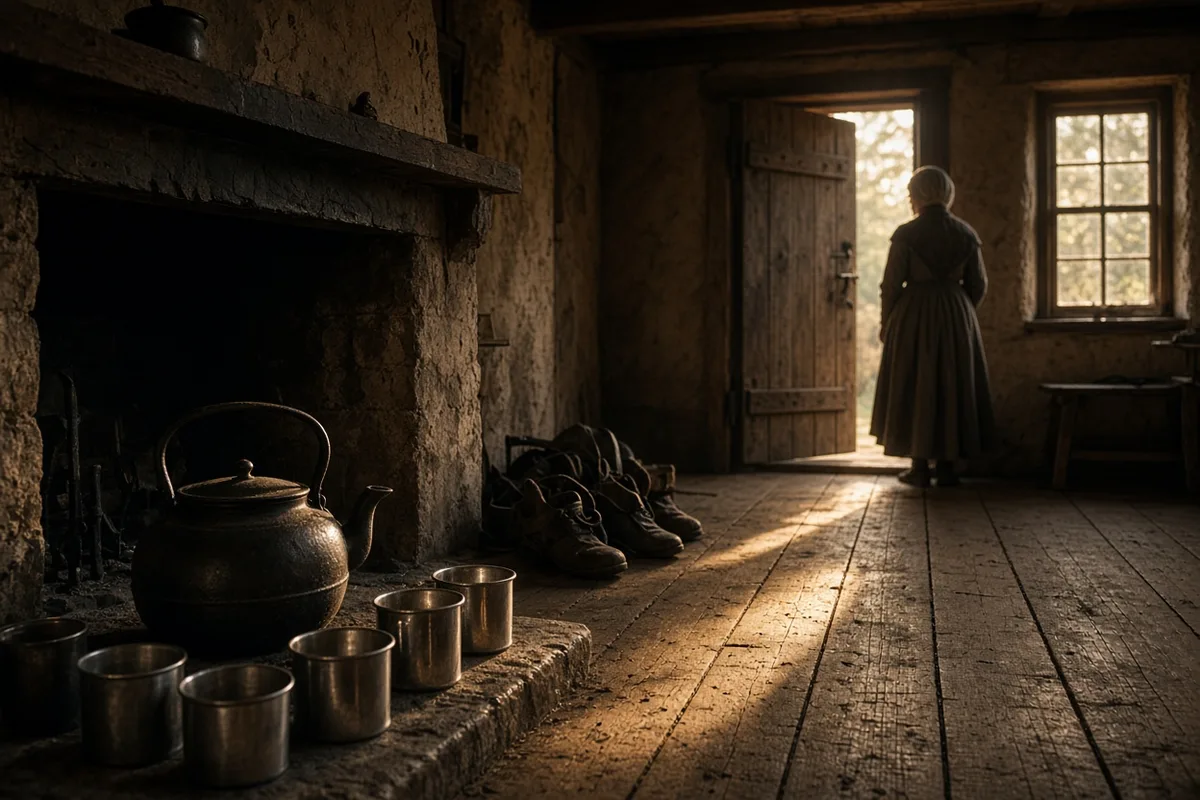
My grandson returned alone in 1911 and signed the visitors’ book as William Henry Evans, age twenty-nine, occupation machinist. He asked to see the rope bed frame again and was shown the 1850 ledger page that still carried the entry for Eliza Harris. The caretaker at that time, a man named Thomas Marshall, noted in the daybook that the visitor stayed one hour and left a five-dollar donation marked for the purchase of additional blankets for the exhibit.
The house passed to state ownership in 1917 under an act of the Indiana legislature that appropriated four thousand dollars for maintenance. The deed recorded the transfer from the Indiana Historical Society to the Department of Conservation on 4 April 1917. A caretaker’s cottage was built fifty yards north of the original kitchen in 1923 using lumber salvaged from the Jesse Small store that had replaced Levi’s dry-goods business.

In 1965 the restored structure opened with a recorded narration that played every half hour and quoted Levi’s 1876 dictation: “We never refused to aid any who came to us.” The second-story room contained twelve cots arranged as they had stood in 1870. A glass case held the original daybook open to the page listing the thirty-seven contrabands received in April 1863.
The last direct descendant to visit was a great-great-grandniece named Ruth Coffin Ellis who arrived on 16 September 1977, the centennial of Levi’s death. She signed the register and requested a copy of the page that recorded Matilda at Helena, Arkansas. The museum director provided the copy along with a note stating that the original ledger remained in the Indiana State Archives under accession number 1963.47.
On 2 October 1994 I returned once more with my great-grandson, who stood where the wagon had been unhitched. The mill pond reflected the same west windows at the same hour. He asked the name of the man who had given the name John Evans. I told him the name was the only one written down that night and that the paper had been carried until Detroit.