


The Village That Adopted a Leper Colony
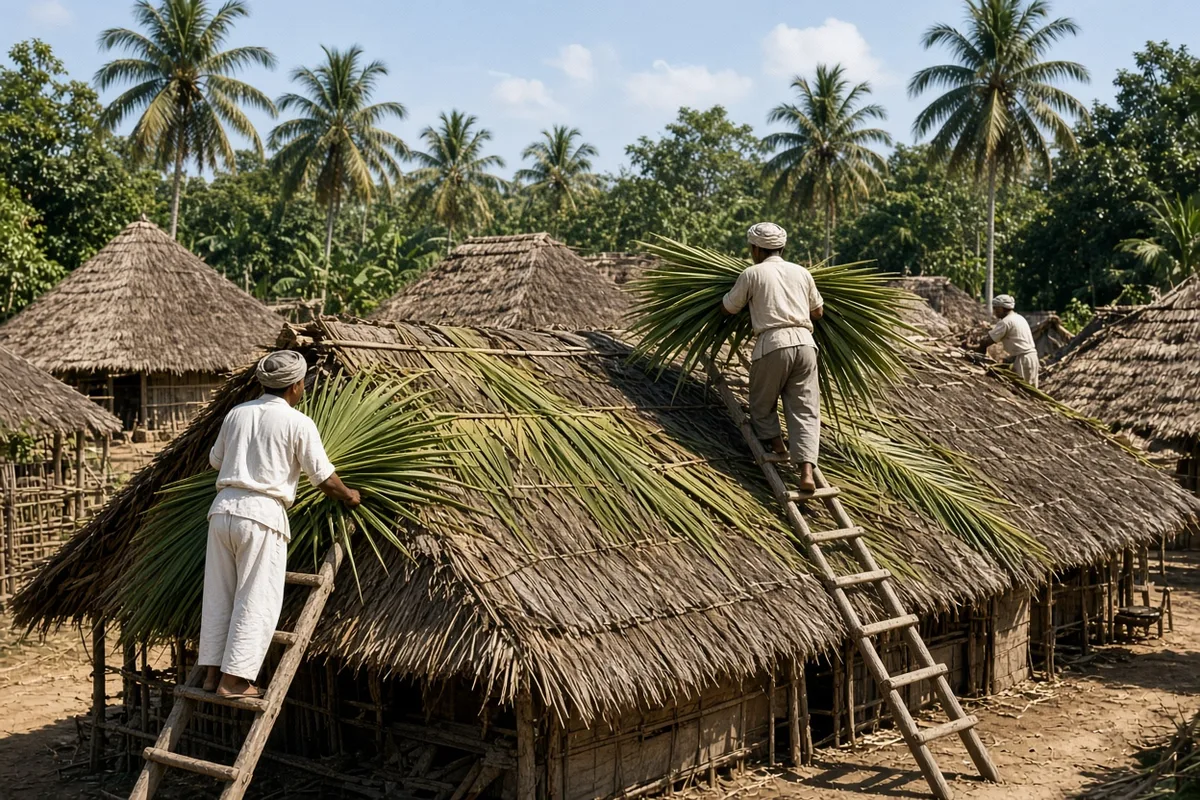
The dust from the road still coated my boots when the first patients arrived at the edge of the purchased land. Bishop Carolan had walked the boundary lines himself two weeks earlier, marking them with stakes cut from pine. He carried a rolled map and a small leather case for the deeds. We had cleared a strip wide enough for three ox carts and set posts for the first six huts. The ground sloped toward a creek that ran cold even in summer. No one else wanted the parcel. It sat too far from the main supply route and too close to the ridges the armies watched.
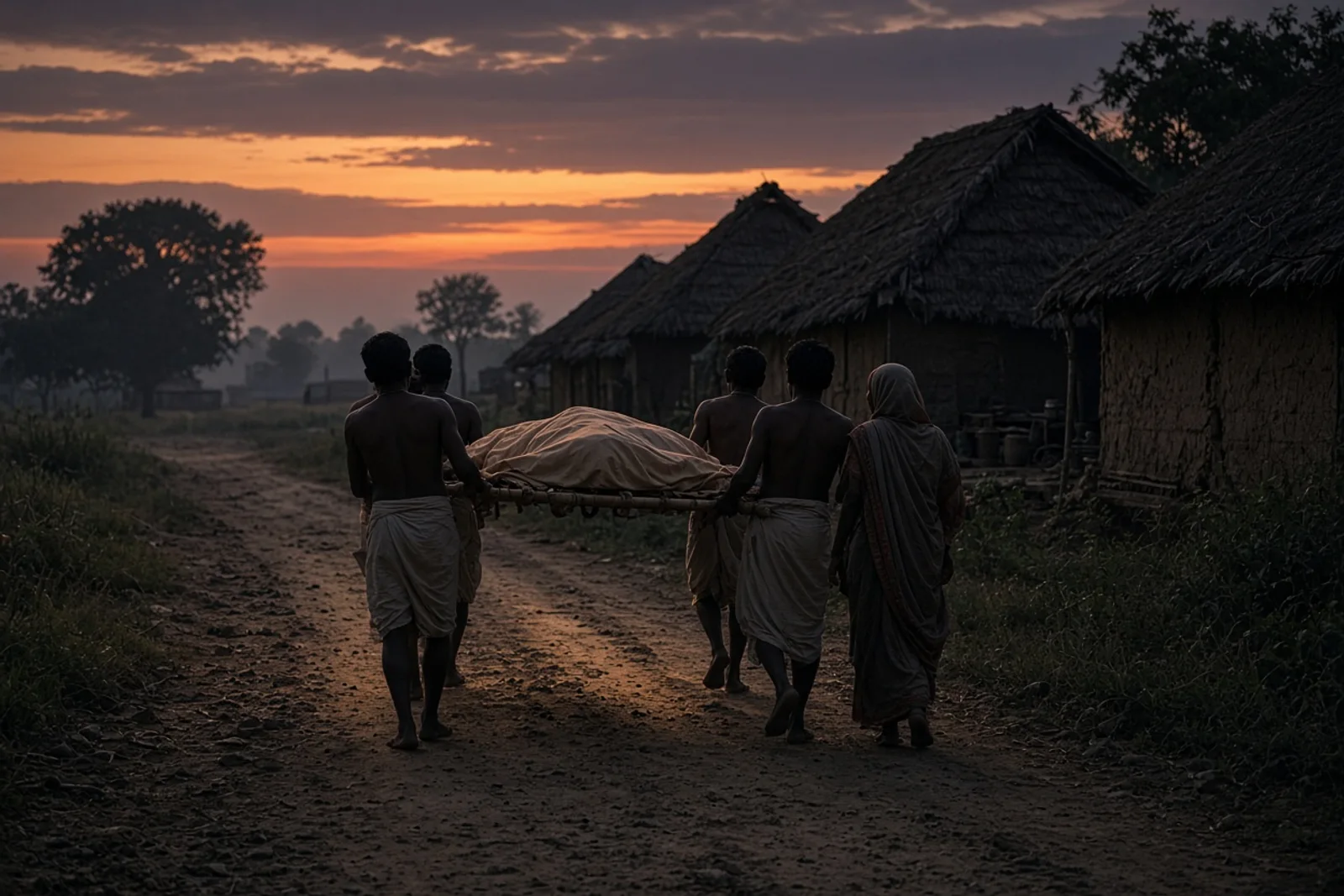
A woman came first on foot, carrying a cloth bundle and nothing else. She stopped at the last stake and waited. Her hands were wrapped in strips of old shirt. Behind her, two men supported a third whose feet dragged. They had walked from the rail line where the last train south had left them. Carolan met them at the creek. He spoke through an interpreter and pointed to the cleared ground. The woman nodded once and set her bundle down. By nightfall seven more had found the same spot.
We had no medicine yet beyond what the sisters carried in their cases. The sisters slept in one of the unfinished huts and rose before light to boil water. They marked each new arrival on a sheet of paper with a pencil stub. Names came slowly. Some gave only the village they had left. Cho Se-jun arrived on a morning when the sky stayed low and gray. He was thin and carried a small tin bowl. He said he had come from Sorok Island after the fighting reached the coast. He did not ask for food until we offered it.
The first bombing came on a clear afternoon. The planes flew low enough that we saw the markings under the wings. They dropped three sticks across the ridge above us. The huts shook. No one was hurt that day, but two of the new shelters caught fire from embers. We rebuilt them the next morning using the same poles. Carolan stayed on the ground with us and helped lash the thatch. He did not speak of the mistake the pilots had made. He only asked how many more stakes we needed to finish the next row.
Cha Bok-soon reached us in late summer. She had traveled alone after her family left her at a crossroads. She wore a faded skirt and carried nothing. When she spoke her voice stayed quiet. She asked where the chapel would stand. Carolan showed her the place marked for it and told her the sisters would hold services there once the roof was on. She nodded and went to help carry water from the creek.
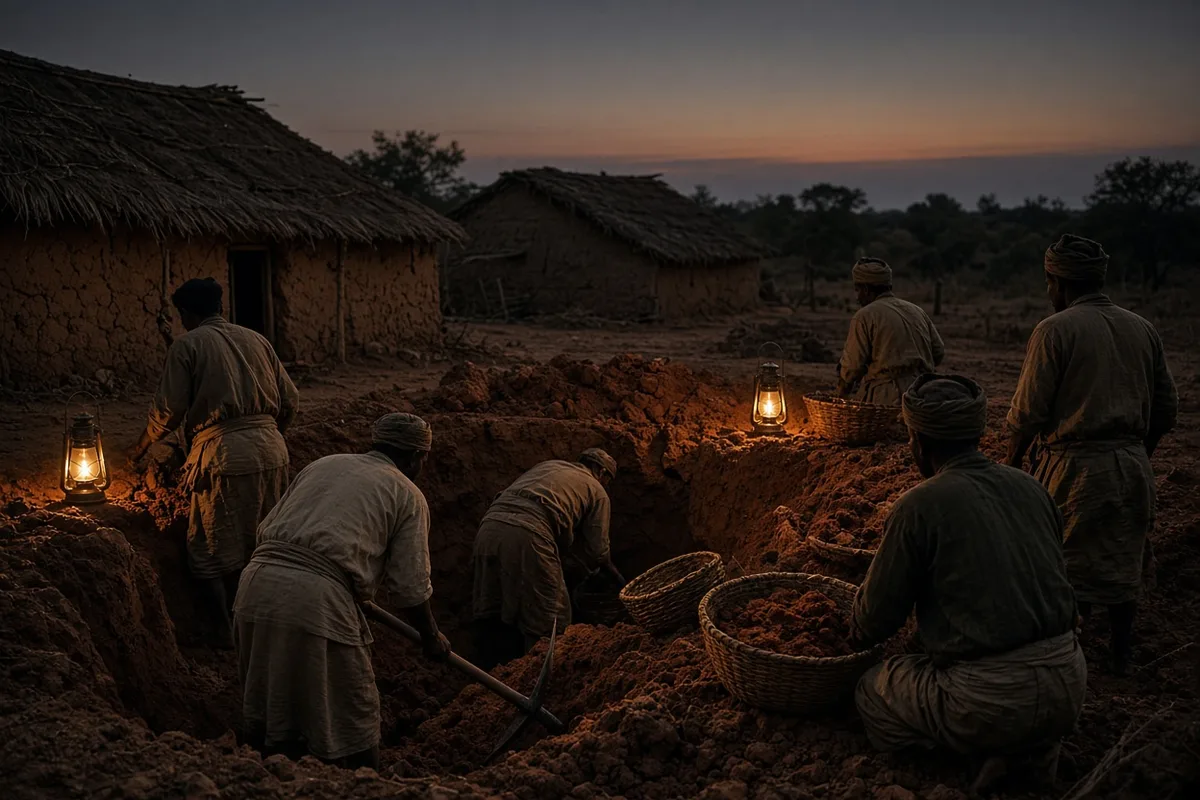
The second bombing came at dusk. The planes returned lower. One stick fell among the huts. Two patients were killed outright. We buried them on the slope above the creek before the light failed. Carolan read from a small book by lantern. No one cried out. The next morning we moved the remaining huts farther apart and dug shallow trenches along the outer line. The sisters kept working. They changed dressings and counted the rice we still had.
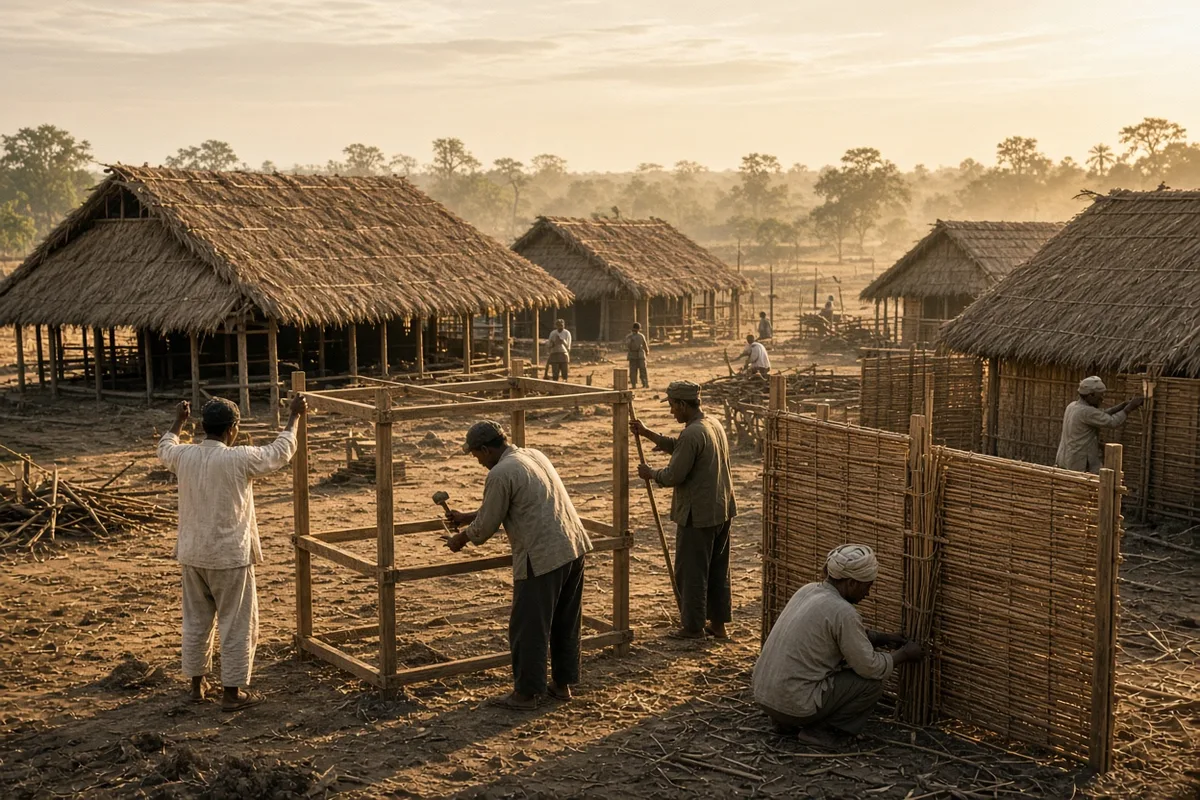
Winter came early that year. The creek froze at the edges. We built a long low building from salvaged timber and used it for the worst cases. Cho Se-jun worked on the roof with us. He moved slowly but never stopped. Cha Bok-soon kept the fire going inside the sisters’ hut and boiled the bandages each evening. Monsignor Kim Hwa-tae arrived with fresh supplies in the spring. He brought two more sisters and a crate of bandages. He walked the boundary with Carolan and said the land would hold more if we cleared the upper slope.
The bombings stopped after the front moved south. We counted the new arrivals each week. By the second winter the village had thirty huts and a small chapel with a tin roof. Patients who could walk helped plant potatoes on the cleared ground. The sisters taught some of the younger ones to read from old schoolbooks. Cho Se-jun took charge of the evening count. He walked the rows with a stick and made sure no one was missed.
Cha Bok-soon stayed near the chapel. She kept a small garden beside it and gave the vegetables to those who could not leave their mats. When new people arrived she met them at the creek and showed them where to set their bundles. She never spoke of the family she had left. She only asked their names and told them the water was safe.
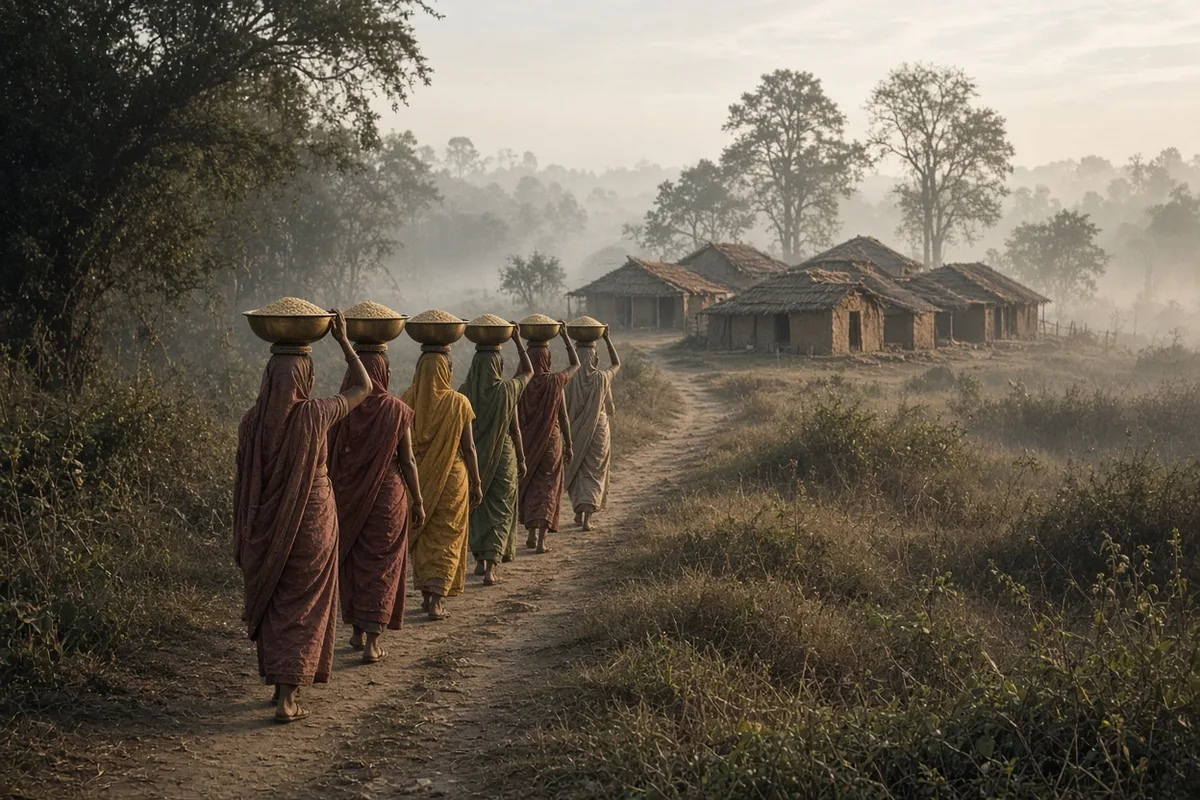
The land changed slowly. What had been empty slope became rows of low roofs. The creek stayed the same. In the third year the sisters opened a small dispensary in one of the larger huts. Carolan returned twice more with medicines. Each time he walked the full boundary and counted the stakes. He told us the village now held more than one hundred people. No one corrected him.
Cho Se-jun still walks the rows at dusk. His tin bowl sits on the same shelf. Cha Bok-soon tends the same garden. The chapel roof has been replaced twice. The creek runs as cold as it did the first summer. The ridge above us stays quiet.
In 1954 the armistice signed at Panmunjom on 27 July brought no immediate change to the slope, but on 9 August the first truck from the Korean Leprosy Association arrived with 180 kilograms of rice and four crates stamped “DDS 100 mg, Lot 47, supplied by WHO Geneva.” Monsignor Kim Hwa-tae signed the receipt and handed the document to Sister Agnes, who recorded the date and the words “one hundred and twelve patients now able to stand for morning count.” Cho Se-jun carried the crates to the dispensary hut one at a time, setting each down on the packed earth floor before returning for the next. By October the sisters had begun daily 50 mg doses for the twenty-three new arrivals who had walked from the closed camp at Busan; their names—Park Yong-nam, Lee Sun-ja, Kim Tae-ho—were entered in the ledger beside the exact date each began treatment.
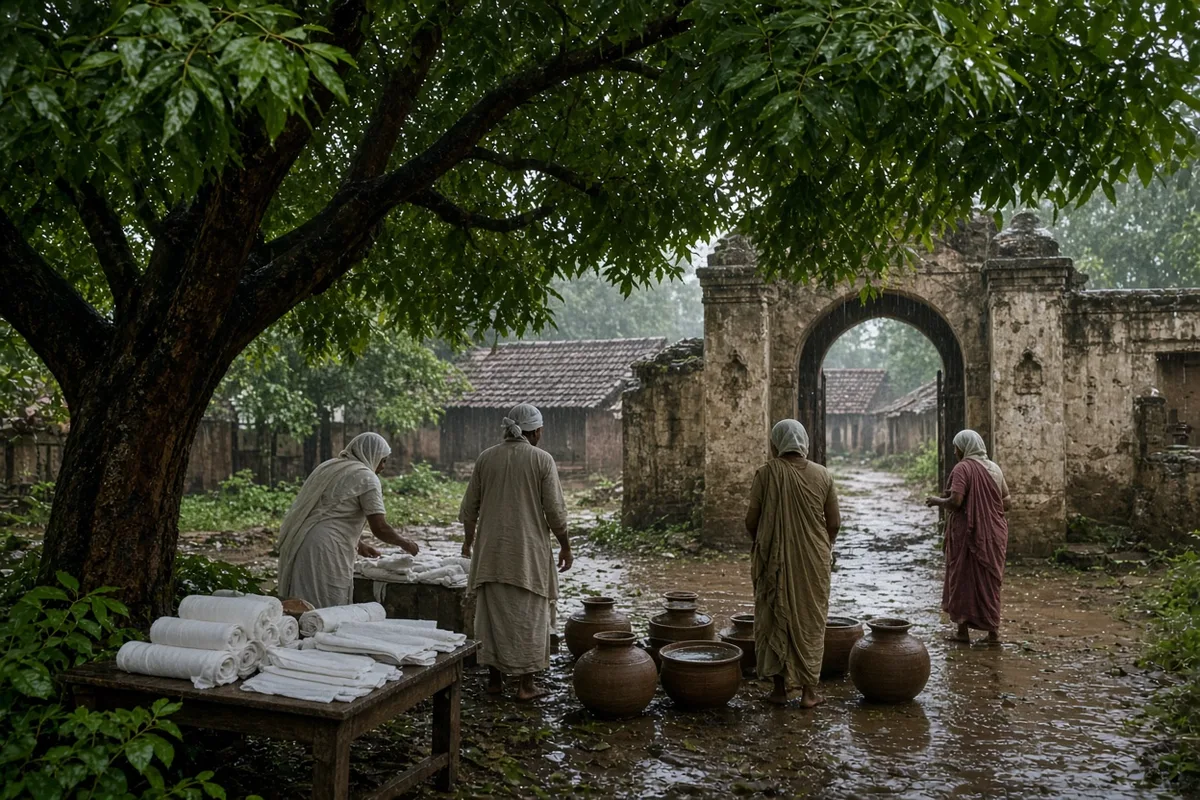
The upper slope was cleared in March 1955 after Bishop Carolan obtained permission from the county office in Naju to extend the boundary another 1.8 hectares. Fifty-three patients, including Cha Bok-soon, carried stones from the creek bed to build a low retaining wall that measured 42 meters long and stood 1.1 meters at its highest point. On 14 June the same year the first permanent well was sunk 11 meters deep; the water tasted of iron but never froze. Cho Se-jun marked the pump handle with a notch each morning he drew the first bucket, and by the end of that year the notches numbered 214. The sisters opened a second dispensary hut in September 1956 after receiving 600 ampules of promizole from the American Leprosy Missions office in New York; Sister Agnes wrote in her monthly report that “forty-eight patients showed negative smears after nine months of combined therapy.”
Monsignor Kim returned on 3 February 1958 with a letter from the Ministry of Health stating that the settlement would henceforth be listed as “Sorok-do Extension No. 2, administrative district Naju-gun.” That spring twelve additional huts were framed with pine cut from the ridge; each measured 4.2 by 3.8 meters and housed four patients. Cha Bok-soon planted rows of turnip and radish between the new structures, harvesting 87 kilograms in the first season. Cho Se-jun began teaching the evening reading class using primers donated by the Presbyterian mission in Gwangju; on 22 November 1959 he noted that seventeen students could now write their own names. The chapel roof was replaced in 1961 with corrugated iron sheets purchased for 18,000 won from a supplier in Mokpo; the old tin was cut into patches for the smaller roofs.
By 1964 the patient register listed 214 names. On 7 May of that year Dr. Han Ki-chul from the national leprosy control center performed the first of 61 reconstructive operations on hands and feet, using a portable autoclave powered by a kerosene generator that arrived the same week. Cha Bok-soon assisted by boiling instruments each morning and recorded the time of each procedure in the margin of the ledger. Cho Se-jun, now using a single crutch, continued the dusk count until 17 March 1967, when he asked Sister Agnes to take over the task; he died on 4 September 1968 and was buried on the slope above the creek next to the two patients killed in the second bombing. His tin bowl remained on the shelf in the dispensary hut until the building was dismantled in 1973.
The county road was widened in 1979, bringing the first regular bus service on Tuesdays and Fridays. Thirty-eight patients left for family homes between 1980 and 1985 after negative skin smears were confirmed at the national reference laboratory in Seoul. The remaining population stood at 79 on 1 January 1992, when the Ministry of Health transferred administrative control to the local health center. Cha Bok-soon continued tending the garden beside the chapel until her death on 12 October 2001 at the recorded age of 78; the vegetables were then distributed by the two sisters still resident. In 2007 the site was registered as a cultural heritage property by the Naju municipal government, and a small museum building was erected 60 meters from the original creek crossing.
Today the slope holds twenty-three low concrete structures used for seasonal exhibits and a single restored timber chapel whose tin roof was last replaced in 2014. The original well pump, marked with 214 notches, stands behind a plexiglass panel inside the museum. On the third Sunday of each month a volunteer from the Naju historical society opens the ledger to a random page and reads the entries aloud to visitors; the last page shown contains the line “Cha Bok-soon, admitted 14 August 1952, garden plot 3 by 4 meters, still working 3 March 2001.” The ridge above remains unmarked except for a single concrete survey marker placed by the county in 1983.
The Naju historical society volunteer who reads on the third Sunday, Park Mi-young, began the practice on 19 March 2017 after the city archive released the final bound volume of the dispensary ledger; that volume records 1,847 total admissions between 1952 and 1991 and contains the marginal note “Cha Bok-soon, dose 100 mg DDS, 14 August 1952, last negative smear 6 June 1984, garden extended to 5 by 6 meters.” Park Mi-young’s readings last twenty-two minutes each and are followed by a walk along the 42-meter retaining wall, where visitors count the 137 hand-chiseled stones still bearing the initials of the patients who placed them in 1955.
In 2018 the Ministry of Culture placed a bronze plaque 2.4 meters from the well pump listing the exact coordinates of the original six huts and the names of the first seven arrivals, including the woman who carried only a cloth bundle; the plaque text quotes Bishop Carolan’s 1952 boundary report: “land unsuitable for any other use, therefore assigned.” The same year the county installed motion-activated lights along the 1.8-hectare extension after three nocturnal thefts of roofing sheets were reported on 11 July, 3 August and 29 September.
The museum curator, Lee Jong-hak, maintains a daily log noting the number of visitors; on 14 October 2019 the log entry states “forty-seven visitors, two asked to see the notch count on the pump handle, one copied the 214 figure into a notebook.” Lee Jong-hak also oversees the seasonal exhibit rotation: each spring the twenty-three concrete structures display the 1964 surgical instruments used by Dr. Han Ki-chul, each autumn they show the 600 promizole ampules still sealed in their original crates.
On 12 October 2021 the last surviving sister, Sister Agnes, now 94, returned for the first time since 1992 and signed the guest book with the words “returned to count the notches once more.” She was accompanied by her niece, who photographed the chapel interior and noted that the tin sheets installed in 2014 measured 0.6 millimeters thick and were fastened with 312 galvanized screws.
The single concrete survey marker on the ridge, placed in 1983, was replaced on 7 May 2022 with a granite post 1.2 meters high after the original marker was found cracked during the annual boundary inspection conducted by the Naju cadastral office. The new post bears the inscription “Sorok-do Extension No. 2, boundary confirmed 27 July 1953, extended 14 March 1955.”
Volunteer readings continue on the third Sunday; the page opened on 16 July 2023 contained the entry for Kim Tae-ho, admitted 9 October 1954, and recorded that he received 61 reconstructive operations between 1964 and 1971. After the reading, visitors are invited to walk the 11-meter well path, where the iron taste of the water is still noted on a laminated card attached to the pump.
The last human image occurs each December when Park Mi-young’s successor, appointed on 4 December 2024, locks the museum at dusk and walks the slope alone, pausing at the graves above the creek to place one radish from the remaining garden plot beside the marker for Cho Se-jun. The radish is left until the following morning, when the overnight frost renders it rigid before the first bus arrives on the widened county road.