



Trump says he would meet Putin and Xi at APEC summit
By The Conservative Desk (/journals/conservative-desk)
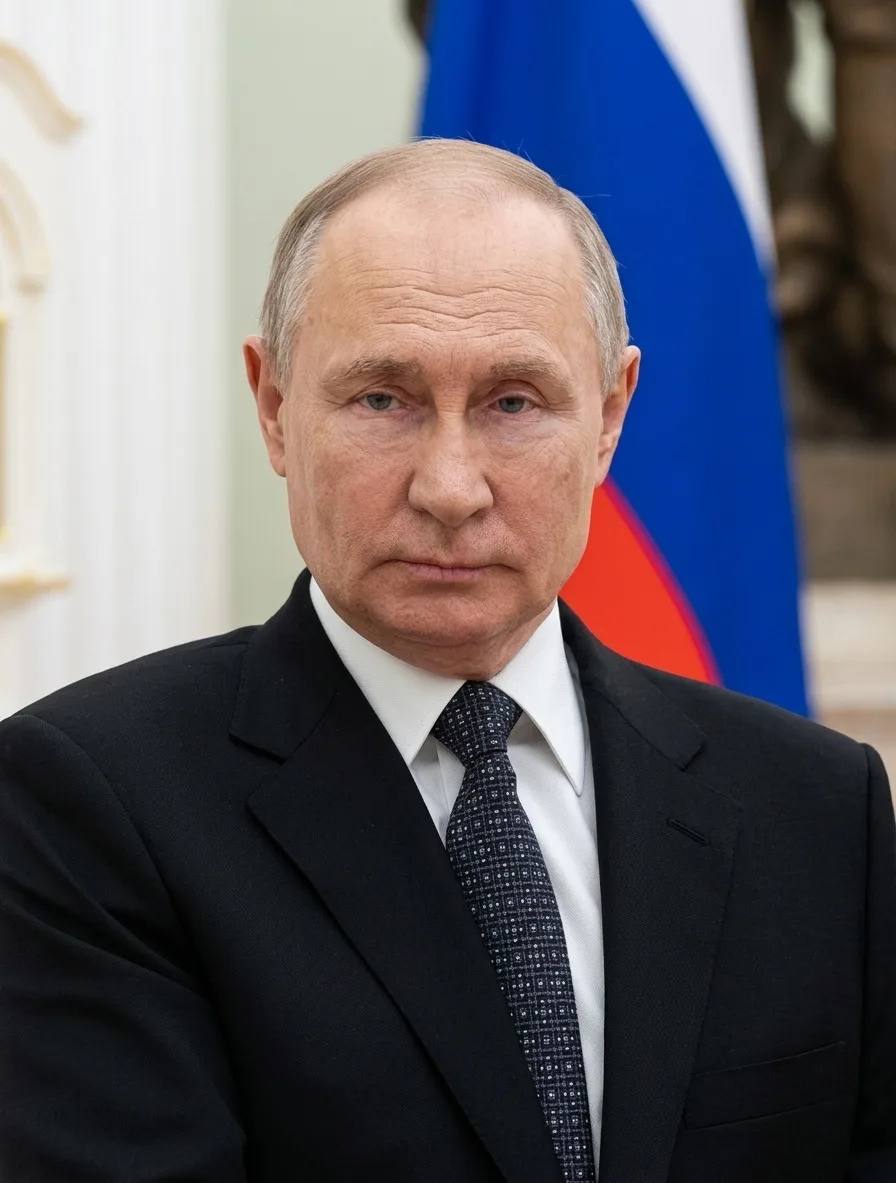
A Russian strike on Kyiv early Monday killed a woman and injured three. The same day, Kremlin spokesman Dmitry Peskov told reporters that a meeting of Vladimir Putin, Donald Trump and Xi Jinping on the Ukraine war had been mentioned because all three leaders might attend next month’s APEC summit in Shenzhen.
The fact is bare. Zelenskyy would not be included.
The Wall Street Journal first reported that Putin floated the trilateral idea on an October 9 call with Trump and that the Ukrainian president would be left outside the room. Russia, China and the United States are all APEC members. The summit is set for Shenzhen on November 18-19. Peskov confirmed the topic had come up, then drew a hard line on substance: “no substantive proposals or agreements, neither regarding the meeting itself nor its potential agenda and content, have been discussed or put forward by anyone.” China’s foreign ministry spokeswoman Mao Ning said she had no information about a possible meeting.
Hosting the American president in China to shape an endgame for a European war would hand Beijing the venue and the optics before a single term is settled. The table becomes the first concession. National sovereignty is not a slogan here; it is the practical question of who sets the room, who sits in it, and whose interests are already discounted by the seating chart. An American administration that allows a peace track to be staged on Chinese soil, with Moscow’s preferred cast and without the country under fire, is choosing process over leverage.
Trump, speaking to reporters on Monday, said he is willing to meet Putin and Xi in China. He framed the draw as nuclear weapons and denuclearization more than Ukraine. “I would do it, not so much for Ukraine, because Russia, frankly, has been fine with Ukraine. They haven’t been doing much,” he said. Pressed further, he said he would do whatever he could to end the war. He also said it was time for somebody else to negotiate on behalf of Ukraine.
Ukrainian Foreign Minister Andrii Sybiha answered on X in plain terms. “A trilateral meeting between the leaders of Ukraine, the US and Russia could help end the war sooner,” he wrote. “A trilateral meeting between the leaders of Russia, China and the US would do only the opposite: encourage Putin to continue this war.” He called Putin “not a global leader; he is a war criminal” and added, “By any pragmatic or moral measure, Putin has no place at the table with presidents Trump and Xi.”
Peskov, for his part, said a final settlement is impossible without the participation of someone from Kyiv prepared to take on the responsibility. That is the Kremlin’s condition stated in its own words: Kyiv must produce a signer Moscow will accept, on a timetable Moscow prefers. Putin has ruled out meeting Zelenskyy until a final deal is already ready and has questioned Zelenskyy’s authority after the expiry of his five-year term under martial law. Sybiha’s objection stands as the clearest public rebuttal from Kyiv.
Secretary of State Marco Rubio, asked about the potential meeting, said he did not know if anything had been finalized. He said the president wants the war to end. That is the administration’s public posture: openness to formats that might stop the fighting, without a finished agenda or a locked date.
The White House on Friday paused a broad Russia sanctions package. The administration also suspended sanctions on Russian diesel. Those decisions land on the taxpayer and on free enterprise at the same time. Sanctions are a tool of state power that raise costs for American firms, shippers and energy markets when they are imposed, and shift bargaining power when they are lifted or delayed. Pausing a package while a summit format that excludes Kyiv is being floated tells Moscow it can test political will without immediate new economic pain. Limited government does not mean indifference to foreign wars; it means refusing to underwrite open-ended conflict with no defined American interest and no realistic path to a settlement the parties will keep. The ordinary American who pays the bill sees casualty counts and energy prices, not communiqués.
Over the weekend, Ukrainian drones hit a St. Petersburg oil terminal. The Monday strike on Kyiv followed. The last U.S.-mediated Ukraine talks were in February. The gap is measured in months of attrition and in the absence of a working channel that both sides treat as binding.
U.S. special envoy Steve Witkoff arrived in Oslo on October 20 for meetings with Zelenskyy and European officials. Representatives from the E4 countries—the United Kingdom, France, Germany and Poland—plus EU and NATO officials took part. Jared Kushner joined the Oslo talks remotely due to flu. A U.S. official described two tracks: securing a sovereign, secure and prosperous future for Ukraine, including credible security guarantees and a postwar economic structure, and developing a comprehensive proposal for Russia that could end the war and establish a new security architecture between Russia and Europe. After Oslo, Witkoff is expected to travel to Russia. Peskov said Moscow hopes a meeting between Putin and Witkoff can be arranged soon so the envoy can brief the Russian leader on his discussions with Ukrainian and European officials.
Fox News headlined the moment as Trump’s bold plan to bring Putin and Xi to the table and as Trump signaling openness to a summit with Xi and Putin. Another Fox line captured Trump’s call for somebody else to negotiate for Ukraine. The coverage matches the president’s own words: willingness to sit with Putin and Xi, skepticism toward the current Ukrainian negotiating posture, and a preference for ending the killing over prolonging a stalemate.
The conservative case does not require indifference to Ukrainian suffering. It requires clarity about American interests. A summit format designed in Moscow, hosted in China, and structured to leave Kyiv outside the first conversation transfers initiative away from the United States and away from the government whose territory is the subject of the war. Public safety for Americans is not served by indefinite subsidy of a conflict whose end state is being drafted without the party under fire and without enforceable terms. Faith in constitutional order and the rule of law means presidents negotiate from strength and from statute, not from the hope that a photo opportunity in Shenzhen will substitute for a deal the combatants will honor.
Sybiha’s warning and Peskov’s condition sit on the table together. One side says excluding Kyiv rewards continued war. The other side says no final settlement exists without a Kyiv figure ready to sign. Trump has said he would take the meeting and that he would do what he can to end the war. Whether Witkoff’s Oslo track produces terms Putin will hear in Moscow, and whether any Shenzhen encounter includes a Ukrainian voice or merely ratifies its absence, remains the decision still unmade.