



US Cities Weigh Automated Train Plans
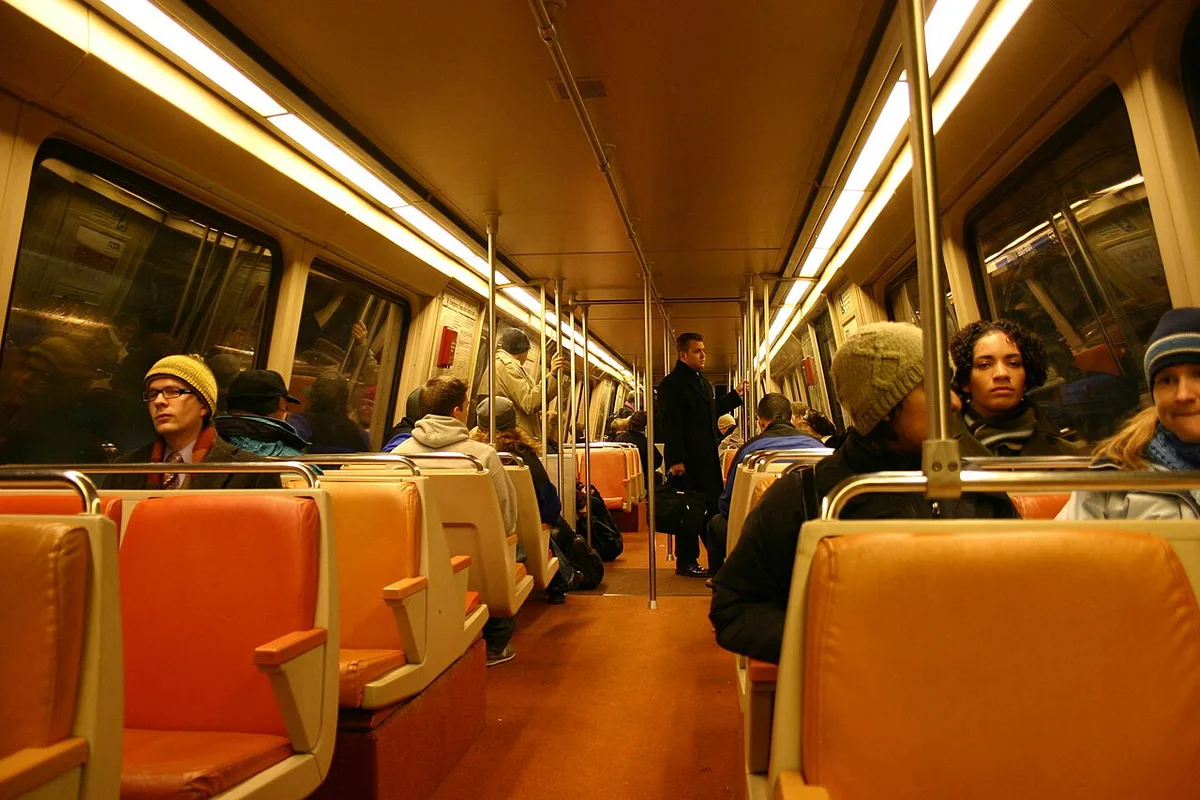
Washington Metro's Board backed a nearly $1 billion Red Line upgrade in April. Under that plan, trains could run without a human in the cab as early as 2033, with safety features such as platform barriers. D.C. officials recently advanced full computer control of the line. Los Angeles is in environmental review for a new fully automated heavy-rail line through the Santa Monica Mountains. Honolulu already runs Skyline, opened three years ago and expanded last year; it will stretch 19 miles when completed and is the most expansive automated U.S. transit system. D.C. Metro opened 50 years ago with some automated features. After the 2009 Fort Totten crash that killed nine, the NTSB blamed a maintenance problem in the automated signaling system; those features were turned off and later restored on the Red Line in 2024 and other lines last year. Earlier U.S. efforts include 1980s elevated driverless pilots in Detroit and Miami, a closed Memphis monorail, and Jacksonville's Skyway, set to halt indefinitely over budget cuts. Clarke says the current system is highly regulated and that the 2009 failure is not repeated; Samuelsen calls automation a catastrophe waiting to happen on third-rail systems; Feigenbaum says fixed-rail should be easier to automate than road vehicles; Tsuda reports no automation-related crash in Honolulu; King says the public tolerates private-sector failure more than public-sector failure. The D.C. and L.A. projects still face years of work plus funding and technical hurdles.