



Western parenting invents most of its own exhaustion
In 60 seconds
- Doucleff argues WEIRD intensive parenting is a recent affluent invention that manufactures conflict by isolating kids from adult work and treating them as fragile dependents.
- Maya togetherness keeps infants in real household activity so cooperation is absorbed by exposure, not taught as a separate lesson.
- Acomodar treats helping as ordinary belonging; chore charts and rewards, she claims, train kids to treat contribution as optional transaction.
- Requests with room for a real no, plus calm delayed correction via story instead of angry scolding, reduce defiance more than commands and lectures.
- Mixed-age play, multiple caregivers, real tools, and sparse praise build competence; praise-plus-shielding quietly signals incapacity.
- The practices only work as one stance—kids as early contributors—not as isolated hacks bolted onto the old baseline.
The big idea
Doucleff contends that chronic tantrums and power struggles are less a fact of childhood than a product of a narrow modern household design that segregates children, negotiates every contribution, and manages them through control and praise. Older, widespread practices she observes rest on one shift: treat children early as capable members of shared life, with autonomy inside firm limits, calm correction, distributed care, and real responsibility.
The book in brief
Doucleff starts from collapse-level friction with her toddler Rosy—bribes, threats, negotiation that barely worked—and refuses to treat it as private failure. She frames the grind as WEIRD parenting: a recent style among Western, educated, industrialized, rich, democratic households that casts children as entertainment-hungry dependents needing constant enrichment and makes parent-child conflict feel inevitable. Anthropological catalogs she cites, including David Lancy’s, cast the isolated nuclear, child-centered home as the outlier across human history.
She leaves expert advice inside that bubble and goes to communities whose practices were refined over generations without the same reports of chronic meltdown and burnout. Among Maya families in Yucatán she finds physical togetherness without a separate kid world: babies carried or propped into cooking, weaving, and farming so household rhythms land by osmosis. From that baseline comes acomodar—helping as identity—where toddlers fetch, sweep, and care without chore charts, while adults tolerate clumsy work without redoing it as theater.
Autonomy sharpens the mechanism. Maya and Hadzabe adults lean on requests, stated needs, and waiting rather than orders, sometimes accepting a no so yes means something; she ties this to self-determination research on choice and intrinsic motivation, while keeping safety non-negotiable. Inuit practice then rewires discipline: never correct while angry; wait, then teach through story, playacting, or a pointed question so the child owns the lesson instead of managing the parent’s mood—echoing Jean Briggs’s accounts of scarce visible parental anger.
Hadzabe camps extend the social architecture: loosely supervised multi-age groups where older kids mind younger ones, plus routine care from grandparents, aunts, and camp members—alloparenting that spreads load and lets children practice real negotiation and soothing. Trust over praise closes the skill loop: little effusive “good job,” early real tools and tasks including knives and fire under supervision, mistakes as learning, drawing on Dweck’s caution that heavy praise breeds external dependence.
The close insists these are not a menu. Togetherness, acomodar, requests, calm correction, village care, and earned competence only cohere if the household stops treating children as dependents to manage until later readiness. She reports a messy year of fewer manufactured activities, more ordinary inclusion, softer delayed correction, and more other adults with Rosy—gradual, with setbacks—not a formula. Western readers need not import whole cultures; they can lower the wall between adult and child life inside their own constraints.
Context
Michaeleen Doucleff, an NPR science journalist worn down by her daughter’s tantrums, embedded briefly with Maya families in Mexico, an Inuit community in the Arctic, and Hadzabe camps in Tanzania. The book landed as a historically grounded pushback for parents exhausted by mainstream intensive advice and for readers who want anthropology translated into household practice rather than another technique stack.
The key ideas
1
WEIRD parenting is the outlier
Doucleff argues the anxious, conflict-heavy Western style is a recent affluent invention, not the human default, and much of its friction is self-inflicted.
WEIRD default
Isolated nuclear home; child as fragile dependent; enrichment, supervision, negotiation; conflict treated as inevitable
Wider human pattern
Early integration into adult work; real responsibility; less intervention; cooperation expected with less friction
She opens at her breaking point with three-year-old Rosy in near-constant meltdown and herself cycling through bribes, threats, and deals that rarely stuck. Psychologists’ WEIRD label—Western, Educated, Industrialized, Rich, Democratic—names a style that bloomed mainly in the last century among highly schooled populations. It treats children as fragile, stimulation-hungry dependents who need supervision, enrichment, and negotiation, and it treats clash as normal.
She insists this is historically strange. For most of human life, and in most societies still, children joined adult work early, held real responsibility, and were expected to self-regulate with less hovering and less drama. Researchers such as anthropologist David Lancy, who has surveyed child-rearing across hundreds of societies, make the isolated nuclear, child-centered household look unusual in cross-cultural terms.
The method of the book follows: skip parenting experts trapped in the same assumptions and visit communities whose practices were pressure-tested across generations without U.S.-style reports of endless tantrums, sibling war, and parental burnout. She presents those homes not as exotic exhibits but as working answers to a shared problem—raising cooperative, resilient kids without a permanent battle of wills—and sets every later chapter inside that frame of inclusion, trust, and less adult control.
In practice: Rosy’s meltdowns and Doucleff’s failing bribes and threats become the emblem of WEIRD friction she refuses to personalize as mere parental incompetence.
2
Togetherness beats kid world
Children embedded in adult life from infancy learn cooperation by exposure because family life and their life were never split into separate realms.
Separate kid world
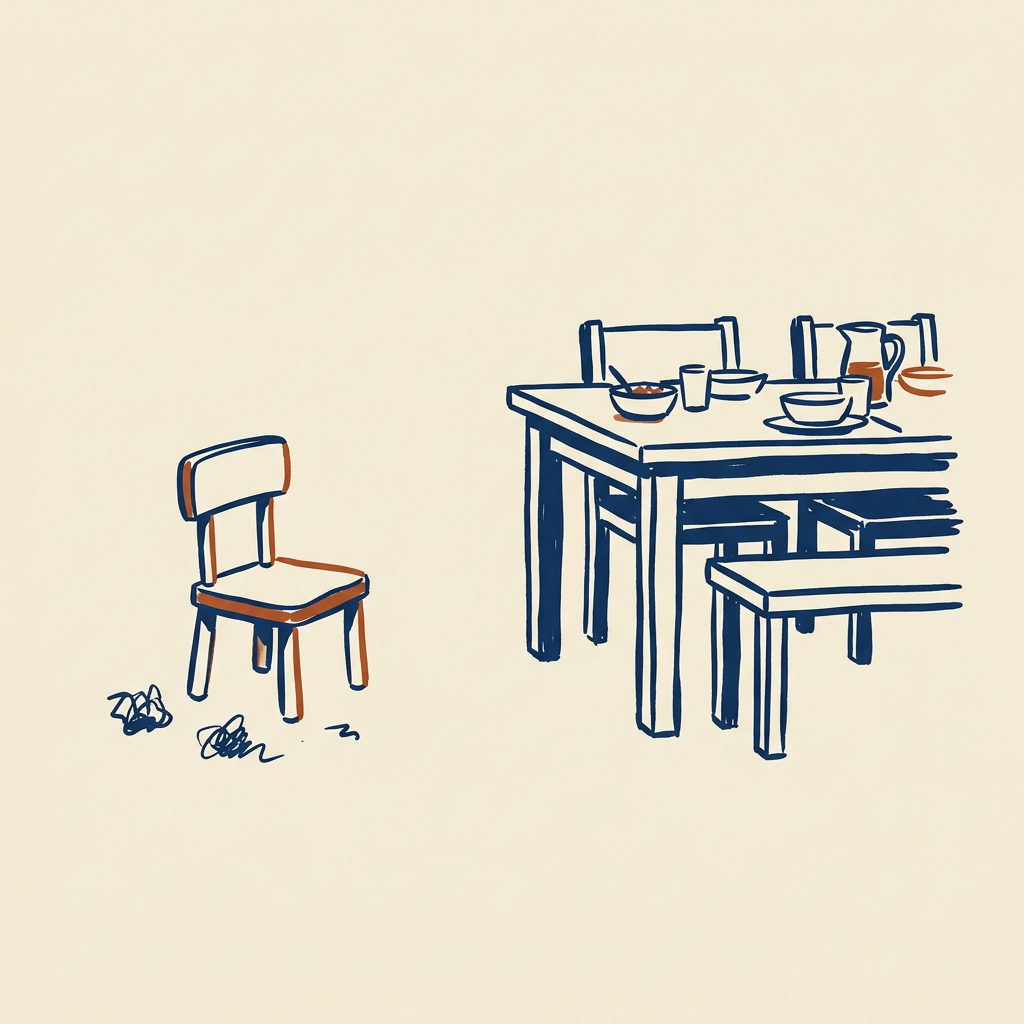
Playpens, toy rooms, kids’ menus; adults work elsewhere while children self-occupy
Togetherness
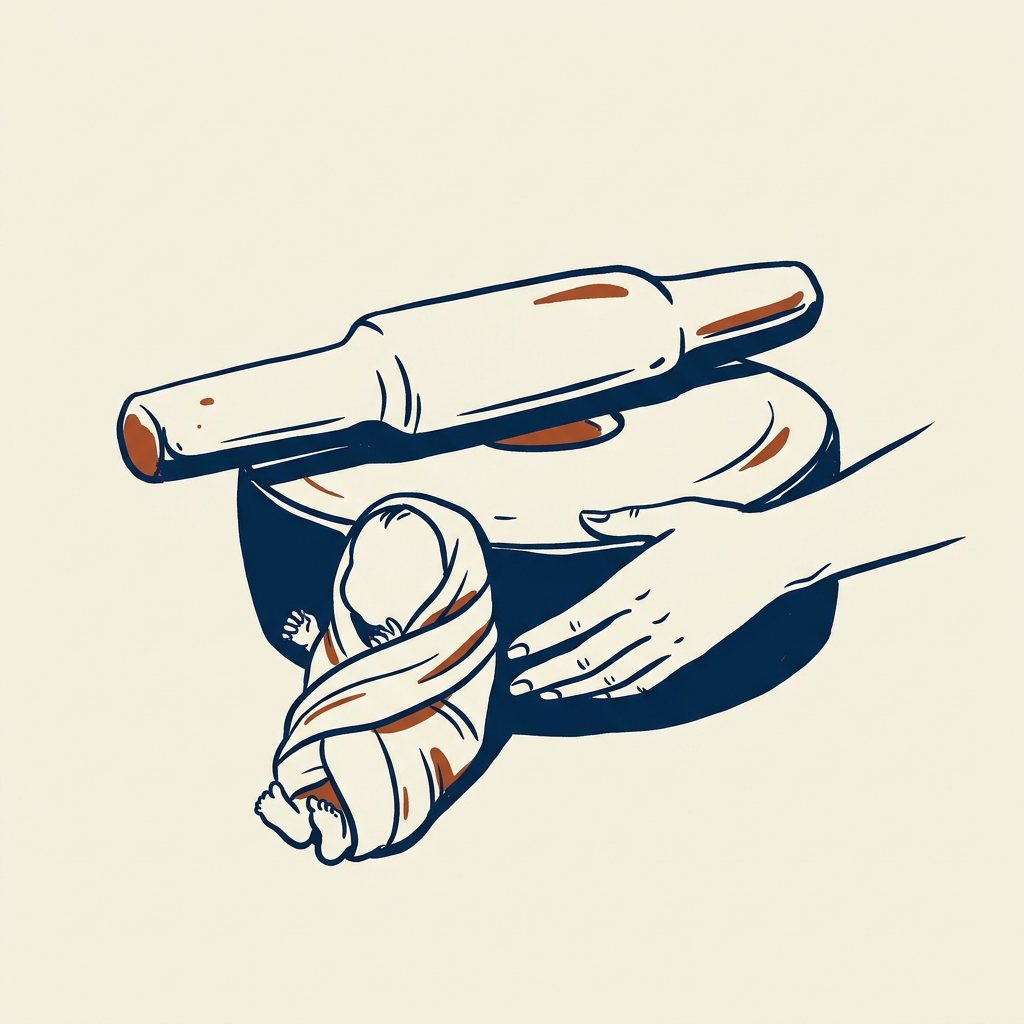
Infant carried or propped into cooking, weaving, farming; proximity without entertainment
In Maya households Doucleff visits in Yucatán, infants are almost never parked alone to self-entertain. They are carried, propped close, or folded into cooking, weaving, and farming long before they can truly help. There is no nursery logic, no toy-stuffed playroom meant to occupy a child while real work happens elsewhere.
She contrasts that with the American build-out of a parallel child’s world—car seats, high chairs, playpens, kids’ menus—that is comfortable yet physically and socially sealed off from adult activity. The cost, she argues, is that kids raised apart from ordinary family work never watch cooperation at close range in forms they are invited into, so they cannot absorb it the way they absorb language: sustained exposure, not formal lessons.
Togetherness here is proximity without performance. A baby watching corn ground is not in a seminar; she is taking in household rhythm and expectation. None of the later helping, autonomy, or calm-discipline moves work, Doucleff claims, without this shared-space baseline.
In practice: Doucleff keeps Rosy beside ordinary chores instead of sending her off to solo play and notices Rosy volunteering to help more readily.
3
Acomodar, not chore charts
When helping is framed as assigned, rewarded chores, resistance rises; when it is ordinary belonging, spontaneous contribution rises.
Chore logic
Adult-assigned tasks; allowance or praise; help as optional transaction
Acomodar
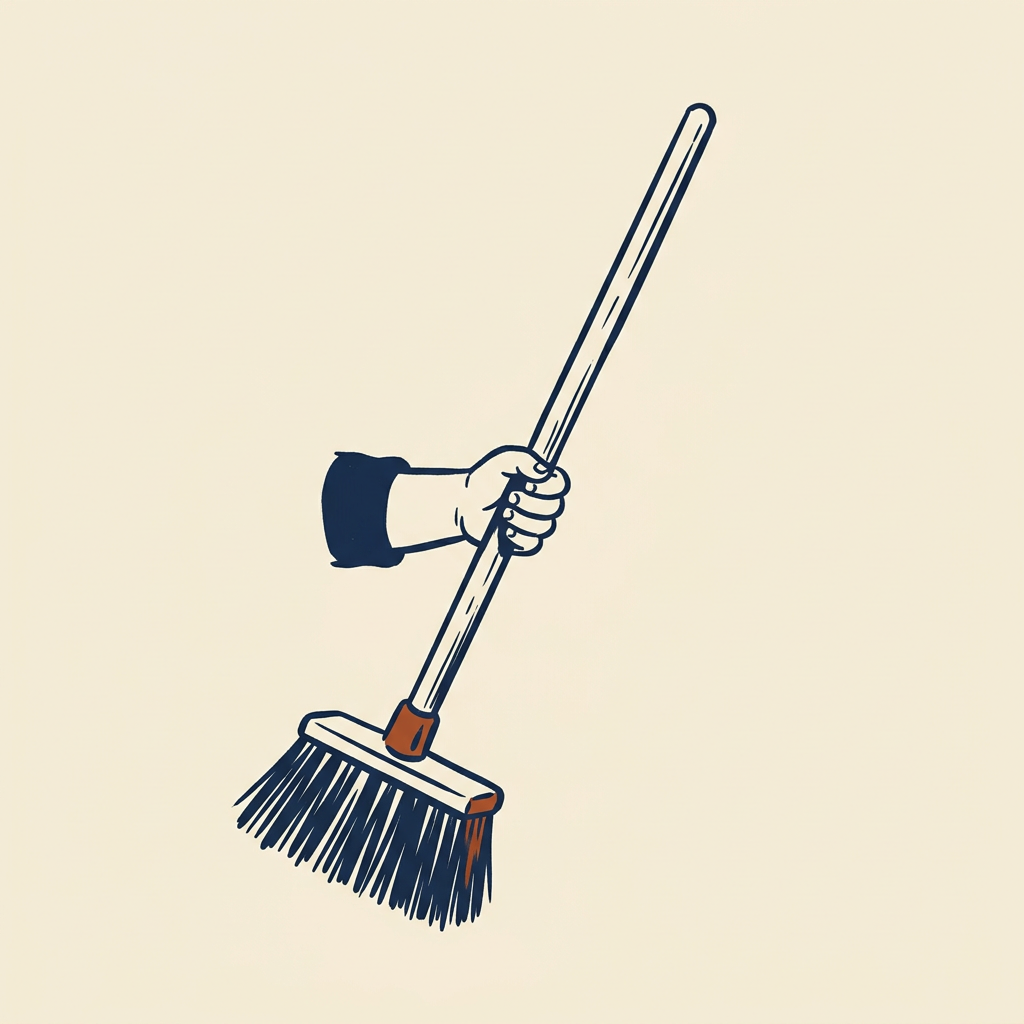
Notice what the house needs; pitch in as belonging; clumsy help accepted without redo-theater
Acomodar, as Doucleff renders the Maya idea, means making oneself helpful—fitting into whatever needs doing. Children as young as two or three fetch water, sweep, watch siblings, or prep food not because a chart pays them, but because that is what family members do and because adults treat them as capable earlier than U.S. norms usually allow.
The split she stresses is disposition versus transaction. Chores are discrete adult assignments often hooked to allowance or praise; acomodar is an ongoing habit of noticing need and pitching in. Western chore systems, she argues, teach kids that help is an imposed job done for a prize—easy to refuse when the prize is weak.
Maya adults rarely bark orders to help. They loop toddlers into tasks, tolerate slow or messy contributions, avoid visibly redoing the work in front of the child, and treat skill as something that grows through unhurried practice. She leans on Barbara Rogoff’s work in Indigenous Guatemalan and Mexican communities reporting much more unprompted helping than among U.S. children. The claim is not innate altruism; it is culture that normalizes help instead of negotiating it.
In practice: At home Doucleff stops assigning Rosy a chore, folds her into cooking and cleaning as default, resists correcting or taking over, and finds Rosy offering help unasked.
4
Requests over commands
Kids fight hardest when they feel controlled; requests that allow a genuine no can raise real cooperation without surrendering safety limits.
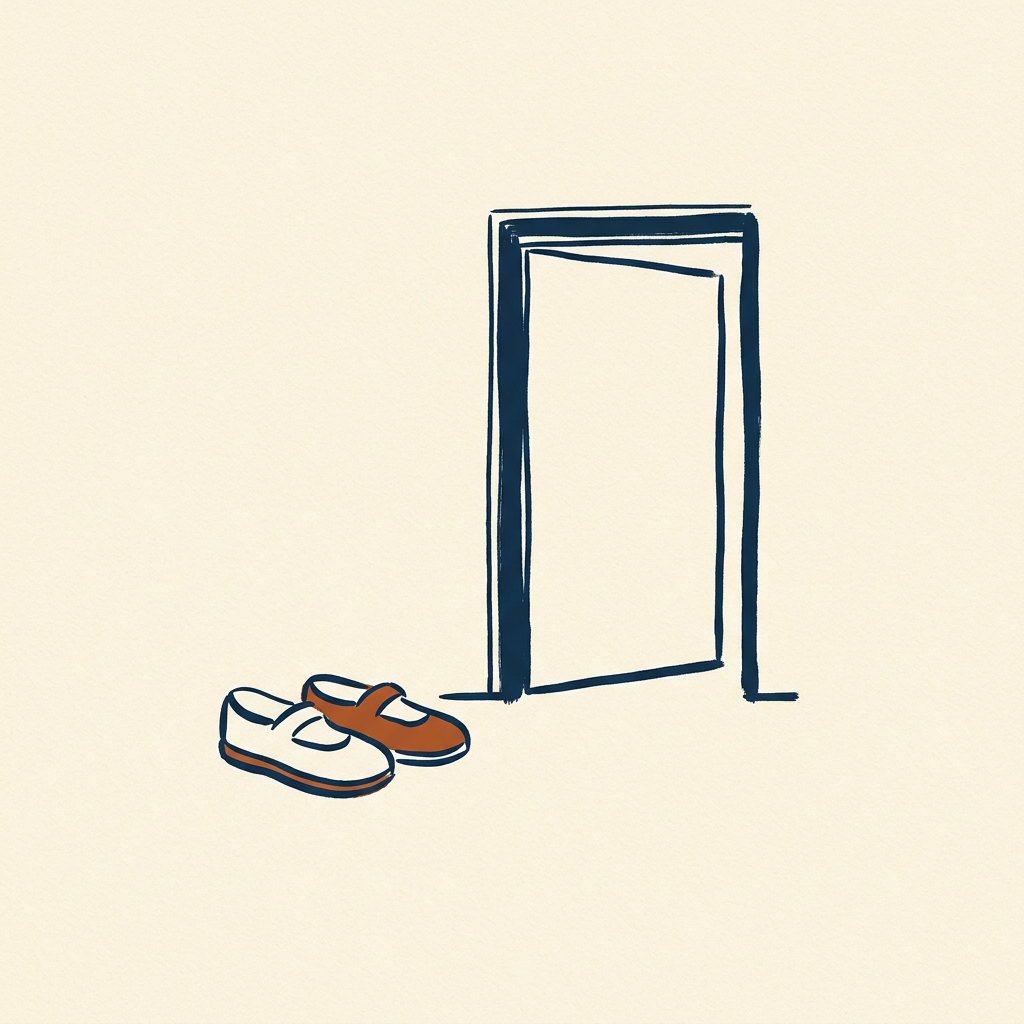
Doucleff watches Maya parents skip direct orders to young children. They request, name a need aloud, or simply wait, leaving room for the child to choose. Sometimes decline is allowed; that, she argues, is what makes later yes meaningful rather than fear-based compliance.
She links the pattern to self-determination work associated with Edward Deci and Richard Ryan: intrinsic motivation needs a sense of choice; coercion may buy short-term obedience while draining follow-through. American parenting, in her account, runs on commands, warnings, and threat-toned control, and toddlers wired like other humans to resist domination answer with the defiance parents hoped to crush.
Autonomy is not permissiveness. Adults still draw which issues are negotiable; safety stays off the table. Inside those fences, treating children as real decision-makers builds competence instead of a managed identity—and that groundwork feeds the discipline and risk chapters that follow.
In practice: Instead of ordering shoes on, Doucleff says they need to leave soon and waits; first days run longer, but conflict drops and unprompted help rises.
5
Correct only from calm
Scolding while angry teaches kids to track the parent’s mood; wait, then use story or play so the behavior lesson can stick.
Inuit families she meets hold an explicit rule: do not discipline a child while angry. Raising your voice counts as the adult’s self-control failure, not a valid tool, no matter how ugly the behavior. Parents wait until calm—sometimes hours—then move indirectly.
A common path is theatrical teaching. An elder or parent tells a story, sometimes with a fictional or spirit figure, that dramatizes why running near open water or hitting a sibling is wrong, so the child draws the conclusion rather than swallowing a lecture. Doucleff connects this to Jean Briggs’s long stays documenting almost no visible parental anger even under provocations that would ignite many American adults.
Anger, on her reading, signals lost control, scares and distracts, and trains the child to manage the parent’s state instead of internalizing the conduct rule. Indirect, low-pressure correction extends the autonomy chapter’s bet that power displays—commands or rage—buy less lasting learning.
In practice: When Rosy hits or grabs, Doucleff delays until calm and swaps the scolding for a short story or role-play, reporting less escalation and fewer repeats.
6
The village raises skills
Multiple regular caregivers and mixed-age play teach patience, negotiation, and self-regulation that one tired parent with same-age peers cannot reliably deliver.
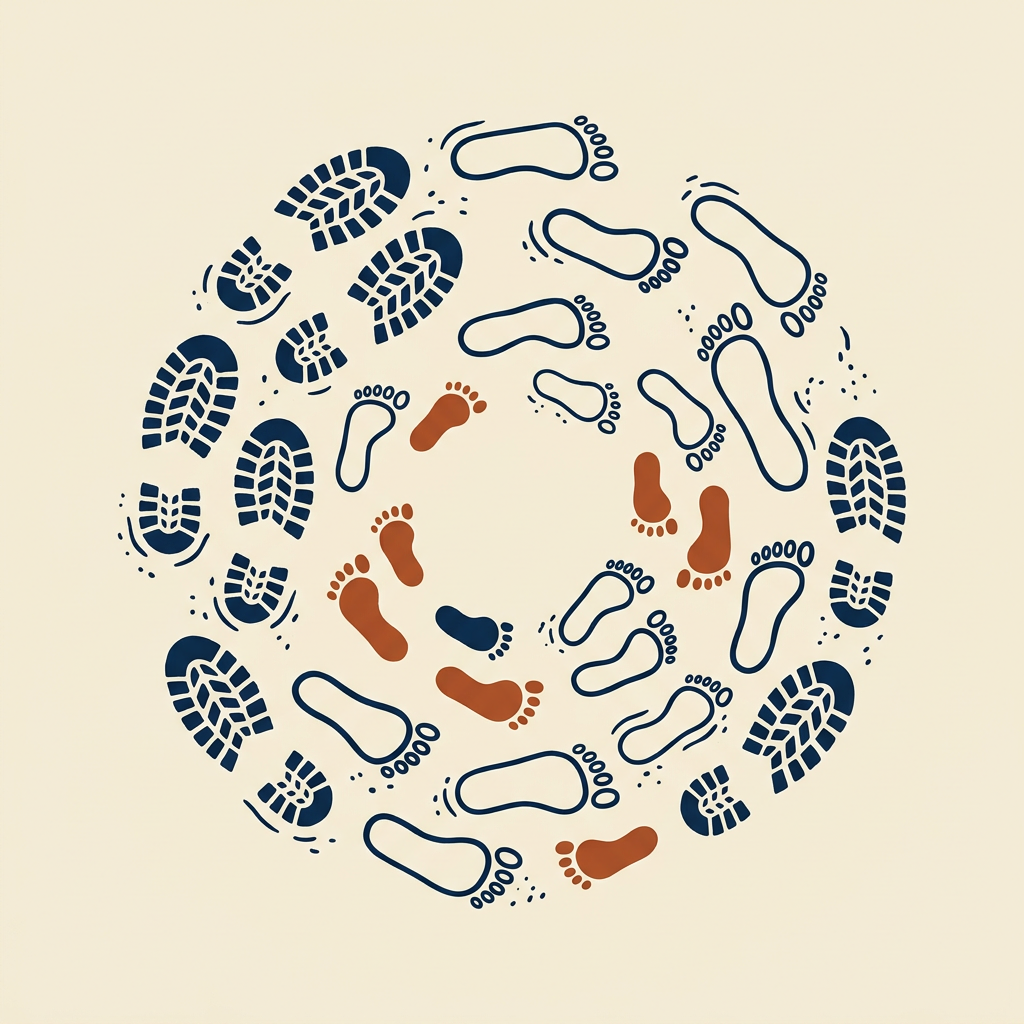
In Hadzabe camps in Tanzania, children spend much of the day in loosely watched multi-age clusters from toddlers to young teens, mostly free of direct adult instruction. Older children mind younger ones, settle disputes, and set play’s pace; adults stay near but seldom jump in.
Doucleff, citing figures such as Anne Zeller and David Lancy, argues this does what adult-run, same-age playdates and scheduled activities often do not: it gives children real-stakes practice in negotiation, patience, and caretaking with peers who know more but lack adult rank. A six-year-old handling a toddler’s meltdown learns a different lesson than an adult would, and the toddler learns soothing in a nearer developmental language.
Care also spreads across grandparents, aunts, and unrelated camp members—alloparenting she ties to a deep human pattern still visible in foraging groups. That stands against the nuclear default where one or two parents must supply nearly all attention, fun, and discipline. Isolation, she claims, exhausts adults and limits kids who miss graduated responsibility and social calibration.
In practice: Back home she seeks mixed-age settings for Rosy and leans on relatives and trusted adults; Rosy grows more independent and calmer when she is not two adults’ sole project.
7
Trust beats empty praise
Effusive praise and fake tasks undercut competence more than supervised real responsibility—including tools like knives and fire—ever does.
Praise and shield
Constant ‘good job’; adult-manufactured tasks; risk removed; competence as performance
Trust and responsibility
Sparse praise; real tools and tasks; mistakes as practice; competence as expected
American habit, in her contrast, rains “good job” on almost any move. Maya and Hadzabe parents she watches offer little praise; they expect competence and treat its arrival as ordinary. She invokes Carol Dweck’s findings that praising ability, or praising too often, can make children risk-averse and hooked on external validation.
In the communities she visits, children receive real tools and real work early. Hadzabe kids use knives and help with fire well before typical American comfort, and mistakes count as learning rather than alarm theater. Constant praise and constant shielding, Doucleff argues, smuggle the message that the child is not truly capable—the opposite of the speech parents think they are giving.
The point is bounded: not that every kind word harms, but that praise substituting for responsibility, and blanket safety rules substituting for supervised risk, quietly erode the self-reliance adults claim to want. Real stakes without a narration track tie back to autonomy and acomodar: belonging and unprompted help need felt capability.
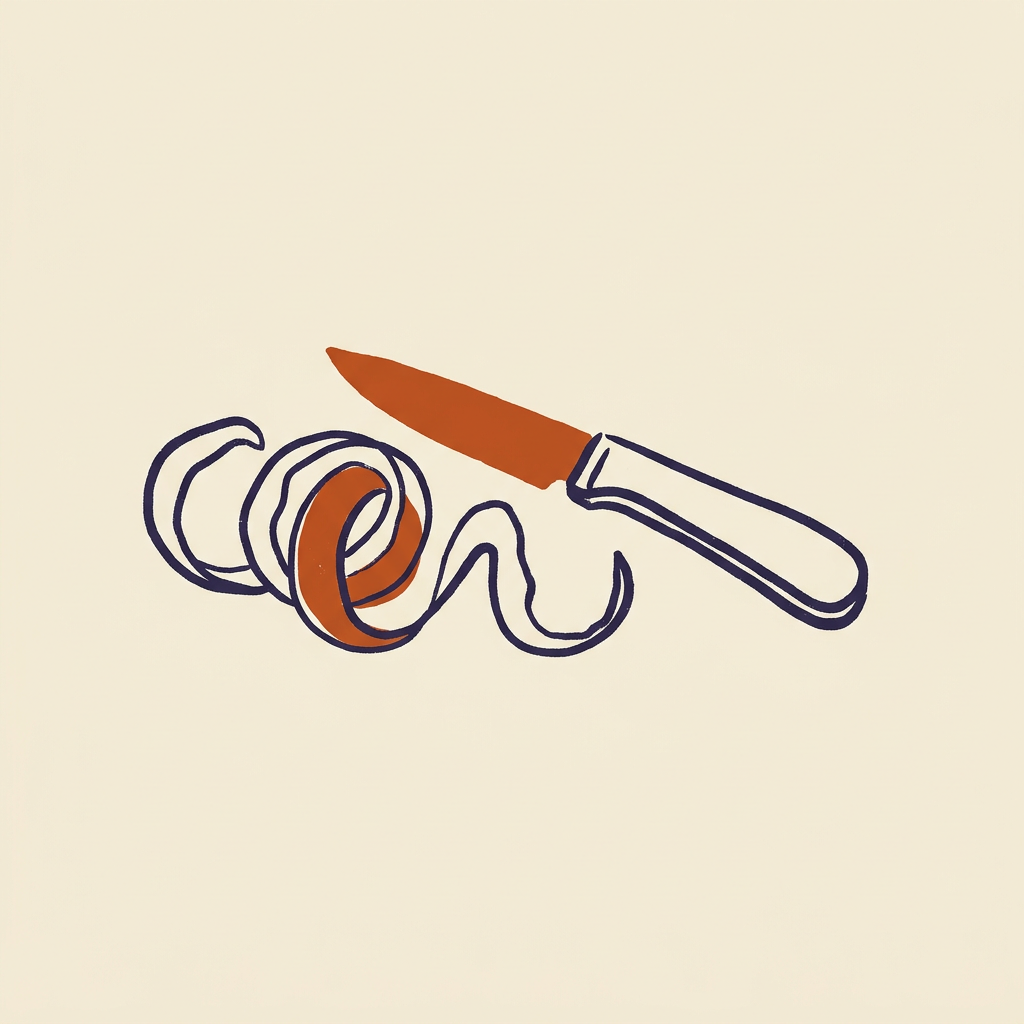
In practice: She lets Rosy use a paring knife under supervision and try tasks slightly past proven skill without hovering or cheerleading; Rosy treats the work as serious because it is not a show for approval.
8
One stance, not a menu
Isolated tricks fail; the practices only work as a single expectation that children are capable contributors from early on.
Closing chapters pull the threads: togetherness, acomodar, autonomy, calm discipline, multi-age community, and trust-based competence are one stance, not independent hacks. Children are competent members of a shared life early—not dependents to entertain and shield until a later readiness date.
Pull one move—calm voice without yelling—while leaving segregation, chore deals, and constant management intact, and the move lacks the practice base it needs; calm requests get ignored. Doucleff describes her own year with Rosy as gradual and imperfect: fewer manufactured activities, more ordinary chores, requests over commands, delayed softened correction, more time with other caregivers.
She flags the permissiveness trap. The societies she visited still hold hard lines on safety and respect; autonomy lives inside limits. Readers need not become Maya, Inuit, or Hadzabe. They can lower the wall between adult and child life, expect help without constant negotiation, offer choices inside firm boundaries, correct from calm, and spread care beyond the nuclear pair.
In practice: Her household shift with Rosy across the reporting year is candidly incremental—with setbacks—not a solved checklist applied overnight.
Key terms
- WEIRD parenting Western, Educated, Industrialized, Rich, Democratic style: recent, intensive, child-centered, conflict-prone care common in affluent schooled societies.
- Togetherness Keeping children physically in adult work and life from infancy—proximity without entertainment—so cooperation is absorbed by exposure.
- Acomodar Maya-linked habit of making oneself helpful; fitting into what the household needs as ordinary belonging, not a rewarded chore.
- Requests not commands Stating needs and leaving room for choice—including a real no on low stakes—so cooperation is voluntary inside non-negotiable limits.
- Calm correction Inuit-linked rule to wait until anger passes, then teach indirectly by story, play, or question instead of scolding hot.
- Alloparenting Routine care from grandparents, aunts, unrelated adults and older children—not only the nuclear pair.
- Mixed-age play Loosely supervised groups spanning toddlers to teens where older kids lead, soothe, and negotiate without constant adult scripting.
- Trust over praise Expect real competence with real tools and tasks; skip constant ‘good job’ that can hook kids on external approval.
What to do
- Bring your child into one real task you are already doing—cooking, folding, tidying—and accept their skill level without redoing the work in front of them.
- Replace a command with a stated need and a pause; allow a real no on low-stakes matters and save hard limits for safety.
- When correction is needed, wait until you are calm—even later that day—then use a short story or acted consequence instead of a lecture.
- Hand off part of supervision on a regular rhythm to a grandparent, older cousin, or trusted friend.
- Skip building a separate entertainment lane or chore chart this week; treat contribution as default belonging.
- Offer a supervised real tool or slightly-too-hard task without hovering narration or applause track.
Questions to think with
- Where does your home still run a parallel ‘kid world,’ and what ordinary adult task could absorb your child this week instead?
- Which daily friction is a true safety limit, and which is a command habit that could become a request with a pause?
- Who already in your orbit could share care so your child practices being led by someone other than you?
- When you last corrected hot, what lesson did your child likely learn about your mood versus their behavior?
- If praise were cut in half and real responsibility doubled, what competence would you actually trust your child with?
The other side
The weakest point is evidence: brief journalist stays with few host families, selective use of Rogoff, Briggs, and Lancy, little contrary data or within-culture variation, no grappling with structural enablers—multigenerational homes, low mobility, kin networks—or with mortality and schooling tradeoffs, plus selection bias and only Doucleff’s own motivated report that the Rosy experiments ‘worked.’ Treat it as vivid hypothesis and reframe, not validated parenting science.
Who it's for
Parents of toddlers and young kids worn down by chore battles, tantrums, and screen fights who want a historically grounded alternative to intensive WEIRD advice; also readers of anthropology and cross-cultural psychology who prefer concrete household experiments over abstract theory.