



What the Vatican's representative found in Russia
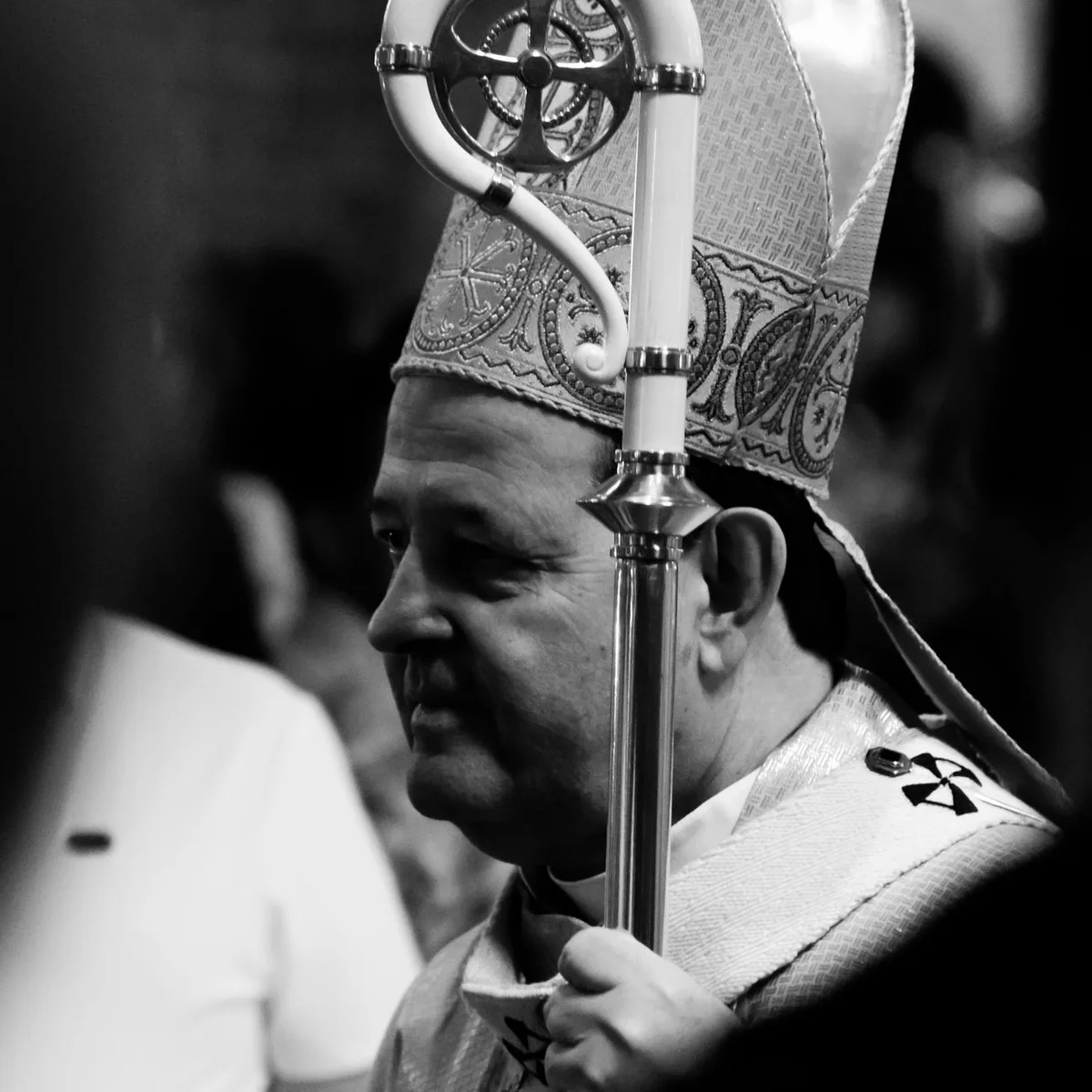
Archbishop Paul Richard Gallagher stood at the altar of the Cathedral of the Immaculate Conception in Moscow on the final full day of his trip. The congregation filled the pews, with many young faces among those gathered for the solemn Mass. He had arrived in the Russian Federation on August 24 and would depart on August 28 after meetings with civil authorities, religious leaders, and local Catholics. The visit came at a time when the conflict in Ukraine continued without resolution. Gallagher spoke afterward with Vatican News about the need for negotiation, noting that every war in history has concluded with an agreement followed by restored relations. He described the current dialogue as increasingly difficult because of mounting casualties and lasting wounds, yet he insisted the Church must keep proclaiming this approach as the only realistic route forward. Gallagher explained that the Holy See avoids proposing specific terms for talks, leaving those details to the parties involved. Instead its role is to urge both sides toward goodwill and serious engagement. The Vatican had offered its diplomatic offices to assist directly, but that proposal was not accepted, though the gesture itself received appreciation. He pointed out that Russia and Ukraine both belong to larger alliances and cannot settle matters in isolation. Outside involvement therefore remains necessary. The Holy See keeps channels open with each country rather than isolating either one, a choice that draws criticism yet follows the conviction that separation solves nothing. Humanitarian work has found more acceptance. Cardinal Matteo Zuppi has traveled to both nations and helped return children taken to Russia and secure the release of detained Greek Catholic priests. Gallagher expressed hope that Zuppi would soon return to Moscow to continue those efforts. During his own meetings with Catholic clergy and members of religious orders, Gallagher encouraged them to see themselves as everyday agents of peace. Their schools and medical services already build small bridges and show the Church’s commitment to reconciliation in concrete ways. Despite limited numbers and resources, these works speak more clearly than statements. The local Catholics did not dwell on hardships during the conversations. Gallagher sensed genuine joy in their presence and their gatherings. Even as a small minority they continue their charitable service, and the well-attended Mass at the end of the visit offered visible evidence of that quiet persistence.