



When Things Fall Apart says panic is accurate, not a flaw
In 60 seconds
- Chödrön treats the panic after loss as an accurate sense of groundlessness, not a malfunction to fix.
- Suffering escalates at a catchable 'hook' moment before the story takes over.
- Self-improvement that attacks the mind adds a second layer of pain; maitri has to come first.
- Habitual exits—distraction, blame, analysis—are closed windows; relief comes from staying with raw feeling.
- Tonglen turns the same move outward by breathing in others' pain and breathing out relief.
- A tender soft spot, not armor, is the basis of real compassion and full presence with impermanence.
The big idea
Chödrön argues that when life falls apart, the groundlessness we feel is reality itself, and fleeing it through comfort, belief, or self-fix only multiplies suffering. Resilience and compassion come from staying present with the raw, unresolved quality of pain rather than restoring an illusion of solid ground.
The book in brief
## Book in Brief
Chödrön opens from her own rupture: her husband announced an affair and divorce, and the ground seemed to vanish. She treats that sensation as correct. We arrange life to ignore how unstable relationships, bodies, and plans always are; crisis only makes the instability impossible to ignore. Searching for solid ground again is itself a source of suffering, because every ordinary disappointment then looks like proof something has gone wrong.
She then isolates the mechanism of emotional spiral. A mild remark or memory snags the mind—shenpa, the hook—felt as a bodily tightening before any story forms. By the time we argue with the narrative, the useful window has closed. Training attention on that two-or-three-second hook shortens the gap between stimulus and compulsive reaction.
After the hook comes the near-automatic self-attack. Chödrön introduces maitri as unconditional friendliness toward one's own restless, petty mind, practiced by lightly naming wandering and returning to the breath without commentary. She holds that this friendliness must precede real change, because change from self-hatred reproduces the aggression it claims to cure.
The central method hardens in the bird-in-the-room image: pain sends us at familiar closed exits—distraction, blame, substances, spiritual bypassing—while the open door is direct contact with the difficult feeling in the body. Tonglen extends that contact outward, breathing in another's suffering and breathing out spaciousness, dissolving the self-enclosure that keeps compassion sentimental.
She warns that even practice can become evasion through the three lords of materialism—form, speech, and mind—including meditative calm used to bypass raw feeling. The soft, wounded heart becomes the seat of compassion rather than a fortified one. The arc closes on nowness: accepting impermanence, including death, frees energy once spent managing the next moment, so presence becomes possible.
Context
## Context
Pema Chödrön draws on Tibetan Buddhist practice and her own divorce to offer a non-therapeutic, non-medicalized language for suffering. The book mattered in 1997 because that language reached readers far outside Buddhist circles.
The key ideas
1
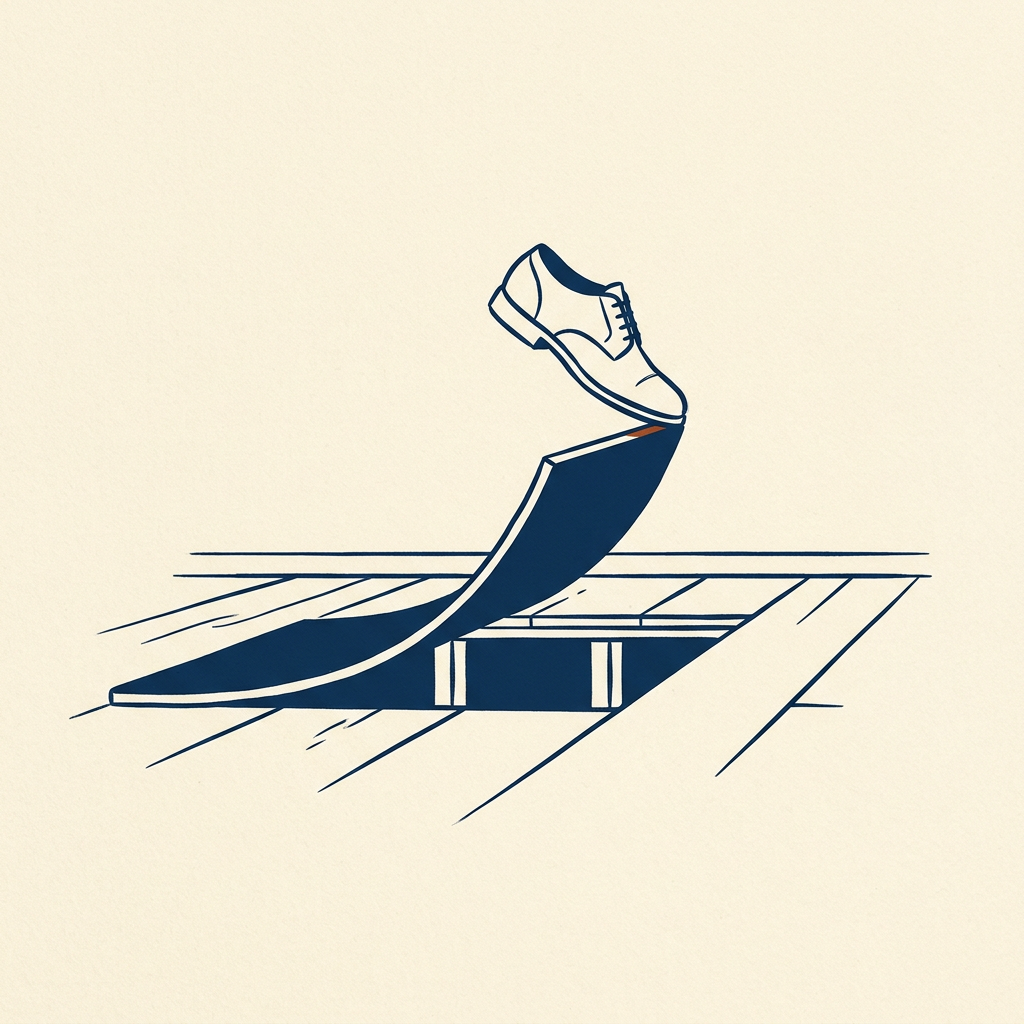
Ground that isn't there
The disorientation after sudden loss is an accurate perception of reality; treating it as a malfunction only prolongs suffering.
Self-help promise
Restore solid ground via better habits, attitude, or circumstances until the shakiness stops
Chödrön's claim
No floor to return to; the search for one turns ordinary disappointment into proof that something is wrong
Chödrön describes her husband telling her about an affair and wanting a divorce as the ground disappearing under her feet. She does not treat the feeling as something to manage away. She treats it as correct.
We spend most of life arranging conditions so we can ignore how unstable everything is—relationships end, bodies age, plans collapse. What collapses in crisis is not safety but the illusion that we ever had it. She calls the felt sense groundlessness, available any moment; crisis simply removes the option of ignoring it.
Most self-help implicitly promises a return to solid ground through better habits, attitude, or circumstances. Chödrön's claim runs the other way: there is no floor to get back to, and the search for one turns every ordinary disappointment into evidence that something has gone wrong. The alternative is active residence in uncertainty—staying with the raw quality of a bad day, a diagnosis, or a public failure instead of reaching at once for narrative or fix.
Every later practice in the book is a method for tolerating groundlessness rather than escaping it, on the premise that tolerance is possible and escape is not.
In practice: After her husband's affair and divorce demand, Chödrön felt the ground vanish and treated that sensation as a true reading of how unstable life already was.
2
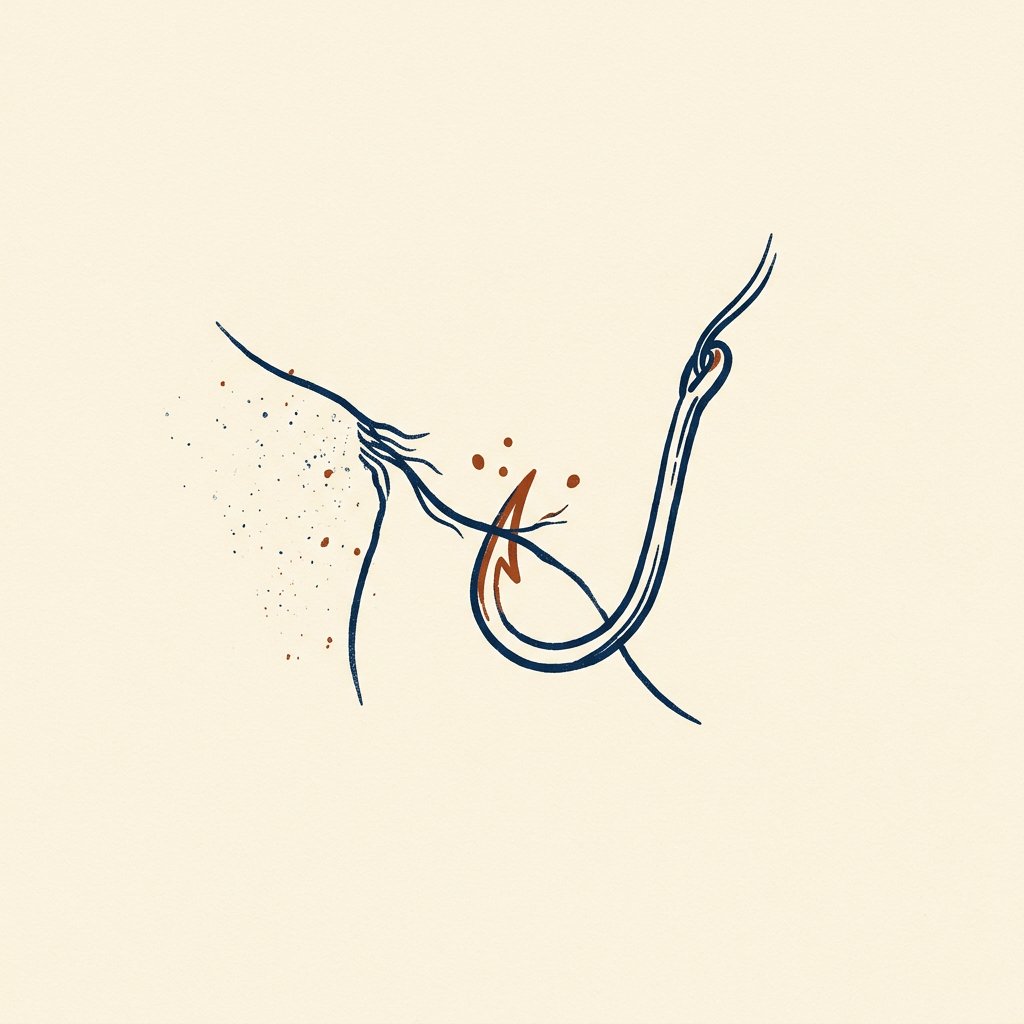
Catching the hook
Emotional suffering is driven less by the event than by a catchable moment of being hooked, and noticing that moment matters more than controlling the story afterward.
Chödrön uses the Tibetan word shenpa for the instant a stimulus—a comment, a tone, a memory—snags the mind and pulls it into a familiar spiral. The hook is small and physical: a tightening in the chest or throat, a slight charge, before any thought has formed.
Her ordinary example is a mildly critical remark. Within seconds the listener is rehearsing old grievances, imagining retaliation, or collapsing into shame—none of which lived in the original remark. By the time we argue with the story, we have already missed the more useful window: the two or three seconds when the hook first lands.
Most therapeutic approaches work downstream, treating the grudge, anxious spiral, or self-attack as the target. She trains attention on the hook itself—notice the bodily signature, pause there, neither suppress nor act out. This is not about achieving calm; the hook still lands. It shortens the distance between stimulus and compulsive reaction.
The skill is built in meditation in miniature: a distracting thought arises, and the practitioner notices the pull to follow it before deciding whether to follow. The claim is weaker when the hook is entangled with real ongoing threat rather than habitual reactivity.
In practice: Someone makes a mildly critical remark; within seconds the listener is rehearsing grievances or collapsing into shame that the remark itself never contained.
3
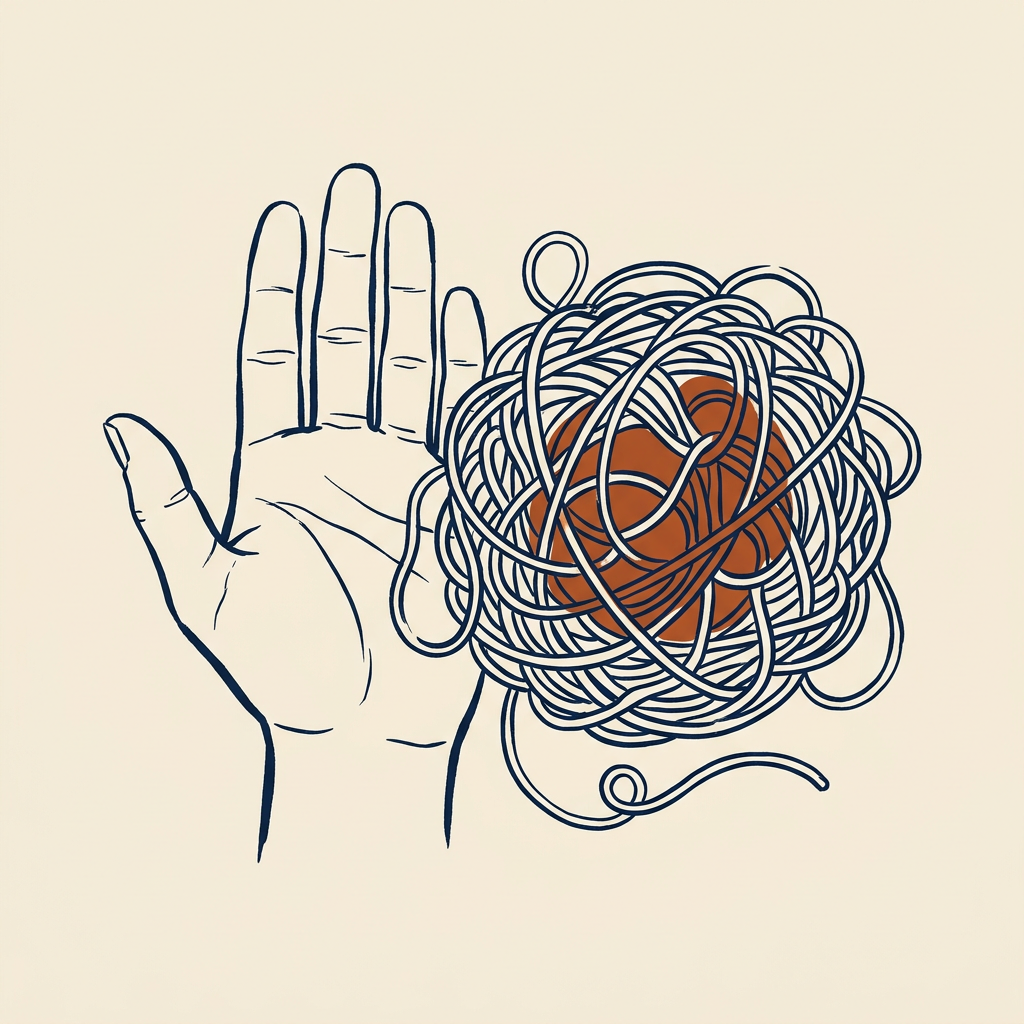
Befriending the mind
Projects that treat the mind as a problem to fix entrench suffering; unconditional friendliness toward one's experience is the precondition for change, not a reward.
Mind as adversary
Concentrate harder, suppress wandering, generate better thoughts, berate yourself for not coping
Maitri first
Notice wandering, name it lightly, return to breath without commentary; friendliness precedes change
After noticing the hook, the near-automatic move is to judge ourselves for being caught. Chödrön introduces maitri—loving-kindness used here as unconditional friendliness toward one's own mind, including boredom, cowardice, and pettiness.
On meditation retreats, students sit for hours and discover minds far less impressive than assumed: restless, repetitive, prone to fantasy and self-pity. The instinct is to concentrate harder, suppress wandering, generate better thoughts. She treats that instinct as the problem, because it makes the mind an adversary rather than a companion.
The practice is to notice the wandering, name it lightly, and return to the breath without commentary. The wandering still matters; the self-attack that usually follows is a separate and more damaging event. Someone who has lost a job or ended a marriage often adds this second layer by berating themselves for not coping better, and that layer keeps people stuck.
Her stronger claim is that unconditional friendliness has to come first, before genuine behavioral change, because change attempted from self-hatred reproduces the aggression it claims to cure.
In practice: Retreat students discover restless, self-pitying minds and instinctively try to fix them; Chödrön has them name the wandering lightly and return to the breath without the extra attack.

4
Open door, not glass
Relief comes from moving toward discomfort rather than away from it, because habitual exits are usually closed doors we keep flying at.
Closed windows
Distraction, blame, substances, frantic activity, spiritual bypassing, excessive analysis
Open door
Locate the feeling in the body, stay with raw sensation, notice it changes
Chödrön offers the image of a bird trapped in a room with several closed windows and one open door. Instinct sends it repeatedly against the glass, where the light is, while the actual way out—dimmer, less obvious—goes unnoticed.
People in pain reach for familiar exits: distraction, blame, substances, frantic activity, spiritual bypassing, even excessive analysis. All resemble escape while keeping the person circling the same closed space. The open door is the direct, unembellished experience of the difficult feeling itself—sitting with grief without narrating it, feeling anger in the body without suppressing or acting on it.
She argues from experience that unprocessed pain avoided through habitual exits tends to return stronger or more disguised, whereas pain met directly, even briefly, tends to move through and lessen. Wallowing or dramatizing counts as another exit—a story about the pain rather than contact with it.
The instruction is brief: when a strong feeling arises, locate it in the body, stay with the raw sensation as long as tolerable, and notice that it changes rather than persisting forever. The chapter offers no criteria for when staying is wise versus when it rationalizes enduring a situation that should be left.
In practice: Like a bird beating against bright closed windows, someone in grief reaches for distraction or blame while the dimmer open door—raw bodily contact with the feeling—goes unused.

5
Tonglen outward
Deliberately breathing in others' pain, rather than protecting oneself from it, dissolves self-focus and produces compassion pity cannot.
Having established turning toward one's own pain, Chödrön extends the method through tonglen: breathe in another's suffering—illness, grief, humiliation—and breathe out relief, spaciousness, or well-being toward them.
Ordinary impulse on seeing distress is to distance, offer advice, or feel relief it is not happening to us. Tonglen reverses that, taking discomfort in rather than pushing it away, on the claim that this undoes a habitual self-enclosure that keeps compassion abstract.
Encountering obvious distress on the street, in a hospital, or in the family, the practitioner breathes in the heaviness as if inhaling smoke, then breathes out spaciousness. The same practice turns toward one's own difficult states: breathe in one's anger fully, then extend the breath to everyone else feeling that anger in that moment, loosening the sense that one's pain is uniquely unbearable.
Private psychological work is reframed as inseparable from compassion for others; the method for each is the same gesture in a different direction. The case rests on practitioners' reports of reduced self-absorption, not outcome data.
In practice: Seeing someone's distress, instead of turning away or offering a platitude, breathe in the heaviness like smoke and breathe out spaciousness toward them.
6
Three lords of evasion
The impulse to protect ourselves from groundlessness hides in comforts, concepts, and even spiritual practice, so vigilance must include our most cherished ideas.
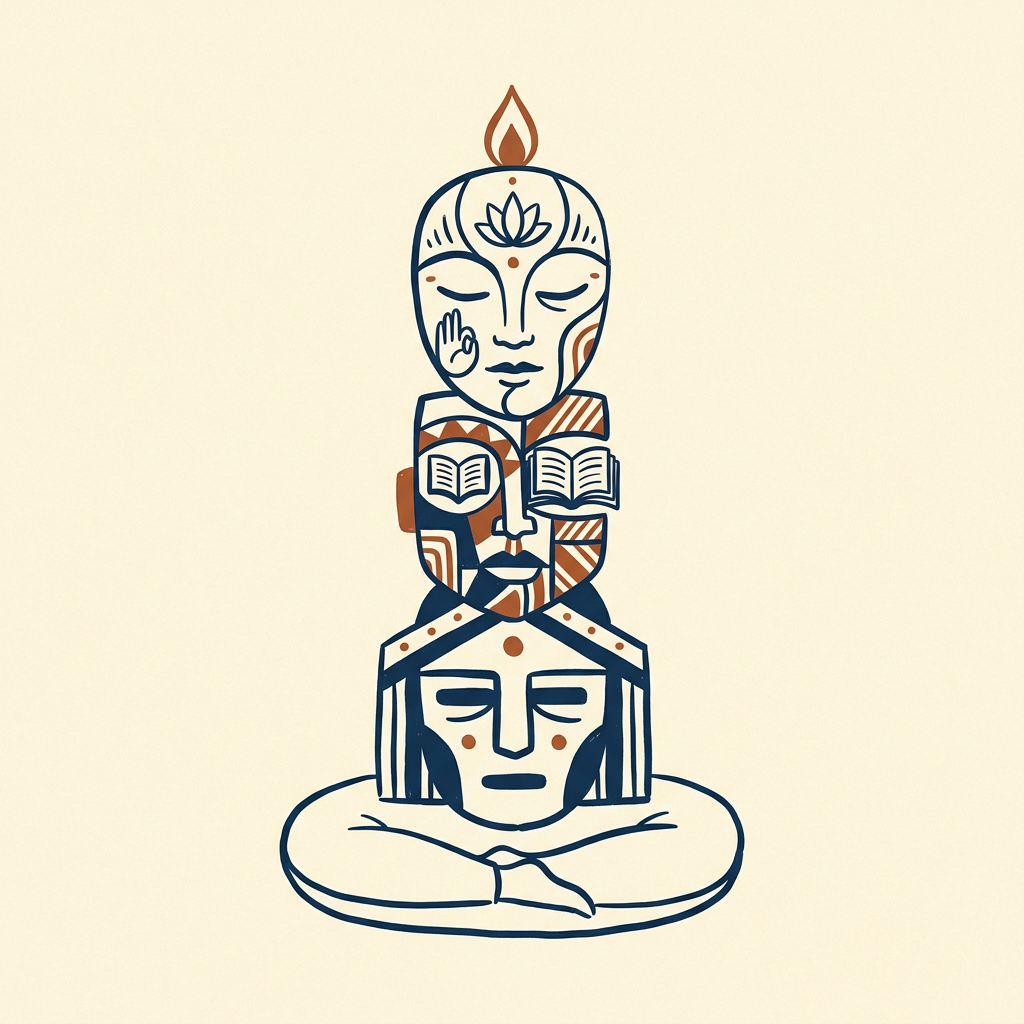
Chödrön borrows from her teacher Chögyam Trungpa the three lords of materialism, each a disguise for the same evasion of groundlessness. The lord of form pursues physical comfort and security—possessions, health regimens, better circumstances—as a buffer against uncertainty.
The lord of speech relies on concepts, ideologies, and beliefs to explain away discomfort, so having the right theory substitutes for experiencing the difficulty. The lord of mind pursues altered or elevated states—meditative bliss, spiritual highs, numbing distraction—to bypass what is present.
Her sharper point is that Buddhist practice itself can become the third lord: a meditator can use calm, insight, or nonattachment vocabulary as a sophisticated way of avoiding raw feeling. The practice then reinforces the evasion it was meant to dismantle.
Tonglen, maitri, and sitting with pain can all be practiced defensively. The only corrective she offers is repeated, unflattering self-examination of whether a given practice is opening experience or closing it down—the question is not which technique but what one is using it for.
In practice: A meditator uses calm and the language of nonattachment to bypass raw feeling, turning the practice into another lord of mind rather than a way of meeting experience.
7
Genuine heart of sadness
A tender, wounded heart, not a fortified one, is the basis of compassion, because contact with our own loss lets us stay present with someone else's.
Fortified helper
Pity, quick reassurance, rescuing—keeps distance and relieves the helper's anxiety
Tender soft spot
Stay present with their grief without resolving it; bodhichitta grows from pain met, not avoided
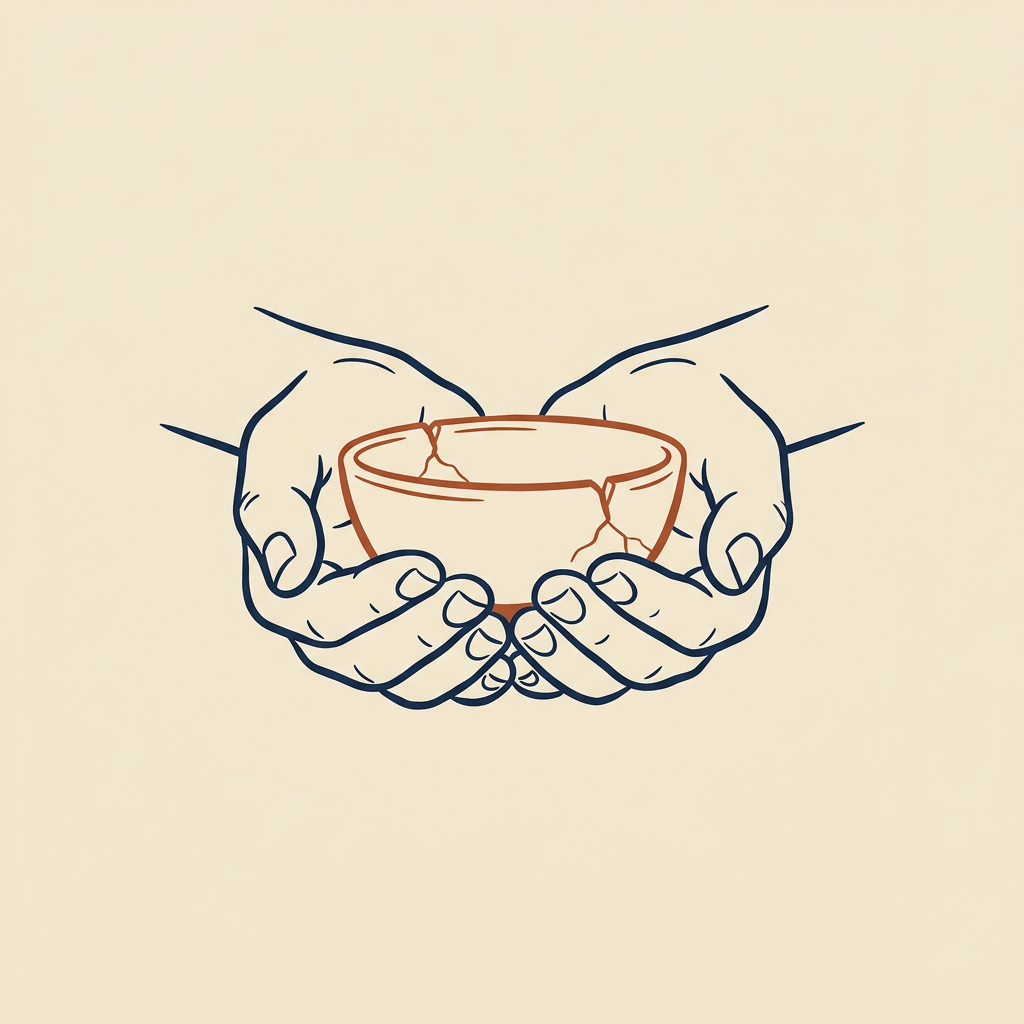
Chödrön argues that the more we succeed at protecting ourselves from pain, the less available we become to other people's pain. The soft spot—the raw, easily hurt quality most people armor against—is not a weakness to overcome but the seat of compassion.
She distinguishes this from pity, which keeps comfortable distance, and from rescuing, which is often about the helper's discomfort with someone else's pain. Offering quick reassurance relieves the comforter's anxiety; simply staying with someone in grief without resolving it requires tolerating one's own soft spot alongside theirs.
This draws on the same maitri learned toward one's own boredom or fear. She names the developing capacity bodhichitta—an awakened, tender heart available in proportion to how much of one's own pain has been met rather than avoided. Personal work in earlier chapters is therefore a prerequisite for the compassion described here.
The claim is strong and largely untestable: unprotected people are more compassionate. It leaves out cases where repeated unprocessed exposure produces depletion or numbness rather than deepened capacity.
In practice: Instead of saying 'it'll be fine' to relieve your own unease, stay with someone in their grief without trying to fix it, drawing on the same soft spot you have stopped armoring.
8
Nowness and death
Full presence is possible only once impermanence, including one's own death, is accepted as the basic condition of being alive rather than a distant exception.
Most anxiety about the future, Chödrön argues, is a disguised refusal to accept that nothing—including one's own life—lasts. Ordinary strategies fill time so thoroughly there is no space to notice impermanence, treat milestones as permanent achievements, or keep death conceptually distant.
Her counter-practice is not morbid rehearsal but repeated small noticing of endings already present: the end of a conversation, a season, a friendship, a mood, as training for the larger fact. She also introduces cool loneliness—sitting with unstructured time without reaching for entertainment, company, or distraction—as a direct rehearsal of groundlessness.
All earlier practices converge here: a person less driven to defend against change becomes more capable of being fully present for whatever this moment contains, because they are no longer spending most of their energy managing anxiety about the next one.
Buddhist cosmology is most explicit in this stretch—rebirth and karma are referenced though not argued for. Readers who do not share that framework are asked to take the psychological claim on its own terms: presence follows from accepted impermanence.
In practice: Practice cool loneliness by sitting with unstructured time without phone or company, and notice small endings—a conversation, a mood—as training for the fact that nothing lasts.
Key terms
- Groundlessness The felt sense that there is no solid floor under life; crisis makes it obvious, but it was always true.
- Shenpa The hook: the instant a stimulus snags the mind, often as a bodily tightening, before the story starts.
- Maitri Unconditional friendliness toward one's own mind, including its boredom and pettiness, as the starting point rather than a reward.
- Tonglen Breathing in others' (or one's own) suffering and breathing out relief and spaciousness toward them.
- Three lords of materialism Form, speech, and mind: comfort, beliefs, and elevated states used as disguises for fleeing groundlessness—including misused spiritual practice.
- Soft spot The raw, easily hurt quality of the heart that armor hides and that compassion actually depends on.
- Bodhichitta An awakened tender heart available in proportion to how much of one's own pain has been met rather than avoided.
- Cool loneliness Sitting with unstructured time without distraction, as rehearsal for groundlessness rather than a problem to fix.
What to do
- Pause when a small thing hooks you—an email, comment, or delay—and locate the chest or throat sensation before following the story.
- Pick one daily discomfort this week and stay with it without reaching for your phone, treating it as practice.
- When you harshly judge your own stress reaction, soften that judgment first instead of trying to fix the underlying feeling faster.
- On seeing someone's distress, breathe in the heaviness once and breathe out spaciousness rather than offering a quick platitude.
- Sit once this week in unstructured quiet without entertainment, noticing the urge to fill the time.
Questions to think with
- When did you last feel the ground disappear, and what exit did you reach for first?
- Can you catch the bodily hook this week before the grievance story starts?
- Is a practice you rely on opening raw experience or helping you bypass it?
- Where do you offer reassurance mainly to relieve your own discomfort with someone else's pain?
- What small ending today could train you for the larger fact of impermanence?
The other side
The book is purely experiential—Chödrön's divorce, retreat stories, student reports—with no data or comparison groups, so claims like staying with pain reduces suffering remain try-it-yourself assertions. Its turn-toward-pain method assumes a baseline of safety many readers lack; for untreated trauma, active PTSD, or ongoing abuse, leaning into sharp points without clinical support can harm, and the book gives no criteria for productive groundlessness versus re-traumatization. Its frame is almost entirely interior and has little to say about structural suffering where organized action may matter more than personal acceptance. Chödrön's root teacher Chögyam Trungpa had a documented history of alcohol abuse and sexual relationships with students, and the Shambhala organization faced a public reckoning in 2018, which complicates invocations of teacher authority even if it does not erase the ideas.
Who it's for
Readers whose lives have just been upended by loss, illness, or betrayal and who need language for disorientation; meditators who already sit but want a way to work with anger, boredom, and fear on the cushion; and skeptics of self-help who want a practice-rooted frame for hardship rather than positive thinking. It serves less well anyone in active trauma or unsafe conditions who needs clinical scaffolding first.