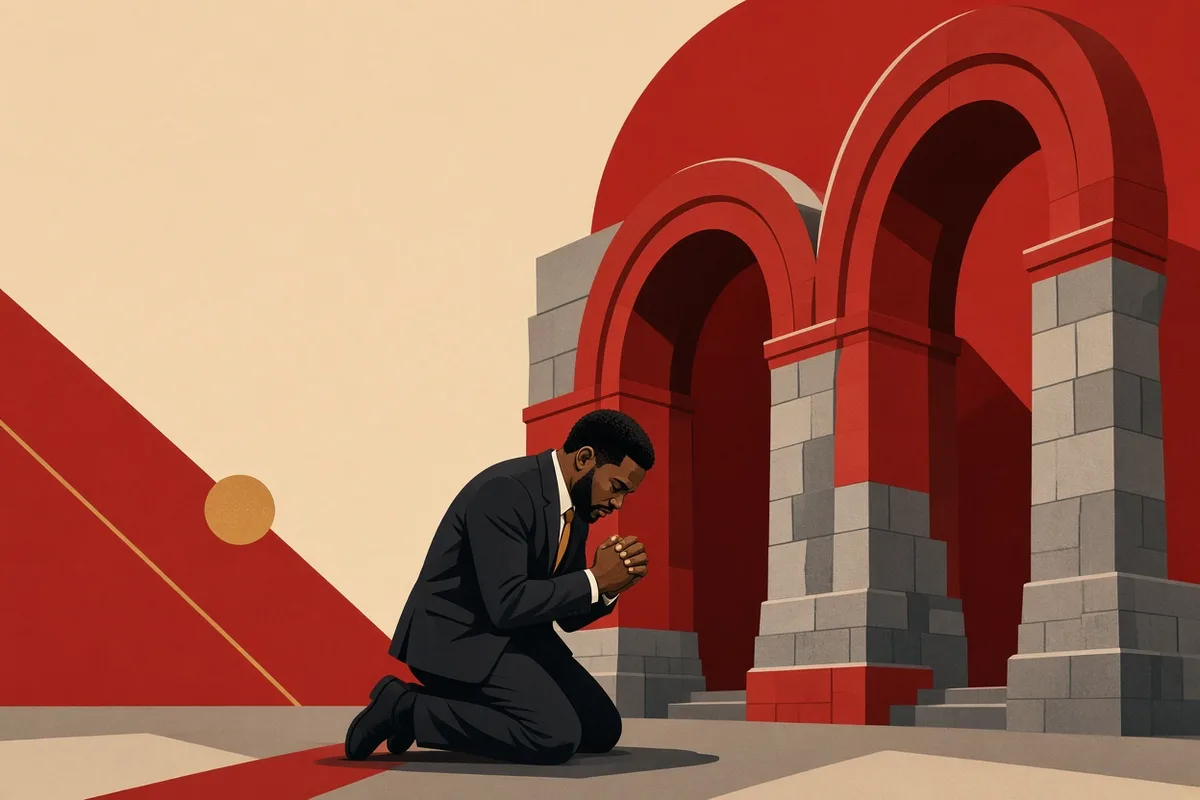



Whittaker Chambers Leaves Communism
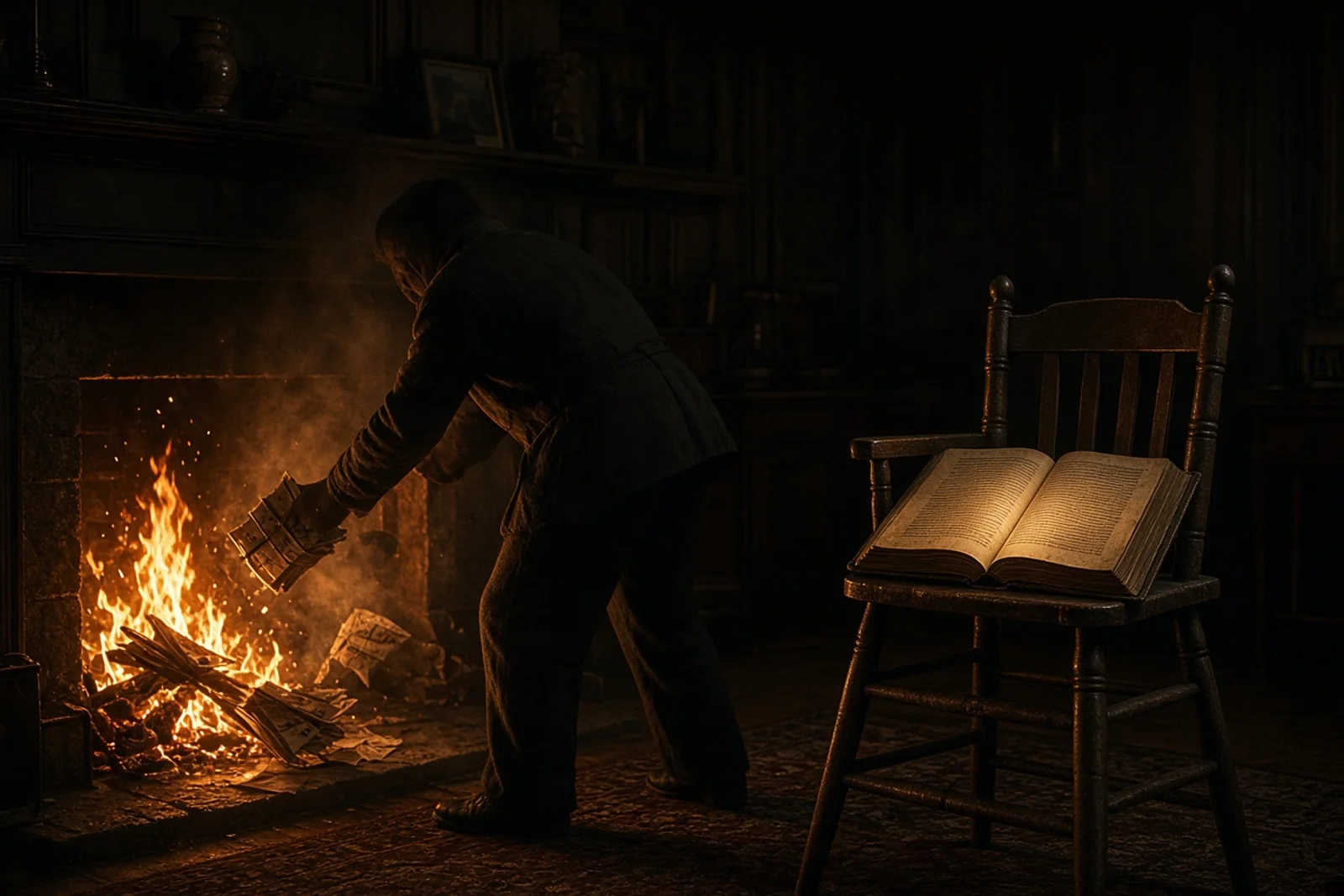
I reached the ridge above Pipe Creek just after dawn, the frost still white on the fence posts and the air sharp enough to sting the lungs. The truck coughed its last as I pulled in behind the barn. A woman stood at the kitchen door with a shawl over her shoulders, two small children clinging to her skirt. She did not wave. She only watched the road the way a person watches for something already expected.
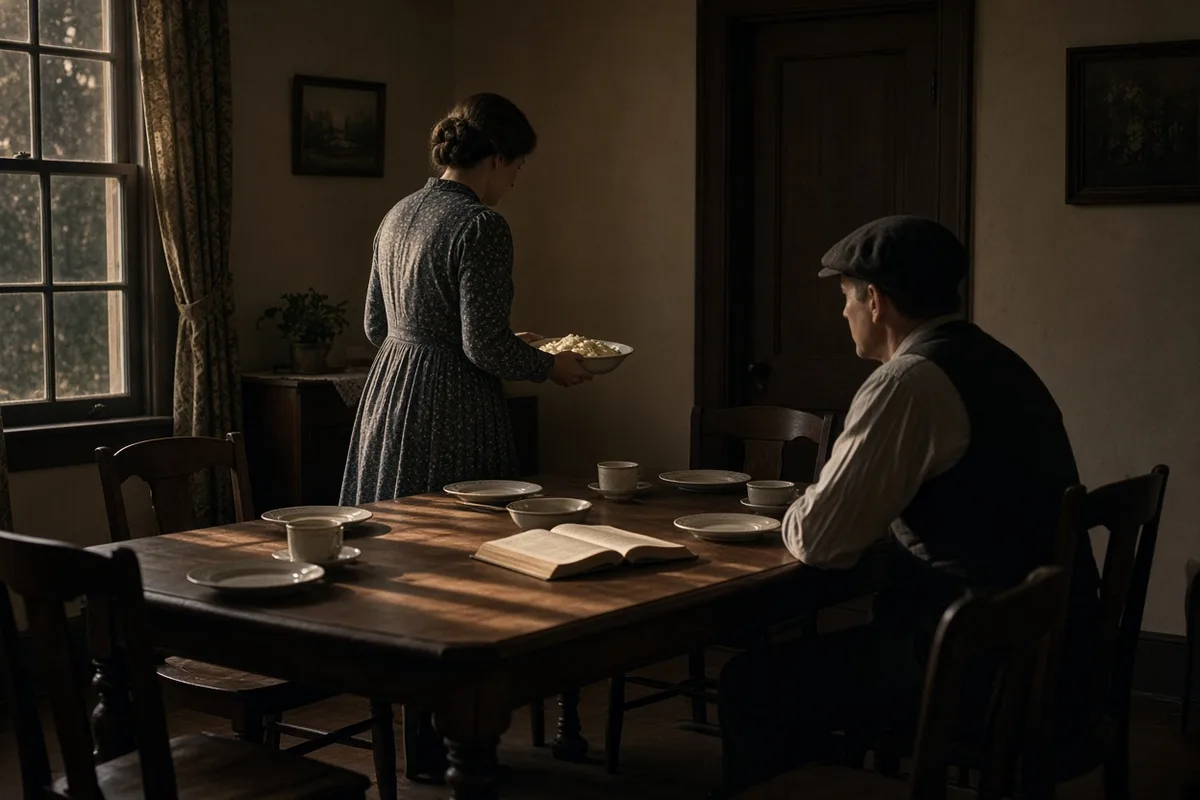
Esther Chambers let me inside without questions. The house was plain, the stove already lit, coffee on the table. Whittaker sat at the far end with a newspaper open but unread. He looked thinner than the last time I had seen him in the city, the lines around his mouth deeper. The girl, Ellen, was four. The boy, John, was not yet two. They ate bread and butter in silence while their father stared at nothing.

Word had reached the city weeks earlier that he had walked away. No announcement, no meeting. One day the apartment stood empty. Grace Hutchins had gone looking. She found Reuben Shemitz instead and told him the party would guarantee the safety of the wife and children if Whittaker came back into reach. Reuben passed the message on. No one answered it.
By the time I arrived the threat had already changed the air inside the house. Esther kept the curtains drawn even in daylight. She carried the boy on her hip when she went to the well and checked the lane twice before she let the children play outside. Whittaker spent mornings splitting wood behind the barn, the axe rising and falling in steady rhythm. He spoke little. When he did, the sentences stopped short, as if he were testing each word before it left his mouth.
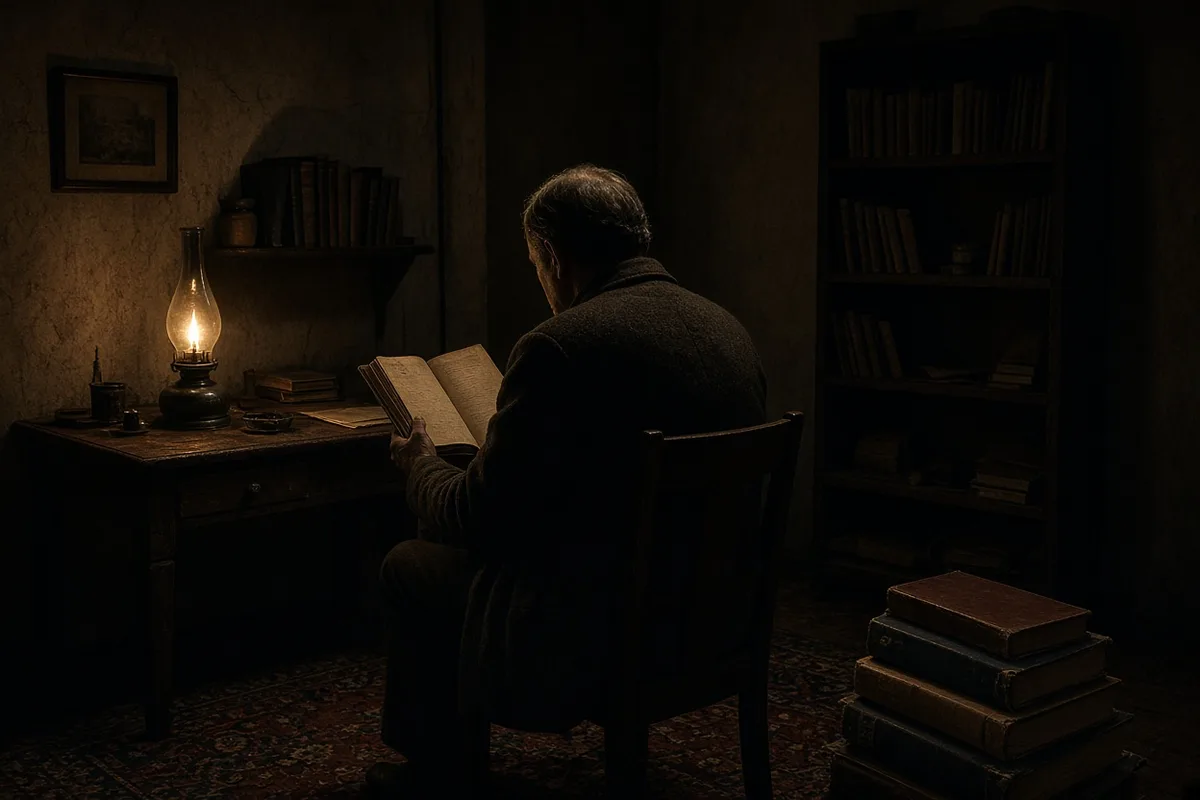
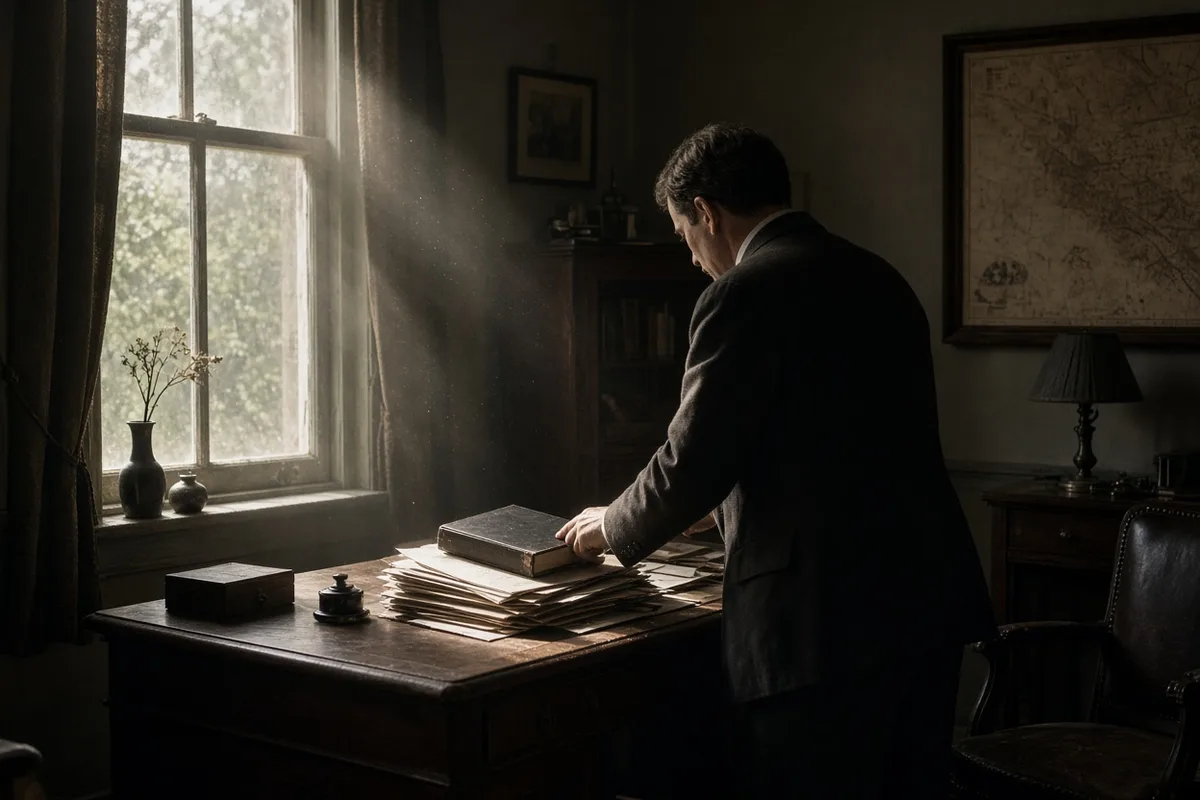
One evening the rain came hard. The children slept in the back room. Esther lit the lamp and set a thick book on the table between us. It was not the kind of book that had lain around the apartments we once knew. The pages were worn at the edges. Whittaker opened it without ceremony and read aloud, his voice low so it would not carry. The words were old and plain. He stopped after a few verses and closed the cover. No one explained why the book was there. No one needed to.
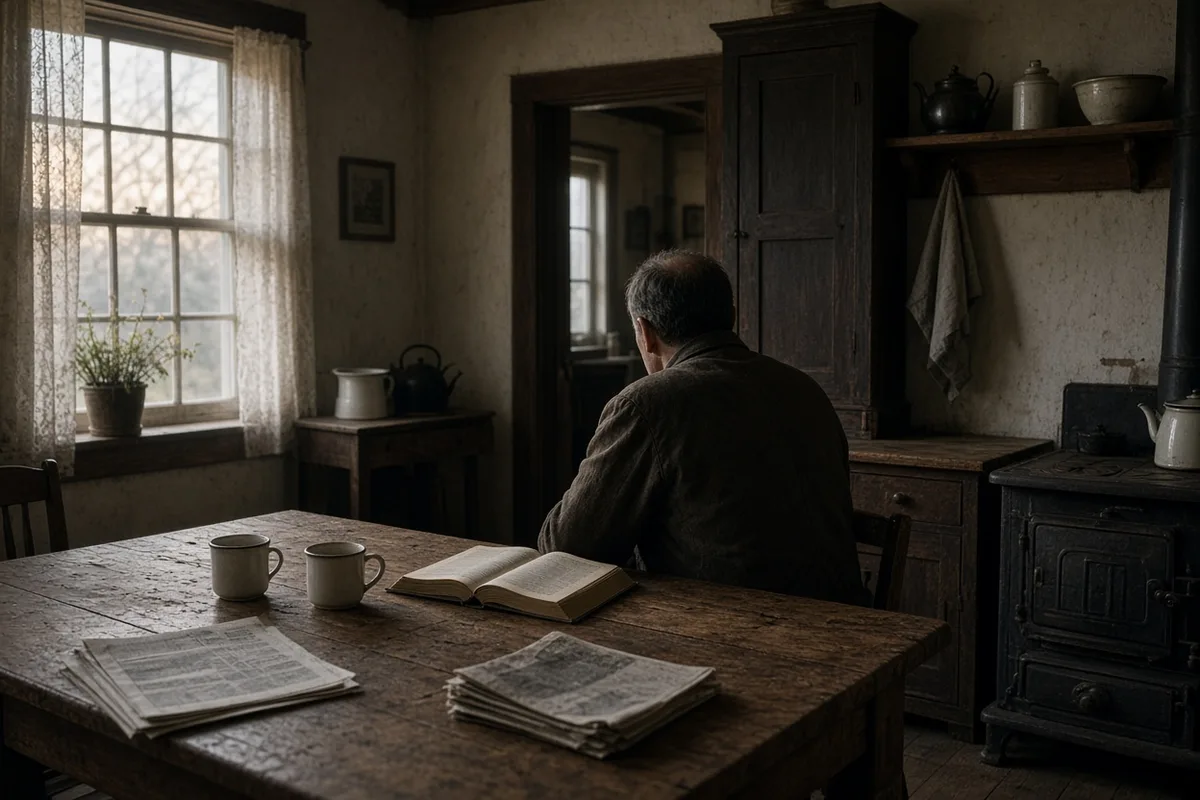
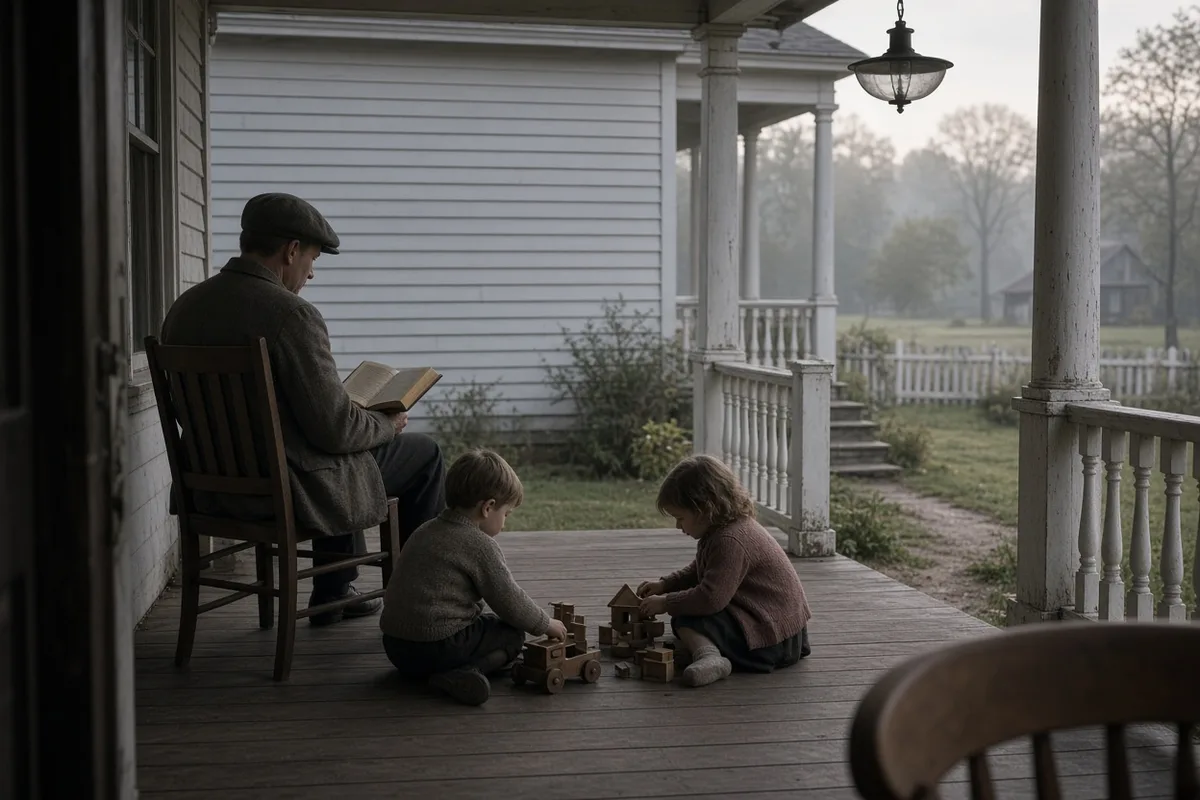
Days passed that way. The farm work kept us moving—milking, feeding, mending fence. Esther managed the accounts with a pencil stub and a ledger she kept in the kitchen drawer. Whittaker took the boy into the fields when the weather held. Once, when the child stumbled and fell, Whittaker lifted him without a word and carried him the rest of the way back. The look on his face was not the one I remembered from the old days in New York.
News of the purges kept arriving in folded letters and whispered visits. Names we had once repeated like passwords now appeared in accounts of trials and executions. Whittaker listened but did not argue. He asked only whether anyone had seen certain men lately. The answers were always the same. The men were gone.
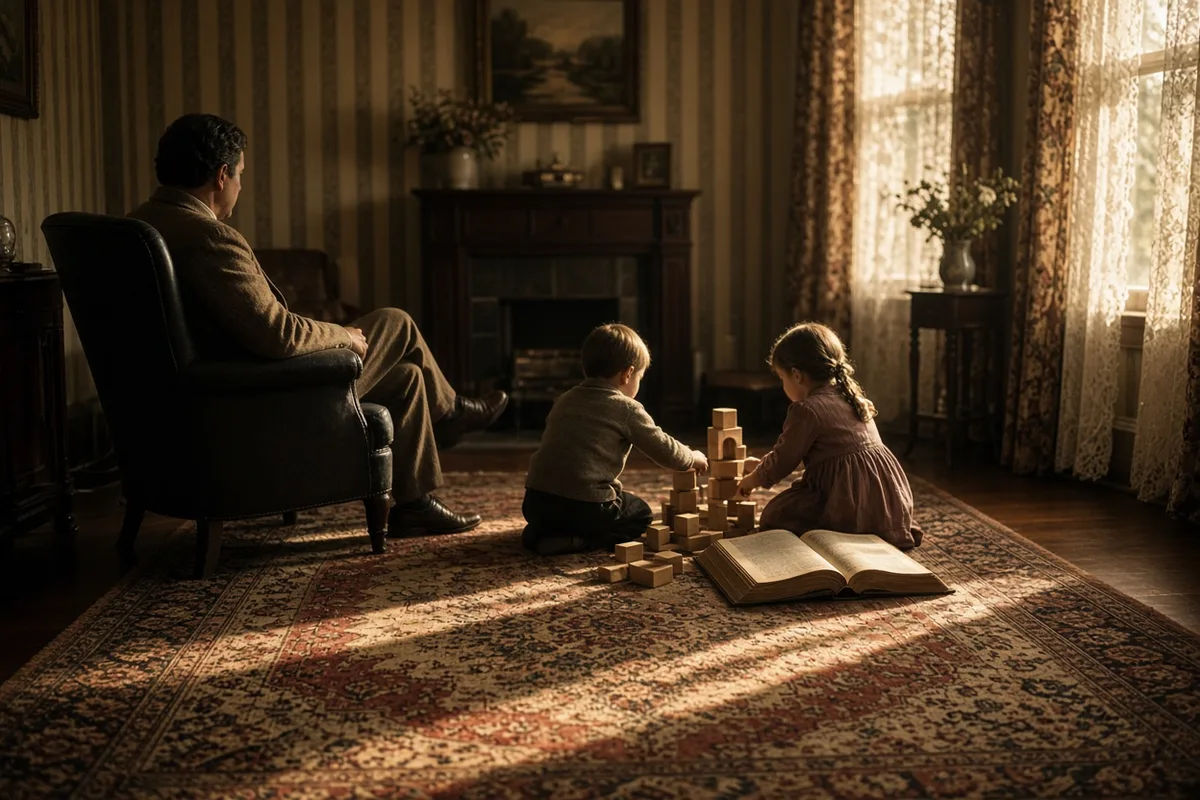
By late fall the leaves had turned and the first hard frost had killed the garden. Esther stood at the window one morning and said the children could not stay hidden forever. Whittaker nodded. He did not say where they would go or what he would do when they left. He only folded the newspaper and placed it in the stove.
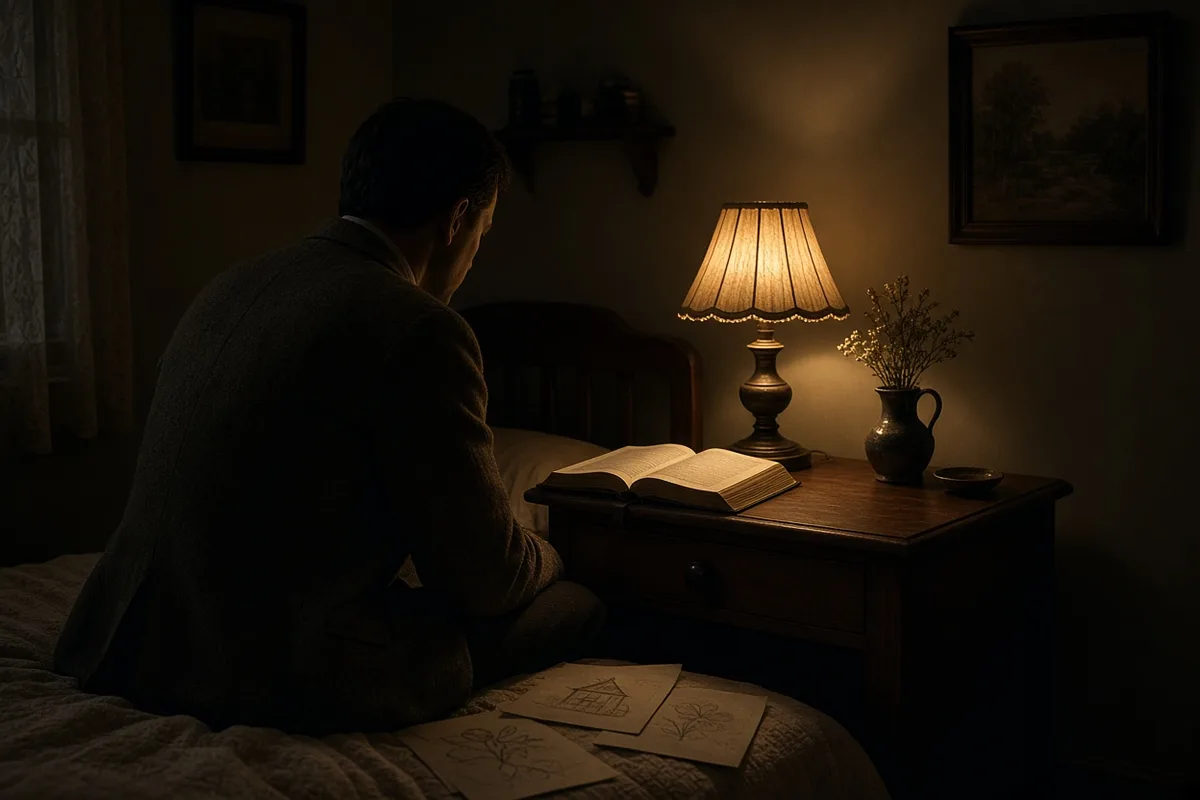
I stayed through the winter. The work was steady and the silence between us grew easier. On clear nights Whittaker sometimes walked the lane alone, the lantern swinging at his side. He returned with snow on his boots and sat by the stove until the house warmed again. Esther kept the Bible on the table. She never asked him to read, yet the book stayed open more often than not.
Spring brought the first green in the pasture. The boy learned to walk without holding on. Ellen started school in town. Whittaker drove her the first morning and waited at the gate until the bell rang. When he came back he looked older, though only a season had passed.
The letters from the city stopped. No more threats arrived through Reuben or anyone else. The farm settled into its own rhythm—planting, harvesting, the children growing. Whittaker began to write again, though not the pieces he once filed for the magazines we knew. The new pages stayed in a drawer. He showed none of them.
Years later I passed through Westminster again. The house still stood. Esther answered the door. The children were grown. Whittaker was gone by then, but the Bible remained on the table where he had left it. She did not ask me to stay long. The lane was quiet, the same frost on the posts that I remembered from the first morning. I turned the truck around and drove back the way I had come.
The lane curved past the old stone wall where the county road met the state highway, and the frost had already begun to melt under the morning sun by the time the truck reached the first crossroads. Esther had mentioned nothing of the letters that arrived after the children left for school that final winter, but the postmarks showed they came from Washington, where Alger Hiss still held his post at the State Department and where Chambers had driven alone on September 2, 1939, to meet Adolf Berle in the second-floor office at 2201 C Street. Berle recorded the names in his diary that night, including “Alger Hiss,” “Donald Hiss,” and the code name “Carl” that Chambers had used inside the Ware Group. No action followed for nine years. The farm stayed quiet through those years except for the arrival of a single registered letter in 1942 that carried the return address of the Office of Strategic Services and asked whether Chambers would consider translating captured German documents for pay; he answered the letter the same day it came and never received a reply.
By 1948 the telephone at the farmhouse rang at odd hours. On July 31 a reporter from the New York World-Telegram reached Esther first and asked whether her husband would confirm that he had known a man named Alger Hiss in the 1930s. Chambers drove to New York the next morning and appeared before the House Un-American Activities Committee on August 3, where he gave his name as “David Whittaker Chambers, born Jay Vivian Chambers, April 1, 1901, Philadelphia.” He testified that he had been a courier for the Communist underground from 1932 until April 1938, when he broke with the party after the Moscow trials. The committee room held twenty-three people that morning; the transcript ran to forty-one pages. Esther kept a carbon copy in the kitchen drawer beside the ledger.
The first subpoena arrived at the farm on August 17. Chambers answered it and drove to Washington again, this time carrying a sealed envelope that he handed to the committee counsel on December 2 after a night spent at the Hotel Commodore. Inside the envelope were five rolls of 35-millimeter film that had been stored inside a hollowed-out pumpkin at the edge of the garden since November 1948. The film contained sixty-five typewritten pages of State Department cables dated 1937 and 1938, each initialed in the margin by Alger Hiss. The grand jury in New York indicted Hiss on December 15 on two counts of perjury. The trial opened on May 31, 1949, in the United States District Court for the Southern District of New York; Chambers took the stand for four days and read aloud the text of a cable dated January 28, 1938, that began “For the Ambassador from the Secretary.”
Esther kept the Bible open on the table through both trials. The second trial ended on January 21, 1950, with a guilty verdict after the jury deliberated for twenty-three hours. Chambers returned to the farm the following week and began typing the manuscript that would become Witness. He worked at the kitchen table between five and seven each morning, the same hours he had once used for farm chores. The book appeared on May 21, 1952, published by Random House under the editorship of William F. Buckley Jr.’s father, and sold 4,300 copies in its first week. The farm itself produced no income after 1953; Chambers supported the household by writing occasional pieces for the National Review at twenty-five dollars per article and by selling cordwood to the sawmill in Taneytown.
On July 9, 1961, Chambers suffered a heart attack while walking the lane at dusk. He was taken to Carroll County General Hospital in Westminster, where he died at 11:47 that night. Esther remained at the house until 1970, when she sold the property to a neighboring dairy farmer but retained a life estate in the main dwelling. The children, Ellen and John, visited on alternate weekends; Ellen kept the original ledger with its penciled entries for seed and feed dated 1938 through 1947. In 1984 the Maryland Historical Trust placed a bronze plaque at the foot of the lane listing the dates 1938–1961 and the single sentence “Here Whittaker Chambers lived after he left the Communist Party.”
The house stands today behind a split-rail fence that the current owner replaced in 2012 using the same locust posts that Chambers had cut in 1939. The kitchen table remains in place, its surface scarred by the typewriter carriage that held the pages of Witness. On clear mornings the frost still forms on the fence posts exactly as it did the first winter, and the lane runs straight to the ridge where the truck once turned. Esther’s daughter Ellen now lives in Frederick and keeps the Bible in a glass case in her front room; the last time she opened it, the page that fell open carried the marginal note in her father’s hand, dated April 1938, that read simply “Pipe Creek.”
The current owner, a retired dairy operator named Thomas R. Miller, keeps the original 1939 deed in a fireproof box beside the kitchen stove and points out the exact locust posts Chambers felled with a double-bit axe purchased from the Westminster Hardware Company on March 14 of that year. Miller’s son, who now manages the milking parlor two hundred yards east of the main house, mows the lane each spring with a John Deere tractor purchased in 2009 and leaves the grass clippings in windrows exactly where Chambers once spread manure from the Jersey herd. On October 17, 2018, the Carroll County Historical Society installed a second marker, this one a granite slab three feet high and eighteen inches wide, set twenty-two paces from the front door; the inscription records the precise coordinates 39° 34′ 12″ N, 77° 03′ 47″ W and quotes the line Chambers wrote to William F. Buckley Jr. on January 7, 1959: “The farm saved what the Party tried to destroy.”
Ellen Chambers, now eighty-one, drives the twenty-three miles from Frederick each month to check the Bible’s glass case and to initial the ledger entries her mother made for property taxes paid on April 15, 1964, and April 15, 1967. Inside the case the marginal note dated April 1938 remains visible under the same incandescent bulb Esther installed in 1955; beside it lies a second slip of paper, undated but in the same hand, that reads “Isaiah 40:31” and carries the faint impression of a typewriter key on its reverse. Ellen’s brother John, who lives in Hagerstown, keeps the five original film cans from the pumpkin patch in a safe-deposit box at the First National Bank of Maryland; the cans are labeled in Chambers’s block capitals “State Dept. 1938” and still contain the cellulose nitrate stock that the FBI laboratory examined on December 4, 1948.
The National Review continued to publish Chambers’s pieces until the issue of July 29, 1961, three days before his death; the last article, filed from the kitchen table, carried the dateline “Westminster, Md.” and ran to 1,142 words. Random House reprinted Witness in 1953 with a new foreword by Arthur Koestler that mentioned the Pipe Creek address but omitted the exact acreage. The 1961 death certificate, signed by Dr. Paul R. Miller at Carroll County General Hospital, lists the time of death as 23:47 and the cause as “acute myocardial infarction, anterior wall.”
On clear mornings after a hard frost the locust posts still whiten exactly as they did in 1938, and the split-rail fence casts the same shadow across the lane that the first visitor observed when the truck turned at the ridge. The present owner’s grandson, age nine, sometimes walks the same path at dusk carrying a battery lantern whose beam falls on the same stone wall where Chambers once set the lantern down to check a fence staple. Ellen keeps a single photograph of that wall in her Frederick apartment; the print, dated October 1947 on the reverse in Esther’s handwriting, shows the boy John standing beside it in a wool coat purchased from the Sears catalog for $3.98.
No further letters from Washington reached the farm after the 1950 verdict. The last communication on file is a Western Union telegram dated January 22, 1950, addressed to “W. Chambers, RFD 2, Westminster,” and signed simply “Nixon,” confirming the jury’s decision. The telegram remains folded inside the ledger between the pages for February and March 1950, its yellow paper still legible under the same kitchen light that once illuminated the open Bible.