



Who Moved My Cheese reframes change as a maze you keep moving through
In 60 seconds
- Johnson uses two mice and two little humans in a maze to claim that clinging to outdated expectations hurts more than change itself.
- Cheese stands for whatever you want; the maze stands for a world where no station stays full forever.
- Sniff and Scurry keep checking and leave the empty station at once; Hem and Haw meet the same bare shelves with shock and anger.
- Hem stays waiting for restoration and an explanation; Haw eventually leaves after asking what he would do if he were not afraid.
- Haw reaches new, more varied cheese at Station N and builds ongoing monitoring so the next shock is smaller.
- The parable became a late-1990s corporate training fixture because it treats disruption as ordinary rather than unjust.
The big idea
Johnson argues that most suffering during change comes not from the change itself but from clinging to outdated expectations. Anticipating shifts, monitoring small signs, and moving quickly toward new circumstances hurts less than denial and produces better outcomes.
The book in brief
Former classmates at a reunion admit they are handling change badly. One tells a parable about a maze shared by two mice, Sniff and Scurry, and two miniature humans, Hem and Haw. Cheese stands for whatever someone wants—a job, love, money, health, recognition. The maze stands for a world of corridors and temporary stations. Johnson's premise is that if you live in a maze rather than on a fixed map, losing what you have is a normal feature, not a betrayal.
All four find Station C, a supply so large it seems endless. The mice keep sniffing and checking. Hem and Haw stop, move closer, arrive later, and treat the cheese as property they earned. One morning the shelves are bare. The mice, who saw the dwindling, lace up the running shoes they wore even in comfort and leave. Hem and Haw meet the same empty station with disbelief and anger; Hem demands to know who moved his cheese.
Sniff and Scurry search new corridors without meetings or explanations. Hem refuses to leave, insisting the disappearance is a mistake and that waiting will restore the old supply. Haw stays with him long enough to grow thinner, then laughs at the absurdity of starving out of loyalty to a memory. Hem remains unconverted at the empty station.
Haw's turning point is not sudden bravery. He imagines every way the maze could go wrong, then asks what he would do if he were not afraid. He writes short observations on the walls while still uncertain—move in a new direction, drop old assumptions, notice small changes early. He reaches Station N, finds the mice already there, and discovers more varied cheese than Station C held.
Settled at the new station, Haw inspects regularly and keeps his readiness, refusing to repeat the old blindness. The story returns to the reunion, where listeners ask which character they resemble. Johnson leaves each person's application open: the lasting prize is the boring habit of monitoring during good times, not one dramatic exit from an empty shelf.
Context
Spencer Johnson published the parable in 1998. Marketed heavily to corporations during 1990s downsizing, it became a fixture of workplace training because it reframes disruption as ordinary rather than unjust.
The key ideas
1
Life runs as a maze
Treating a job, relationship, or identity as a fixed possession rather than a temporary maze position guarantees unnecessary suffering when circumstances shift.
Fixed map
A job or identity treated as permanent possession
Maze
Temporary stations that can empty without notice
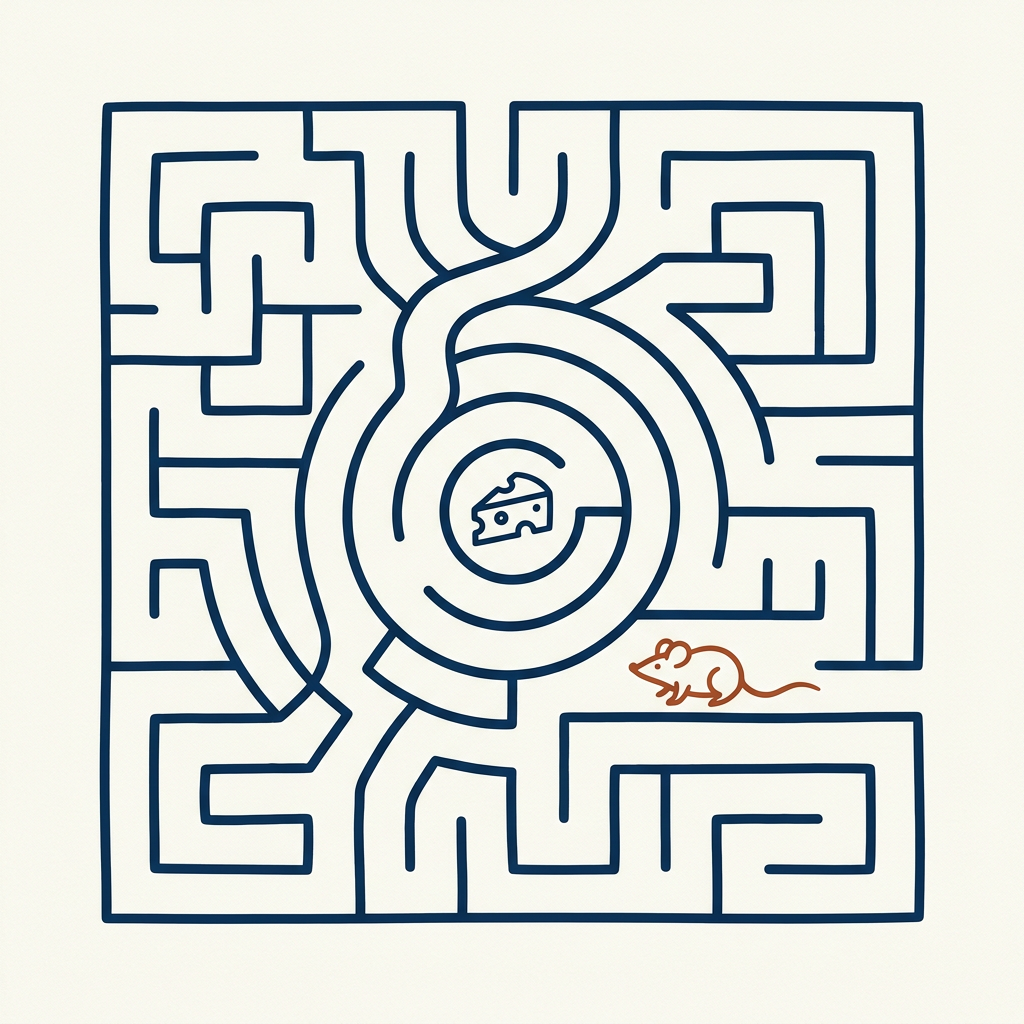
Johnson opens with former classmates at a reunion who admit they handle change badly. One recounts a maze shared by two mice, Sniff and Scurry, and two miniature humans, Hem and Haw. All four hunt cheese, which stands for whatever someone wants—a job, love, money, health, recognition.
The maze stands for the wider world: many corridors, dead ends, and stations that connect and empty. Johnson chooses a maze rather than a straight path on purpose. No single route is permanent, and finding cheese once does not mean it stays there.
The mice treat the maze as it is. The little people build routines and identities around one station and mistake comfort for a right. The frame exists so an adult reader spots himself in Hem or Haw before the parable fully lands.
In practice: The reunion classmates recognize their own stalled jobs and relationships in the four searchers before any cheese disappears.

2
Comfort dulls vigilance
Prolonged success is risky because getting what you want long enough erodes the vigilance that helped you find it.
Mice at Station C
Keep sniffing edges and supply every day
Hem and Haw
Stop checking, arrive later, claim the cheese as earned right
All four reach Station C, a cheese area so large it seems inexhaustible. Behavior splits at once. Sniff and Scurry keep their morning ritual of sniffing edges and supply. Hem and Haw stop checking, move belongings closer, arrive later, and treat abundance as a fixed feature of the world.
Johnson claims comfort is not bad in itself. It removes the incentive to notice small signs—a smaller portion, a bit of mold, a change in smell—that would matter later. The mice's inspection is cheap insurance against a large future cost.
Hem and Haw grow so confident they treat the cheese as personal property earned by past effort. Johnson flags that shift from noticing supply to assuming entitlement as the real danger of long comfort, more than any single external shock.
In practice: Hem and Haw begin arriving later and telling themselves the Station C cheese is theirs by right rather than a supply that depends on outside conditions.
3
Shock is mostly optional
Identical empty-shelf events produce wildly different outcomes by temperament; the response to loss matters more than the loss itself.
- SSniff and ScurrySaw the supply dwindle; left at once in running shoes
- HHem and HawExpected abundance; met bare shelves with disbelief and anger
One morning the cheese at Station C is gone. Sniff and Scurry, who watched the supply dwindle, are not surprised. They put on the running shoes kept tied around their necks and head into the maze.
Hem and Haw arrive expecting abundance and find bare shelves. Disbelief turns to anger. Hem shouts the accusation that becomes the title question. Johnson separates reaction from event: the empty station is identical for all four.
Two had tracked the decline; two had stopped tracking and felt sudden injustice. Johnson's practical claim is that shock is largely self-inflicted—the gap between expectation and reality, shaped by how closely you paid attention beforehand. Ordinary complacency, not unusual foolishness, produces that shock.
In practice: The mice leave at once in shoes kept ready during the comfortable years; Hem and Haw experience the same bare shelves as sudden betrayal.
4
Speed without deliberation
Quick, low-reflection action is held up as the ideal response to loss, with hesitation itself treated as the primary danger.
Sniff and Scurry hold no meeting and ask no why. They leave Station C and start down new corridors, sniffing for signs elsewhere. Johnson presents this as the correct model: action before full information, movement before comfort, instinct over analysis.
Their method works because needs are simple and prior habits—daily monitoring, staying light, never overcommitting—already positioned a fast exit. There is no scene of mice grieving Station C; attachment to any single source was always provisional.
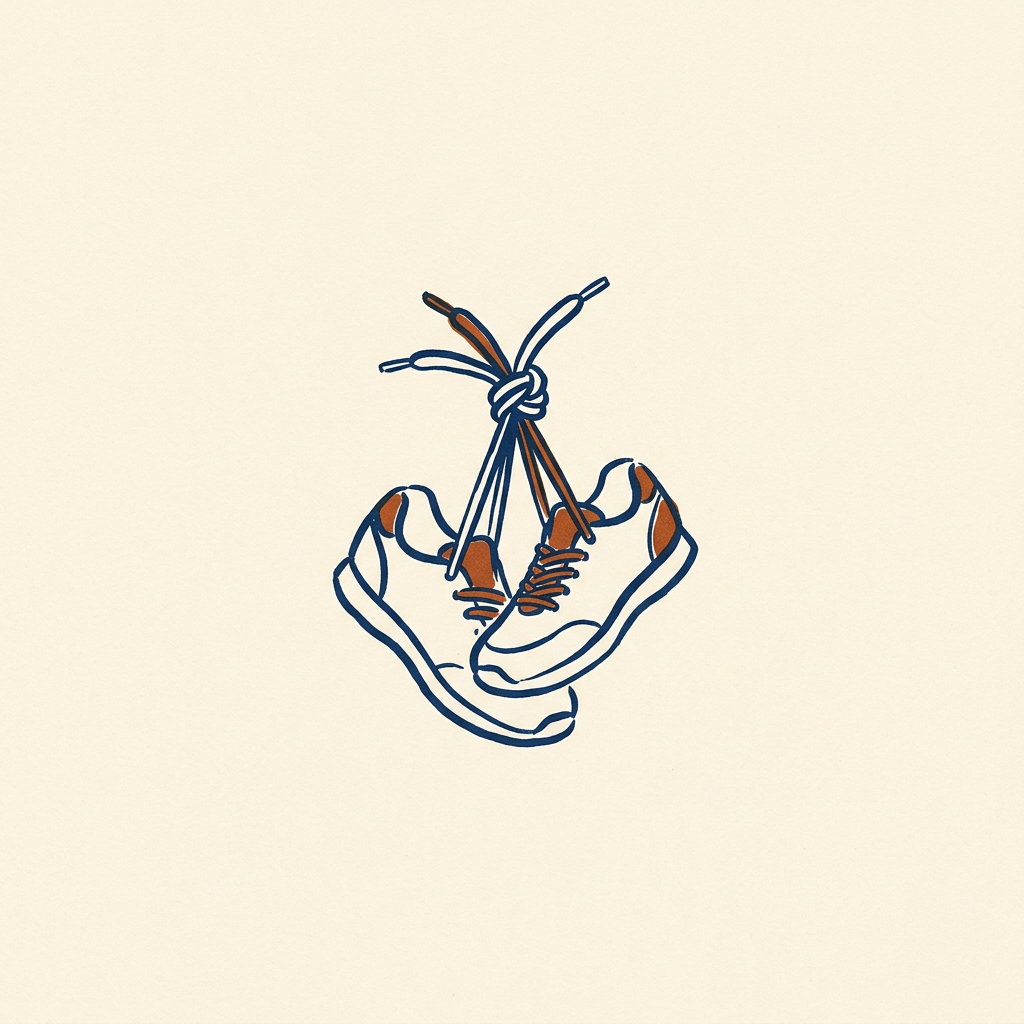
The running shoes hung around their necks even during comfortable years show readiness built in advance, not improvised in crisis. Speed depends less on courage in the moment than on earlier unencumbered habits, though that model assumes wrong turns are cheap and reversible.
In practice: The mice wear running shoes around their necks throughout the Station C years so they can leave the morning the shelves go bare.
5
Denial spends real days
Denial is not a neutral pause but an active loss, because every day spent expecting restoration is a day not spent searching.
Waiting at C
Days spent expecting restoration while growing thinner
Already moving
Sniff and Scurry may already be finding new cheese
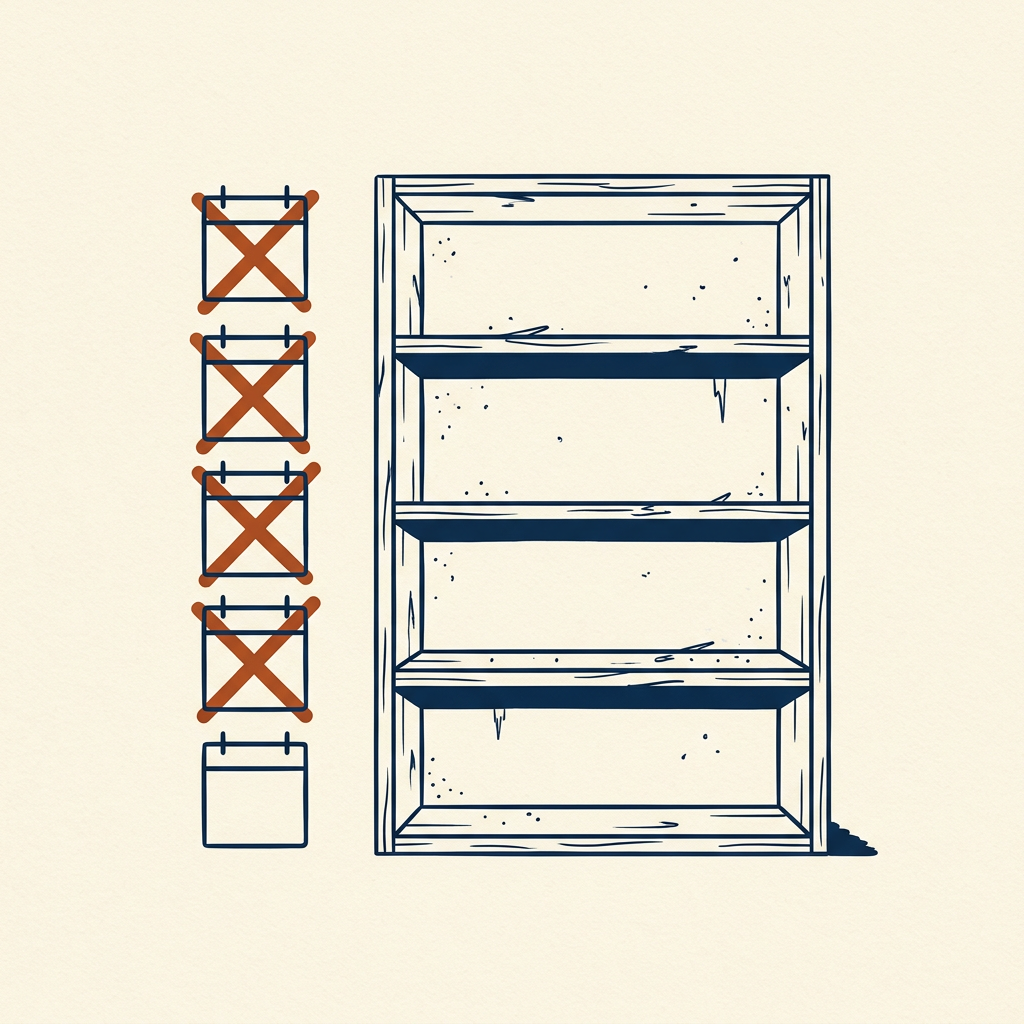
Hem refuses to leave. He insists the disappearance is a mistake, that someone owes an explanation, and that the cheese will reappear if he waits. Haw initially agrees. They stay at the empty station for a long stretch, growing thinner and more irritable.
Johnson uses that stretch to make a quantitative narrative point: waiting days are not free. While Sniff and Scurry may already be finding new cheese, Hem and Haw's condition worsens and nothing improves. Fairness and explanation are understandable demands the maze does not answer.
Haw, weaker each day, eventually laughs at the absurdity of starving beside empty shelves out of loyalty to a memory. Hem never reaches that recognition. He remains the fixed point against which Haw's departure is measured, left unconverted on purpose.
In practice: Haw starts laughing at their predicament while still hungry at the empty station; Hem stays behind as Haw finally leaves.
6
Name fear before acting
Fear loses much of its grip once named and compared against an imagined life without it, rather than simply endured or ignored.
Haw's decision to leave does not arrive as sudden courage. He catches himself imagining getting lost, finding nothing, growing hungrier, then asks a different question: what would he do if he were not afraid.
That question, written on the maze wall as he goes, is the book's central psychological tool. Rather than eliminating fear by willpower, Haw separates fear from the decision, pictures a version of himself acting without it, and chooses to act like that version while fear remains.
His first steps into unfamiliar corridors are still hungry and uncertain, with temptation to turn back out of habit. Johnson has him laugh at his own hesitation: humor at caution signals that fear has been named rather than suppressed. The move reframes fear as a variable that can be examined and discounted.
In practice: Haw writes the fear question on the wall, takes tentative steps into new corridors, and laughs at his own urge to retreat to the empty station.
7
Write wisdom mid-search
Condensing a hard-won realization into a short phrase recorded while still uncertain is a legitimate way to change future behavior, not merely a literary device.
As Haw moves, he stops to write short observations on the walls: movement in a new direction helps find new cheese; clinging to old assumptions will not; noticing small changes early prevents big shocks.
He writes while still searching, before knowing whether the search will succeed. Johnson treats that timing as essential—the wisdom is not hindsight dressed as foresight but a real-time record of a shift in thinking.
Within the story the writings later help Hem, who reads them and begins to reconsider, though his final choice stays ambiguous. The broader claim is that insight generated mid-crisis, still uncomfortable, is more trustworthy and transferable than insight shaped after safe arrival.
In practice: Haw's wall notes later reach Hem and start him reconsidering his refusal to move, without the book resolving whether Hem finally leaves.
8
New cheese rewards movement
The resolution treats finding new cheese as the natural payoff for persistence, converting a fortunate outcome into the seeming result of the right attitude.
Station C ending
Assumed permanence after long comfort; then empty shelves
Station N habit
More varied cheese plus regular inspection and readiness
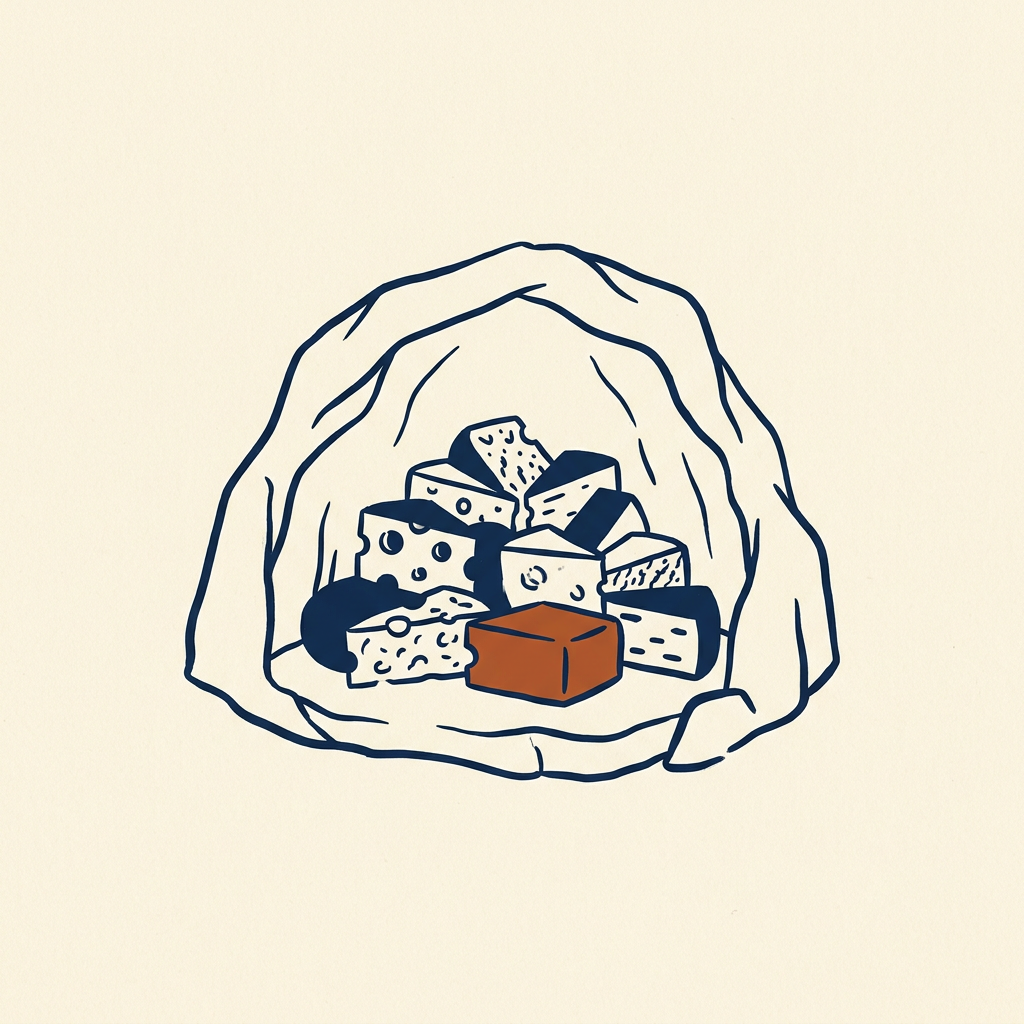
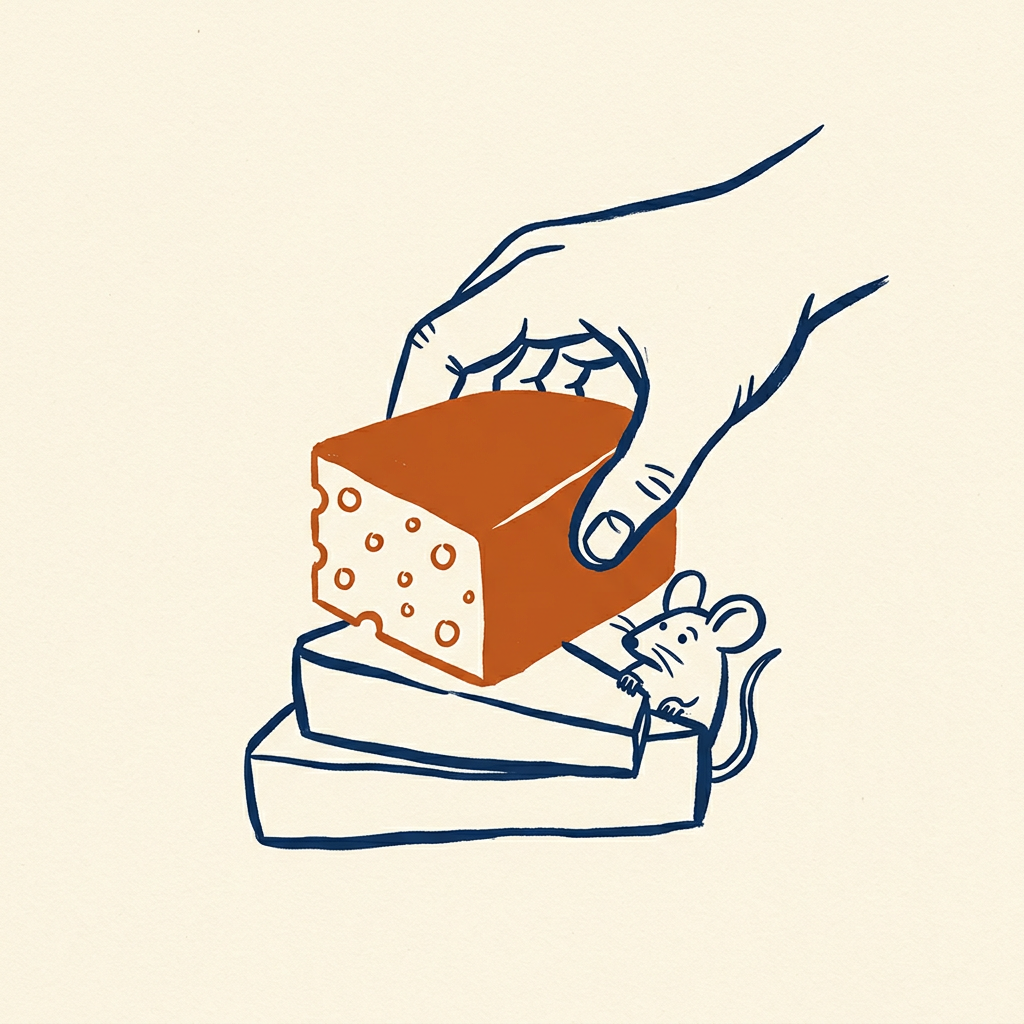
Haw reaches Station N, stocked with cheese, and finds Sniff and Scurry already there, settled into a new routine. The loop closes: the two who acted quickly arrived sooner; the one who acted late still found it; the one who never moved is left at the empty station.
Johnson draws a direct line between willingness to search and the reward of finding something. Inside the story that line holds because the maze was written to contain reachable new cheese. The cheese at Station N is more varied than at Station C, suggesting the new situation can be better, not merely a replacement.
This is the book's most optimistic and least tested claim: the parable guarantees what real searches do not. Haw's forward habit—checking the new station regularly rather than assuming permanence—is presented as the more durable prize.
In practice: Haw arrives at Station N to find the mice already settled and the cheese more varied than what Station C once held.
9
Vigilance is the real prize
The lasting value is not Haw's single departure but the standing practice of noticing change before it becomes a crisis.
Settled at Station N, Haw does not repeat the Station C mistake. He inspects regularly, stays alert to small changes, and keeps metaphorical running shoes on, echoing the mice rather than his old self.
Johnson closes the argument: the crisis was less about finding cheese once than about building ongoing notice before the next crisis. The book returns to the reunion, where classmates ask which character they resemble and whether they are still waiting at some empty station.
The practical takeaway is unglamorous. Ongoing monitoring is boring, needs no courage, and lapses the same way it lapsed at Station C. Johnson's quiet warning is that Haw could become Hem again if the habit slides during a future stretch of comfort.
In practice: Back at the reunion, listeners measure themselves against Hem still waiting or Haw newly willing to move, without the story resolving each life.
Key terms
- Cheese Whatever a person wants—a job, love, money, health, or recognition
- Maze The wider world of corridors, dead ends, and temporary stations of supply
- Station C The first abundant cheese area that seemed inexhaustible until it emptied
- Station N The new cheese area Haw reaches after leaving the empty station
- Sniff and Scurry The mice who monitor daily, stay ready, and move without deliberation
- Hem The little person who stays at the empty station demanding fairness and return
- Haw The little person who names his fear, leaves, writes on walls, and learns to keep watch
- Running shoes Preparation kept ready during comfort so movement can start the moment supply fails
What to do
- Pick one stable area of work or life and spend fifteen minutes this Monday looking for small signs it may be shifting.
- Write one sentence on what you would do about your biggest current uncertainty if you were not afraid, then compare it to what you are actually doing.
- Name your equivalent of running shoes—the preparation that would let you move quickly if your main source of stability disappeared next month.
Questions to think with
- Where are you still waiting beside an empty station for the old supply to return?
- What small signs of change have you stopped noticing because the current arrangement feels stable?
- What would you do about your biggest uncertainty if you were not afraid of the answer?
- Which habits from a comfortable season would slow you down if that season ended next month?
- Are you currently closer to Hem's refusal, Haw's late start, or the mice's early exit?
The other side
The strongest fair criticism is that the parable treats change like weather when workplace cheese is usually moved by specific executives and committees, and it became popular in 1990s corporate training partly because it pushes employees to accept displacement without asking whether the change was necessary, fair, or reversible. It also assumes mobility—no dependents, mortgage, or health limits at the empty station—guarantees a reachable Station N that real searches often fail to find, and reduces human response to four fixed types.
Who it's for
Someone facing a layoff, relocation, or reorganization who needs a simple way to talk themselves into acting, or a manager who wants shared vocabulary for telling a team a comfortable arrangement is ending. Also useful for a self-help skeptic who wants to see why this fable became inescapable in offices for two decades.