



Miller traces gifted achievers' emptiness to unmourned childhood loss

In 60 seconds
- Capable children learn early to become what emotionally needy parents require instead of showing who they are.
- A watchful false self wins approval while the true self’s raw needs and feelings go into hiding.
- Grandiosity and depression are opposite poles of one wound: worth that was never independent of performance.
- Praised sensitivity is often defensive scanning of parental moods, not free empathy.
- Recovery demands mourning the attunement that never came, not another achievement or pure insight.
- Parents who skip that grief unconsciously recruit their children to fill the same vacancy.
The big idea
Miller contends that many admired adults still perform a childhood role built to satisfy depleted parents, burying authentic feeling under constant achievement. She holds that only concrete mourning of the missing parental responsiveness frees the true self; further success cannot install what was never given.
The book in brief
Miller starts from the adult who looks gifted, composed, and successful yet reports a persistent undefined emptiness under every win. She traces that hollowness to an early split: the child discovered spontaneous needs were unwelcome to insecure caregivers, so a second self—watchful, compliant, tuned to approval—became the visible personality while the true self hid.
She then shows how that arrangement produces two oscillating states rather than separate illnesses. When performance lands, the person feels briefly exceptional; when admiration drops or output slows, the same person collapses into worthlessness, because no stable inner right to exist was ever established outside external proof.
The origin, she argues, sits with the parent. Adults who were themselves narcissistically deprived turn unconsciously to the child for admiration, stability, or vicarious achievement. Praise flows when the child serves that economy and cools when the child is merely upset or needy, so the child develops exactly the talent and composure that keep the bond warm. The same pressure trains uncanny vigilance: scanning tone and mood to avert withdrawal, a skill later praised as giftedness yet built for survival.
Because the child depends totally on the parent, blame is turned inward and the parent is idealized; anger at neglect becomes the most forbidden feeling and converts into depression, self-doubt, or unexplained fatigue. The false self then continues into adult life as compulsive achievement for an internalized audience that can never be satisfied, especially in demanding creative or helping fields.
The turning point is mourning. Insight alone is not enough; the patient must give up the fantasy that one more success will finally produce the missing attunement and grieve it as a permanent loss. Only then do small permissions appear—boredom, irritability, ordinary need without immediate repair—and the pattern stops being handed to the next generation.
Context
Alice Miller published the book in 1979. It reframed narcissism and depression as consequences of real relational deprivation rather than fixed defects, and insisted recovery requires mourning a childhood that never happened. Wide popularization later often stripped away her clinical caution that the work is slow, specific grieving rather than affirmation slogans.
The key ideas
1
The true-false self split
High-achieving adults often conduct an elaborate performance for parents who never truly saw them, burying spontaneous feeling under a compliant second self.
False self
Watchful, compliant, tuned to whatever earns approval; becomes the visible personality
True self
Raw feelings and needs kept hidden because they once threatened the bond
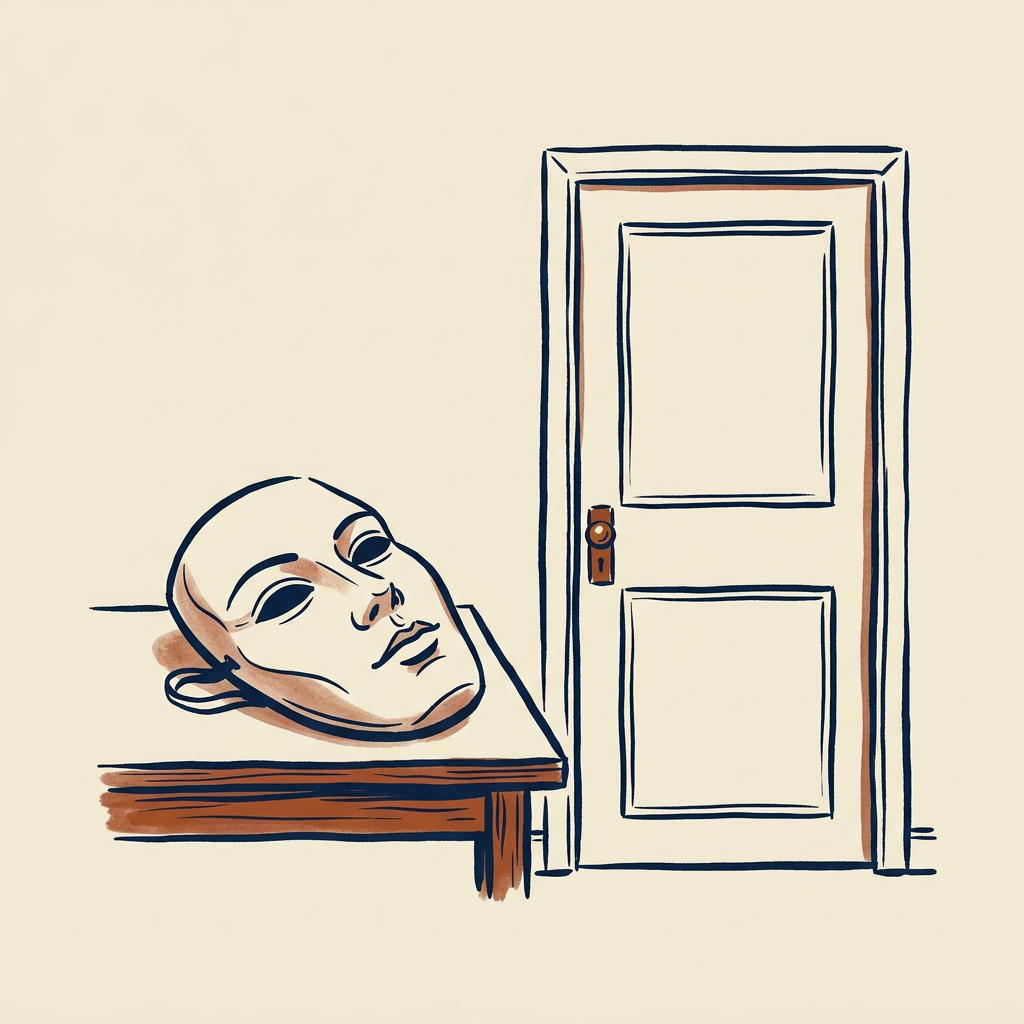
Miller’s central claim is that some children learn very early that their raw feelings and needs are unwelcome to caregivers who are themselves insecure or depleted. To keep the relationship intact the child builds a watchful, approval-tuned false self that becomes the visible personality. The true self goes into hiding with its unedited needs.
She treats this not as a minor habit but as the foundational adaptation from which later difficulties grow. The word “gifted” carries a double meaning: unusual sensitivity looks like natural endowment and is praised as such, yet it functions mainly as survival equipment for reading and satisfying a parent’s emotional requirements.
The tragedy she wants readers to see is that the very qualities that win affection can bury the authentic self most effectively, precisely because they work so well and keep being rewarded by teachers and employers who cannot see the cost.
In practice: An analysand widely admired in a demanding profession arrived reporting persistent emptiness beneath every success; the real talent had been recruited since childhood to secure love by performing well.

2
Two faces of one wound
The adult who craves constant admiration and the adult who feels worthless are enacting the same childhood injury from opposite ends.
Miller treats grandiosity and depression not as opposites but as two expressions of a self whose worth was never established independently of performance. Success temporarily supplies proof of value and can feel almost superhuman; when output slows or admiration withdraws, the same person collapses into worthlessness.
Neither state rests on an ordinary felt sense of being enough. A triumph relieves the depressive pole for a while but cannot install the missing foundation, so the cycle repeats with each new achievement and each new setback.
The first analytic move she asks of the reader is to stop managing the two states as unrelated symptoms and to see them as evidence of one early arrangement: love made conditional on delivering what the parent needed.
In practice: One analysand moved between euphoric certainty of unique brilliance and near-total collapse whenever professional output slowed, each mood substituting for a missing constant sense of value.

3
Parents manufacture the gift
A child’s talent is often less an innate gift than a role assigned to fill a vacancy in the parent’s own psyche.
What the parent needs
Admiration, stability, vicarious achievement the parent never received
What the child learns
Only performing parts of the self are welcome; ordinary need cools the bond
Miller locates the origin in the parent, not a flaw in the child. Parents who were narcissistically deprived in their own childhoods turn unconsciously to their child for the admiration, stability, or vicarious achievement they never received.
The child becomes an extension of the parent’s unfulfilled hopes rather than a separate person. Praise flows when the child performs in ways that serve the parent’s psychological economy and withdraws when the child shows ordinary vulnerability or need.
This structural shift of responsibility explains why the resulting adult so often looks unusually capable to outsiders: the capability was cultivated to answer a parental need and thereby sets up the lifelong pattern.
In practice: A mother who lights up at her daughter’s intellectual accomplishments grows distant or impatient when the daughter is simply upset or afraid, so the daughter develops precisely the precocious composure that keeps the relationship warm.
4
Sensitivity becomes a cage
The emotional perceptiveness admired in sensitive children is frequently trauma-trained surveillance built to prevent loss of love.
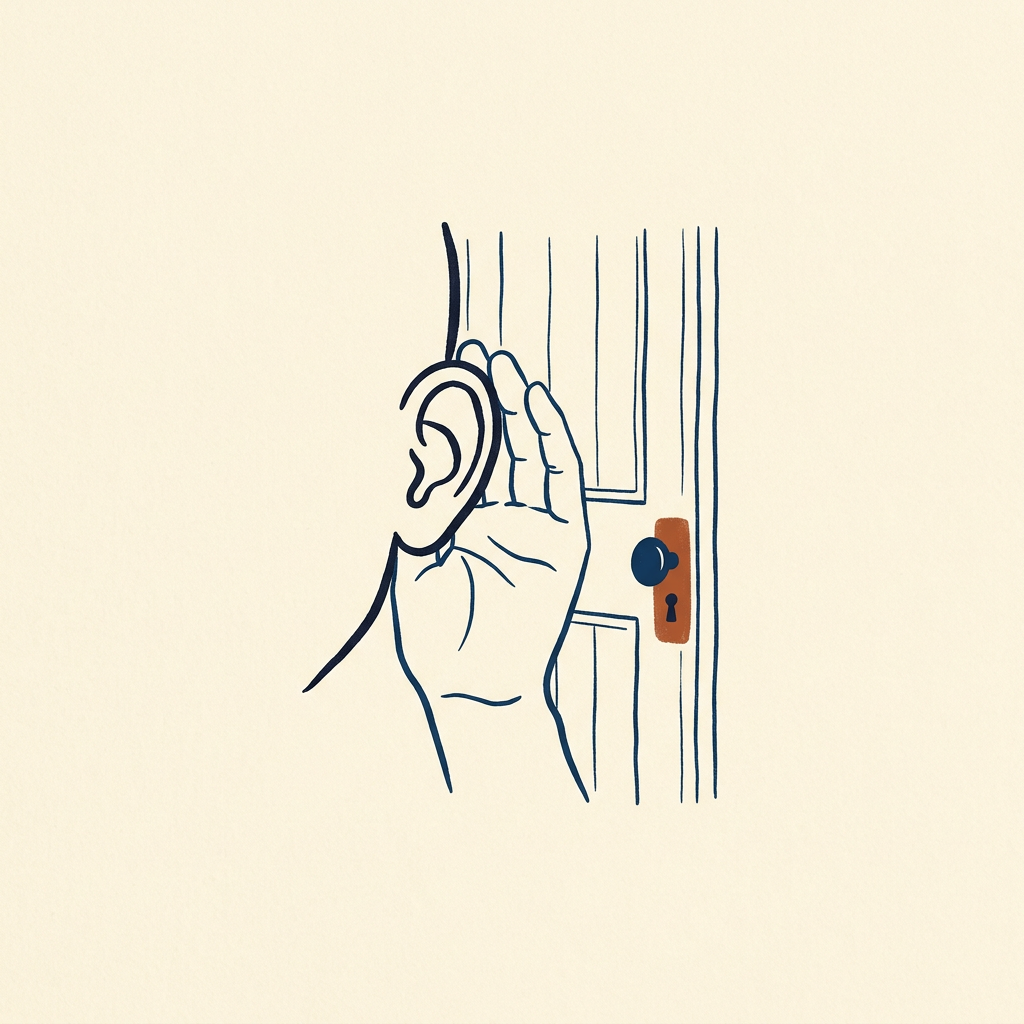
A child dependent on a parent’s approval for basic safety develops constant low-level vigilance: scanning tone, face, and mood shifts to anticipate what will please or provoke. Over time the vigilance becomes automatic.
Others praise it as intuition or giftedness because the child notices what others miss. Its origin, Miller argues, is defensive rather than purely relational; it exists to avert disapproval, not to connect for its own sake.
The cost is structural: constant outward scanning leaves little attention for the person’s own inner states—the exact deficit the rest of the book addresses.
In practice: A patient who could detect subtle shifts in the analyst’s mood within a session traced the skill to childhood monitoring of a volatile parent whose affection could vanish without warning.
5
Why the parent is idealized
Children protect parents from blame not from naivety but because clear sight of harm would be unbearable under total dependence.
A dependent child cannot survive psychologically while believing the person life depends on is also the source of harm. Negative perceptions are split off or minimized and blame is redirected inward: something must be wrong with the child.
This idealization is not a passing illusion; it persists as unconscious loyalty that resists correction even when the adult intellectually knows harm occurred. Giving up the idealized parent means facing retroactively how alone and unprotected the child was—more frightening than continued self-blame.
Understanding idealization as a survival structure rather than a factual error to be argued away sets up the book’s later insistence that change requires mourning, not logic.
In practice: Patients who can describe damaging parental behavior in detail still insist the parent meant well or could not have done otherwise, and grow anxious when a therapist questions the account too directly.

6
Rage turned into depression
Depression is frequently anger at the parent that had nowhere legitimate to go and so attacked the self instead.
Forbidden original feeling
Anger at the parent who caused the deprivation
Safer converted form
Depression, self-doubt, or unexplained fatigue aimed at the self
Of all feelings available to a dependent child, anger directed at the parent is the most dangerous to feel or show because it threatens the bond survival rests on. The anger does not vanish; it is repressed and converted into safer forms—depression, chronic self-doubt, or physical symptoms without clear medical cause.
A genuinely safe therapeutic relationship, one that does not require the patient to perform or reassure, creates the first conditions in which buried rage can surface without the catastrophe the child once feared.
When the feeling is finally allowed in its original form rather than redirected against the self, depressive residues can ease even though the childhood facts themselves remain unchanged.
In practice: A patient who had blamed years of unexplained fatigue and self-doubt on personal deficiency eventually accessed long-suppressed fury at a parent’s chronic emotional neglect; afterward the depressive symptoms measurably eased.
7
Achievement as compulsion
Success built to secure love rather than express desire produces accomplishment that never satisfies.
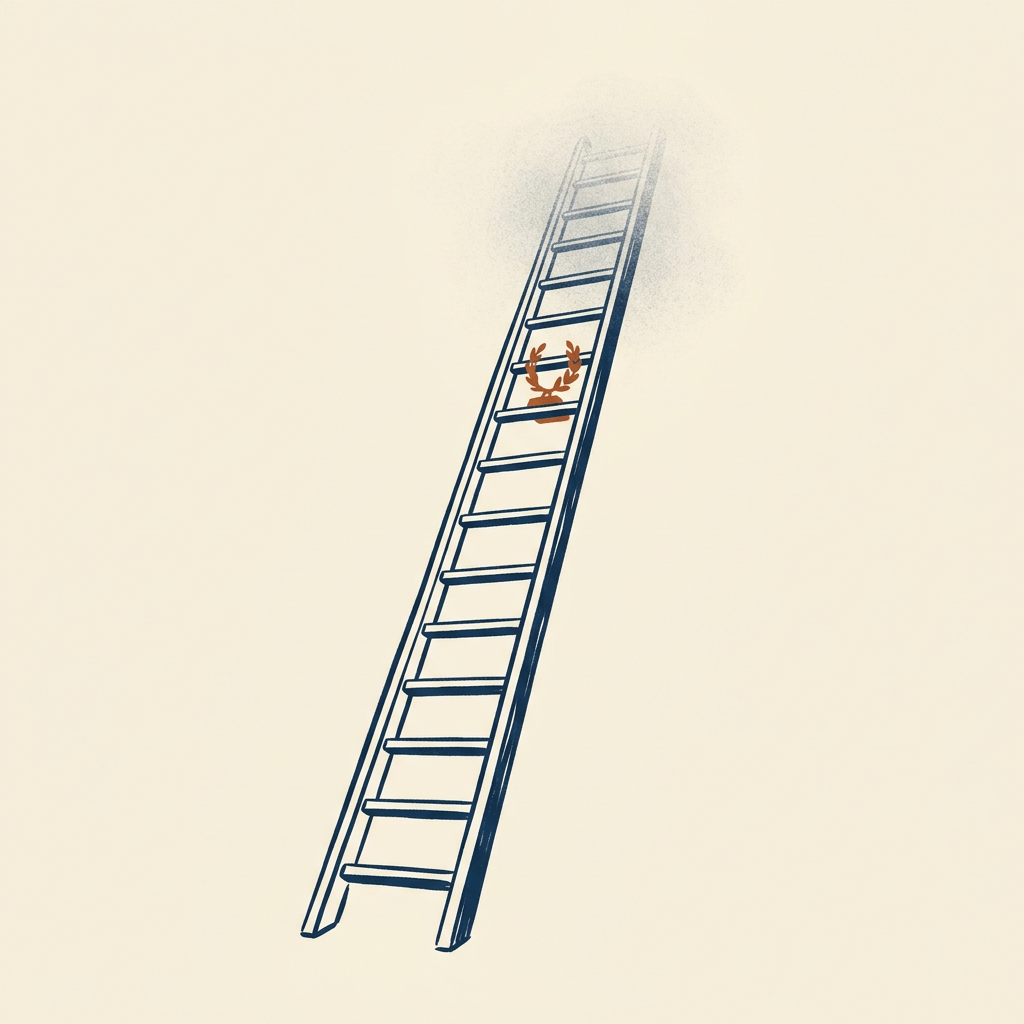
The false self does not stay in childhood; it carries forward as compulsive achievement for an internalized parental audience that can never be fully satisfied. Progressively larger accomplishments bring only brief relief because the activity was never rooted in the person’s own desire.
Miller notes the pattern appears with striking frequency among people drawn to intellectually demanding, creative, or helping professions—the very fields that reward the childhood traits of sensitivity and high competence.
Objective success can therefore coexist indefinitely with subjective emptiness: achievement keeps trying to earn unconditional acceptance, something that by nature cannot be earned through performance.
In practice: A widely acclaimed figure in creative or intellectual work reports that every honor brings only brief relief before anxiety about the next project returns, revealing the acclaim as tribute to old parental demands.

8
Mourning the missing childhood
Healing requires grieving the childhood one actually had, not the one still hoped to earn through better performance.
This is the book’s turning point. Therapy’s task is not primarily insight but mourning: the patient must relinquish the fantasy that sufficient understanding or one more success will finally produce the parental attunement that was missing.
The needed responsiveness did not happen and cannot be obtained retroactively. Accepting that permanent loss is painful, yet it is the condition under which authentic feeling can return because the patient no longer has to defend against a once-unbearable truth.
Miller distinguishes this from cognitive reframing or self-affirmation. The patient has to feel the full weight of what was missing—including earlier anger and the sorrow of unmet need—before compulsive performing can loosen.
In practice: A patient who finally accepted that her mother had never been capable of the empathy she had spent decades hoping to receive wept over an extended period and afterward found a quieter, more stable sense of self independent of that approval.
9
Small permissions, not epiphanies
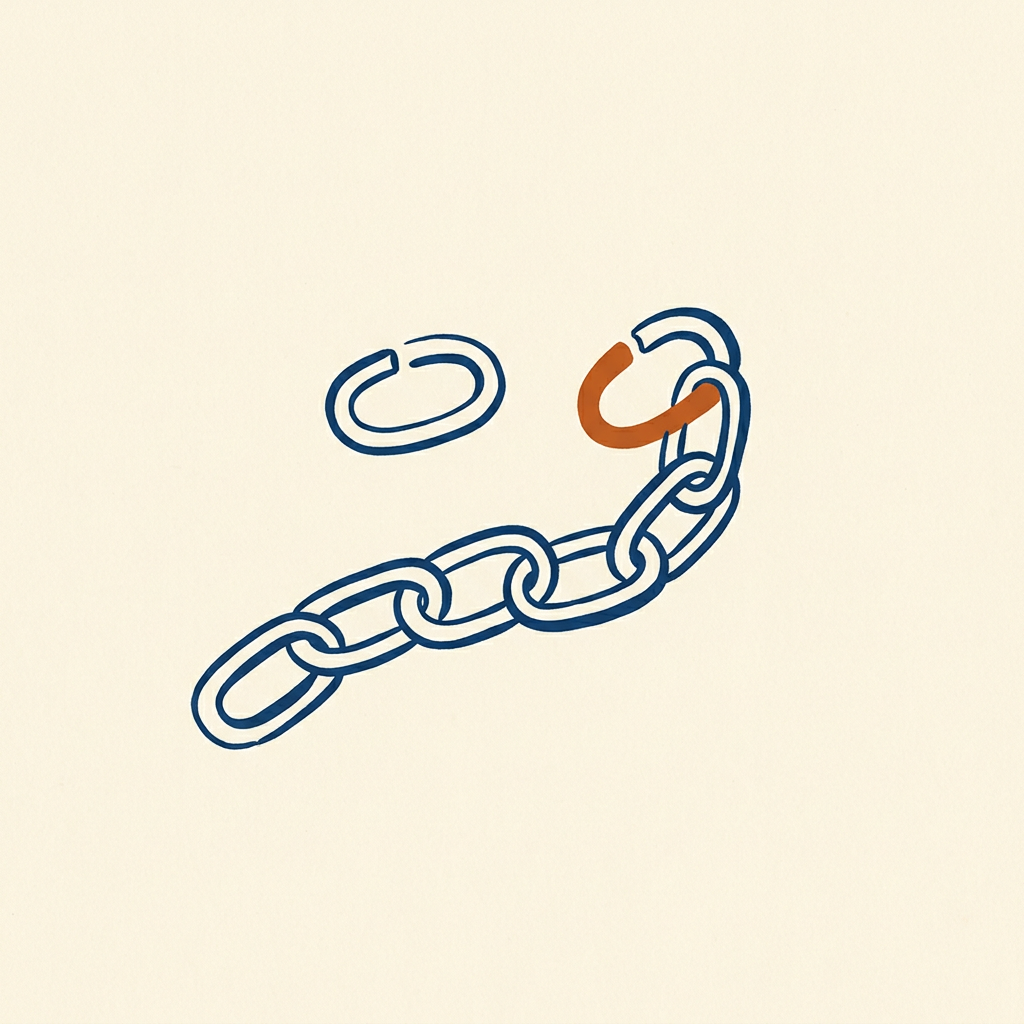
A reclaimed self appears as ordinary permissions to feel bored, angry, or uncertain without immediately performing a repair.
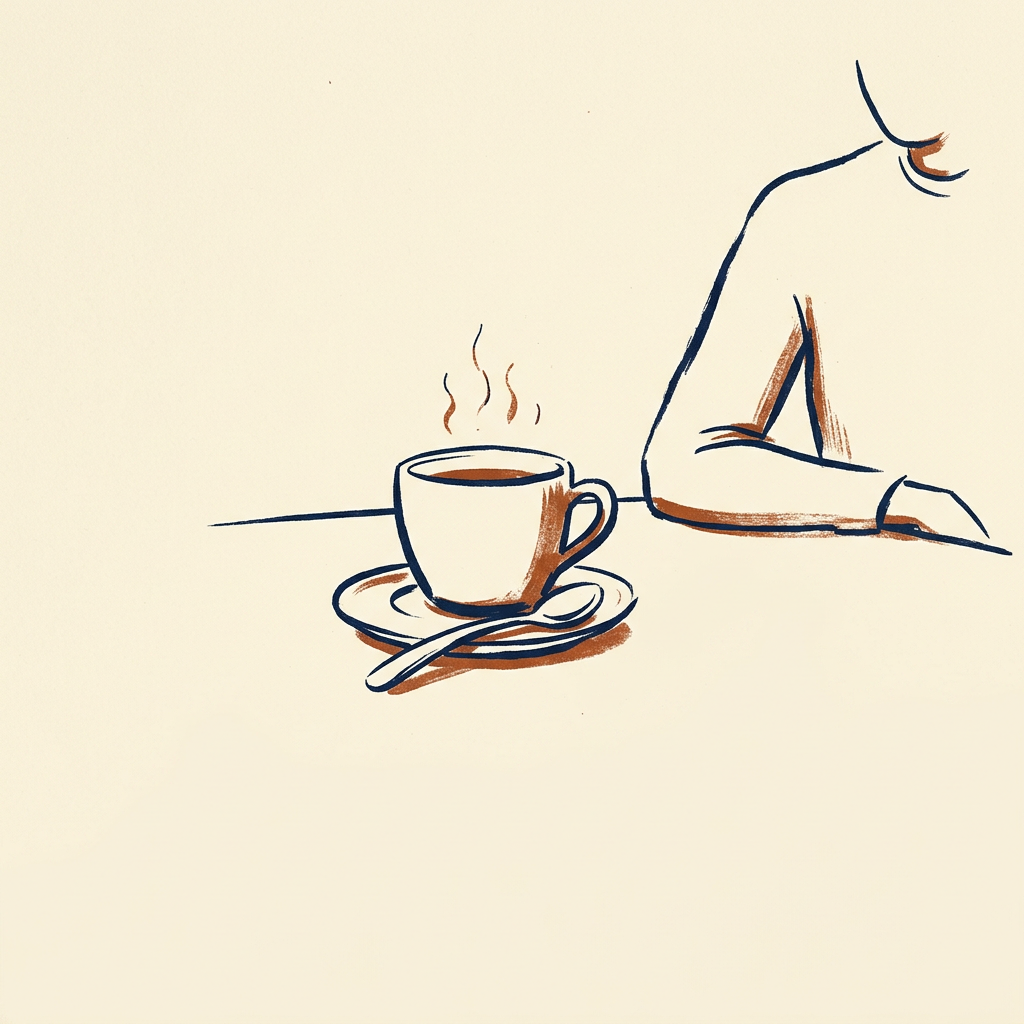
As mourning proceeds, adults slowly regain access to feelings suppressed since childhood. Miller resists presenting the true self as a hidden treasure discovered once; it is closer to an ongoing practice of staying present with a feeling instead of converting it into performance, apology, or harsh self-judgment.
Recovery therefore looks undramatic. It is not becoming a different, more confident person overnight; it is tolerating one more ordinary, unglamorous inner state without managing it for someone else’s benefit.
Over time those small permissions accumulate into a self that can exist independent of continuous approval—the condition the whole book has worked toward.
In practice: One patient’s real turning point was an ordinary session spent visibly bored and irritable without apologizing or trying to entertain the therapist, something that would previously have felt intolerable.
10
Stopping the next generation
Parents who have not mourned their own deprivation will unconsciously recruit their children to do the emotional work they avoided.
Miller extends the drama across generations. A parent still carrying an unmet need for validation will tend, without intending to, to look to their own child to supply it, reproducing the earlier dynamic regardless of conscious good intentions.
Awareness and even explicit rejection of one’s upbringing are not sufficient protection. Only the mourning process removes the parent’s unconscious need for the child to perform a particular role.
The book closes by making clear the pattern is not one generation’s private suffering; it is a structure that reproduces itself through parents who can look entirely well-adjusted on the surface.
In practice: A father who intellectually rejects his own parents’ coldness and is determined to raise his son differently still grows anxious and withdrawn when the son shows ordinary neediness, until his own analysis surfaces the unprocessed grief.
Key terms
- false self The watchful, compliant personality built early to earn approval when spontaneous feelings are unwelcome.
- true self The buried capacity for raw feeling, need, and desire that was hidden to protect the childhood bond.
- gifted child Miller’s frame for the sensitive, high-performing child whose talents function mainly as survival tools for conditional love.
- grandiosity Temporary sense of exceptional worth that appears when performance succeeds and supplies external proof of value.
- idealization The survival defense that protects the parent from blame and turns fault inward so dependence remains bearable.
- mourning Feeling the permanent loss of the attunement that never came, rather than trying to earn it through further insight or success.
- conditional love Affection that flows when the child produces what the parent needs and cools when the child is merely vulnerable.
- narcissistic deprivation The parent’s own unmet early need for validation that later seeks supply from the child.
What to do
- Notice one moment this week when you chase an achievement mainly for someone’s approval; pause and ask what you fear if you stop.
- When anger or sadness toward a parent flashes up, sit with it several minutes without explaining it away as unfair.
- If you are a parent, catch the instant your mood brightens at a child’s accomplishment and check whether you stay equally present when they fail or feel bad.
- Treat any real grief that surfaces as a signal to find a therapist trained in this territory rather than something to think through alone.
- Practice one small ordinary feeling—boredom, irritation, uncertainty—without converting it into apology or performance.
Questions to think with
- Where in your work or relationships do you still perform for an internalized audience that never feels satisfied?
- What would it cost you, emotionally, to stop idealizing a parent whose care was conditional?
- When you feel empty after a success, which pole—grandiosity or collapse—arrives first, and what does that reveal?
- If you are raising a child, what unmet need of your own might you be asking them to soothe?
- What ordinary feeling do you still rush to repair or hide because it once threatened a vital bond?
The other side
Miller’s evidence is solely clinical impression from her own practice—composite cases with no data set, controls, or falsifiability—and “gifted child” is a literary frame, not a diagnostic entity. Critics note she adapts Winnicott’s true- and false-self idea without full credit, collapses a wide spectrum of parenting into one blame-heavy narrative, underweights temperament and other buffering relationships, generalizes from a Western therapy-seeking population, and offers a totalizing rejection of drive theory that leaves little room for constitutional or neurobiological factors later research treats as complementary.
Who it's for
Adults who feel chronically empty despite real accomplishment, therapists and students exploring narcissism and the false self outside classical drive theory, and parents willing to examine whether their own unmet needs shape how they use their child will get the most from reading the full book.