



Sowell explains why good intentions often clash with scarcity
In 60 seconds
- Economics studies scarce resources with alternative uses, so every society must ration goods somehow.
- Prices signal relative scarcity across strangers; blocking them blinds the economy to real conditions.
- Rent ceilings and wage floors create shortages, decay, black markets, and unemployment instead of abundance.
- Profits reward efficient resource use; losses shut wasteful producers down so capital can move elsewhere.
- Tariffs save visible jobs while destroying more hidden ones and raising costs across the economy.
- Inflation comes from money growing faster than goods; bias lasts longest where competition is blocked.
The big idea
Sowell frames economics as the study of scarce resources with alternative uses, and treats most policy failure as the result of ignoring incentives, trade-offs, and unintended consequences in favor of good intentions. Prices and profits coordinate the choices of millions of strangers; suppressing them does not erase scarcity but only hides and redistributes its costs.
The book in brief
Sowell opens on a blunt premise: nothing is plentiful enough for every want, so every society—market, planned, or traditional—must decide who gets what. He treats the true cost of any choice as the next-best use given up, and he holds later claims to two tests: compared to what, and at whose expense.
He then shows how market prices both ration and inform. A rise in the price of a scarce input tells distant users to conserve and substitute without any central order. Systems that guess quantities without those signals, he notes, produce the lasting shortages and gluts that marked Soviet history.
Overriding prices comes next. Ceilings on rents shrink building and upkeep while boosting demand, yielding waiting lists and decay. Floors under crop prices generate unsold piles that taxpayers store or destroy. The same pattern turns to labor: a wage floor above market rates for low-skilled work reduces the jobs employers buy and leaves a surplus of willing workers among the least experienced.
Profits and losses supply the bite that prices alone lack. A profit means resources created more value than they consumed; a loss forces exit so labor and capital can move. Firms insulated by subsidy can waste resources for years. Trade barriers get the identical treatment: they shield a countable industry while raising costs for every downstream user and quietly erasing less-noticed jobs—the gap between the seen and the unseen.
Money itself follows. Sustained inflation, he insists, comes from the money supply outrunning real output, not from greed; hyperinflations and wage-price freezes drive the point home. He closes by running discrimination through the same cost frame: in open competition, refusing qualified workers is expensive and rivals can exploit the gap, while law or monopoly lets bias persist. The arc ends where it began—outcomes track incentives more than intentions.
Context
Thomas Sowell published Basic Economics in 2000 without jargon, charts, or equations. It mattered because it made economic literacy reachable for general readers and challenged popular but shaky policies across the ideological spectrum.
The key ideas
1
Scarcity forces every choice
Scarce resources with alternative uses mean every society must ration somehow, and every choice forecloses another use.
Political talk
Resources treated as unlimited; more of one program costs nothing elsewhere
Sowell's test
Every use forecloses another; always ask compared to what and at whose expense
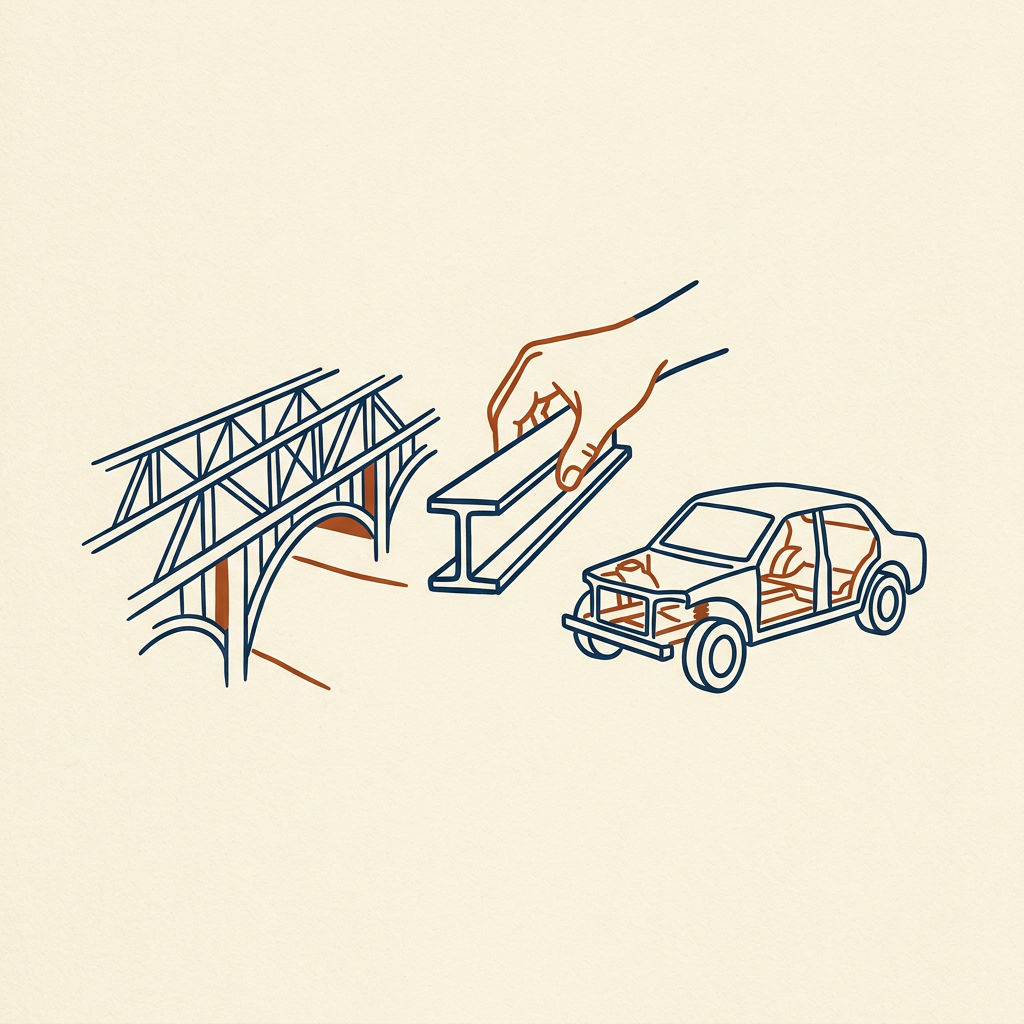
Sowell strips economics to one fact: there is never enough to satisfy every want. Markets, politics, tradition, or force are simply different rationing methods. A resource used one way cannot be used another way at the same time.
He insists the real cost of any decision is the next-best alternative given up, not merely the dollars spent. Public debate often talks as if resources are unlimited—as if more spending on one program costs nothing elsewhere, or as if raising wages only helps workers.
A coherent analysis, he concludes, always asks compared to what and at whose expense. Later chapters are judged not by whether a policy sounds compassionate but by whether it improves the allocation of scarce resources and what alternative use it blocks.
In practice: Land turned into a park cannot at the same time hold a factory or apartments, no matter the rhetoric.
2
Prices transmit scarcity signals
Prices are not arbitrary greed numbers but signals of relative scarcity that coordinate millions who never meet.
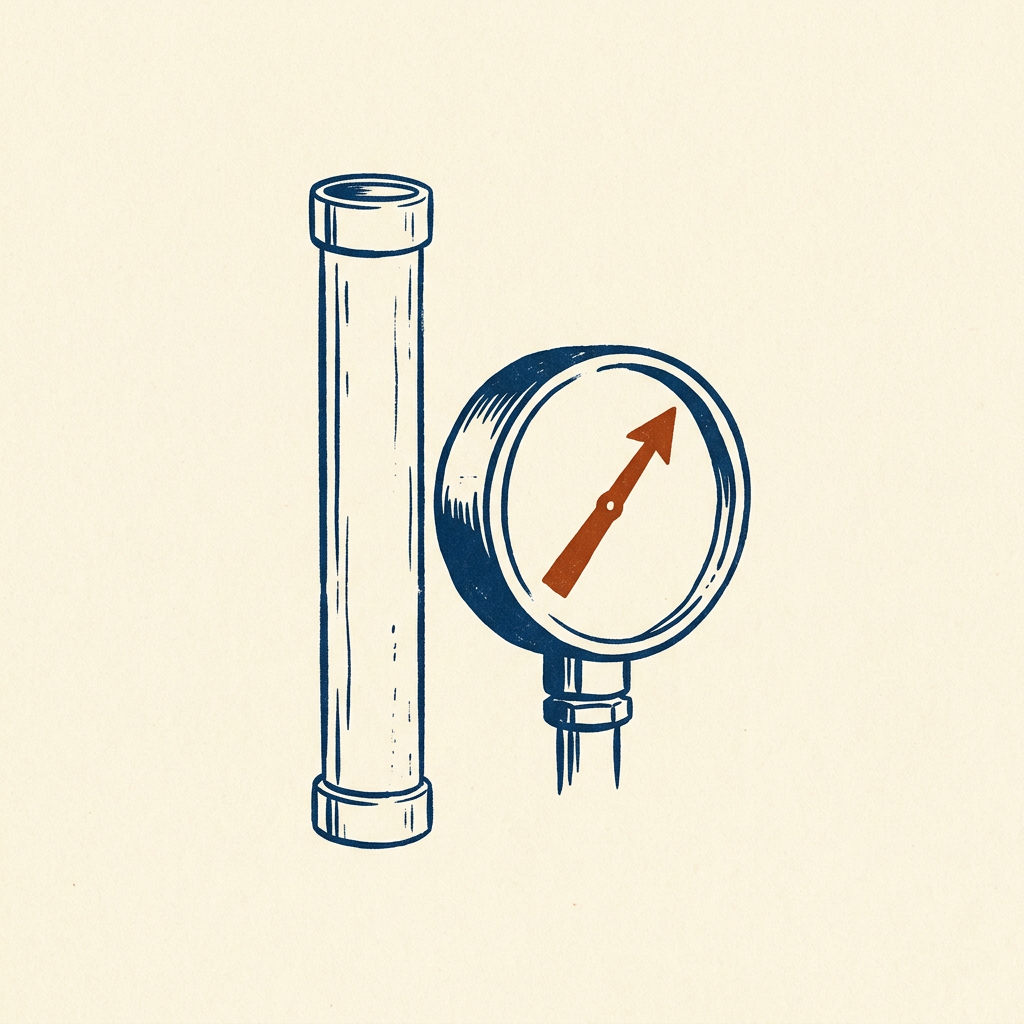
In a market, prices ration scarce goods and carry information. When an input grows scarcer, its price rises and tells users everywhere to conserve and find substitutes, even if they never learn the cause.
Sowell calls this a system that economizes on knowledge. No person or agency needs the whole picture; the price does the coordinating work. He contrasts centrally planned systems such as the Soviet Union, where planners guessed millions of quantities without price signals and produced chronic shortages of some goods and gluts of others.
Suppressing a price, he shows, does not remove the scarcity. It only removes the information and the incentive to respond. Governments that override prices therefore redistribute scarcity's pain rather than create abundance.
In practice: A copper mine collapse in Chile lifts prices worldwide and prompts conservation by people who never heard of the collapse.
3
Controls breed shortages and gluts
Capping prices below market or propping them above does not erase scarcity; it reroutes it into shortages, black markets, or unsold piles.
Price ceiling
Shortages, side payments, and decaying supply as landlords cut building and upkeep
Price floor
Unsold surpluses that government buys, stores, or destroys at taxpayer cost
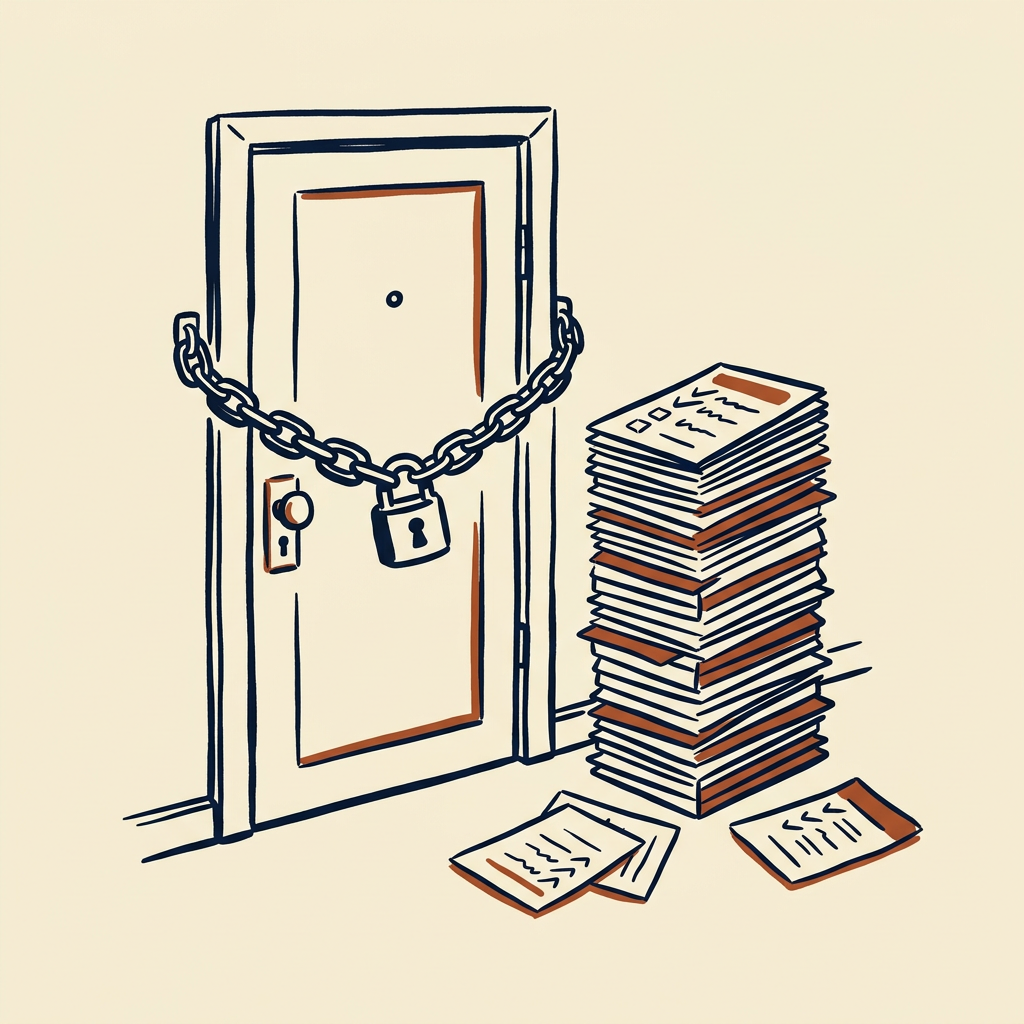
Sowell applies the signal logic to rent ceilings. Cap rents below market and landlords build and maintain less while renters demand more space. The gap shows up as shortage, under-the-table payments, and aging stock because upkeep no longer pays.
He runs the same logic in reverse for price floors. Set a crop price above equilibrium and farmers grow more than buyers will take at that price. Government then buys, stores, or destroys the surplus at taxpayer expense, as U.S. dairy and grain programs once did.
The law can fix a number. It cannot fix the reality the number reflected. Someone still bears the mismatch—renters stuck on lists, landlords letting buildings rot, farmers overproducing, or taxpayers funding warehouses of butter and grain.
In practice: Strict rent control in New York City and San Francisco drove vacancy rates down and left housing aging poorly beside cities without such caps.
4
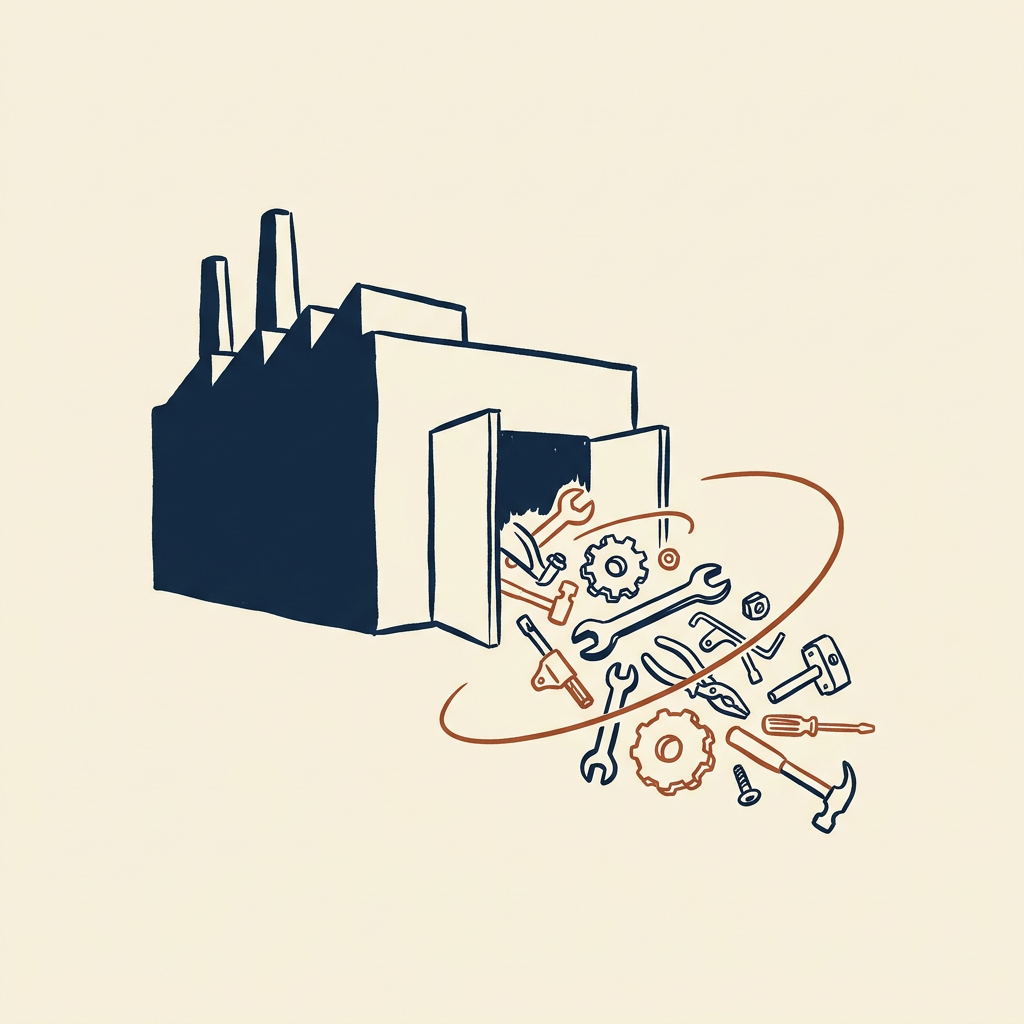
Profits and losses cull waste
Profit rewards turning scarce inputs into more value than they cost; losses force inefficient producers out so resources can move.
Market discipline
Losses force exit and free resources for better uses
Subsidized survival
Loss-making plants continue for years with no signal to stop the waste
Sowell reframes profit as a companion signal to price. A firm that earns a profit has typically combined resources so that customers voluntarily pay more than the cost of production. Losses mean the outputs are worth less than the inputs consumed.
In a market, losses matter as much as profits. They push inefficient firms to exit, freeing labor, capital, and materials for better uses—a process he links to Schumpeter's creative destruction. Equipment and workers from failed businesses move to firms that use them more productively.
State-owned or heavily subsidized enterprises can survive losses indefinitely. Without a real profit-and-loss test, no signal corrects misallocation. Soviet factories kept making goods nobody wanted for years. Prices communicate; profit and loss give the reason to act on the message.
In practice: When uncompetitive firms fail, their workers and machines redeploy to higher-value uses; subsidized plants can avoid that correction forever.
5
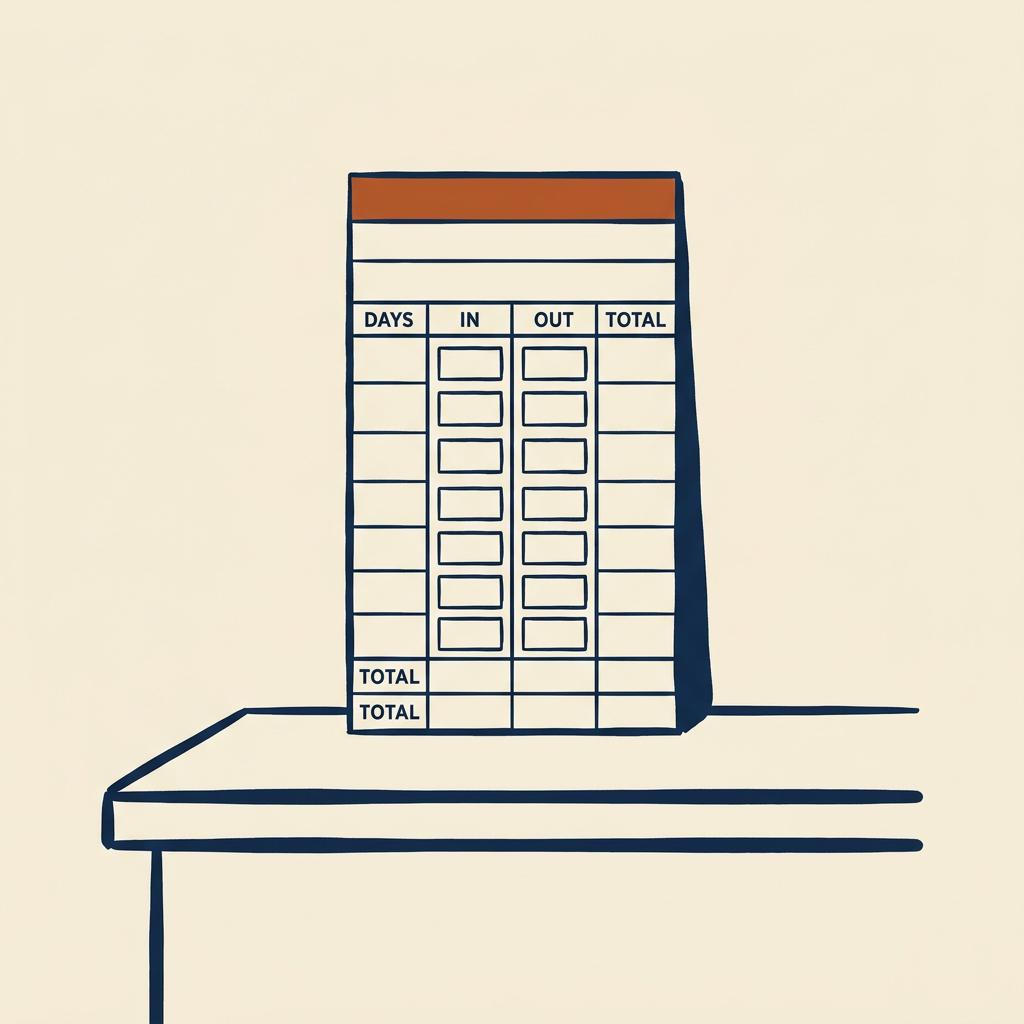
Wage floors cut low-skill jobs
A minimum wage above the market rate for low-skilled labor reduces how much labor employers buy and hits the least experienced hardest.
Sowell treats labor like any other good under supply and demand. A wage floor above what the market would pay for teenagers and the unskilled makes that labor more expensive, so employers demand less of it.
He points to U.S. patterns: black teenage unemployment was comparable to or lower than white teenage unemployment before sharp minimum-wage rises in the late 1960s and 1970s, then ran substantially higher. He ties part of the gap to laws that priced young, inexperienced, often minority workers out of entry-level jobs where they could have gained skills. He notes the claim is contested yet holds that a floor above equilibrium creates a surplus of willing workers—unemployment—and that skeptics must explain the mechanism away.
Employers may also substitute machines for labor or drop lower-value tasks such as training once the mandated price of inexperienced help rises. The familiar surplus pattern from price controls reappears among those with the least bargaining power.
In practice: After the late-1960s and 1970s minimum-wage jumps, the black-white teenage unemployment gap widened in the direction he flags.
6
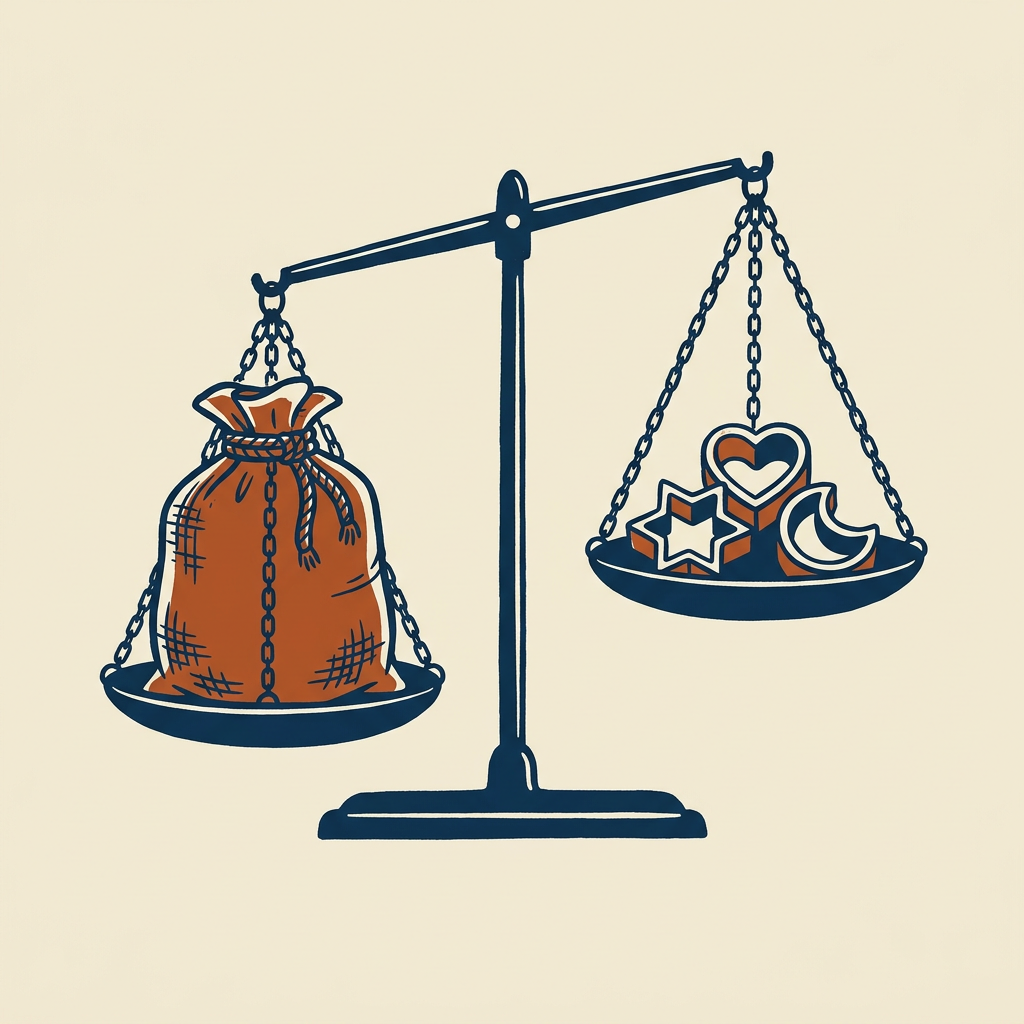
Tariffs hide more jobs than they save
Trade barriers protect visible jobs in favored industries while destroying a larger unseen number and raising costs elsewhere.
The seen
Protected steel or sugar jobs politicians can count and defend
The unseen
Higher input costs, lost downstream jobs, and plants that quietly move abroad
Sowell restates Ricardo's comparative advantage: even a country better at everything still gains by specializing in what it does relatively best and trading for the rest. A tariff on steel or sugar raises the foreign price and shields domestic producers and their countable jobs.
Higher input costs then hit every domestic user—automakers, builders, food makers—making their goods pricier and less competitive. Jobs disappear across a wider, quieter population that never links the loss to the tariff. He borrows Bastiat's seen-versus-unseen frame for this gap.
Trade barriers function as another price control: benefits concentrated and loud, costs dispersed and mute, a net loss even for the protecting country though specific interest groups gain.
In practice: U.S. sugar import limits raised costs for candy and food makers; some moved production overseas, erasing more manufacturing jobs than the tariff protected.
7
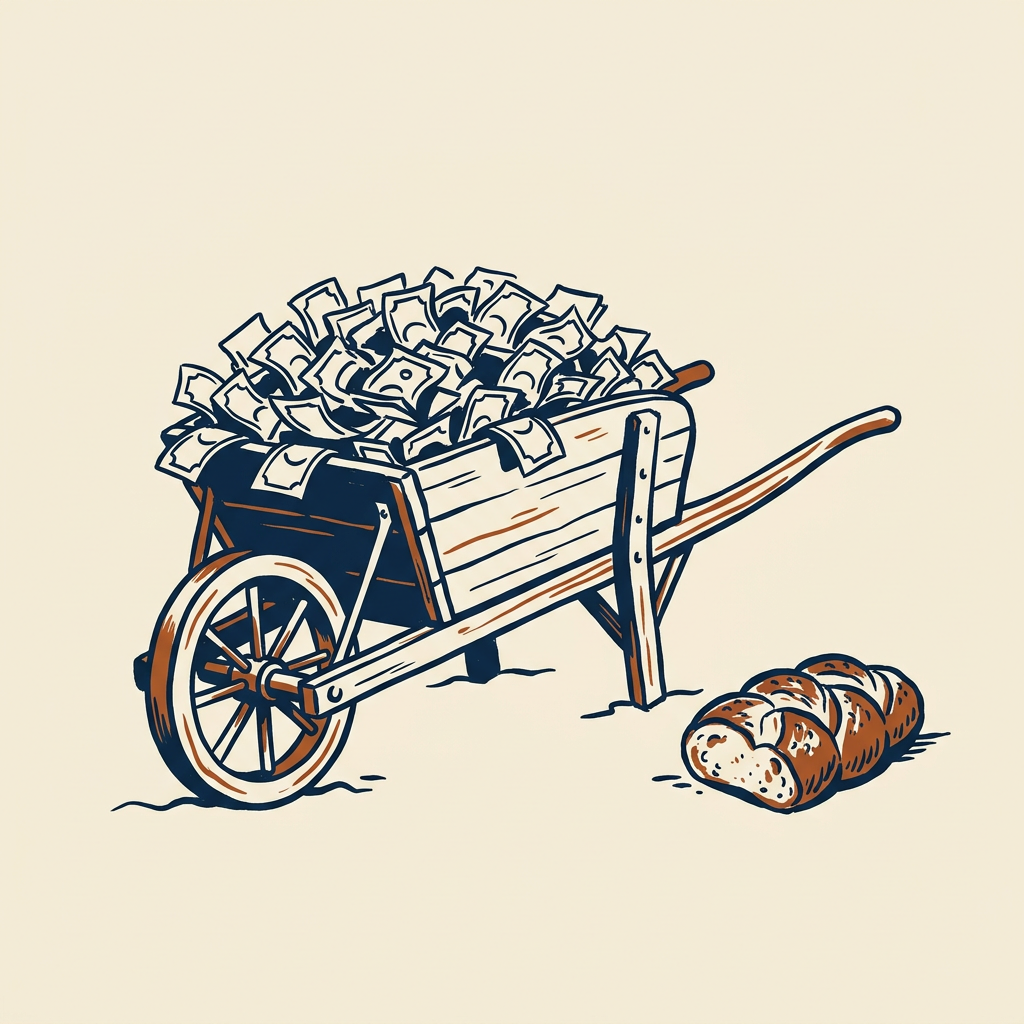
Inflation tracks the money supply
Sustained inflation comes from money increasing faster than goods and services, not from greedy firms or wage demands.
- early 1920sWeimar Germany prints money for deficits; prices spiral
- 1971Nixon freezes wages and prices; shortages deepen
- 2000sZimbabwe hyperinflation follows rapid money creation
Money is a claim on real goods, not wealth itself. When government expands money faster than output grows, each unit buys less and prices rise across the board.
Sowell walks through Weimar Germany in the early 1920s and Zimbabwe in the 2000s: governments printed money to cover deficits, prices raced ahead, and workers were paid several times a day so they could spend before notes became worthless. Businesses and unions always push for more, in quiet decades and loud ones alike, so motive cannot explain why inflation comes and goes. What changes is the rate of monetary expansion.
He leans on Friedman's line that inflation is always and everywhere a monetary phenomenon. Wage-price freezes only mask the symptom while the imbalance continues, deepening shortages. Control inflation by restraining money growth and deficits, not by freezing posted numbers.
In practice: Nixon's 1971 wage-price freeze left the monetary imbalance untouched and worsened shortages while prices were held down on paper.
8
Bias costs more under competition
Discrimination imposes a real cost on those who practice it in competitive markets, limiting how long it lasts unless law or monopoly shields it.
Open competition
Refusing talent raises costs; rivals hire the overlooked and gain
Protected bias
Law or monopoly shields discriminators from the competitive penalty
Sowell runs discrimination through incentives rather than pure morals. An employer who refuses equally qualified workers from a disfavored group shrinks the talent pool. Rivals willing to hire from the full pool can gain by paying competitive wages to people others ignore.
He cites apartheid South Africa: white-owned firms often tried to dodge laws restricting the hiring and promotion of black workers because compliance was expensive. Government had to enforce the rules hard because market pressure pulled the other way.
Bias is more durable when segregation law, licensing, or monopoly protects it than when open competition leaves the cost on the discriminator. Markets do not erase prejudice or guarantee fairness; they attach a price to costly exclusion that protected settings remove. Losses discourage waste of capital and of labor pools alike.
In practice: Under apartheid, white businesses repeatedly sought ways around racial hiring limits because shutting out black talent raised their costs.
Key terms
- Scarcity Not enough resources for every want, so each use means giving up another
- Opportunity cost The next-best alternative foregone when a choice is made
- Price signal A market price that conveys relative scarcity to people who never meet
- Price control A legal ceiling or floor that stops the market price from adjusting
- Creative destruction Failure of inefficient firms that frees resources for better uses
- Comparative advantage Gain from specializing in what you do relatively best and trading for the rest
- Seen and unseen Visible benefits of a policy versus the hidden costs Bastiat stressed
- Monetary phenomenon Inflation driven by money growing faster than real output
What to do
- Ask what the seen effect of any policy is and which unnamed group pays the unseen cost
- When a headline claims help for renters, workers, or an industry, name the trade-off and where it appears
- Separate price from cost in personal choices by naming the alternative use of money or time you give up
- Before backing a minimum wage, tariff, or price cap, check whether the claim faces supply and demand responses
- Treat profit and loss as information about resource use, not moral labels, when you judge a firm or subsidy
Questions to think with
- Which recent policy sounds compassionate yet may only be redirecting scarcity?
- Where in your own budget or workplace is the next-best alternative being ignored?
- If a tariff saves jobs you can name, how would you find the jobs it quietly erases?
- Why might a firm under open competition drop a bias faster than one shielded by licensing?
- When prices rise across the board, what would show money growth—not greed—is the driver?
The other side
Sowell's clarity without models or citations is also the book's limit: he presents contested findings, especially minimum-wage job effects, as if theory settled them, while Card and Krueger's 1994 fast-food study and later mixed evidence get little serious engagement. He applies market logic tightly to controls and tariffs yet spends far less on externalities, information gaps, and monopoly that arise without state help. History leans on extreme cases such as Soviet shortages and Weimar hyperinflation rather than ordinary mixed economies; the 2008 discussion is thin and demand-side recessions barely appear. Efficiency is treated almost as the sole value, with scant weighing of the distributional gains proponents claim.
Who it's for
Citizens who want to test political promises on jobs, housing, and trade without slogans; students seeking an intuitive base before formal theory; managers and policymakers who need to see why well-meant rules so often backfire.