



Book cites HP data showing women apply for promotions only at full qualifications

In 60 seconds
- Inside HP, women sought promotions only at 100 percent of listed qualifications; men applied near 60 percent.
- Confidence converts ability into visible action; equal skill without it stays unspent and unrewarded.
- Genetics may explain close to half of confidence differences, yet upbringing and practice still shift the range.
- Girls get praised for careful neatness; boys get praised for bold tries that fail and restart.
- Rumination replays mistakes without a lesson and drains confidence more than it prevents new errors.
- Confidence follows imperfect action: speak early, take calibrated risks before you feel ready, and cut hedges.
The big idea
Kay and Shipman contend that women remain scarce at the top because of a confidence gap, not a competence gap—a learned habit of underestimating ability, overanalyzing mistakes, and waiting for certainty. Confidence is buildable through repeated imperfect action, survived failure, and interrupted rumination rather than a fixed trait.
The book in brief
The book opens on internal Hewlett-Packard data: women applied for promotion only when they believed they met every listed qualification, while men applied around the sixty-percent mark. Kay and Shipman treat that split as emblematic. Across fields, women underestimate themselves even when objective performance matches or beats male peers. Senior politicians and business leaders still describe feeling like frauds at the moment they should feel secure. The doubt is genuine, not polite style, and it changes who raises a hand, who negotiates, and who is later remembered as a leader.
They separate confidence from self-esteem. Confidence is what turns a thought into a move others can see. Men tend to overrate their ability on identical tasks; women tend to underrate. Observers then use outward certainty as a quick proxy for skill, so a sure-sounding but less-ready person often gets the next chance while quiet excellence is missed. Behavior—speaking up, applying, negotiating—is what gets noticed and paid for.
Biology explains part of the spread. Twin studies and work on serotonin and dopamine pathways, sometimes nicknamed warrior-gene research, link inheritance to risk tolerance and stress resilience; some heritability estimates sit near half. Brain imaging of the amygdala and prefrontal cortex shows different signatures for anxious, looping thought versus boldness. The authors still refuse destiny language. People who call themselves innately anxious have built durable confidence by facing risk and failure again and again. Genes set a starting range, not a locked ceiling.
Childhood carries much of the rest. Girls hear praise for being good, neat, and careful; boys hear praise for being bold and scrappy. Teachers often give girls precise task-completion notes and boys encouragement to keep at hard problems after they fail. Play and sport patterns add uneven practice with losing and getting back up. Perfectionism—get it exactly right or protect a ‘good’ self-image—discourages the quick imperfect tries that grow confidence. Adult work is drilling what socialization left thin.
Rumination is the daily trap: replaying a comment or mistake on a loop, more common among women and often mistaken for conscientiousness. Useful reflection extracts one lesson and stops; rumination refreshes anxiety with no return. Cognitive behavioral limits—a fixed worry window, then a deliberate switch—treat it as an interruptible habit. The central fix follows: confidence is generated by doing hard things before you feel ready. Mastery experiences and even major failures that people survive become the raw material of self-trust.
At work, meetings, reviews, and negotiations favor visible assertiveness. Women who spoke early were later recalled as more capable than equally skilled quieter colleagues, even when contribution quality matched. Negotiation brings a bind—assertive self-advocacy can draw backlash women alone face. Stereotype threat can further dent performance in male-dominated rooms. Individual tactics cannot erase a biased system, yet what a person can still run is speaking in the first few minutes, reading discomfort as practice, and cutting hedges that shrink authority.
Context
Katty Kay and Claire Shipman published The Confidence Code in 2014, drawing on genetics research, neuroscience, and interviews with senior women in politics and business. Coming two years after Lean In, it joined a wave of books asking why women stall short of the top and located much of the answer in psychology, risk habits, and everyday behavior.
The key ideas
1
The unnamed promotion gap
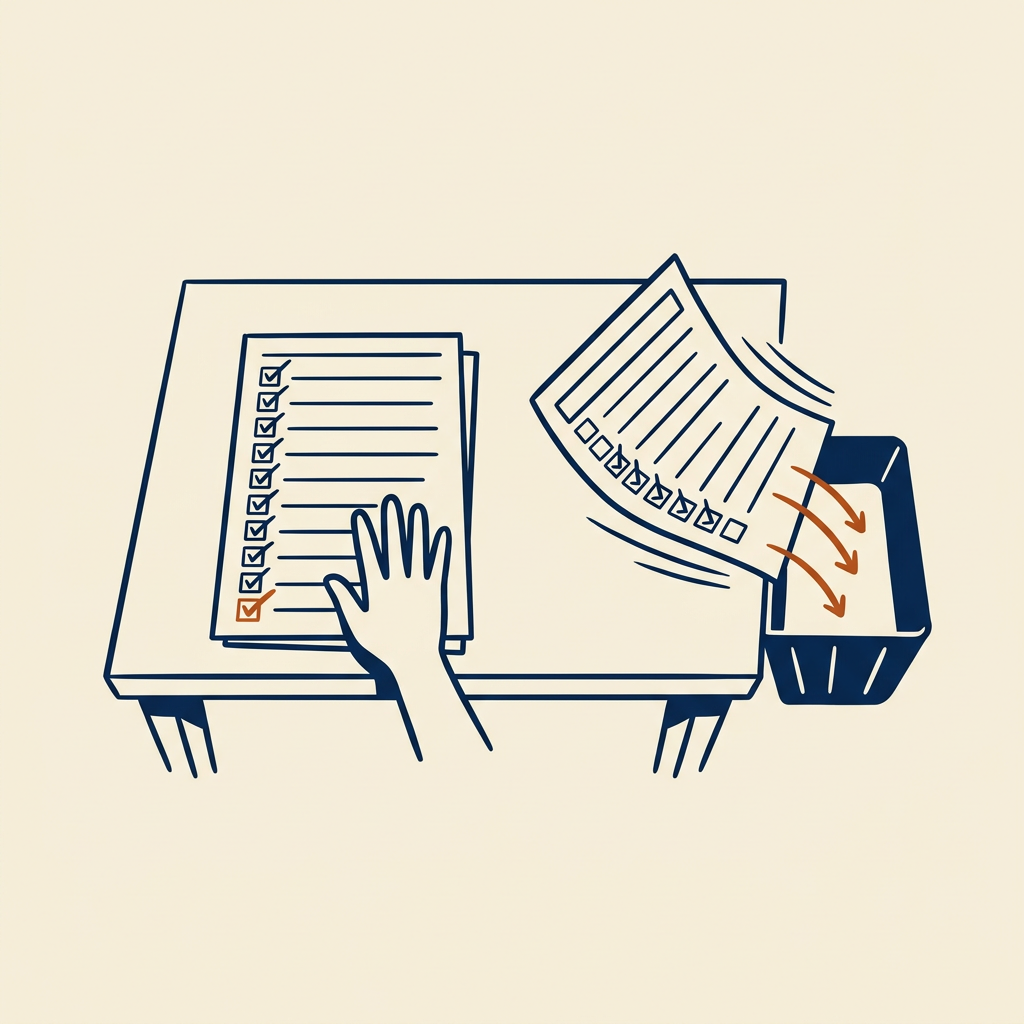
HP’s internal pattern—women applying only at 100 percent of listed qualifications, men near 60 percent—frames a wider confidence gap that compounds into missing pay, promotions, and influence.
Women applied
When they met 100% of listed qualifications
Men applied
When they met around 60%
Hewlett-Packard’s internal numbers told a stark story. Women put themselves forward only when they thought every box was checked. Men moved when they hit roughly sixty percent.
Kay and Shipman treat the split as a symbol more than a single lab result. The same under-rating shows up across fields: women score their own ability lower than men do on matching tasks even when results are equal or better. Politicians and executives with decades of proof still describe fraud feelings at peak moments.
Doubt changes the scoreboard. Hands stay down. Salary talks get skipped. Stretch assignments go unclaimed. Who volunteers early is who later gets filed under ‘leader.’
They insist this is not weaker talent. Objective skill measures often look comparable; self-assessment does not. Economic consequences in pay and power are real—and the pattern can move because confidence is not fixed at birth.
In practice: Internal HP data showed women seeking promotion only at full qualification match while men applied around the sixty-percent mark.
2
Skill that never gets spent
Confidence is the mechanism that turns ability into action, so organizations often reward sure-sounding people over quieter, stronger performers.
Heard and credited
Assertive push at ~70% certainty
Overlooked
Hedged point at 95% certainty
They define confidence tightly. It is not self-esteem or a warm self-view. It is the quality that converts a thought into a move someone else can witness.
High competence with low confidence leaves no trace. Men more often overestimate on identical tasks; women more often underestimate. That split alone changes who speaks and who gets credited.
Observers lean on a shortcut the authors hear from cognitive scientists: outward certainty is easier to read than real skill, so confidence becomes a stand-in for competence. Opportunities then flow to the person who sounds ready.
The stakes are behavioral. Feeling better is not the point. Speaking, applying, and negotiating are what get noticed—regardless of the unused skill sitting behind silence.
In practice: A man assertive about an idea he is only 70 percent sure of is more often heard and credited than a woman who hedges an idea she is 95 percent sure of.

3
Genes set a range, not a lid
Heritability work suggests genetics may track close to half of confidence differences, yet repeated exposure to risk still builds functional confidence inside that range.
Some of the spread starts in biology. Twin studies and research on serotonin and dopamine regulation—sometimes nicknamed warrior-gene work—correlate with risk tolerance and resilience under stress. Some estimates place the inherited share near half.
Imaging of the amygdala and prefrontal cortex points to neurological signatures that differ between naturally cautious, ruminative patterns and bolder ones. Lab visits make the biology feel concrete without turning it into fate.
Case stories cut the other way: people who describe themselves as innately anxious still built durable confidence by facing risk and failure on purpose. Starting range is not a ceiling.
If genes were the entire plot, later practice chapters would be pointless. This section earns the claim that action can still shift someone inside their biological band.
In practice: People who call themselves innately anxious yet built solid, functional confidence through repeated exposure to risk and failure.
4
Praised for careful, not bold
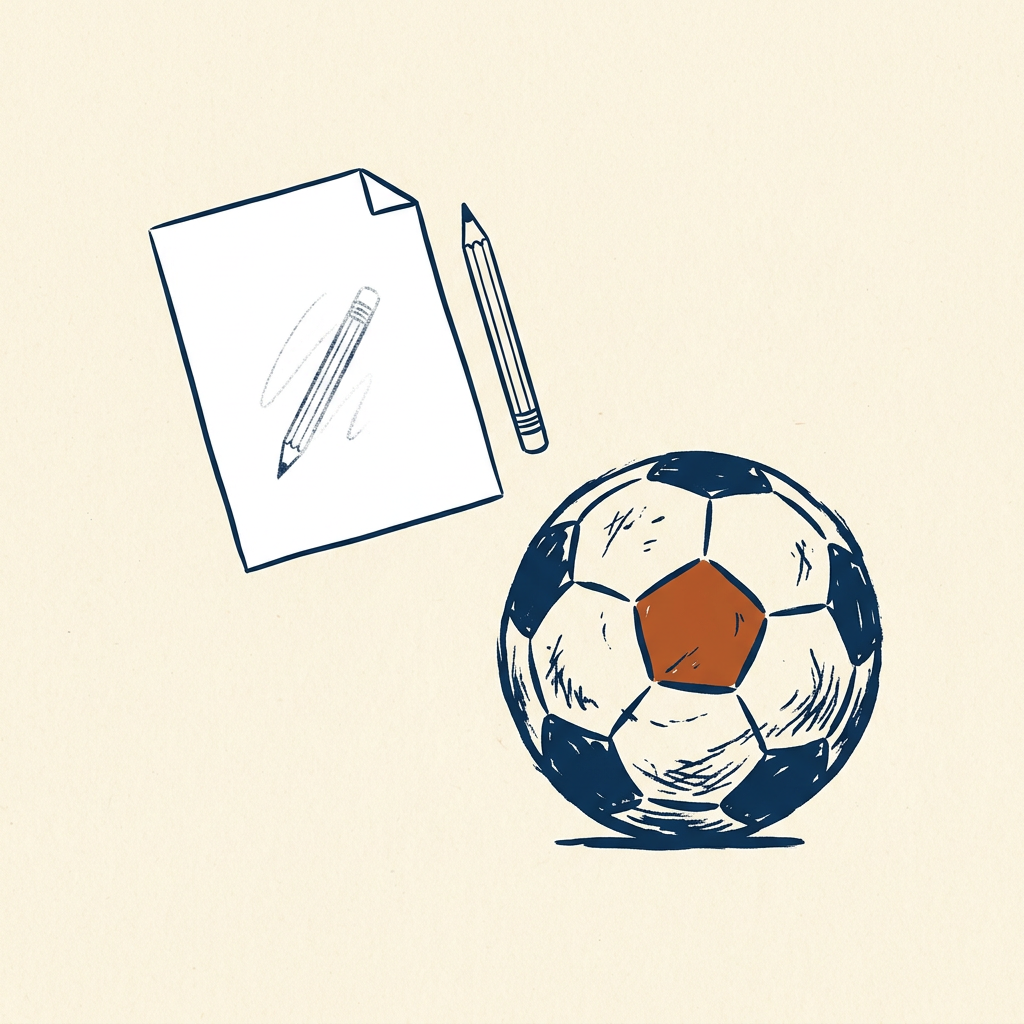
Childhood socialization trains girls toward caution and perfection and boys toward scrappy retries after failure, long before any workplace.
Girls more often praised for
Being good, neat, careful; exact task completion
Boys more often praised for
Bold scrappy tries; keep going after failure
If genes are only part of the story, upbringing carries much of the rest. Girls more often hear praise for being good, neat, and careful. Boys more often hear praise for being bold, scrappy, and willing to try what might flop.
Teacher habits reinforce the split. Girls get precise notes on finishing the task correctly. Boys get pushed to keep attempting hard problems after they fail. Over years, failure becomes normal practice for one group and a verdict on worth for the other.
Play and sport add uneven reps. Competitive physical risk common in many boys’ games builds tolerance for losing and standing back up. Many girls get fewer of those trials. Perfectionism stacks on top: exact rightness over good-enough speed.
Adult confidence work is therefore not fixing a private flaw. It is deliberately practicing comfort with risk and mess that childhood left thin.
In practice: Teachers giving girls task-completion feedback while urging boys to keep at difficult problems even after failure.

5
The endless mental replay
Rumination—looping on past mistakes without resolution—is more common among women and actively erodes confidence while posing as conscientiousness.
Rumination is the everyday engine. It means replaying a comment, decision, or miss again and again. Psychological work they cite finds the habit more prevalent among women and easy to mistake for thoroughness.
Useful reflection pulls one lesson and stops. Rumination never closes; it only refreshes the anxiety. Cognitive energy that could fund the next move stays stuck on a three-day-old meeting remark with no return.
Athletes and executives in high-pressure roles describe training the loop down on purpose, treating it as a controllable behavior. Cognitive behavioral limits help: schedule a fixed window to worry, extract one concrete point, then switch tasks by design.
Perfectionism feeds the trap. When everything must be exact, any small miss triggers another post-mortem. Break the loop and confidence has room to rebuild.
In practice: A woman still overanalyzing a meeting comment from three days ago instead of moving energy to the next action; the fix of a timed worry window then a deliberate redirect.

6
Do first, trust later
Mastery experiences—handling hard tasks imperfectly and surviving—build lasting self-trust; waiting to feel ready reverses the real sequence.
Most people wait to feel confident, then act. The authors flip the order. Action, especially slightly risky imperfect action, is the raw material confidence is made from.
Mastery experiences do the heavy lifting. Successfully handling a hard task, even partly, builds a durable belief in capability more than encouragement or positive thinking alone. Interviewees took roles they felt unprepared for; competence caught up after the leap, not before.
Failure can be the turning point. Several women name a major professional collapse as the moment real confidence arrived, because they survived the worst case and recovered. A life of only safe choices never runs that test, so self-trust stays theoretical.
The aim is calibrated risk, not reckless swagger. When unsure, move anyway. The sting of a messy attempt fades; the confidence from having acted compounds.
In practice: Women who accepted jobs or challenges they felt unready for and found skill catching up afterward; others who mark a significant professional failure as the pivot that created lasting confidence.

7
Who gets heard at the table
Workplace culture rewards early visible assertiveness so heavily that equal-quality quiet contributions are later forgotten, regardless of merit.
Meetings, reviews, and negotiations are built to favor people who project certainty. In politics and finance examples, women who spoke up early and often were later recalled as more capable than equally skilled colleagues who spoke less—even when transcripts showed comparable quality.
Negotiation research adds a real bind. Assertive self-advocacy can trigger social backlash for women that men doing the same move do not face. Stay quiet and keep likability while losing the chance; speak up and risk the difficult label.
Some women in Washington and on Wall Street now force an early break in the pattern: talk within the first few minutes, ready or not, so louder voices do not own the agenda by default. Stereotype threat can further depress performance when negative group stereotypes hang in the room.
Individual behavior cannot fully offset a biased system. What remains controllable is preparing to speak soon, reading discomfort as practice data rather than danger, and stripping hedges that undercut a claim mid-sentence.
In practice: Women in Washington and on Wall Street who deliberately speak in the first few minutes of a meeting specifically to stop louder voices from setting the agenda.
Key terms
- Confidence The quality that turns thoughts into action others can see; not the same as self-esteem or feeling good about yourself.
- Competence Actual skill on objective measures, which can sit unused if confidence is missing.
- Rumination Replaying mistakes and conversations in unresolved loops that refresh doubt instead of teaching one lesson.
- Mastery experiences Handling hard tasks, even partly, which builds durable belief in your capability better than pep talks.
- Stereotype threat A measurable performance drop that can follow being reminded of a negative stereotype about your group.
- Perfectionism The drive to get things exactly right that blocks quick imperfect action and feeds endless post-mortems.
- Warrior gene Popular nickname for gene variants some research links to risk tolerance and stress resilience.
What to do
- Speak first in at least one meeting this week before your thoughts feel fully formed.
- Apply for or ask for one project, raise, or pitch you feel only about 70 percent ready for.
- When you replay a mistake a third time, set a two-minute limit, pull one lesson, then switch tasks.
- Deliver one statement you actually believe without the hedge ‘I might be wrong, but.’
- Treat the discomfort of imperfect action as practice data, not proof you should stop.
Questions to think with
- When did you last wait for full certainty before applying, negotiating, or speaking up?
- How does praise in your home or classroom differ for careful finishers versus bold retriers?
- Which recent mistake are you still looping, and what single lesson would end the replay?
- In your last meeting, who spoke in the first few minutes, and who was later credited as capable?
- Where does your workplace reward certainty theater over quiet delivery of equal quality?
The other side
The interview sample is almost entirely elite women who already reached the top—politicians, executives, athletes—so survivorship bias is strong, and stalled careers tied to mentorship gaps, discriminatory hiring, or caregiving get little attention. Heritability claims lean on twin studies and gene variants, including the warrior gene, that are contested and weaker than popular write-ups imply. Like Lean In two years earlier, the book is fairly criticized for parking the fix inside women’s psychology and behavior rather than employer policy, pay transparency, or biased evaluation systems, which can read as blaming individuals for an institutional gap. Race, class, and disability barely appear, including harsher penalties some women face for assertiveness. The anchoring HP statistic is often repeated without a clear published source and may be corporate folklore more than rigorous evidence.
Who it's for
Mid-career professionals who hesitate to seek promotions they do not feel fully qualified for, parents wondering how praise shapes daughters differently from sons, and managers trying to understand why capable women on their teams underplay achievements will get the most from reading the full book critically as practical risk psychology.