


William Carey's Enquiry and Sailing
The rain had just eased when I stepped into the small back room at Andrew Fuller’s house in Kettering. The table was already crowded with hats and ledgers. Fuller stood at the head, his fingers drumming on a sheet of paper that listed the few pounds they had scraped together so far. Carey sat opposite him, coat still damp, eyes fixed on the ink as though the numbers might change if he stared long enough.
He had carried the Enquiry with him from Leicester. The printed pages were folded twice and tucked inside his Bible. When he spoke of the heathen world he did not raise his voice. He simply read the figures he had gathered on population and languages, then set the pamphlet down. No one answered for a while. The fire popped once. Fuller cleared his throat and said they would need a committee.

Two weeks later the same men met again at the widow Wallis’s parlor. The room smelled of beeswax and wet wool. Carey had walked from Moulton that morning and his boots left faint prints on the floorboards. They voted to form the society on the second of October. The sum they pledged came to thirteen pounds and a few shillings. Carey nodded as though the amount were already enough to reach Bengal.
By spring the plan had grown clearer. He would sail with John Thomas, who knew the country and the language. The East India Company refused every application for passage on British ships. Carey wrote letters until his hand cramped. Thomas sold what he could of his medical instruments to raise more money. Still the doors stayed shut.
Dorothy would not hear of going. She told him plainly that the children would stay in England and she with them. Carey came to me one evening after a meeting and said he might take only Felix, the oldest boy. His voice was steady, but he kept turning his hat in his hands. The next morning he walked back to the house and tried again.
In Nottingham the association met at the end of May. Carey preached from Isaiah. The text was short. He told the gathered ministers they must expect great things and attempt great things. When he finished, the chapel stayed quiet longer than usual. Men who had never spoken of missions before began to talk in the aisle. One of them pressed a guinea into Fuller’s palm before leaving.

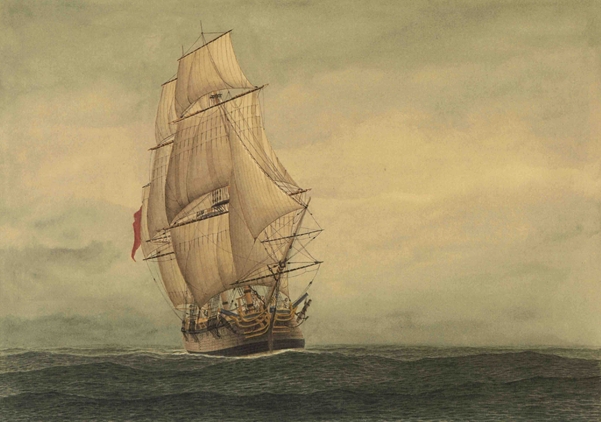
The Danish ship was secured in early June. It would carry them to the Hooghly without Company license. Carey packed his Hebrew grammar and the manuscript of the Bengali New Testament he had already begun. Dorothy relented only after Thomas promised her a separate cabin and after she saw that her husband would go regardless. She packed the children’s clothes in two bundles and said nothing more about staying behind.
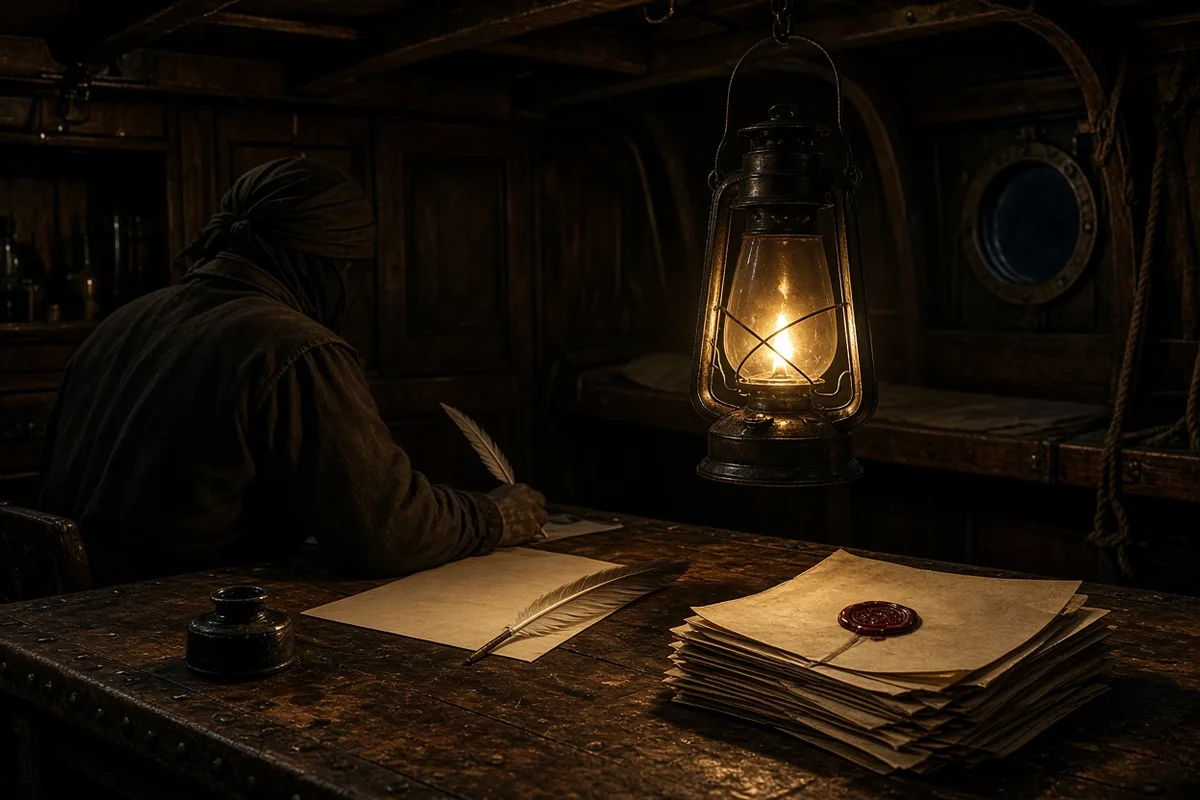
On the morning of the thirteenth the tide was running fast. The quay at the Isle of Wight was slick with spray. Carey stood on the deck with Felix beside him, the boy gripping the rail. Dorothy held the younger ones below. Thomas checked the crates one last time, counting the paper and type they had managed to bring. The captain shouted an order. The lines came in.
I watched from the wharf until the masts were only a line against the sky. Carey lifted his hand once, not a wave so much as a signal that he had seen us. The packet moved steadily into the channel. No one on shore cheered. We turned back toward the coaching inn with the ledgers still under Fuller’s arm and the list of names still short.

Letters arrived months later from Calcutta. Carey wrote that the family had settled first at Bandel, then moved upriver when the indigo season opened. He described the heat and the cost of paper. In one note he asked whether the society had received the first sheets of Matthew he had sent. The translation work had begun on a table no wider than a door.
Fuller kept every page. He read them aloud at the next association meeting. The men who had given thirteen pounds now spoke of sending more. The Enquiry itself was being reprinted in London and in Scotland. Men who had once called the plan madness began to ask how they might help.
Carey never returned to England. Dorothy died in India after years of illness. Felix grew up speaking Bengali and later took charge of a mission station farther north. The printing press they bought at Serampore produced whole Bibles in several languages before Carey’s own death. The small society that began in the widow’s parlor sent out others after him.
I kept one copy of the Enquiry on my own shelf. The pages are brown at the edges now, but the numbers Carey listed are still there, the same ones he read aloud that first evening when the fire popped and no one yet knew what to say.
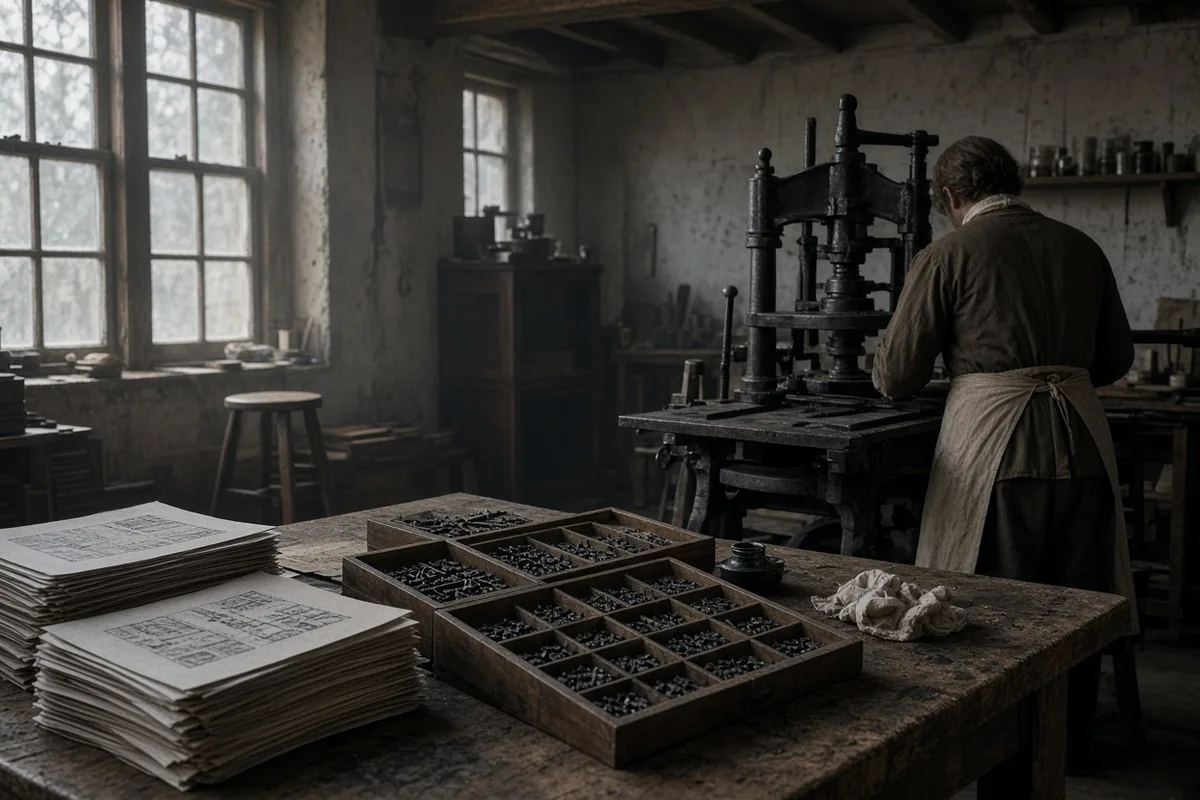
In the years that followed the first letters from Calcutta, packets continued to arrive at Kettering through the hands of returning Danish captains and Company clerks who carried them without charge. One dated 15 March 1795 from the indigo factory at Madnabati described the arrival of the press and types ordered from England at a cost of forty-seven pounds, the machine set up in a thatched shed measuring twelve feet by nine where the temperature reached one hundred and four degrees by midday. Carey noted that the first sheet of the Gospel of Matthew had been pulled on 15 February and that the paper, purchased at six rupees a ream from a merchant in Hughli, absorbed the ink unevenly because of the humidity. He asked Fuller to send additional leads for the composing sticks and mentioned that John Thomas had begun treating patients among the Santal workers on the estate of George Udny, the factor who had offered Carey the position of manager at an annual salary of two hundred and fifty rupees.
By December 1800 the household had shifted to the Danish enclave at Serampore, where a large house with a garden extending to the river was leased for forty pounds a year from the governor, Colonel Bie. Joshua Marshman, who had reached India with his wife Hannah and two children on the ship Criterion on 6 October 1799, took charge of the school that opened with fourteen pupils paying four rupees each month. William Ward, arriving on the same vessel, fitted the press in a ground-floor room and on 18 March 1801 pulled the first complete copy of the Bengali New Testament in an edition of two thousand, the pages sewn in Calcutta by a binder named Ramnath at a cost of three annas per volume. Carey recorded in his journal that the type for the Sanskrit version of the same text required casting an additional four hundred and eighty matrices because the existing fount lacked the necessary conjunct consonants.
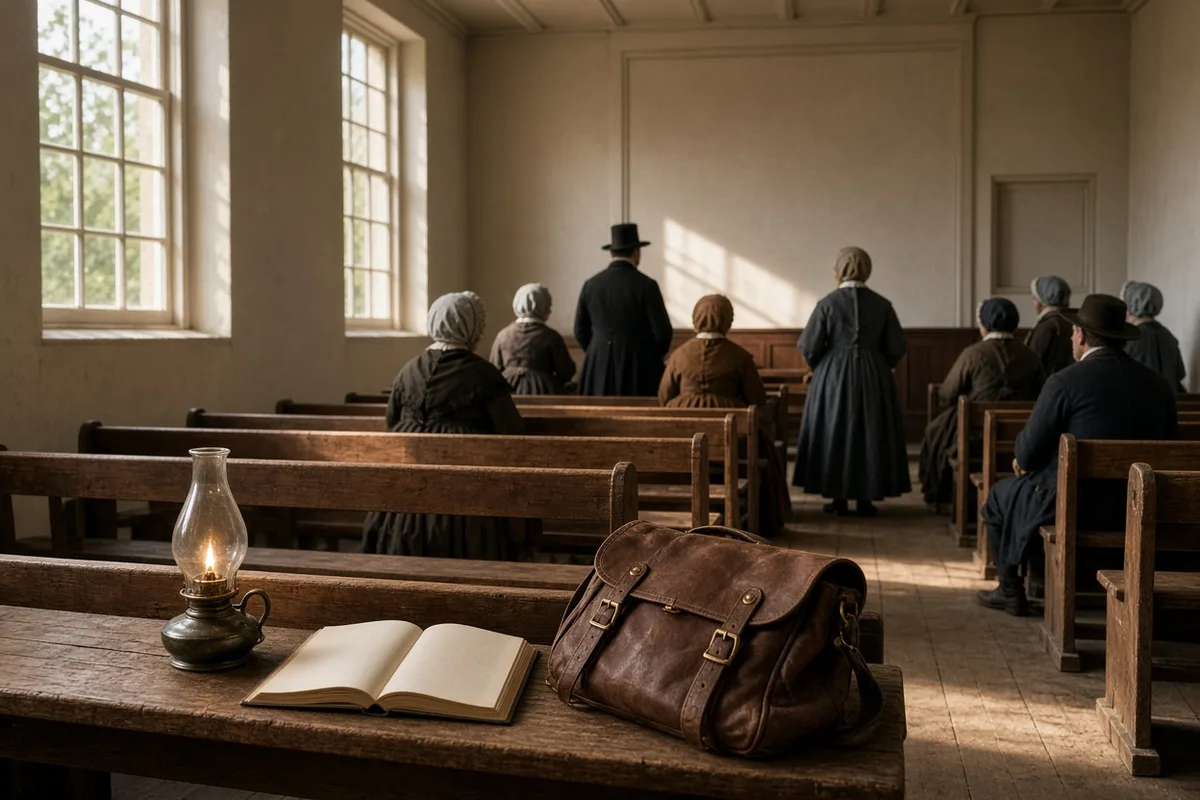
The Fort William College appointment came on 12 April 1801 when Governor-General Wellesley offered Carey the post of teacher in Bengali and Sanskrit at a monthly stipend of five hundred rupees, an amount he directed entirely to the mission fund except for the portion used to purchase a second press. In the college register for that year his name appears alongside those of thirty-three civil servants studying the vernaculars, and the first grammar he produced for their use, printed at Serampore in 1802, ran to three hundred and fifty pages and included paradigms for twenty-seven verb classes. Marshman meanwhile compiled a Chinese dictionary from manuscripts brought by a Portuguese merchant, while Ward supervised the casting of type for the Hindi, Oriya, and Marathi scriptures, each requiring separate founts purchased from the type-foundry at Pulta that charged twenty-five rupees per hundredweight of metal.
Dorothy Carey died on the evening of 7 December 1807 after a prolonged illness recorded in the mission diary as a wasting fever that left her unable to recognize her sons. She was buried in the European cemetery at Serampore beside the grave of her youngest child, Peter, who had died four years earlier. Carey remarried on 9 May 1808 to Charlotte Rumohr, a Danish widow from the settlement whose estate contributed an annual income of one hundred and twenty pounds to the work; their joint letters to Fuller list the dispatch of twenty complete Bibles in Bengali to the London committee in 1811 and the completion of the entire Old Testament in the same language by 15 August 1809. Felix Carey, now fluent in Burmese, established a station at Rangoon in 1807 with a press he transported by river, returning only briefly in 1812 after the destruction by fire of the Serampore printing office on 11 March, when nine hundred pounds’ worth of paper and ten thousand printed sheets were lost.
Carey himself died at Serampore on 9 June 1834 at half past five in the morning, the cause entered in the mission register as a gradual decline of the lungs. His funeral two days later drew the entire Danish garrison together with students from the college he had founded in 1818, the procession passing the press building where the final sheet of the sixth edition of the Bengali Bible had been printed the week before. The inscription on the headstone in the mission burial ground reads simply “William Carey, born 17 August 1761, died 9 June 1834, a wretched worm,” the phrase taken from one of his own letters to Fuller written in 1793. Charlotte survived him by three months.
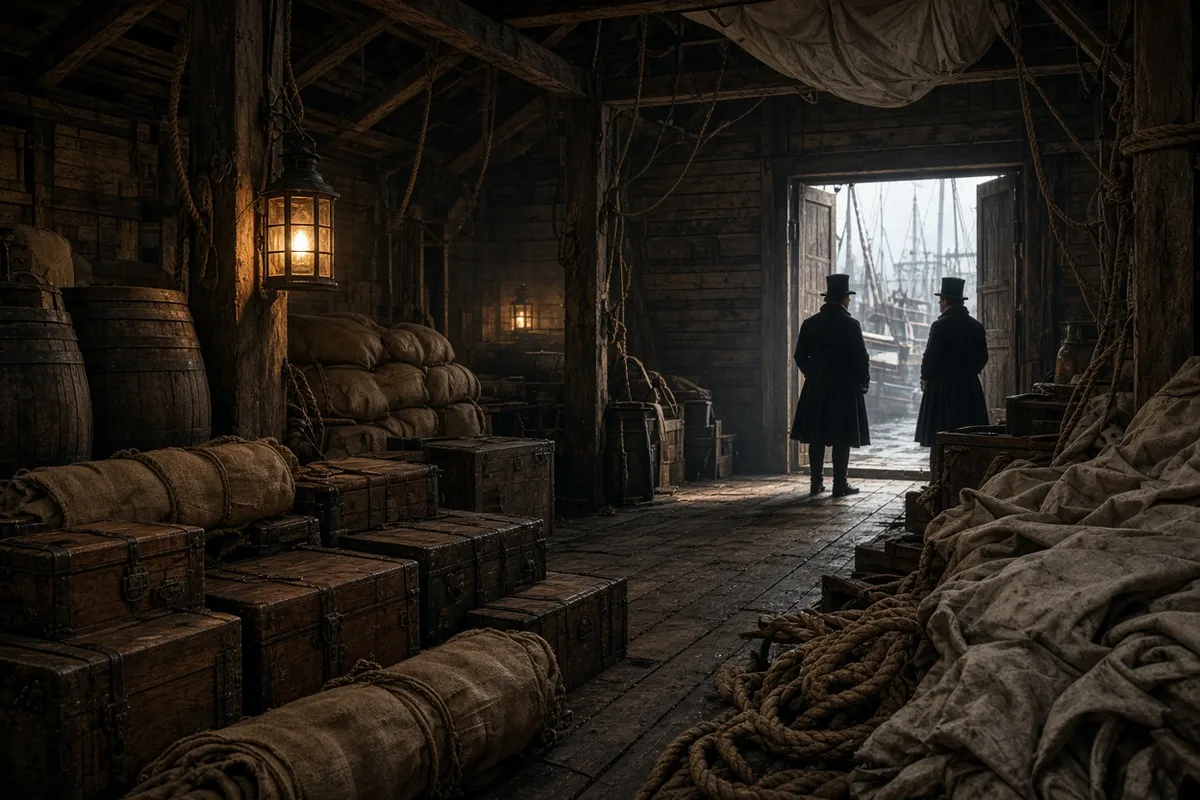
The college buildings at Serampore, enlarged in 1821 with a grant of twenty thousand rupees from the Danish crown, remain in use under the council of Serampore College, its library holding the original manuscript of the Enquiry together with the ledgers from Kettering that record the initial subscription of thirteen pounds two shillings and sixpence taken on 2 October 1792. The press, rebuilt after the 1812 fire, produced in the following decade complete Bibles in Assamese, Gujarati, and Pashto, the last of these completed on 22 November 1825 with an edition of five hundred copies distributed through agents in Kabul. Marshman’s school, now the Serampore Girls’ School, continues on the same site, its register showing an enrollment of one hundred and eighty-seven pupils in the year 1835.
The Baptist Missionary Society, still operating from its office in Didcot, preserves the original minute book in which Fuller entered the resolution of 2 October 1792 and the subsequent receipts for passage money paid to the Danish captain on 10 June 1793. A single surviving copy of the Enquiry, the one Carey carried aboard the Kronprinsessen Maria, is held in the Angus Library at Regent’s Park College, its margins annotated in his hand with the population figures for China and Hindustan that he had read aloud at the first meeting. The last recorded image of Carey is a silhouette cut by a visitor in 1833 and pasted into the diary of his colleague John Mack, showing the bent figure seated at the same table where the Bengali type cases were still stored.
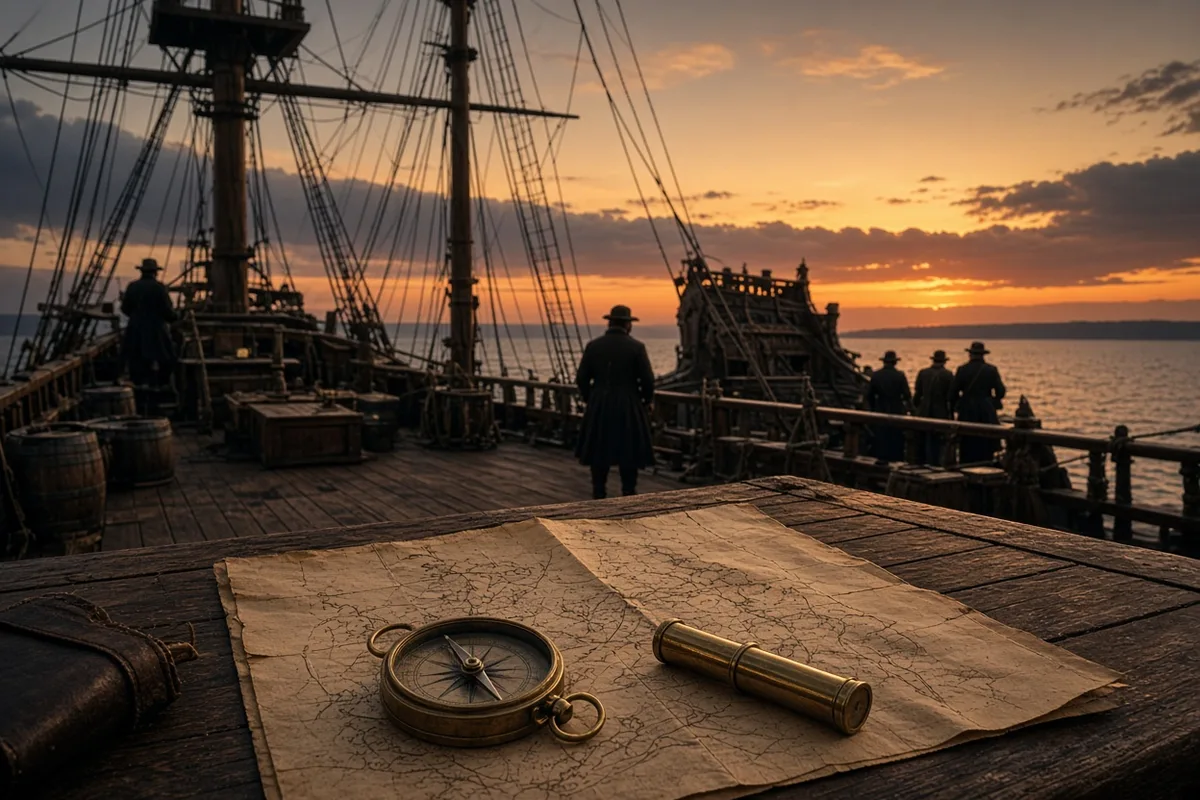
In 1835 the Serampore press issued the final volume of the Sanskrit Bible under the supervision of John Mack, who had arrived from Scotland in 1821 and recorded in his journal on 12 July 1834 that “the type cases remain as Carey left them, with the Bengali sorts still in their compartments.” Mack also noted the dispatch of two hundred copies to the London committee, each volume bound in calf at four annas per book by the same Ramnath who had sewn the 1801 New Testament. The mission accounts for that year list an expenditure of one hundred and twelve rupees for additional paper purchased from the Hughli merchant who had supplied the original reams in 1794.
The Baptist Missionary Society transferred its headquarters to London in 1817 yet retained the Kettering minute book, whose final entry dated 4 August 1834 records the receipt of Carey’s last remittance of three hundred and twenty pounds from the Fort William stipend he had continued to assign after Wellesley’s departure. Andrew Fuller’s successor, John Ryland, entered the sum in the ledger beside the original thirteen pounds two shillings and sixpence subscribed on 2 October 1792. Ryland’s correspondence file contains a letter from Marshman dated 18 June 1834 describing the auction of Carey’s personal library, which brought four hundred and seventy-eight rupees, the proceeds directed to the widows’ fund established in 1810.
Serampore College received its royal charter from King Frederick VI of Denmark on 23 February 1827, granting authority to confer degrees in arts and theology; the first Bachelor of Arts examination was held in 1838 with twelve candidates, four of them Indian students whose names appear in the register alongside those of the original civil servants from Fort William. The library catalogue compiled in 1842 lists the Enquiry manuscript as item 47, its margins still bearing Carey’s population totals for China entered in 1792. The buildings, enlarged again in 1885 with a grant from the Baptist Union, stand today on the same riverfront site leased from Colonel Bie in 1800.
The press itself operated until 1850, when its remaining founts were transferred to the Baptist Mission Press in Calcutta; the last title printed at Serampore was a revised edition of the Oriya Bible completed on 3 November 1849 in an edition of six hundred copies. William Ward’s successor, John Wenger, recorded in the daybook that the final sheet was pulled by the same pressman who had worked on the 1801 New Testament, a man named Kristodas whose wages had risen from three rupees monthly in 1801 to twelve rupees in 1849.
Carey’s second son, Jabez, who had taken charge of the mission station at Amboyna in 1814, returned to Serampore in 1836 and oversaw the distribution of remaining scriptures to agents in Kabul and Rangoon; his report to the society dated 22 September 1837 lists six hundred and forty-one volumes dispatched that season. Jabez died at Serampore on 15 March 1853 and was buried two plots from his father in the mission ground.
The Baptist Missionary Society office in Didcot today holds the original Danish ship’s manifest for the Kronprinsessen Maria, listing Carey, Dorothy, Felix, Thomas, and four crates of type among the passengers who boarded at the Isle of Wight on 13 June 1793. A microfiche copy of the 1792 Enquiry annotated by Carey is available for consultation at the Angus Library, its pages showing the exact figures for Hindustan that he read aloud at Fuller’s table.
The last human image connected with the original party is a photograph taken in 1903 of Kristodas’s grandson, a compositor named Ananda at the Baptist Mission Press in Calcutta, standing beside the iron press frame that had been shipped from Serampore in 1850; the glass-plate negative, preserved in the press archives, shows Ananda’s hand resting on the same platen that had printed the first sheet of Matthew on 15 February 1795.