


William Penn Founds Pennsylvania
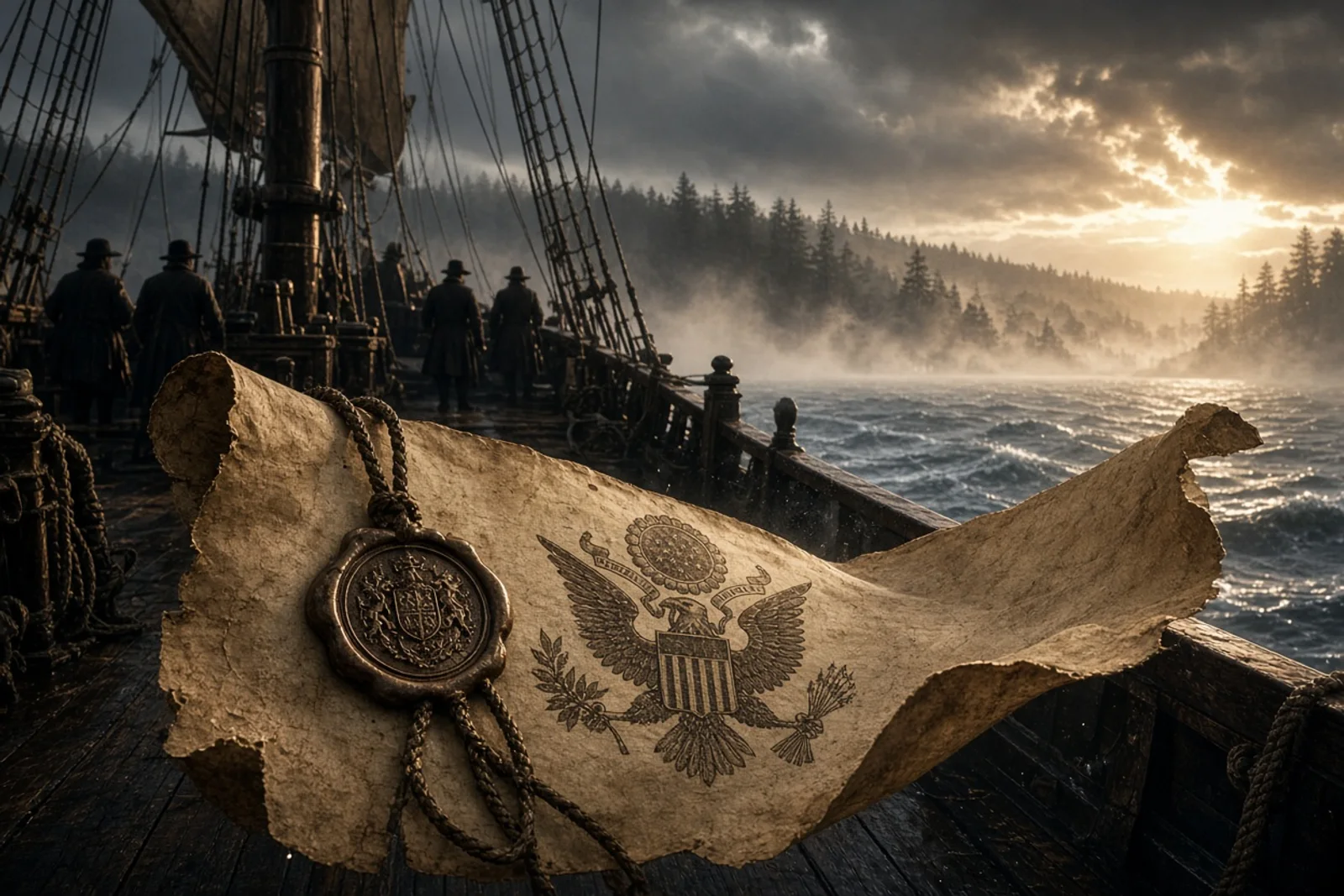
The rain had stopped but the gutters still ran dark with the filth of last night's watch. I kept to the wall as I crossed toward the Strand, the paper folded small inside my coat. Word had reached our meeting that William Penn meant to speak with the King again. Three of us had been taken the week before for refusing the oath at the assizes. One paid his fine and walked out. The other two stayed inside. I carried the letter because no one else would.
Penn's rooms above the bookseller smelled of ink and wet wool. He stood at the table with maps spread flat, the edges weighted by tankards. His wig sat crooked from the damp. He looked up when I came in and took the letter without opening it. "The Duke has spoken for us," he said. "The tract lies between the rivers. The King owes the debt still."

I had seen the Admiral's name on the old warrants. The son had inherited the claim the way other men inherit a house. Penn traced a line on the parchment with one finger. "Forty-five thousand square miles," he said. "If they grant it."
The petition went in on the twenty-fourth of June. I waited with the others outside the palace gate while the coaches came and went. No one spoke much. We knew the risk of asking for land when the Crown was already pulling the colonies tighter. The answer did not come that day or the next. Penn sent word through a servant that the matter had moved to the lawyers.

Winter closed in. Meetings continued in private houses because the public ones had been shut. I carried messages between Penn and the families who wanted to go. Some had already sold what they could. Others waited to see if the charter would be refused. Penn's own wife asked him once, in my hearing, what he would do if the King changed his mind. He answered that the land was the only way left for Friends to live without constant fines.
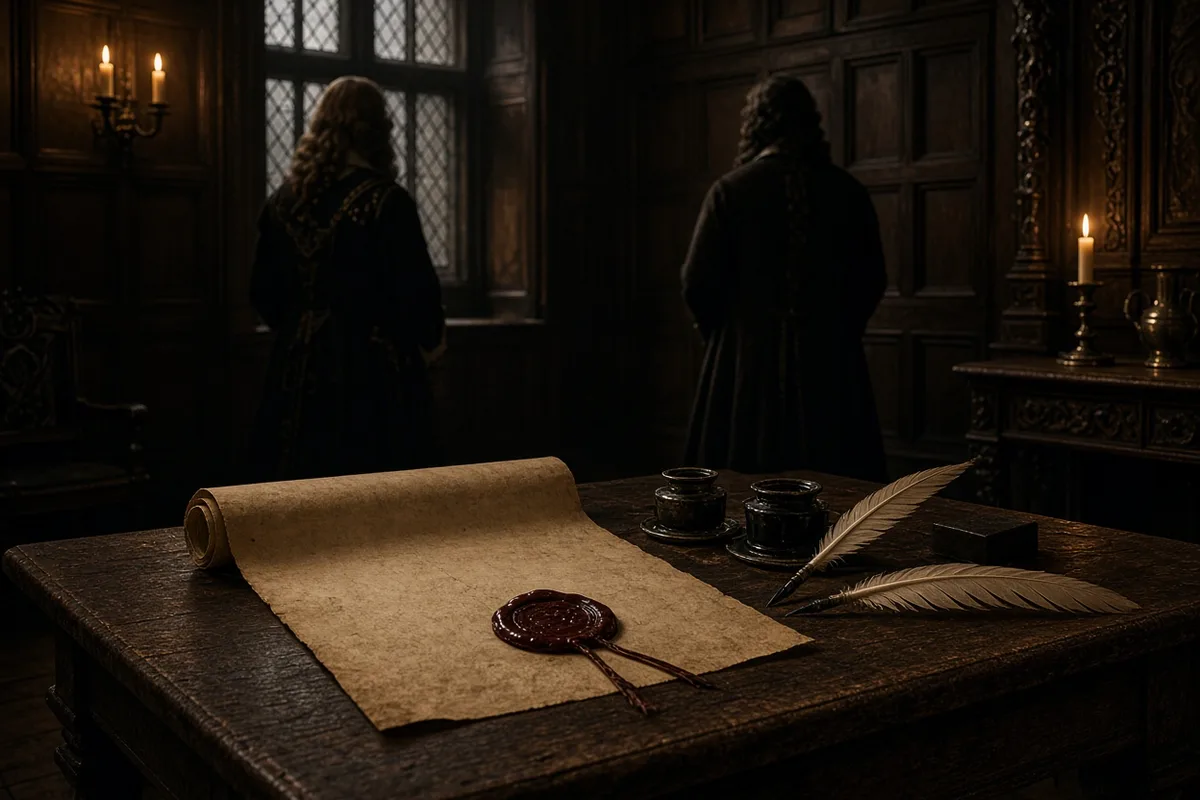
On the fourth of March the messenger came at dusk. Penn read the parchment twice before he set it down. The King had signed. The grant gave him and his heirs the province, with power to make laws and appoint officers. The boundaries ran west of the Delaware, north of Maryland, south of the New York line. The name had been written in as Pennsylvania. Penn struck through the last syllable with a pen and wrote "Penn's Woods" in the margin before he showed it to us.
The next months were spent buying ships and arguing with the agents who wanted to sell passage at double the price. I helped list the families who had already paid for land. Three hundred thousand acres went out in the first six months. Penn wrote a frame of government that allowed two houses and left only treason and murder as hanging crimes. Every case would go before a jury. He sent copies ahead so the settlers would know what waited.
I sailed on the ship that left in the summer of 1682. The crossing took nine weeks. We landed first at New Castle on the twenty-seventh of October. Penn stepped ashore in a plain coat and read the deeds aloud to the Dutch and Swedish men already there. They accepted the change of ownership without trouble. From there we moved upriver toward the site he had chosen for the city.
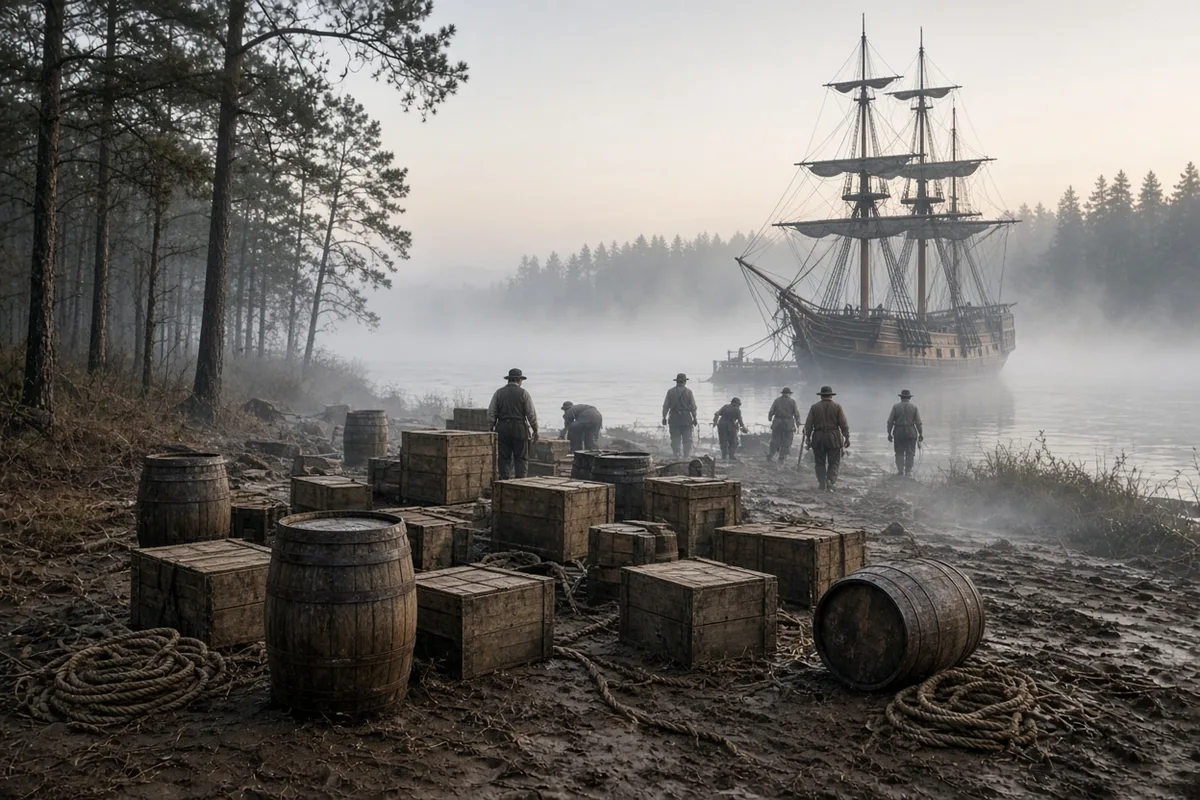
The ground was still mostly forest when we reached it. Penn walked the length of what would become the main street, marking corners with stakes. He had already named the place Philadelphia. We cleared ground for the first meeting house while the surveyors ran lines for the lots. Some of the earlier arrivals had built huts along the creek. Others waited in tents until the frame of government could be read to them.
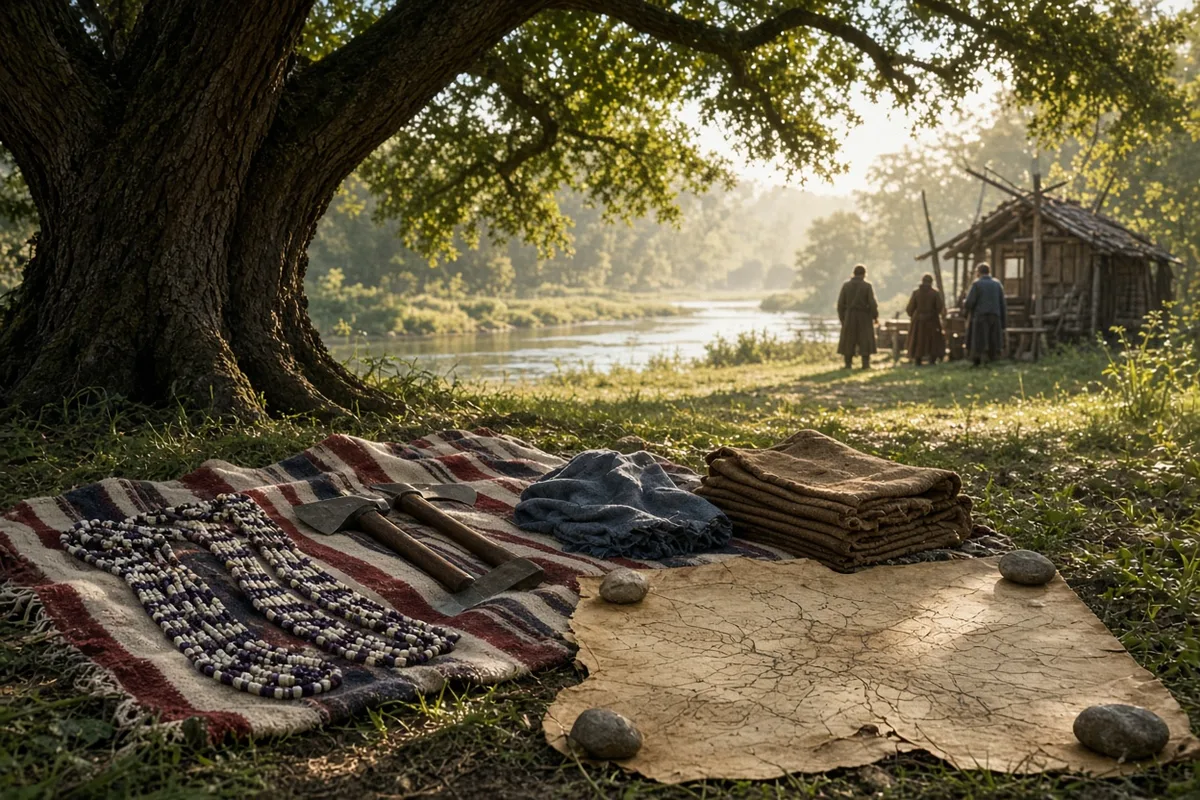
The first winter brought ice in the river and short rations. Penn stayed in the settlement rather than returning to England. He met with the Lenape leaders on the riverbank and agreed to buy the land again rather than claim it by the charter alone. The talks lasted two days. No weapons were carried on either side. When the agreements were finished, the Indians stayed to share a meal of roasted corn and dried meat.
By spring the streets had been laid out and the first frame houses stood at the corners. More ships arrived with families from Bristol and London. I took a lot on the second street back from the river and began to build. Penn visited each new arrival, asking their names and the names of their children. He kept a book with the entries. When disputes arose over boundaries he sent the surveyors back out rather than let the matter reach the courts.
The Duke of York later confirmed the lower counties as well. That gave the colony its outlet to the bay. Penn traveled there in the following year and repeated the same promises of worship without interference. The Calverts in Maryland still claimed the land above the fortieth parallel, but the matter was left for later surveyors to settle.
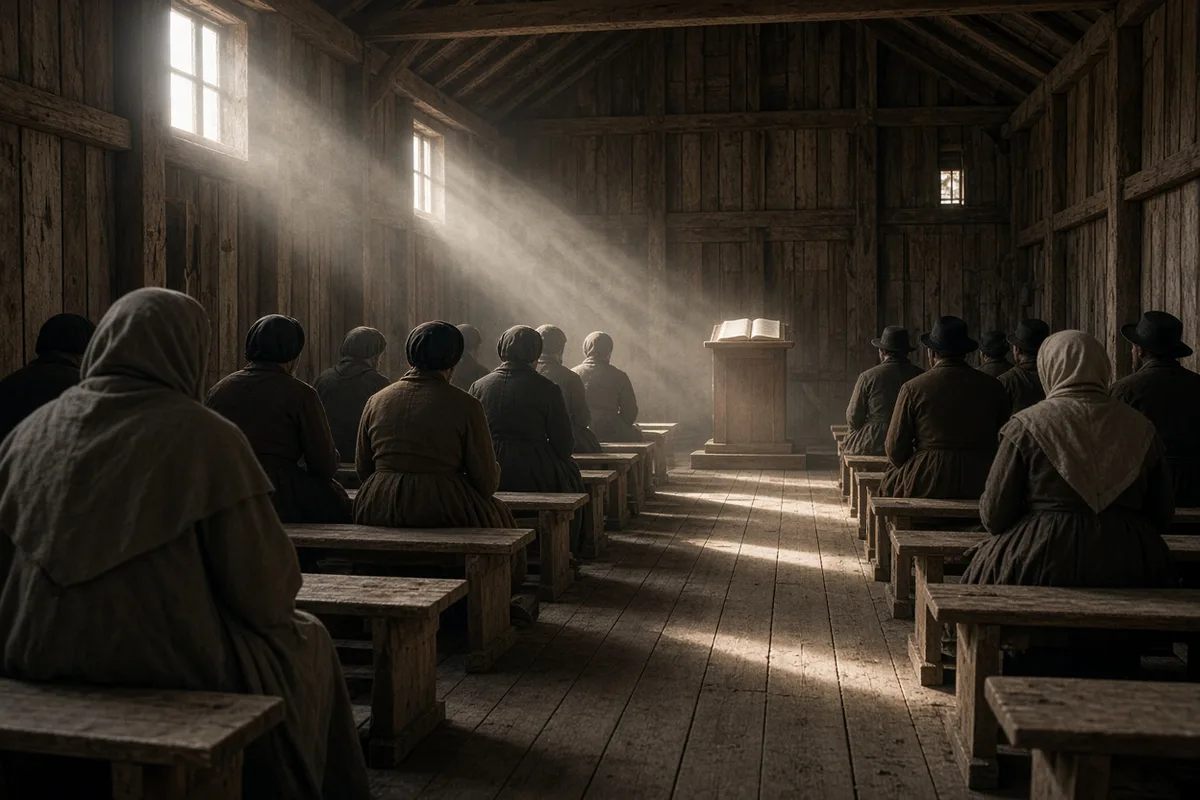
I remained in the city through the next three winters. Penn returned to England in 1684 after the frame had been accepted by the assembly. Before he left he walked once more along the river at dusk. The lights from the new houses showed on the water. He said nothing about the future. He only pointed to the place where the next street would run and asked whether the timber had already been cut.
The last time I saw him he was boarding the ship at Chester. The tide was running out. He carried the same maps he had shown us in London. The charter itself stayed in the colony, locked in the chest with the deeds. The river was wide and dark beyond the last dock. Penn stood at the rail until the shore lights faded. Then he turned toward the open water.
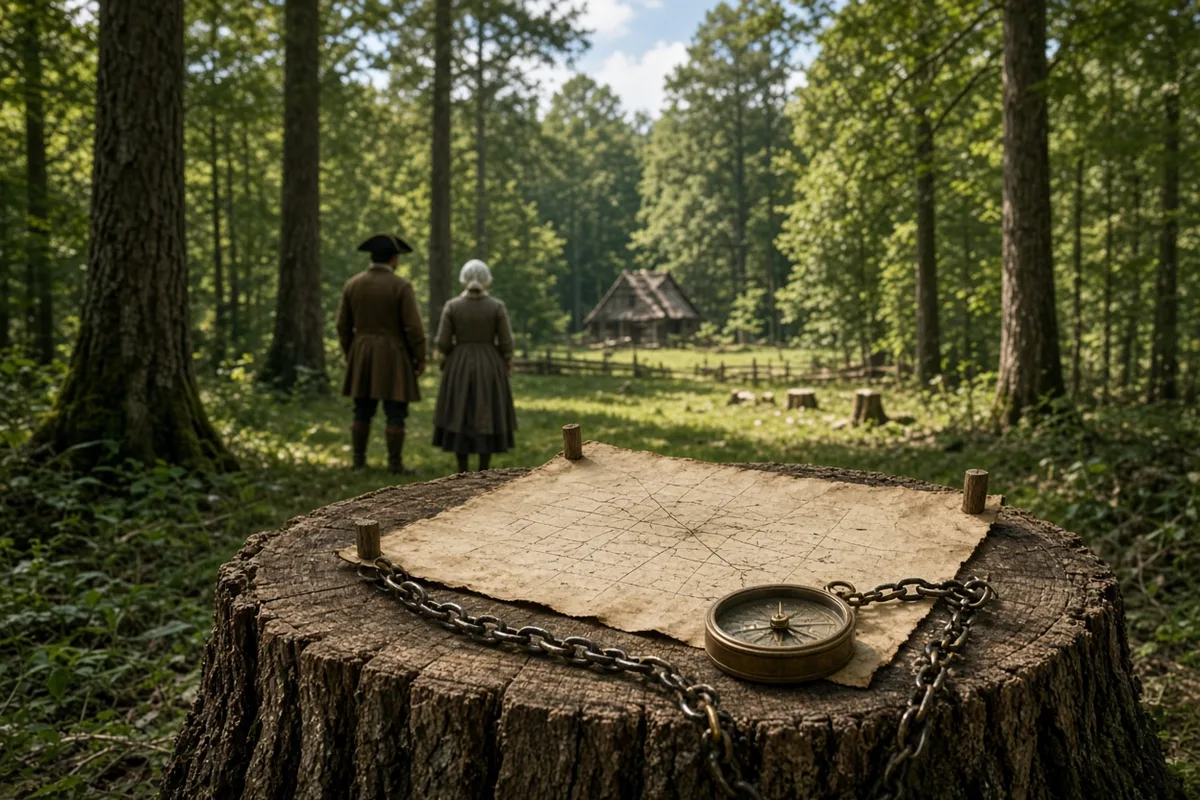
The ship dropped below the horizon before the month was out, and letters began arriving at the Blue Anchor tavern by way of the next vessel from Deal, each one carrying Penn’s instructions for the commissioners he had left behind in Philadelphia. Thomas Lloyd read the first of them aloud on the twenty-third of December 1684, noting that the King had ordered all proprietary governors to supply quotas of men and money for the defense of New York against the French; Penn wrote that the Friends must refuse on grounds of conscience yet forward two hundred pounds in silver as a voluntary contribution rather than a tax. By the following spring the council had divided into factions, with Nicholas More pressing for a single legislative house while Arthur Cook insisted on keeping the original frame intact. The first printing press arrived that same season aboard the Shield, operated by William Bradford, who set the type for an almanac dated 1686 and for the public sale notice of three thousand acres along the Schuylkill offered by the Free Society of Traders at eight pounds sterling per hundred acres.
Penn reached England in October 1684 and found the court already turning against him; within two years he was summoned before the Privy Council on charges that he had exceeded his charter powers by issuing paper money. He answered in a letter dated 5 February 1687 that the notes were only receipts for land payments and carried no force as currency, yet the council ordered the practice stopped. When James II fled in December 1688, Penn remained at his lodgings in Holland House and was arrested the following February on suspicion of Jacobite correspondence; he was released after producing the original charter signed by Charles II on 4 March 1681. In 1692 the Crown revoked his governorship and placed the colony under royal authority with Benjamin Fletcher as captain-general; Fletcher arrived in Philadelphia on 28 April 1693 and demanded that the assembly swear the required oaths, which twenty-three members refused. Fletcher dissolved the house after six days and ruled by ordinance until Penn’s rights were restored by William III on 20 August 1694.
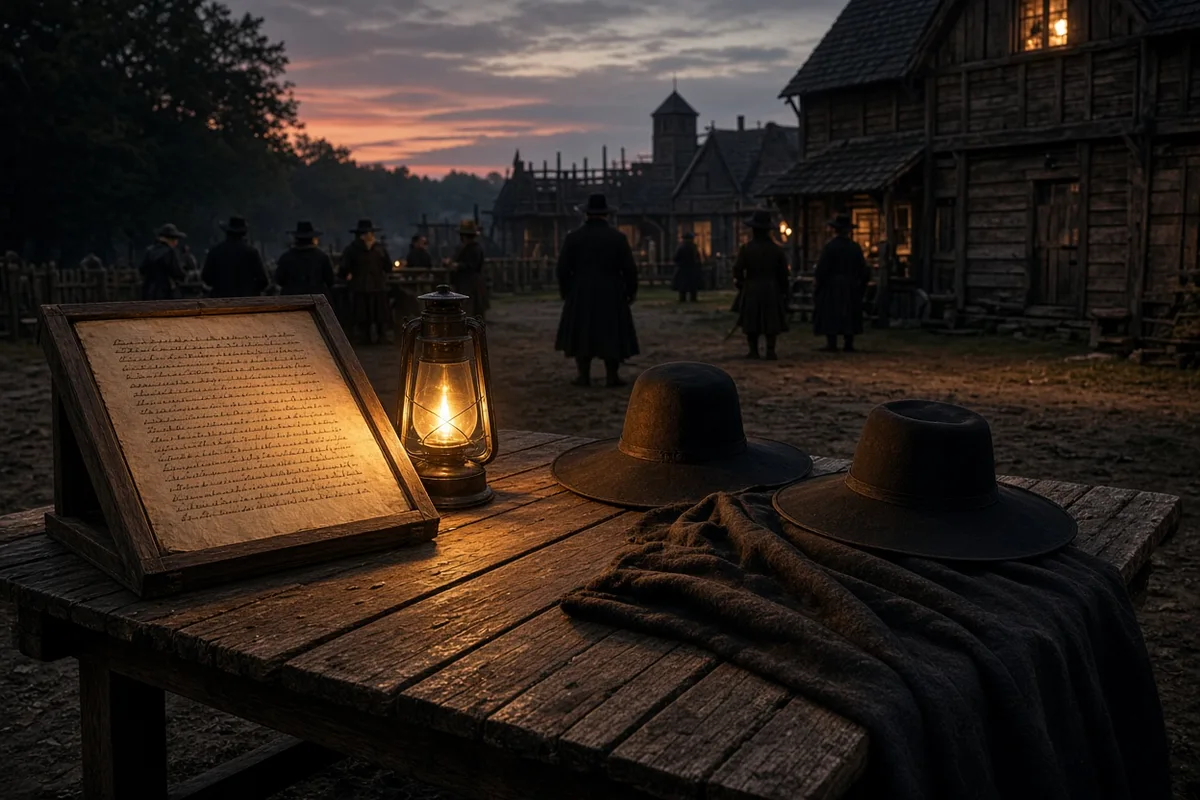
Penn married Hannah Callowhill at the Bristol meeting house on 5 March 1696 and sailed again on the Canterbury on 3 September 1699 with his wife, his daughter Letitia, and his secretary James Logan. They landed at Chester on 1 December and proceeded at once to Pennsbury Manor, where the brick house of twenty rooms stood finished on a terrace above the Delaware. On 23 April 1700 Penn met with twenty-two Lenape sachems at the manor, among them Sassoonan and Manawkyhickon, and recorded in his journal that the Indians agreed to keep the peace “so long as the sun and moon endure” in exchange for twenty matchcoats, ten kettles, and four hundred pounds of powder. The assembly met in September 1701 and adopted the Charter of Privileges, which granted the lower counties their own assembly while preserving the proprietor’s right to appoint the governor; Penn signed the document on 28 October and departed the same day on the Messenger for England, never to return.
News of his stroke reached Philadelphia in December 1712 through a letter from Letitia to James Logan; Penn lingered at Ruscombe in Berkshire until 30 July 1718, when he died at the age of seventy-three. His will named Hannah as sole executrix and left the government of Pennsylvania to his three sons by his first marriage, John, Thomas, and Richard. Thomas arrived in Philadelphia on 10 August 1732 and took up residence at the slate-roof house on Second Street; he ordered a resurvey of the city’s unassigned lots and sold four hundred and twelve parcels between 1733 and 1739 at prices ranging from thirty to one hundred pounds each. By 1750 the city’s population had reached 15,000, with eighty-seven vessels clearing the port in a single year carrying flour, lumber, and iron to the West Indies. The State House, begun in 1732 on Chestnut Street between Fifth and Sixth, was completed in 1753 at a cost of £5,627; its bell, cast in London and recast in Philadelphia by John Pass and John Stow, bore the inscription “Proclaim Liberty throughout all the Land unto all the Inhabitants thereof.”
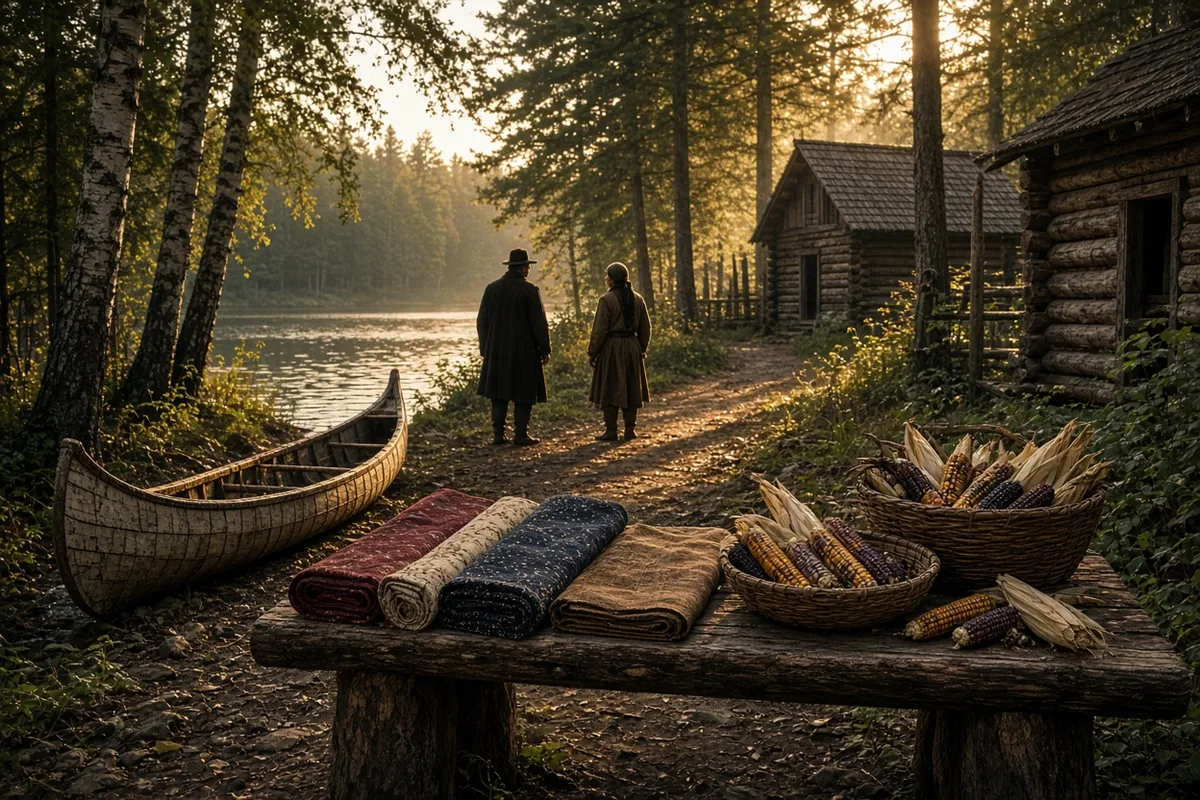
During the sitting of the Second Continental Congress in 1775, Thomas Paine’s pamphlet Common Sense, printed by Robert Bell on Third Street, sold 120,000 copies within three months. On 4 July 1776 the delegates approved the Declaration of Independence in the east room of the State House; the document was engrossed on parchment by Timothy Matlack and signed by John Hancock on 2 August. British troops under General Howe occupied the city from 26 September 1777 to 18 June 1778, quartering soldiers in the homes of Quakers who had refused the test oath; after their withdrawal the Continental Congress returned and remained until 1783. In 1790 the federal government moved to Philadelphia for ten years while the new capital was built on the Potomac; the Bank of the United States opened its doors at Third and Chestnut on 12 December of that year with a capital of ten million dollars.
The city directory of 1800 listed 6,661 houses and 41,220 inhabitants, including 6,436 free persons of color. The waterworks designed by Benjamin Latrobe began supplying piped water to 4,000 dwellings in 1801 from a steam engine at Centre Square. By 1830 the population exceeded 80,000, and the first railroad, the Philadelphia, Germantown and Norristown, began regular service on 6 June 1832 with a single locomotive named Old Ironsides. The Centennial Exposition of 1876 occupied 285 acres in Fairmount Park and recorded nearly ten million admissions between 10 May and 10 November; its main building measured 1,880 feet in length and housed 14,420 exhibitors from thirty-seven nations. In 1901 the new City Hall, begun in 1871 under the direction of John McArthur Jr., reached its final height of 548 feet with the statue of William Penn placed atop the tower by the firm of William Struthers and Sons.
On an ordinary weekday in the present century a man in a dark overcoat steps from the curb at the corner of Fifth and Market, pauses to read the inscription on the plaque set into the brick wall of the reconstructed Slate Roof House, then crosses with the light and continues north along the pavement where the original lots once ran down to Dock Creek.