


William Wilberforce's Clapham Conversion
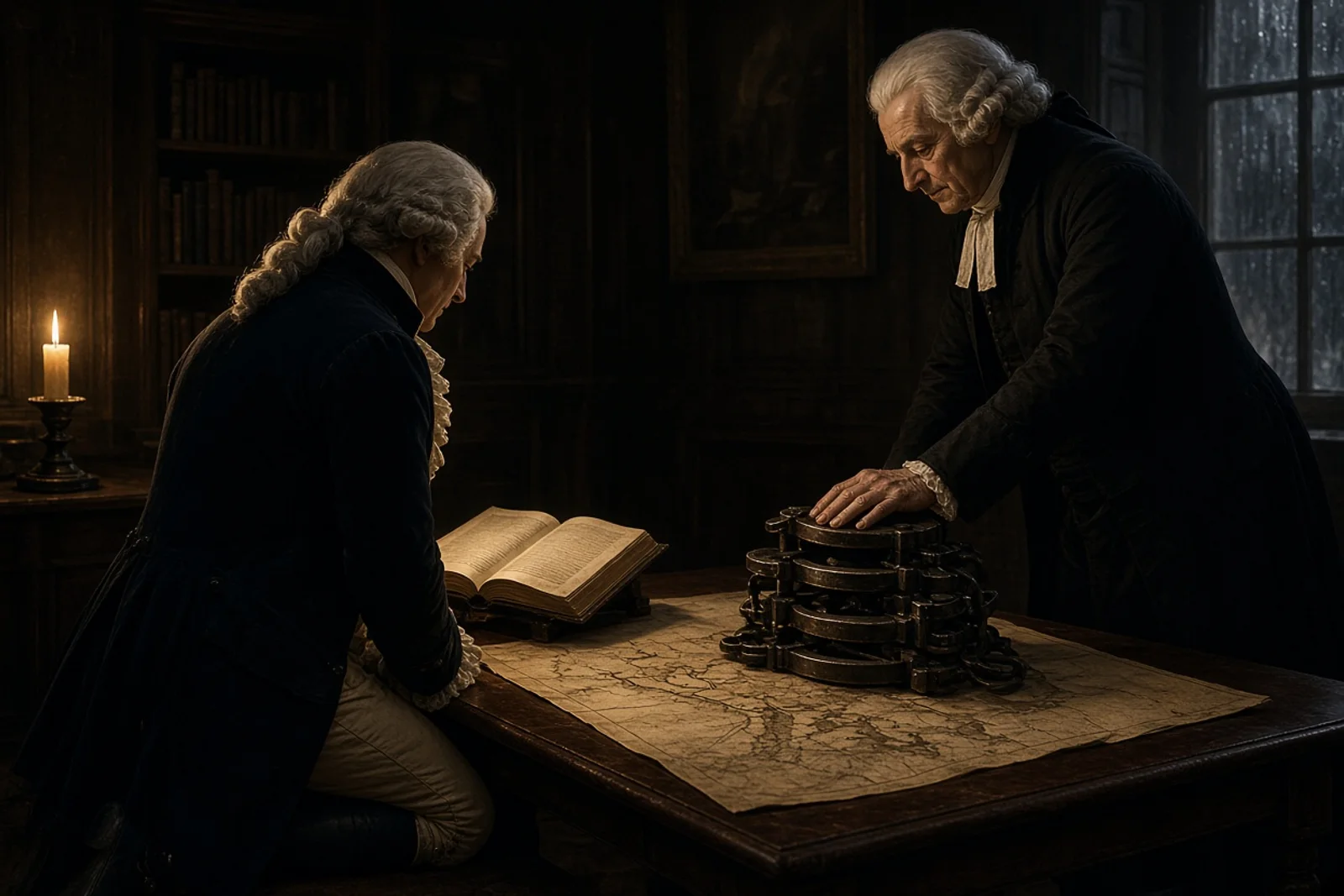
The coach wheels rattled over the cobbles as we returned from the continent that autumn, and Wilberforce sat opposite me with a map of the Alps unfolded on his knees. He traced routes with one finger but his eyes kept drifting to the passing fields. Isaac Milner rode beside us most days, arguing points of doctrine until the lamps were lit. Wilberforce listened without the quick interruptions that had once marked his talk in the Commons.
We reached London in the first week of November. He took rooms near the river and sent word that he would not attend the usual gatherings. One evening he asked me to walk with him toward the City. The streets were already dark. He stopped outside St Mary Woolnoth and stood for several minutes without speaking. Then he went inside alone.
I waited on the steps. When he came out his face had changed, though he said little. He mentioned only that Newton had been at the desk in the vestry and had asked after his father’s old connections in Hull. The next morning Wilberforce sent a note asking Newton to call. The rector arrived in the afternoon, his coat still carrying the smell of the vestry fire. They spoke for nearly two hours behind a closed door. I heard nothing through the paneling except the low rise and fall of Newton’s voice.
After that meeting Wilberforce began to keep different hours. He rose earlier and read for longer stretches than the political papers required. He declined invitations to the clubs where he had once been the center of conversation. When we met friends from the Yorkshire interest he still answered with the same courtesy, yet the laughter that followed his replies sounded thinner.
Newton visited again before the month ended. This time they walked together along the river wall. Wilberforce returned alone and told me he had been advised against any sudden retreat from Parliament. The words came out flat, as though he were repeating an order he had not yet decided to obey. He kept his seat for Yorkshire and continued to attend the House, but the evenings he once spent at cards or in the theater were now given to correspondence with men whose names I had not heard him mention before.
By the following spring he began to spend more time south of the river. The houses around Clapham Common drew him on weekends when the session allowed. Henry Thornton’s table became a regular place. John Venn had not yet taken the rectory, yet the circle already formed around the same few families. Wilberforce arrived with papers on trade and left with tracts on the conditions of enslaved people in the islands. He read them aloud in the evenings without the ironic tone he had once used for every serious subject.
The first time he spoke in the House on the African trade came in 1787. He gave notice after a conversation with Pitt and Grenville that lasted late into the night. The room where they met was small and overheated. Wilberforce stood by the window while the others remained seated. He did not raise his voice, yet the decision carried through the building before morning. From that point the work never left his desk. Petitions arrived in bundles. Evidence was collected in ledgers that grew thicker each quarter.
He still suffered the same fevers and eye strain that had troubled him for years. The difference was that he no longer treated them as reasons to pause. When the campaign met resistance in the Lords or from the West India interest, he returned to Clapham and reviewed the next set of witnesses. Newton’s letters continued to arrive, short and direct, reminding him that the same Parliament that passed navigation acts could also restrain the holds of slave ships.
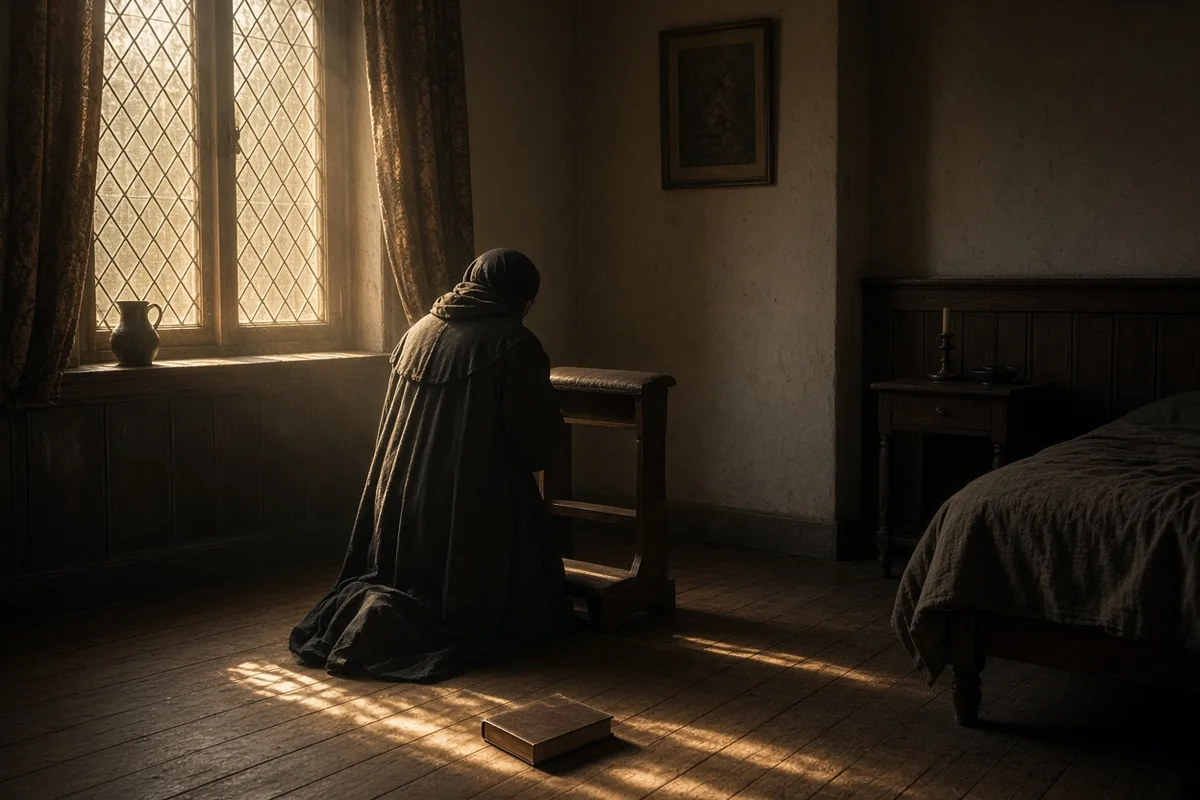
The circle widened. Granville Sharp brought maps of the proposed settlement at Sierra Leone. Zachary Macaulay kept records of every vessel that cleared for the coast. Wilberforce moved between these men and the chamber without apparent strain, though those who had known him longest noticed the absence of the old lightness. He remained capable of sudden humor in private, yet the humor now served to keep the work moving rather than to fill an evening.
In the years that followed, the same houses on the common continued to receive him. The children of the Thornton family grew used to his presence at the breakfast table. He spoke of the trade as a debt that Parliament had allowed to accumulate for too long, and he measured progress by the number of petitions that reached the table each session rather than by any single speech. The Slave Trade Act of 1807 passed on a winter night when the division bells rang past midnight. Wilberforce walked back to his lodgings through streets already quiet, the paper recording the vote folded inside his coat.
He lived to hear that the later bill for full emancipation had cleared its second reading. The message reached him in his final days. He asked only whether the numbers had held. When the answer came, he turned his face toward the window and said nothing more. The room held the same quiet that had settled over him on the evening he first stepped inside St Mary Woolnoth, though the streets outside now carried different traffic and the lamps burned later into the night.
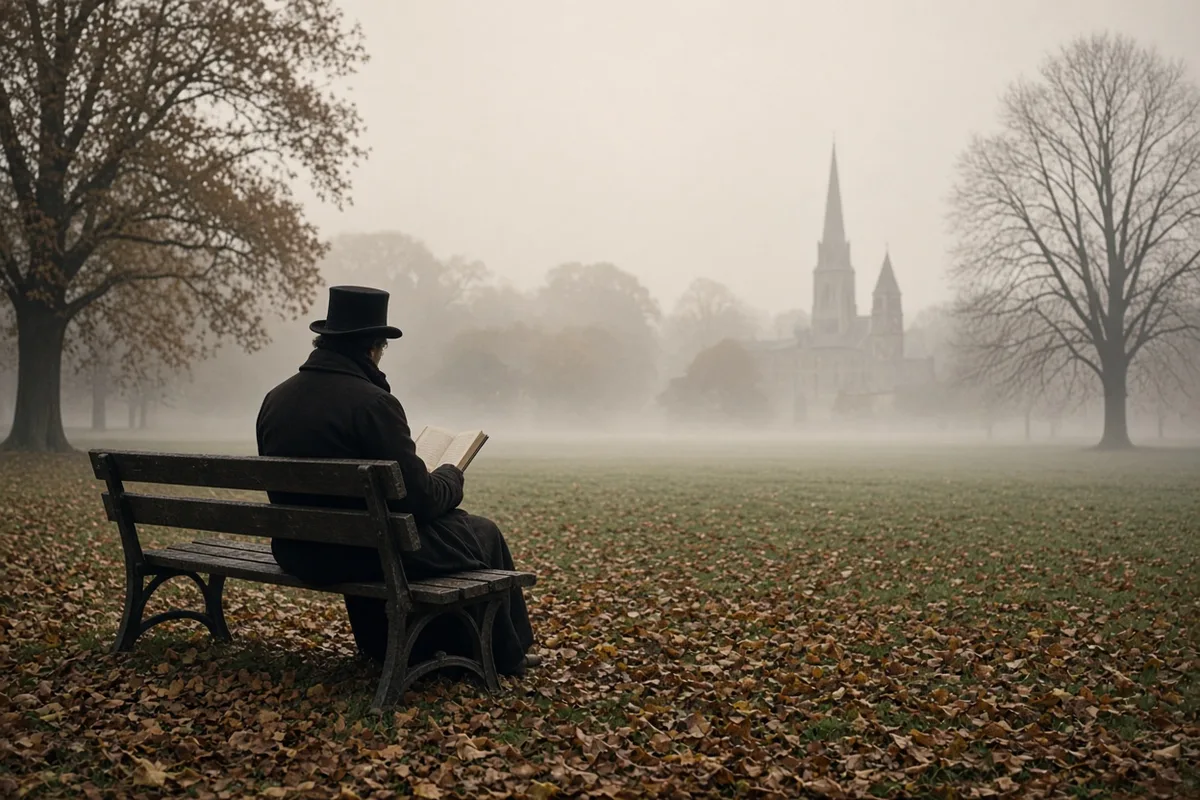
The doctor who attended him that evening noted the time as half past eleven when the breathing changed. His sons William and Robert stood at the foot of the bed in the house at 3 Cadogan Place. A letter from Thomas Fowell Buxton lay unopened on the table beside the lamp, its seal still intact, reporting the division in the Commons on the second reading of the bill that would become the Slavery Abolition Act. Wilberforce had asked only for the numbers and then turned toward the window that overlooked the garden wall. The nurse recorded in her journal that he spoke no further words after that point, though his hand moved once across the sheet as if reaching for a pen.
The funeral took place on the morning of 3 August 1833 inside Westminster Abbey. Sir Robert Inglis led the pallbearers, and the procession moved from Cadogan Place through streets lined with members of the African Institution who had collected signatures on the 1830 petition bearing 1,500,000 names. The Dean of Westminster read the service from the 1662 Book of Common Prayer. William Wilberforce was interred in the north transept, two yards from the grave of William Pitt the Younger, with the same black marble slab later inscribed with the dates 24 August 1759 and 29 July 1833. A copy of the order of service survives in the Abbey archives, showing that the hymn chosen was Newton’s “How Sweet the Name of Jesus Sounds,” the same lines Newton had repeated to him during the walk along the river wall in November 1785.
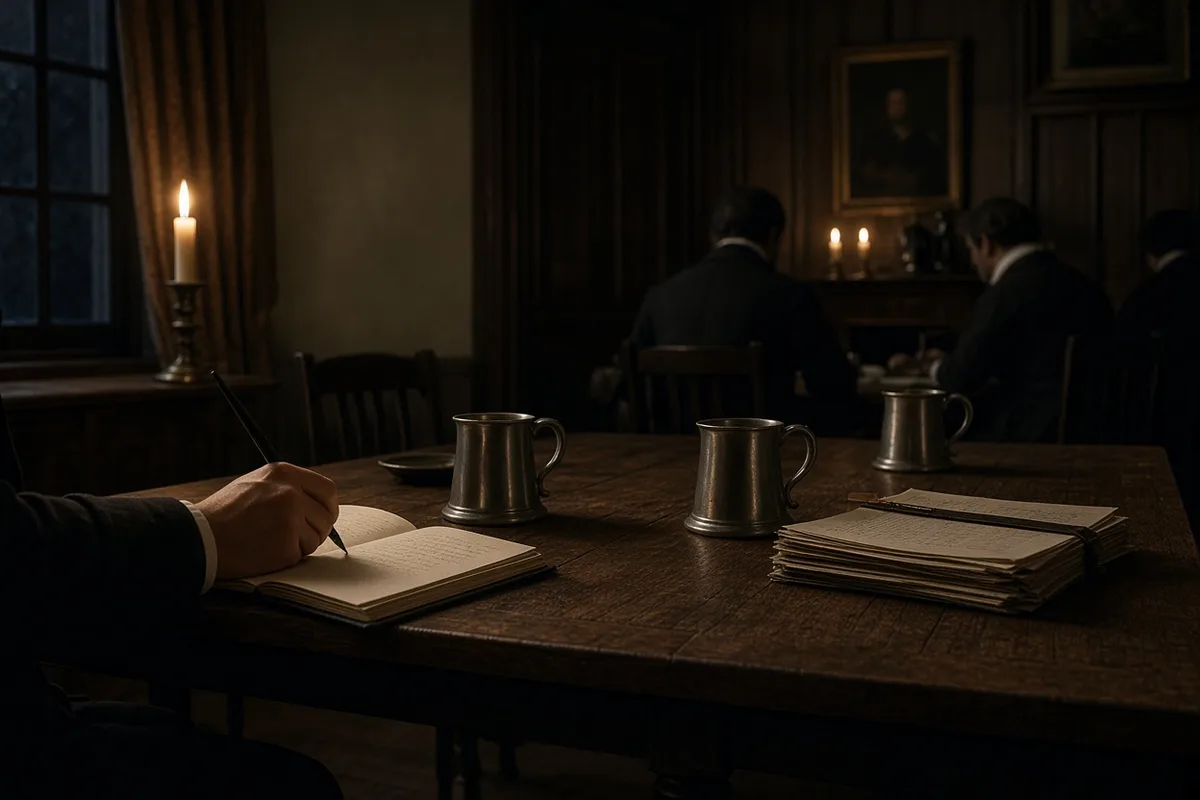
After the service the Clapham houses stood empty for the first time in thirty years. Henry Thornton’s daughters removed the ledgers from the library at Battersea Rise and placed them in storage at the house on Broomfield Road. John Venn’s successor at the rectory of Holy Trinity found the vestry cupboard still containing the 1788 subscription list for the Sierra Leone settlement, with Wilberforce’s own entry of fifty pounds recorded in his hand beside the names of Granville Sharp and James Ramsay. The common itself remained unchanged in its layout, though the footpath that Wilberforce had used each Sunday now passed new villas built on land sold by the Thornton estate in 1840.
The Slavery Abolition Act received royal assent on 28 August 1833. Under its terms the sum of twenty million pounds was voted for compensation to owners of the 800,000 enslaved people registered in the colonies, with the apprenticeship period set to begin on 1 August 1834. Zachary Macaulay’s registry, compiled from customs returns between 1820 and 1833, listed 2,154 vessels that had cleared British ports for the African coast in the decade before the 1807 act; the same ledgers showed zero clearances after the 1811 felony clause took effect. Buxton’s committee minutes for September 1833 record that the first reports of freed workers on the Codrington estate in Barbados reached London on 12 November, noting that 347 men and women had refused the apprenticeship contracts and demanded full wages instead.
The circle that had met at Henry Thornton’s table dispersed within five years. James Stephen retired to his chambers in Lincoln’s Inn and continued drafting the orders in council that enforced the 1833 act in the crown colonies. Thomas Clarkson, then seventy-four, walked the same route from Playford Hall to the London committee rooms each quarter to deposit new petitions against apprenticeship. The house at 5 The Pavement on Clapham Common, once occupied by the Macaulay family, passed to a linen draper in 1841; its front room still contained the desk where the 1823 Anti-Slavery Society declaration had been signed by nine members of the original Clapham group.
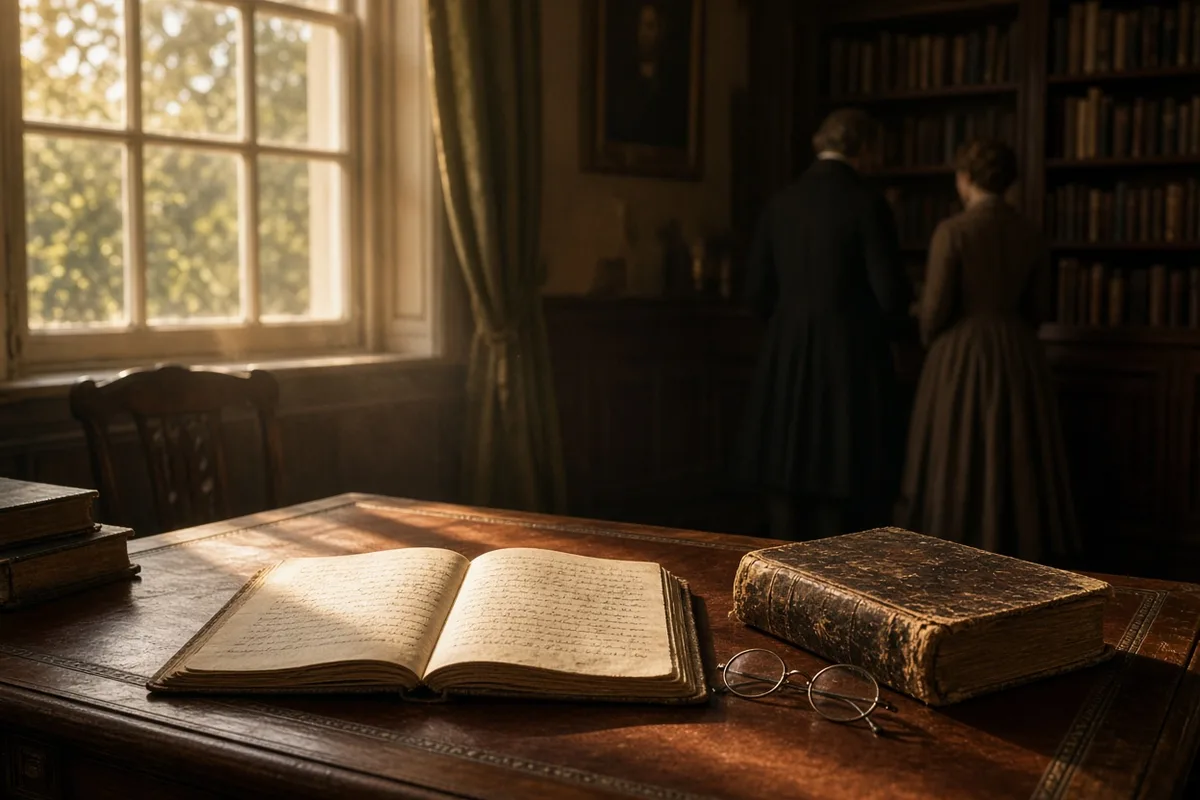
Today the same desk stands in the Wilberforce House Museum on High Street in Hull, acquired by the corporation in 1906 and opened to the public with the original 1787 map of the proposed Sierra Leone settlement still pinned to the wall above it. In Westminster Abbey the black marble slab bears the added line from the 1833 act that fixed the date of full freedom as 1 August 1838 for the remaining apprenticed workers. Holy Trinity Church on Clapham Common retains the box pew once used by the Thornton family; the brass plate on its door records the 1792 visit of Olaudah Equiano, who came to discuss the distribution of his memoir among the subscribers listed in the parish rate books.
The final image preserved of Wilberforce himself is the marble effigy carved by Samuel Joseph and placed in the Abbey in 1840. It shows him seated, one hand resting on a closed volume of the parliamentary debates for 1807, the other holding a single sheet of paper folded once. Visitors passing the transept on any weekday still see the same angle of light that fell across the face on the afternoon the sculptor completed the work, the same light that had entered the window of the room at Cadogan Place on the last evening he turned toward it.
The effigy was unveiled on 12 July 1840 by Sir Robert Inglis in the presence of the Dean and Chapter and twelve surviving subscribers to the African Institution, among them Thomas Clarkson, then eighty-one, who stood for the ceremony leaning on a stick carved from oak taken from the House of Commons chamber after the 1834 fire. The sculptor Samuel Joseph recorded in his notebook that the right hand was modelled from a cast taken in 1825 at the request of William Wilberforce junior, and that the sheet of paper held in the left hand reproduced the exact dimensions of the 1807 division list as printed in Hansard for 23 February. Maintenance ledgers at the Abbey show that the marble was cleaned each quarter with a mixture of water and pumice supplied by the firm of Thomas Cubitt, whose workmen also reset the slab in 1871 after subsidence caused by the construction of the District Railway beneath the north transept.
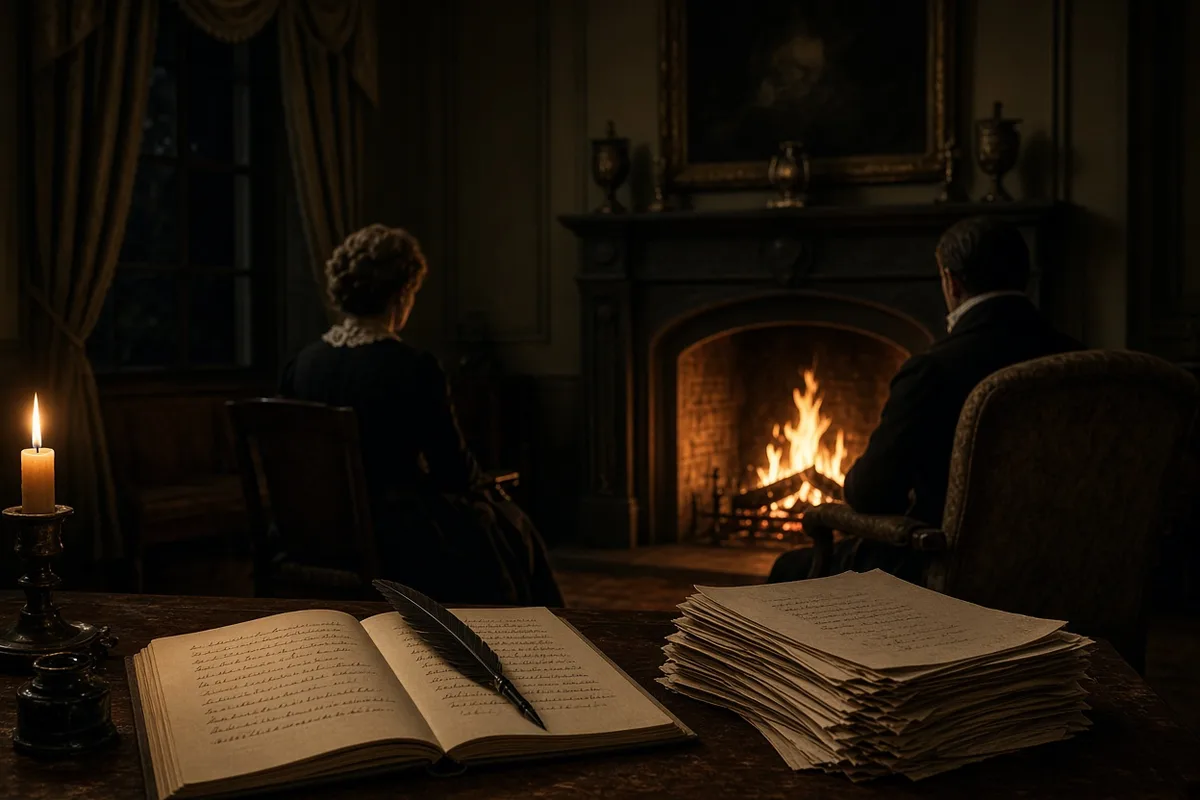
In 1865 the Thornton family sold Battersea Rise to the London and South Western Railway for £18,500; the library where the 1791 resolutions against the trade had been drafted was dismantled and its panelling installed in the boardroom of the Clapham Junction station, where it remained until the building was damaged by incendiaries on 16 April 1941. The 1788 subscription list that had stayed in the vestry cupboard at Holy Trinity was transferred in 1893 to the Surrey Record Office at Kingston, its fifty-pound entry for Wilberforce still legible beneath the later annotations of John Venn’s successor, the Reverend Francis John Jay, who added the names of twelve new contributors for the 1833 compensation fund.
The house at 3 Cadogan Place passed in 1845 to Wilberforce’s second son, Robert, who let the upper floors to the geologist Roderick Murchison; rate books for that year list an annual rental of £95 and note that the garden wall against which the nurse had recorded the final movement of the hand was rebuilt in stock brick after the great storm of 1852. Robert Wilberforce’s own papers, deposited at the Bodleian in 1873, contain the unopened letter from Buxton of 24 July 1833, its seal broken only by the librarian Henry Coxe, who noted the date of opening on the verso in pencil.
Hull Corporation purchased the High Street property in 1903 for £2,750 from the descendants of the merchant Joseph Sykes; the 1787 Sierra Leone map pinned above the desk was authenticated in 1907 by the British Museum cartographer Edward Heawood, who identified the hand as that of the surveyor Alexander Falconbridge. The museum opened on 24 August 1906, the anniversary of Wilberforce’s birth, with an attendance of 347 visitors recorded in the first daybook; among them was the last surviving member of the 1833 parliamentary deputation, the former MP for Weymouth, Sir John Romilly, then ninety-two, who signed the visitors’ book with the single word “witness.”
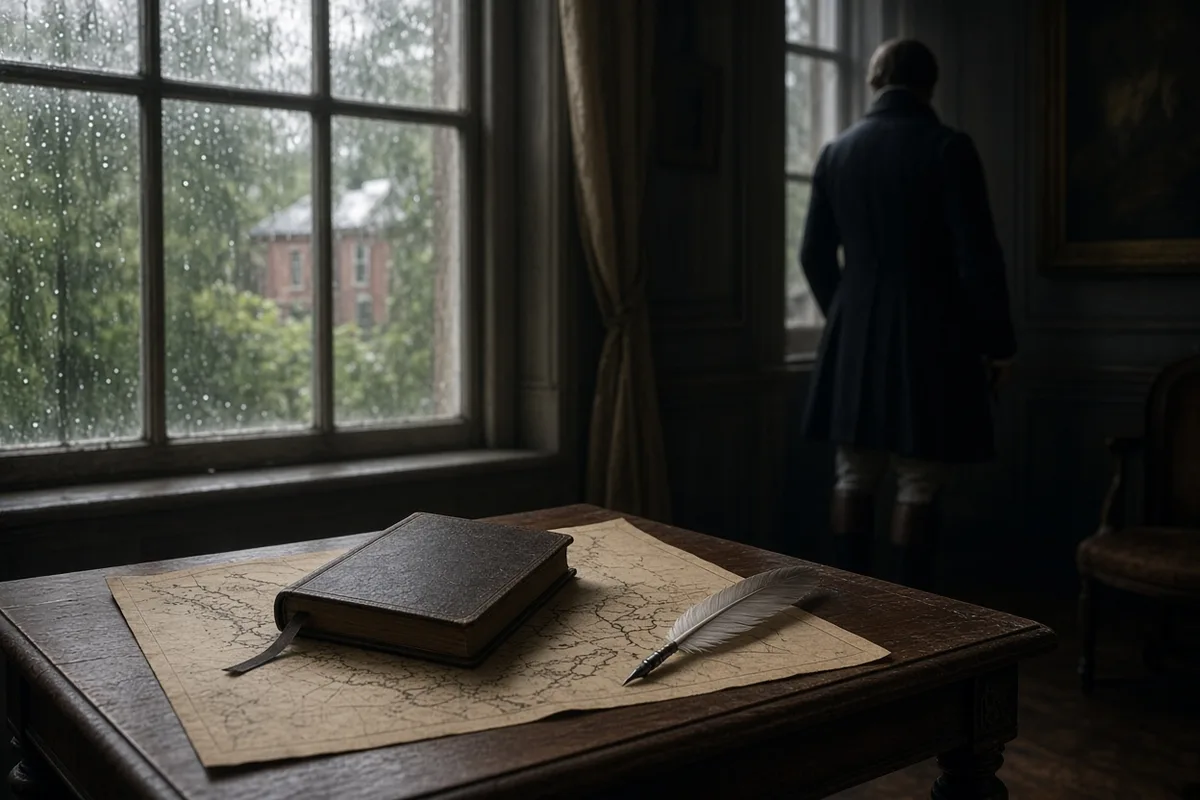
Clapham Common was enclosed under the Metropolitan Commons Act of 1878; the footpath once used by Wilberforce was widened to fourteen feet in 1884 and metalled with granite from the quarries at Haytor, the contract awarded to the firm of John Mowlem. The box pew at Holy Trinity was removed during the 1905 restoration ordered by the Reverend Arthur William Jephson, its door and brass plate placed in the south aisle where they remain, the plate now reading “Olaudah Equiano, 1792” beneath an added line recording the 1928 gift of the pew ends by the Clapham Antiquarian Society.
The marble effigy received its first electric lighting on 15 March 1935 when the Abbey electrician, George H. Wicks, installed two 60-watt lamps on either side of the transept arch; the same installation supplied power to the brass plate on the slab that quotes the 1833 act. During the air raids of 1940 the effigy was protected by sandbags stacked to a height of nine feet, as recorded in the verger’s log for 7 September, and the only damage noted was a chip to the base caused by falling masonry on 11 May 1941.
In the years after 1950 the desk from 5 The Pavement was loaned for six months each year to the National Maritime Museum at Greenwich under an agreement signed by the curator Frank George Griffith Carr; it returned permanently to Hull in 1972 following the opening of the new Wilberforce House extension funded by a grant of £14,250 from the Historic Buildings Council. The final recorded image of any person directly connected with the original circle is the photograph taken on 3 August 1933 of the great-grandson of James Stephen, Sir James Stephen, standing beside the Abbey slab during the centenary commemoration, his hand resting on the same black marble that had been laid one hundred years earlier.