


Bessent urges G20 to curb China's trillion-dollar surplus
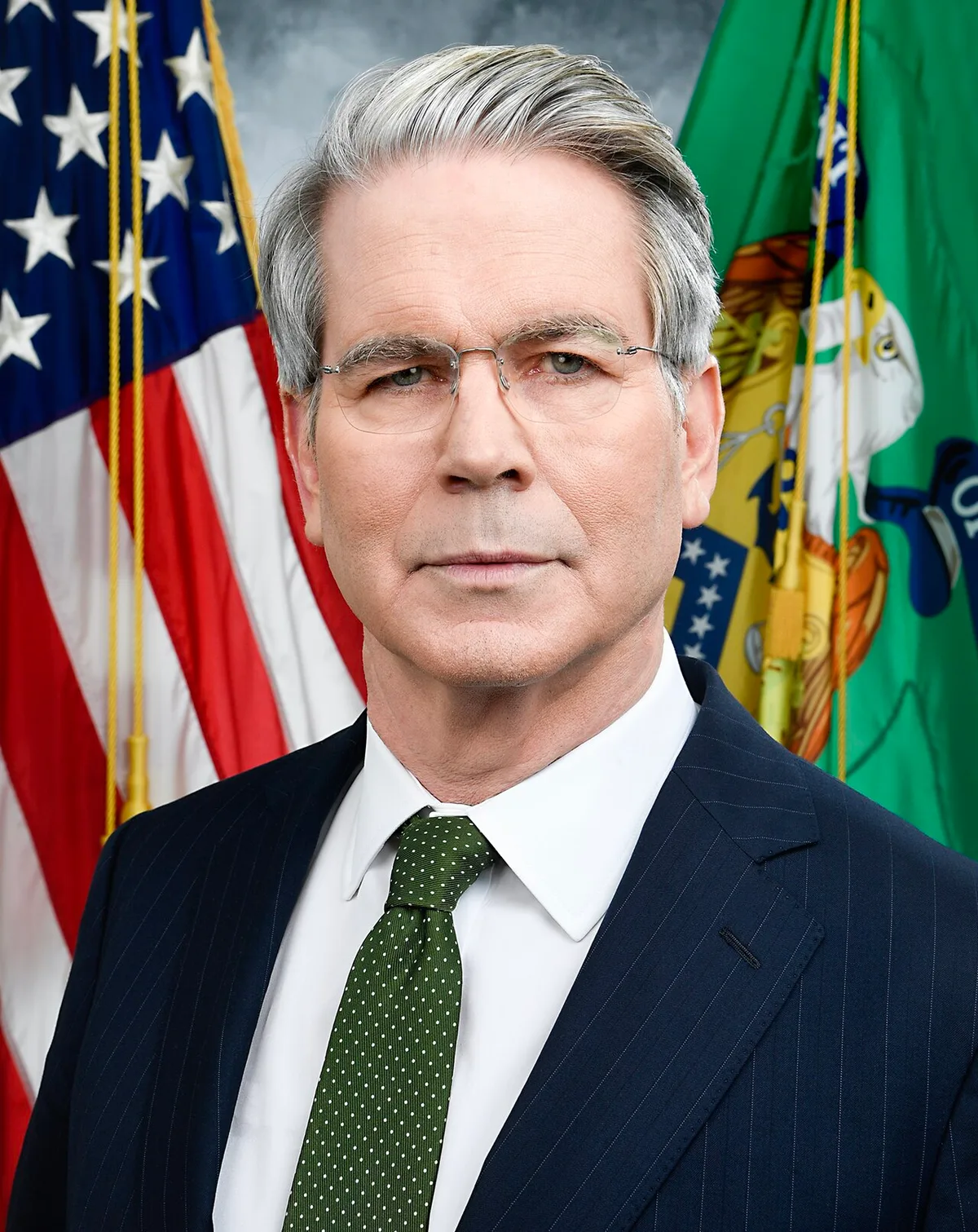
At the G20 Finance Track, India backed a proposal urging countries with persistent external surpluses to tackle domestic distortions and reduce overreliance on exports, but a joint statement was blocked after China opposed the language. The chair warned that non-market policies create imbalances with spillovers that threaten growth and stability. U.S. Treasury Secretary Scott Bessent pushed a de-risk, not decouple approach, advocating tariffs and other measures to curb “cheap exports,” with 19 of 20 members in agreement and China dissenting. He floated the idea of bilateral “Boards of Trade” and “Boards of Investment” to enable tariff rollbacks—potentially around $30 billion per side—while urging partners to reassess their China trade terms. The dynamic exposed tensions over credibility and alignment within the G20, as some members weigh their own economic interests against Washington’s protectionist posture and language choices. China maintains it does not pursue an intentional surplus, while observers say discussions continue ahead of high-level meetings between U.S. and Chinese leaders.
Where do you stand?