



Saudi Oil Exports Face Disruption Across Region
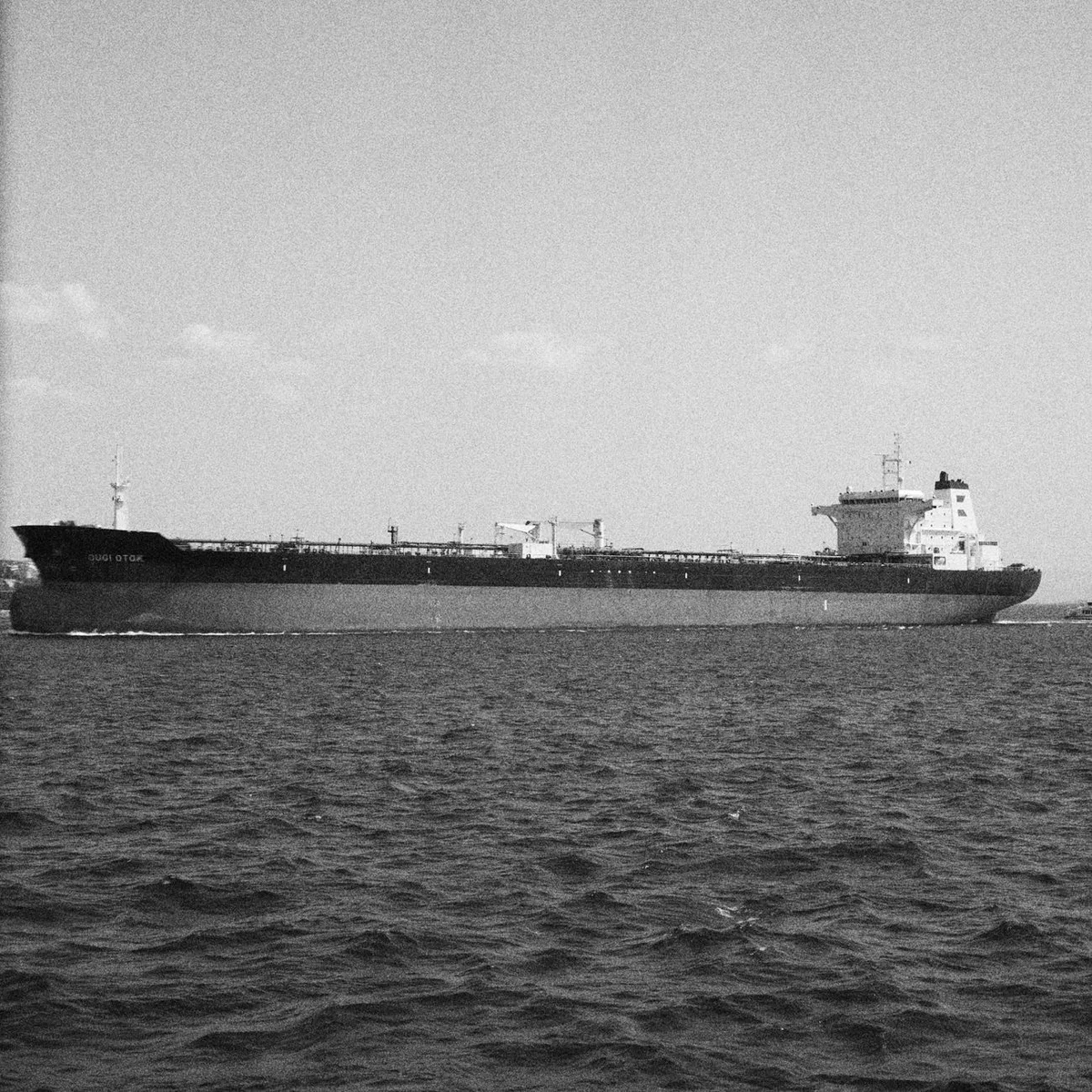
Houthi forces have rapidly expanded from northern Yemen, capturing much of the Red Sea coast, the port of Mokha and islands near the Bab el-Mandeb Strait in the biggest front-line shift since the 2022 truce. The offensive threatens Marib, a resource-rich stronghold of Yemen’s internationally recognized government, and has reportedly displaced more than 100,000 people, worsening Yemen’s humanitarian crisis. Saudi Arabia has responded with extensive airstrikes, while the Houthis claim missile and drone attacks on Saudi cities, military sites and energy infrastructure, including areas near Mecca and the Red Sea oil port of Yanbu; Saudi authorities have also reported civilian casualties and damage to energy facilities and the East-West pipeline. The escalation threatens shipping through the Bab el-Mandeb and Strait of Hormuz and global energy supplies, although a U.S.-secured corridor has helped oil flows through Hormuz recover to about 4.9 million barrels per day overall and nearly 8 million barrels per day in early September, still below prewar levels. Pakistan and China have sought Iranian help in restraining the Houthis, while Gulf ports such as Khor Fakkan are expanding as alternatives to vulnerable routes. Washington is reportedly avoiding direct military support for Riyadh after contacts with the Houthis, who say they will not target U.S. shipping, frustrating Saudi Arabia and raising concerns that the offensive could increase Iran’s regional leverage while further undermining Yemen’s political settlement.