



Brazil releases voluntary global plan to phase out coal, oil and gas
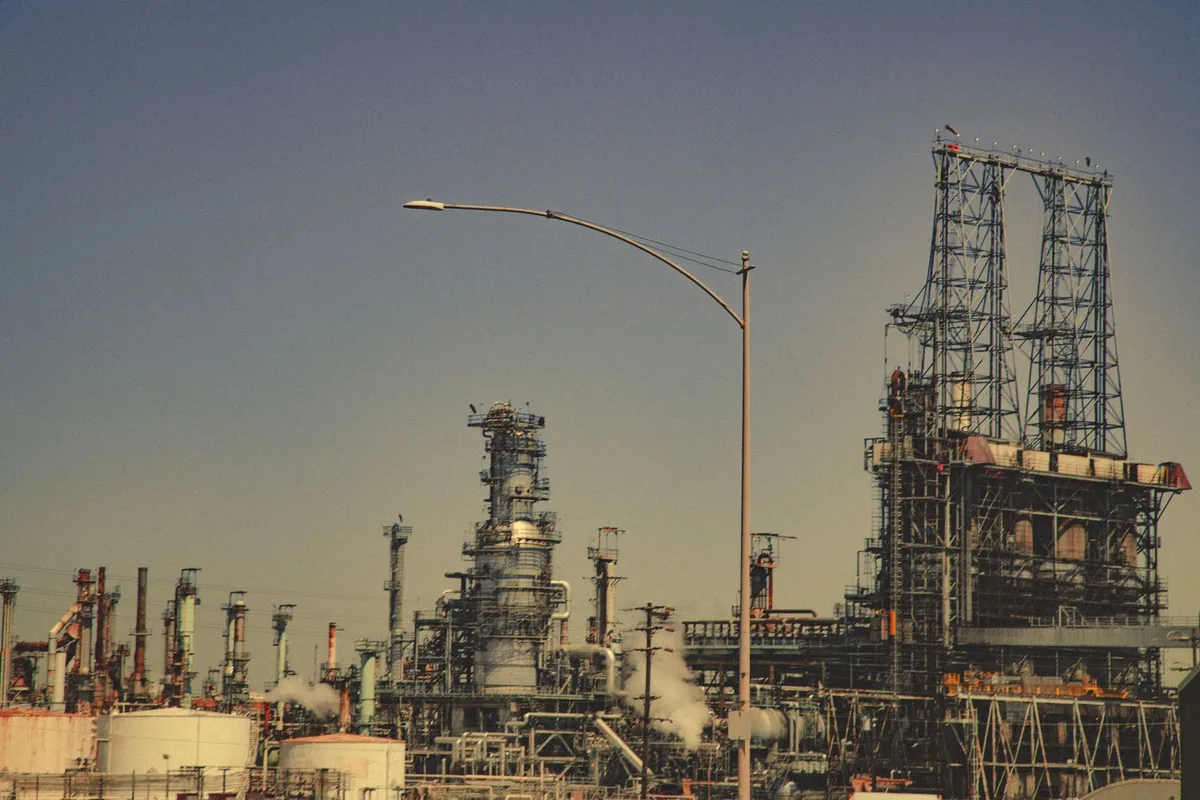
On November 3, 2026, Brazil's COP30 Presidency published voluntary roadmaps to transition from fossil fuels and halt deforestation, plus a document on implementing the Baku to Belém path to $1.3trn. Ana Toni called it the last delivery of the presidency. André Corrêa do Lago said the heart of implementation is flexibility, the roadmaps reflect common but differentiated responsibilities, and governments must stop negotiating and start acting with finance, infrastructure and transportation ministers at the table. The plans are non-prescriptive, build on the COP28 stocktake, and address energy's 75% and forests' 11% of emissions. Romain Ioualalen of Oil Change International called the blueprint valuable for recognizing no one-size-fits-all path and the centrality of equity and finance, yet said action is required now or the process becomes a massive missed opportunity. CONTESTED: Ioualalen said any suggestion that supply cuts could wait until the 2030s would be a grave mistake that locks in fossil fuels, given existing projects already commit nearly seven times the remaining 1.5°C budget; do Lago centered flexibility. Saudi Arabia and a coalition of African nations had threatened to veto fossil-transition language, keeping a roadmap out of texts despite efforts by more than 80 nations. A temporary overshoot of 1.5°C is described as inevitable. COP31 in Turkiye focuses on implementation ahead of the 2028 stocktake.