



Yearlong Heat Storm Covered Nearly 85% of Earth
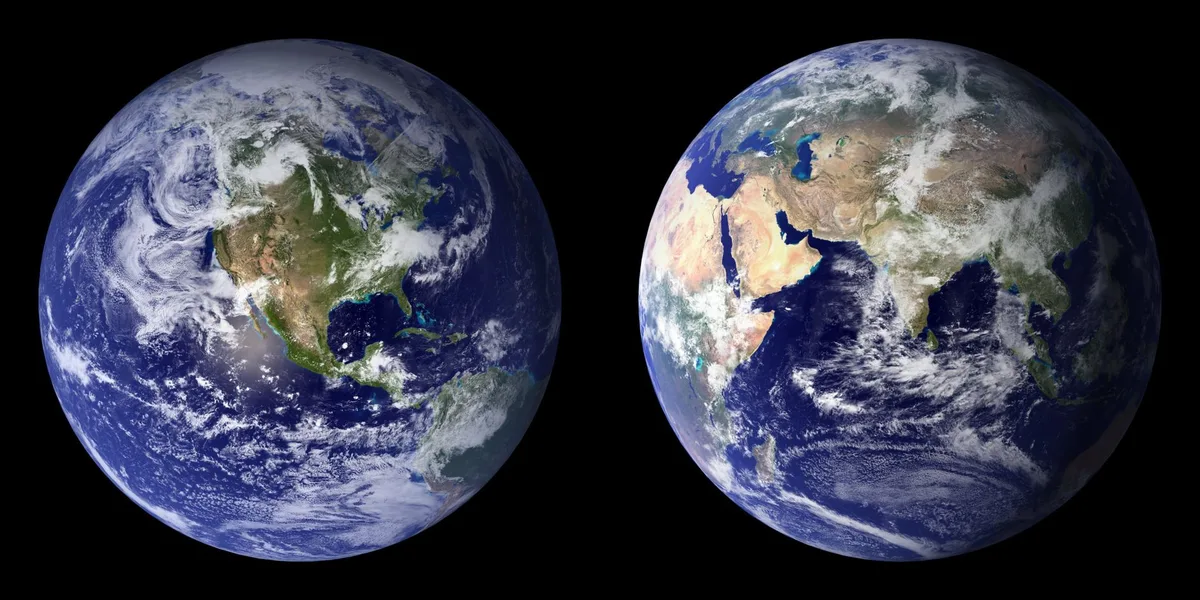
Reuters’ analysis introduces “heat storms” for the largest heat waves, defined as periods of at least five consecutive days of unusually high temperatures that cover at least 1% of the globe at their peak. Using global hourly temperature data since 1960 and input from climate researchers, the investigation finds that heat storms increased from about five active events a year in the 1960s to roughly 102 a year in the current decade. The largest recorded event, Heat Storm Vera, lasted 367 days across 2023 and 2024 and covered nearly 85% of the planet. Reuters also describes heat-storm cascades—successive or overlapping events—with one cascade continuing since 2008, while connecting the growing scale and frequency of extreme heat to rising greenhouse-gas emissions. The reporting frames heat waves as a way to make the effects of climate change more tangible in everyday life, citing impacts ranging from deadly heat in Europe to harm to people, wildlife and livelihoods elsewhere.
Where do you stand?