



Your brain grips threats and lets good moments slip

In 60 seconds
- Ancestral survival wiring makes the brain register threats faster and store them longer than rewards, so ordinary days feel harsher than they are.
- Attention reshapes neural circuits; whatever you practice—rumination or contentment—gets physically stronger.
- Extending a pleasant moment for ten to twenty seconds is what turns a fleeting state into a lasting trait.
- A nervous system stuck in fight-or-flight cannot savor; downshifting with slow breathing has to come first.
- Craving, aversion, and delusion each carry a distinct neural habit and a matching antidote.
- Wisdom is clear seeing trained over time, not a pile of facts—the payoff when the smaller practices stack.
The big idea
Hanson contends the brain evolved a negativity bias that once aided survival but now makes contentment harder than life warrants, yet the same organ can be rewired through deliberate mental practice. Hold good experiences long enough, calm the reactive body, and train compassion and clear seeing, and passing states accumulate into durable traits.
The book in brief
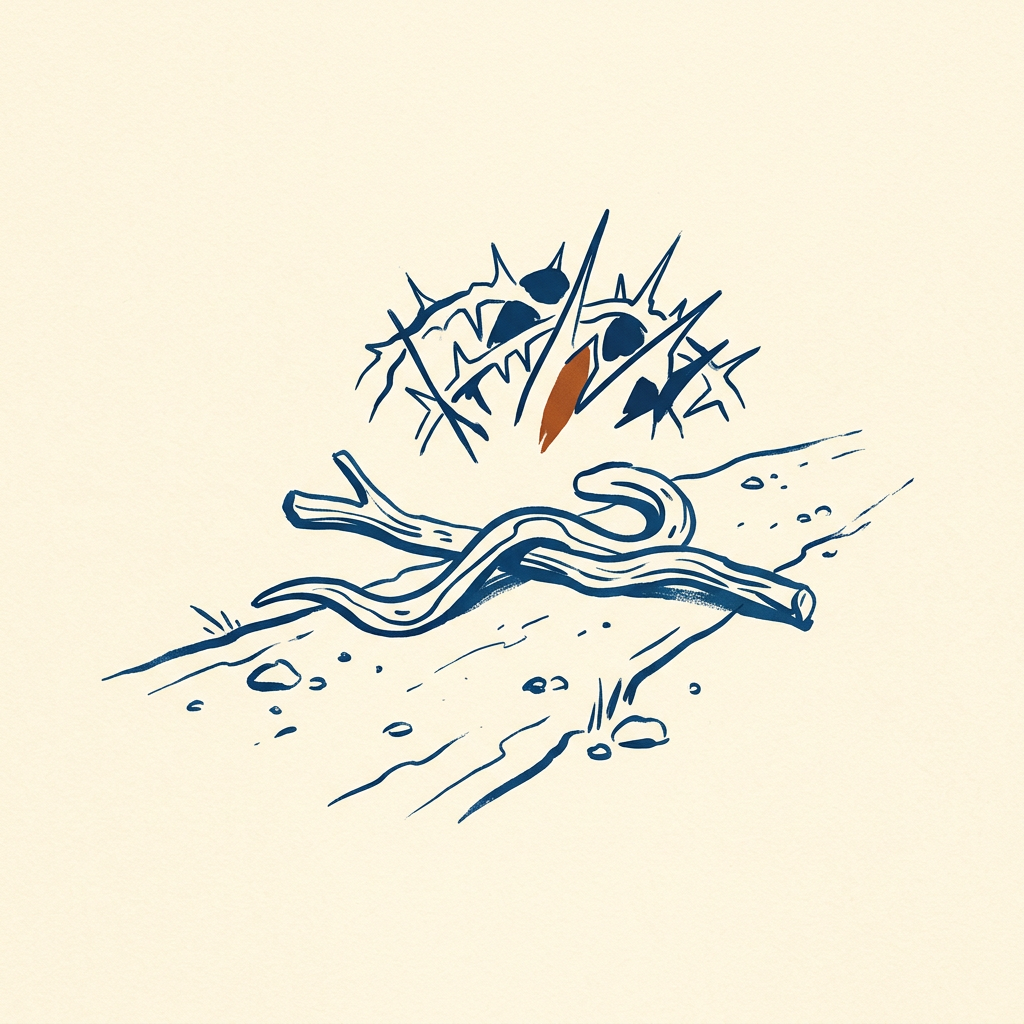
A snake-shaped stick makes the body flinch before conscious thought arrives. Hanson opens on that speed: the brain treats potential danger as more urgent than potential reward, an inherited setting from a world of predators and scarce calories.
The asymmetry is structural. Negative experiences get tagged as important and consolidate into long-term memory more readily. Positive ones often pass through short-term buffers unless someone deliberately holds them. A single criticism outweighs several compliments. The hardware defaults toward vigilance, not gratitude.
He then turns the complaint into a tool. Mental states repeated often enough leave lasting traces in tissue. Attention acts like water cutting a channel. Someone who ruminates on failure nightly is practicing failure-recall as a skill. Someone who pauses on a small success is practicing contentment.
The signature move is taking in the good: notice a pleasant experience, enrich it with sensory detail, absorb it for ten to twenty seconds, and optionally link it to harder material. Calm the autonomic system first with longer exhales and body relaxation, because a fight-or-flight body is primed for threat-scanning, not savoring. Over months, repeated states become traits—patience, resilience, compassion—the way workouts build muscle.
Hanson maps everyday suffering onto craving, aversion, and delusion, each with a neural signature and an antidote drawn from the earlier drills. Compassion practices soothe the same threat system from the inside. Wisdom, the capstone, is trained clear seeing that loosens identification with a threatened, fixed self.
The arc lands on one practical claim: what you repeatedly pay attention to becomes who you are. The neural specifics run thinner than the confident tone suggests, yet the lens stays useful.
Context
Rick Hanson published the book in 2009, pairing an evolutionary account of the negativity bias with contemplative mental exercises drawn from Buddhism. It gave meditators and skeptics a physiological vocabulary for why practice changes mood, bridging a lab-coat audience and a cushion-sitting one just as contemplative neuroscience was gaining mainstream traction.
The key ideas
1
The brain's built-in tilt
Missed threats once killed faster than missed rewards, so the brain still registers negative input faster and stores it more durably than positive input.
Threat input
Registers fast, consolidates hard into long-term memory
Reward input
Registers slow, often fades unless deliberately held
Hanson frames the brain as Velcro for negative experiences and Teflon for positive ones. The amygdala reacts faster to a frown than a smile. A single snake-shaped stick triggers a flinch before thought catches up.
This is not a character flaw. It is hardware tuned for predators and scarce calories. An animal that ignored one rustling bush could die; one that ignored one berry patch only went hungry a little longer. Negative experiences, tagged as more important, consolidate into long-term memory via stronger amygdala and hippocampus activation. Positive ones often leave no durable trace unless held on purpose.
He treats the bias as diagnostic, not moral. People are not ungrateful by nature. The default setting leans toward vigilance. Without correcting for it, advice to just think positive fails, because it never explains why the positive thoughts refuse to stick.
In practice: A single snake-shaped stick triggers a full-body flinch before conscious thought can sort stick from snake.

2
Attention carves the channel
Repeated mental states leave structural traces in neural tissue, so what a person deliberately practices attending to—not just what happens to them—shapes who they become.
Hanson holds that synaptic connections strengthen with repeated activation and weaken with disuse. Mental practice, not only physical practice, changes structure. Deliberately holding a state of calm or gratitude, repeated over weeks, can shift resting patterns of neural activity.
He uses a river analogy. Attention is water. Where it flows again and again, it cuts a channel. Neuroplasticity is agnostic: it strengthens whatever gets repeated, helpful or harmful. That places the work on deliberate practice rather than passive hope.
Here he sketches the four-step method later named HEAL—Have, Enrich, Absorb, Link. Notice something useful, stay with it, let it sink in, and optionally connect it to harder material to soften that material. The passive complaint of the bias chapter becomes an actionable premise: if attention shapes wiring, attention becomes a tool.
In practice: A person who ruminates nightly on failures unwittingly practices failure-recall as a skill; one who pauses daily on a small success practices contentment instead.
3
Hold the good long enough
Actively prolonging a positive experience for ten to twenty seconds is what converts a fleeting state into a lasting neural trait.
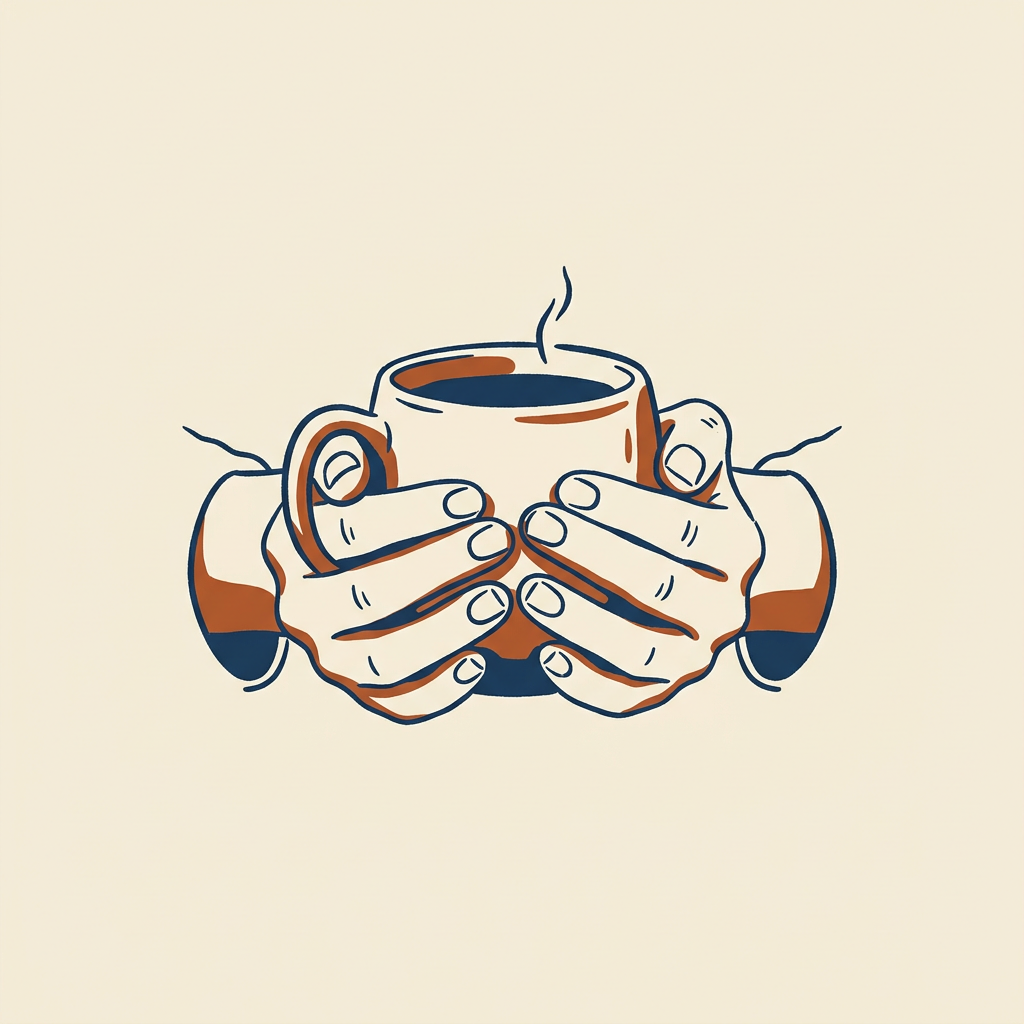
Hanson's signature technique is simple and easy to skip. Take a pleasant moment—the warmth of a friend's greeting, the relief of finishing a task, the ease of a stretch—and extend it while paying close attention to its sensory and emotional qualities for ten to twenty seconds.
He names three parts: have the experience (or recall one), enrich it (add detail, feel it in the body), and absorb it (sense it becoming part of you). This is not denial and not naive positive thinking. Negative material already gets automatic rehearsal. Positive material typically does not. The drill corrects that imbalance.
Without the prior claim about repetition and structure, savoring would sound like mood management. With that claim, it becomes a method for shifting trait-level tendencies over months.
In practice: Someone given a small compliment can let it vanish in two seconds, or spend fifteen seconds noticing warmth in the chest and the lift in mood—the difference, Hanson argues, between an experience evaporating and one that slowly shifts baseline mood.
4
Downshift before you practice
Most emotional suffering comes from fight-or-flight activation outlasting the actual threat, so learning to physiologically downshift is a precondition for the other practices.
Sympathetic
Fight-flight-freeze; cortisol and adrenaline; threat-scanning
Parasympathetic
Rest-and-digest; vagal tone; longer exhale; body calm
Hanson turns to the autonomic nervous system. Sympathetic activation—fight, flight, freeze—runs partly through cortisol and adrenaline. Parasympathetic activation—rest and digest—ties to the vagus nerve and steadier heart-rate patterns.
Modern stressors light up the old predator cascade: a harsh email, a traffic jam, a sharp disagreement. Because the threat is rarely resolved by fighting or running, the activation lingers, sometimes for hours. Baseline anxiety rises. The negativity bias grows even more dominant.
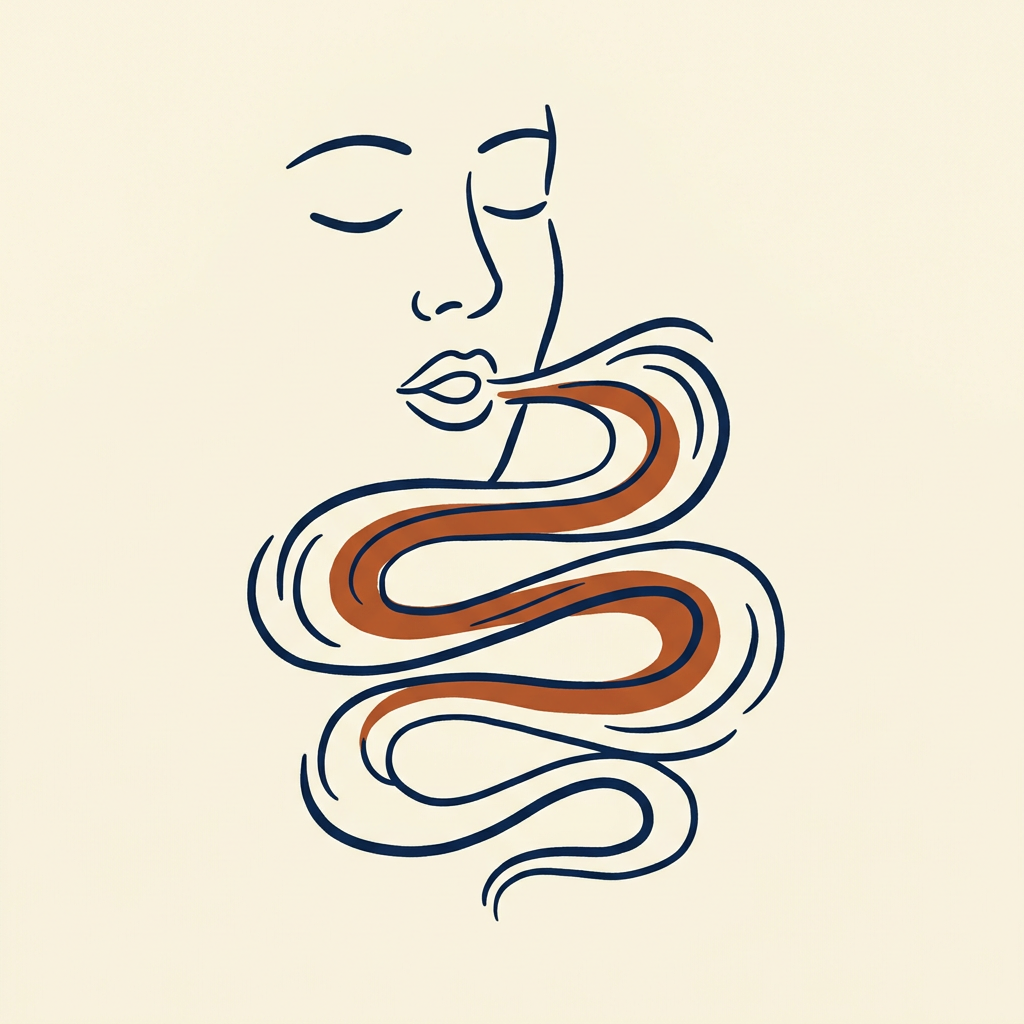
He recommends concrete downshifts: slow diaphragmatic breathing with a longer exhale than inhale, progressive muscle relaxation, brief body scans. A nervous system stuck in sympathetic mode cannot effectively savor or train compassion; it is primed for threat-scanning. Chronic trauma-rooted activation, he notes only briefly, may need more than breathing.
In practice: Before giving a difficult performance review, ninety seconds of slow breathing with a longer exhale shifts the capacity to stay present rather than reactive in the conversation itself.
5
States become traits
Enduring traits like resilience or contentment are accumulated residues of many small repeated mental states, available through consistent practice rather than reserved for the lucky.
- Passing stateOne felt moment of calm or patience
- Repeated savoringMany short holdings across weeks
- Stable traitA resting disposition toward calm or patience
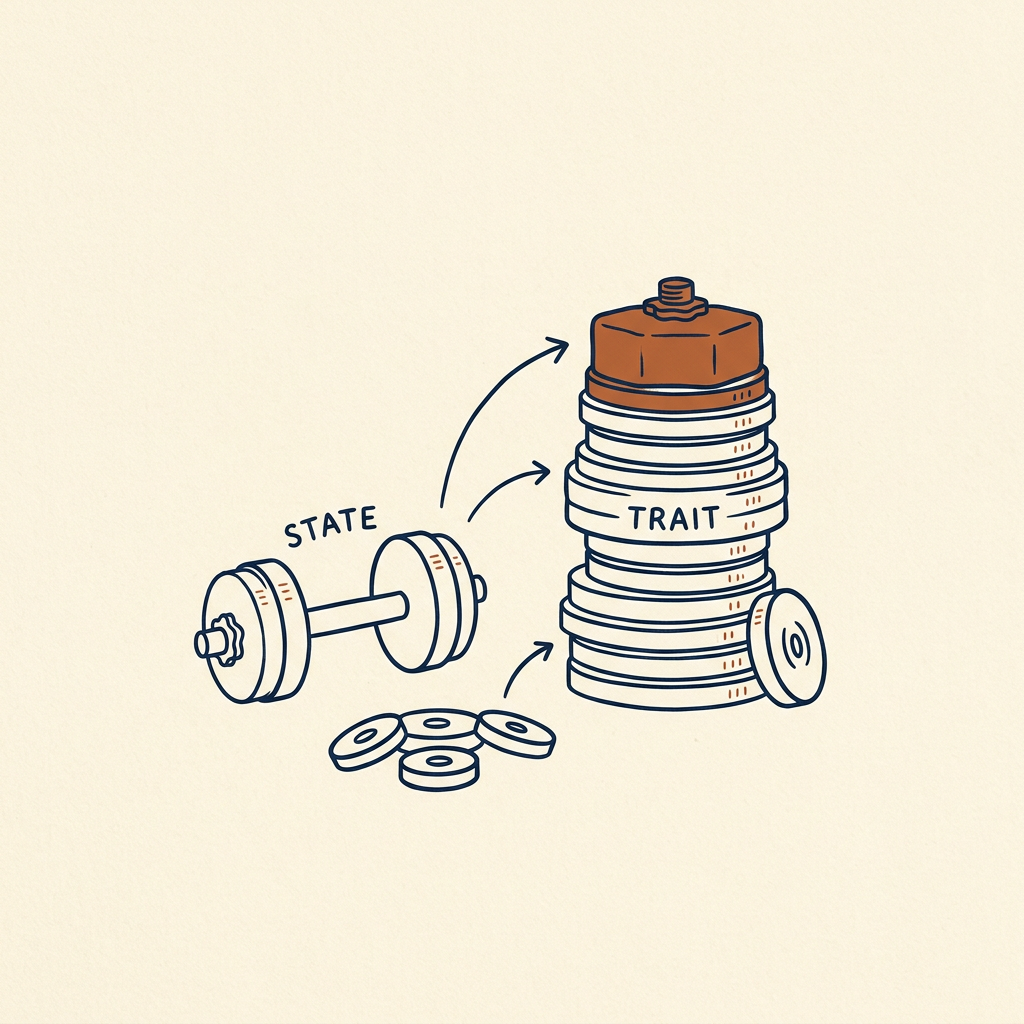
Hanson generalizes the savoring drill from single moments to durable character. A passing state of calm becomes a stable trait of calm only through repetition—the same synaptic logic, stretched across months and years.
He draws the physical-conditioning parallel. One workout does not build muscle; consistent workouts do. Mental workouts follow the same cumulative path. This is different from good luck or good genes. Anyone, he argues, can build gratitude or patience through the mechanism people already use unconsciously to build anxiety or irritability.
The practical move is to name a trait worth strengthening, then seek out or recall small moments of that trait in action and savor them on purpose. Isolated tricks become a coherent theory of character change through micro-practice.
In practice: A parent who wants less reactivity to a child's tantrums practices noticing and savoring the small moments they already respond calmly, reinforcing that circuit on purpose.
6
Three poisons, three antidotes
Most everyday suffering diagnoses as craving, aversion, or delusion—each with a neural signature and a matching counter-practice drawn from the earlier chapters.
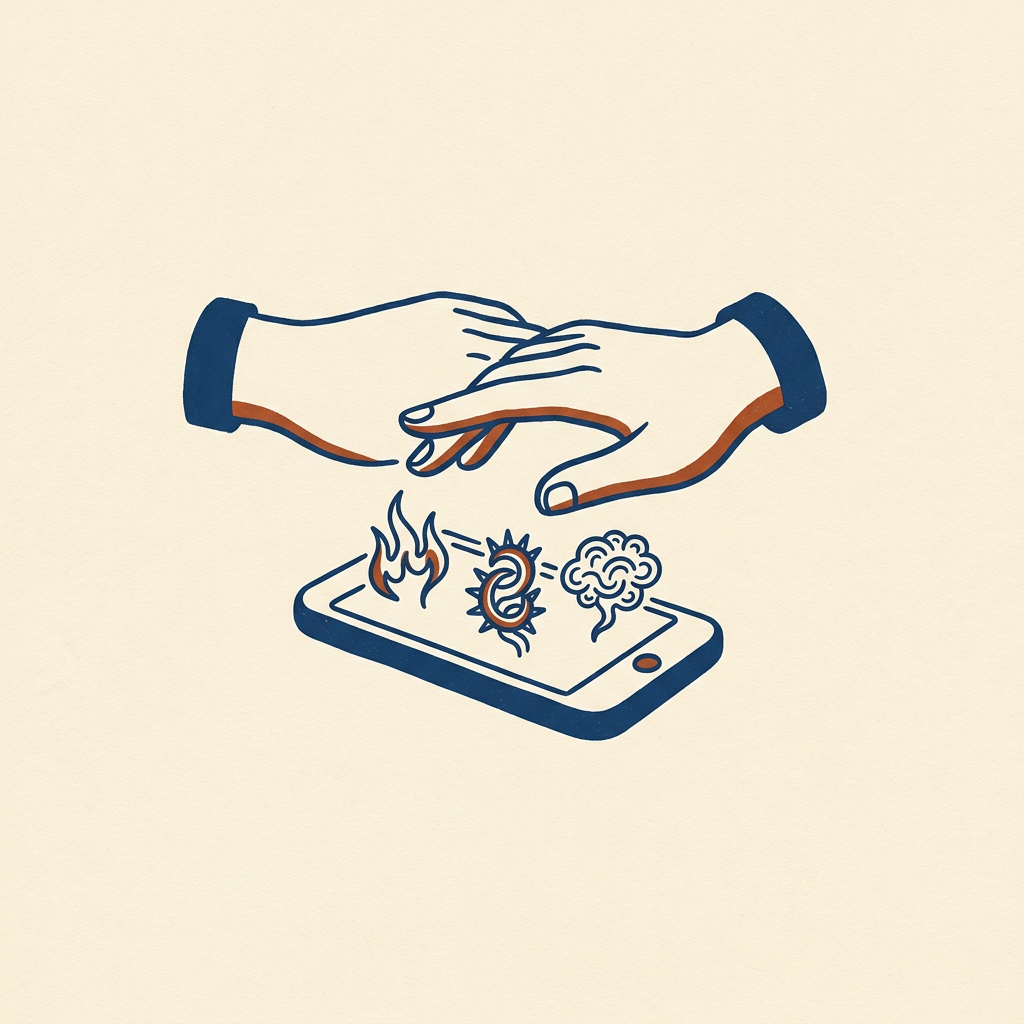
Hanson imports the Buddhist three poisons and maps them onto brain habits. Craving lines up with dopamine-driven wanting circuits that keep pursuit restless; anticipation often fires more than the reward itself, so satisfaction is structurally undercut by the chase.
Aversion lines up with threat-detection circuits that push away unpleasant experience and often amplify suffering by adding resistance on top of the raw sensation. Delusion is subtler: treating the impermanent as permanent, a temporary mood as a fixed identity, or a thought as a fact.
The antidotes reuse earlier tools. Counter craving with contentment in what is already present. Counter aversion with the calming drills. Counter delusion by watching thoughts arise and pass without immediately believing them. This is where his Buddhist commitments sit least filtered through neutral lab language.
In practice: A person scrolling social media from restless craving can notice the wanting itself as a sensation, pause, and substitute a moment of savoring something already present, short-circuiting the loop.

7
Compassion as body regulation
Because the brain is wired for social bonding, deliberately cultivating compassion toward others and oneself is a direct lever on the same threat-response system that fuels anxiety.
Hanson extends the argument into interpersonal life. Attachment circuitry, mirror systems that simulate others' feelings, and oxytocin-mediated bonding all suggest isolation and social threat register much like physical danger.
Compassion practices—wishing well for another person or for oneself in a structured form—activate the same soothing parasympathetic systems described in the calming chapter. Compassion is not only an ethical stance; it is physiological regulation. Self-compassion is harder for most people, because the negativity bias turns inward as self-criticism, and self-critical rumination lights threat circuitry as reliably as external danger.
The recommended drill starts with someone easy to feel warmth toward, then gradually extends that warmth toward oneself and later toward harder people. Compassion becomes a trainable trait, not an innate quota.
In practice: Chronic self-critics who make a mistake can unconsciously trigger the same fight-or-flight cascade as external danger, which then degrades performance—a loop broken by deliberately practiced self-compassion.

8
Wisdom as trained clear seeing
Wisdom is a trained capacity to see experience clearly without the automatic distortions of craving, aversion, and self-referential thinking—the culmination of the earlier practices, not a separate topic.
Fused reaction
Criticism confirms a threatened, permanent self
Clear seeing
Sting and self-story noticed as passing events
In the final substantive move, Hanson ties the threads under wisdom. He defines it not as accumulated facts but as perceiving purified of the automatic distortions already covered. Most suffering, he argues, rides on an overactive sense of a fixed, threatened self. Default-mode narration keeps telling a story of a me that needs protecting, and that story amplifies bias, craving, and aversion into low-grade anxiety about adequacy and safety.
Wisdom comes from practices that loosen identification with the self-narrative. Thoughts and emotions are observed as passing events in awareness rather than defining truths about who one is. That skill is built cumulatively through savoring, calming, and compassion work.
The earlier mechanical drills are not separate self-help tricks. Compounded over time, they produce the clearer seeing contemplative traditions call wisdom, closing the loop the book opened with evolutionary threat-wiring.
In practice: Receiving criticism, an unwise reaction treats it as proof of a permanent inadequate self and lights the full threat cascade; a wiser reaction notices the sting and the self-story as separate, impermanent mental events.
Key terms
- Negativity bias The brain's inherited tendency to register and store bad experiences faster and more durably than good ones.
- Experience-dependent neuroplasticity The way repeated mental activity physically strengthens some neural connections and weakens others.
- Taking in the good Deliberately holding a pleasant experience in awareness for ten to twenty seconds so it leaves a lasting trace.
- HEAL Have a positive experience, Enrich it, Absorb it, and optionally Link it to negative material to soften that material.
- Sympathetic activation The fight-flight-freeze cascade that modern stressors can leave running long after the real threat is gone.
- Three poisons Craving, aversion, and delusion—three mental habits Hanson maps onto distinct neural patterns and antidotes.
- Self-compassion Deliberately extending warmth toward oneself to interrupt the inward-turned threat response of self-criticism.
- Wisdom A trained way of seeing that loosens identification with a fixed, threatened self-story rather than a stockpile of knowledge.
What to do
- Pick one positive moment today—a thanks, a good cup of coffee, relief at a finished task—and hold it in awareness for twenty seconds instead of letting it pass in two.
- Before a stressful meeting or hard conversation, take ninety seconds of slow breathing with a longer exhale than inhale.
- At day's end, identify one moment you handled with patience or kindness and mentally replay it, noticing the specific feeling in your body.
- Name one trait you want stronger, then seek or recall a small instance of it and run the have-enrich-absorb sequence on that instance.
- When restless wanting shows up, pause long enough to feel the wanting as a sensation, then savor one already-present good thing instead.
Questions to think with
- Which recent good moment did you let vanish in about two seconds, and what would change if you held it for fifteen?
- Where does your nervous system stay activated long after the real stressor has passed?
- Which of the three poisons—craving, aversion, or delusion—shows up most often in your ordinary week?
- If a trait you want is just accumulated small states, what is the smallest daily rep you could actually keep?
- When criticism lands, how quickly do you fuse with a story about a permanent inadequate self?
The other side
The central weakness is a gap between the confidence of the neuroscience claims and the research underneath them. Hanson names structures like the amygdala, hippocampus, insula, and prefrontal cortex with a precision that implies settled science, yet much of the meditation literature he leans on used modest samples, correlational designs, and unreplicated findings. Studies of long-term meditators are often cross-sectional, so they cannot cleanly show that practice caused the brain differences rather than that certain brains were more likely to keep practicing. The book also splits its audience: readers wanting rigorous science find the citations thin, while readers wanting traditional Buddhist teaching may find rich concepts flattened into circuit language. It underserves clinical-level depression, trauma, or anxiety; the drills aim at general wellbeing, and the caveats are easy to miss inside the optimistic tone. Best read as an accessible synthesis and motivational framework, not as a rigorous scientific text.
Who it's for
Meditators who want a physiological account of why sitting changes mood over months, therapists or coaches who need concrete drills for chronic anxiety or self-criticism, and skeptics who want Buddhist psychology translated into brain-based language before they trust any of its claims.