




DOJ Moves to Remove 2 Minnesota Judges From Immigration Cases
Andrew Powell · Oct 22, 2026 · 2 min read
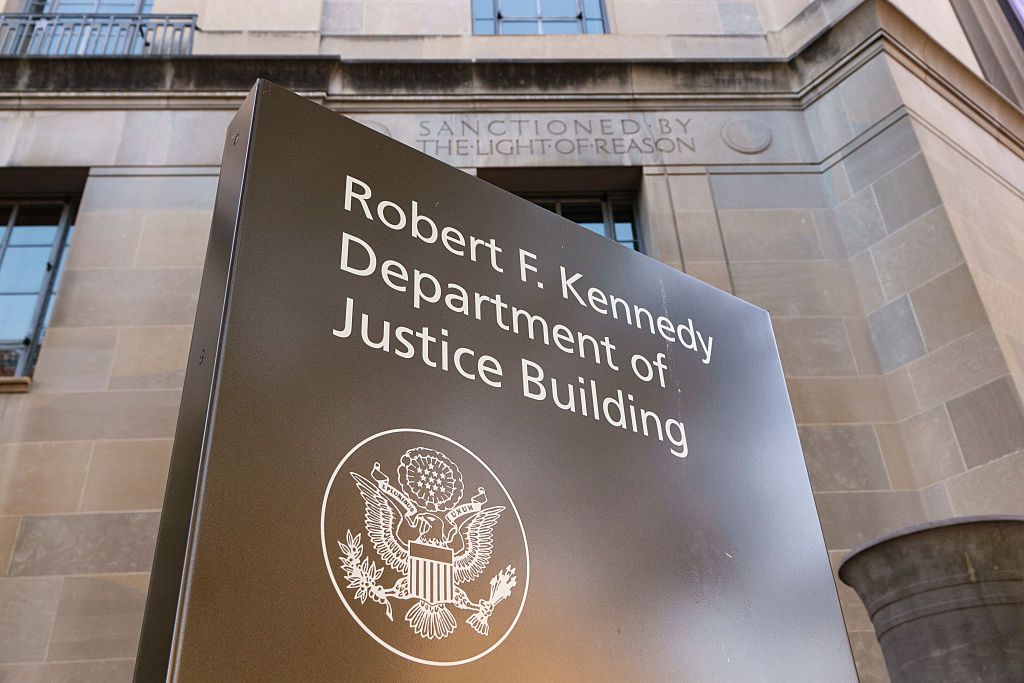
The Justice Department is seeking to remove two Minnesota federal judges from immigration-related cases after both judges spoke publicly about the Trump administration’s enforcement efforts in an interview with The New York Times.
Judges Patrick Schiltz and John Tunheim were among seven Minnesota federal judges who discussed Operation Metro Surge with the newspaper in September, per Fox News.
The DOJ now argues their public remarks raise questions about whether they can remain impartial in cases involving the administration’s immigration policies.
Schiltz is overseeing a case involving Salah Osman Ahmed, a Somali-born man who pleaded guilty in 2009 to providing material support to terrorists after joining al-Shabaab. The Justice Department is pursuing the revocation of Ahmed’s U.S. citizenship.
Tunheim is handling the prosecution of a South African national accused of falsely claiming to be a U.S. citizen and illegally voting in the 2024 election.
In a statement posted to X, the Justice Department said the judges’ participation in what it characterized as a partisan article, along with comments made by Schiltz afterward, created doubts about their ability to fairly handle the cases.
The recusal motions follow a separate judicial misconduct complaint filed by DOJ last month against Schiltz, Tunheim and other Minnesota judges who participated in the Times report. The department asked the Eighth Circuit to investigate whether the judges violated judicial ethics rules.
The Times report described regular communication among Minnesota’s federal judges as they handled a surge of immigration cases connected to Operation Metro Surge. The judges reportedly held meetings, exchanged emails and used an informal spreadsheet to identify colleagues who could be consulted about recurring legal issues.
Chief Judge Eric Tostrud has maintained that the judges independently decided every case assigned to them.
Schiltz previously rejected suggestions that he should recuse himself, saying he had not commented on the merits of any individual case. He said his public remarks focused on the rule of law and the importance of complying with court orders.
Charles “Cully” Stimson, a senior legal fellow at the Heritage Foundation and former federal prosecutor and military judge, said judges generally should avoid public comments that could overlap with matters before them.
Stimson said he would recuse himself if the Times interview were the only relevant fact, while also cautioning that the complete record would need to be considered before determining whether recusal is legally appropriate.
If Schiltz or Tunheim rejects DOJ’s request, the department could seek review from the Eighth Circuit. A three-judge panel would then consider whether the government has met the legal standard for recusal.