




Exit Poll Shift Leaves Netanyahu and Opposition Facing Tough Coalition Fight
Andrew Powell · Oct 28, 2026 · 2 min read
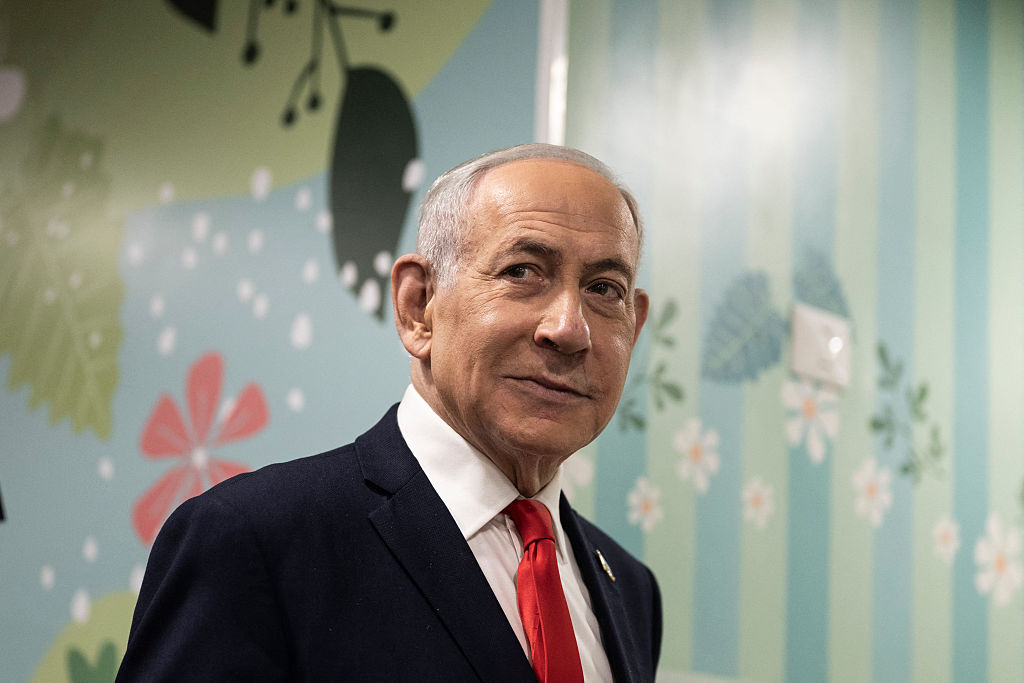
Prime Minister Benjamin Netanyahu’s political bloc gained ground in updated Israeli exit polls Wednesday, but the numbers still showed him short of the 61 seats needed to control the Knesset.
A Channel 12 projection released at 3:30 a.m. Israel time gave Netanyahu’s right-wing and religious bloc 53 seats, according to Fox News.
The opposition led by former military chief Gadi Eisenkot was projected to win 49 seats, while Arab parties were expected to take another 19.
Combined, the opposition and Arab parties would control 68 of the Knesset’s 120 seats. But that figure does not mean they have a governing coalition, as the parties remain divided over whether and how they could work together.
Netanyahu delivered a confident speech at Likud headquarters in Jerusalem, pointing to his party’s projected position as the largest in the country and calling for a right-wing government.
“We are still waiting for the actual results, which we will receive over the next day or two,” Netanyahu told supporters. He said one point was already clear: “Likud is the largest party in Israel.”
Netanyahu also warned against forming a government that relies on Arab parties and said Israel has a “once-in-a-lifetime historic opportunity” with President Donald Trump to address what he described as the existential threat posed by Iran.
Eisenkot had earlier addressed supporters in Tel Aviv after initial projections showed the opposition performing strongly. He urged Netanyahu to accept the results and leave office, though the later exit-poll figures showed that the contest was far from settled.
The election drew unusually strong participation, with 77.7% of eligible voters casting ballots by the time polls closed, according to Israel’s Central Elections Committee. It was the highest turnout recorded since 1999, reflecting the stakes surrounding the vote.
The election was the first national vote since the Oct. 7, 2023, Hamas massacre, when approximately 1,200 people were killed and 251 were abducted. Netanyahu campaigned heavily on Israel’s military record and his handling of threats from Iran and its regional allies, while opponents criticized him over the security failures preceding the attack and his government’s response to investigations into those failures.
The next stage will depend on the final vote totals and coalition negotiations. Israel’s president, Isaac Herzog, will consult with elected factions before selecting the lawmaker he believes has the best chance of forming a government.
That candidate will have 28 days to build a coalition, with a possible 14-day extension. Official results are scheduled to be released by Nov. 4, meaning Netanyahu’s political future could remain uncertain for weeks.