




Exxon and Chevron Cash In While Drivers Face Rising Gas Prices
Andrew Powell · Oct 31, 2026 · 2 min read
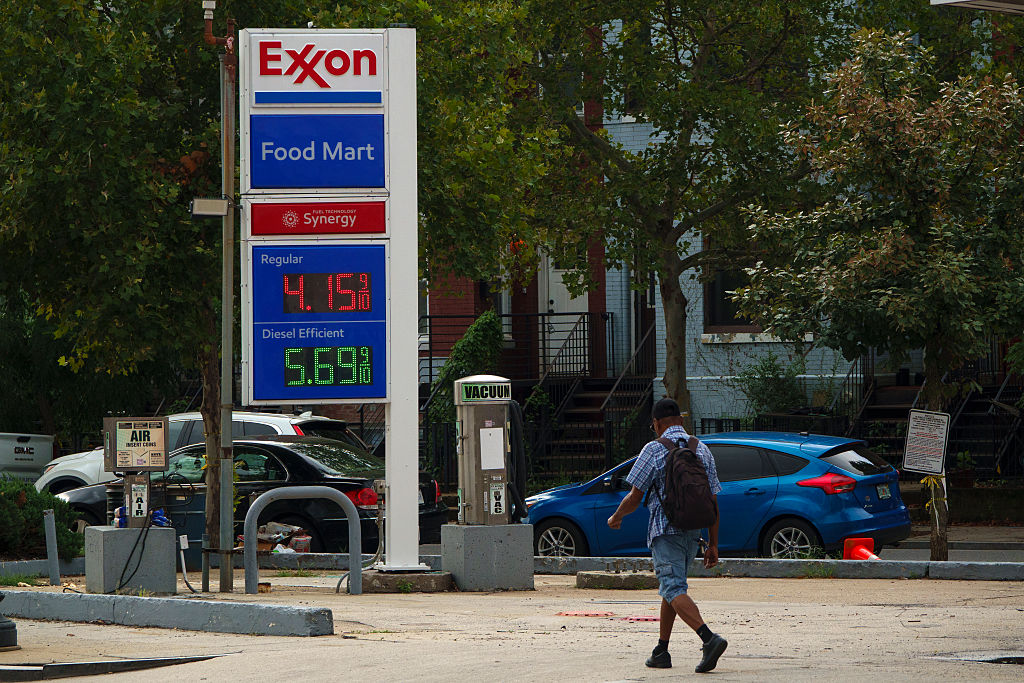
Major U.S. oil companies reported strong third-quarter results as global conflicts disrupted energy supplies and pushed fuel prices higher, leaving American drivers to absorb much of the pain at the gas pump.
According to FOX Business, ExxonMobil and Chevron both saw significant gains in their refining businesses. ExxonMobil, the country's largest oil company by market capitalization, reported that refining operations generated more revenue than its exploration and drilling business for the first time in at least six years.
Chevron also recorded its strongest downstream earnings for a third quarter over that same period.
The companies' results come as disruptions tied to the war in Iran and the Russia-Ukraine conflict have placed additional pressure on global energy supplies. Attacks targeting energy infrastructure and interruptions to oil shipments from the Middle East have contributed to higher prices.
American motorists have seen those pressures reflected in what they pay for gasoline. AAA reported that the national average for regular gas stood at $4.20 per gallon Friday, down from $4.43 a month earlier but considerably higher than the $3.03 average recorded one year ago.
Diesel prices have also climbed sharply. AAA reported that the national average reached a record $6.52 per gallon on Sept. 22.
Those increases extend beyond drivers filling up their vehicles. Diesel is a major expense for trucking companies, and higher transportation costs can eventually affect prices for groceries and other products shipped to retailers.
Federal inflation figures show just how quickly fuel costs have changed. The September Consumer Price Index report from the Bureau of Labor Statistics found gasoline prices increased 9.1% from August and were 34.2% higher than a year earlier.
Prices have fluctuated significantly since the Iran war began in late February. Gasoline costs jumped 21.2% in March, followed by additional monthly increases in April and May.
A temporary easing of tensions helped bring prices down in June and July, when gasoline costs fell 9.7% and 2.9%, respectively. Concerns about renewed fighting and possible supply disruptions then pushed prices higher again, with increases of 3.9% in August and 9.1% in September.
The latest figures highlight the divide between oil companies benefiting from changing energy-market conditions and consumers facing elevated costs for fuel and everyday goods.