




New Excavation Offers Clues to Jesus’ Burial Site
Andrew Powell · Sep 2, 2026 · 2 min read
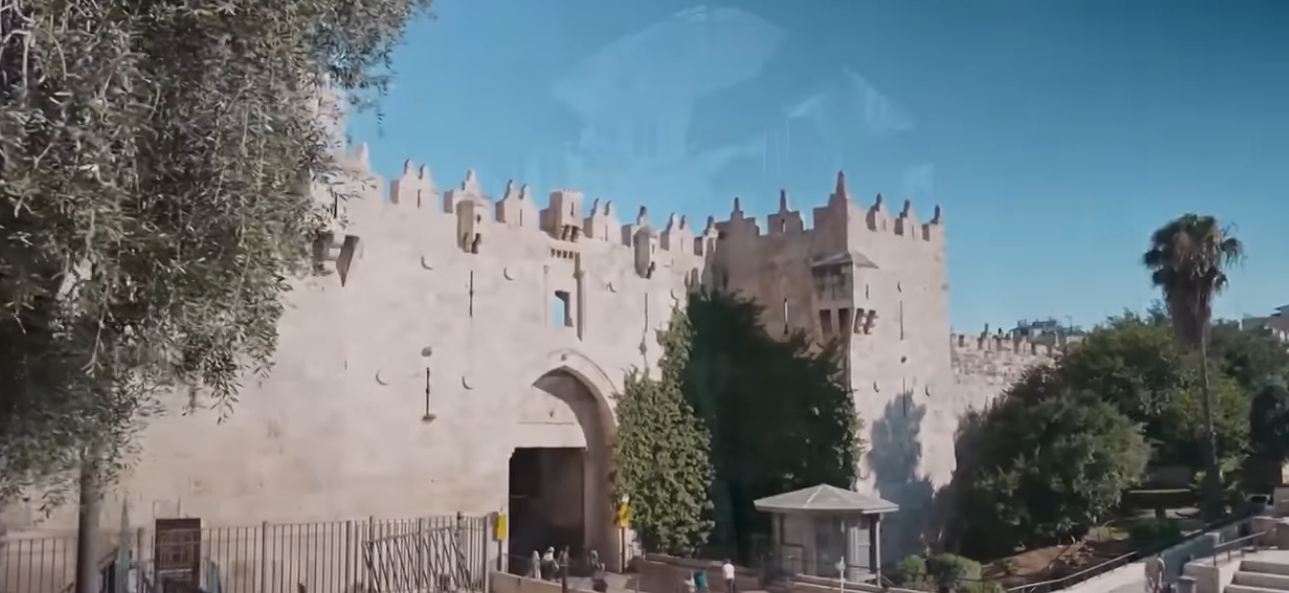
A new archaeological excavation beneath Jerusalem’s Church of the Holy Sepulchre has revealed evidence that may help reconstruct what the area looked like around the time of Jesus’ crucifixion and burial.
According to Fox News, Francesca Stasolla, an archaeology professor at Sapienza University of Rome, led the excavation in 2025.
The findings were detailed in a 98-page preliminary report recently published in Liber Annuus, an archaeological journal produced by Jerusalem’s Studium Biblicum Franciscanum.
The excavation focused on layers beneath one of Christianity’s most important pilgrimage sites. Researchers found ancient seeds and pollen dating to the period between the site’s use as a quarry and its later Roman occupation.
Stasolla previously told Fox News Digital that the evidence points to a transition in how the area was used.
“The quarry had to be gradually abandoned, and as the stone extraction ended, it was used for agricultural areas and tombs,” she said.
“This must have been what it looked like in the first century A.D.”
The discovery has drawn attention because it corresponds with a detail recorded in the Gospel of John. John 19:41 describes a garden at the location where Jesus was crucified and says there was a new tomb there.
Stasolla said the seeds and pollen came from layers dating to the period when the quarry was being abandoned, and the area began serving agricultural and funerary purposes.
The Church of the Holy Sepulchre has been identified as the site of Jesus’ crucifixion and burial since the reign of Roman Emperor Constantine in the fourth century. The first church was constructed there during that period, and the location has remained a Christian pilgrimage destination for nearly 1,700 years.
Douglas Estes, an associate professor of religion at New College of Florida who specializes in early Christianity and was not involved in the excavation, said the findings are significant.
Estes noted that some scholars have questioned the historical accuracy of details in the Gospel of John. He pointed to earlier archaeological discoveries, including evidence supporting John’s description of five colonnades at the Pool of Bethesda in Jerusalem.
He said the discovery of evidence for a garden in the area provides another example of archaeology matching a detail in John’s Gospel.
“Archaeology has ‘over time, confirmed, again and again, details from the Gospel of John,’” Estes said.
He added that he hopes future excavations will reveal more about first-century Judaism, Christianity, and the life of Jesus.
“It’s an exciting time to be alive,” Estes said, describing discoveries ranging from the Dead Sea Scrolls to the newly documented funerary landscape beneath the church.
Watch the video below:
Get every new post by email
No spam, no account needed. Unsubscribe anytime.