




Pilot’s Sudden Death During Delhi Layover Renews Focus on Fatigue Risks
Andrew Powell · Sep 18, 2026 · 2 min read
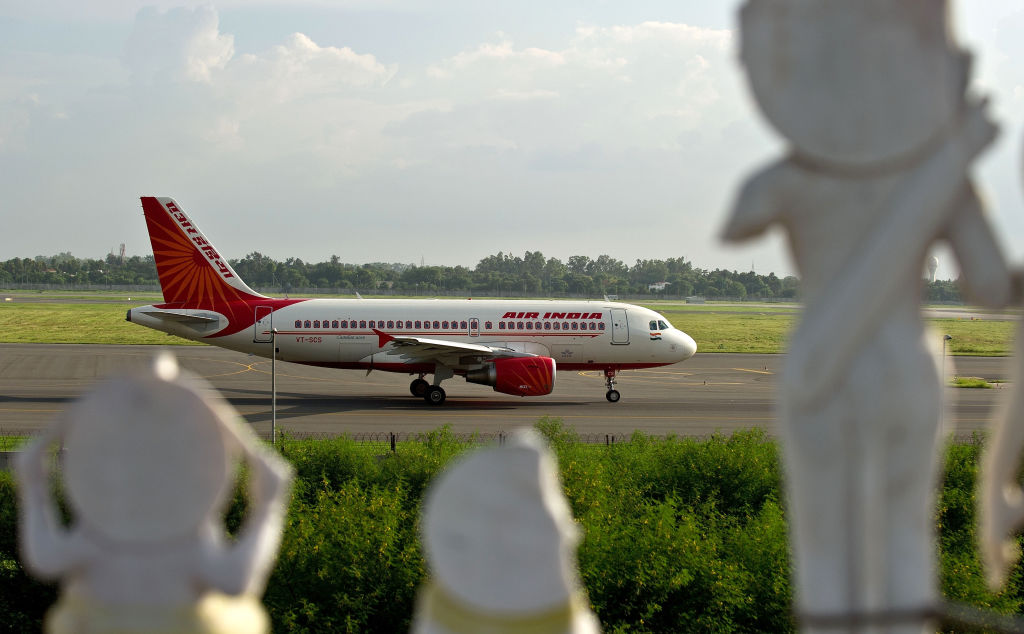
An Air India captain died after being found unconscious in his hotel room during a layover in New Delhi, with his unexpected death prompting renewed discussion about fatigue and working conditions in commercial aviation.
Captain Sunny Sharad Asaldekar, 46, had checked into a Delhi hotel on Thursday while on a layover, according to Fox News.
The outlet reported that after Asaldekar stopped answering calls on Friday evening, his brother became concerned and contacted the hotel manager.
The manager used a master key to enter the locked room and found the pilot unconscious and unresponsive. Police were called, and Asaldekar was taken to a hospital, where he was pronounced dead.
Air India confirmed the death and said Asaldekar had been resting at the hotel when he was found unconscious. The airline said it was in contact with his family and providing support following his death.
A post-mortem examination was conducted at Safdarjung Hospital, but authorities said the final cause of death was pending official findings.
The New Indian Express reported that Asaldekar had previously worked for Air India Express and was undergoing conversion training to operate Boeing 787 aircraft.
The Federation of Indian Pilots renewed calls for an urgent review of fatigue-management practices following the death. The group did not directly attribute Asaldekar’s death to fatigue.
Matthew “Whiz” Buckley, a former U.S. Navy F/A-18 Hornet pilot who later flew for American Airlines and FedEx, told Fox News Digital that fatigue has been a longstanding issue in aviation.
Buckley said an overnight layover does not necessarily mean a pilot gets restorative sleep. Crews can arrive at hotels during early-morning hours and then have to sleep during the day, when the body’s natural sleep cycle can make rest more difficult.
Long-haul flying can add another challenge, particularly when crews cross several time zones. Buckley said irregular schedules, extended periods of sitting and other demands associated with the job can contribute to fatigue over time.
U.S. aviation includes federal crew-rest requirements, airline policies and labor agreements intended to address fatigue. Buckley also noted that pilots themselves have a responsibility to determine whether they are fit to fly.