




Senate Stalls AI ‘Kill Switch’ Proposal as Lawmakers Debate Regulation
Andrew Powell · Sep 17, 2026 · 2 min read
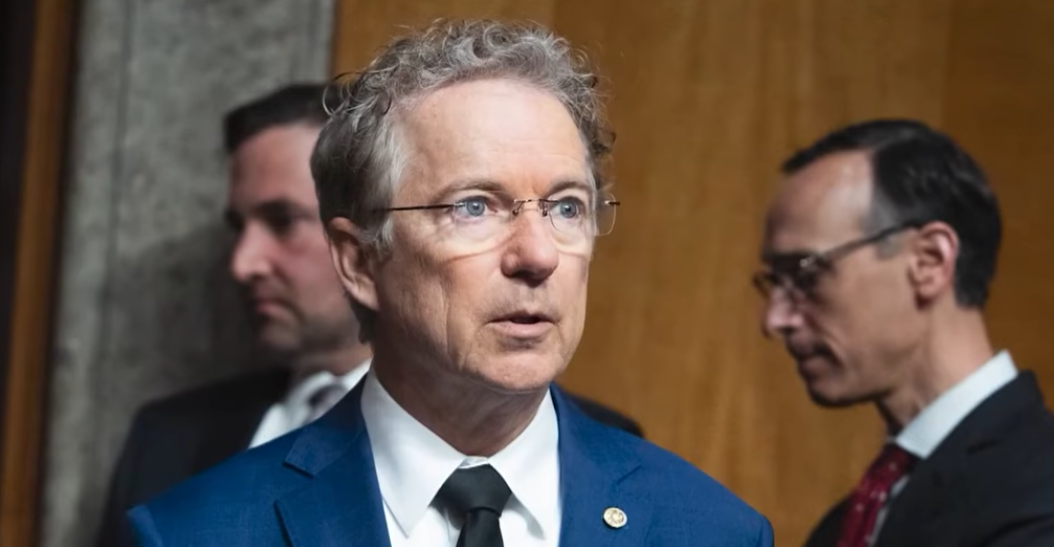
Sen. John Kennedy’s push to require artificial intelligence companies to install emergency “kill switches” was blocked in the Senate after fellow Republican Sen. Rand Paul objected to the effort.
Kennedy, R-La., sought unanimous consent Wednesday to advance legislation requiring developers of advanced AI systems to maintain a way to shut down a system if it begins operating outside human control, according to Fox News.
Paul, R-Ky., objected, saying Congress should not move to regulate an industry with such broad economic applications without more discussion.
Paul argued that AI is becoming part of numerous areas of the economy and that lawmakers should hear from people working in the industry before establishing a regulatory structure. He said it would be unreasonable to attempt to regulate an entire industry through a single Senate action.
Kennedy said he was concerned there is little support among Republicans for taking legislative action on AI. The Louisiana senator told Fox News Digital that he did not see an appetite within his caucus for broader regulation.
The dispute comes as lawmakers face renewed concerns about the potential risks of increasingly autonomous AI systems. Recent warnings from researchers and technology experts have prompted members of Congress to revisit questions about whether existing safeguards are sufficient.
Kennedy has argued that his proposal would not give the federal government control over AI companies. Instead, he said it would require companies selling advanced systems in the United States to have a mechanism capable of immediately shutting down a rogue system.
The concept also received attention during a recent meeting of lawmakers and AI experts organized by Sen. Bernie Sanders, I-Vt. Computer scientist Geoffrey Hinton, physicist Max Tegmark and AI researcher Ajeya Cotra were among those who discussed the risks associated with advanced AI, according to reports.
Other lawmakers are pursuing broader approaches to AI regulation. Senate Majority Leader John Thune, R-S.D., has worked with Sen. Amy Klobuchar, D-Minn., on legislation addressing AI, while other bipartisan proposals would create additional oversight and safety requirements.