




Supreme Court Rejects Emergency Bid to Enforce New Mail Ballot Requirements
Andrew Powell · Sep 15, 2026 · 2 min read
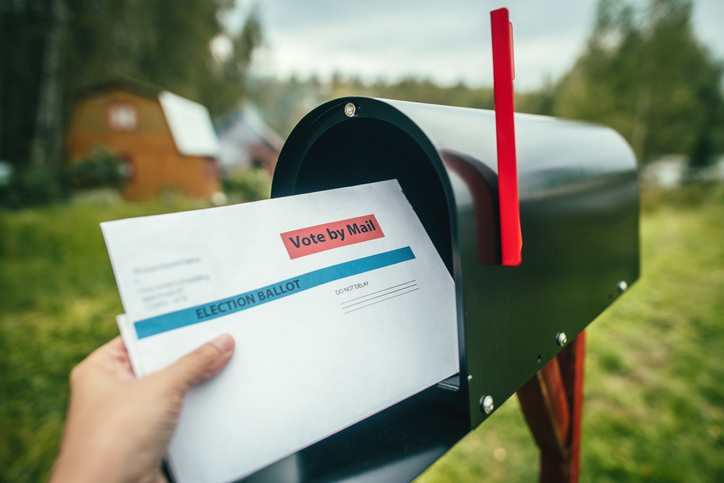
The Supreme Court on Monday rejected the Trump administration’s request to put new U.S. Postal Service restrictions on mail-in ballots into effect before the 2026 midterm elections. The decision leaves in place a lower court’s nationwide preliminary injunction blocking the rules.
According to Fox News, the USPS rules, which were finalized in August after President Donald Trump directed the agency to develop new election-mail standards, would impose several requirements on states and local election officials.
Federal ballot mail would have to use envelopes featuring an election-mail logo, be compatible with high-speed scanning equipment and include a barcode unique to each voter.
Election officials would also have to submit envelope designs to USPS for approval and provide basic voter information through a Postal Service online portal.
Mail that failed to meet the requirements could be rejected by the Postal Service and returned to election officials for correction and resubmission.
Lower courts blocked implementation after finding that the late changes could create significant problems for election administrators preparing for the November election.
The Supreme Court’s order kept that injunction in effect. The justices said the government had not made the showing necessary for emergency relief, including demonstrating that the requirements justified lifting the lower court’s order at this stage.
Justice Brett Kavanaugh agreed that the rules should remain blocked for the 2026 election, although he indicated that the Postal Service could have statutory authority to impose some of the requirements.
He wrote that putting the rules into effect now could be considered “arbitrary and capricious” because state and local officials did not have enough time to implement them.
Justice Samuel Alito dissented, joined by Justice Clarence Thomas. Alito argued that the administration had met the requirements for a stay and maintained that USPS has broad authority over the collection, handling, transportation, and delivery of mail.
The case arose after states and other challengers sued over the new requirements. A federal judge in Massachusetts issued a nationwide preliminary injunction, and the 1st U.S. Circuit Court of Appeals later declined to lift it before the administration sought emergency intervention from the Supreme Court.