




Why Shackleton's ice trap became a case study in group survival
Leadership under total deprivation works less through grand strategy than through reading morale continuously and shaping the daily conditions that keep a group from fracturing.
IJR · Oct 25, 2026 · 12 min read
In 60 seconds
- Pressing into denser Weddell Sea pack ice than the season allowed trapped the ship and killed the crossing goal months before the crew understood it.
- Nine months of frozen monotony tested the men harder than later acute crises; invented tasks, strict schedules, and rotated assignments held them together.
- Once ice crushed the hull, one plain goal—get off the ice alive—proved easier to sustain than open-ended hope.
- Shackleton posted dwindling food and drift figures openly while silently managing a private list of men he feared would break.
- Landfalls and ocean crossings turned on crew specialists such as navigator Frank Worsley, not on one man's heroics alone.
- A final unmapped mountain trek, then repeated rescue attempts, brought every member of the expedition home alive.
The big idea
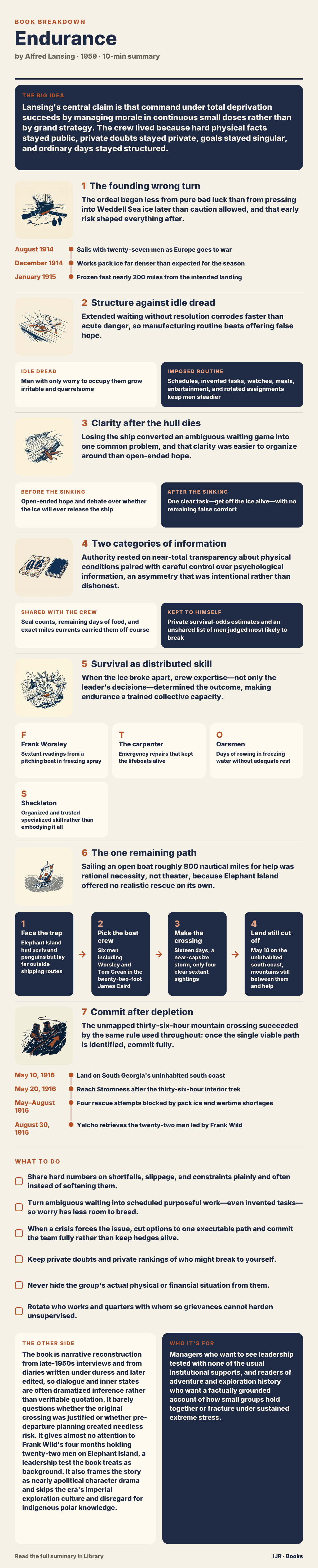
Lansing's central claim is that command under total deprivation succeeds by managing morale in continuous small doses rather than by grand strategy. The crew lived because hard physical facts stayed public, private doubts stayed private, goals stayed singular, and ordinary days stayed structured.
The book in brief
In August 1914 Shackleton sailed south aiming to make the first foot crossing of Antarctica. The Endurance pushed into the Weddell Sea later than caution allowed. Pack denser than the season should have produced soon locked the ship. By mid-summer the stated goal was already finished, though no one aboard fully grasped it. What remained was a long fight to stay alive.
Months of drift followed. Currents moved the ice. Cold and monotony did more damage than any single emergency. The answer was routine, watches, regular meals, light entertainment, and quiet work on boats and sledges without a public admission of defeat. Waiting itself was treated as the threat to cohesion.
When the hull finally gave way and sank, the ambiguity sank with it. Camps on floating floes replaced the ship. Seal and penguin hunts became the daily arithmetic. A leader who named the situation without soft edges held more trust than one offering comfort he could not deliver.
Ice breakup forced three lifeboats toward barren rock. From there a small open-boat party went for help across the Southern Ocean while the rest waited under another man's command. The last phase demanded an interior mountain crossing no one had mapped and repeated rescue tries through pack ice and wartime ship shortages.
The story lands on a practical mechanism. Shared facts, undivided purpose, specialized skills trusted in others, and deliberately engineered ordinary days kept a stranded crew intact when nature left almost no margin. Every man came home.
Context
Lansing reconstructed the ordeal in 1959 from crew diaries and interviews with survivors. The book mattered because it turned a failed expedition into one of the defining case studies of group survival and steady-handed command under prolonged, escalating crisis.
The key ideas
1
The founding wrong turn
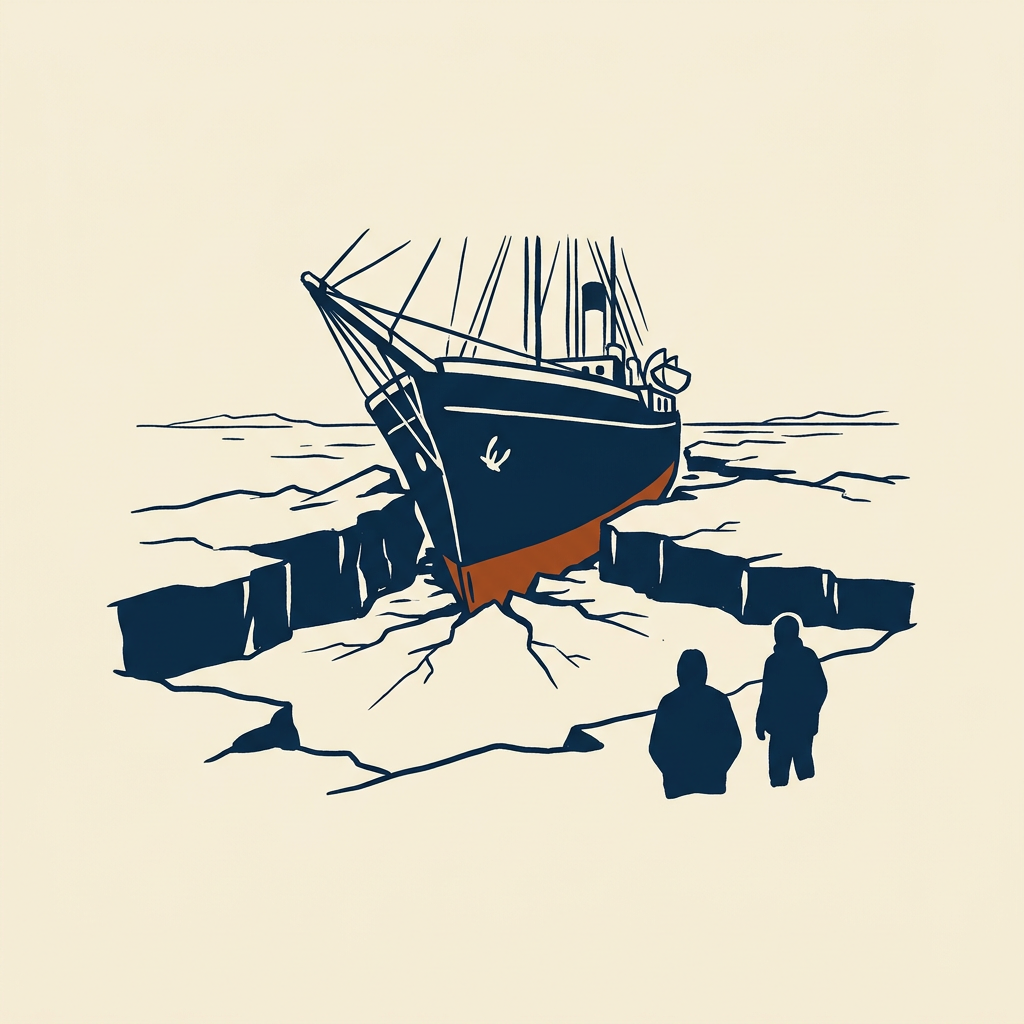
The ordeal began less from pure bad luck than from pressing into Weddell Sea ice later than caution allowed, and that early risk shaped everything after.
- August 1914Sails with twenty-seven men as Europe goes to war
- December 1914Works pack ice far denser than expected for the season
- January 1915Frozen fast nearly 200 miles from the intended landing
The plan required a landing on a coast that was ice-choked even in good years. By December the pack was denser than anyone expected for the season. Shackleton faced a clean choice: turn back toward open water or gamble that a lead would open ahead.
He pressed on. Lansing refuses to treat the moment as an isolated blunder. It becomes the founding condition of the whole story. A leader whose defining trait was decisive forward motion applied that trait to a problem where forward motion was exactly the wrong instinct.
By January the ship sat frozen fast, immobilized far from the intended landing. The crossing was already over. The men did not yet know it. The book asks readers to hold two facts at once rather than collapse them into simple heroism or simple recklessness: the same refusal to accept defeat that later saved the crew is also what put them in the ice.
In practice: When denser pack appeared in December, Shackleton gambled on pressing forward rather than retreating to open water, and by January the ship was locked nearly 200 miles from its landing site.

2
Structure against idle dread
Extended waiting without resolution corrodes faster than acute danger, so manufacturing routine beats offering false hope.
Idle dread
Men with only worry to occupy them grow irritable and quarrelsome
Imposed routine
Schedules, invented tasks, watches, meals, entertainment, and rotated assignments keep men steadier
From January to October 1915 the ship sat locked in drifting pack. Currents carried it on paths the men could not choose. There was no single crisis to rally around—only cold, monotony, and uncertainty about whether the ice would ever release them.
Shackleton answered with practice, not rhetoric. Strict schedules stayed in force. Tasks were assigned even when the tasks were largely invented. Watches continued. Meals stayed regular. A midwinter celebration still happened in June. Quietly, sledges and boats were readied without any public declaration that the ship was doomed.
Crew diaries, as Lansing reads them, show the mechanism. Men left with nothing to do but worry grew irritable and quarrelsome. Men given repetitive, purposeful work stayed steadier. Tent and watch assignments were rotated so discontented men could not sit together and reinforce one another's grievances unsupervised.
Leadership here meant engineering the conditions of the day. Speeches were few. The real work was keeping morale from decaying during the stretch that first tested the crew.
In practice: Across the nine frozen months he kept normal watches and staged a midwinter celebration while quietly preparing boats and sledges without announcing defeat.
3
Clarity after the hull dies
Losing the ship converted an ambiguous waiting game into one common problem, and that clarity was easier to organize around than open-ended hope.
Before the sinking
Open-ended hope and debate over whether the ice will ever release the ship
After the sinking
One clear task—get off the ice alive—with no remaining false comfort
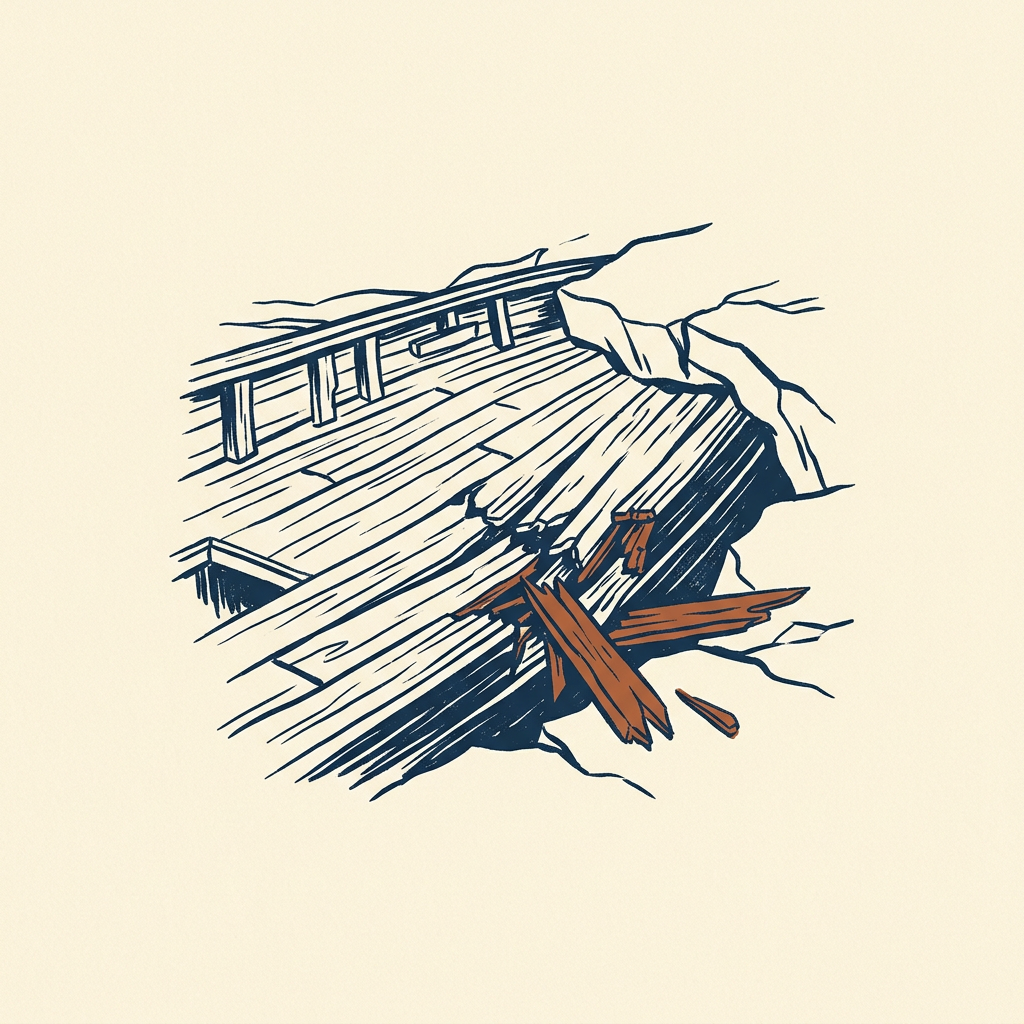
Shifting pack finally crushed the hull beginning in late October. Over weeks the men watched the ship destroyed timber by timber before it sank on November 21. Lansing frames the loss less as the birth of despair than as its opposite.
Once the ship was gone, the ambiguity was gone. No more debate about whether to abandon. No more hoping the ice would relent. One unambiguous task remained: get everyone off the ice alive. That singular problem was easier to organize around than months of unresolved waiting.
The speech when the ship went down was brief and unsentimental—situation and plan, not a rally. A march hauling boats toward land failed within days because the ice terrain made hauling nearly impossible. The men settled into Ocean Camp and later Patience Camp, drifting for months and hunting seals and penguins.
A pattern locks in. Concrete grim goals beat vague hope. A leader who names the actual situation without minimizing it earns more trust than one who offers comfort he cannot deliver.
In practice: After the sinking, the crew stopped debating whether the ice might relent and organized around the single job of staying alive on the floes.

4
Two categories of information
Authority rested on near-total transparency about physical conditions paired with careful control over psychological information, an asymmetry that was intentional rather than dishonest.
Shared with the crew
Seal counts, remaining days of food, and exact miles currents carried them off course
Kept to himself
Private survival-odds estimates and an unshared list of men judged most likely to break
Through the early 1916 drift, food became daily arithmetic: seals shot, days of blubber and meat left, miles the current had carried them. Those hard numbers went public. They were posted, discussed, and left where men could check the math themselves.
Private doubts were another matter. Assessments of the real odds of reaching land stayed quiet. So did fears about individual mental states. A list no one else saw ranked which men seemed most likely to break. Tent assignments and workloads shifted to match, without explanation.
Lansing treats the split as the point, not a flaw. Honesty about facts plus controlled silence about fears is what sustained trust. Had the private grim odds been shared, morale would likely have collapsed faster than the physical hardship warranted.
The handling of Ocean Camp's slow drift off course shows the method cleanly. The exact miss from the hoped-for landing was reported. The leader's own later-admitted view that overall survival chances were grim was not.
In practice: When currents pushed Ocean Camp off course in April 1916, the crew heard precisely how far they had missed the landing, but not his private estimate of their odds.
5
Survival as distributed skill
When the ice broke apart, crew expertise—not only the leader's decisions—determined the outcome, making endurance a trained collective capacity.
- FFrank WorsleySextant readings from a pitching boat in freezing spray
- TThe carpenterEmergency repairs that kept the lifeboats alive
- OOarsmenDays of rowing in freezing water without adequate rest
- SShackletonOrganized and trusted specialized skill rather than embodying it all
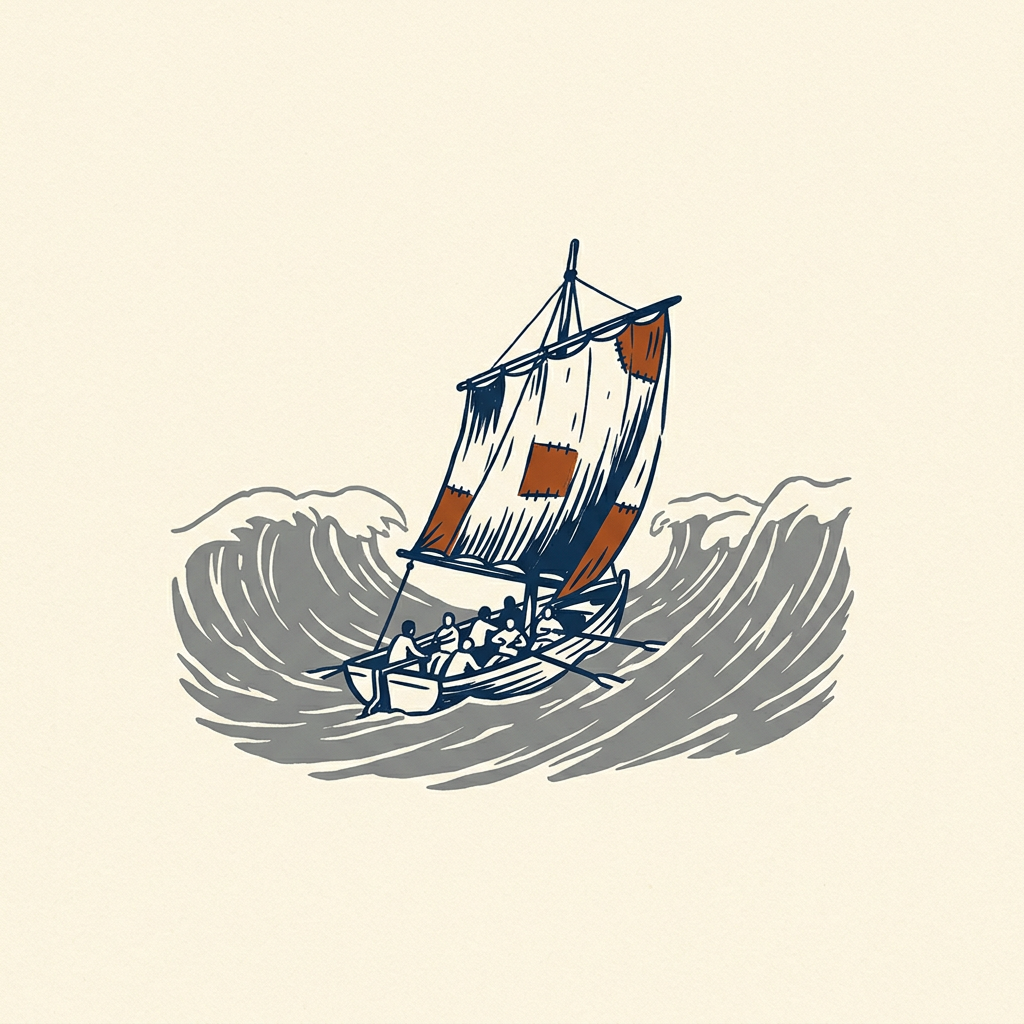
In April 1916 the floe under camp began to break up. Three small lifeboats salvaged from the ship took the men on a five-day passage through the Southern Ocean to Elephant Island. Here the narrative deliberately widens.
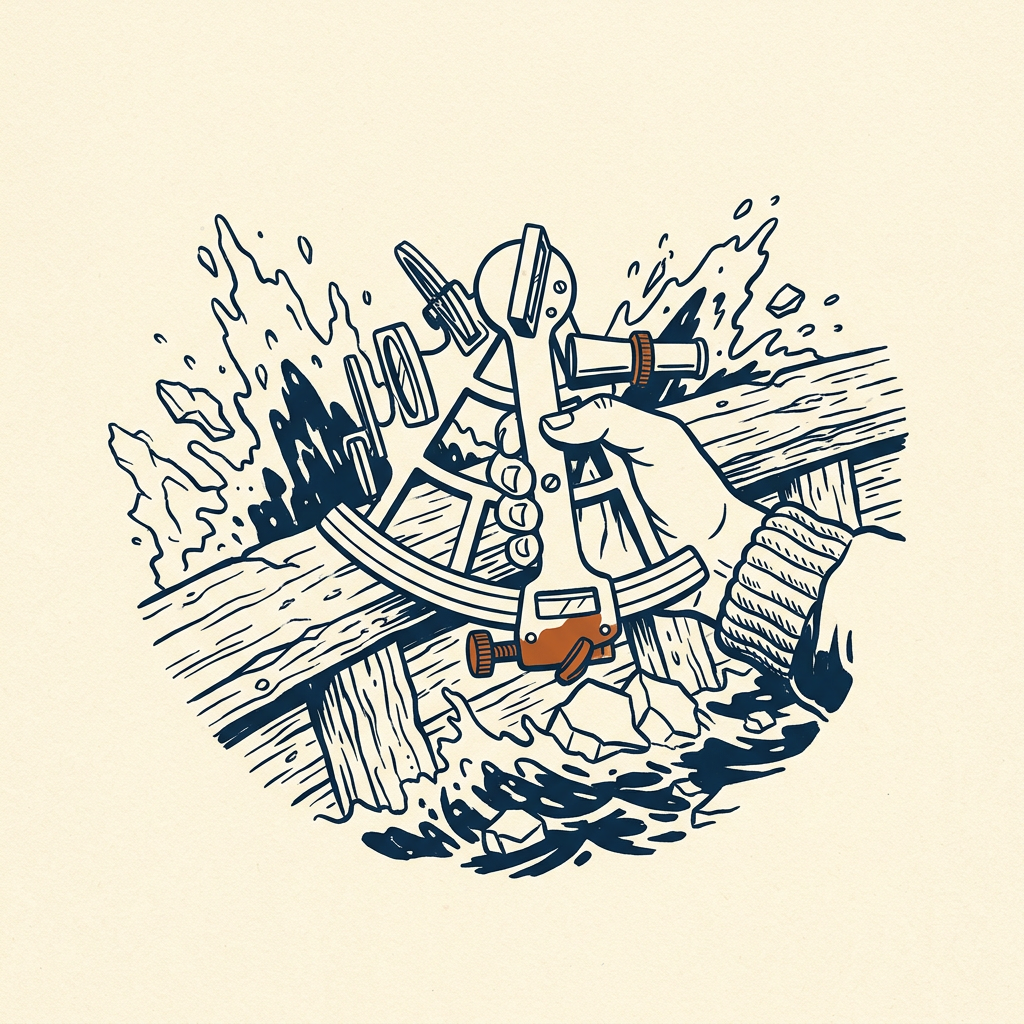
Frank Worsley, the captain, took sextant readings from a pitching boat in freezing spray—work that made ordinary navigation nearly impossible. The carpenter kept the boats intact. Oarsmen pulled through freezing water for days without adequate rest.
They stepped onto solid ground on April 15, the first time in nearly a year and a half. Elephant Island still offered no real safety: barren rock, seals and penguins for food, and no shipping routes that might bring rescue.
The leadership story complicates itself. Morale and major decisions still ran through Shackleton, yet physical survival repeatedly hinged on technical skills held by other men. The leader's job was to organize and trust that expertise rather than perform every skill himself.
In practice: Worsley's sextant work in spray during the five-day lifeboat run made landfall possible when conditions erased ordinary navigation.
6
The one remaining path
Sailing an open boat roughly 800 nautical miles for help was rational necessity, not theater, because Elephant Island offered no realistic rescue on its own.
- 1Face the trapElephant Island had seals and penguins but lay far outside shipping routes
- 2Pick the boat crewSix men including Worsley and Tom Crean in the twenty-two-foot James Caird
- 3Make the crossingSixteen days, a near-capsize storm, only four clear sextant sightings
- 4Land still cut offMay 10 on the uninhabited south coast, mountains still between them and help
No ship was going to find them on that rock. Staying meant slow starvation. Six men, including Shackleton, Worsley, and Tom Crean, took the twenty-two-foot James Caird toward South Georgia across the Southern Ocean.
Lansing strips away the pure-heroics frame. The voyage was simply the only option left that offered an actual chance. Sixteen days brought constant freezing exposure, a hurricane-force storm that nearly capsized the boat, and navigation built on only four clear sextant sightings.
A navigational error of even a few degrees would have missed the island entirely and lost them at sea. They landed the uninhabited southern coast on May 10, still cut off from whaling stations by a mountain range no one had crossed.
With only one viable path left, decision-making simplified. The leader's role shrank from weighing alternatives to executing the remaining plan with total commitment.
In practice: The James Caird party accepted the Southern Ocean crossing because remaining on Elephant Island meant starvation with no realistic hope of being found.
7
Commit after depletion
The unmapped thirty-six-hour mountain crossing succeeded by the same rule used throughout: once the single viable path is identified, commit fully.
- May 10, 1916Land on South Georgia's uninhabited south coast
- May 20, 1916Reach Stromness after the thirty-six-hour interior trek
- May–August 1916Four rescue attempts blocked by pack ice and wartime shortages
- August 30, 1916Yelcho retrieves the twenty-two men led by Frank Wild
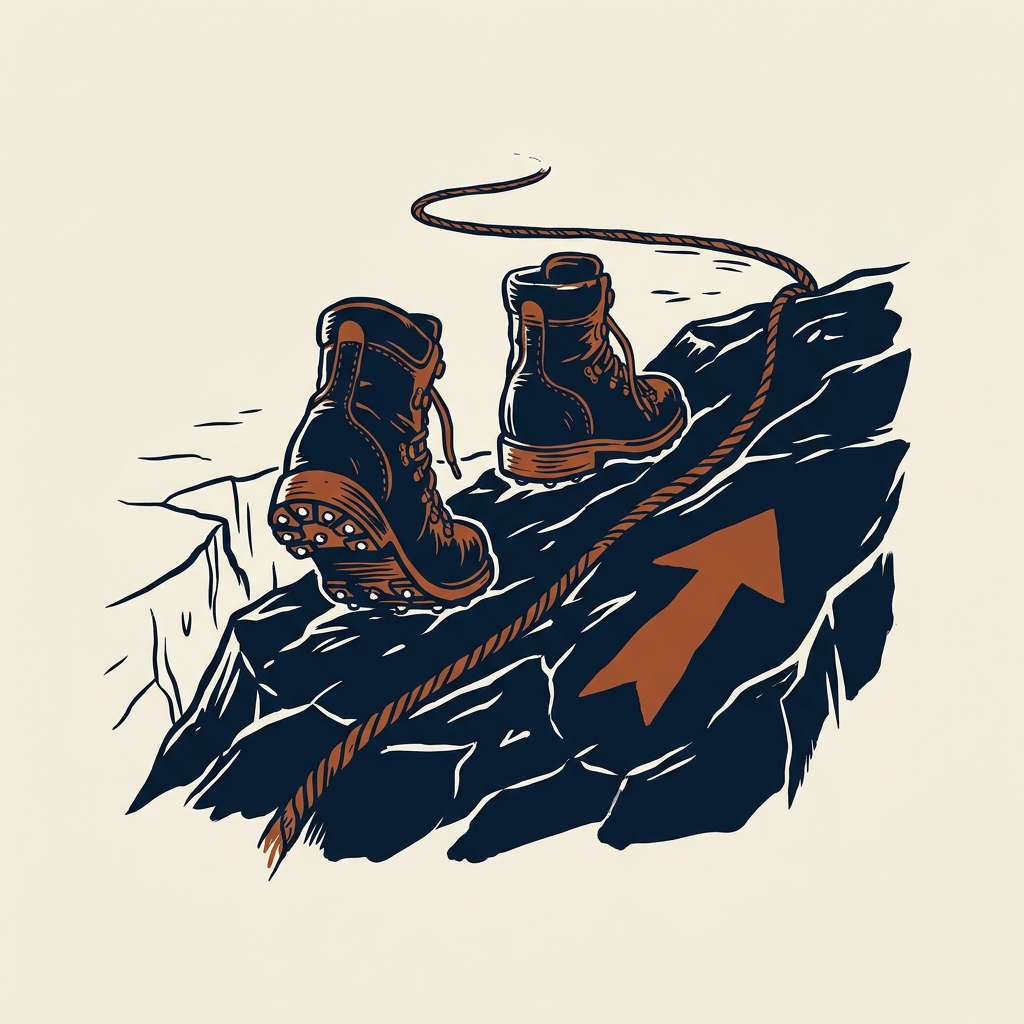
No boat could reach the inhabited side of South Georgia. Shackleton, Worsley, and Crean started on foot across the interior—a route never attempted—using boot nails as makeshift crampons and a rope as their only climbing gear.
They crossed glaciers and ridgelines. At one point they slid down a mountainside in the dark rather than risk freezing overnight. They reached the Stromness whaling station on May 20 after roughly thirty-six hours without proper rest.
Lansing treats the crossing as climax not because it outranked earlier dangers, but because it required clean decisions after months of accumulated depletion, when the men were least equipped to perform. From Stromness, rescue attempts for the twenty-two men left under Frank Wild began at once.
Pack ice and wartime ship shortages blocked the first efforts. On the fourth try, August 30, the Chilean tug Yelcho brought the Elephant Island party off. Every member of the expedition had survived. Authority built across the preceding months translated directly into the trust the final phase required.
In practice: The three-man party hammered boot nails into makeshift crampons and crossed unmapped glaciers to reach Stromness in roughly thirty-six hours.
Key terms
- Founding condition The early choice to press into dense ice that made the entire later ordeal inevitable
- Idle dread Monotony, cold, and unresolved uncertainty that fracture a crew faster than shared acute danger
- Selective transparency Full openness about supplies and drift paired with deliberate silence about private doubts and judgments of men
- Ocean Camp The first sustained camp on the drifting floe after the ship sank, later followed by Patience Camp
- James Caird The twenty-two-foot lifeboat that carried six men across the Southern Ocean to South Georgia
- Distributed expertise Survival through specialized crew skills—navigation, carpentry, rowing—organized by the leader rather than performed by him alone
- Singular goal One clear, grim, executable task a group can organize around more easily than open-ended hope
What to do
- Share hard numbers on shortfalls, slippage, and constraints plainly and often instead of softening them.
- Turn ambiguous waiting into scheduled purposeful work—even invented tasks—so worry has less room to breed.
- When a crisis forces the issue, cut options to one executable path and commit the team fully rather than keep hedges alive.
- Keep private doubts and private rankings of who might break to yourself.
- Never hide the group's actual physical or financial situation from them.
- Rotate who works and quarters with whom so grievances cannot harden unsupervised.
Questions to think with
- When has waiting without structure damaged a team more than a sharp crisis did?
- Which facts belong to the whole group, and which fears should a leader carry alone?
- How do you tell a necessary all-in commitment from reckless forward motion?
- Where does your group's survival depend on specialized skills you personally do not hold?
- What would change if you named the actual situation as plainly as Shackleton did when the ship went down?
The other side
The book is narrative reconstruction from late-1950s interviews and from diaries written under duress and later edited, so dialogue and inner states are often dramatized inference rather than verifiable quotation. It barely questions whether the original crossing was justified or whether pre-departure planning created needless risk. It gives almost no attention to Frank Wild's four months holding twenty-two men on Elephant Island, a leadership test the book treats as background. It also frames the story as nearly apolitical character drama and skips the era's imperial exploration culture and disregard for indigenous polar knowledge.
Who it's for
Managers who want to see leadership tested with none of the usual institutional supports, and readers of adventure and exploration history who want a factually grounded account of how small groups hold together or fracture under sustained extreme stress.