




Givers finish first when they protect their own time
Reciprocity style shapes long-term career success more than talent or effort alone.
IJR · Oct 27, 2026 · 13 min read
In 60 seconds
- People at work default to giver, taker, or matcher styles, and Grant argues style predicts outcomes better than talent.
- Givers show up at both the top and bottom of performance rankings while matchers and takers cluster in the middle.
- Reconnecting with contacts silent for three or more years often yields more novel, useful advice than asking close current friends.
- Question-based, tentative speech can out-persuade assertive pitches by lowering the listener's defenses.
- Otherish givers who chunk help and set boundaries thrive; selfless givers burn out and sink.
- Structures like a classroom reciprocity ring make generosity visible and low-friction so helping no longer depends on lone willpower.
The big idea
Grant argues that how people give, take, or match at work shapes careers more than raw talent. Bounded, self-aware generosity builds compounding networks and trust, while unmanaged giving invites burnout and exploitation.
The book in brief
Grant starts from a simple observation about workplace exchange. People tend to operate as givers, takers, or matchers. Takers extract more than they contribute. Matchers keep score and expect even trades. Givers help first and calculate later. He stresses these are habits, not fixed traits, and most people admit they match at work even if they give at home. The puzzle is blunt: if givers put others first, they should finish last. Yet the patterns he surveys put givers at both extremes of success.
The hinge is why that split happens. Among engineers and salespeople Grant studied, givers filled the bottom ranks when they said yes to every request and then missed their own deadlines. They also filled the top ranks when they gave while protecting their own priorities. Matchers and takers sat in the middle. Success turned less on whether someone gave and more on how the giving was structured.
From there the book maps the mechanisms. Givers accumulate dormant ties—old classmates and colleagues silent for years—that still carry trust plus fresh information, often outperforming advice from close friends or strangers. They spot talent others miss because people feel safe enough to show real ambition. They persuade with questions and hedges rather than dominance. They share credit, building teams that want them back. Each move compounds into reputation and access.
The critical distinction is otherish versus selfless giving. Selfless givers sacrifice without limit and burn out, a pattern Grant links to exhaustion in teaching and social work. Otherish givers use tools like the five-minute favor and chunked helping blocks so generosity stays renewable. They also learn generous tit-for-tat: start from trust, then answer confirmed exploitation with firmness instead of endless kindness. Charming takers are the real risk, not obvious ones.
The book closes on systems. A Wharton reciprocity ring and networks like Freecycle show that visible structures unlock helping people already want to do. Identity cues like being asked to be a helper stick better than one-off task requests. Grant's landing point is clear. Kindness and ambition can coexist. Kindness without boundaries is a liability, not a strategy.
Context
Adam Grant writes as an organizational psychologist who tested these ideas on engineers, salespeople, and his own Wharton classes. The 2013 book pushed back on the assumption that self-interest is the safest route to the top, using case studies and workplace research to argue that structured generosity builds the social capital careers actually run on.
The key ideas
1
Three reciprocity styles
Grant holds that default reciprocity style predicts long-term work success more reliably than talent or effort.
- GGiverHelps first without tallying the immediate return
- TTakerExtracts more than they contribute
- MMatcherTrades favor for favor on a private ledger
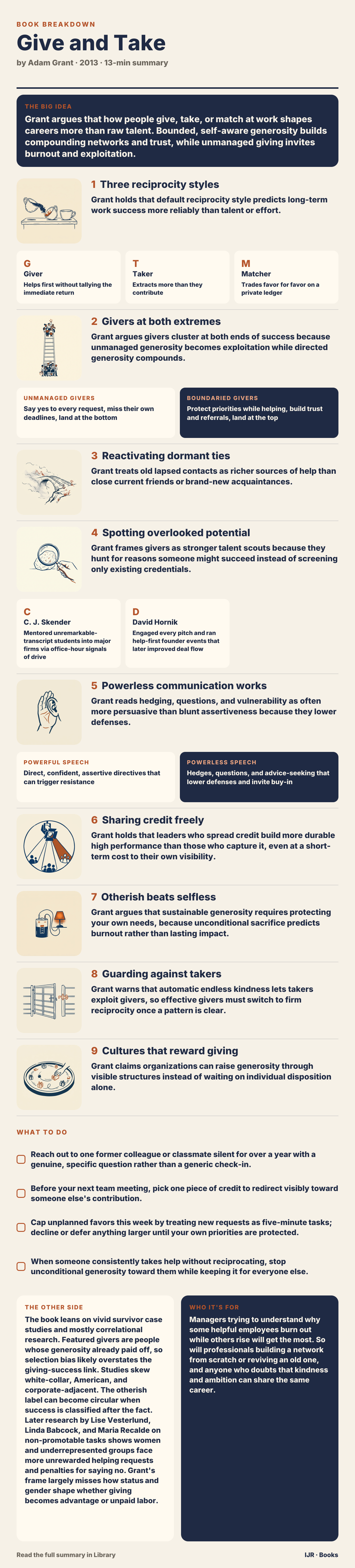
Grant proposes three habitual patterns of exchange at work. Takers judge interactions by what they can extract. Matchers keep an internal ledger and expect fairness back. Givers offer time, credit, or connections without immediately calculating the return.
These are not fixed personality traits. Someone can give at home and match at the office, where exploitation risk feels higher. Across engineering, sales, medicine, and academia, the same three orientations kept showing up.
Most people, by their own admission, function as matchers on the job even when they see themselves as generous elsewhere. Grant is clear that giving is not the same as being a pushover. The difference is what you optimize for when help does not pay off right away.
This sets up the book's central puzzle. Logic says givers should finish last. The chapters that follow try to explain why the picture is more complicated.
In practice: Professionals Grant surveyed defaulted to the same three styles regardless of industry, with most matching at work.

2
Givers at both extremes
Grant argues givers cluster at both ends of success because unmanaged generosity becomes exploitation while directed generosity compounds.
Unmanaged givers
Say yes to every request, miss their own deadlines, land at the bottom
Boundaried givers
Protect priorities while helping, build trust and referrals, land at the top
When Grant ranked engineers from worst to best, givers appeared disproportionately at both poles. The least productive often said yes to every request and then missed their own deadlines. The highest-rated by peers and managers were also disproportionately givers.
A parallel pattern showed up among outside sales reps. The most agreeable, other-focused people spanned the full range from lowest to highest revenue. Matchers and takers bunched in the middle.
The difference was not whether they gave. It was how much they protected their own priorities while helping. Giving without structure invites overcommitment and the doormat effect.
Giving paired with boundaries builds trust, referrals, and information that keep compounding long after any single favor is forgotten. The rest of the book investigates what separates the givers who thrive from those who get ground down.
In practice: At one firm, the least productive engineers were often givers who sacrificed their own assignments to help every colleague.
3
Reactivating dormant ties
Grant treats old lapsed contacts as richer sources of help than close current friends or brand-new acquaintances.
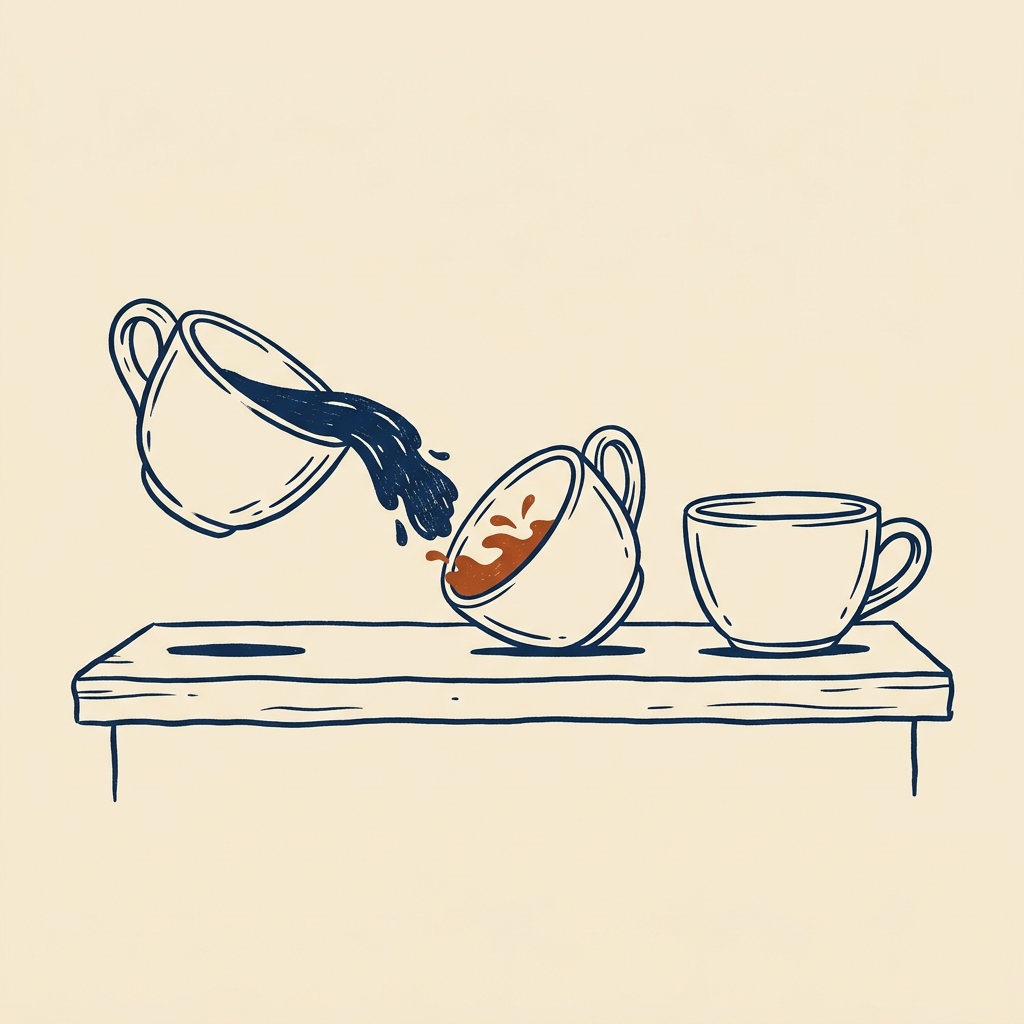
Research by Daniel Levin, Jorge Walter, and Keith Murnighan asked executives to seek advice from current close contacts and from people silent for three years or more. Advice from the dormant ties was rated more useful and more novel.
The logic is simple. A dormant tie still holds baseline trust built years earlier. The long silence means each person gathered separate experiences and networks. Reconnecting delivers new information without building trust from zero.
Givers accumulate unusually large stocks of these ties. Earlier generosity left goodwill that survives after regular contact fades. A taker's old contacts often hold little residual warmth once the taker's usefulness ended.
Grant uses this to push back on aggressive new-contact networking. The classmates, former colleagues, and old mentors already in your list are an underused resource whose willingness to help again is higher than most people assume.
In practice: Executives rated advice from contacts silent for three-plus years as more useful than advice from strong ties or fresh acquaintances.

4
Spotting overlooked potential
Grant frames givers as stronger talent scouts because they hunt for reasons someone might succeed instead of screening only existing credentials.
- CC. J. SkenderMentored unremarkable-transcript students into major firms via office-hour signals of drive
- DDavid HornikEngaged every pitch and ran help-first founder events that later improved deal flow
Grant profiles people whose wins came from spotting ability others missed. Accounting professor C. J. Skender mentored students with unremarkable transcripts into major firms by watching for drive and curiosity in office hours most professors skip.
Venture capitalist David Hornik treated every entrepreneur pitch as worth real engagement, even when he would not invest. He ran events built around helping founders rather than only screening them. Over time founders sent him better deal flow than more guarded rivals received.
Evaluators systematically underrate people who do not fit an obvious profile—undersized athletes, non-traditional candidates—unless someone is disposed to look for underlying capability. Givers create the psychological safety for people to reveal real ambitions and rough edges.
That information never reaches a purely transactional evaluator. Talent development becomes another compounding asset. It pays off years later when a mentee's success reflects back on the mentor's reputation and network.
In practice: Hornik's habit of genuine engagement with founders he would not fund eventually brought him stronger deal flow through referrals.

5
Powerless communication works
Grant reads hedging, questions, and vulnerability as often more persuasive than blunt assertiveness because they lower defenses.
Powerful speech
Direct, confident, assertive directives that can trigger resistance
Powerless speech
Hedges, questions, and advice-seeking that lower defenses and invite buy-in
Conventional wisdom favors powerful communication—direct, confident, assertive. Grant contrasts it with powerless communication: hedges, questions, expressed doubt, requests for advice.
For givers trying to move skeptical audiences, the softer style often works better. It signals humility and reduces the sense of being talked into something. Research on negotiators and salespeople found that floating an idea as possibly flawed, or framing a pitch as a question, increased buy-in among people who would resist a hard sell.
Asking for advice rather than a favor is a related move. It makes the other person feel valued as an expert instead of imposed on, which raises the odds they help. The style suits givers who dislike overt self-promotion. They can lean on real curiosity instead of forced confidence.
Limits matter. Without some baseline credibility, hedging can read as incompetence rather than humility. Communication style is a skill to cultivate, another lever that turns generosity into leverage.
In practice: Negotiation and sales research Grant cites found tentative framings and question-led pitches won more agreement from resistant listeners than hard sells.

6
Sharing credit freely
Grant holds that leaders who spread credit build more durable high performance than those who capture it, even at a short-term cost to their own visibility.
George Meyer, a longtime Simpsons writer, quietly punched up other writers' scripts without claiming the jokes. Colleagues grew intensely loyal and brought him their weakest material. The show's overall quality rose in a way credit-grabbing never could have produced.
Sports patterns Grant connects point the same way. Team success correlates more strongly with players who generate assists than with those who rack up the most points themselves. Distributed contribution beats individual glory-seeking at the group level.
The mechanism is trust. Teammates who see credit shared fairly commit more effort and information. Credit-hoarding produces guardedness and siloed work. Grant calls the short-term loss of individual recognition a tax the giver pays willingly.
The payoff is a reputation that attracts future collaborators. Some people seem to get disproportionately good opportunities over a career not because they were the most brilliant on any single project, but because everyone wanted them on the next team.
In practice: Meyer's uncredited script fixes made colleagues eager to bring him weak drafts, lifting the whole writing room.
7
Otherish beats selfless
Grant argues that sustainable generosity requires protecting your own needs, because unconditional sacrifice predicts burnout rather than lasting impact.
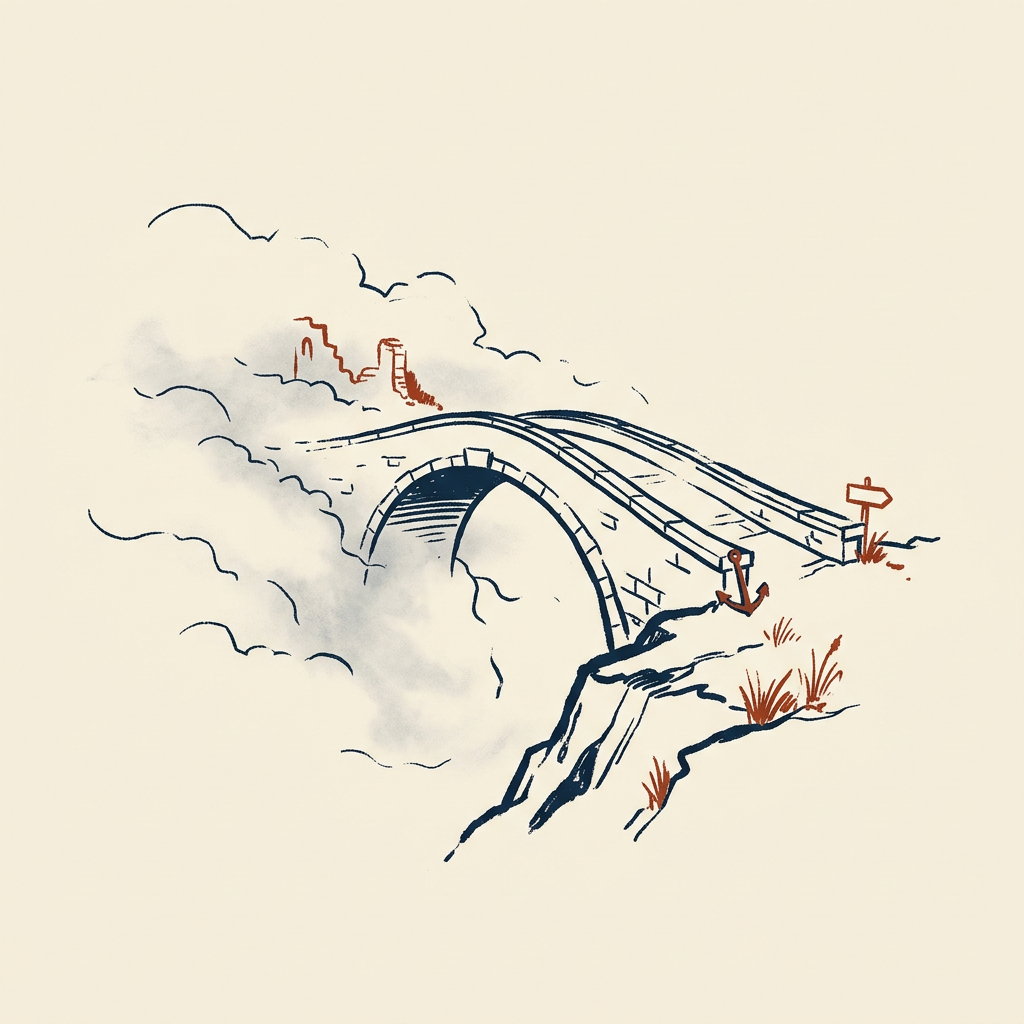
Grant splits givers into two types. Selfless givers help others at the expense of their own well-being and priorities. Otherish givers combine real concern for others with attention to their own ambitions and limits.
Research on social workers and teachers showed the highest exhaustion and lowest long-term effectiveness among those who gave without limit. People who set boundaries around giving sustained both generosity and performance over years rather than months.
Chunking is one practical fix—concentrating help into set blocks of time or discrete favors instead of staying perpetually available. Adam Rifkin, one of Silicon Valley's most connected professionals in the networking research Grant cites, used the five-minute favor. He limited each act of help to something finishable quickly, so he could say yes often without depleting himself.
This resolves the paradox from the ranking data. Bottom-end givers are disproportionately selfless. Top-end givers are disproportionately otherish. Generosity itself does not predict success or failure. Treating your own time and goals as legitimate constraints does.
In practice: Rifkin's five-minute favor habit let him help constantly while keeping each ask small enough not to drain his own work.
8
Guarding against takers
Grant warns that automatic endless kindness lets takers exploit givers, so effective givers must switch to firm reciprocity once a pattern is clear.
Givers are most vulnerable not to obvious takers but to charming ones. People can be warm and agreeable while still acting in self-interested, exploitative ways. Grant points to Enron's Ken Lay: colleagues often described him as gracious and likable even as his leadership fed a culture that harmed people around him.
Agreeableness in manner is not generosity in substance. The confusion shows up in hiring and networking when charisma gets mistaken for character. One screen Grant notes is how someone talks about people who cannot help their career. Takers typically show less warmth toward those beneath them in status.
The protective move is generous tit-for-tat. Begin every relationship assuming good faith and offering help. Once a pattern of one-sided exploitation is confirmed, respond firmly rather than continuing to give unconditionally.
This differs from a matcher's default suspicion. It starts from trust, so the networking and reputation advantages stay intact, while still installing a check against repeated exploitation by the same person.
In practice: Interviewers sometimes watch how a candidate treats lower-status people as a tell for hidden taking beneath a warm manner.

9
Cultures that reward giving
Grant claims organizations can raise generosity through visible structures instead of waiting on individual disposition alone.
In Grant's Wharton classes he runs a reciprocity ring. Each person states a specific need aloud. Others volunteer to help meet it. A single session produces concrete exchanges—job leads, introductions, favors—that people say they would never have gotten by asking one-on-one.
Deron Beal's Freecycle grew to millions of members by making a norm of giving away unwanted goods easy to act on and publicly visible. Both examples show generosity often stays bottled up not from lack of willingness but from lack of low-friction structure that makes asking and giving socially acceptable.
Research by Christopher Bryan and colleagues on children found that framing a request as identity—asking someone to be a helper—produced more sustained helping than framing the same ask as a one-off task. Identity embeds the behavior more durably.
Individual tactics from earlier chapters get far more powerful when an organization makes them visible, low-cost, and normal. Leaving each employee to reinvent generous behavior alone against an unrewarding culture wastes the advantage.
In practice: In one reciprocity ring session, participants traded job leads and introductions they would not have requested privately.
Key terms
- Giver Someone who helps with time, credit, or connections without immediately calculating the return
- Taker Someone who tries to extract more from interactions than they contribute
- Matcher Someone who keeps a private ledger and trades favor for favor
- Dormant ties Old relationships gone quiet for years that still hold trust plus new information
- Powerless communication Hedging, questions, vulnerability, and advice-seeking used as persuasion tools
- Otherish giver A giver who pairs real concern for others with firm attention to their own limits
- Selfless giver A giver who helps at the expense of their own well-being until burnout
- Five-minute favor A quick, bounded act of help that can be finished fast without depleting you
- Generous tit-for-tat Start from trust and help, then answer confirmed exploitation with firmness
- Reciprocity ring A group exercise where people state needs aloud and others volunteer concrete help
What to do
- Reach out to one former colleague or classmate silent for over a year with a genuine, specific question rather than a generic check-in.
- Before your next team meeting, pick one piece of credit to redirect visibly toward someone else's contribution.
- Cap unplanned favors this week by treating new requests as five-minute tasks; decline or defer anything larger until your own priorities are protected.
- When someone consistently takes help without reciprocating, stop unconditional generosity toward them while keeping it for everyone else.
Questions to think with
- Where do you currently act as a giver, a taker, or a matcher—and does the setting change your default?
- Which dormant tie from three or more years ago still carries enough goodwill to reactivate this month?
- When requests pile up, do you protect your own goals or slide into selfless overcommitment?
- Does your workplace make it easy to ask for help out loud, or does helping stay invisible and unrewarded?
- Who around you quietly elevates other people's work, and what happens to teams that include them?
The other side
The book leans on vivid survivor case studies and mostly correlational research. Featured givers are people whose generosity already paid off, so selection bias likely overstates the giving-success link. Studies skew white-collar, American, and corporate-adjacent. The otherish label can become circular when success is classified after the fact. Later research by Lise Vesterlund, Linda Babcock, and Maria Recalde on non-promotable tasks shows women and underrepresented groups face more unrewarded helping requests and penalties for saying no. Grant's frame largely misses how status and gender shape whether giving becomes advantage or unpaid labor.
Who it's for
Managers trying to understand why some helpful employees burn out while others rise will get the most. So will professionals building a network from scratch or reviving an old one, and anyone who doubts that kindness and ambition can share the same career.