




How a train club's free-access ethic built personal computing
Hackers by Steven Levy is the ground-level origin story for programmers and readers who want Silicon Valley values before they hardened into corporate legend.
IJR · Nov 6, 2026 · 10 min read
In 60 seconds
- MIT Tech Model Railroad Club members in the late 1950s moved their obsession with elegant switching systems onto the PDP-1 and treated hands-on machine access as sacred.
- Levy distills an unwritten hacker ethic: information should be free, authority mistrusted, people judged only by skill, and computers can improve life.
- At the AI Lab, Greenblatt's chess program and Gosper's Game of Life work gave authority without titles; they built the open Incompatible Timesharing System to reject passwords.
- Homebrew Computer Club freely traded Altair designs until Gates's 1976 open letter demanding pay for BASIC exposed the free-info versus ownership clash.
- Wozniak packaged hands-on control into the Apple II while Jobs pushed closed products; Sierra game designers later turned the same systems drive into commercial entertainment.
- By 1979–1980 commercial Lisp firms drained the AI Lab; Stallman stayed as the last holdout and the original open culture effectively ended.
The big idea
Levy argues that personal computing grew from a specific ethic of unlimited access, hands-on play, and skill over credentials that began in an MIT train club, not from any business plan. That ethic shaped the machines we use yet never fully reconciled with the commercial industry it also made possible.
The book in brief
Levy starts inside MIT's Tech Model Railroad Club in the late 1950s. Members cared more about the Signals and Power wiring than the trains. When they reached an IBM 704 and then a PDP-1, that same hunger for intricate systems became programming for its own sake—music tones, curve plots, a lunar lander no one assigned.
He then spells out the ethic that grew from that play: free information, mistrust of authority and central control, judgment by hacking skill alone, and faith that computers could better life. At the AI Lab this was lived practice. Greenblatt and Gosper mattered because their code worked. Locks were picked if they blocked understanding. The lab's own operating system rejected commercial password-and-accounting design.
The story moves to mid-1970s California and the Homebrew Computer Club. The same sharing ethic met an actual market around the Altair. Gates's 1976 letter accusing hobbyists of pirating his BASIC drew real anger; Wozniak still gave away Apple I schematics while Jobs steered toward a closed company. Levy treats both sides as coherent.
Apple's success, especially the Apple II, showed that packaging direct control and immediate feedback into a consumer machine could carry hacker values to a mass public even as the firm itself adopted patents and secrecy. A later generation at Sierra and other studios applied the same love of clever systems to graphics tricks and puzzle design, now fully inside commercial competition.
Levy closes by tracking the original MIT circle. Symbolics and Lisp Machines Inc. hired heavily from the lab in 1979 and 1980. The open, hierarchy-free culture scattered. Stallman refused nondisclosure norms and later founded the Free Software Foundation, marking for Levy the end of the ethic in its pure institutional form even as diluted versions spread through industry.
Context
Levy built the book as journalism from interviews done in the early 1980s, many of them memories of events fifteen to twenty-five years earlier. It became a foundational inside-the-culture history of how programmer values formed before personal computing turned fully corporate.
The key ideas
1
Play before profit
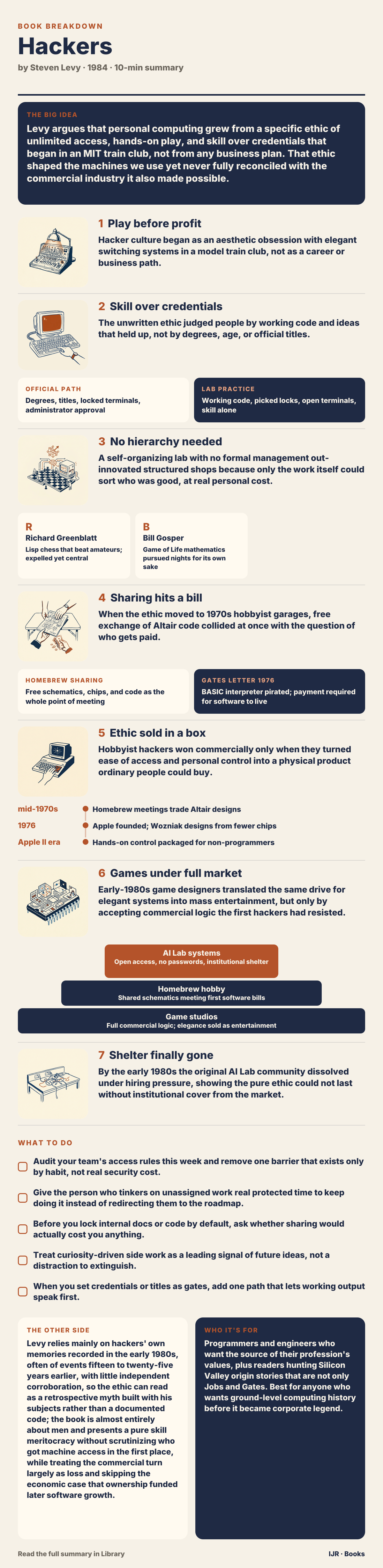
Hacker culture began as an aesthetic obsession with elegant switching systems in a model train club, not as a career or business path.
Levy opens at MIT's Tech Model Railroad Club in the late 1950s. The Signals and Power Subcommittee drew the real intensity; wiring logic mattered more than running trains. That appetite transferred straight onto the IBM 704 and then the interactive PDP-1.
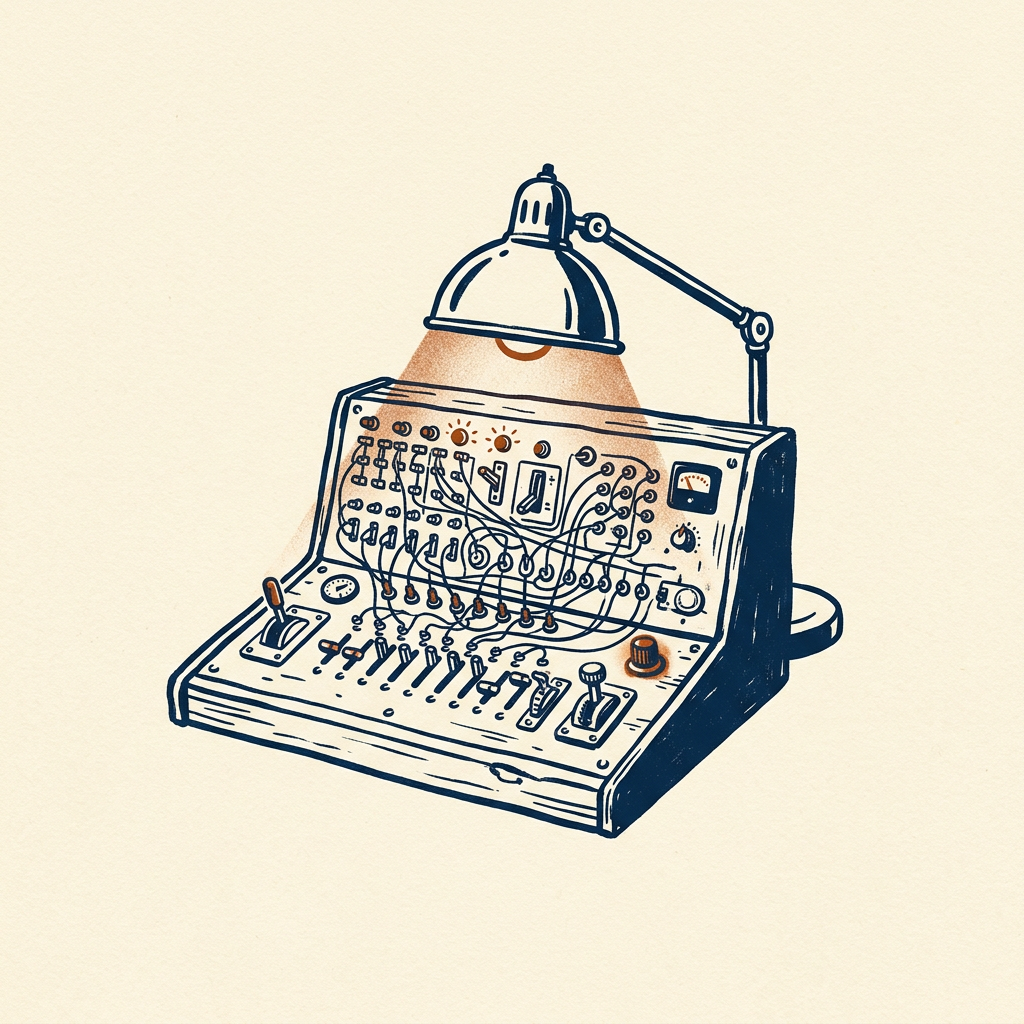
Early figures wrote code simply because the machine made clever results possible. Batch-processing punch cards and operators had kept people at a distance. The PDP-1 let a single user type, see results on a screen, and iterate at any hour. Access itself became non-negotiable.
This chapter plants the first tenets Levy later names as the ethic: unlimited computer access and hands-on exploration as the only real learning. Technical culture, he shows, formed around play and beauty of system long before profit entered the picture.
In practice: Peter Samson wrote a music-tone generator and a lunar lander simulation no one requested, only because the PDP-1 made the tricks irresistible.
2
Skill over credentials
The unwritten ethic judged people by working code and ideas that held up, not by degrees, age, or official titles.
Official path
Degrees, titles, locked terminals, administrator approval
Lab practice
Working code, picked locks, open terminals, skill alone
Building from the club, Levy lays out the maxims: information should be free, authority and central control mistrusted, hackers ranked only by hacking, and computers able to change life for the better. At the AI Lab these were daily practice.
Authority flowed to whoever shipped visible feats. Administrators and security staff wanted passwords and locked doors. The informal counter-rule held that any lock could be picked if picking it served understanding. Levy presents this as conviction, not chaos: gatekeeping slowed the only work that counted.
The chapter turns raw play instinct into a coherent worldview. Later money, secrecy, and scale would test every maxim.
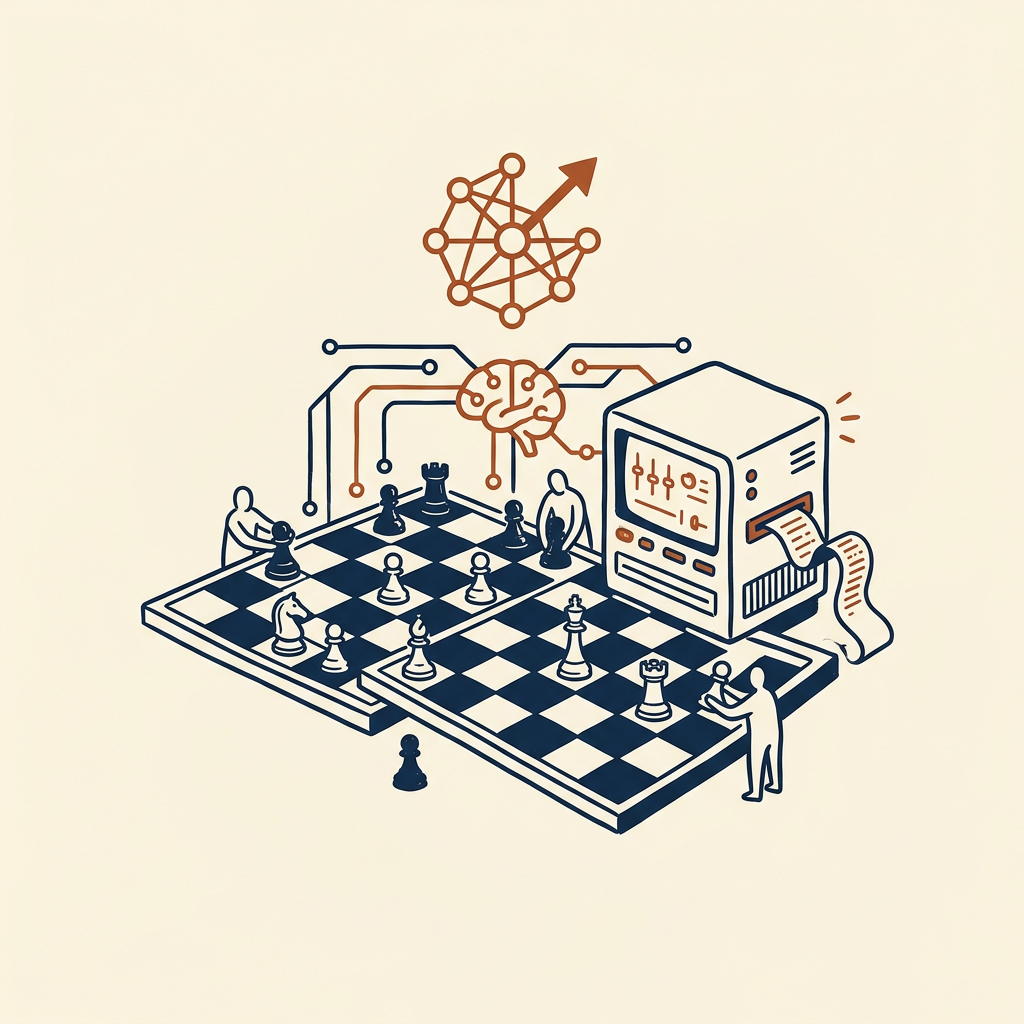
In practice: Richard Greenblatt's Lisp chess program beat respectable amateurs and Bill Gosper's Game of Life discoveries made them legendary without professorships.
3
No hierarchy needed
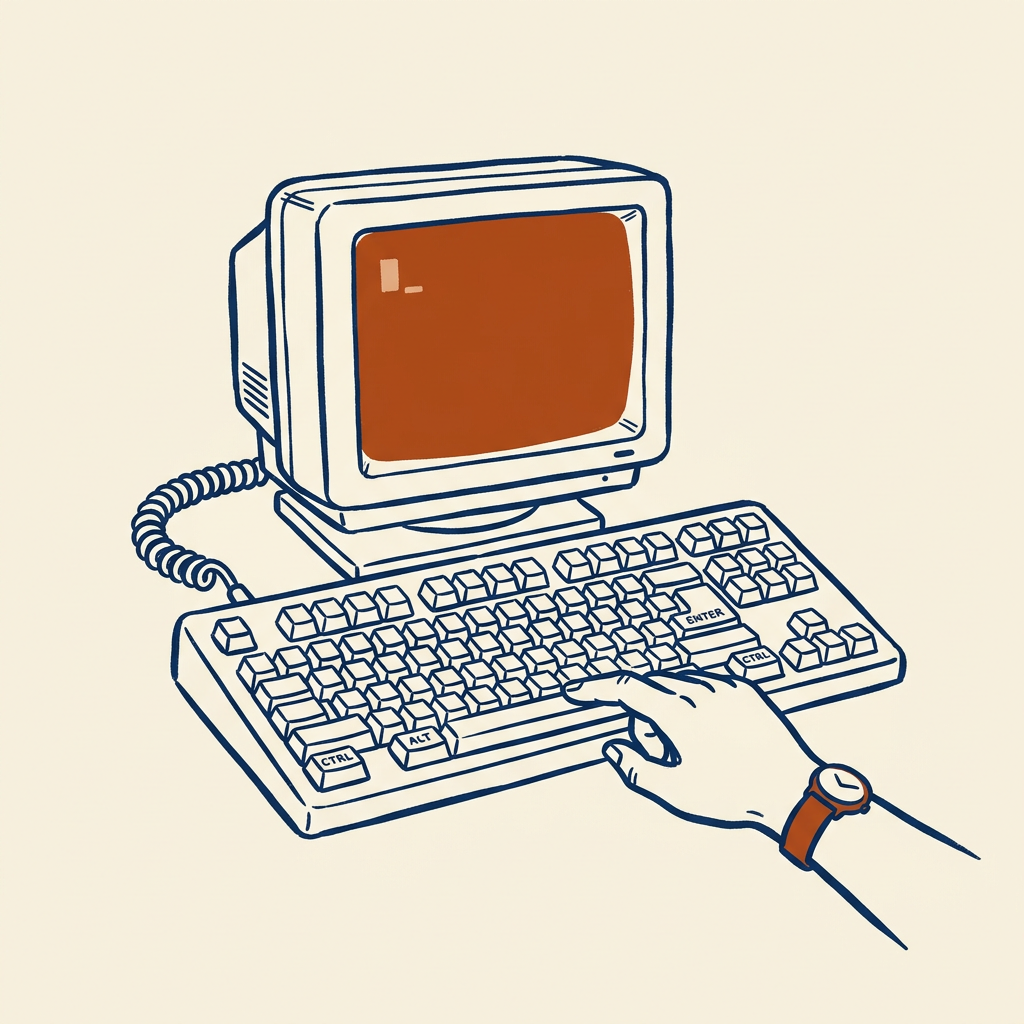
A self-organizing lab with no formal management out-innovated structured shops because only the work itself could sort who was good, at real personal cost.
- RRichard GreenblattLisp chess that beat amateurs; expelled yet central
- BBill GosperGame of Life mathematics pursued nights for its own sake
Levy narrows to the people he calls true hackers. Greenblatt slept irregularly, ignored hygiene and classes, and was expelled for academic failure even while his chess program made headlines. Gosper chased cellular-automata patterns with no practical use yet.
The lab's flat style was practical, not generous. Formal reporting would have stalled brilliant but awkward people. Cold War ARPA funding gave unusual freedom from commercial deadlines, so Stanford and the wider research culture tolerated the same mode.
They built the Incompatible Timesharing System expressly to keep access open and to reject commercial timesharing with passwords and accounting. Levy plants the warning that the setup was fragile: it needed funding, tolerance, and a handful of irreplaceable people.
In practice: Greenblatt was expelled from MIT for failing coursework while his chess program still drew public attention.
4
Sharing hits a bill
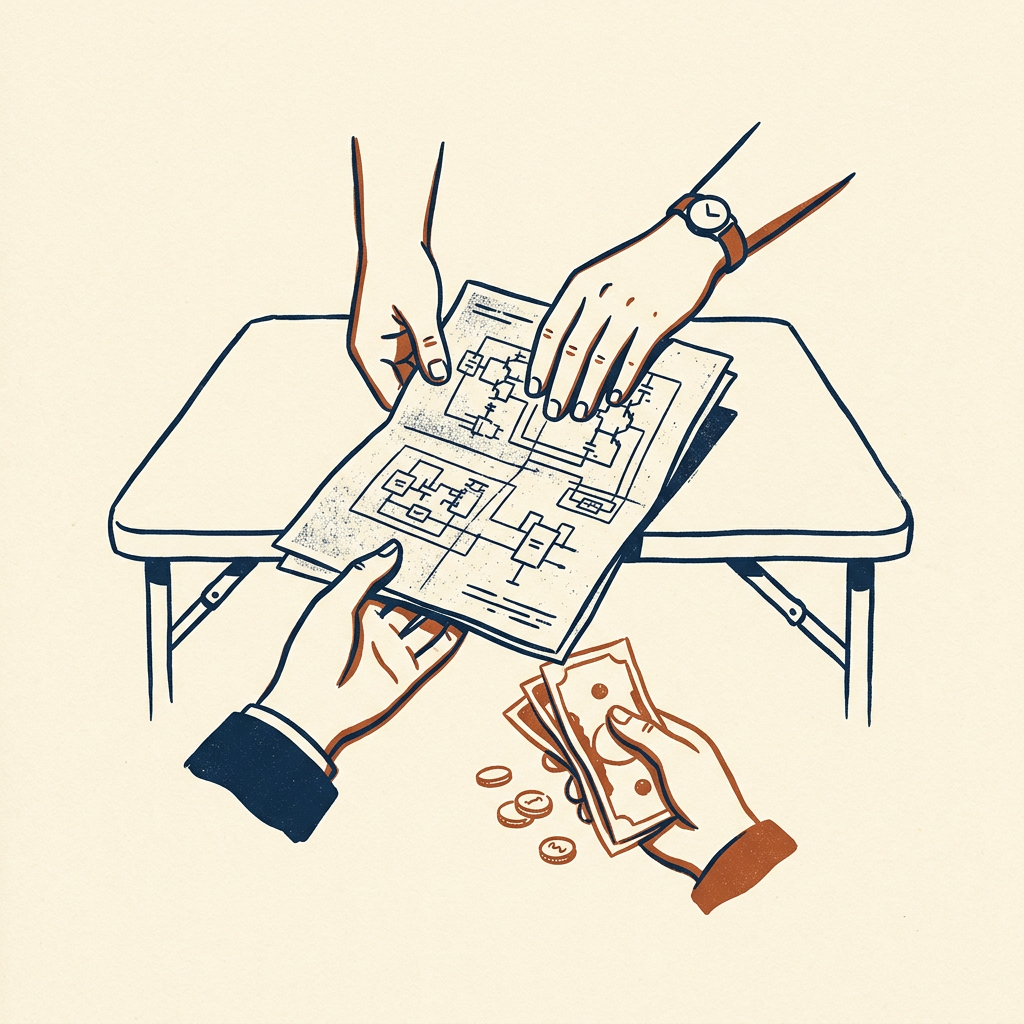
When the ethic moved to 1970s hobbyist garages, free exchange of Altair code collided at once with the question of who gets paid.
Homebrew sharing
Free schematics, chips, and code as the whole point of meeting
Gates letter 1976
BASIC interpreter pirated; payment required for software to live
The scene shifts to the Homebrew Computer Club in the mid-1970s Bay Area. Members traded schematics, chips, and software for machines like the Altair 8800, still believing information should flow without restriction.
Popularity created a market. Levy recounts Gates's 1976 Open Letter to Hobbyists: having written a BASIC interpreter, Gates accused members of pirating it instead of paying. Club anger was real; copying and improving code was the community's point.
Levy refuses to crown either side. Both held coherent logic—the free-information belief versus the emerging industry's need for ownership to survive. Every later commercial chapter replays the same fault line.
In practice: Steve Wozniak gave away circuit designs for what became the Apple I while Gates demanded payment for BASIC.
5
Ethic sold in a box
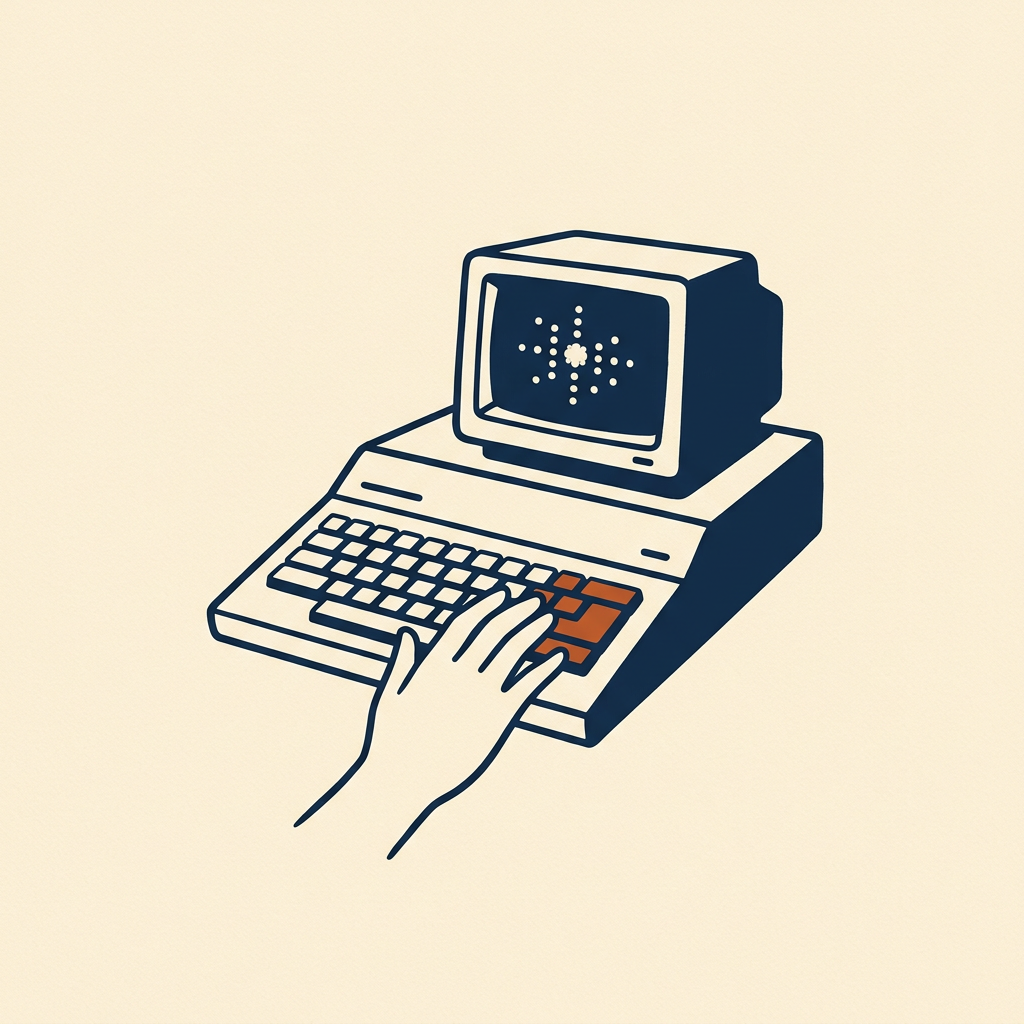
Hobbyist hackers won commercially only when they turned ease of access and personal control into a physical product ordinary people could buy.
- mid-1970sHomebrew meetings trade Altair designs
- 1976Apple founded; Wozniak designs from fewer chips
- Apple II eraHands-on control packaged for non-programmers
Levy follows Wozniak and Jobs from Homebrew to Apple Computer's 1976 founding. Wozniak's habit of doing more with fewer chips, trained entirely in hobbyist tinkering, produced the Apple II: simple enough for non-programmers, strong enough for real software.
The personal-computer boom worked, Levy argues, because it wrapped hacker values—direct control, immediate feedback, no gatekeepers—inside a consumer object. The company itself became conventional: patents, secrecy, margins. Wozniak kept sharing schematics while Apple allowed it; Jobs increasingly did not.
Magazines like Byte and new stores fed a public that wanted machines they could own outright. The Apple II proved accessibility and empowerment had mass-market value, not only lab value.
In practice: The Apple II let ordinary buyers run real software at home without university time-sharing or operators.
6
Games under full market
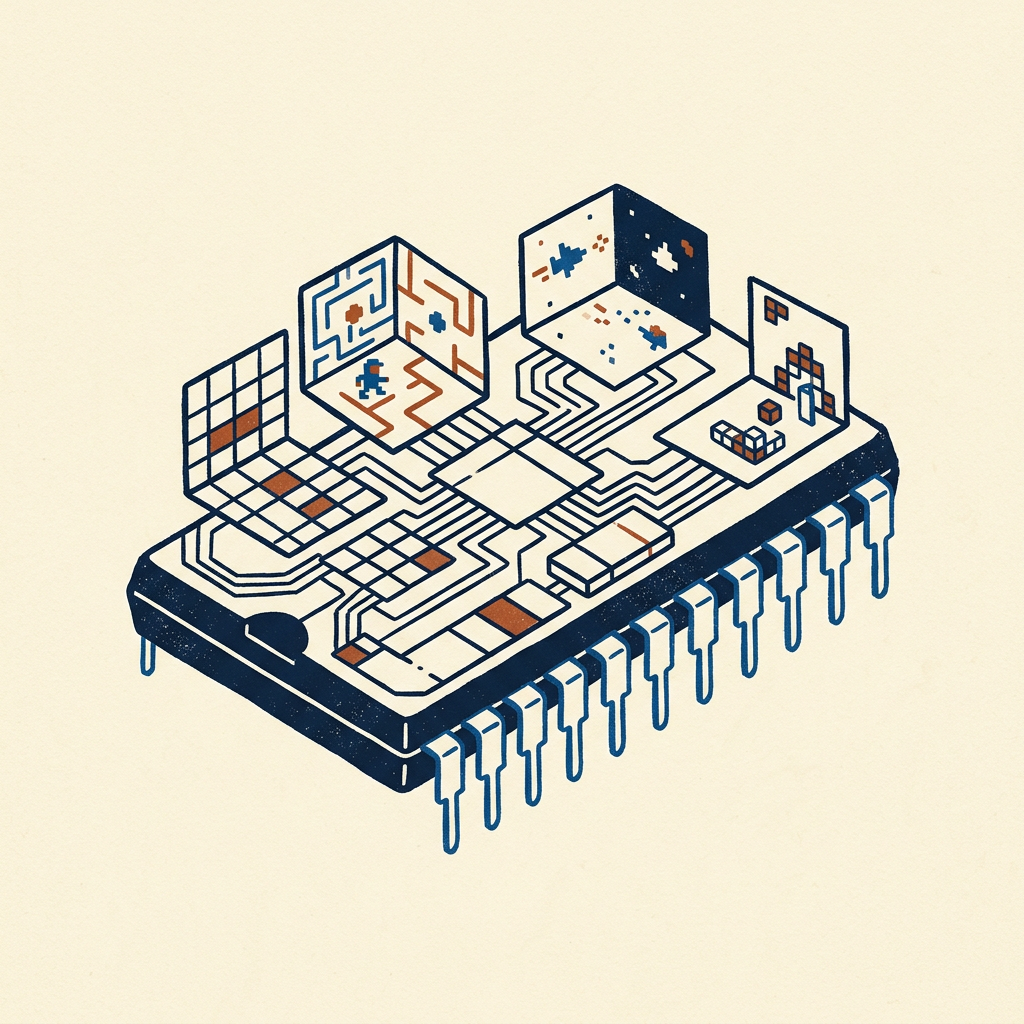
Early-1980s game designers translated the same drive for elegant systems into mass entertainment, but only by accepting commercial logic the first hackers had resisted.
- AI Lab systemsOpen access, no passwords, institutional shelter
- Homebrew hobbyShared schematics meeting first software bills
- Game studiosFull commercial logic; elegance sold as entertainment
Levy turns to Sierra On-Line and figures such as Ken and Roberta Williams. This generation already had home computers; their impulse showed up in graphics tricks, memory optimization, and puzzle design rather than operating systems.
He treats the underlying drive as identical: push the machine past its supposed limits because it is satisfying. Small teams squeezed unprecedented graphics from limited memory. Unlike the AI Lab, the scene ran on market share from day one; free information was not the premise.
Some old-guard voices saw mercenaries. Others saw the ethic adapting to computers as consumer goods. The arc completes: anti-commercial idealism ends embedded in profitable industry. Levy leaves open whether that is corruption or maturation.
In practice: Mystery House and later King's Quest delivered new graphics and puzzles from tiny home-computer memory by small commercial teams.
7
Shelter finally gone
By the early 1980s the original AI Lab community dissolved under hiring pressure, showing the pure ethic could not last without institutional cover from the market.
Levy closes by tracking the MIT circle once firms began recruiting for commercial Lisp machines. Symbolics and Lisp Machines Inc. hired heavily in 1979 and 1980, draining the people who had sustained open culture.
Stallman stayed, refused nondisclosure agreements, and kept sharing code while colleagues took equity and confidentiality clauses. Levy frames the departures as nearly inevitable scarcity: talent that once worked for prestige and interest now faced real salaries, and the ethic had no counter once outside money appeared.
The password-free, hierarchy-free lab could not be copied after its people scattered into competing companies sworn to protect secrets. Stallman's later Free Software Foundation is Levy's clearest marker that the original institutional form had ended, even as diluted ideas lived on.
In practice: Richard Stallman remained at the lab refusing NDAs while peers left for Symbolics and Lisp Machines Inc. equity stakes.
Key terms
- hacker ethic Levy's distillation of shared beliefs: free information, mistrust of authority, judgment by skill alone, hands-on access, and faith that computers can improve life
- true hackers Levy's name for the AI Lab figures whose authority came only from code and ideas that worked, often at extreme personal cost
- Incompatible Timesharing System Operating system AI Lab hackers built themselves to keep access open and reject commercial password-and-accounting design
- Homebrew Computer Club Mid-1970s Bay Area hobbyist group that freely traded Altair schematics, chips, and code until ownership fights appeared
- Open Letter to Hobbyists Gates's 1976 letter accusing Altair users of pirating his BASIC and demanding payment, the first public free-info versus ownership clash
- PDP-1 Early interactive computer that let one user type at a keyboard, see results on screen, and iterate without punch-card operators
What to do
- Audit your team's access rules this week and remove one barrier that exists only by habit, not real security cost.
- Give the person who tinkers on unassigned work real protected time to keep doing it instead of redirecting them to the roadmap.
- Before you lock internal docs or code by default, ask whether sharing would actually cost you anything.
- Treat curiosity-driven side work as a leading signal of future ideas, not a distraction to extinguish.
- When you set credentials or titles as gates, add one path that lets working output speak first.
Questions to think with
- Which of your team's locks and NDAs still earn their cost, and which only slow understanding?
- If skill alone ranked people tomorrow, whose uncredited tinkering would suddenly matter most?
- Can the free-information impulse survive inside a company that must also sell software, or does one side always win?
- What institutional shelter (funding, norms, space) would your best systems people need that they do not have now?
- When does packaging an ethic into a consumer product preserve its spirit, and when does it empty it?
The other side
Levy relies mainly on hackers' own memories recorded in the early 1980s, often of events fifteen to twenty-five years earlier, with little independent corroboration, so the ethic can read as a retrospective myth built with his subjects rather than a documented code; the book is almost entirely about men and presents a pure skill meritocracy without scrutinizing who got machine access in the first place, while treating the commercial turn largely as loss and skipping the economic case that ownership funded later software growth.
Who it's for
Programmers and engineers who want the source of their profession's values, plus readers hunting Silicon Valley origin stories that are not only Jobs and Gates. Best for anyone who wants ground-level computing history before it became corporate legend.