




Cut 51 billion tons to zero with green premiums
Gates argues the world must drive yearly greenhouse gas emissions from roughly 51 billion tons to zero by 2050 by shrinking the cost gap between clean and dirty options sector by sector.
IJR · Oct 23, 2026 · 14 min read
In 60 seconds
- The world emits roughly 51 billion tons of greenhouse gases a year and must reach zero by 2050 to keep warming from becoming catastrophic.
- Emissions fall into five buckets: making things 31%, electricity 27%, growing things 19%, getting around 16%, and heating and cooling 7%.
- The green premium—the extra cost of the clean option over the dirty one—ranks which problems need faster deployment and which still need invention.
- Electricity and passenger cars are closest to solvable; cement, steel, aviation, shipping, and agriculture are not, because chemistry and biology block simple electrification.
- Carbon pricing, clean energy standards, public procurement, and bigger R&D budgets must force adoption markets will not choose on their own.
- Some warming is already locked in, so adaptation funding for the poorest countries is a necessity alongside mitigation.
The big idea
Gates argues that avoiding climate catastrophe means driving global emissions from 51 billion tons a year to zero by 2050, and that the green premium is the single clearest way to judge any fix. Existing technology gets us partway in electricity and cars, but the hardest sectors need aggressive innovation plus policy that closes cost gaps and funds adaptation for people already most exposed.
The book in brief
Gates starts from two numbers he wants every climate conversation to use: roughly 51 billion tons of greenhouse gases emitted each year, and zero, the target by 2050. Vague net-zero slogans hide where the tons actually come from, so he splits emissions into five buckets—making things, electricity, agriculture, transport, and heating and cooling—and shows that public attention overweights cars and power while underweighting cement, steel, and fertilizer.
He then introduces the green premium, the extra price of the clean version of any product or service. Where that premium is small or negative, the job is mostly faster deployment and ending dirty subsidies. Where it is large, as with cement, steel, long-haul flights, and shipping, no amount of cheerleading makes an uneconomic technology scale; invention and policy have to shrink the gap.
Electricity looks furthest along because solar and wind costs have plunged, yet intermittency and weak storage mean grids still need firm backup, which is why Gates keeps nuclear and new storage on the table. Manufacturing is harder still: steel needs coal as a chemical reactant, and cement releases CO2 from limestone itself, so cleaner power alone cannot zero the sector. Agriculture’s methane and nitrous oxide are biological and diffuse; transport splits cleanly between passenger EVs, which are closing the premium, and planes, ships, and heavy trucks, which are not.
Even a best-case cut to zero will not erase warming already baked in. Gates argues adaptation—drought-resistant seeds, early warning, health systems—must rise for low-income tropical countries that emitted least and will suffer most. Technology without policy stays stuck in labs, so he pushes carbon prices, clean standards, government R&D, and procurement that creates early demand for green steel, cement, and fuels. Rich countries must move first and carry more of the temporary cost.
He closes by treating 2050 as a real deadline with intermediate checkpoints, assigning roles to governments, investors, and people with influence, and judging every action by how many of the 51 billion tons it removes and by when. Lifestyle virtue matters far less than industrial-scale change measured against those two numbers.
Context
Bill Gates draws on years of funding energy and agriculture research through Breakthrough Energy, including his Breakthrough Energy Ventures fund and companies such as TerraPower. The 2021 book is aimed at readers who want a numbers-first, sector-by-sector map of decarbonization rather than another alarm-only account.
The key ideas

1
Two numbers that matter
Anchoring on roughly 51 billion tons a year and zero by 2050 forces every proposal to show which tons it removes instead of hiding behind vague net-zero language.
Gates treats temperature targets and percentage cuts as too soft for real decisions. They let policymakers celebrate partial wins without accounting for the full pile of emissions. The two-number frame makes the scale unavoidable and turns every later technology claim into a measurable bet.
He breaks the 51 billion into five buckets so the hard pieces cannot be ignored. Making things is 31%, electricity 27%, growing things 19%, getting around 16%, and keeping warm and cool 7%. Cars and power dominate headlines; cement, steel, and fertilizer do not, yet they sit inside the largest slices.
A single bag of cement shows why the split matters. Heating limestone releases CO2 as a chemical byproduct of the reaction itself, not only from the fuel under the kiln. Swapping in renewable electricity does not erase that process emission. Countries that electrify cars while pouring conventional concrete and steel have barely moved the total.
Every later chapter is scored against the same yardstick: how many of the 51 billion tons could this tool eliminate, and how far do current options still sit from zero.
In practice: Producing one bag of cement releases CO2 from the limestone reaction itself, so cleaner power alone cannot wipe out that ton.
2
Green premium as scorecard
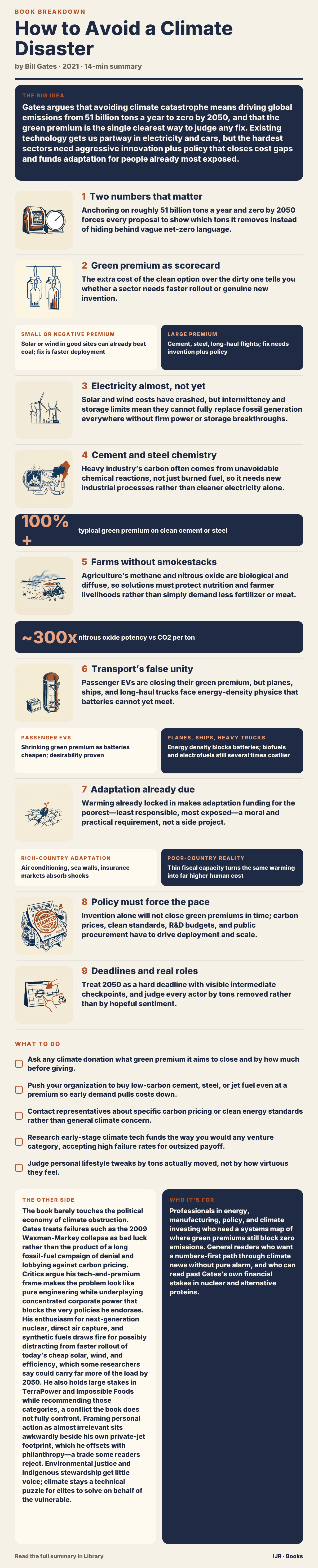
The extra cost of the clean option over the dirty one tells you whether a sector needs faster rollout or genuine new invention.
Small or negative premium
Solar or wind in good sites can already beat coal; fix is faster deployment
Large premium
Cement, steel, long-haul flights; fix needs invention plus policy
For any product or service, Gates defines the green premium as the price gap between the carbon-emitting version and the zero-carbon one. Plant-based jet fuel costs several times fossil jet fuel, so aviation’s premium is large. Solar or wind power in a good location can already undercut coal, so the premium there can be small or even negative.
That single number lets him rank problems by difficulty instead of by how urgent they feel. Small premium means deploy what exists and strip fossil subsidies. Large premium means the technology is not yet viable at scale no matter how much moral pressure is applied.
He pushes back on the claim that all needed tools already exist. For roughly half of global emissions, cost-competitive zero-carbon alternatives are still missing. Governments then have three levers: subsidize the clean option, tax the dirty one, or fund research that shrinks the premium through better tech.
Later chapters on power, transport, farms, and buildings all run through this filter, turning climate sympathy into falsifiable claims about which sectors are nearly solved and which are not.
In practice: Jet fuel made from plants still costs several times more than fossil jet fuel, marking aviation as a high-premium problem.
3
Electricity almost, not yet
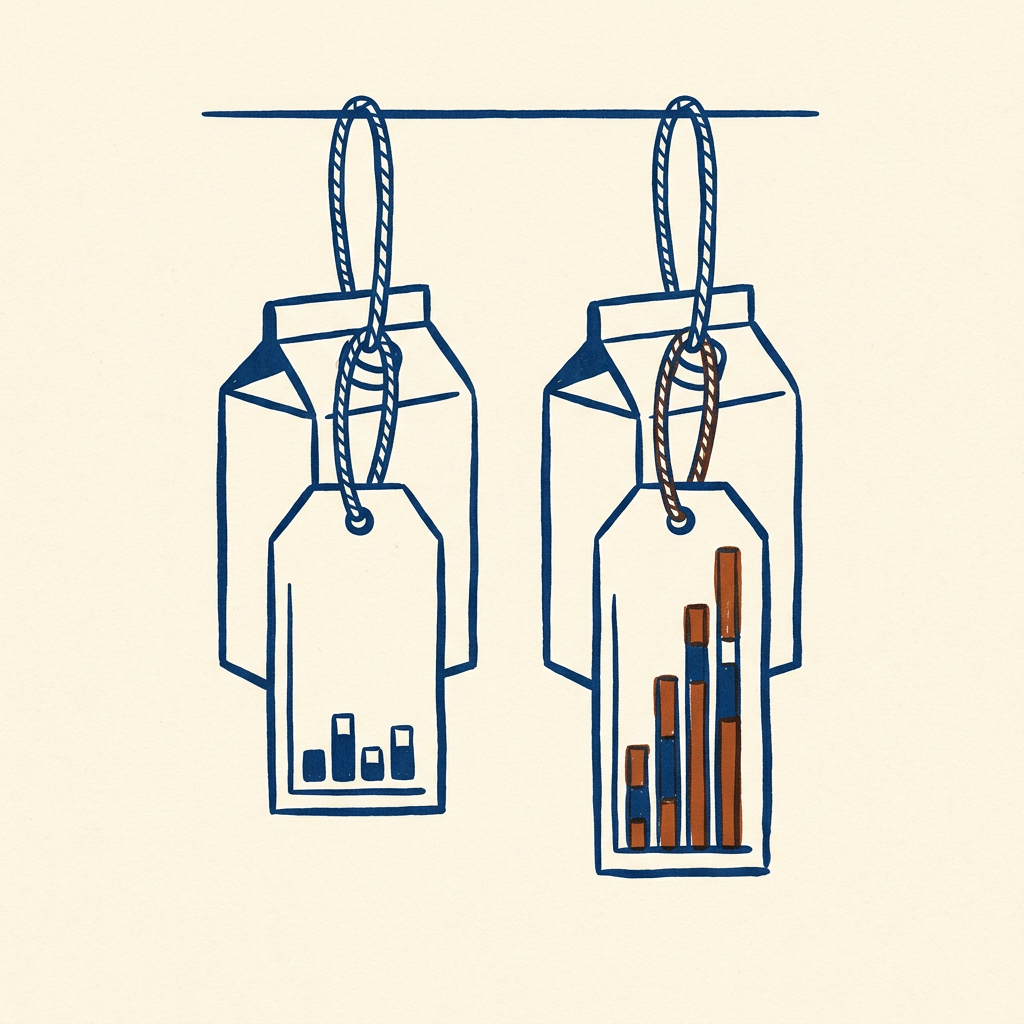
Solar and wind costs have crashed, but intermittency and storage limits mean they cannot fully replace fossil generation everywhere without firm power or storage breakthroughs.
Electricity is 27% of emissions and the sector where progress is most visible. Solar costs have fallen by more than 80% and wind by roughly 70% since 2010. That drop tempts the conclusion that renewables alone finish the job. Gates refuses it.
Sun and wind are intermittent. Batteries still cannot store enough energy cheaply for multi-day lulls or seasonal swings. A heat wave in Texas or a windless week in Germany shows why grids built only on renewables still reach for natural-gas backup.
He therefore keeps backing nuclear, including next-generation designs from TerraPower, the company he chairs, aimed at safer, smaller reactors with less waste. He admits nuclear’s cost-overrun record, pointing at plants like Vogtle in Georgia, yet argues that walking away abandons one of the few proven zero-carbon baseload sources.
Grid-scale options beyond lithium-ion—flow batteries, thermal storage—also need more research money. Ideal locations may already show a near-zero green premium; reaching zero everywhere, including weak sun and wind regions, still needs storage breakthroughs or more firm power than current politics likes.
In practice: A windless week in Germany or a Texas heat wave forces renewable-heavy grids back onto natural-gas plants for backup.
4
Cement and steel chemistry
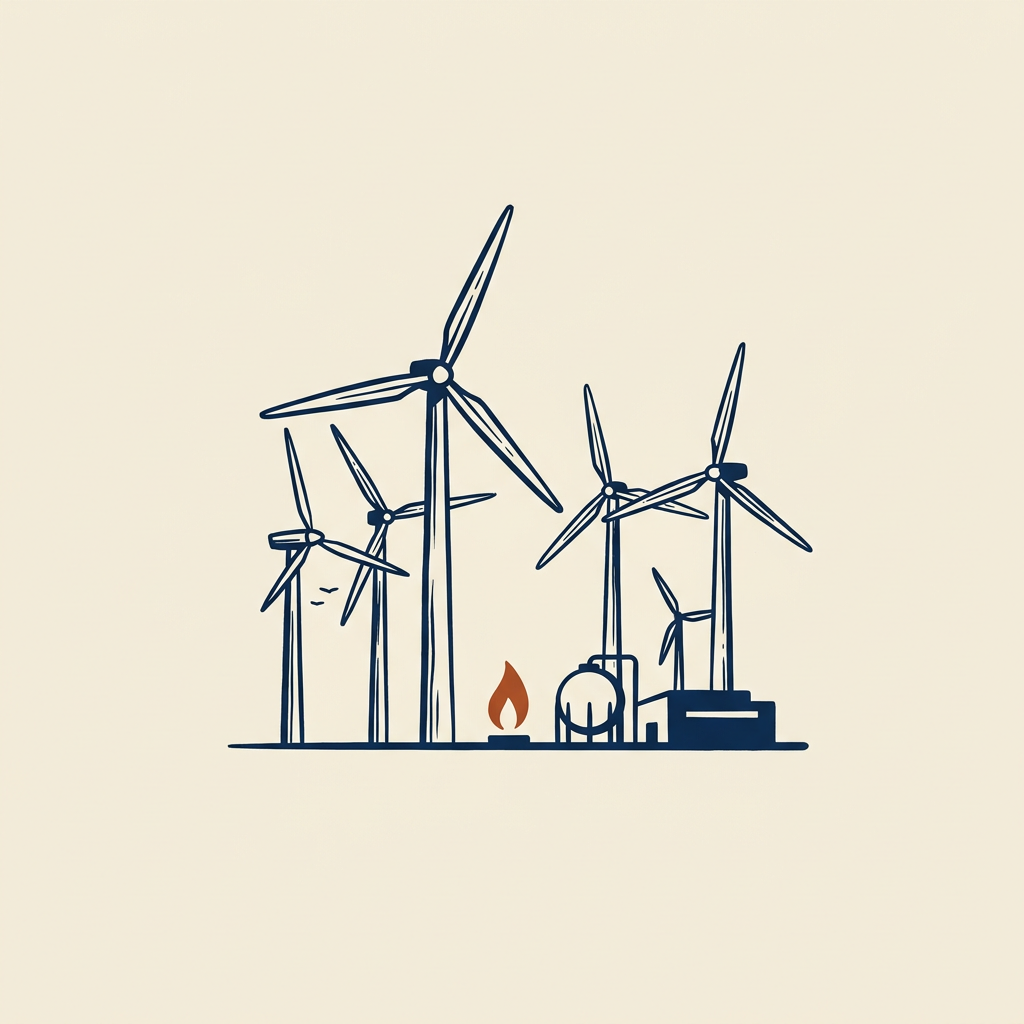
Heavy industry’s carbon often comes from unavoidable chemical reactions, not just burned fuel, so it needs new industrial processes rather than cleaner electricity alone.
100%+
typical green premium on clean cement or steel
Manufacturing is the largest bucket at 31% and the one Gates works hardest to make readers respect. Steelmaking uses coking coal as a chemical reactant to strip oxygen from iron ore, not only as heat. Cement releases CO2 when limestone is heated no matter what fuel sits under the kiln. Electrifying the furnace does not fix either path the way it fixes a factory full of motors.
Options on the table include carbon capture bolted onto existing plants, still expensive and niche; hydrogen replacing coal in steel, which Swedish company HYBRIT was piloting around the book’s writing; and cement mixes that use less clinker, the most carbon-heavy ingredient. Green premiums here often run 100% or more above conventional prices.
No consumer or company pays that gap voluntarily. Gates argues government procurement can create early demand—public projects already buy huge volumes of steel and cement—and force learning curves the same way early demand once cheapened solar panels.
At current gaps, consumer choice and corporate pledges cannot finish the sector. It needs a serious carbon price that rewrites industry economics or a sustained public research push on the scale once given to early computing and aviation.
In practice: HYBRIT in Sweden was piloting hydrogen in place of coal for steel, aiming at the chemical root of the emissions rather than only the heat source.

5
Farms without smokestacks
Agriculture’s methane and nitrous oxide are biological and diffuse, so solutions must protect nutrition and farmer livelihoods rather than simply demand less fertilizer or meat.
~300x
nitrous oxide potency vs CO2 per ton
Agriculture and land use are about 19% of emissions yet draw less public heat than cars or power plants because the gases do not pour from obvious stacks. Cattle emit methane through digestion. Synthetic fertilizer, essential for feeding billions, releases nitrous oxide nearly 300 times more potent than CO2 per ton.
Gates faces the tension head-on. The Haber-Bosch process and modern fertilizer keep a global population from mass starvation; telling farmers to use less is not a workable plan. He points instead to tools already moving: lab-grown and plant-based meats such as Impossible Foods and Beyond Meat, which he has invested in; methane-reducing feed additives; and precision application that puts fertilizer only where needed.
Deforestation compounds the problem by releasing stored carbon and erasing a sink; he cites ongoing Amazon losses in Brazil. He stays skeptical of blanket “eat less meat” campaigns, arguing that global food culture changes slowly and uncertainly compared with alternatives that match taste and price.
Policies that look like punishment of farmers or restrictions on food fail politically, especially where agricultural growth is still the path out of poverty. The sector needs fixes that do not trade climate gains for hunger.
In practice: Impossible Foods and Beyond Meat aim to shrink the green premium on protein so people can switch without sacrificing taste or cost.
6
Transport’s false unity
Passenger EVs are closing their green premium, but planes, ships, and long-haul trucks face energy-density physics that batteries cannot yet meet.
Passenger EVs
Shrinking green premium as batteries cheapen; desirability proven
Planes, ships, heavy trucks
Energy density blocks batteries; biofuels and electrofuels still several times costlier
Transport is 16% of emissions and looks deceptively solved when media focus on electric cars. Battery costs are falling and firms like Tesla proved EVs can be desirable, not merely dutiful, which sped consumer uptake. Gates draws a hard line after that success.
Long-haul trucking, shipping, and aviation need energy density batteries still cannot deliver. A pack heavy enough to fly a jet across the Atlantic would be too heavy to leave the runway. For those modes he turns to advanced biofuels and synthetic electrofuels made from captured carbon plus clean power—both still carrying green premiums several times the price of jet fuel or diesel.
Aviation may be among the hardest sectors to fully decarbonize by 2050 and might need offsets or direct air capture for residual tons. Global shipping, which moves most physical trade, has no cheap substitute yet for heavy fuel oil at the volumes ships burn.
Optimism about EV sales must not bleed across categories. The lightest vehicles are on a workable path; the harder physics of planes, ships, and heavy trucks is still largely untouched by market forces alone.
In practice: A battery pack sized to fly a jet across the Atlantic would be too heavy to get the plane off the ground.

7
Adaptation already due
Warming already locked in makes adaptation funding for the poorest—least responsible, most exposed—a moral and practical requirement, not a side project.
Rich-country adaptation
Air conditioning, sea walls, insurance markets absorb shocks
Poor-country reality
Thin fiscal capacity turns the same warming into far higher human cost
Prevention chapters dominate most climate books; Gates pauses to say some warming is baked in by past emissions and climate lag. Adaptation is therefore mandatory even under a best-case mitigation path.
Human costs fall hardest on tropical low-income countries. They contributed least to historical emissions yet face the worst mix of heat stress, crop failure, and disease. He cites his foundation’s work on warming that expands malaria-mosquito range and stresses staple crops such as maize in Sub-Saharan Africa.
Drought-resistant seeds, flood and storm early-warning systems, and basic health infrastructure save lives no matter how the innovation race ends. Rich countries can lean on air conditioning, sea walls, and insurance; poor countries often lack the fiscal room, so the same degrees of warming kill far more people without outside support.
This reframes the book’s cost logic. Earlier chapters priced clean tech against dirty tech. Here inaction carries its own enormous, unevenly paid bill—mostly by people who did not create the problem—and any serious plan must bundle innovation money with direct help for the vulnerable.
In practice: Foundation-backed work tracks how warming spreads malaria-carrying mosquitoes and stresses maize harvests across Sub-Saharan Africa.

8
Policy must force the pace
Invention alone will not close green premiums in time; carbon prices, clean standards, R&D budgets, and public procurement have to drive deployment and scale.
After chapters of technology, Gates turns blunt: markets will not pick the costlier clean option at the speed required. Policy is the missing accelerator.
His toolkit starts with carbon taxes or cap-and-trade that put a price on emissions—politically brutal, as the failed 2009 Waxman-Markey bill in the US Congress showed. Clean energy standards that force utilities to raise the zero-carbon share have proved more durable at US state level than a national carbon tax. Direct government R&D, he argues, is still chronically small relative to the problem; public money once de-risked early computing, the internet, and vaccines before private markets took over.
Government as first customer matters too. Military procurement helped drive down semiconductor costs in the 1960s; similar purchase commitments for green steel, cement, and jet fuel could pull the same cost curve. Rich countries must move first and shoulder more of the temporary green-premium burden, both because of historical emissions and because they can better absorb the hit.
Without that push, promising lab work stays lab work. Policy does not replace innovation; it decides whether innovation ever leaves the bench.
In practice: Military buying in the 1960s helped collapse semiconductor costs—the model Gates wants repeated for green steel, cement, and jet fuel.

9
Deadlines and real roles
Treat 2050 as a hard deadline with visible intermediate checkpoints, and judge every actor by tons removed rather than by hopeful sentiment.
Gates ends by turning the sector tour into something closer to a plan, not another wish list. Intermediate milestones matter the way quarterly targets matter inside a company: they reveal failure early enough to course-correct instead of waiting until 2050.
Roles are rough but clear. Governments fund research and write standards. Investors back risky early-stage climate tech the way venture capital once backed early software—the job he assigns his own Breakthrough Energy Ventures fund. People with money or voice, including Gates himself, should spend both, which is why he funds and publicly defends nuclear innovation and alternative proteins despite the controversy.
Individual lifestyle moves such as recycling or flying less are not nothing, yet they are dwarfed by the industrial changes mapped earlier. He pushes gently against messaging that centers personal virtue over systems that actually move the 51-billion-ton number.
The book returns to the opening pair—51 billion and zero—and asks the same question of every battery, tax, or diet tip: how many tons does it remove, and by when. Optimism without that discipline is just mood.
In practice: Breakthrough Energy Ventures exists to put investor capital into early climate tech the same way classic venture capital funded early software, accepting that most bets fail.
Key terms
- 51 billion tons Gates’s figure for yearly global greenhouse gas emissions—the starting number that must reach zero.
- Green premium The extra price of the clean version of a product or service compared with the dirty version.
- Zero by 2050 The emissions target Gates treats as necessary to keep warming from turning catastrophic.
- Intermittency The gap when sun and wind stop producing, which cheap batteries still cannot fully bridge.
- Firm power Reliable zero-carbon electricity that runs when renewables cannot, including nuclear and advanced storage.
- Clinker The most carbon-intensive ingredient in conventional cement, and a target for lower-carbon formulas.
- Electrofuels Synthetic fuels made with captured carbon and clean electricity, still far costlier than fossil jet fuel or diesel.
- Clean energy standard A rule that makes utilities raise the share of power from zero-carbon sources over time.
- Adaptation Investment that helps people survive warming already underway—seeds, warnings, health systems—especially in poor countries.
What to do
- Ask any climate donation what green premium it aims to close and by how much before giving.
- Push your organization to buy low-carbon cement, steel, or jet fuel even at a premium so early demand pulls costs down.
- Contact representatives about specific carbon pricing or clean energy standards rather than general climate concern.
- Research early-stage climate tech funds the way you would any venture category, accepting high failure rates for outsized payoff.
- Judge personal lifestyle tweaks by tons actually moved, not by how virtuous they feel.
Questions to think with
- Which of the five emissions buckets does your work, city, or portfolio touch most, and what is the green premium there today?
- Where should public money go first—deploying cheap renewables faster, or betting on still-expensive breakthroughs in cement, steel, and fuels?
- How should rich countries balance paying green premiums now against funding adaptation in countries that emitted least?
- If nuclear remains politically toxic in your region, what firm-power alternative closes the same reliability gap?
- Does treating individual footprint cuts as nearly irrelevant let high emitters off the hook, or does it correctly focus effort on systems?
The other side
The book barely touches the political economy of climate obstruction. Gates treats failures such as the 2009 Waxman-Markey collapse as bad luck rather than the product of a long fossil-fuel campaign of denial and lobbying against carbon pricing. Critics argue his tech-and-premium frame makes the problem look like pure engineering while underplaying concentrated corporate power that blocks the very policies he endorses. His enthusiasm for next-generation nuclear, direct air capture, and synthetic fuels draws fire for possibly distracting from faster rollout of today’s cheap solar, wind, and efficiency, which some researchers say could carry far more of the load by 2050. He also holds large stakes in TerraPower and Impossible Foods while recommending those categories, a conflict the book does not fully confront. Framing personal action as almost irrelevant sits awkwardly beside his own private-jet footprint, which he offsets with philanthropy—a trade some readers reject. Environmental justice and Indigenous stewardship get little voice; climate stays a technical puzzle for elites to solve on behalf of the vulnerable.
Who it's for
Professionals in energy, manufacturing, policy, and climate investing who need a systems map of where green premiums still block zero emissions. General readers who want a numbers-first path through climate news without pure alarm, and who can read past Gates’s own financial stakes in nuclear and alternative proteins.