




Stop counting nutrients and eat real food again
Reducing meals to nutrient scores has left us sicker while industry sells packaged stand-ins dressed as health science.
IJR · Oct 21, 2026 · 12 min read
In 60 seconds
- Pollan names nutritionism as the habit of treating food as a delivery truck for isolated nutrients, a frame that confuses more than it heals.
- The low-fat push of the 1980s and 90s swapped fat for refined carbs and coincided with rising obesity and diabetes, not the reverse.
- Food companies lean on nutritionism because a carrot cannot carry a health claim while a fortified cereal can.
- Isolated beta-carotene pills raised lung cancer rates in 1990s smoker trials even though vegetable sources of the same compound did not.
- Traditional diets worldwide differ wildly in fat and carb ratios yet historically avoided the chronic diseases that spike when populations adopt the industrial Western pattern.
- His fix is three plain rules: eat food your great-grandmother would recognize, not too much, mostly plants.
The big idea
Pollan argues that nutritionism—the reduction of food to its chemical parts—has replaced common-sense eating with industry-friendly confusion and made modern diet-linked illness worse. Health returns, he claims, when people drop nutrient chasing and return to whole traditional foods eaten in modest amounts with plants at the center.
The book in brief
Pollan starts from a simple observation: decades of nutrient headlines have left eaters more anxious and less healthy. He names the culprit nutritionism, the belief that food is mainly a vehicle for the right chemicals in the right doses, and shows how that belief drove the low-fat era’s swap of fat for refined carbohydrates while obesity and diabetes climbed.
He then follows the money. Whole foods cannot be trademarked or marked up with health claims; engineered products can. After the 1977 McGovern advice to cut fat, manufacturers flooded shelves with low-fat, high-sugar items and later with tens of thousands of annual packaged introductions built on corn, soy, and wheat and wrapped in nutrient language.
Next he limits what nutrition science itself can presently deliver. Isolating a compound and testing it in a pill often fails because the food matrix, companion compounds, and overall pattern matter; self-reported diaries and correlational studies keep reversing advice on eggs, butter, and more. Relying on provisional nutrient claims as a full culture of eating, he says, builds on sand.
The counter-evidence is historical. Populations that kept inherited food traditions—Mediterranean, Okinawan, and others studied by figures such as Weston Price—showed far lower rates of heart disease, obesity, and diabetes despite wildly different macronutrient mixes. When groups shift to industrial Western eating, those “diseases of civilization” rise within a generation.
From that diagnosis he offers three practical filters. Eat food: prefer what a great-grandmother would recognize, skip long unpronounceable ingredient lists and front-of-package health boasts, and shop the perishable edges of the store. Not too much: treat supersized portions, solo screen eating, and constant snacking as cultural failures, not personal ones. Mostly plants: build plates around vegetables, legumes, and grains, with meat as accent rather than centerpiece.
The book lands as a permission slip to quit parsing panels and trust older common sense about real food, reasonable amounts, and plant-heavy meals.
Context
Michael Pollan’s 2008 book arrived amid years of whiplash nutrition headlines and an exploding supermarket of fortified packaged goods. It mattered as a plain-language cultural brief that separated useful nutrition research from the marketing ideology that had captured everyday eating advice.
The key ideas
1
Nutritionism’s false frame
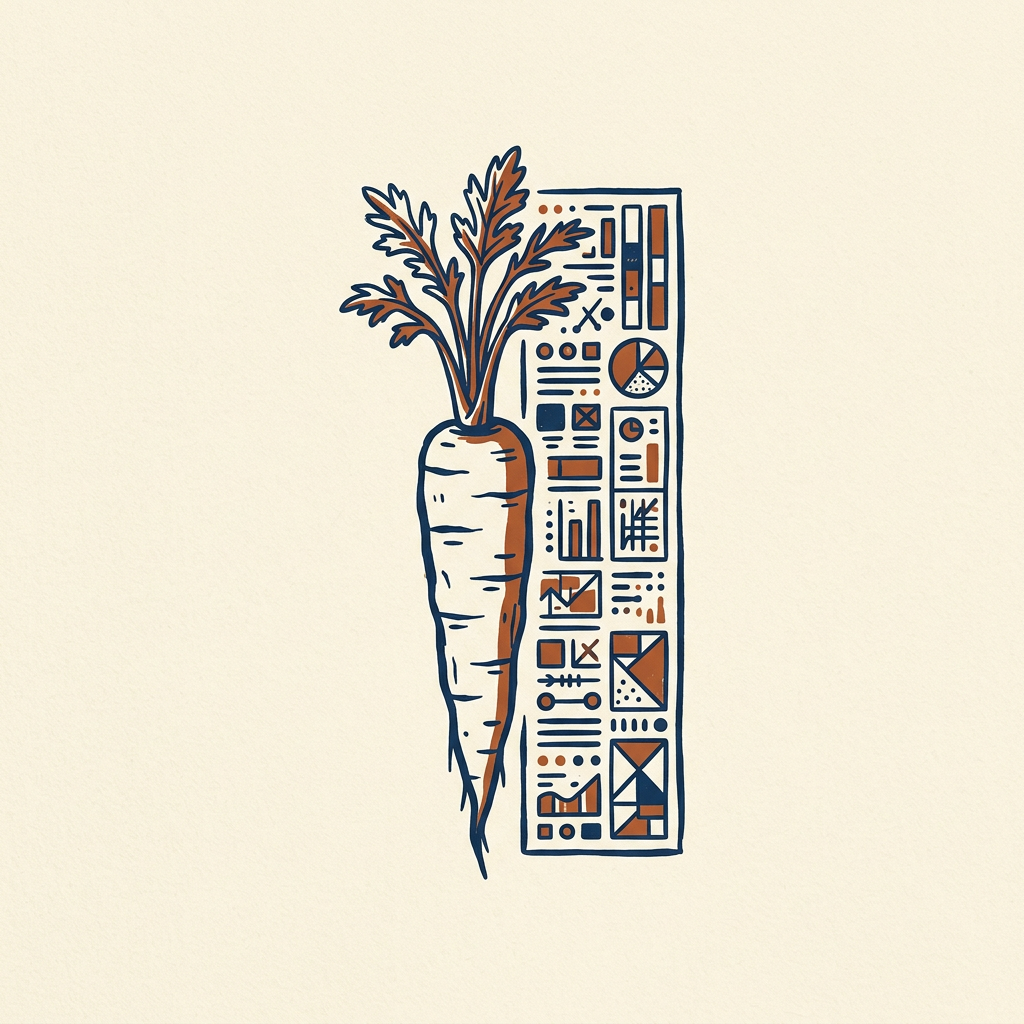
Treating food as a nutrient delivery system is an ideology, not settled science, and it has left eaters more confused and less healthy than traditional common sense.
Nutritionism
Judge food by isolated nutrients, labels, and shifting headlines
Traditional sense
Eat the way grandparents did, by whole foods and inherited rules
Pollan opens by defining nutritionism as the assumption that health is mainly a matter of getting isolated nutrients in the right amounts. That sounds rigorous, yet it rests on the unproven claim that we already understand food well enough to break it apart and reassemble only the important pieces.
He separates genuine nutrition research, which is still evolving and useful, from nutritionism as a cultural habit that oversimplifies for headlines and labels. The USDA pyramid and ingredient-panel shopping are products of that habit: they train people to trust chemical lists over recognizable whole foods.
The low-fat campaign of the 1980s and 90s is his clearest case. Driven by nutrient logic, Americans cut fat, replaced it with refined carbohydrates, and watched obesity and diabetes rise rather than fall. Traditional diets from the Mediterranean to Okinawa varied enormously in macronutrients yet produced healthy populations—something pure nutrient-counting cannot explain.
Before he can say what to eat, Pollan has to persuade readers that the mental frame most of them already use is the wrong one. Everything that follows rests on discarding that frame.
In practice: Americans who followed low-fat nutrient advice in the 1980s and 90s replaced fat with refined carbs and saw obesity and diabetes climb, not decline.

2
Industry’s profitable mimicry
Manufacturers embraced nutritionism because whole foods cannot carry health claims or big markups, while engineered products can.
Pollan argues the food industry did not invent nutritionism by accident; the ideology is uniquely useful to it. A plain carrot has no package on which to boast; a breakfast cereal spiked with synthetic vitamins can advertise fiber, omega-3s, or antioxidants and sound healthier than the food it displaced.
After the 1977 McGovern Committee urged Americans to eat less fat, companies translated the advice into waves of low-fat products. Removing fat meant adding sugar and starch to keep taste and shelf life, producing what he calls edible food-like substances—items engineered to hit sensory cues without the nutritional complexity of real food.
By the 2000s, he notes, U.S. supermarkets saw tens of thousands of new packaged products each year, most of them variations on corn, soy, and wheat dressed in fresh health language. Nutritionism therefore persists not only as bad science but as profitable bad science.
Without the economic story, the ideology might look like a mere intellectual error. With it, Pollan shows why better papers alone will not fix supermarket shelves: powerful actors benefit from the reductionist frame remaining dominant.
In practice: Fortified breakfast cereal can claim antioxidants and fiber on the box; a whole carrot cannot.
3
Science still too young
Nutrition research cannot yet capture why whole foods work, so treating provisional nutrient findings as final eating rules is a mistake.
Isolated pill
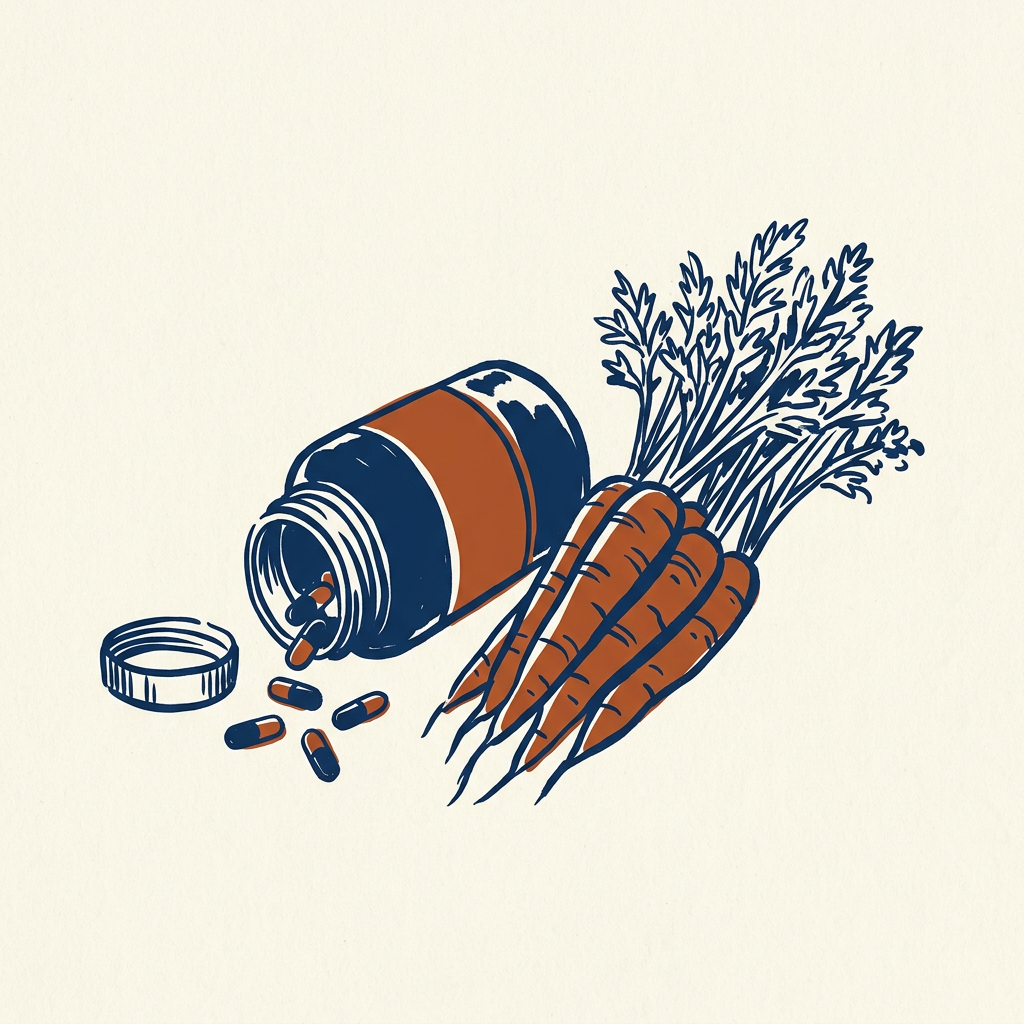
Beta-carotene supplement linked to higher lung cancer in smoker trials
Whole vegetable
Same compound in food context did not show that harm
Pollan turns the critique inward on the discipline itself. Compared with chemistry or physics, he says, nutrition science is still young and by design reductive: it isolates compounds and tests them out of the contexts in which humans actually eat.
The 1990s beta-carotene trials illustrate the gap. Large studies including ATBC and CARET gave smokers isolated beta-carotene pills; those subjects showed higher, not lower, lung cancer rates than people who obtained the compound from vegetables. The nutrient’s effect depended on the food matrix, companion phytochemicals, and the surrounding dietary pattern.
He also flags the shaky methods behind much advice. Large epidemiology often rests on self-reported food diaries that are unreliable and on correlations that cannot prove cause. That is why eggs, butter, and margarine keep flipping from villain to acceptable and back.
Pollan does not call the science worthless. He calls it premature as the foundation for an entire food culture. Choosing meals by today’s nutrient claim, he argues, is building on sand.
In practice: In the ATBC and CARET trials, smokers given beta-carotene supplements had higher lung cancer rates than those who ate beta-carotene-rich vegetables.
4
What tradition already proved
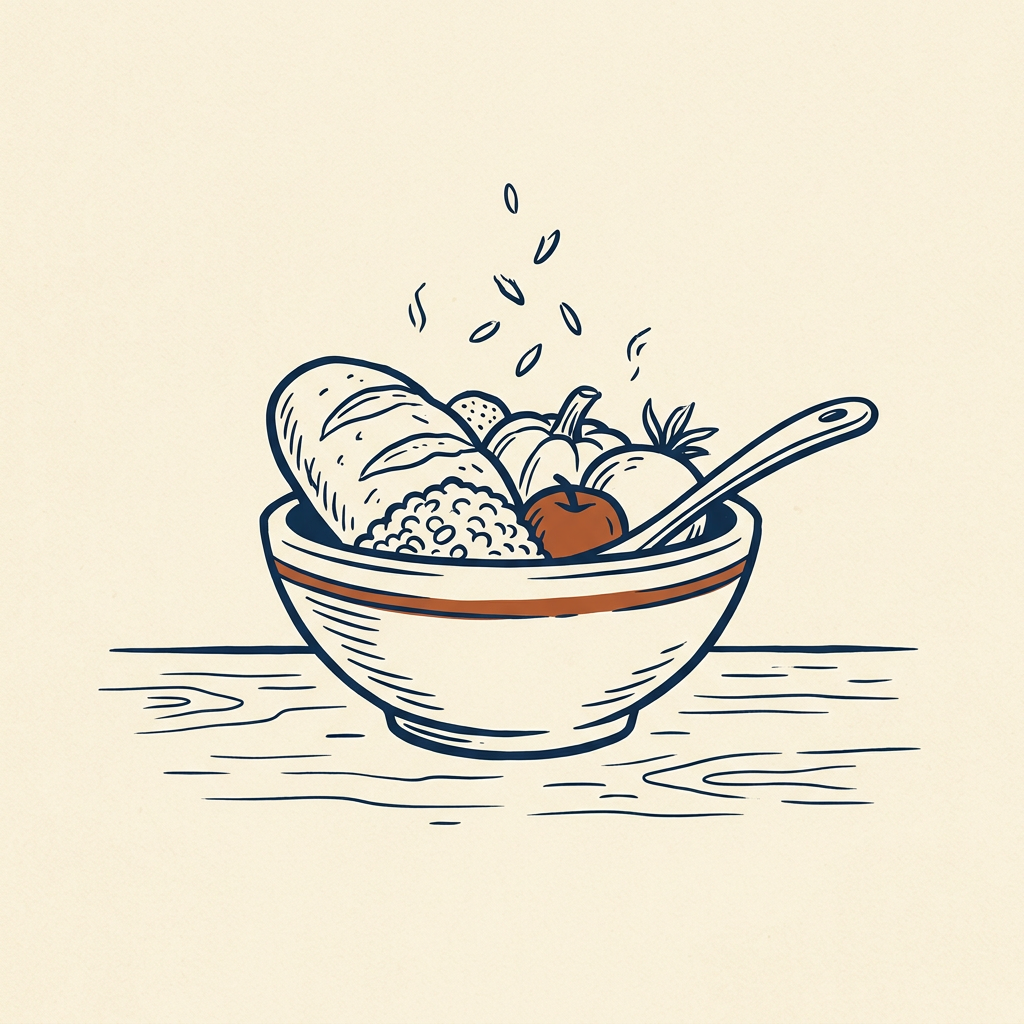
Cultures that never switched to nutrient-based eating and kept inherited whole-food rules historically avoided the chronic diseases of industrial diets.
Having dismantled nutritionism, Pollan looks at what worked before it. He draws on Weston Price’s 1930s studies of isolated groups and later work on Mediterranean, French, and Okinawan eaters: diverse traditional diets—high-fat or high-carb, meat-heavy or plant-heavy—produced far lower rates of heart disease, obesity, and diabetes than the modern Western pattern.
He names the recurring pattern “diseases of civilization.” When populations such as Aboriginal Australians or Pacific Islanders shifted from traditional diets to industrial Western ones, those illnesses rose within a generation.
What the successful traditions share is not a macronutrient ratio. They share structure: whole, minimally processed foods; cultural rules about portion and combination; and the absence of ultra-processed products. Pollan refuses to crown any single cuisine as ideal; Inuit and rural Asian diets differ radically.
The common factor is the lack of nutritionism and industrial processing. An alternative to nutrient-counting has already been tested across centuries and many peoples, and it outperformed the science-driven Western diet even though no one involved was reading labels.
In practice: When Aboriginal Australians and Pacific Islanders moved from traditional diets to Western industrial eating, chronic diseases rose within one generation.

5
Eat food, literally
Real food is whatever your great-grandmother would recognize; most supermarket center-aisle items fail that test.
The first rule is almost comic in its plainness: eat food. Pollan means that much of what fills modern stores is an industrial product built for profit, shelf life, and craving, not food in any historical sense.
He offers heuristics instead of nutrient math. Avoid products with more than five ingredients. Avoid ingredients you cannot pronounce or would not keep in your own kitchen. Avoid packages that trumpet health claims—real food seldom needs the advertisement. Shop the store’s edges, where perishables live, and treat the center aisles with suspicion.
The grandmother test is a proxy, not nostalgia. If a cook from decades or centuries ago would not recognize the item, it likely contains industrial processing and novel additives that human bodies have not long adapted to.
Margarine is his cautionary specimen: engineered to mimic butter and long sold as the healthier saturated-fat alternative, only for its trans fats to prove worse than the fat it replaced. Form and history, he claims, are steadier guides than this year’s nutrient story.
In practice: Margarine was marketed as healthier than butter on saturated-fat logic, then its trans fats were found more harmful than the fat it replaced.

6
Not too much, by culture
American overeating is driven by supersized portions, pricing, and the loss of social stop cues, not simple lack of willpower.
Industrial pattern
Supersized portions, solo screen and car eating, constant snacking
Bounded culture
Smaller portions, slower shared table meals, clear stop norms
The second rule attacks quantity as a structural problem. Pollan points to the documented growth of U.S. portion sizes since the 1970s and 80s, when chains and packaged snacks supersized because larger servings cost little more to make yet sold at higher margins.
He contrasts this with French eating culture described in the paradox literature: smaller portions, slower meals, and strong norms about when and how much to eat. American habits of eating alone, in cars, and in front of screens strip away the social signals that once ended a meal.
Psychological work he cites, including Brian Wansink’s on unit bias, shows people tend to finish what is placed in front of them regardless of hunger; plate and package size therefore predict intake.
Practical moves follow: eat at a table with others, use smaller plates, and treat snacking and dashboard dining as culturally odd rather than normal. Nutrient-perfect food can still wreck health if the surrounding culture supplies no natural brakes.
In practice: Wansink’s unit-bias research shows people eat what is in front of them; larger plates and packages quietly raise intake.
7
Mostly plants on the plate
Across long-lived low-disease populations, the steadiest marker is a diet built on vegetables, with meat as a minor accent.
- Vegetables, legumes, grainsDaily foundation of the plate
- Meat and animal foodsMinor accompaniment or occasional accent
- Ultra-processed itemsAbsent from the long-lived traditional patterns he surveys
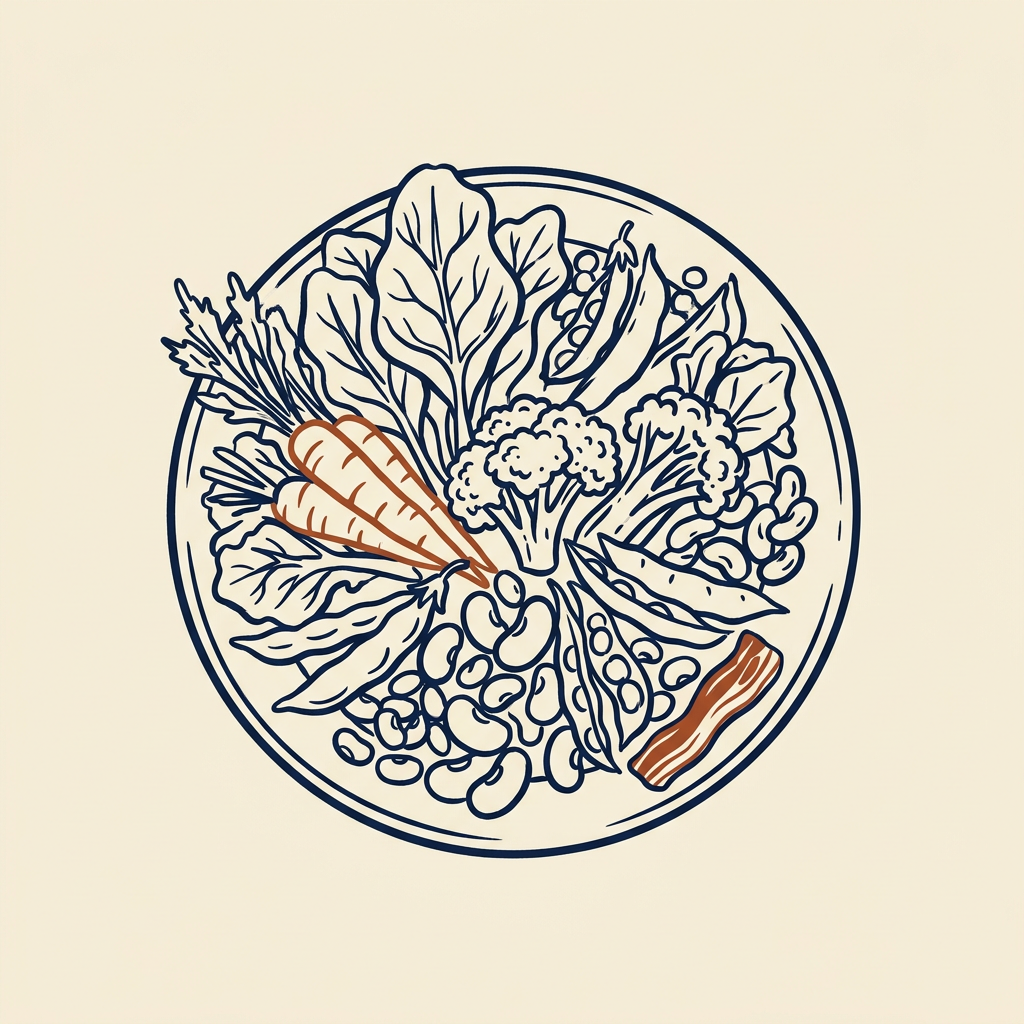
The third rule gives the diet a positive shape. Pollan reads the same traditional and long-lived populations—Okinawa, rural Mediterranean communities later popularized as blue zones—as heavily weighted toward vegetables, legumes, and grains, with meat used sparingly for flavor or ceremony rather than as the daily centerpiece.
He is explicit that this is not a brief for strict vegetarianism. Some healthy traditional diets, including Inuit and Maasai patterns, included substantial animal fat and protein. Even those, however, lacked the refined sugars and processed carbohydrates that define the industrial Western diet.
Moving meat off center stage and building meals around plants, he argues, raises fiber, micronutrients, and phytochemicals while lowering calorie density. He also notes that industrial feedlot meat differs in fat composition from pasture-raised meat, so “meat” is not one simple category.
Together with “eat food” and “not too much,” the plant emphasis turns cultural critique into a loose everyday plan rather than another rigid diet.
In practice: Okinawan and rural Mediterranean plates center vegetables, legumes, and grains, using meat sparingly rather than as the main event.
Key terms
- nutritionism The belief that food is mainly a delivery system for nutrients and that health equals getting the right ones in the right amounts
- edible food-like substances Industrial products engineered to mimic food’s tastes and textures without whole food’s complexity
- food matrix The natural structure and companion compounds in whole food that change how a nutrient behaves
- diseases of civilization Chronic illnesses such as heart disease, obesity, and diabetes that rise when populations adopt industrial Western diets
- grandmother test Heuristic: be wary of anything a cook from decades or centuries ago would not recognize as food
- eat food, not too much, mostly plants Pollan’s three-rule filter: real whole food, modest portions in a social setting, plant-centered plates
- unit bias The tendency to finish the amount placed in front of you, so package and plate size drive intake
What to do
- Shop the grocery perimeter for produce, meat, and dairy and skip most center-aisle packages this week.
- Before any packaged purchase, put it back if it has more than five ingredients or items you cannot picture in a home kitchen.
- Plan dinners with a vegetable or legume as the main component and meat only as a side.
- Eat at least one daily meal at a table without a screen and stop at satisfied, using a smaller plate if needed.
- Treat front-of-package boasts such as heart-healthy or immunity-boosting as a cue to scrutinize the ingredient list twice.
Questions to think with
- Which items in your regular cart would fail the great-grandmother recognition test, and what whole-food swaps are realistic this month?
- Where do portion size, screens, or solo eating most often override your own hunger cues?
- If nutrition headlines reversed on a food you trust, would you change your plate or trust the older cultural pattern instead?
- How much of your week’s protein could move from centerpiece to accent without feeling deprived?
- Which of Pollan’s heuristics feel useful where you actually shop, and which break down on cost or access?
The other side
Pollan’s own case leans on the same kind of correlational, cross-cultural comparisons he faults in nutrition epidemiology, without equal scrutiny of his selected examples. He highlights successful traditional diets while saying little about traditional populations that faced deficiencies, high infant mortality, or short lives for reasons unrelated to industrial food. The advice to shop edges, cook from scratch, and avoid packages assumes time, money, and store access that many working-class households and food-desert residents lack. Compared with his earlier work, the political-economy critique of corn and soy subsidies stays impressionistic rather than detailed. Memorable rules such as the five-ingredient or grandmother tests are rough 2000s-supermarket filters that do not travel cleanly to every food system and can dismiss useful fortification that reduced deficiency diseases.
Who it's for
Readers exhausted by conflicting diet headlines who want a cultural critique of processed food and a short, non-technical philosophy rather than another nutrient plan. Best for people ready to question supermarket health claims and rebuild meals around recognizable whole foods.