




How a poor club's spreadsheet beat baseball's richest rosters
Markets misprice talent whenever bias and appearances outrank evidence.
IJR · Oct 25, 2026 · 8 min read
In 60 seconds
- Oakland won 103 games in 2002 with one of the smallest payrolls in the majors by rejecting scouting folklore.
- Bill James, a cannery night-shift guard, proved baseball's pet stats were weak predictors; clubs ignored him for decades.
- On-base skill stayed cheap because it looked passive, so Oakland stocked walks and long college track records.
- The draft room erupted when Beane overruled scouts to take an overweight college catcher with elite on-base numbers.
- A submarine pitcher and other aesthetic rejects turned statistical undervaluation into cheap, reliable outs.
- Beane traded popular players like expiring assets, treating sentiment itself as a market inefficiency.
The big idea
Lewis argues that baseball's talent market failed because evaluators trusted tradition, bodies, and stories instead of the numbers that actually produce wins. A general manager willing to buy the ignored traits could compete with far richer clubs without matching their spending.
The book in brief
Billy Beane entered 2002 unable to replace the stars free agency had stripped from Oakland. Richer teams wrote checks. He had to rethink what a baseball player was worth.
He carried a private reason for doubt. As a young prospect, scouts had raved about his tools; the big-league career never matched the reports. That gap made him ready to listen when outsider analysis said the sport measured the wrong things.
With Paul DePodesta he rebuilt around the traits that actually created runs and avoided outs, then defended the method against scouts whose status depended on reading bodies and character. Trades followed the same cold logic: sell reputation high, buy neglected performance low.
By season's end the standings had delivered the verdict. A club that could not win the spending race could still win plenty of games once it stopped shopping where everyone else shopped.
Context
Michael Lewis published this in 2003 as a narrative of the Oakland season and the people who forced a new valuation method into a tradition-bound sport. It mattered because it showed a rigorous, data-driven approach could beat entrenched expertise, a lesson that spread far beyond sport into finance, medicine, and hiring.
The key ideas

1
Constraints force clearer prices
A tiny payroll did not doom Oakland; it forced Beane to hunt talent the rich clubs overlooked.
Beane had lived the old gospel as a prospect. Scouts loved his tools. The majors never delivered what the reports promised. The mismatch left him suspicious of every confident read that started with a body or a swing.
When free agency stripped the roster, richer clubs simply wrote larger checks. Oakland could not. The gap became a research problem: find players whose real contribution exceeded their price tag.
Conventional wisdom still held that payroll equaled wins. Beane's wager was that the talent market, not the bank account, was the broken piece. Anyone willing to measure value differently could turn inefficiency into a roster.
The season became the proof. Resource limits did not guarantee failure once the club stopped shopping in the same aisle as everyone else.
In practice: After Giambi, Damon, and Isringhausen left, Beane refused to chase famous replacements he could not afford and searched for ignored skills instead.

2
The cannery statistician
An amateur security guard showed baseball's cherished hitting stats predicted winning poorly, yet the sport ignored him for decades.
James was no scout and no ex-player. He worked nights at a pork-and-beans plant and self-published the Baseball Abstract. His question was blunt: did the numbers clubs worshipped actually track winning?
Batting average skipped walks. RBIs rose and fell with who happened to stand on base. On-base percentage and slugging tracked run creation far more tightly. He called the method sabermetrics after the research society that shared the obsession.
Professional baseball mostly shrugged. Front offices filled with former players trusted the eye. For a long stretch the best public analysis of the sport lived outside the sport. The lag was not about weak ideas; it was about whose status those ideas threatened.
Beane read the work as an operator, not a hobbyist, and started asking why his own industry left the edge unused.
In practice: James showed a walk moved a batter to first as surely as a single, yet scouting still treated the walk as a lesser, passive event.
3
Outs are the real currency
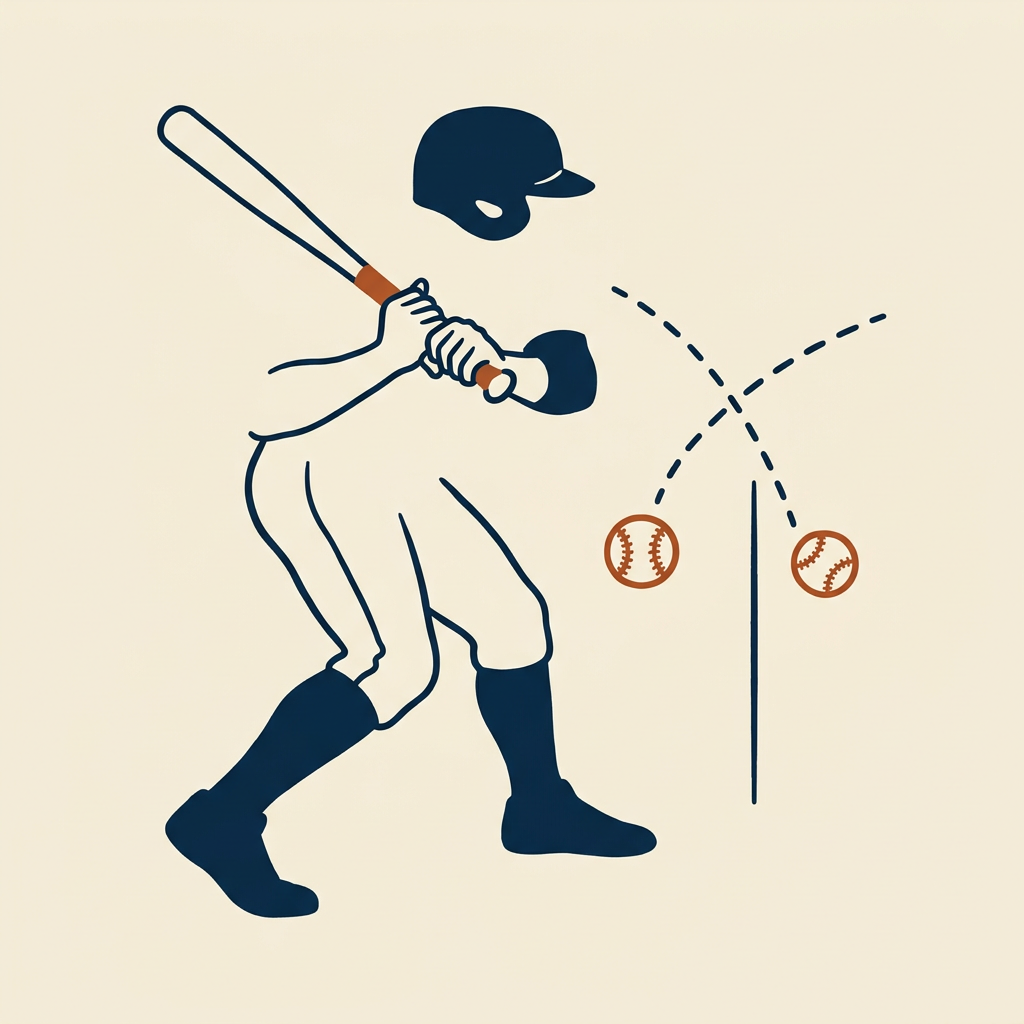
On-base percentage measures the job that matters most—not making an out—yet the market paid for batting average and home runs instead.
What the market paid for
Batting average, home runs, aggressive swings
What actually scored runs
On-base percentage, walks, plate discipline
DePodesta, Harvard-trained and never a player, helped center the roster on a blunt fact. Each game hands a team twenty-seven outs and no more. The hitter's primary job is refusing to surrender one.
On-base percentage counts every walk and hit-by-pitch beside hits. Slugging adds power. Together they forecast runs better than the batting average and RBI totals clubs still used to hand out money.
Salary patterns told the rest of the story. The market paid up for average and home runs. Walks barely moved the needle. Scouts dressed the undervaluation in moral language, calling patient hitters passive.
Oakland shopped where that prejudice left inventory. College hitters brought longer statistical histories against better pitching, which cut the uncertainty scouts usually filled with talk of frames and swings.
In practice: Hatteberg arrived with a ruined throwing arm and a Red Sox release; Oakland moved him to first base and bought the strike-zone eye cheap.

4
Draft board versus folklore
Replacing scouts' vivid stories with college numbers improved the selection process even while it enraged the veterans in the room.
- 1Drop the body talkTreat physique, face, and 'tools' language as noise
- 2Rank the recordOrder college hitters by on-base skill and discipline
- 3Absorb the furyPay the political cost of overruling the profession
The amateur draft turned the argument into an open clash. Traditional scouts ranked prospects by bat speed, arm strength, body projection, and makeup, all wrapped in confident language that predicted poorly.
Reports treated a player's face, physique, or girlfriend as character evidence. Beane overruled the room and steered picks toward plate discipline and proven college lines.
The scouts heard an insult to decades of craft. Adopting the spreadsheet meant admitting an entire profession's judgment had been overrated. Inefficiencies persist for exactly this reason: better information still needs someone with authority to use it against people whose identity rests on the old method.
Lewis does not need every pick to become a star. The innovation was running a superior process repeatedly instead of trusting vivid intuition repeatedly.
In practice: Jeremy Brown, heavy and dismissed as unathletic, rose on Oakland's board because his Alabama on-base record was excellent.
5
The ugly motion that worked
Evaluators confused a pretty delivery and radar readings with pitching skill, so effective oddballs stayed cheap.
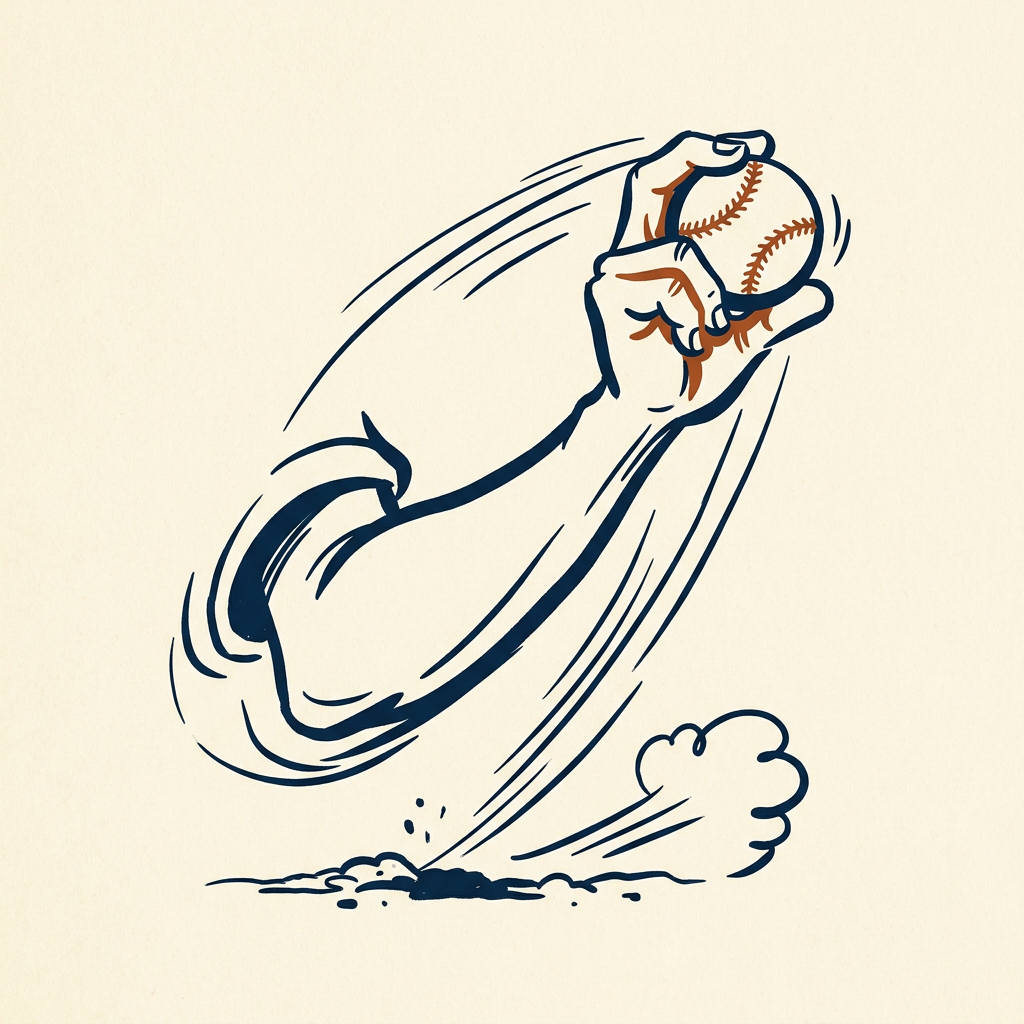
Bradford's arm did not look major-league. He threw submarine style, sidearm dropping toward underhand. Velocity never impressed anyone holding a gun.
Minor-league hitters still failed against him year after year. Earned-run averages and opponents' batting averages said he was effective. Clubs kept passing because the motion looked strange and the fastball was not the 95-mile-per-hour ideal scouts treated as talent itself.
Oakland acquired him cheaply from the White Sox. In the big-league bullpen the same odd motion produced reliable outs. The proxy error travels: interviewers chase articulate confidence, investors chase charisma, and both miss quiet competence that simply works.
Behind the undervalued row on the spreadsheet sat a person the aesthetic filter had discarded.
In practice: Bradford's years of minor-league dominance drew little demand until Oakland decided results outranked a conventional arm action.

6
Sell the beloved jersey
Emotional attachment to popular players is itself a mispricing; Beane exploited it by selling high and buying low without sentiment.
Most general managers fall in love with their own roster. Beane treated players as assets with expiration dates. When a well-regarded name entered the final contract year, he looked for a trade that captured remaining value before free agency erased it.
The stance felt cold even inside the organization. Writers and fans read the deals as disloyalty. He kept selling reputation high and buying players the market had already mourned.
That detachment let him rebuild a bullpen after Isringhausen without paying closer prices. Rivals could not bring themselves to unload draft darlings or clubhouse favorites, so the edge remained.
Sentiment is another tax an inefficient market collects from decision-makers who cannot bear to act.
In practice: Moves that stripped popular names off the roster baffled outsiders who still priced talent by story and affection.
Key terms
- sabermetrics James's statistical way of testing which baseball numbers actually help teams win
- on-base percentage How often a batter reaches base by hit, walk, or hit-by-pitch
- slugging percentage A power measure that weights extra-base hits more heavily than singles
- plate discipline The habit of laying off pitches outside the strike zone
- tools Scouts' checklist of raw physical skills such as bat speed and arm strength
- submarine delivery A sidearm-to-underhand throwing motion that looks wrong to traditional eyes
What to do
- List the traits your field publicly rewards and check which ones actually drive results.
- Flag three candidates or assets dismissed for looking passive, odd, or unathletic and re-rank them by track record alone.
- Run one hiring or budget decision this week before anyone narrates makeup, polish, or pedigree.
- Identify one sentimental favorite whose value is about to expire and price the trade or reassignment coldly.
- Read the outsider analysis your veterans dismiss and write down the evidence they never answer.
Questions to think with
- Where does your field still treat a proxy—confidence, pedigree, appearance—as the skill itself?
- What is the scarce resource that actually decides outcomes in your work, and who measures it?
- Whose status inside the organization depends on the old evaluation method staying sacred?
- Which popular performer are you overvaluing because of story rather than remaining contribution?
- If a night-shift outsider published better numbers about your industry, would anyone with power listen?
The other side
Lewis sets aside whether the 2002 draft picks ultimately thrived, leaving the true size of the edge untested in the text; the story can also underplay how fiercely the institutional fight continues once the inefficiency is no longer a secret.
Who it's for
Sports fans who want the origin story of analytics in games, plus managers and executives who need to see how data can beat conventional wisdom in any competitive field. General readers who like narrative nonfiction about outsiders will get the human stakes as clearly as the numbers.