




Girlhood habits of niceness quietly block corner-office careers
Overlooked mid-career women get a concrete checklist of the small habits that discount strong work before it is judged.
IJR · Oct 28, 2026 · 13 min read

In 60 seconds
- Frankel holds that girlhood training in deference, caretaking, and conflict avoidance becomes a liability when workplaces reward visible confidence over quiet competence.
- Hedged speech, constant nodding, and a small physical footprint shrink perceived authority before anyone weighs the actual content.
- Uncredited office housework and collective credit language leave promotion committees with nothing visible to reward.
- Sponsors who advocate behind closed doors matter more than mentors who only offer advice, and held disagreement beats reflexive harmony.
- The fix is a checklist of correctable behaviors—declaratives, accurate credit, negotiation, sponsor ties, deliberate visibility—not a personality overhaul.
- The book’s limit is shifting the full burden onto women to out-maneuver bias rather than pushing organizations to change how they evaluate.
The big idea
Big Idea. Frankel argues that many professional women unconsciously repeat childhood habits of deference, self-effacement, caretaking, and conflict avoidance that once earned approval but now read as weakness. Organizations promote what they can see, so turning competence into visible signals through speech, posture, dress, credit-claiming, and relationships is a required skill, not vanity.
The book in brief
Book in Brief. A woman apologizes for taking meeting time before she presents data that affects a budget decision. That small courtesy, Frankel holds, primes the room to treat her input as an imposition rather than a contribution.
She starts from girlhood training. Sharing credit, waiting turns, and tending others’ feelings once earned approval. In workplaces that reward claimed credit and taken airtime, those same habits quietly discount competence before anyone judges the work. The book then walks the habits one domain at a time.
Speech comes first: qualifiers, tag questions, and unnecessary apologies soften claims so listeners treat them as provisional. Body language follows—edge-of-chair sitting, constant nodding, smiles during bad news—broadcasting lower status faster than words can repair. Appearance rides the same fast channel when styles read as decorative or junior-coded.
Next she turns to how time and relationships get spent. Office housework such as notes, events, and informal mentoring consumes energy without building the track record promotion committees actually use. Collective credit language and skipped pay talks cede the professional narrative. Mentors offer comfort; sponsors, who speak up behind closed doors, move decisions. Conflict avoidance trains others to expect no resistance.
The arc lands on visibility as a skill. Excellent work done quietly is not enough, because organizations promote what they notice. Declarative speech, accurate credit, held positions, sponsor relationships, and stretch assignments that surface results convert competence into signals decision-makers can act on. The checklist is the point: specific behaviors, not a personality rebuild.
Context
Context. Lois P. Frankel published the book in 2004, drawing on patterns from her coaching practice with professional women. It offered a habit-level checklist at a moment when many women sensed they were stalled despite solid work, and it framed the stall as correctable behavior rather than missing ambition.
The key ideas
1
Girlhood training as liability
Habits that once made girls likeable—sharing credit, waiting turns, tending others’ feelings—become career discounts in workplaces that reward claimed credit and taken airtime.
Girlhood reward
Share credit, wait your turn, tend others’ feelings first
Workplace cost
Deferred speech, lost airtime, competence discounted before evaluation
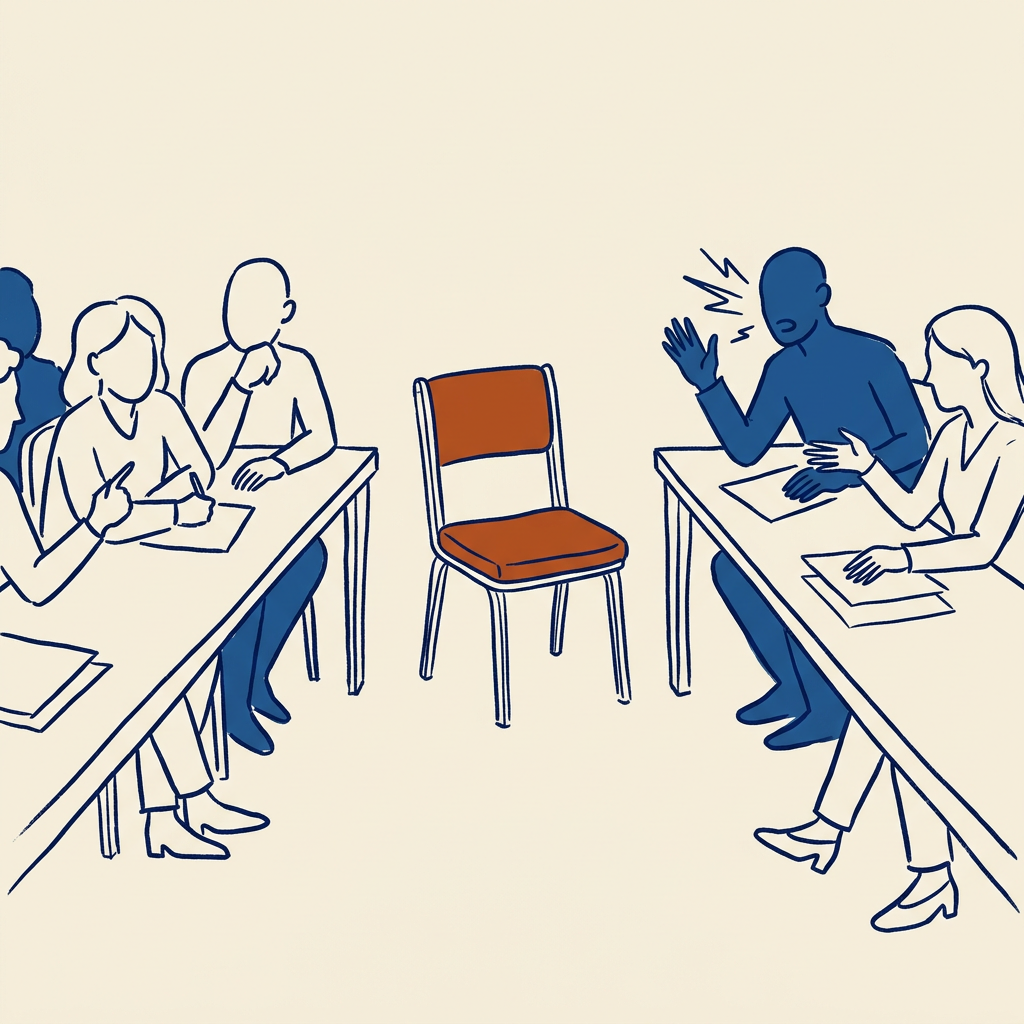
Frankel opens with a blunt claim. Much of what reads as personality in professional women is rehearsed childhood conditioning. Girls are praised for sharing credit, waiting their turn, not showing off, and putting others’ feelings first. School, friendships, and family lock the lessons in until they feel like identity, not training.
Trouble starts when that training meets a workplace with different rules. Credit is claimed. Airtime is taken. Self-advancement is expected. A woman raised to let others have a turn becomes the colleague who defers in meetings, waits to be invited to speak, and lets louder voices close the discussion even when her analysis was stronger.
She does not say women lack competence or drive. She treats a set of automatic, low-visibility habits as the thing that quietly discounts that competence before anyone evaluates the work. Naming specific habits instead of vague confidence problems turns a foggy complaint into a checklist of correctable actions.
That checklist structure carries the rest of the book, moving from speech through body language to career strategy.
In practice: A woman raised to wait her turn defers in meetings and lets louder colleagues define the room’s conclusions even when her analysis was better.
2
Speech that shrinks authority
Qualifiers, tag questions, and unnecessary apologies soften a claim before it is heard and train listeners to treat the statement as provisional.
Frankel turns next to language. She catalogs phrases that work as social lubricant and as authority discounts at once: openers that admit possible error, tag questions that seek permission, and apologies for ordinary speaking or asking. Each softens the claim before anyone hears it.
This is not always internal doubt. A woman can be certain of her analysis and still frame it tentatively out of habit. Conditioning discourages sounding too assertive. The cost compounds in meetings: a hedged statement gets talked over, revised by someone else, and credited to whoever restated it plainly.
Her fix is mechanical rather than psychological. Replace hedges with direct declaratives. Drop apologies for simply speaking. Rehearse stating the conclusion before the justification instead of burying the point in qualifiers.
She holds that changing the sentence structure changes the reception, even if internal confidence stays the same. That makes the advice testable and practical rather than motivational.
In practice: A woman apologizes for taking up meeting time before presenting data that directly affects a budget decision; the apology primes the room to treat her input as an imposition.

3
Body language as silent resume
Tilted posture, constant nodding, a small physical footprint, and smiling through bad news broadcast lower status before words finish.
Status-lowering habits
Chair edge, continuous nodding, smile during bad news, tucked feet
Executive presence
Full seat, still visible hands, steady eye contact, level tone under pressure
Frankel extends the speech argument to the body. Nonverbal signals are read faster and more automatically than words, so they can undercut a message before a sentence ends. She lists habits common among professional women: sitting on the chair’s edge, tucking feet under, nodding continuously while others talk, and smiling while delivering criticism or bad news.
These behaviors often earned childhood rewards as signs of being agreeable and non-threatening. In a boardroom they signal lower status to anyone scanning for who holds authority. Continuous nodding can read as agreement even when none is intended. A smile during bad news mutes seriousness.
Her prescribed fix is to mirror presence already associated with executives. Occupy the full seat. Keep hands still and visible on the table. Hold steady eye contact during disagreement. Use a firm, level tone that does not rise under pressure.
Presence is judged in real time, before content is processed. That makes body language a lever separate from, and sometimes stronger than, the words chosen.
In practice: A manager nodded while a peer criticized her project in front of clients; the nodding read as agreement despite her later rebuttal, and the client left with the peer’s framing intact.

4
The office housework trap
Volunteering for or absorbing undervalued support tasks consumes time without building the visible track record promotion decisions actually use.
Invisible labor
Note-taking, holiday events, informal mentoring, conflict smoothing
Promotion currency
Client pitches, revenue outcomes, named strategy work, measurable results
Having covered moment-to-moment perception, Frankel turns to a structural pattern: who does the unglamorous necessary work. Note-taking, organizing celebrations, informal onboarding, and smoothing conflicts often fall to women by request or self-selection because the tasks fit conditioned caretaking instincts.
The work is real and often appreciated in the moment. It rarely appears in performance reviews or promotion talks because it is not tied to revenue, strategy, or client outcomes. Colleagues who decline it free time and attention for high-visibility projects that decision-makers track.
Her case contrasts two people on the same team. One organizes the department holiday event and mentors new analysts informally. The other leads a client pitch that lands a renewed contract. At review time only the pitch is mentioned as evidence of leadership potential.
She does not call support labor worthless. She treats it as systematically invisible to the metrics used to decide who advances, and notes that women disproportionately absorb it. Audit a typical week, decline or delegate a portion, and redirect time toward named assignments with measurable outcomes.
In practice: One teammate organizes the holiday event and mentors new analysts; another leads a client pitch that renews a contract. Only the pitch shows up at review time as leadership evidence.
5
The self-promotion gap
Waiting to be noticed and describing individual work as a team effort cedes control of your narrative to people who usually value it downward.
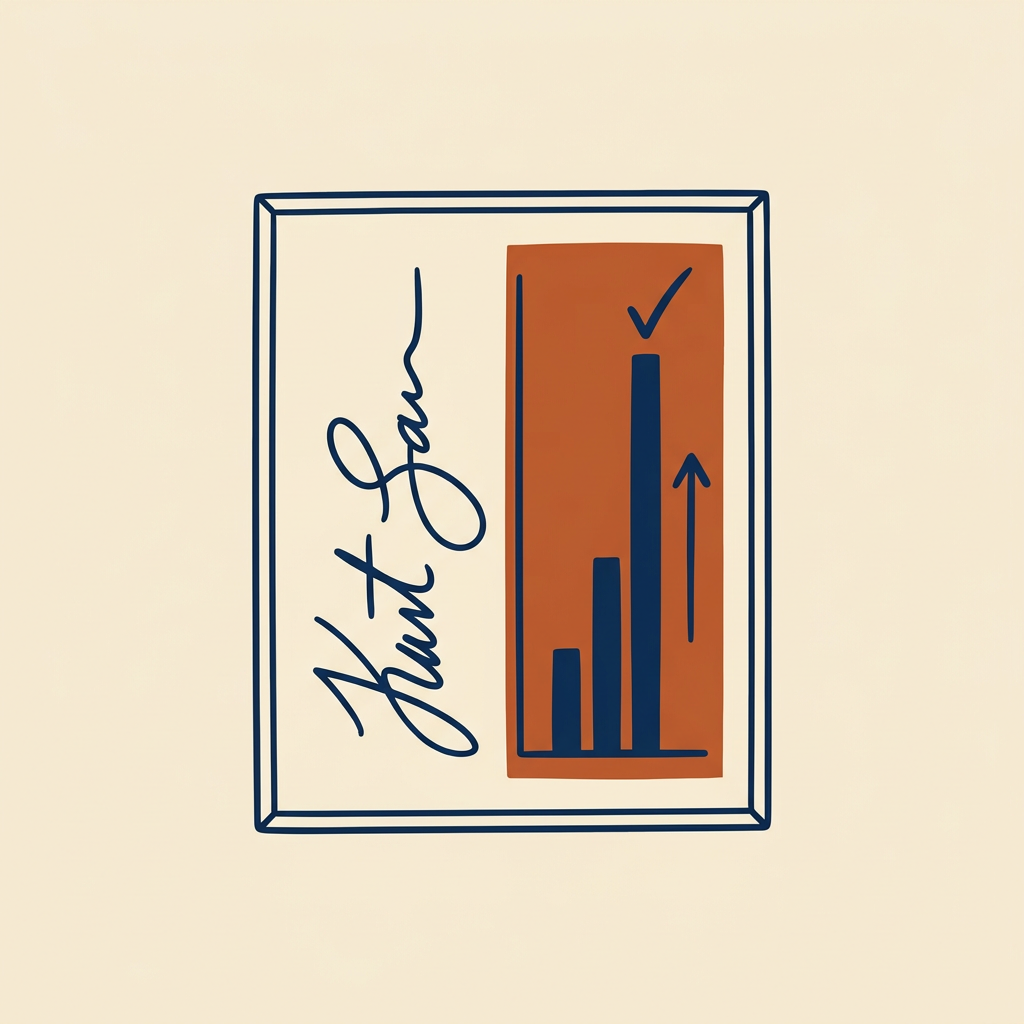
Frankel links invisible labor to a broader pattern: reluctance to state accomplishments plainly. Many women were taught that bragging is unattractive, so they default to collective language even for individual contributions and assume good work will be noticed without being pointed out. Credit drifts toward whoever claims it clearly.
Her recommended fix is factual, not boastful. State contributions in specific, measurable terms in reviews, project debriefs, and casual conversation with people who influence decisions. Replace foggy collective praise with an accurate account of what you led and what changed.
The same logic reaches salary talks. She notes women are less likely than men to negotiate a starting offer or ask for a raise outside the annual cycle, often from discomfort with seeming demanding. Because raises typically compound on a percentage basis, a smaller start or a skipped early negotiation widens over years into a substantial gap, independent of performance.
Silence about one’s own value is read as an accurate signal of that value, not as modesty. Claiming credit and negotiating pay function as career maintenance, not optional extras.
In practice: Rephrasing “we did a good job” into “I led the redesign that cut production costs by 12 percent” turns collective fog into an accurate, measurable claim.
6
Appearance as authority signal
Clothing and grooming act as a fast credibility check, and styles that read as decorative, deferential, or junior-coded undercut authority before a word is spoken.
Authority discount
Playful accessories, casual fabrics, junior-coded styles in conservative settings
Role-matched signal
Tailored pieces that match or slightly exceed the tier above, within industry norms
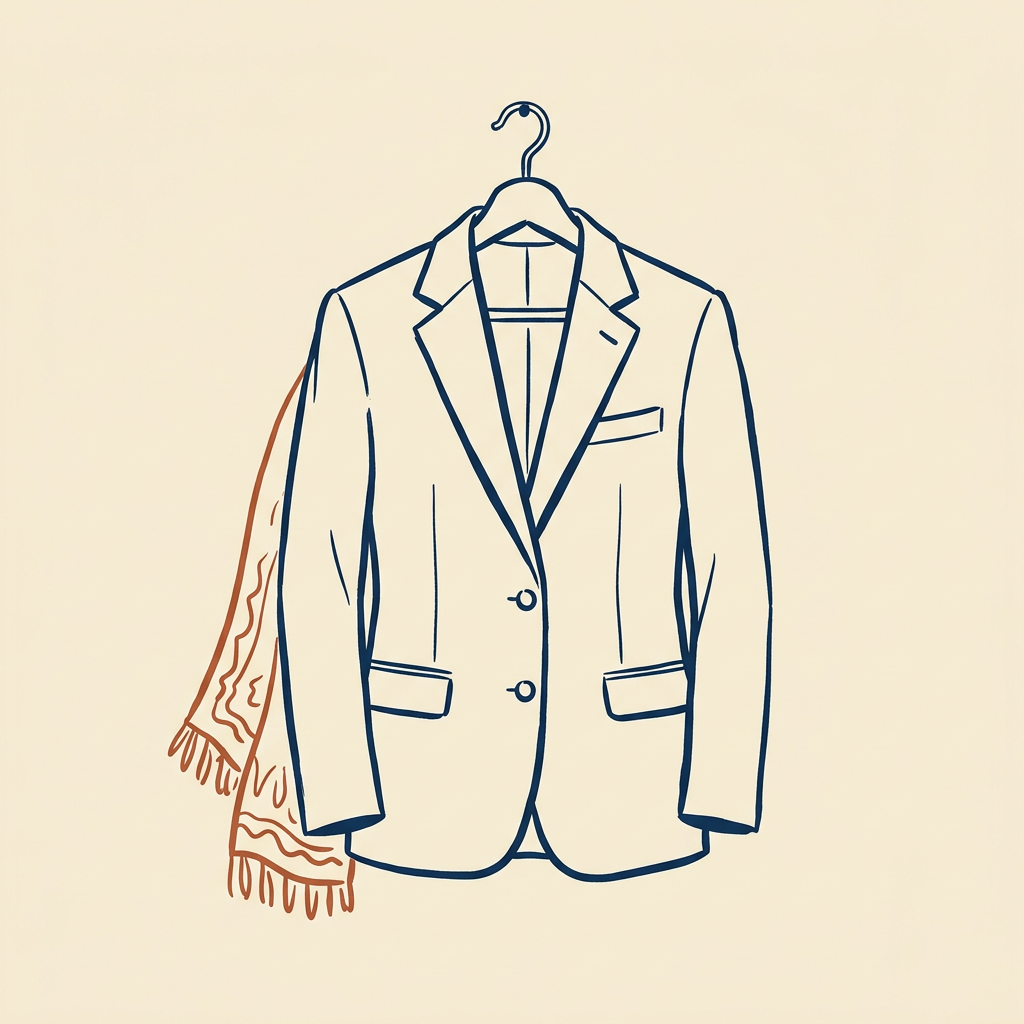
Frankel argues that dress rides the same pre-verbal channel as body language. In most organizational cultures, overly cute accessories, very casual fabrics, revealing cuts, or styles associated with junior roles can trigger a quick, often unconscious downgrade in perceived seniority, regardless of title or expertise.
She frames this as a description of how bias currently operates, not a moral judgment about any style. She acknowledges the standard is unfair and inconsistently applied. Practical guidance is to dress for the role one wants rather than the role one holds, matching or slightly exceeding the visual authority cues of the tier above while staying inside industry norms.
A manager who habitually wore playful, youthful clothing at a conservative financial firm found colleagues routinely assumed she was a junior assistant in client meetings. She had to re-establish her role verbally again and again. Swapping to tailored, less decorative pieces removed that repeated friction.
If speech and posture are read instantly for status, appearance is simply another channel carrying the same kind of signal. Ignoring it means fighting uphill on every other front already described.
In practice: A manager in playful, youthful clothes at a conservative financial firm was repeatedly mistaken for a junior assistant in client meetings until she switched to tailored, less decorative pieces.

7
Mentors versus sponsors
Being broadly liked is not the same as being backed by the few people whose opinions actually move promotion decisions.
- SponsorSpends political capital advocating for you in closed-door advancement decisions
- MentorOffers advice and encouragement without controlling promotion outcomes
- Peer friendsProvide comfort and shared confidences but rarely move formal advancement
Frankel shifts from individual behavior to relationship strategy. She distinguishes a mentor, who offers advice and encouragement, from a sponsor, who spends personal political capital advocating for someone when promotion or assignment decisions are made behind closed doors.
Her observation from coaching is that women tend to accumulate mentors and peer friendships built around comfort and shared confidences. Men more often cultivate sponsor ties with senior figures who have direct influence over advancement. Mentorship improves skill and confidence. Only sponsorship gets a name into the closed-door meeting about who gets the promotion or stretch assignment.
A capable manager had several supportive same-level friends and a kind mentor two levels up, none of whom sat on the committee that decided departmental promotions. A less experienced male peer had cultivated a relationship with a division vice president who advocated for him when the position opened.
She treats this as a pattern shaped by the same earlier conditioning—more comfort seeking validation and connection than deliberately building strategic, sometimes transactional, ties with people who can materially affect a career. Map who actually sits in the decision room and invest time earning that person’s confidence in the work.
In practice: A capable manager with supportive peers and a kind mentor still lost out because none sat on the promotions committee; a less experienced peer had a division vice president who advocated for him directly.

8
Owning conflict, not smoothing it
Avoiding disagreement to preserve harmony removes your ability to shape decisions and signals that your positions are always negotiable.
Harmony reflex
Automatic yes to every request; softened feedback; accepted scope creep
Held position
Name real time or resources needed before agreeing; keep critical feedback usable
Frankel addresses a habit that threads through the earlier ones: the instinct to defuse tension rather than hold a position. She describes women agreeing to unreasonable deadlines, accepting scope changes without pushback, and softening critical feedback until it loses usefulness, all to avoid the discomfort of visible conflict.
She traces the instinct to childhood social training that penalized girls for being difficult. In professional settings, negotiation and disagreement are normal tools of the job, not breaches of etiquette. A manager who reflexively says yes to every resourcing request trains colleagues and superiors to expect no resistance. That erodes working conditions and standing as someone with independent judgment.
She contrasts this with a manager who, given an unreasonable deadline, states clearly what resources or time extension the work actually requires before agreeing. Short discomfort of pushback buys long-term credibility and better outcomes.
Conflict avoidance is often mistaken for professionalism. Controlled, direct disagreement is what signals that judgment can be trusted rather than assumed to bend under pressure.
In practice: A manager given an unreasonable deadline states the resources or time extension the work actually requires before agreeing, trading short discomfort for lasting credibility.

9
Visibility is a skill
Doing excellent work quietly is not a viable career strategy on its own, because organizations promote what they can see.
The final substantive chapter pulls the threads into one claim. Competence that is not seen does not get rewarded, and making it visible is a distinct skill from the competence itself. Many women assume, consciously or not, that consistent quality work will eventually be recognized without deliberate effort to surface it—an assumption the book has been dismantling domain by domain.
Frankel recommends building a recognizable professional identity: being known specifically for one or two areas of expertise rather than a generalist who is reliably helpful but not distinctly tied to any outcome. Volunteer for visible stretch assignments such as cross-departmental task forces or client-facing projects. Ensure project outcomes reach people beyond the immediate manager. Treat performance reviews as a chance to present a curated record of contributions rather than a passive check-in.
A technically skilled analyst was well regarded internally but passed over for a leadership program twice. She began presenting her analyses directly to senior stakeholders instead of routing them only through her manager. After that her name started appearing in conversations about advancement.
None of the individual fixes—speech, posture, dress, relationships, conflict—matter in isolation. Together they decide whether actual capability becomes visible enough for an organization that can only act on what it notices.
In practice: A skilled analyst passed over twice for a leadership program began presenting analyses directly to senior stakeholders; her name then started appearing in advancement conversations.
Key terms
- Girlhood conditioning Childhood training in deference, sharing credit, caretaking, and conflict avoidance that later reads as weakness at work.
- Authority discount A small verbal or nonverbal habit that makes listeners treat a person or statement as lower-status before judging the content.
- Hedge A qualifier, tag question, or unnecessary apology that softens a claim and trains listeners to treat it as provisional.
- Office housework Unglamorous support tasks—notes, events, informal mentoring, conflict smoothing—that consume time without building a promotion record.
- Sponsor A senior person who spends political capital advocating for you when advancement decisions are made behind closed doors.
- Mentor Someone who offers advice and encouragement but does not necessarily influence promotion outcomes.
- Visibility The deliberate skill of converting real competence into signals an organization can notice and reward.
What to do
- Audit hedges, apologies, and tag questions in your next three meetings and replace at least half with direct statements.
- Pick one uncredited support task you regularly do, decline or delegate the next request, and put that time on a named visible project.
- Before your next manager one-on-one, write three accomplishments in measurable terms and state them without folding them into “we” language.
- Identify one person with real influence over promotion decisions who does not yet know your work, and schedule time to show a concrete result.
Questions to think with
- Which of your default phrases still shrink a claim before anyone hears the substance?
- Where does your time go each week that never appears in a performance review?
- Who actually sits in the room when your next advancement decision is made, and do they know your specific results?
- When did you last hold a position under disagreement instead of smoothing it over?
- If your good work stayed invisible for another year, what would that cost you?
The other side
The book’s central weakness is its framing: it treats a structural pattern of workplace bias as a set of individual habits for women to correct, which shifts the burden of change onto women rather than onto the organizations and evaluators whose perceptions create the penalty. Assertive, self-promoting behavior can also trigger backlash, with women rated competent but less likable and sometimes penalized for violating expected gender norms—a bind the individual-behavior framework does not seriously navigate. The evidence base is thin by design, built on coaching case histories rather than controlled studies or large datasets, so claims about what specific behaviors cause promotion gaps stay illustrative. The book is not intersectional; its examples largely assume a white-collar, majority-white American corporate context from the early 2000s, and assertiveness, dress, and communication style are read differently depending on race, with distinct penalties a generic checklist does not address. It also offers almost nothing for women in non-corporate, freelance, or international settings where its dress and etiquette advice may not transfer.
Who it's for
Mid-career professional women who feel overlooked for promotions despite strong performance reviews will get the most from the full checklist. Managers and mentors trying to explain workplace dynamics to junior women without vague confidence talk, and anyone curious how early gender socialization shapes adult professional behavior, will also find it useful.